



University of California Davis Sheep Mowers

The Sherman Antitrust Act of 1890, which prohibits anticompetitive practices and monopolies, has an indirect but significant relationship with voluntary consensus standards (VCS). VCS are industry-developed standards created through collaborative, open processes to ensure interoperability, safety, or efficiency in products and services. 1. Antitrust Concerns in Standard-Setting: The collaborative nature of VCS development, where competitors work together to set industry standards, can raise antitrust concerns under the Sherman Act. If standard-setting organizations (SSOs) or participants engage in practices like price-fixing, market allocation, or excluding competitors, they could violate Section 1 of the Act, which prohibits agreements that unreasonably restrain trade. For example, if an SSO excludes certain firms from participating in standard-setting to suppress competition, it could face scrutiny. 2. Procompetitive Benefits: Courts and regulators generally recognize that VCS, when developed transparently and inclusively, promote competition by fostering interoperability, reducing costs, and encouraging innovation. The Sherman Act supports such procompetitive activities as long as they don’t involve collusion or exclusionary tactics. Guidelines from bodies like the U.S. Department of Justice (DOJ) and Federal Trade Commission (FTC) emphasize that SSOs should adopt open, fair processes to avoid antitrust violations. 3. Legal Precedents: Cases like Allied Tube & Conduit Corp. v. Indian Head, Inc. (1988) illustrate the Sherman Act’s application to VCS. In this case, the Supreme Court found that manipulating a standard-setting process to exclude a competitor’s product violated the Sherman Act. This underscores the need for SSOs to ensure their processes are not abused to suppress competition. 4. Patent and FRAND Issues: VCS often involve patented technologies, requiring fair, reasonable, and non-discriminatory (FRAND) licensing terms. If patent holders abuse their position by demanding excessive royalties or refusing to license, this could be seen as monopolistic behavior under Section 2 of the Sherman Act, which addresses unilateral conduct that harms competition. The Sherman Act ensures that VCS processes remain competitive and do not become vehicles for collusion or monopolistic behavior. SSOs must design their procedures to comply with antitrust laws, balancing collaboration with the prevention of anticompetitive practices.
Sherman Act 1890
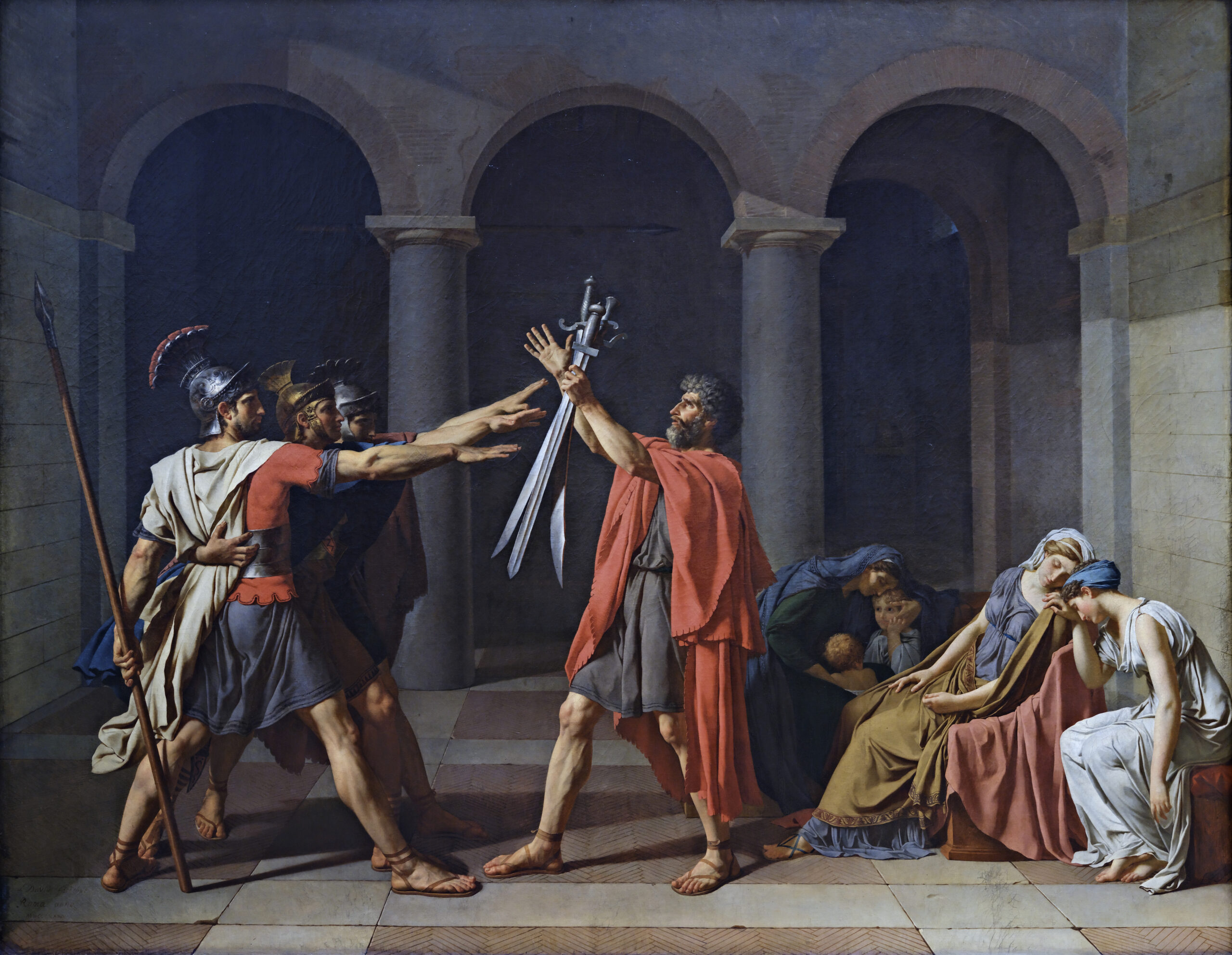

On 9/11 the FDNY lost 343 of their own.
Not statistics. Sons, fathers, husbands from 75 firehouses across the five boroughs.
121 engine companies and 62 ladder companies answered the call. Every Rescue company in New York went in.
They knew the buildings were coming down and… pic.twitter.com/e4ArBUmfLq— Sassafrass84 (@Sassafrass_84) September 7, 2026

Scales Mound School District | Jo Daviess County Illinois 815
Oxford students after exams, 1989. pic.twitter.com/HQbO4r6dUE
— M (@0detobeauty) May 27, 2026
The calendar of Anglosphere educational settlements subtly shapes life of the mind, generally; and family and community life, specifically. Its cadence has roots in the cathedral schools and monastic learning communities of medieval Europe. Universities were not originally organized around modern “semesters.” Instead, the year followed the Christian liturgical calendar, agricultural seasons, food paths, daylight availability, and travel conditions.
In America educational calendars were nudged along by agricultural cycles. In the United Kingdom university calendars evolved into three major terms: Michaelmas in autumn, associated with arrival and beginnings; Hilary or Lent in winter, associated with discipline and study; and Trinity or Easter in spring, associated with examinations, outdoor rituals, music, rowing, gardens, and celebration.
Modern commencement traditions across the Anglosphere are descendants of medieval spring degree ceremonies. Academic gowns, hoods, processions, Latin phrases, formal dining, chapel music, and public recognition all preserve traces of the university as a scholarly guild and religious-civic community.
Before railways, electric lighting, and central heating, universities had to adapt to muddy roads, short winter days, limited candles, cold buildings, and agricultural obligations. Spring therefore became the natural season of culmination, reunion, athletic competition, courtship, and ceremony.
The medieval university was not merely a school but an educational settlement — a self-governing town of scholars, libraries, chapels, kitchens, workshops, residences, and dining halls. That settlement pattern survives in residential colleges, quadrangles, tutorial systems, common rooms, chapel choirs, and formal meals.
Anglosphere campuses retain this ancient emotional rhythm: autumn seriousness, winter inwardness, and spring release. That continuity helps explain why colleges and universities still feel culturally distinct from ordinary commercial society. (Relata: Gulliver Visits the Great Academy of Lagado)

We’re “organized” but not too organized; like the bookseller who knows where every book can be found.
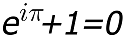
at a conference where you don’t have to present
— Peyman Milanfar (@docmilanfar) April 4, 2025
#AcademicChatter #AcademicTwitter
Academics be like 👇 pic.twitter.com/6cpVEw3PVS
— Reviewer 2 (@GrumpyReviewer2) April 2, 2024





