Will be to arrive where we started
And know the place for the first time.”

Eastern Michigan University Campus: A Bomber Workers’ Village

What Is Money and Why Do We Trust It? Imagine that every country has its own money, measurements, electrical systems and technical rules, and that none of them work easily together. Buying goods, building machines or trading across borders becomes difficult and expensive. In 1944, while World War II was still being fought, representatives of 44 nations met at Bretton Woods, New Hampshire, to establish common rules for the international monetary system. They created the foundations of the International Monetary Fund and World Bank and made international trade more predictable. Bretton Woods demonstrated a larger idea: nations could cooperate by agreeing upon common rules rather than solving every problem separately. That same postwar spirit of international cooperation helped produce the International Organization for Standardization (ISO) a few years later. Standards affect things students encounter every day. Electrical plugs and voltages must be understood so equipment can be used safely. Measurements need common definitions so a meter means the same thing everywhere. Computers communicate because engineers agree upon common technical rules. Buildings depend upon shared principles for structural, electrical and fire safety. Bretton Woods therefore offers a useful lesson beyond economics: modern civilization works because people agree on rules that allow complicated systems—and nations—to work together. § July 22, 1944 → American standard https://t.co/Uv44fSYbgK https://t.co/H4WhRSxd8g — Standards Michigan (@StandardsMich) October 6, 2026 It is expected to return to the same locations in the Ann Arbor area (Washtenaw Community College and Eastern Michigan University), consistent with the five-year hosting agreement that runs through 2029. Official confirmation and full details (registration, schedule, etc.) typically appear closer to the event on the NTI website (nti.electricaltrainingevents.org) or through electrical training ALLIANCE / NECA channels. Dates can occasionally shift slightly, so it’s worth checking those sources periodically for the most up-to-date information. 2 web pages 2027 dates confirmed # **July 31 – August 6, 2027** **Electrical Training Alliance — National Training Institute (NTI)** Ann Arbor / Ypsilanti, Michigan · Week 30–31 The annual IBEW–NECA training gathering returns to **Washtenaw Community College and Eastern Michigan University**. [image](https://www.google.com/s2/favicons?domain=https://nti.electricaltrainingevents.org\&sz=32) National Training Institute+1 A few dates for your Standards Michigan calendar: | Event | Date | Official links: [2027 NTI program and schedule](https://nti.electricaltrainingevents.org/?utm_source=chatgpt.com) · [NECA event listing](https://www.necanet.org/events/detail/2027/07/31/national/2027-national-training-institute-%28nti%29?utm_source=chatgpt.com) Incidentally, the Alliance signed a five-year agreement keeping NTI in Washtenaw County **through 2029**. [image](https://www.google.com/s2/favicons?domain=https://www.wccnet.edu\&sz=32) wccnet.edu This could be a natural opportunity to reconnect with Michael Johnston and the NECA community in person, particularly if your retrospective is published before then.

22 July 1944 → International standard
1944-07-22 → ISO standard
| ——————— | —————— |
| Trade show | July 31 – August 1 |
| Opening ceremony | August 1 |
| Ann Arbor Block Party | August 4 |
| Graduation ceremony | August 5 |
| Final training day | August 6 |


Dr. Nathan Schrenk | Germanna Community College Virginia
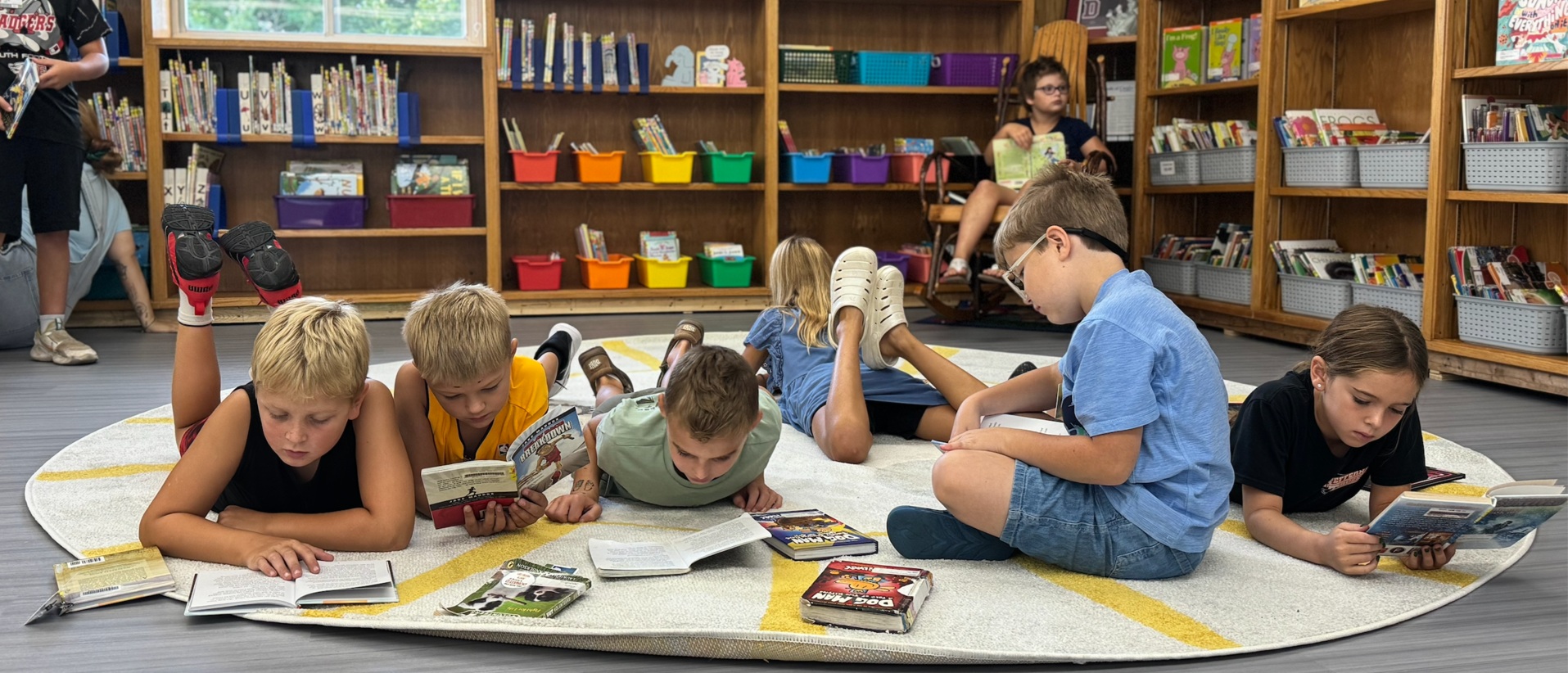
Scales Mound School District | Jo Daviess County Illinois 815
Oxford students after exams, 1989. pic.twitter.com/HQbO4r6dUE
— M (@0detobeauty) May 27, 2026
The calendar of Anglosphere educational settlements subtly shapes life of the mind, generally; and family and community life, specifically. Its cadence has roots in the cathedral schools and monastic learning communities of medieval Europe. Universities were not originally organized around modern “semesters.” Instead, the year followed the Christian liturgical calendar, agricultural seasons, food paths, daylight availability, and travel conditions.
In America educational calendars were nudged along by agricultural cycles. In the United Kingdom university calendars evolved into three major terms: Michaelmas in autumn, associated with arrival and beginnings; Hilary or Lent in winter, associated with discipline and study; and Trinity or Easter in spring, associated with examinations, outdoor rituals, music, rowing, gardens, and celebration.
Modern commencement traditions across the Anglosphere are descendants of medieval spring degree ceremonies. Academic gowns, hoods, processions, Latin phrases, formal dining, chapel music, and public recognition all preserve traces of the university as a scholarly guild and religious-civic community.
Before railways, electric lighting, and central heating, universities had to adapt to muddy roads, short winter days, limited candles, cold buildings, and agricultural obligations. Spring therefore became the natural season of culmination, reunion, athletic competition, courtship, and ceremony.
The medieval university was not merely a school but an educational settlement — a self-governing town of scholars, libraries, chapels, kitchens, workshops, residences, and dining halls. That settlement pattern survives in residential colleges, quadrangles, tutorial systems, common rooms, chapel choirs, and formal meals.
Anglosphere campuses retain this ancient emotional rhythm: autumn seriousness, winter inwardness, and spring release. That continuity helps explain why colleges and universities still feel culturally distinct from ordinary commercial society. (Relata: Gulliver Visits the Great Academy of Lagado)

We’re “organized” but not too organized; like the bookseller who knows where every book can be found.
at a conference where you don’t have to present
— Peyman Milanfar (@docmilanfar) April 4, 2025
#AcademicChatter #AcademicTwitter
Academics be like 👇 pic.twitter.com/6cpVEw3PVS
— Reviewer 2 (@GrumpyReviewer2) April 2, 2024