
Archives
- Home
- Event Page 10

loading...


Underground
This content is accessible to paid subscribers. To view it please enter your password below or send mike@standardsmichigan.com a request for subscription details.

Intellectual Property
“If you steal from one person that is plagiarism.
If you steal from many people, that is research”
Missed it live? We planned for that!
At a recent USPTO Hour, America’ Branding Agency dives into how name, image, likeness (NIL) connects with branding and trademarks – on the field, off the field, and everywhere between.
Catch the recording here: https://t.co/b3fh7aVOy7 pic.twitter.com/gvgn5HCJmH
— USPTO (@uspto) February 25, 2026
Chronicle of Higher Education: The Campus Cold War — Faculty vs. Administrators
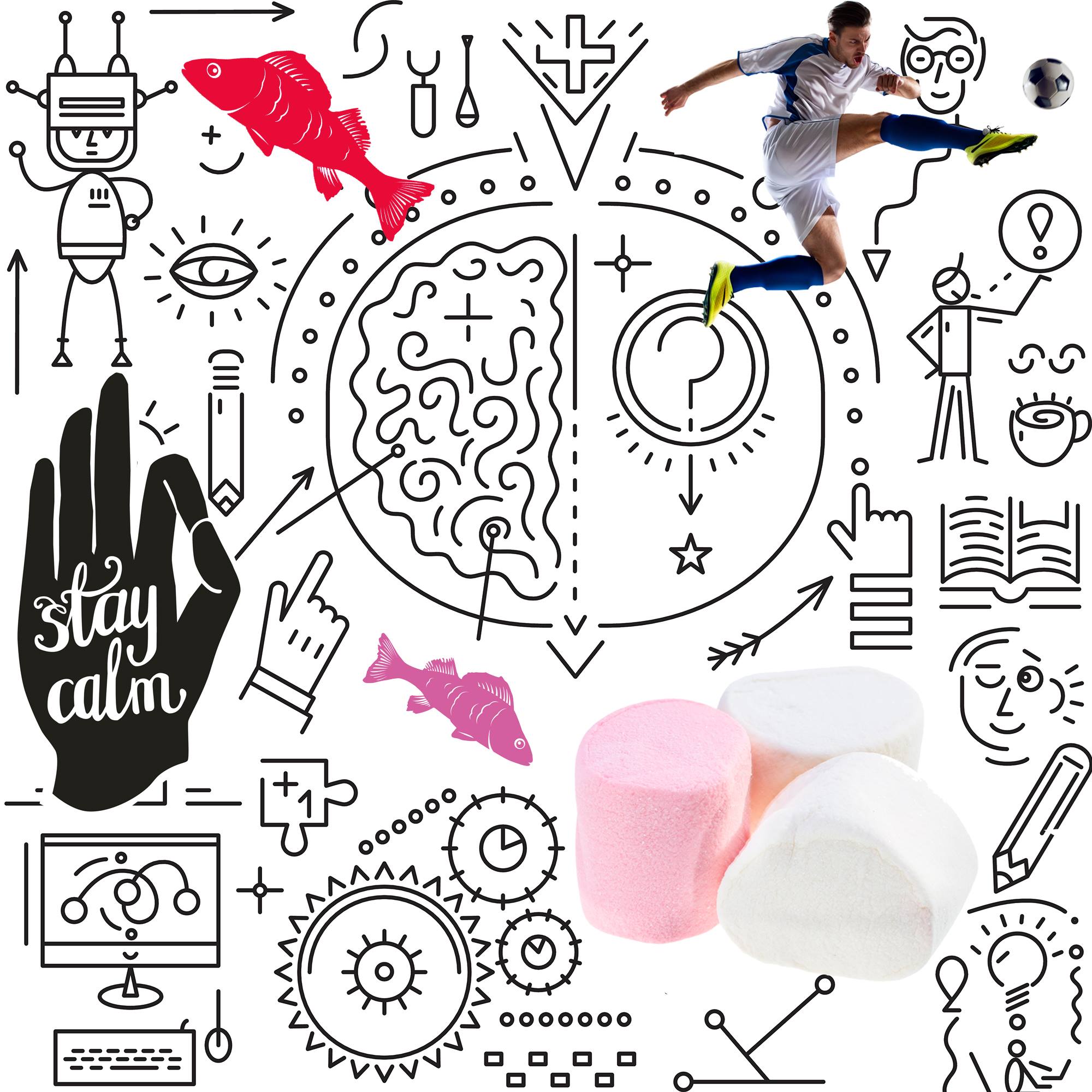
Università Cattolica del Sacro Cuore Student Art
Innovation – Standardization – Commoditization run along a continuum. Today we unpack some of the ideas that hasten (and prohibit) leading practice discovery; how quickly goods and services become a “human right”; why all of this is relevant to education communities and why some believe that commoditization is a myth.
From the Wikipedia
In business literature, commoditization is defined as the process by which goods that have economic value and are distinguishable in terms of attributes (uniqueness or brand) end up becoming simple commodities in the eyes of the market or consumers. It is the movement of a market from differentiated to undifferentiated price competition and from monopolistic competition to perfect competition. Hence, the key effect of commoditization is that the pricing power of the manufacturer or brand owner is weakened: when products become more similar from a buyer’s point of view, they will tend to buy the cheapest.
Related:
Why High-Tech Commoditization Is Accelerating
After months of hard work, the top five teams met at USPTO headquarters today for the final round of the 2025 National Patent Application Drafting Competition. 🏆 And the winners are … ⬇️
🥇 First place — @UofMNLawSchool pic.twitter.com/uwNSJR0oBy
— USPTO (@uspto) April 4, 2025
From creating a race car safety device that protects drivers from injury to revolutionizing chemotherapy, Spartans have contributed to more than 3,300 inventions. #SpartansWill pic.twitter.com/dchCs0BFBx
— MSU (@michiganstateu) February 21, 2025
For 58 years, 7-Eleven has been protecting its iconic semi-frozen soft drink, the Slurpee. But it doesn’t stop there. The store has more than 200 registered trademarks to protect its goods and services, including “Oh thank Heaven for 7-Eleven” in 1978 and “Brainfreeze” in 1993. pic.twitter.com/b9bkkcijGg
— USPTO (@uspto) July 11, 2025

Thanksgiving Canada
This content is accessible to paid subscribers. To view it please enter your password below or send mike@standardsmichigan.com a request for subscription details.
Columbus Day
Christopher Columbus newly landed from his flagship Santa Maria on October 12, 1492. @uscapitolhttps://t.co/fXnp0Z70uM
“The Worlds of Christopher Columbus”@CambridgeUPhttps://t.co/gIOmEa6cKI pic.twitter.com/YONYxop1MW— Standards Michigan (@StandardsMich) October 11, 2021
90 Second Lecture: Was Christopher Columbus a Genius or Was He Just Lucky?

“A London Symphony” (RVW) Stony Brook
Where is Stony Brook headed next?
Join @SBUPrez on 9/29 at 1 pm at the Staller Center to hear how she plans to accelerate momentum at Stony Brook for the year ahead.
Register: https://t.co/OCWtjzdtLb pic.twitter.com/oC68k48Vgs
— Stony Brook University (@stonybrooku) September 24, 2025

Homecoming Fashion

“Rondel” 1892 / Louise Howland King Cox
Small town Iowa is crowning your homecoming king and queen in front of a grain elevator pic.twitter.com/O228SR7Vd4
— Iowa Chill (@IowaChill) September 26, 2025
Hermann High School senior Jillian Fredrick is this year’s 2025 Fall Homecoming Queen. pic.twitter.com/cl0eOD2Q4q
— Will Johnson (@wjwardpubsports) September 26, 2025
Burke Homecoming Dance was held Saturday, September 20. We recognized our Homecoming Court and Homecoming Royalty and we DANCED! #WeAreBurke 🖤💛🖤💛 pic.twitter.com/XRWPhYfnKO
— Burke High (@OPS_Burke) September 21, 2025
👑 Presenting your 2025 HUHS Homecoming Court!
The King & Queen will be crowned at the Homecoming Dance on Sat, Oct 4.
🎉 This year’s theme: Glow in the Dark
🚌 Don’t miss the Homecoming Parade – Fri, Oct 3 @ 1:30pm in downtown Hartford! 🧡🖤 pic.twitter.com/407gb0XijJ— HUHS Athletics/Activities (@HUHS_Athletics) September 26, 2025



Fall Field Sport
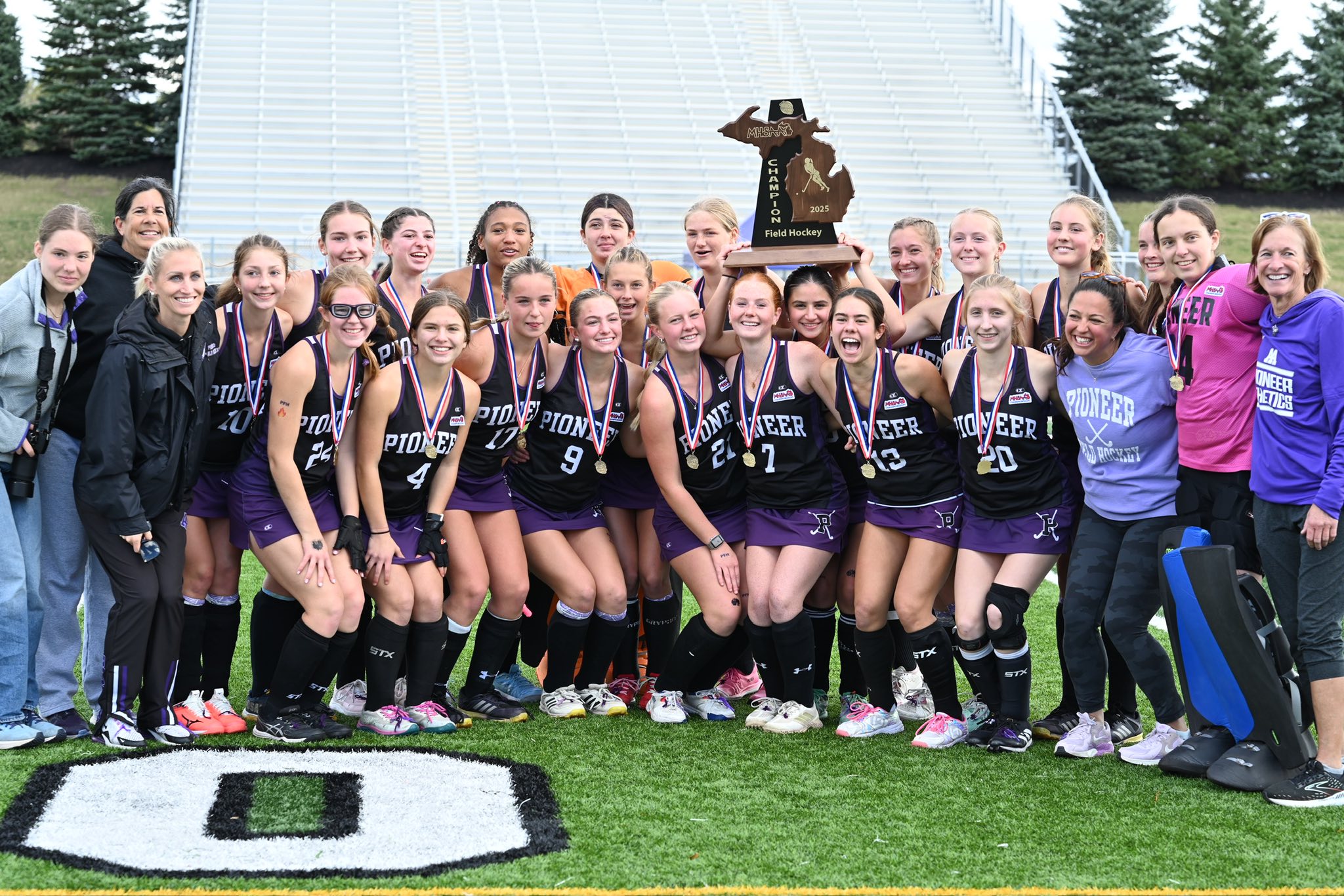
Our ladies across from The Big House bring home home the clinkage!
— MythoAmerica 🌲 (@MythoAmerica) August 31, 2024

Universiteit Stellenbosch Western Cape

Keiser University College of Golf & Sport Management | Palm Beach County Florida
It was a great day at Forest Akers East hosting our first Big Ten Cross Country Championship since 2012! pic.twitter.com/hYEyyaeUyD
— MSU Track & Field/Cross Country (@MSU_TFXC) November 1, 2025
Happy Halloween 🎃#NCAAXC x 📸 @UWTrack pic.twitter.com/V72dkHqcxk
— NCAA Track & Field (@NCAATrackField) October 31, 2025
New update alert! The 2022 update to the Trademark Assignment Dataset is now available online. Find 1.29 million trademark assignments, involving 2.28 million unique trademark properties issued by the USPTO between March 1952 and January 2023: https://t.co/njrDAbSpwB pic.twitter.com/GkAXrHoQ9T
— USPTO (@uspto) July 13, 2023
Welcome
Standards Michigan Group, LLC
455 East Eisenhower Parkway, Suite 300
Ann Arbor, MI 48108 USA
888-748-3670
DIRECTIONS
 |
 |
|
 |
 |
|
 |
 |
Layout mode
Predefined Skins
Custom Colors
Choose your skin color
Patterns Background
Images Background
error: Content is protected !!
Skip to content