


Backflow Prevention Field Test Procedures
University hospital and research labs generate complex effluents containing hazardous chemicals, pharmaceuticals, cytotoxic drugs, radioactive isotopes, pathogens, and heavy metals. These substances are often toxic, persistent, or biologically active. Today at the usual hour we update our understanding of best practice discovery, administration and promulgation.
§
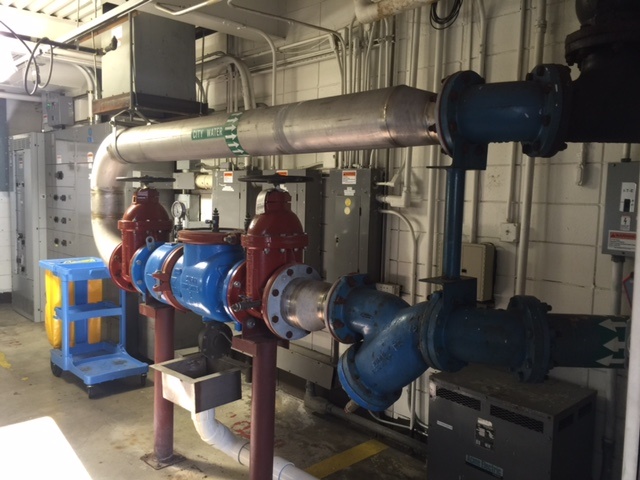
Hospital and research labs generate complex effluents containing hazardous chemicals, pharmaceuticals, cytotoxic drugs, radioactive isotopes, pathogens, and heavy metals. When discharged untreated into municipal sewers, these substances can:
- Disrupt biological treatment processes by killing beneficial microbes in wastewater plants
- Pass through treatment systems into rivers and drinking water sources
- React with other wastes, forming new toxic compounds
- Violate environmental regulations and expose institutions to fines
Dedicated collection, pretreatment, and specialized disposal systems allow safe neutralization or destruction of these wastes. This protects aquatic ecosystems, prevents the spread of antibiotic resistance, safeguards community water supplies, and fulfills the ethical responsibility of research institutions to minimize environmental harm.





