


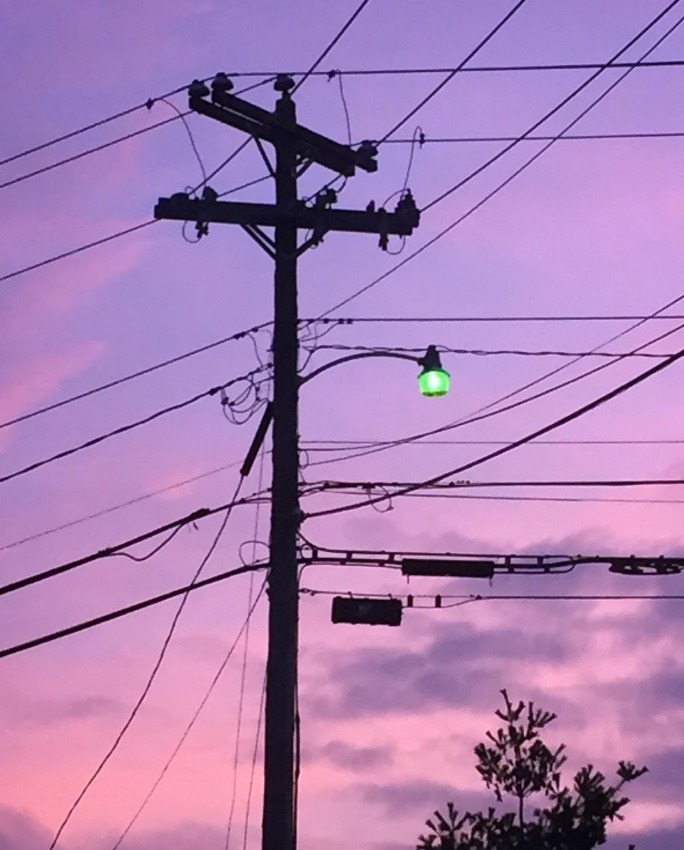
Benefits of power (electric utility) and telecommunication utilities sharing utility poles (joint use) include significant cost savings and efficiency. Erecting separate poles for each service would be prohibitively expensive and consume excessive land/space in urban/suburban areas, driving up service prices for consumers. Sharing allows faster deployment of broadband, phone, cable, and power services, generates rental revenue for pole owners (typically electric utilities), reduces overall infrastructure duplication, and minimizes environmental impact by limiting new pole installations.
Hazards arise from increased complexity and risks. Overloaded poles from multiple attachments can lead to structural failure, especially during storms or high winds. Improper installations may cause clearance violations, increasing dangers of electrical contact, shocks, or electrocution for workers and the public. Additional telecom equipment can heighten fire risks (e.g., via sparking from contact or added stress), contribute to outages if maintenance conflicts occur, and complicate repairs—requiring close coordination to maintain safety and grid reliability.
Today at the usual hour we examine the sections of the IEEE National Electrical Safety Code and the NFPA National Electrical Code that present first principles for campus power and telecommunication planners and engineers with special attention to the changes proposed for the 2028 National Electrical Safety Code. Use the login credentials at the upper right of our home page.





