
Driving Nebraska’s future with the Big 3 strategic directions: Strengthening our Ag & food systems, inspiring Nebraska communities and enhancing health & wellbeing. 🌟
Together, we’re building stronger, healthier communities! 💡
https://t.co/Zf7GD230nb
#NebExt #big3 https://t.co/m8wRwLdNKY— Nebraska Extension (@UNLExtension) December 19, 2024
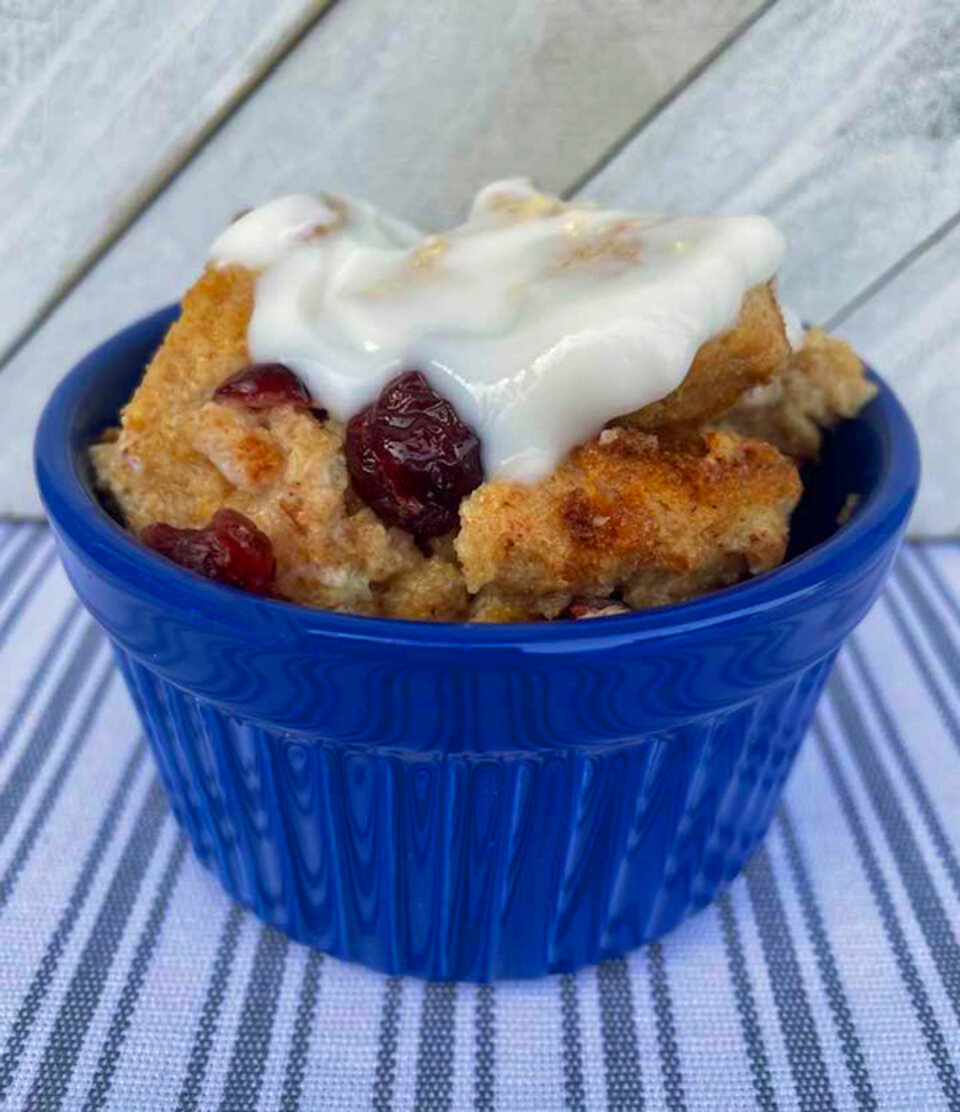
It began in 11th-century England as “poor man’s pudding”: cooks soaked stale bread in boiling water and added sugar and spices. By the 13th century, milk, eggs, and butter transformed it into the custardy bread-and-butter pudding known today. English cookbooks of the 17th and 18th centuries, including Eliza Smith’s The Compleat Housewife (1728), codified the recipe.
English settlers carried it to the American colonies. Amelia Simmons’s American Cookery (1796), the first American-authored cookbook, includes a version with bread, milk, eggs, sugar, butter, spices, and raisins. Throughout the 19th century it remained a practical way to use leftovers.
As settlers moved west after the Homestead Act, the dish traveled with them. In Nebraska’s sod-house and farm kitchens it suited the prairie “waste-not” ethic, using stale bread, milk from family cows, and eggs. It blended into the region’s mix of Anglo-American and European immigrant foodways.
Today it endures in Nebraska homes and restaurants. Omaha’s Garden Café popularized a caramel version made with cinnamon rolls, while local places also serve Southern-style versions with boozy sauces or adaptations using Nebraska maple syrup. The core idea—turning leftover bread into a comforting dessert—has stayed constant across centuries and continents.
“`