Athletic Competition Timing Standards

Today we update our understanding of best practice catalogs for outdoor and indoor watersport; primarily swimming and rowing. Use the login credentials at the upper right of our home page.
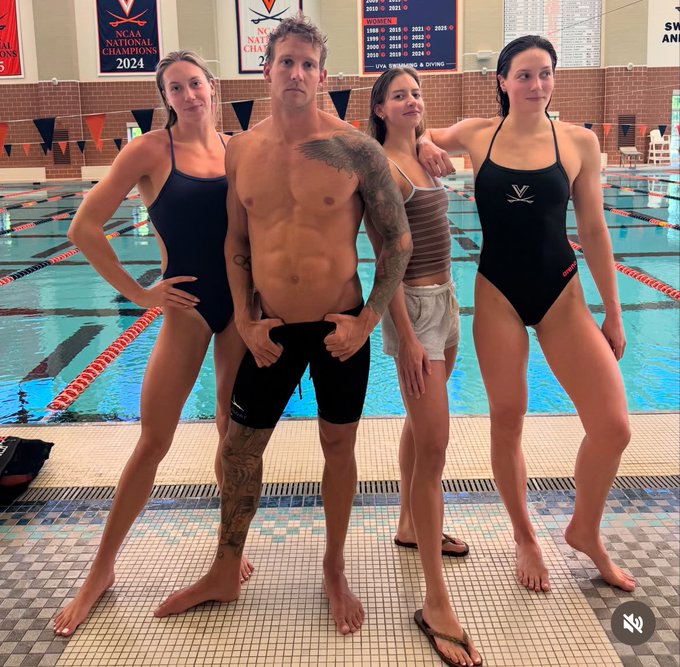
Michael Phelps Named No. 1 Athlete of Century By ESPN – https://t.co/ABuAyuQJBy pic.twitter.com/0swFlxT6ei
— Swimming World (@SwimmingWorld) July 18, 2024
Sapienza – Università di Roma

USA Swimming and the National Collegiate Athletic Association Swimming are two distinct organizations that oversee different aspects of competitive swimming in the United States. USA Swimming governs competitive swimming in the United States across all age groups and skill levels, while NCAA Swimming specifically focuses on collegiate-level swimming and diving competitions within the NCAA framework. Both organizations play crucial roles in the development and promotion of swimming in the United States.
Governing Body:
USA Swimming is the national governing body for the sport of swimming in the United States. It is responsible for overseeing competitive swimming at all levels, from grassroots programs to elite national and international competitions.
NCAA Swimming: NCAA Swimming is part of the National Collegiate Athletic Association (NCAA), which governs intercollegiate sports in the United States. NCAA Swimming specifically deals with collegiate-level swimming competitions among universities and colleges.
Scope:
USA Swimming is responsible for organizing and regulating competitive swimming for all age groups and skill levels, from youth swimmers to Masters swimmers (adults). It oversees swim clubs, hosts competitions, and develops national teams for international events.
NCAA Swimming: NCAA Swimming focuses exclusively on college-level swimming and diving competitions. It sets the rules and guidelines for swimming and diving programs at NCAA member institutions.
Membership:
Individuals, swim clubs, and teams can become members of USA Swimming, allowing them to participate in USA Swimming-sanctioned events, access coaching resources, and benefit from the organization’s development programs.
NCAA Swimming: NCAA Swimming is composed of collegiate athletes who compete for their respective universities and colleges. Athletes are typically student-athletes who represent their schools in NCAA-sanctioned competitions.
Competition Format:
USA Swimming hosts a wide range of competitions, including local, regional, and national meets, as well as Olympic Trials and international events. Swimmers compete as individuals, representing their swim clubs or teams.
NCAA Swimming: NCAA Swimming primarily consists of dual meets, invitational meets, and conference championships at the collegiate level. Swimmers represent their respective universities or colleges, earning points for their teams in dual meets and competing for conference and national titles.
Scholarships:
USA Swimming itself does not offer scholarships. Scholarships for competitive swimmers are typically awarded by colleges and universities based on an athlete’s performance and potential.
NCAA Swimming: NCAA member institutions offer scholarships to talented student-athletes in various sports, including swimming. These scholarships can cover tuition, room, board, and other expenses, making NCAA swimming an avenue for athletes to receive financial support for their education.
Turning our pool deck into a GYM 🤙🏋️♀️ pic.twitter.com/vfilShA8Ef
— Bobby Guntoro (@bobbygunt) September 25, 2023
Your call 📱 pic.twitter.com/4ubIUklHCi
— uncwswimdive (@uncwswimdive) July 9, 2024
The moment a father consoles daughter after missing out on olympics medal
pic.twitter.com/kSHd4AIH4Z— Science girl (@gunsnrosesgirl3) August 8, 2024