
Tag Archives: August
- Home
- Posts tagged "August" (Page 5)



Campus Child Day Care
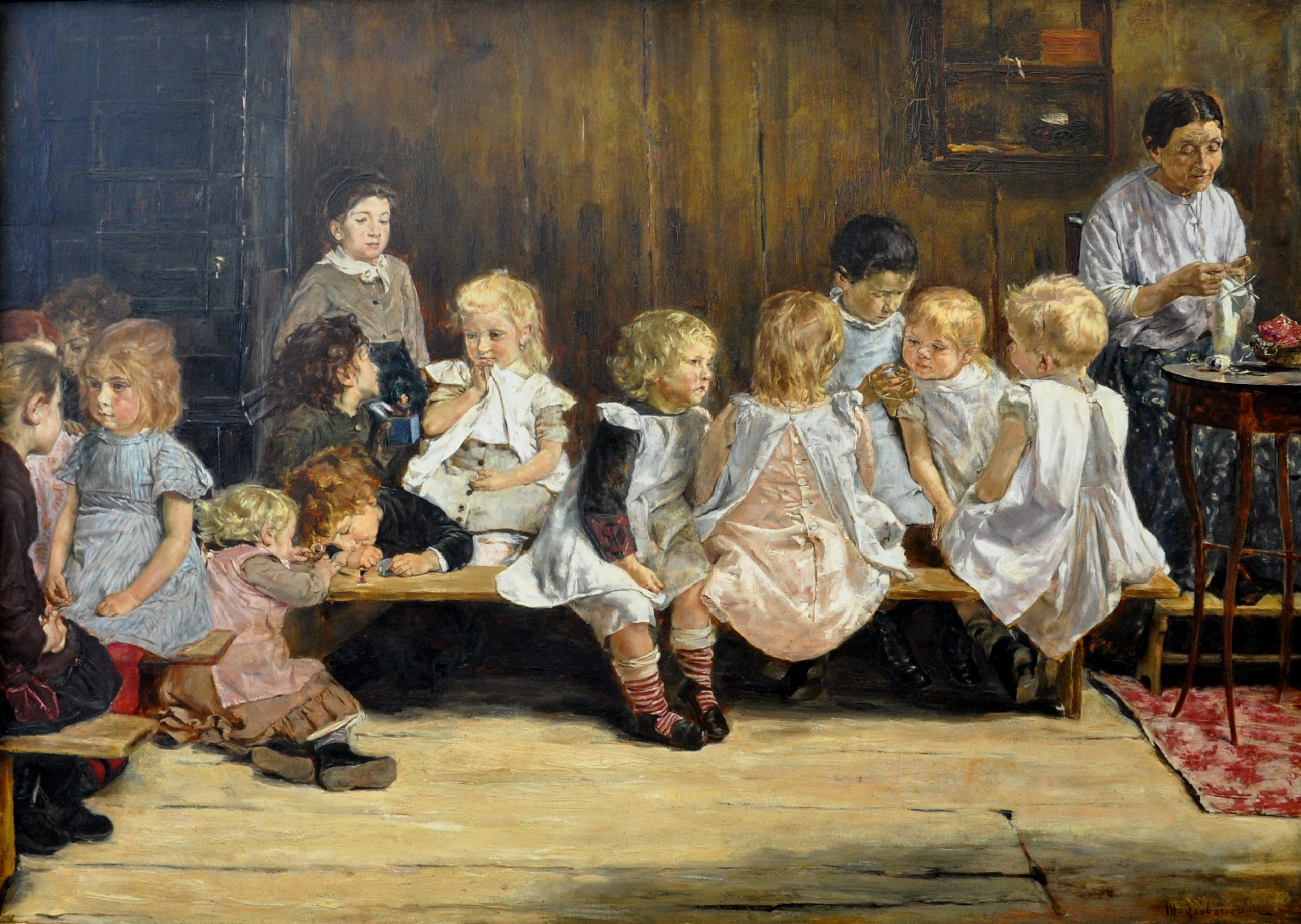
Today at the usual hour we review a selection of global building codes and standards that guide best practice for safety, accessibility, and functionality for day care facilities; with special interest in the possibilities for co-locating square footage into the (typically) lavish unused space in higher education facilities.
Use the login credentials at the upper right of our home page.
International Building Code
-
- Governs overall building construction, fire safety, occupancy classification, and egress requirements for daycare centers.
International Fire Code
-
- Regulates fire prevention measures, emergency exits, fire alarms, sprinkler systems, and evacuation protocols for daycare centers.
National Fire Protection Association
-
- NFPA 101 – Life Safety Code: Addresses occupancy classification, means of egress, fire safety, and emergency planning.
- NFPA 5000 – Building Construction and Safety Code: Provides fire protection and structural safety guidelines.
Americans with Disabilities Act
-
- Requires daycare centers to be accessible for children and parents with disabilities, covering entrances, bathrooms, play areas, and signage.
European Norms – CEN Standards
-
- EN 1176 – Playground Equipment and Safety Requirements: Covers safety standards for daycare playgrounds and outdoor spaces.
- EN 16890 – Safety Requirements for Mattresses in Children’s Products.
British Standards (BS) for Early Years Facilities
-
- BS 8300: Accessibility requirements for childcare facilities.
- BS 9999: Fire safety guidance for daycare and educational buildings.
Australian Building Code & National Construction Code
-
- Covers fire safety, structural integrity, ventilation, and child safety measures for daycare centers.
ISO 45001 – Occupational Health and Safety Management
-
- Establishes safety requirements for employees working in daycare facilities, ensuring a safe environment for both children and staff.
Canadian Building Code & Fire Code (NBC & NFC)
-
- Provides structural, fire safety, and child safety guidelines for daycare centers in Canada.
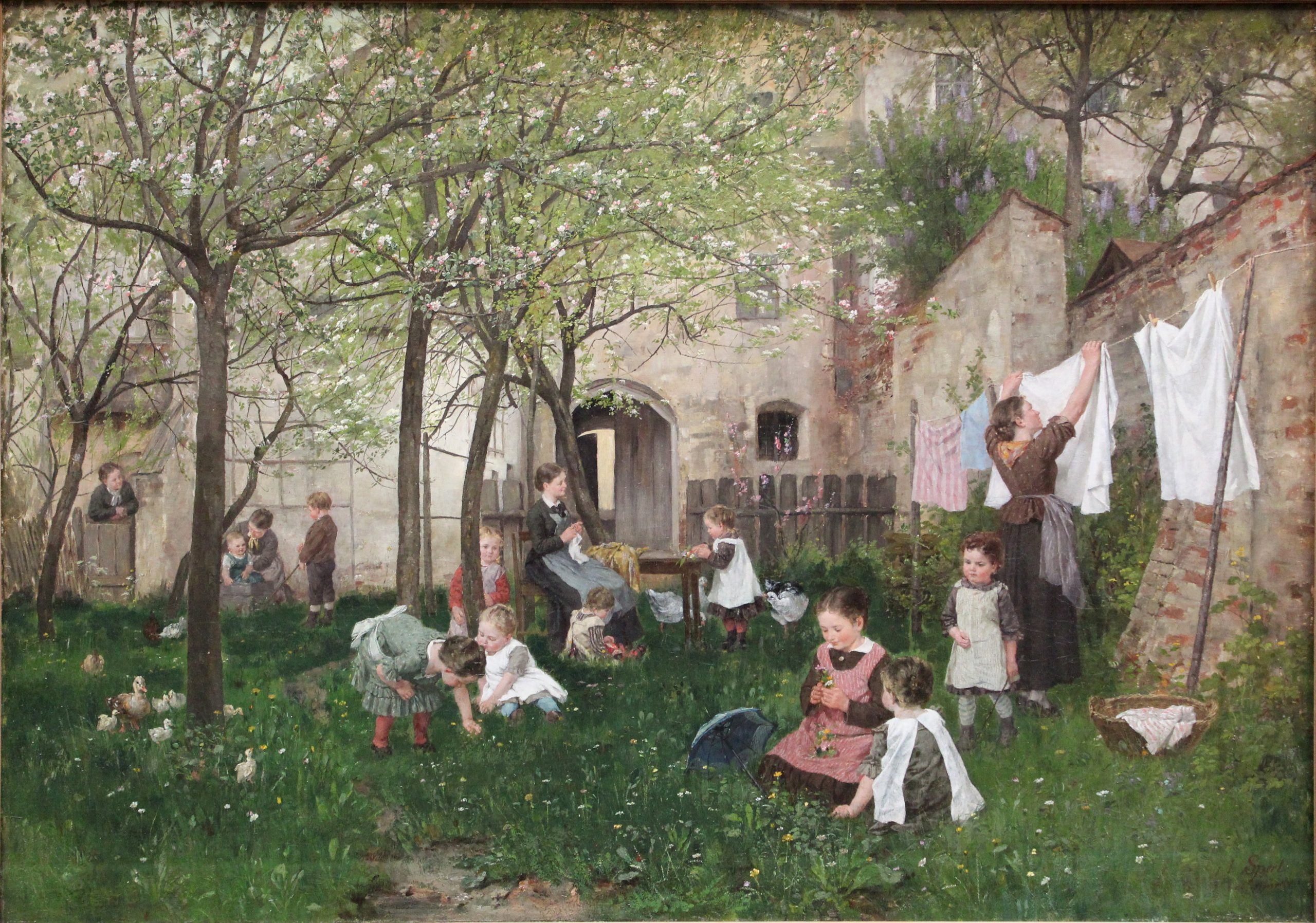
“Kindergarten” 1885 Johann Sperl
“A Group of Children Playing the Game ‘Oranges and Lemons’ in a Domestic Interior”
Harry Brooker (1848-1940)https://t.co/YpxsSUf8nV pic.twitter.com/kjhgJvYxPs— Standards Michigan (@StandardsMich) February 24, 2025

Summer Swoon
This content is accessible to paid subscribers. To view it please enter your password below or send mike@standardsmichigan.com a request for subscription details.

Dogs and Agriculture
Dogs have been bred for a variety of purposes throughout history, including as working animals to support agriculture. Dogs have been bred for specific traits that make them well-suited to work on farms, such as intelligence, obedience, strength, and endurance*.
History and Architecture | University of Oxford Estates Services
Supported by funding from the European Research Council and the Natural Environment Research Council, a large international team of scientists compared genetic data with existing archaeological evidence and show that man’s best friend may have emerged independently from two separate (possibly now extinct) wolf populations that lived on opposite sides of the Eurasian continent.


* Here are a few examples of how dogs were bred to support agriculture:
Herding dogs: Dogs such as the Border Collie, Australian Cattle Dog, and German Shepherd were bred to help farmers manage livestock by herding them from one place to another. These dogs have a natural instinct to gather and control herds of animals, and they can be trained to respond to a farmer’s commands.
Hunting dogs: Many breeds of dogs, such as the Labrador Retriever, were originally bred as hunting dogs to assist farmers with hunting game for food. These dogs have a keen sense of smell and are skilled at tracking and retrieving prey.
Guard dogs: Certain breeds of dogs, such as the Great Pyrenees, were bred to protect livestock from predators such as wolves and bears. These dogs are fiercely protective of their flock and will guard them from any perceived threat.
Draft dogs: Some large breeds of dogs, such as the Bernese Mountain Dog and the Saint Bernard, were bred to pull carts and wagons on farms. These dogs are strong and muscular and can move heavy loads across long distances.
Overall, dogs have been bred for centuries to support agriculture in a variety of ways. Their intelligence, loyalty, and hardworking nature have made them invaluable assets to farmers and have helped to shape the course of human history.

Entstehung der High Society
“Being an artist means not numbering and counting, but ripening like a tree, which doesn’t force its sap, and stands confidently in the storms of spring, not afraid that afterward summer may not come. It does come. But it comes only to those who are patient, who are there as if eternity lay before them, so unconcernedly silent and vast.”

Deutsches Institut für Normung

World Census of Agriculture
”Create in me a pure heart, O God, and renew a steadfast spirit within me.„ Psalms 51:10
Have a blessed Sunday all who feed humanity! #dairy #beef … pic.twitter.com/BG68A4Sn5h— Ion Moraru 🇺🇦 (@IonMoraruDairy) February 18, 2024
University of North Carolina Greensboro: The Cobb Douglas Production Function
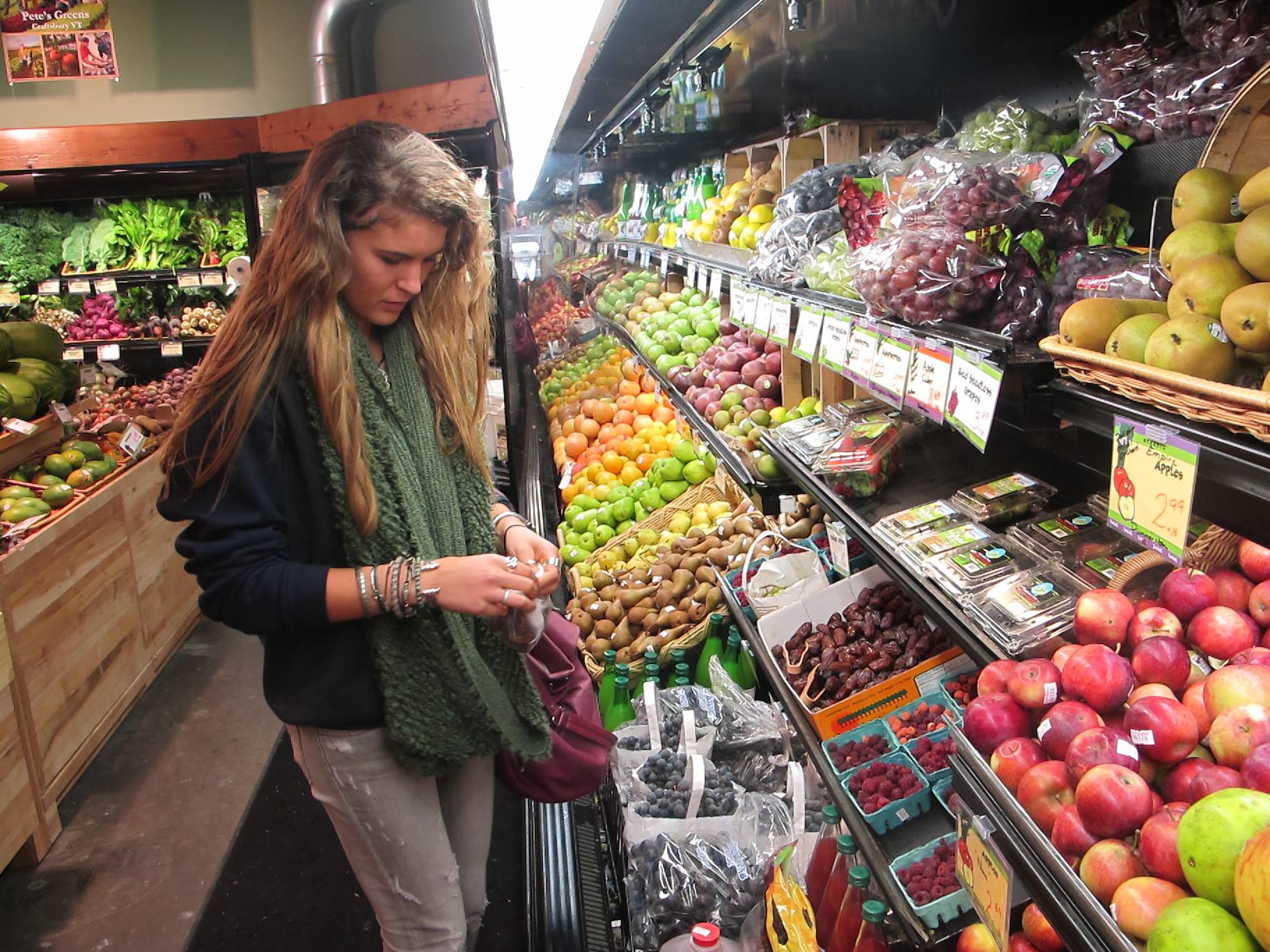
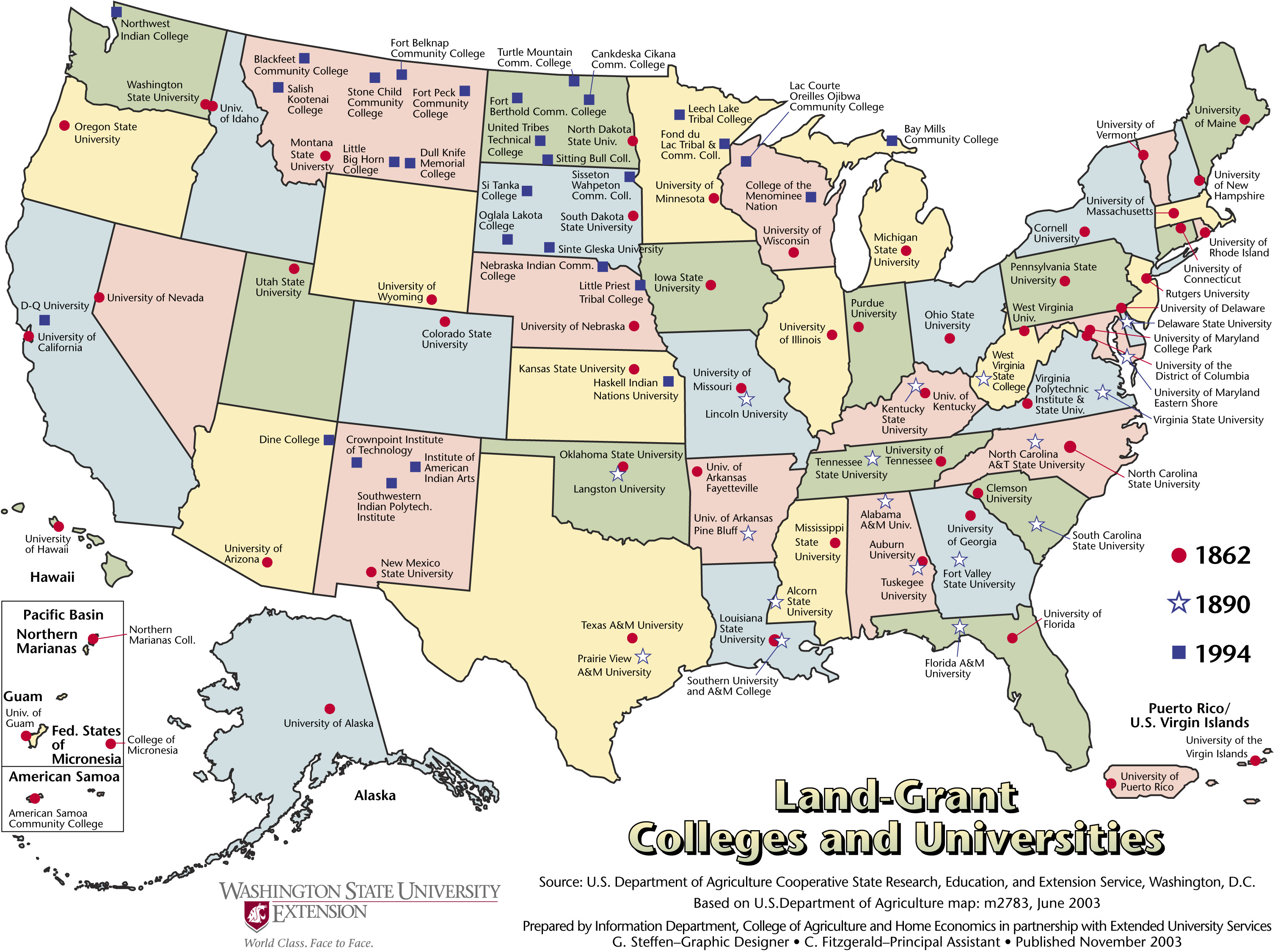
Much like its role as a discoverer of new knowledge and as a large consumer in the energy sector, education communities have a significant role in food security research and as a consumer in its school lunch programs, dormitory, athletic facility and healthcare enterprises. Accordingly — in much the same way we follow the US Census Bureau’s monthly construction activity report — we follow a data point provided by the US Department of Agriculture (USDA) as one of our stars to steer by.
Global crop lands visualized by @pythonmaps. Lots of fun things to spot on this map. Nile, Himalayas, Great Dividing Range (Australia), Sahara, Pampas. What else stands out to you? pic.twitter.com/Qdw5UJqZDB
— Simon Kuestenmacher (@simongerman600) September 15, 2023
The World Agricultural Supply and Demand Estimates is a monthly report published by the USDA that provides comprehensive forecast of supply and demand for major crops (global and United States) and livestock (U.S. only). The report provides an analysis of the fundamental condition of the agricultural commodity markets for the use of farmers, governments and other market participants.
World Agricultural Supply & Demand Estimates | September 12, 2025
We maintain the WASDE report on our periodic Nourriture colloquia. See our CALENDAR for the next online meeting; open to everyone
You’ll rarely need a doctor, lawyer, or policeman
But every day, three times a day, you need a farmer pic.twitter.com/X4CTPe11eT
— Conor Lynch (@c_k_lynch) July 25, 2022
More

Family of Mr. Schoenfeldt | Sheridan County, Kansas
Source: Farm Security Administration Russell Lee photographer

“The Best Lobster Rolls in New England”

Spoon University was founded in 2013 by Sarah Adler and Mackenzie Barth, two Northwestern University students. Living off-campus, they struggled to cook and navigate local dining options, noticing a lack of food media tailored to college students. They launched a food-focused magazine and website at Northwestern, which quickly grew to over 100 student contributors.
The platform expanded to other campuses, driven by student interest, becoming a crowd-sourced food network for millennials. By 2015, it raised $2 million in funding and now operates chapters at over 200 campuses worldwide, offering recipes, reviews, and food-related content
National Geographic: The story of how the lobster roll became New England’s most iconic food

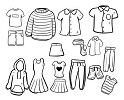
What Are People Wearing?
“What you wear is how you present yourself to the world, especially today,
when human contacts are so quick. Fashion is instant language.”
So lovely to welcome Ailsa, Georgie and India from @mowden_hall to Robertson House 🦋🩵last night. Enjoy your @SedberghSchool taster experience! pic.twitter.com/5FqWOYtFXL
— Robertson House (@Robertson_Sed) October 7, 2024
University of Cambridge Estates Division



Compulsory Attendance
“The family is nature’s masterpiece”
–– George Santayana
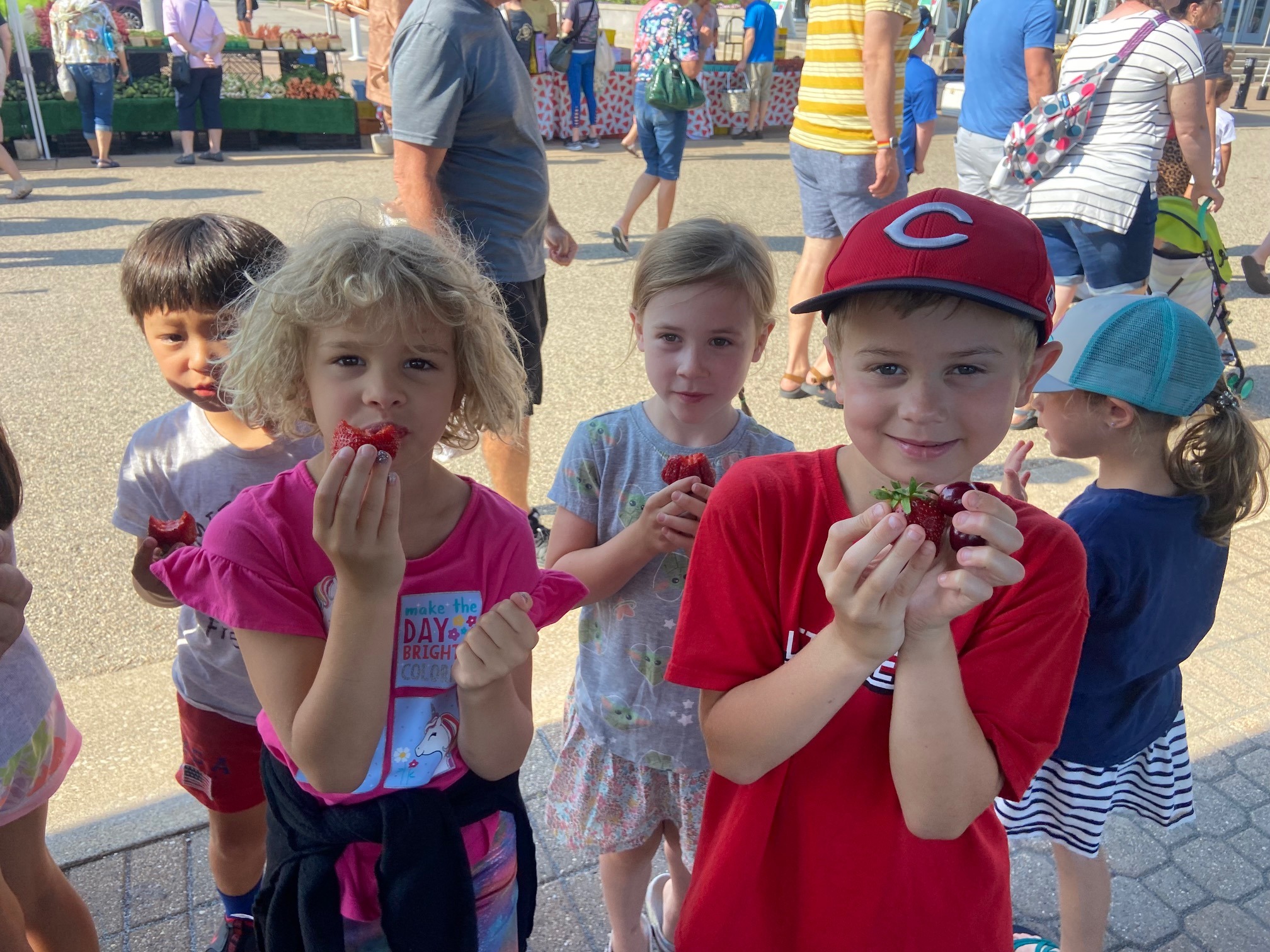
Black River Public School | Kent County Michigan
Michigan’s compulsory school attendance laws, outlined in the Revised School Code (MCL 380.1561), mandate that children aged 6 to 18 attend school regularly, ensuring access to education and promoting academic success. The law requires attendance in a public school, charter school, private school, or approved homeschool program until the child graduates high school or reaches 18. For children aged 6 to 16, attendance is strictly compulsory, with exceptions for those completing high school early. After age 16, students may withdraw with parental consent, but alternative education options are encouraged.
Parents or guardians are responsible for ensuring compliance, and non-attendance may result in truancy proceedings, including fines or court intervention. Schools must monitor attendance, report truancy, and provide support to address barriers like transportation or health issues. Exemptions exist for religious beliefs or specific disabilities, provided educational alternatives meet state standards. Local districts may enforce additional policies to support consistent attendance.
COMPULSORY SCHOOL ATTENDANCE POLICIES AND GRADES
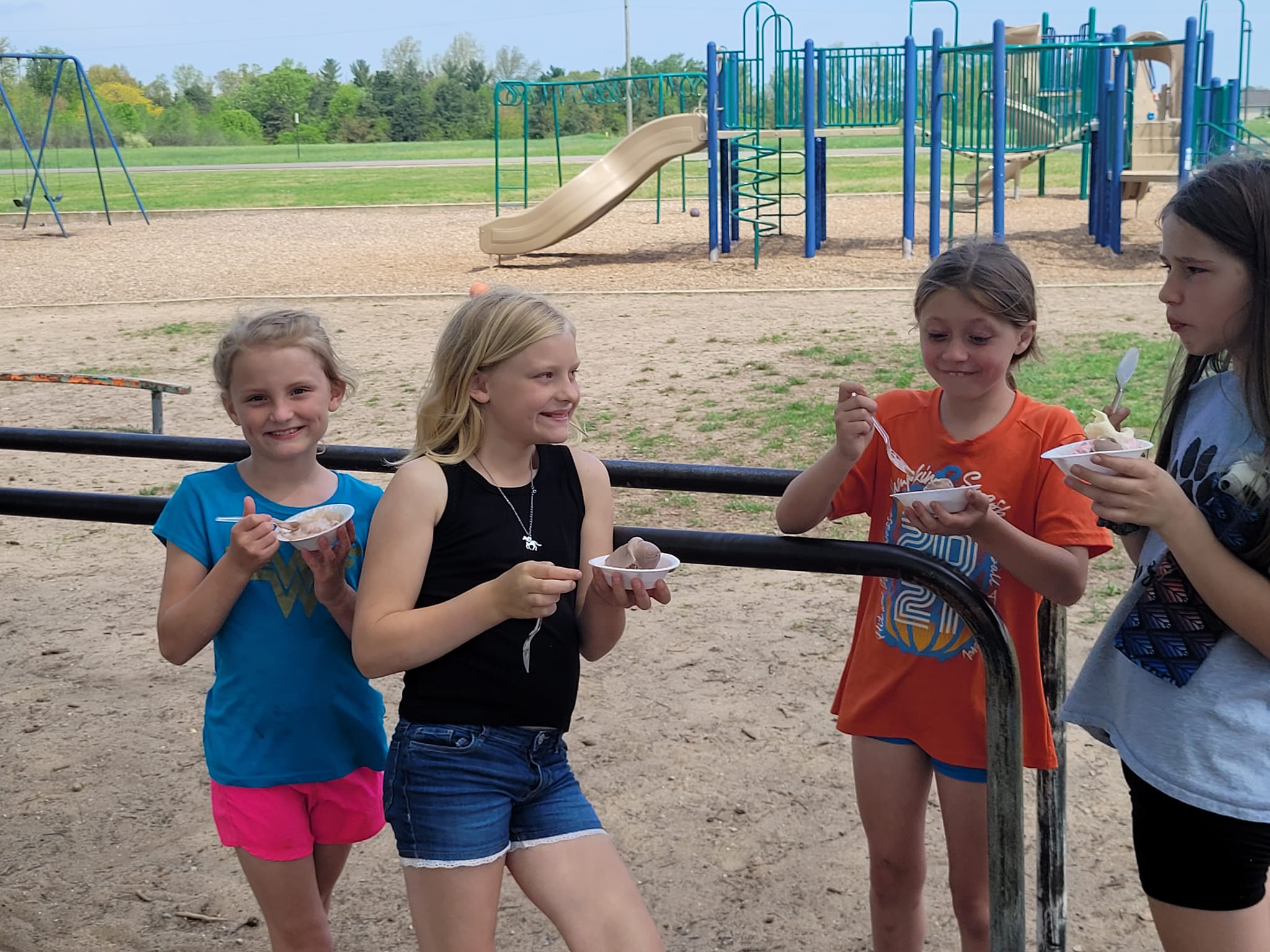
Eaton Rapids Public Schools | Eaton County Michigan
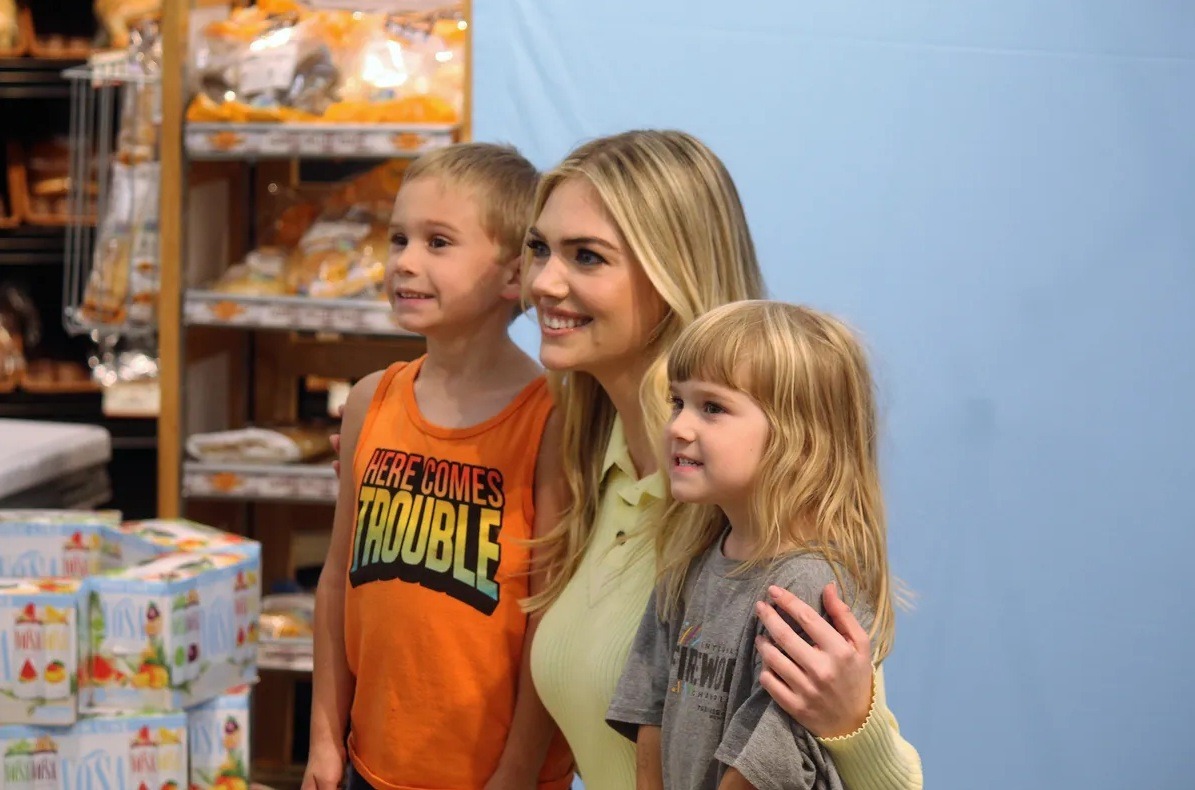
Supermodel Kate Upton & Friends | Holland Township Michigan

Tudor Dixon | Muskegon County Michigan

Gallery: School Uniforms

Traditionally favored by private and parochial institutions, school uniforms are being adopted by US public schools in increasing numbers. According to a 2020 report, the percentage of public schools that required school uniforms jumped from 12% in the 1999-2000 school year to 20% in the 2017-18 school year. School uniforms were most frequently required by elementary schools (23%), followed by middle (18%), and high schools (10%). (Encyclopedia Britannica)
PRO
School uniforms may deter crime and increase student safety.
School uniforms keep students focused on their education, not their clothes.
School uniforms create a level playing field among students, reducing peer pressure and bullying.
Wearing uniforms enhances school pride, unity, and community spirit.
School uniforms may improve attendance and discipline.
Uniform policies save valuable class time because they are easier to enforce than a standard dress code.
School uniforms prevent the display of gang colors and insignia.
School uniforms make getting ready for school easier, which can improve punctuality.
School uniforms can save parents money.
Most parents and educators support mandatory school uniforms.
Students’ legal right to free expression remains intact even with mandatory school uniforms.
Students dressed in uniform are better perceived by teachers and peers.
Students can express their individuality in school uniforms by introducing variations and adding accessories.
So lovely to welcome Ailsa, Georgie and India from @mowden_hall to Robertson House 🦋🩵last night. Enjoy your @SedberghSchool taster experience! pic.twitter.com/5FqWOYtFXL
— Robertson House (@Robertson_Sed) October 7, 2024
CON
School uniforms restrict students’ freedom of expression.
School uniforms promote conformity over individuality.
School uniforms do not stop bullying and may increase violent attacks.
School uniforms do not improve attendance, academic preparedness, or exam results.
The key findings used to tout the benefits of uniforms are questionable.
School uniforms emphasize the socio-economic divisions they are supposed to eliminate.
Students oppose school uniforms.
Uniforms may have a detrimental effect on students’ self-image.
Focusing on uniforms takes attention away from finding genuine solutions to problems in education.
The push for school uniforms is driven by commercial interests rather than educational ones.
Parents should be free to choose their children’s clothes without government interference.
School uniforms in public schools undermine the promise of a free education by imposing an extra expense on families.
School uniforms may delay the transition into adulthood.
Northville (Michigan) Christian School Dress Code
Parkway Christian School Dress Code | Sterling Heights Michigan
Everyone would basically be 50% happier if everyone dressed a little better. Clothes are everywhere. Everyone doesn’t have to be a clothes hound, but if the girls looked pretty and the guys looked nice, people would be happier and even more optimistic about the future. pic.twitter.com/iQcNPL1cMl
— O.W. Root (@NecktieSalvage) July 17, 2024
New update alert! The 2022 update to the Trademark Assignment Dataset is now available online. Find 1.29 million trademark assignments, involving 2.28 million unique trademark properties issued by the USPTO between March 1952 and January 2023: https://t.co/njrDAbSpwB pic.twitter.com/GkAXrHoQ9T
— USPTO (@uspto) July 13, 2023
Standards Michigan Group, LLC
455 East Eisenhower Parkway, Suite 300
Ann Arbor, MI 48108 USA
888-748-3670
DIRECTIONS
 |
 |
|
 |
 |
|
 |
 |