Annual Financial Report 2024: CA$ 2.329M (page 22)
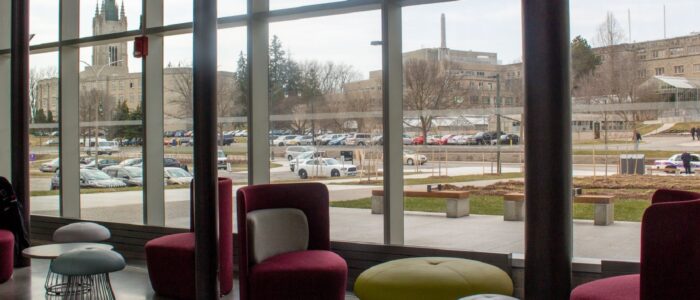
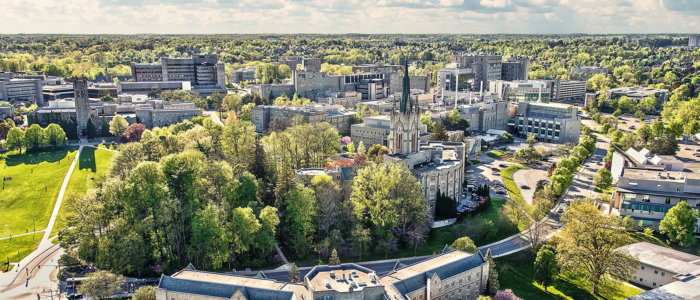
University of Guelph | Physical Resources


“The Destiny of Man is to unite, not to divide.
If you keep on dividing you end up as a collection of monkeys
throwing nuts at each other out of separate trees.”
This content is accessible to paid subscribers. To view it please enter your password below or send mike@standardsmichigan.com a request for subscription details.
This content is accessible to paid subscribers. To view it please enter your password below or send mike@standardsmichigan.com a request for subscription details.
This content is accessible to paid subscribers. To view it please enter your password below or send mike@standardsmichigan.com a request for subscription details.
CSA Group: Product Certification & Standards Development
CSA Group Z243.200:92 (R2021) Canadian keyboard standard for the English and French languages
McGill Endowment Fund Annual Report 2023 | $1.9B
Historical Epistemology | Michel Foucault

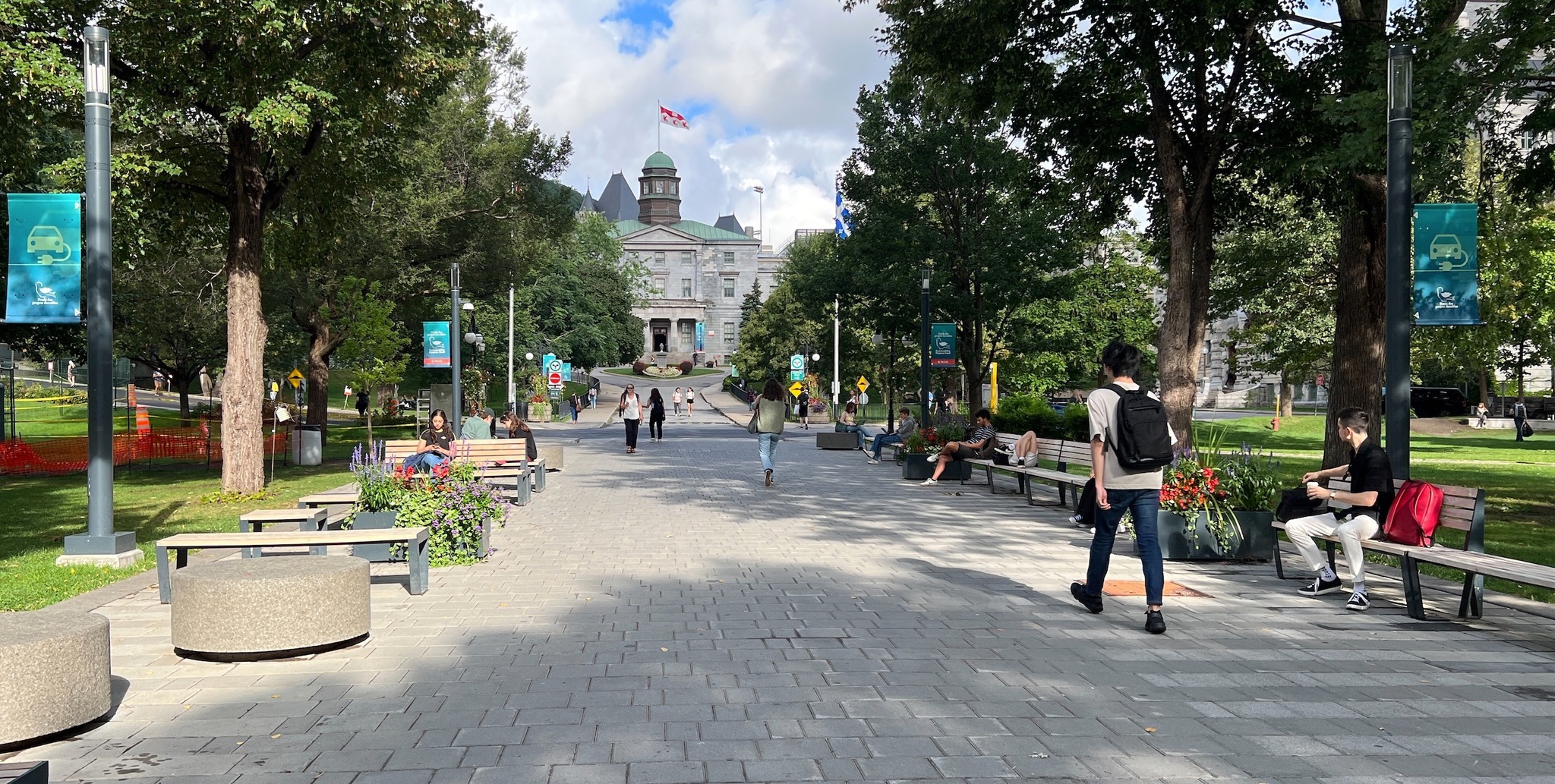
Université McGill | Montréal Québec
Canadian Parliament Debate on Standards Incorporated by Reference

Canadian College
Student radio stations are learning platforms for aspiring broadcasters and media professionals. They offer practical training and hands-on experience in radio production, programming, and broadcasting. Many educational institutions with student radio stations integrate these stations into their curriculum, providing students with the opportunity to apply theoretical knowledge in a real-world broadcasting setting.
Standards Ontario | Financial Position 2023 (-$35,047,000) Page 19
Canadian Parliament Debate on Standards Incorporated by Reference
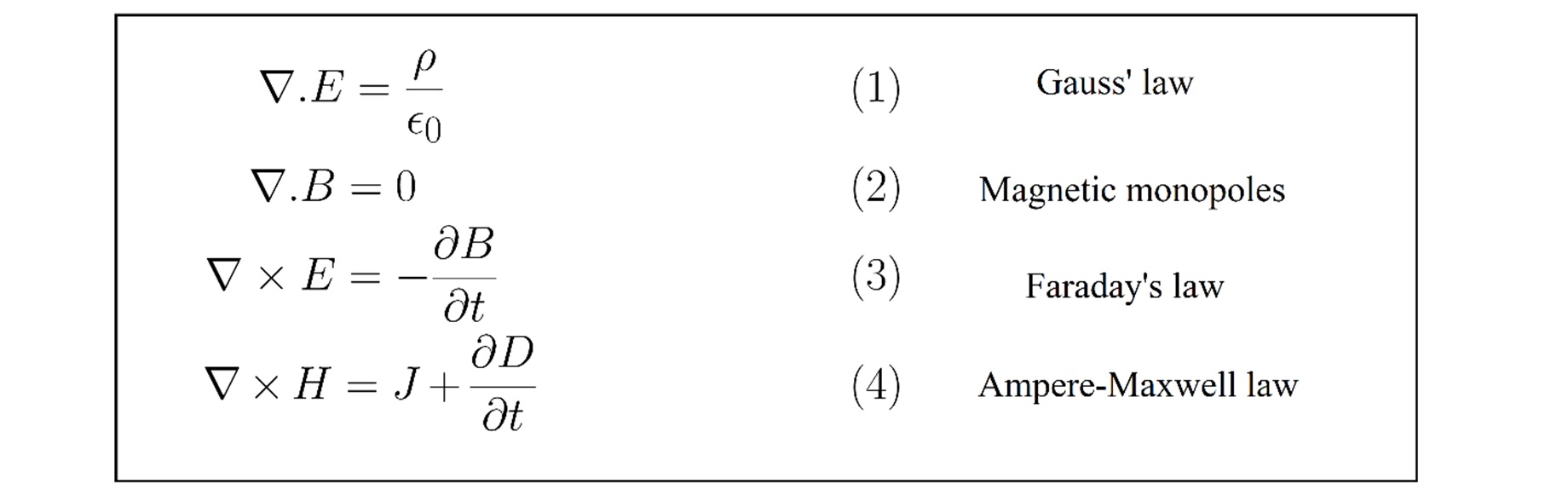
Maxwell equations: A complete description of electromagnetism and light
University of Alberta: The evolution of elite hockey culture in Canada


• In ancient times, kitchens were often located outside the main living quarters of a home. They were typically small, with an open hearth for cooking and a few basic utensils.
• During the Middle Ages, kitchens began to be built inside castles and manor houses. These kitchens were much larger and more complex than earlier versions, with multiple hearths, ovens, and cooking utensils.
• During the Renaissance, kitchens continued to become more elaborate, with the development of specialized cooking tools and the introduction of new cooking techniques. The kitchen also became a central gathering place for the household.
• With the onset of the Industrial Revolution, kitchens began to incorporate new technologies, such as gas stoves and refrigeration. As more people moved into cities, smaller kitchens became the norm.
• In the 20th century, the design and functionality of kitchens continued to evolve. The introduction of electricity and new materials, such as stainless steel, allowed for more efficient and hygienic kitchens. Open-plan kitchens, where the kitchen is integrated with the living and dining areas, also became popular.
New update alert! The 2022 update to the Trademark Assignment Dataset is now available online. Find 1.29 million trademark assignments, involving 2.28 million unique trademark properties issued by the USPTO between March 1952 and January 2023: https://t.co/njrDAbSpwB pic.twitter.com/GkAXrHoQ9T
— USPTO (@uspto) July 13, 2023
Standards Michigan Group, LLC
455 East Eisenhower Parkway, Suite 300
Ann Arbor, MI 48108 USA
888-748-3670
 |
 |
|
 |
 |
|
 |
 |