This content is accessible to paid subscribers. To view it please enter your password below or send mike@standardsmichigan.com a request for subscription details.
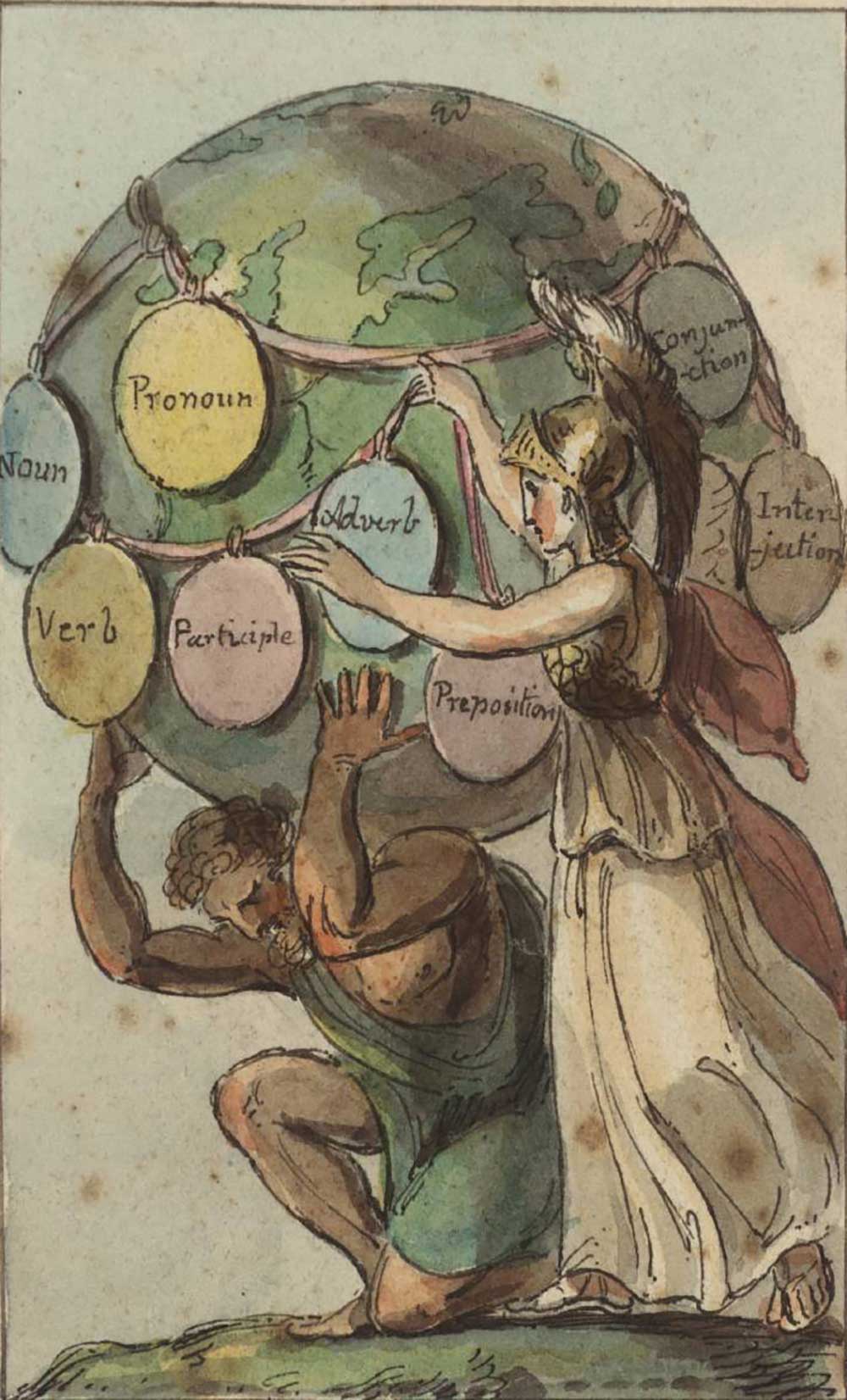
“The first and most distinguishing feature of civil society is the use of language.”
Adam Ferguson’s “An Essay on the History of Civil Society”
Standard Practice for Assessing Language Proficiency
Committee F43 on Language Services and Products
One of the easiest ways to persuade someone who disagrees with you is to change the subject without them knowing about it. Application of this method is found in the technical literature that informs safety and sustainability regulations at all levels of government. Change definitions; change the subject; outcome changed — hence our interest in spoken, written and computer languages.
Almost all technical standards begin with a list of definitions which, among domain experts, are frequently hard won.
From the project prospectus:
Purpose—This practice describes best practices for the development and use of language tests in the modalities of speaking, listening, reading, and writing for assessing ability in accordance with the Interagency Language Roundtable (ILR)2 scale. This practice focuses on testing language proficiency in use of language for communicative purposes.
Limitations—This practice is not intended to address testing and test development in the following specialized areas: Translation, Interpretation, Audio Translation, Transcription, other job-specific language performance tests, or Diagnostic Assessment. Tests developed under this practice should not be used to address any of the above excluded purposes (for example, diagnostics).
This title was developed in accordance with internationally recognized principles on standardization established in the Decision on Principles for the Development of International Standards, Guides and Recommendations issued by the World Trade Organization Technical Barriers to Trade Committee.
As of the date of this post we find no changes in the titles developed by this committee; nor do we see any notice of meetings; likely owed to the circumstances of the pandemic. Last Update: April 2020
Language lies at the foundation of all standards-setting so we maintain this title on the standing agenda of several of our daily colloquia. Its an “evergreen” topic that we can explore every day in every title in every catalog Feel free to click in to any of our daily colloquia; login credentials at the upper right of our home page.
More
Standards for the Modern Language Industry
American Council on the Teaching of Foreign Languages
Michigan State University: A Rhetorical History of the United States
CORRECTION: In the clip above, at the 5:11 mark, the caption should read: “He mobilized the English language”
„Jede Sprache ist eine schlechte Übersetzung“ – Franz Kafka
This content is accessible to paid subscribers. To view it please enter your password below or send mike@standardsmichigan.com a request for subscription details.
2024/2025/2026 ICC CODE DEVELOPMENT SCHEDULE
Last update: September 30 2021
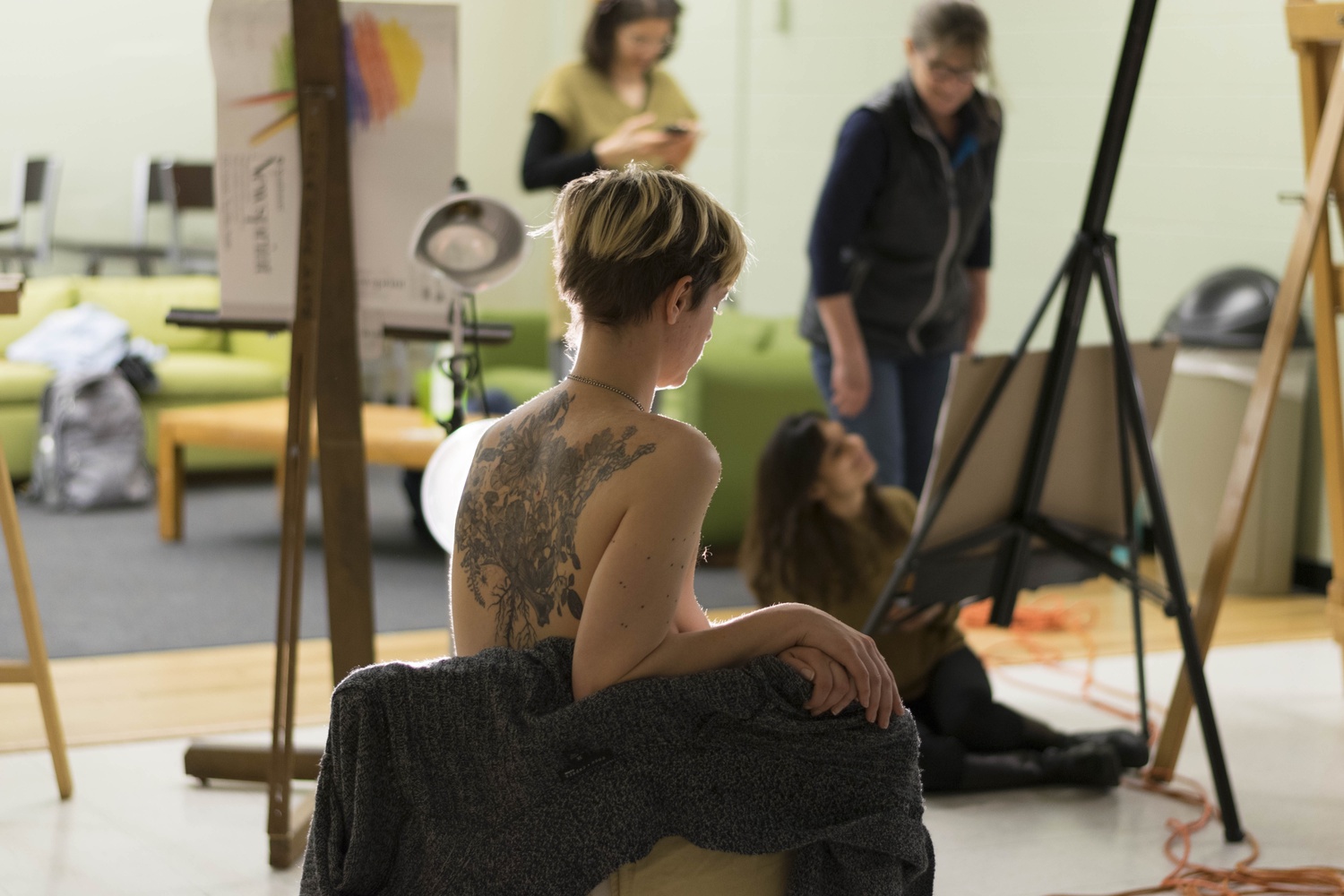
Safety and sustainability for any facility begins with an understanding of who shall occupy the built environment and what they will be doing in it. Since we are guiding young people toward their goal of building things that are useful and beautiful we select the International Building Code as a starting point for an occupancy that requires a more elevated concern for safety than a typical classroom.
2021 International Building Code Section 307 High Hazard Group H
High-hazard occupancies in each of the International Code Council code development groups A, B and C; fetch back to these classifications.
Public input for the 2024 International Building Code will be received until January 8, 2024.
For the purpose of formulating our own proposals we begin with the developmental transcripts of the previous code cycle. Recommended search terms: “Section 307”, “Studio”, “Classroom” “University” will give you a sample of the ideas in play. The complete monograph is linked below:
2021 Group A Complete Proposed Changes Monograph (2306 Pages)
2021 PUBLIC COMMENT HEARING SCHEDULE September 21 – 26, 2021
Webcast: 2021 Group A Public Comment Hearings
Titles in the ICC catalog are relevant to nearly every study unit in our Syllabus. See our CALENDAR for topics and do not be shy about clicking in any business day at 16:00 UTC (11 AM ET).
Issue: [18-166]
Category: Various
Colleagues: Mike Anthony, Marcelo Hirschler, Richard Robben
More
Mount Holyoke University: Safety Guide for Art Studios
Standard Methods of Fire Tests for Flame Propagation of Textiles and Films
IEEE: Textile humidity sensors
Fire at Pratt Institute Destroys Studios and Artwork of Students
New update alert! The 2022 update to the Trademark Assignment Dataset is now available online. Find 1.29 million trademark assignments, involving 2.28 million unique trademark properties issued by the USPTO between March 1952 and January 2023: https://t.co/njrDAbSpwB pic.twitter.com/GkAXrHoQ9T
— USPTO (@uspto) July 13, 2023
Standards Michigan Group, LLC
455 East Eisenhower Parkway, Suite 300
Ann Arbor, MI 48108 USA
888-748-3670