
Tag Archives: Evergreen
- Home
- Posts tagged "Evergreen" (Page 6)


A Survey on Explainable Artificial Intelligence
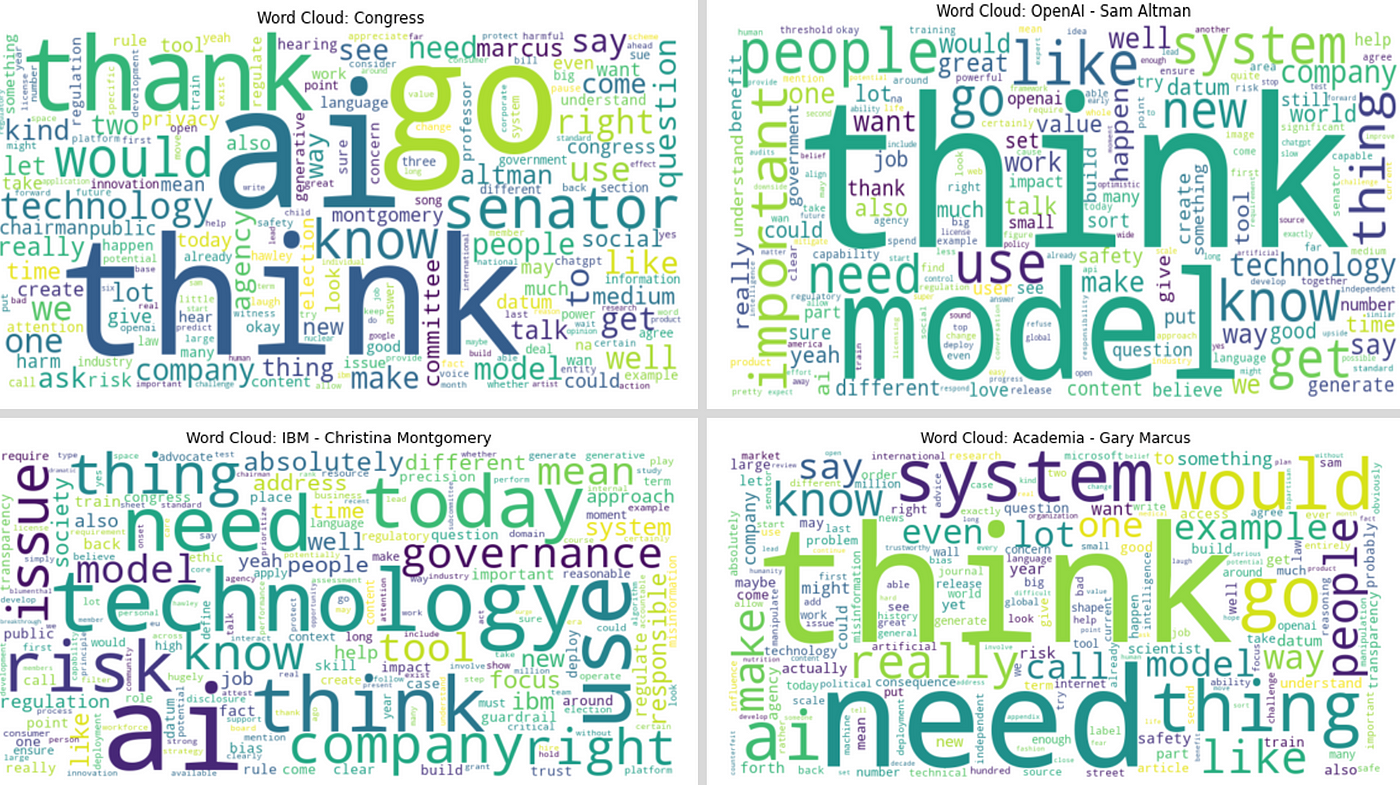
Decoding the US Senate Hearing on Oversight of AI: NLP Analysis in Python
Peeking Inside the Black-Box_ A Survey on Explainable Artificial Intelligence (XAI)
Amina Adadi & Mohammed Berrada
Ben Abdellah University Morocco
ABSTRACT: At the dawn of the fourth industrial revolution, we are witnessing a fast and widespread adoption of artificial intelligence (AI) in our daily life, which contributes to accelerating the shift towards a more algorithmic society. However, even with such unprecedented advancements, a key impediment to the use of AI-based systems is that they often lack transparency. Indeed, the black-box nature of these systems allows powerful predictions, but it cannot be directly explained. This issue has triggered a new debate on explainable AI (XAI). A research field holds substantial promise for improving trust and transparency of AI-based systems. It is recognized as the sine qua non for AI to continue making steady progress without disruption. This survey provides an entry point for interested researchers and practitioners to learn key aspects of the young and rapidly growing body of research related to XAI. Through the lens of the literature, we review the existing approaches regarding the topic, discuss trends surrounding its sphere, and present major research trajectories.

Sample of video coverage sorted by view count:

CSA Z614-2020: Children’s Playground Equipment
This content is accessible to paid subscribers. To view it please enter your password below or send mike@standardsmichigan.com a request for subscription details.

The link between a college education and a lasting marriage
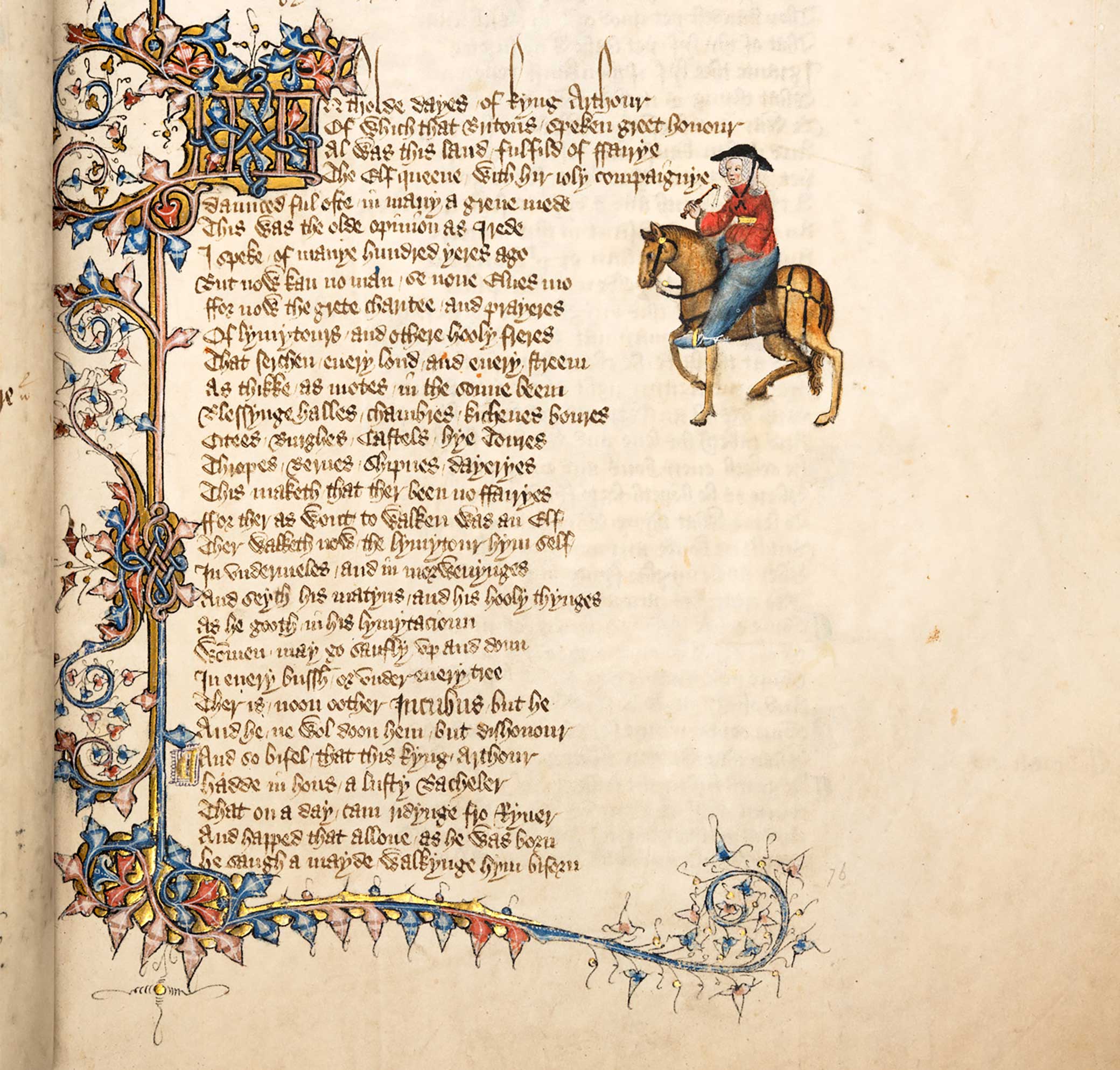
Opening page of “The Prologue of the Wife of Bath’s Tale,” from the Ellesmere manuscript of Geoffrey Chaucer’s Canterbury Tales, c. 1400.
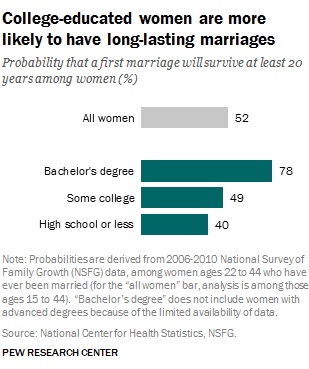
Researchers at the National Center for Health Statistics estimate that 78% of college-educated women who married for the first time between 2006 and 2010 could expect their marriages to last at least 20 years. But among women who have a high school education or less, the share is only 40%.
The link between a college education and a lasting marriage

H.R. 7495: Empowering Learners through Competency-Based Education
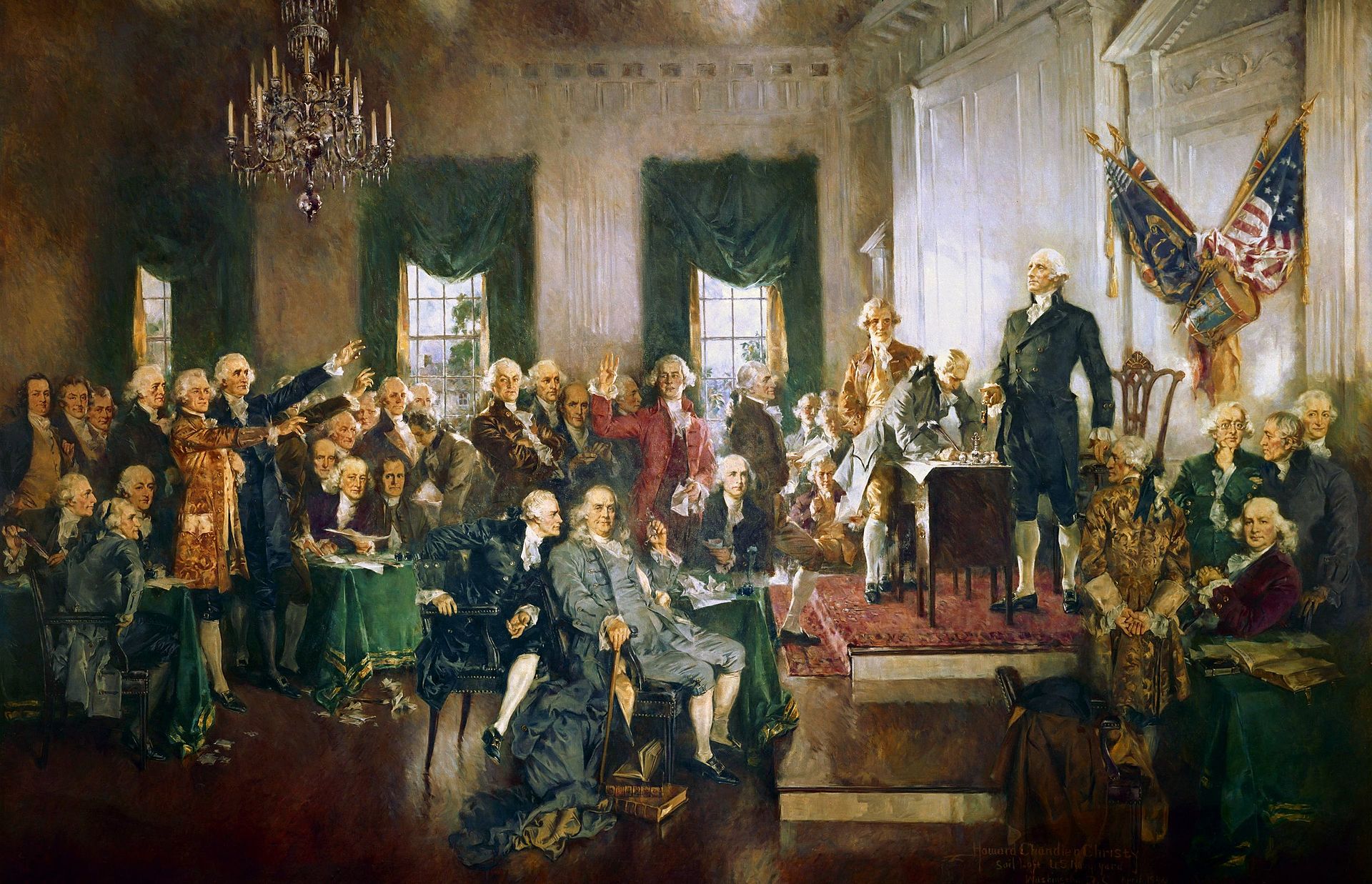

“But what is government itself but the greatest of all reflections on human nature? If men were angels, no government would be necessary. If angels were to govern men, neither external nor internal controls on government would be necessary. In framing a government which is to be administered by men over men, the great difficulty lies in this: you must first enable the government to control control the governed; and in the next place oblige it to control itself.” — James Madison, Federalist 51

Relevant Federal Executive & Legislative Committees
House of Representatives: Committee on Education & the Workforce
Senate: Committee on Health, Education, Labor and Pensions
SCOTUS: West Virginia, et al. v. Environmental Protection Agency
H.R. 221: Expand Pell Grant eligibility to certain trade schools
H.R. 193: Teach Relevant Apprenticeships to Drive Economic Success Act
H.R. 302: Energy Cybersecurity University Leadership Act of 2023
The University Campus As A Designed Work and an Artefact of Cultural Heritage

Mechanical Clock from 1895 Still Ticking
Located in the Mechanical Engineering Building this clock has been keeping time for over 120 years and its ticking can be heard throughout the building. The clock was built by the Seth Thomas Clock Company and was installed in 1904.
The clock’s mechanism is powered by weights that are wound up manually twice a week. It has a pendulum that swings back and forth, keeping time with remarkable accuracy. The clock is also equipped with a chime that rings every quarter hour, as well as a striking mechanism that sounds the hours.
Over the years, the clock has undergone several renovations and restorations to keep it in good working order. In 2009, the clock was fitted with an electric motor to assist in winding the weights, but it still operates primarily through mechanical means.
Original Heavilon Hall clock installed in Gatewood Wing


Language Proficiency
“The first and most distinguishing feature of civil society is the use of language.”
Adam Ferguson’s “An Essay on the History of Civil Society”
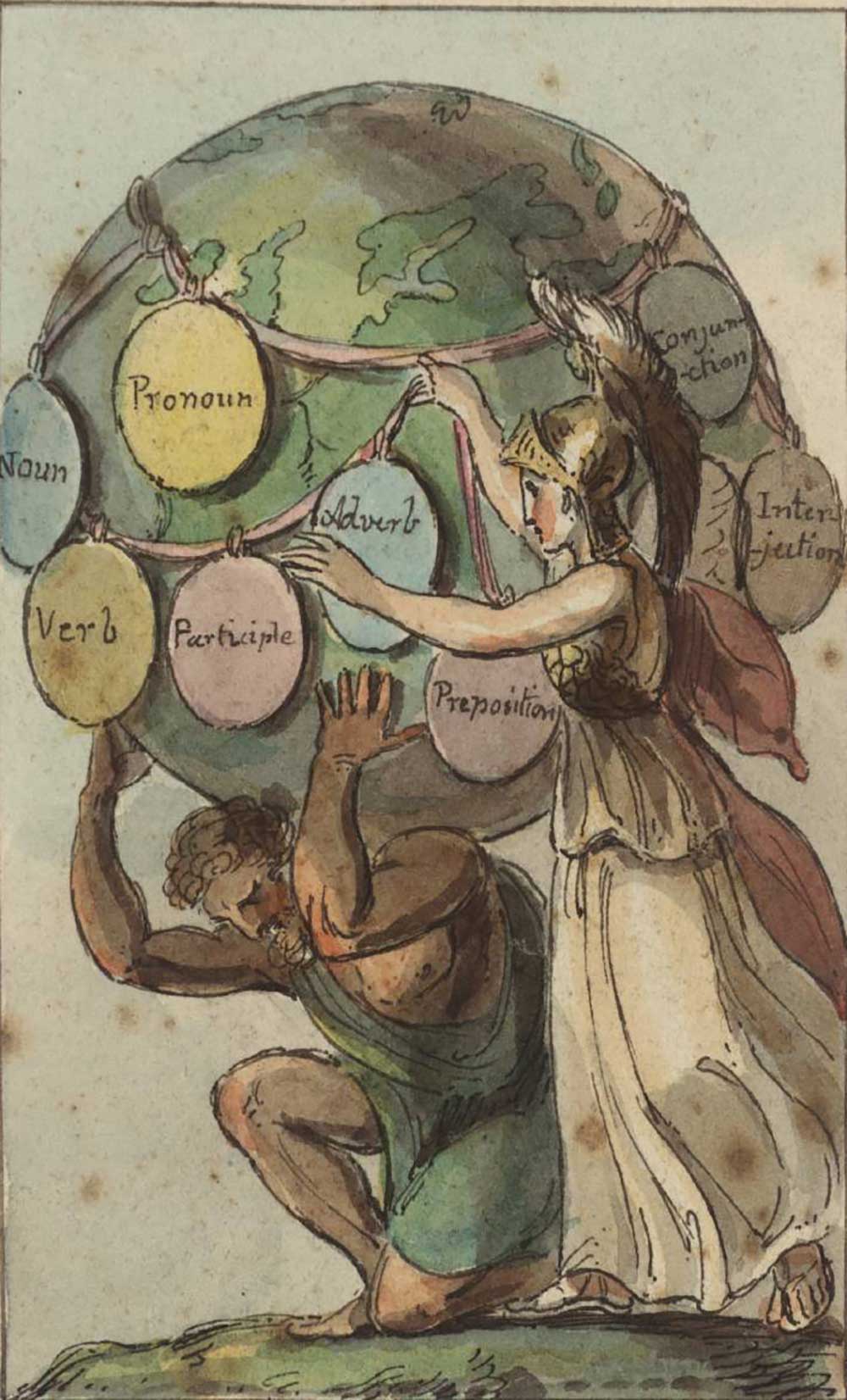
“Minerva Preserving to the World the Latin Grammar”
Standard Practice for Assessing Language Proficiency
Committee F43 on Language Services and Products
One of the easiest ways to persuade someone who disagrees with you is to change the subject without them knowing about it. Application of this method is found in the technical literature that informs safety and sustainability regulations at all levels of government. Change definitions; change the subject; outcome changed — hence our interest in spoken, written and computer languages.
Almost all technical standards begin with a list of definitions which, among domain experts, are frequently hard won.
From the project prospectus:
Purpose—This practice describes best practices for the development and use of language tests in the modalities of speaking, listening, reading, and writing for assessing ability in accordance with the Interagency Language Roundtable (ILR)2 scale. This practice focuses on testing language proficiency in use of language for communicative purposes.
Limitations—This practice is not intended to address testing and test development in the following specialized areas: Translation, Interpretation, Audio Translation, Transcription, other job-specific language performance tests, or Diagnostic Assessment. Tests developed under this practice should not be used to address any of the above excluded purposes (for example, diagnostics).
This title was developed in accordance with internationally recognized principles on standardization established in the Decision on Principles for the Development of International Standards, Guides and Recommendations issued by the World Trade Organization Technical Barriers to Trade Committee.
As of the date of this post we find no changes in the titles developed by this committee; nor do we see any notice of meetings; likely owed to the circumstances of the pandemic. Last Update: April 2020
Language lies at the foundation of all standards-setting so we maintain this title on the standing agenda of several of our daily colloquia. Its an “evergreen” topic that we can explore every day in every title in every catalog Feel free to click in to any of our daily colloquia; login credentials at the upper right of our home page.
More
Standards for the Modern Language Industry
American Council on the Teaching of Foreign Languages
Michigan State University: A Rhetorical History of the United States
CORRECTION: In the clip above, at the 5:11 mark, the caption should read: “He mobilized the English language”
„Jede Sprache ist eine schlechte Übersetzung“ – Franz Kafka

Architecture and Aesthetic Education
“The most enduring architectural works are those
that speak to the timeless principles of beauty and order.”
— Roger Scruton


Relax this Saturday with some music from Sir Roger Scruton
This piece was composed by Sir Roger for his wife, Sophie. This recording was performed by Bri Ulrich, transcribed by Josh Bauder, and recorded by Emma Davis. We hope you love it as much as we dohttps://t.co/NjdkGpkn71
— Roger Scruton Legacy Foundation (@Scruton_Legacy) March 25, 2023

Understanding Engineering Standards
Virginia Woolf: pic.twitter.com/8IPw1Fmevk
— Dr. Maya C. Popa (@MayaCPopa) May 25, 2023
New update alert! The 2022 update to the Trademark Assignment Dataset is now available online. Find 1.29 million trademark assignments, involving 2.28 million unique trademark properties issued by the USPTO between March 1952 and January 2023: https://t.co/njrDAbSpwB pic.twitter.com/GkAXrHoQ9T
— USPTO (@uspto) July 13, 2023
Standards Michigan Group, LLC
455 East Eisenhower Parkway, Suite 300
Ann Arbor, MI 48108 USA
888-748-3670
DIRECTIONS
 |
 |
|
 |
 |
|
 |
 |