Tag Archives: M9

Loading
loading..

Pomegranates: How and When to Pick

Standards Utah | Extension Service

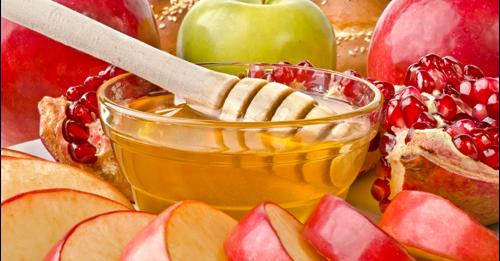
The pomegranate is a significant symbol in Jewish tradition, particularly during Rosh Hashanah, the Jewish New Year. Its symbolism is rooted in both its physical characteristics and its cultural and spiritual associations.

Abundance and Fertility: Pomegranates are filled with numerous seeds, which symbolize abundance, fertility, and prosperity. During Rosh Hashanah, a time of renewal and hope for a sweet and bountiful year, eating pomegranates reflects the wish for a year filled with blessings and plenty.

Mitzvot and Righteousness: Jewish tradition often associates the pomegranate’s many seeds—traditionally said to number 613—with the 613 commandments (mitzvot) in the Torah. Consuming pomegranates during Rosh Hashanah expresses the hope that one’s life will be filled with good deeds and adherence to these commandments in the coming year.

Renewal and New Beginnings: Rosh Hashanah marks the start of the Jewish year, a time for introspection, repentance, and setting intentions for personal growth. The pomegranate, as a fruit that ripens around this season in the Mediterranean region, symbolizes renewal and the potential for a fresh start.

Connection to the Land of Israel: Pomegranates are one of the seven species (Shivat Haminim) mentioned in the Torah as special products of the Land of Israel (Deuteronomy 8:8). Their inclusion in Rosh Hashanah celebrations reinforces the connection to the land and its blessings, evoking gratitude and a sense of rootedness in Jewish heritage.

Hope and Sweetness: On Rosh Hashanah, it is customary to eat sweet foods to symbolize the hope for a sweet year. While pomegranates have a tart-sweet flavor, they are often included in the festive meal or ritual foods, accompanied by a blessing such as: “May it be Your will, O Lord our God, that our merits be as numerous as the seeds of a pomegranate.”

During Rosh Hashanah, pomegranates may be eaten fresh, incorporated into dishes, or displayed as part of the festive table. Some communities recite a specific blessing or prayer when eating the pomegranate, emphasizing its symbolic meaning. The fruit’s vibrant red color and seed-filled interior make it a powerful visual and spiritual emblem for the holiday’s themes of hope, abundance, and spiritual growth. This symbolism aligns with the broader themes of Rosh Hashanah: reflection, renewal, and the aspiration for a year filled with goodness and divine favor.


Fruit Smoothie

West Virginia University Financial Statement 2022 | $1.178M

The WVU Extension is a primary outreach division of West Virginia University. With offices in each of the state’s 55 counties, Extension faculty and staff develop and deliver programs in leadership development, rural and community-based economic development, youth development, workforce development, and health education.

Ingredients

3 cups frozen strawberries or other frozen fruit
1 banana
1 cup yogurt (plain or vanilla)
1 handful spinach or kale
2 cups of milk

Directions

Wash fresh produce.
Collect and measure all ingredients before starting recipe.
Add the fruit, yogurt and greens to the blender.
Pour the milk into the blender.
Blend 30 to 45 second until smooth.
Refrigerate leftovers within two hours, and finish within two days.

Nutrition information per serving (recipe makes six one-cup servings):
Calories — 120; fat — 2g; carbohydrates — 21g; fiber — 2g; protein — 5g

Geoffrey Hinton & Joel Hellermark

This conversation was recorded in April 2024 at the Royal Institute of Great Britain in London. An edited version was premiered at Sana AI Summit on May 15 2024 in Stockholm, Sweden.

Geoffrey Hinton has been called “the godfather of AI” and is considered one of the most prominent thought leaders on the emergence of artificial intelligence. He has served as a faculty member at Carnegie-Mellon and a fellow of the Canadian Institute for Advanced Research. He is now Emeritus Professor at the University of Toronto. In 2023, Geoffrey left his position at Google so that he could speak freely about AI’s impact on humankind.

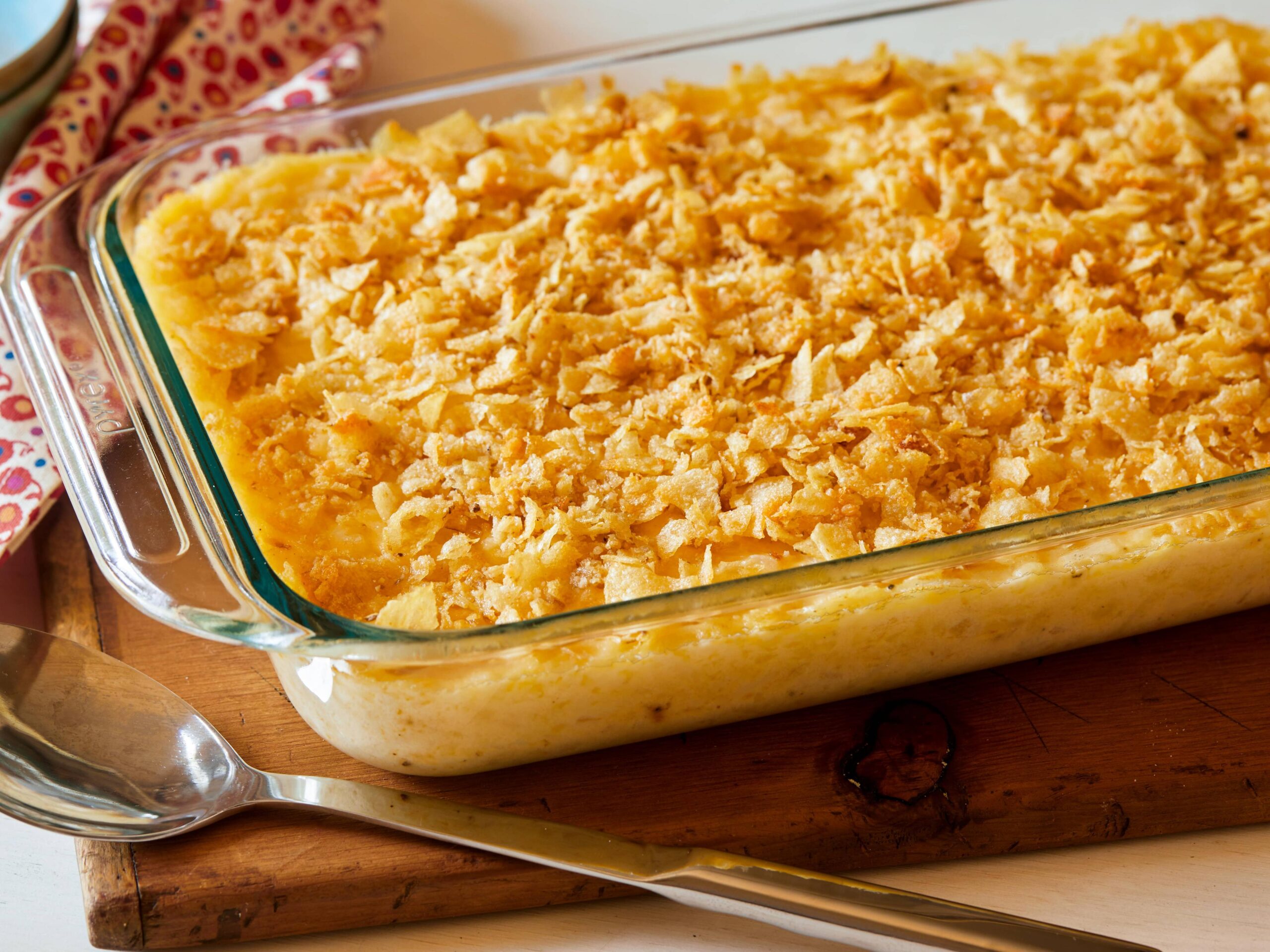
Funeral Potatoes

 
Funeral potatoes are a tradition in Utah, especially within the Latter-day Saints community. This food is typically served at gatherings following funerals, providing warmth and solace to grieving families.The dish is a casserole made with hash brown potatoes, sour cream, cream of chicken soup, cheese, and a topping, often cornflakes or crushed potato chips. Its origins date back to the mid-20th century, when practical, easily-prepared meals were essential for feeding groups quickly.The name “funeral potatoes” reflects their frequent appearance at post-funeral luncheons, but they are also enjoyed at other gatherings and holidays. The dish embodies the spirit of community and support, symbolizing the care and comfort shared among friends and family during difficult times.

Recipe: Mormon Mortician in the Kitchen

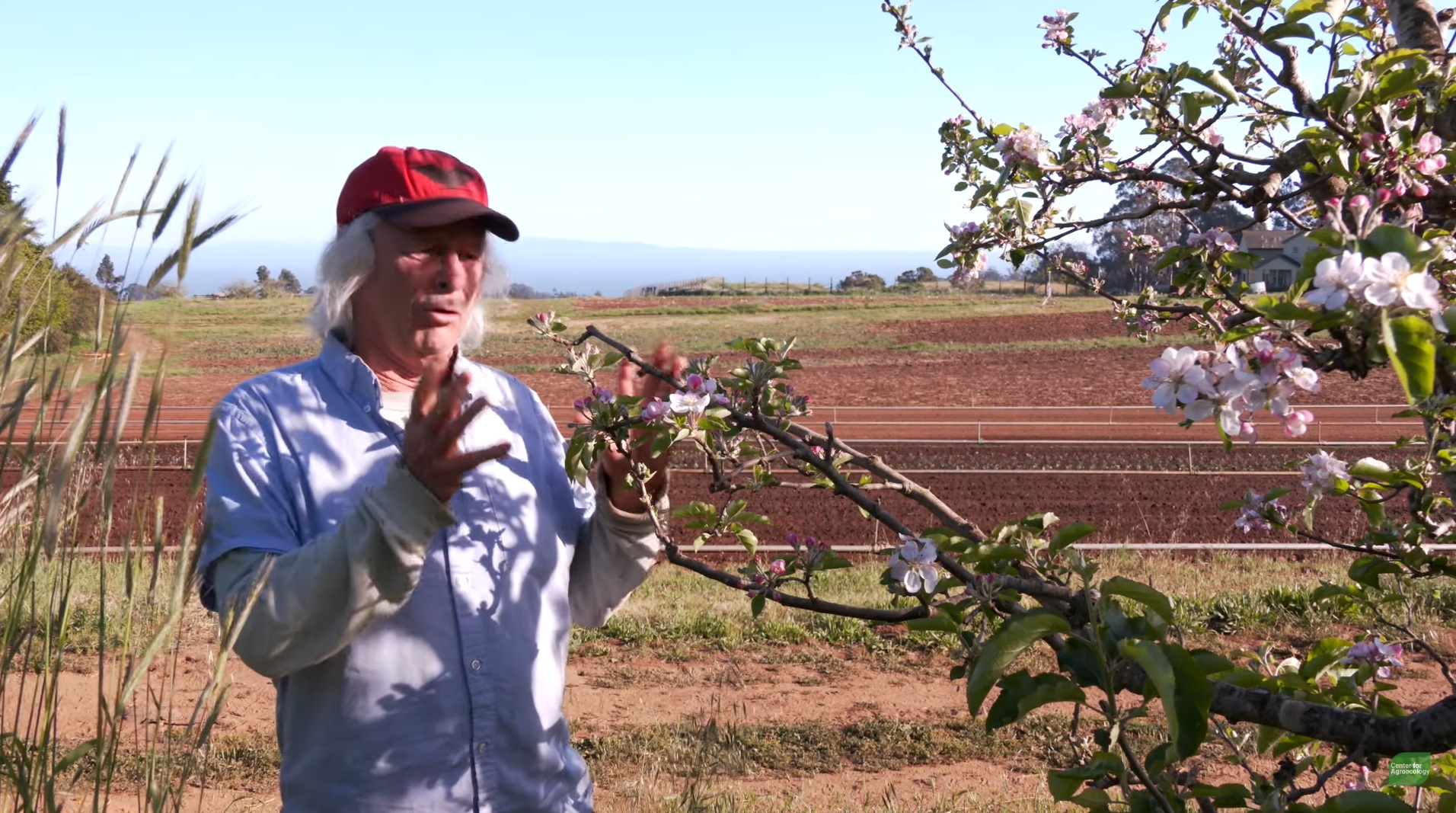
Apple Tree Anatomy

Nourriture

Penn Cooling

This content is accessible to paid subscribers. To view it please enter your password below or send mike@standardsmichigan.com a request for subscription details.

https://youtu.be/0Bugy5JzkTg?si=1zLZO3DeF_d9M-qJ

Syllabus Week 37 | September 8-14

“New York Public Library” 1910 Colin Campbell Cooper


Monday |  September 8 | Colloquium 15:00 UTC

Lingua Franca


Tuesday |  September 9 | Colloquium 15:00 UTC

Electrical Energy Storage


Wednesday |  September 10 | Colloquium 15:00 UTC

Zoning

Transport & Parking

Illumination 400


Thursday |  September 11 | Colloquium 15:00 UTC


Structures

Elevators & Lifts

Story: “Meditation On The Thin Space At St. Paul’s Chapel”


Friday |  September 12 | Colloquium 15:00 UTC

Fall Watersport

Boathouses


Saturday |  September 13


Sunday |  September 15


University of Arizona

Layout mode
Predefined Skins
Custom Colors
Choose your skin color
Patterns Background
Images Background
Standards Michigan
error: Content is protected !!
Skip to content