Facilities Operations and Development | Office of Student Life: How to Operate a Fire Extinguisher
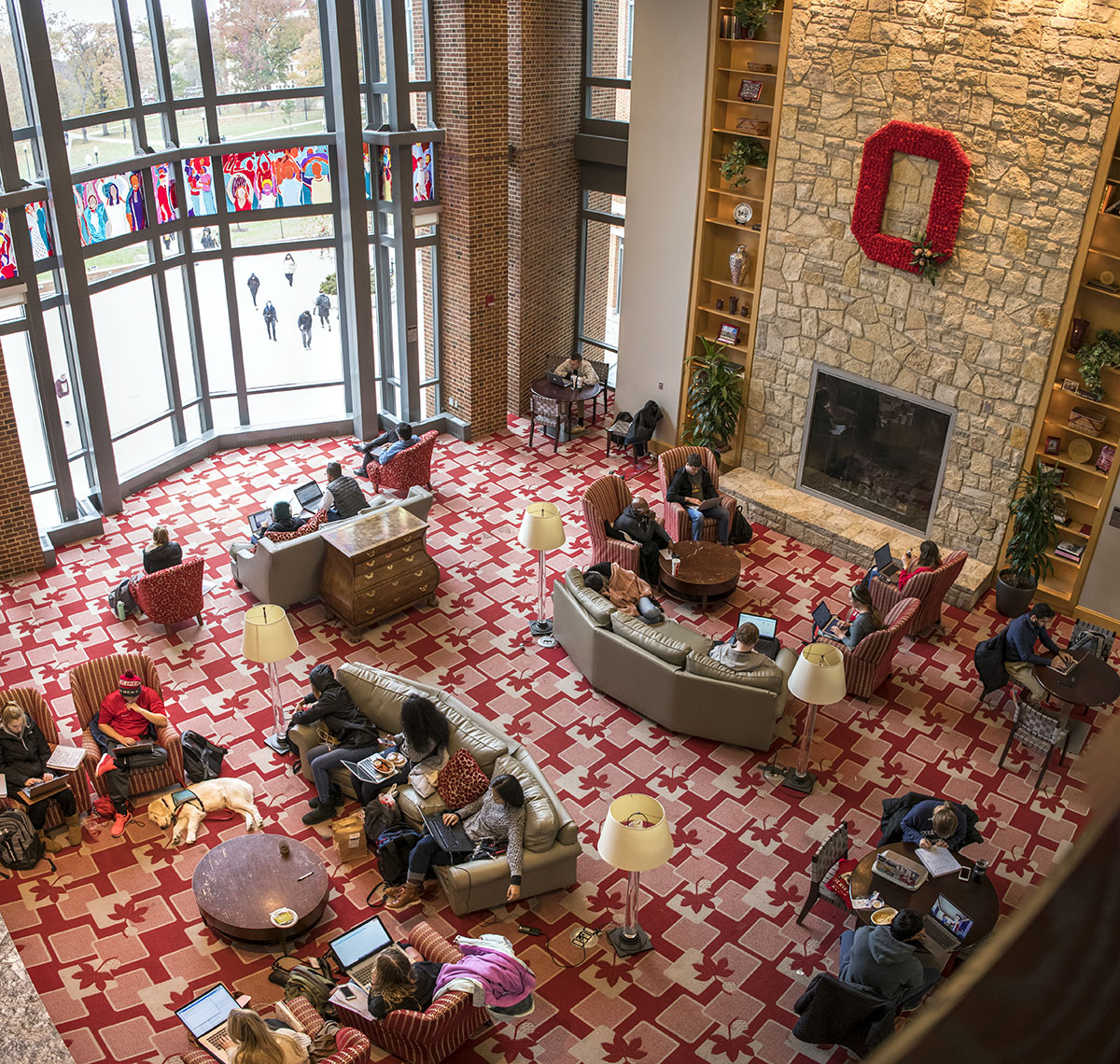
Click Image
Why Are So Many Women Not Having Children?


Facilities Operations and Development | Office of Student Life: How to Operate a Fire Extinguisher
Click Image
Why Are So Many Women Not Having Children?
“Whom the gods love, die young.”
Menander (341-290 BCE)
“My mother was a Protestant, of a traditional American, vague kind: she belonged to the church that the nice people in the neighbourhood went to. My wife is a Catholic, the kids are Catholic, so I’m a Catholic fellow-traveller.”
Legacy | Toledo Ohio
“Everybody knows how to raise children, except the people who have them.”
“America wasn’t founded so that we could all be better. America was founded so we could all be anything we damned well pleased.”
MLive | Ann Arbor Michigan
“Giving money and power to government is like giving whiskey and car keys to teenage boys.”
“It’s better to spend money like there’s no tomorrow than to spend tonight like there’s no money.”
“When buying and selling are controlled by legislation, the first things to be bought and sold are legislators.”
“If government were a product, selling it would be illegal.”
“The Democrats are the party that says government will make you smarter, taller, richer, and remove the crabgrass on your lawn. The Republicans are the party that says government doesn’t work and then they get elected and prove it.”
“Not much was really invented during the Renaissance, if you don’t count modern civilization.”
“No humorist is under any obligation to provide answers and probably if you were to delve into the literary history of humour it’s probably all about not providing answers because the humorist essentially says: this is the way things are.”


“The All-Campus Radio Network, known as ACRN Media, is Ohio University’s student-run radio station. Founded in 1971, we’ve evolved over the past 50-plus years into a media hub, producing visual, editorial and audio content in addition to radio and live music shows. ACRN Media has several departments working together to foster discussion, interaction and participation within accepting popular and DIY music cultures.”

Athens County Live Audio Feeds
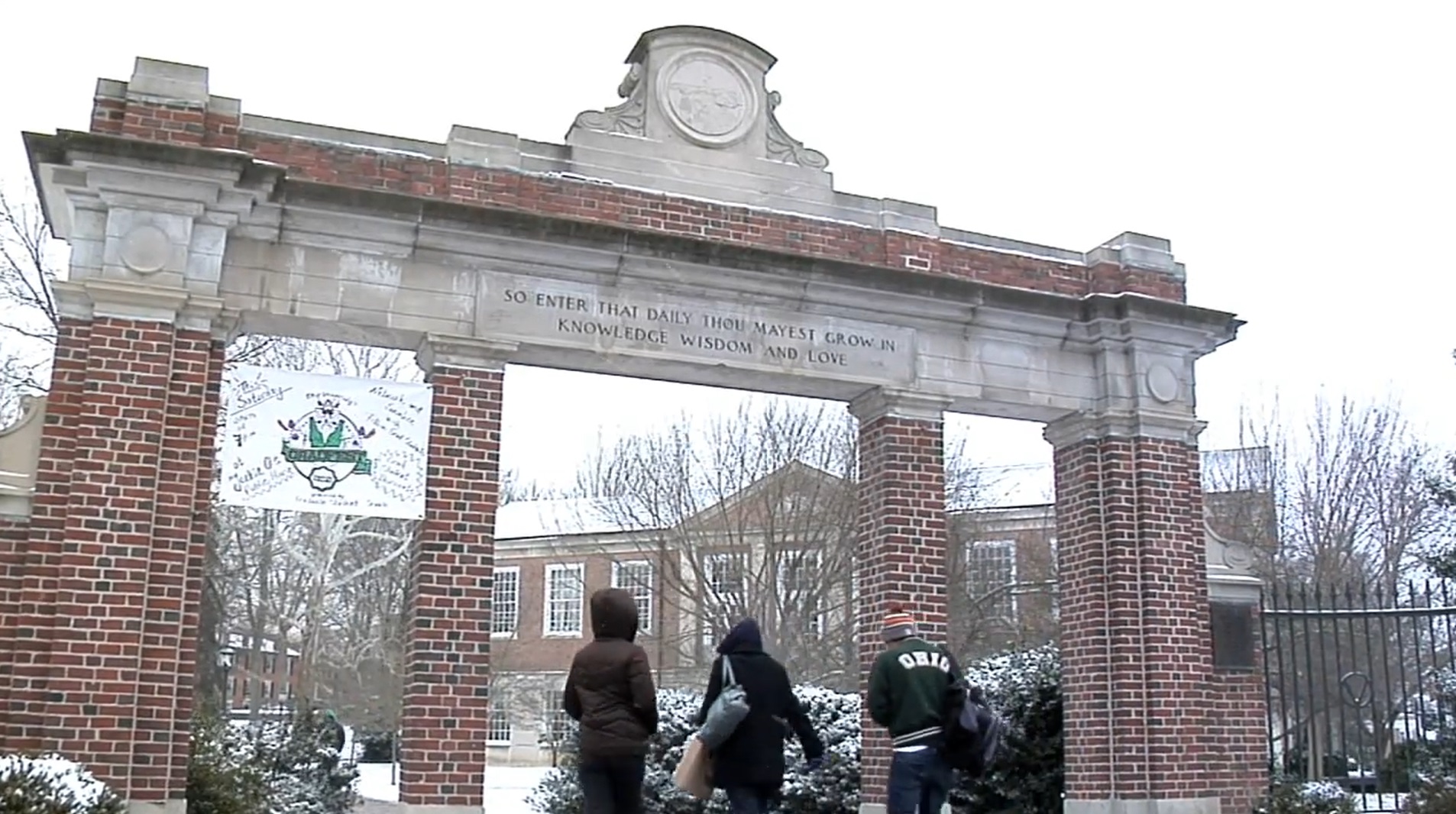
Ohio University | Athens County
We hope you’re soaking up the last couple weeks of the semester, Bobcats 🌷 pic.twitter.com/c9tuUIyM5N
— OHIO Chaddock + Morrow College of Fine Arts (@OHIOFineArts) April 20, 2026

“Grief” Anna | Anna Ancher (1859 – 1935)
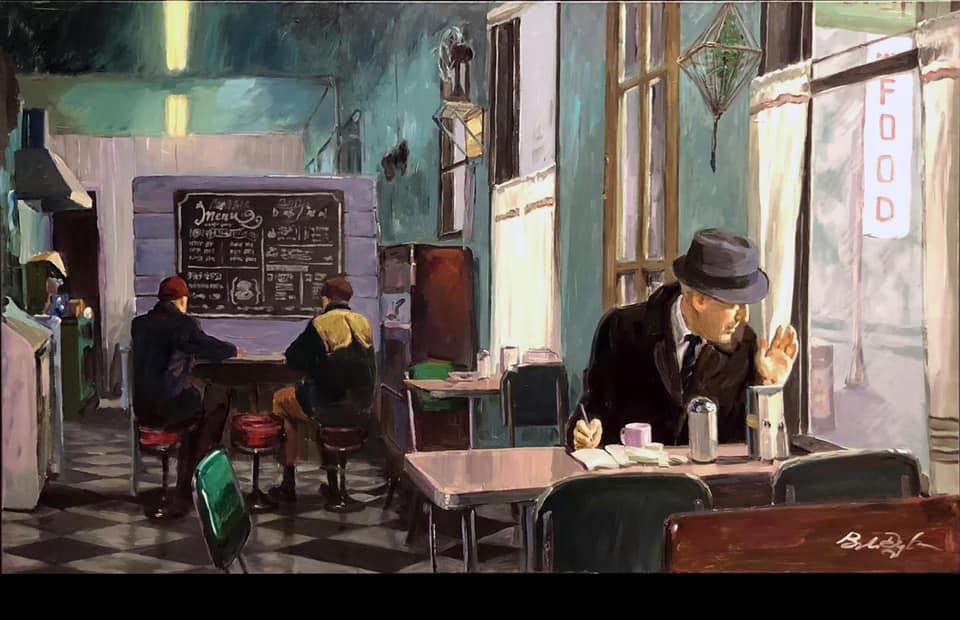
Artist: Bob Dylan (featuring Leonard Cohen)
John Marshall students to run coffee shop
“There’s a new coffee shop in Cleveland, and it’s in John Marshall High School. The “Lawyers Café” serves lattes, healthy fruit smoothies, and Rising Star coffee, and it’s completely student-run. While they brew up the drinks as baristas and handle the budgets on the finance team, all of the scholars are getting hands-on job skills and learning what it takes to run their own small business.”
American Enterprise Institute: One Nation, Under Lawyers
“In those vernal seasons of the year, when the air is calm and pleasant, it were an injury and sullenness against Nature not to go out, and see her riches, and partake in her rejoicing with heaven and earth.”
— John Milton, Tractate of Education
President George H. Bush’s prescient warning to graduates about the destabilizing dangers of “political correctness” to the American experiment in a constitutional republic. Escalated by the presidencies of Barack Obama and Joseph Biden; accelerated by multinational social media conglomerates, free speech — globally — remains challenged and threatens the return to the tribalism that doomed ancient civilizations. Higher education in America will have the heaviest hand in this transformation.
“Ironically, on the 200th anniversary of our Bill of Rights, we find free speech under assault throughout the United States, including on some college campuses. The notion of political correctness has ignited controversy across the land. And although the movement arises from the laudable desire to sweep away the debris of racism and sexism and hatred, it replaces old prejudice with new ones. It declares certain topics off-limits, certain expression off-limits, even certain gestures off-limits.”
New #CLE coffee shop! Grand opening of student-run Lawyers Cafe at John Marshall @RisingStarCoffe @CLEMetroSchools pic.twitter.com/0YUNiGbaGs
— Shannon Kantner (@ShannonKantner) April 13, 2016

Readings
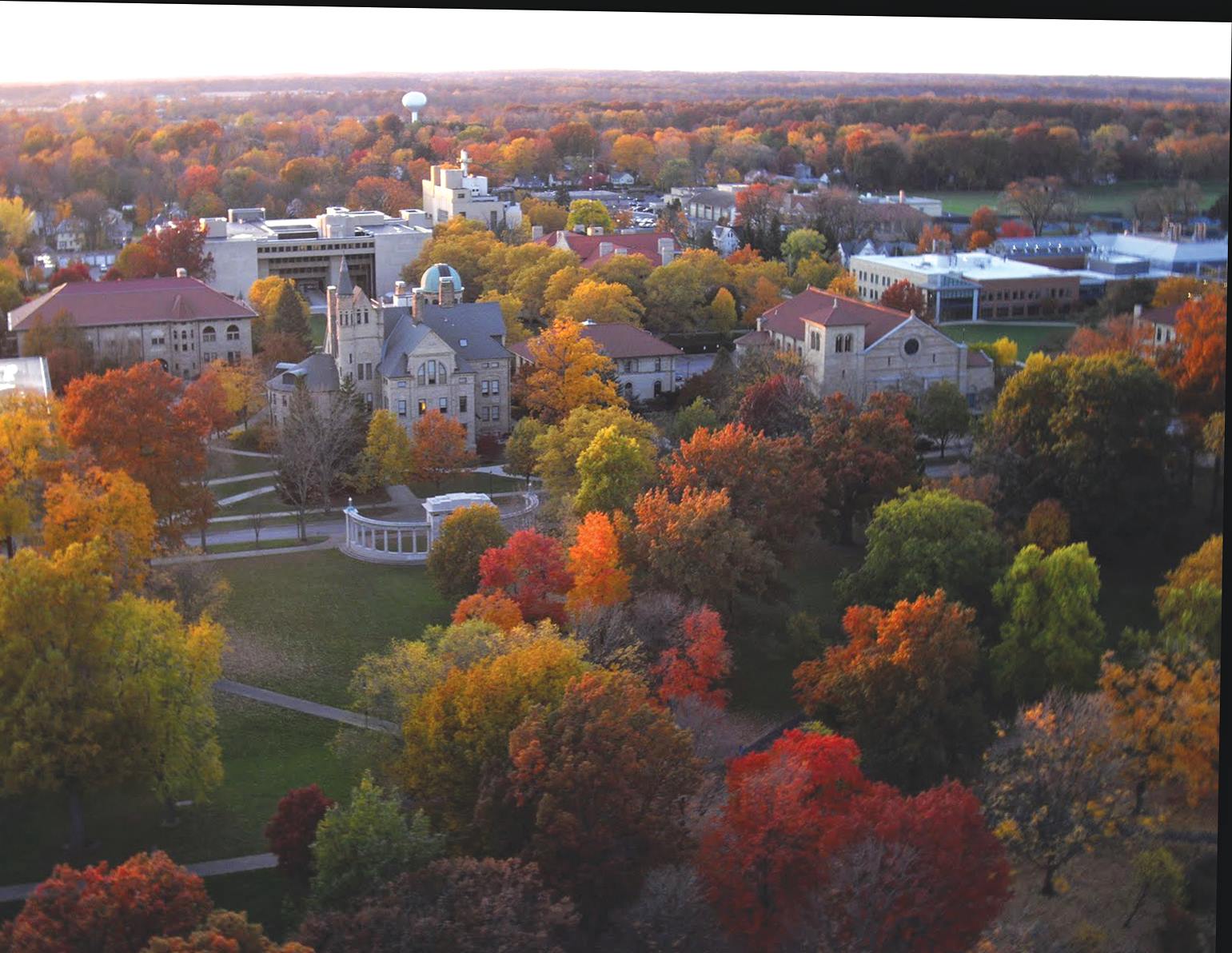
Electricity and Water Conservation on College and University Campuses…
John E. Petersen – Cynthia M. Frantz – Md. Rumi Shammin – Tess M. Yanisch – Evan Tincknell – Noel Myers
Abstract. Campus Conservation Nationals” (CCN) is a recurring, nation-wide electricity and water-use reduction competition among dormitories on college campuses. We conducted a two year empirical study of the competition’s effects on resource consumption and the relationship between conservation, use of web technology and various psychological measures. Significant reductions in electricity and water use occurred during the two CCN competitions examined (n = 105,000 and 197,000 participating dorm residents respectively). In 2010, overall reductions during the competition were 4% for electricity and 6% for water. The top 10% of dorms achieved 28% and 36% reductions in electricity and water respectively. Participation was larger in 2012 and reductions were slightly smaller (i.e. 3% electricity). The fact that no seasonal pattern in electricity use was evident during non-competition periods suggests that results are attributable to the competition. Post competition resource use data collected in 2012 indicates that conservation behavior was sustained beyond the competition. Surveys were used to assess psychological and behavioral responses (n = 2,900 and 2,600 in 2010 and 2012 respectively). Electricity reductions were significantly correlated with: web visitation, specific conservation behaviors, awareness of the competition, motivation and sense of empowerment. However, participants were significantly more motivated than empowered. Perceived benefits of conservation were skewed towards global and future concerns while perceived barriers tended to be local. Results also suggest that competitions may be useful for “preaching beyond the choir”–engaging those who might lack prior intrinsic or political motivation. Although college life is distinct, certain conclusions related to competitions, self-efficacy, and motivation and social norms likely extend to other residential settings.
International Mechanical Code Chapter 12: Hydronic Piping
“An Army marches on its stomach”
— Napoleon Bonaparte
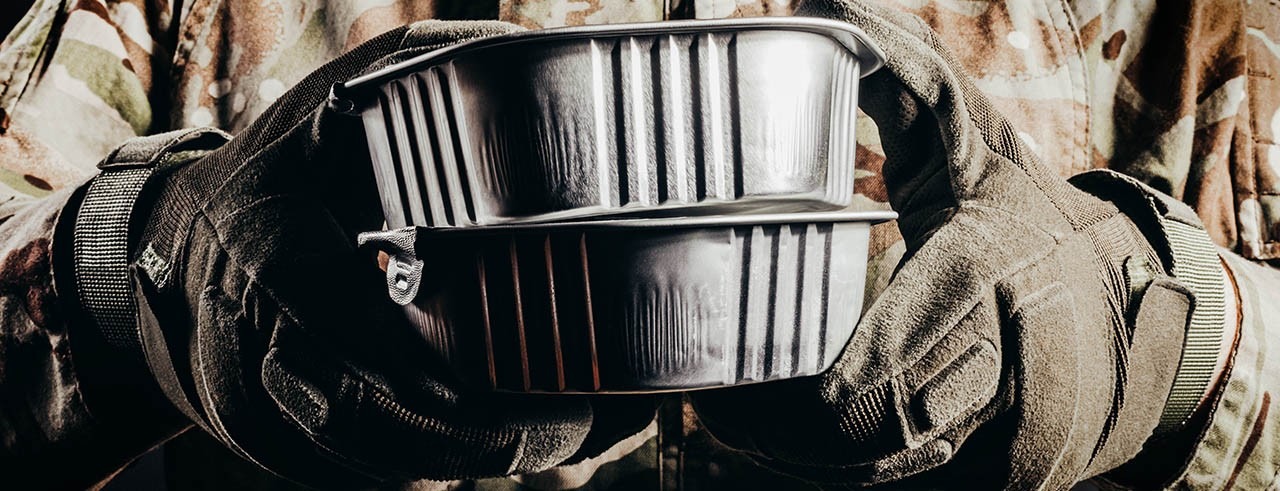
Compact, flameless heater allows for pre-packaged hot dinners
“Whether it’s chili with beans, barbecued beef or meatballs in marinara sauce, members of the United States military are served up a rotating menu of entrees through meals, ready to eat rations. Packed in individual pouches, these self-contained meals can be eaten during combat operations, humanitarian missions or field trainings, providing nourishment on the go. Yet while MREs were first piloted for U.S. military members during the Vietnam War, it wasn’t until the 1990s that it’s been possible for these meals to be served hot…
…We can thank a University of Cincinatti Professor of Mechanical Engineering for that.” (And transforming the civilian emergency food industry, to boot)
Related:
Defense Acquisition University: Specifications and Standards
Food and Water in an Emergency
Federal Emergency Management Agency: Food Safety: A Recipe for National Preparedness
Standards Ohio
Dining options available for Passover https://t.co/U2l5xxJwSv
— Standards Michigan (@StandardsMich) April 2, 2026
This content is accessible to paid subscribers. To view it please enter your password below or send mike@standardsmichigan.com a request for subscription details.
Key details:
Related:
2024 International Plumbing Code | ASPE Plumbing Design Handbook
| ASHRAE 188 Legionellosis: Risk Management for Building Water Systems
International Building Code Meeting minutes #67 2025-12-12
IEEE 602 (White Book) Recommended Practice for Electric Systems in Health Care Facilities
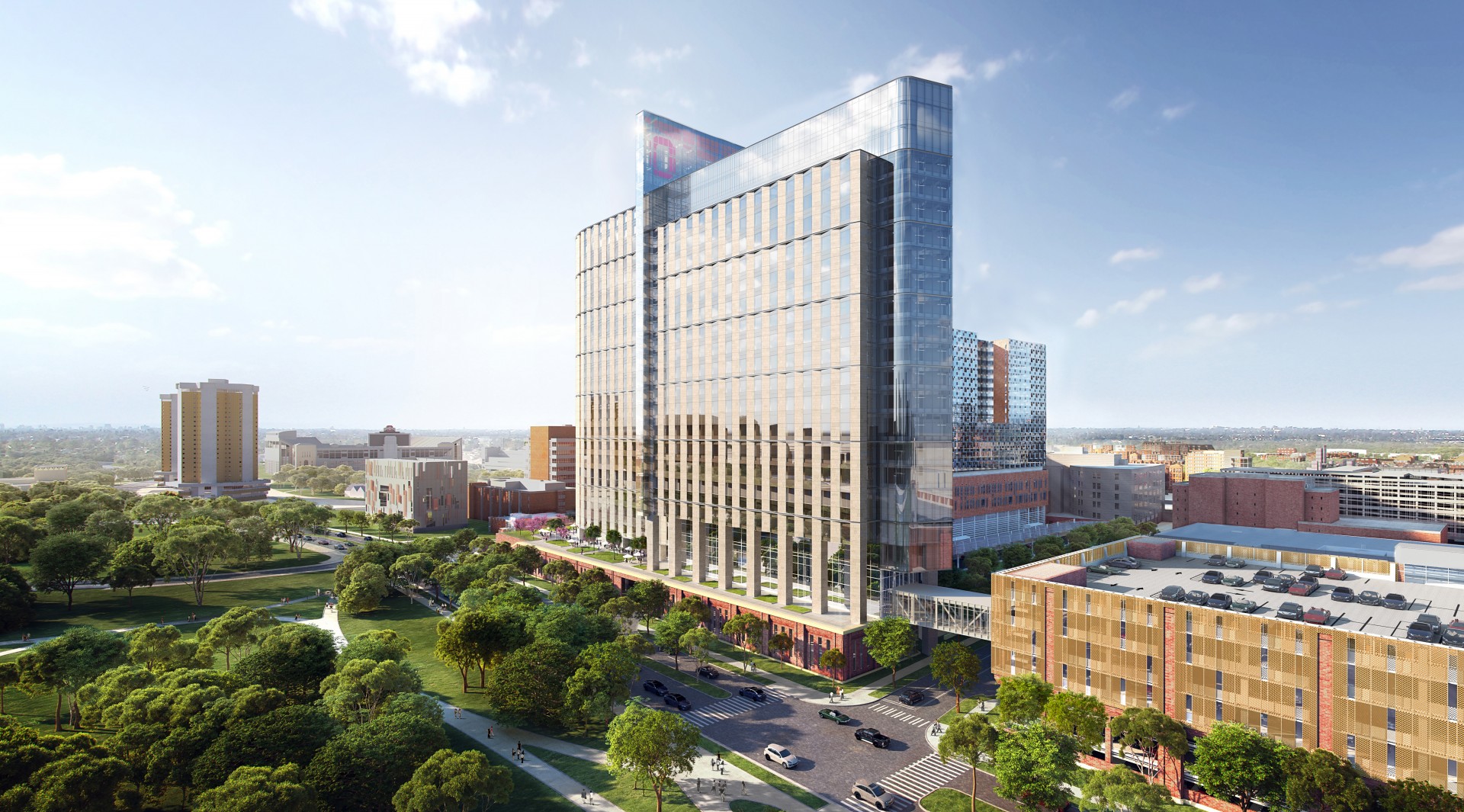
The new 820-bed inpatient tower at The Ohio State University Wexner Medical Center (known as University Hospital) opened in February 2026 and represents the largest single-facility project in the university’s history, with a focus on patient-centered care, advanced technology, and sustainability.
Based on available project details, there were no reported major electrical problems or disruptions during construction or activation that hindered progress—in fact, electrical systems were tested successfully with no operational challenges noted during key milestones like the activation of exterior lighting. Instead, several noteworthy electrical and technology-related features and innovations have contributed to the project’s overall success, particularly in enhancing energy efficiency, patient experience, and operational performance.
The hospital’s design emphasizes sustainable electrical systems, earning it a green bond designation for its bonds and a sustainability award from the Ohio Facilities Construction Commission early in the project. Key aspects include:
These elements not only promote eco-friendly operations but also position the hospital as a model for future healthcare facilities, with designs that conserve energy and adapt to evolving needs.
Electrical infrastructure supports cutting-edge features that improve clinical outcomes and user experience:
These electrical-enabled innovations have helped the project stay ahead of schedule (reaching substantial completion in late 2025) and under budget in key areas, contributing to its acclaim as a forward-thinking facility that elevates care for Ohio’s growing population. No significant electrical setbacks were publicly documented, unlike a brief structural pause in 2022 for a cracked concrete column (unrelated to electrical systems). Overall, the seamless integration of efficient, reliable electrical systems has been a key factor in the hospital’s successful launch and its role in advancing healthcare innovation.
New update alert! The 2022 update to the Trademark Assignment Dataset is now available online. Find 1.29 million trademark assignments, involving 2.28 million unique trademark properties issued by the USPTO between March 1952 and January 2023: https://t.co/njrDAbSpwB pic.twitter.com/GkAXrHoQ9T
— USPTO (@uspto) July 13, 2023
Standards Michigan Group, LLC
455 East Eisenhower Parkway, Suite 300
Ann Arbor, MI 48108 USA
888-748-3670
 |
 |
|
 |
 |
|
 |
 |