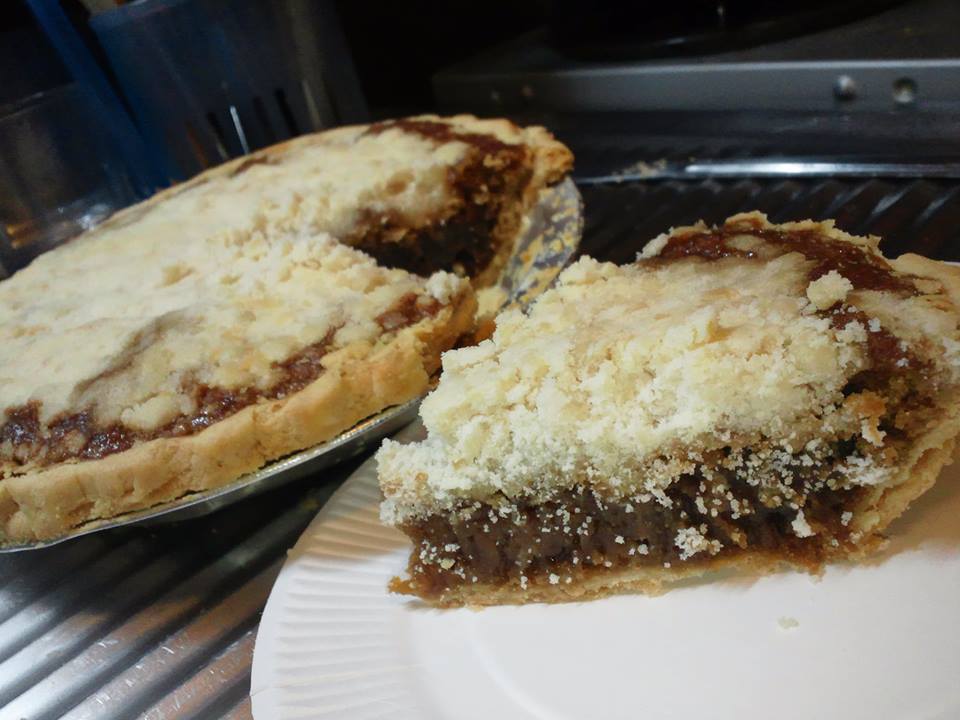
Shoo Fly Pie is a type of American pie made with molasses associated with Pennsylvania Dutch cuisine. While shoo-fly pie has been a staple of Moravian, Mennonite, and Amish foodways, there is scant evidence concerning its origins, and most of the folktales concerning the pie are apocryphal, including the persistent legend that the name comes from flies being attracted to the sweet filling.
Equestrian competitions are governed by a variety of standards and regulations that ensure fairness, safety, and consistency. Here are some of the key standards that apply to different types of equestrian competition:
General Standards
Equine Welfare: Ensuring the health and well-being of horses is a priority. This includes regular veterinary checks, proper nutrition, and humane treatment.
Safety: Regulations are in place to protect both riders and horses. This includes wearing appropriate safety gear, such as helmets and body protectors.
Fair Competition: Rules are established to ensure fair play, including regulations about equipment, attire, and conduct.
Dressage
Test Protocols: Riders perform predefined movements and patterns. The tests are scored based on accuracy, smoothness, and the horse’s response.
Judging Criteria: Judges assess the horse’s gaits, submission, and overall harmony between horse and rider.
Scoring System: A numerical scoring system is used, with each movement receiving a score that contributes to the overall total.
Show Jumping
Course Design: Courses are designed with a specific number and type of jumps, including verticals, spreads, and combinations.
Time and Faults: Riders are judged on their ability to complete the course without knocking down rails (faults) and within the allotted time.
Penalty System: Points are deducted for faults, such as refusals, knockdowns, or exceeding time limits.
Eventing
Three Phases: Eventing includes dressage, cross-country, and show jumping. Each phase is scored separately, and the cumulative score determines the overall standings.
Cross-Country: Riders must navigate a course with natural obstacles and fences, with penalties for refusals or exceeding the time limit.
Safety and Endurance: Emphasis is placed on the horse’s fitness and the rider’s ability to manage both speed and stamina.
Driving
Turnout Standards: Horses and carriages must meet specific standards for appearance and condition.
Dressage Phase: Similar to dressage in riding, this phase includes a test of precision and obedience.
Marathon Phase: This phase involves navigating a course with obstacles, testing endurance and driving skill.
Cones Phase: Drivers must maneuver through a series of cones without knocking them over, demonstrating accuracy and control.
Western Riding
Reining: Riders perform a pattern of circles, spins, and stops, judged on smoothness, precision, and control.
Cutting: The rider must separate a cow from a herd and work it independently within a set time, demonstrating the horse’s responsiveness and agility.
Roping: Includes events like team roping and calf roping, where riders demonstrate their roping skills and coordination with the horse.
Endurance
Distance and Terrain: Races cover long distances over varied terrain, requiring both horse and rider to demonstrate stamina and navigational skills.
Vet Checks: Regular veterinary inspections ensure the horse’s health throughout the event.
Pace and Recovery: Riders must manage their horse’s pace and recovery times to complete the course successfully.
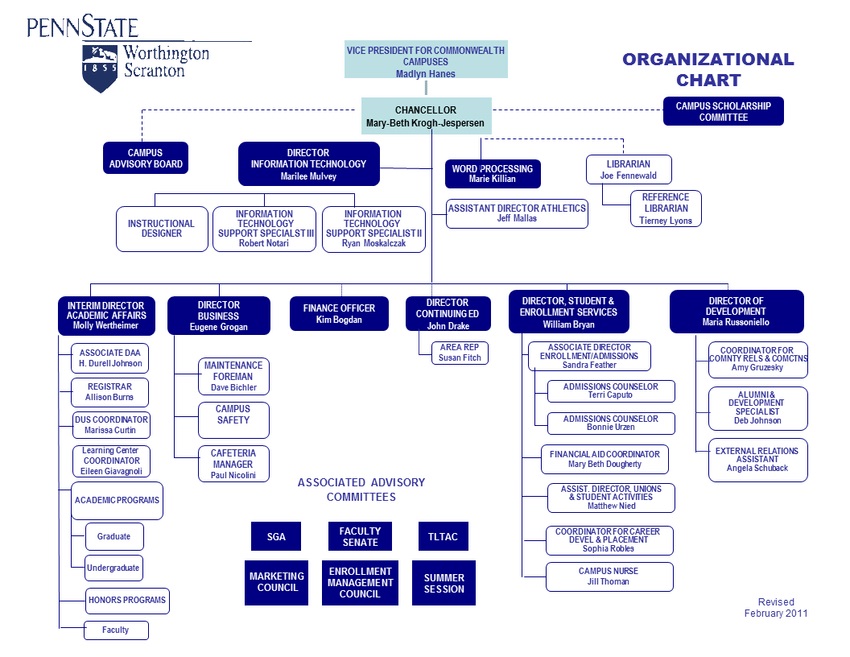
Pennsylvania State University — also known as Penn State — is a public state-related land-grant research university with campuses that are spread throughout Pennsylvania. It was founded in 1855 as the Farmers’ High School of Pennsylvania and became the country’s only land-grant institution eight years later in 1863.
Though the university is not a member of the Ivy League, Penn State is a major research university and is sometimes referred to as one of the so-called “Public Ivies”, a publicly-funded research institution that provides a comparable quality of education to Ivy League institutions. In addition to its land-grant designation, Penn State also participates in the sea-grant, sun-grant, and space-grant; one of only four institutions (alongside Cornell, Oregon State, and Hawai’I at Mānoa) to do so.
Penn State is a “state-related” university and forms part of Pennsylvania’s Commonwealth System of Higher Education. Although the university receives funding from the Commonwealth of Pennsylvania and is connected to the state via its board of trustees, it is entirely independent and does not fall under the control of the state.
Human Resources, perhaps aptly, is a large domain, likely the largest and, for the most part, outside our wheelhouse. As we continue our journey explore ways to make the physical surroundings of educational settlements of all sizes safer, simpler, lower-cost and longer lasting. it is fitting that we understand the pathways the flow of money takes. Feel free to join us during our office hours any day to “take a poke at the HR dragon”
The Pennsylvania State University is a multi-campus public university system in the state of Pennsylvania, USA. As of my last knowledge update in January 2022, here is a list of campuses in the Penn State system:
This content is accessible to paid subscribers. To view it please enter your password below or send mike@standardsmichigan.com a request for subscription details.
Abstract: In fire emergencies, timely communication with on-site coordinators and accurate localization of first responders facilitates effective task assignment and resource allocation in harsh, low-visibility environments. Building information modeling (BIM) is widely accepted in the architecture, engineering, and construction industries as a central repository of building information. It could provide both the geometric building data and semantic information; however, the convenient linkage and integration with indoor location technologies for emergency purposes have not been addressed according to the authors’ knowledge.
A stand-alone BIM-based indoor location (BIMIL) framework and portal were designed and tested to enable the automatic extraction, transformation, and visualization of BIM-related data for public safety purposes in this study. Based on current information technology, this research reduces the gap in cross-application by supporting indoor location to overcome the primary shortcoming of existing indoor building models. Eliminating the need for specific software and skill in data processing, this portal will support on-site coordinators’ importation of BIM files, allowing them to convert those files into processed and visualized indoor information containing key yet simplified geometric building data and essential emergency-related information such as fire rating hours, egresses, and hazardous materials. Additionally, the indoor location data can be integrated into a generalized 3D building model to support decision-making activities and management tasks in the field.
This content is accessible to paid subscribers. To view it please enter your password below or send mike@standardsmichigan.com a request for subscription details.
New update alert! The 2022 update to the Trademark Assignment Dataset is now available online. Find 1.29 million trademark assignments, involving 2.28 million unique trademark properties issued by the USPTO between March 1952 and January 2023: https://t.co/njrDAbSpwBpic.twitter.com/GkAXrHoQ9T