
Tag Archives: Texas
- Home
- Posts tagged "Texas" (Page 3)


“Come, Ye Thankful People”
University Interscholastic League
“Come, Ye Thankful People, Come” is a traditional Christian hymn often associated with harvest festivals and Thanksgiving celebrations. The hymn was written by Henry Alford in 1844, an Anglican cleric and theologian. Alford, who later became the Dean of Canterbury, composed the hymn to reflect the agricultural rhythms and the cycle of planting and harvesting that were integral to rural life in 19th-century England.
The hymn’s lyrics express gratitude for the bountiful harvest and serve as a metaphor for spiritual growth and the final gathering of souls in the Christian eschatological vision. The first verse invites thankful people to come together to praise God for the harvest. Subsequent verses extend the metaphor, comparing the harvest to the final judgment, when believers are gathered to be with God.
The music most commonly associated with “Come, Ye Thankful People, Come” was composed by George J. Elvey in 1858, and the tune is named “St. George’s Windsor.” The hymn’s enduring popularity stems from its dual themes of thanksgiving and eschatological hope, making it suitable for both seasonal celebrations and reflective worship services. Its singable melody and rich imagery continue to resonate with congregations, embodying a sense of communal gratitude and spiritual anticipation.
North Mesquite High School Singing Stallions

North Mesquite High School
American Christian kids in a Texas church. We still have hope. pic.twitter.com/WG2Sbr75A7
— RadioGenoa (@RadioGenoa) July 19, 2025
History of Western Civilization Told Through the Acoustics of its Worship Spaces







Novel Transmission Line Design for Reduced EMF
Electric Field Comparison of Conventional Transmission Line With Unconventional Transmission Line
Easir Arafat, et. al
Department of Electrical and Computer Engineering
Zero Emission, Realization of Optimized Energy Systems Laboratory
The University of Texas at Dallas
Abstract: To accommodate the growing demand for electricity, a novel transmission line design has been proposed. This proposed structure must undergo rigorous evaluation to ensure it complies with existing safety standards. As magnetic field and electric field are crucial for the safety of systems and their surroundings, the proposed line must adhere to established limits. This paper presents a comparison of the electric field generated by a newly proposed unconventional overhead line compared to a conventional line where electric field is calculated for each sub-conductor individually. The results demonstrate that the unconventional transmission line exhibits a more favorable electric field profile compared to the conventional line.
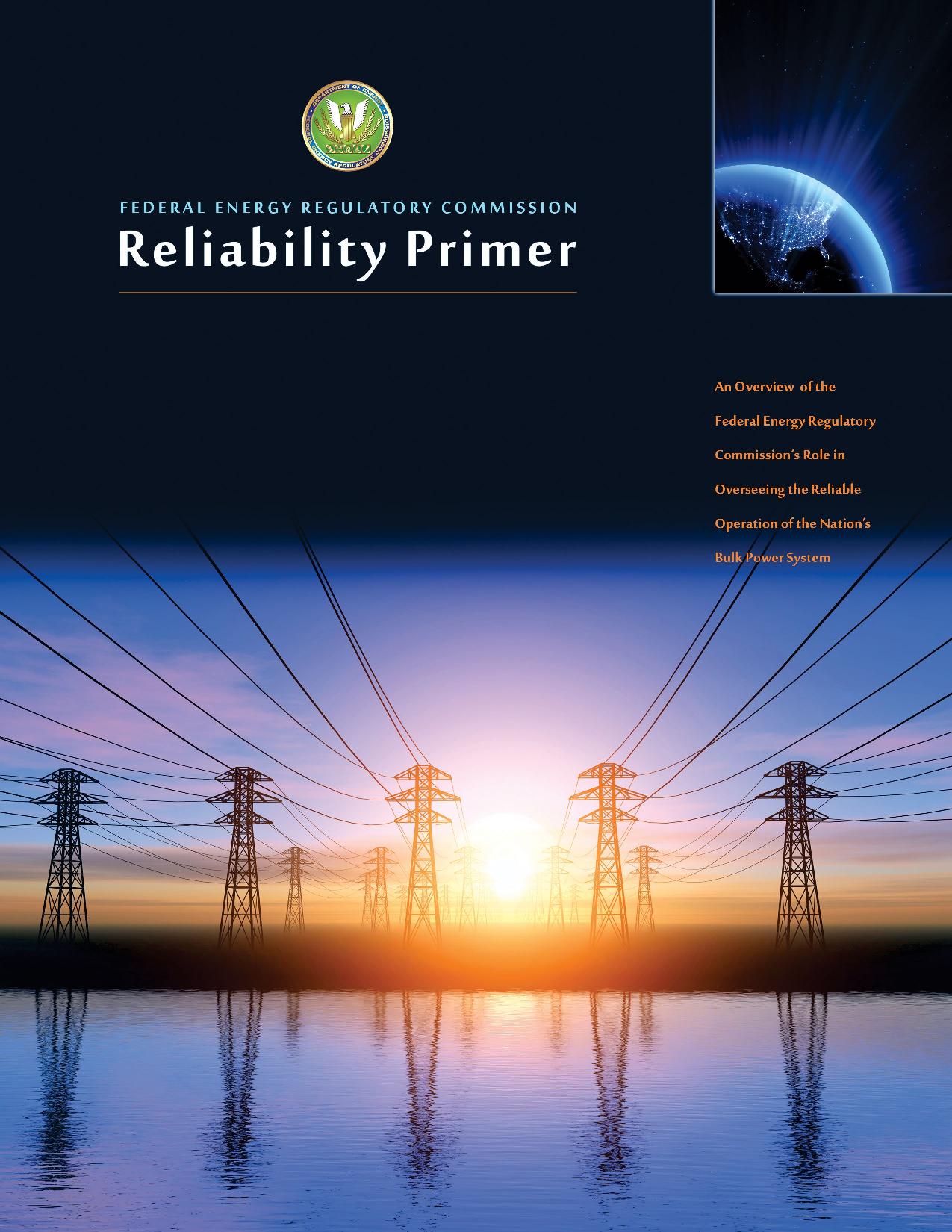
CLICK IMAGE
In large to medium-sized cities in the US, the highest voltages typically found in the power distribution and transmission systems are as follows:
- Transmission Lines: These are the high-voltage lines that transport electricity over long distances from power plants to substations near populated areas. The voltages for transmission lines can range from:
- 69 kV (kilovolts)
- 115 kV
- 138 kV
- 230 kV
- 345 kV
- 500 kV
- Up to 765 kV in some areas
- Sub-transmission Lines: These lines carry electricity from the high-voltage transmission system to the distribution substations and have voltages typically ranging from:
- 34.5 kV
- 69 kV
- 115 kV
- Distribution Lines: These lines deliver electricity from substations to consumers and generally operate at lower voltages. Common distribution voltages include:
- 4.16 kV
- 13.2 kV
- 13.8 kV
- 25 kV
- 34.5 kV
The specific voltage levels can vary depending on the region and the utility company managing the electrical infrastructure. The highest voltages, especially those above 230 kV, are generally found in the transmission network, which is designed to efficiently move large quantities of power over long distances.
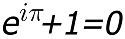
Maxwell’s Equations and Electromagnetic Waveshttps://t.co/lsQtMoQ99v
@yaleseas pic.twitter.com/CJQV6SQK2k— Standards Michigan (@StandardsMich) September 17, 2020




Joseph A. Hill Memorial Chapel Renovation
This content is accessible to paid subscribers. To view it please enter your password below or send mike@standardsmichigan.com a request for subscription details.
Champion
This content is accessible to paid subscribers. To view it please enter your password below or send mike@standardsmichigan.com a request for subscription details.




New update alert! The 2022 update to the Trademark Assignment Dataset is now available online. Find 1.29 million trademark assignments, involving 2.28 million unique trademark properties issued by the USPTO between March 1952 and January 2023: https://t.co/njrDAbSpwB pic.twitter.com/GkAXrHoQ9T
— USPTO (@uspto) July 13, 2023
Standards Michigan Group, LLC
455 East Eisenhower Parkway, Suite 300
Ann Arbor, MI 48108 USA
888-748-3670
DIRECTIONS
 |
 |
|
 |
 |
|
 |
 |