


Net Position 2025: £282 million


Grounds and Facilities | Virtual Tour
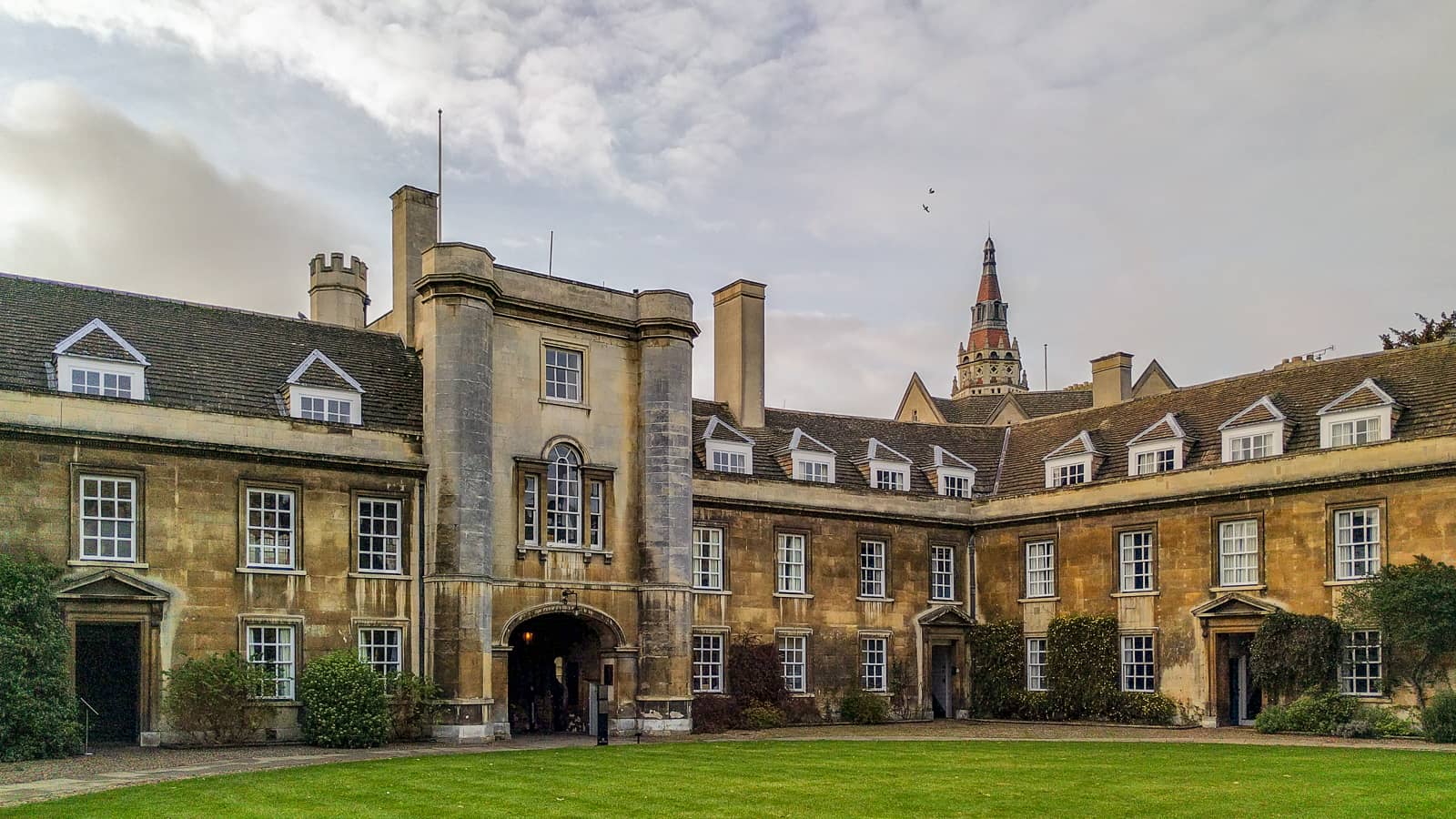
As with many Tudor-era buildings the result of Lady Margaret Beaufort patronage, there is no named architect. The Great Gate, the First Court, the Chapel and the surrounding ranges were designed “on the fly” by stonemasons at the job site.
§

§
For the 2021/22 cohort alone international students generated ~£41.9bn in benefits (tuition, living expenses, visitor spending) against £4.4bn in public service costs — a £37.4bn net benefit (benefit-cost ratio ~9.4:1). This equates to ~£560 per UK resident or £466 extra per working adult annually. They cross-subsidise UK students and research (domestic fees are frozen in real terms), support jobs in university towns, and boost exports. At places like Christ’s College, ~1/3 of undergraduates are international, helping sustain operations.
Economic: The money helps universities and local economies short-term, but doesn’t fix low UK productivity, skills gaps, or stagnant wages in non-university sectors. Many internationals return home after studies (or via the Graduate route), so long-term innovation/entrepreneurship spillovers are limited. Over-reliance risks vulnerability if numbers drop (as seen with recent policy changes).
Social/Housing/NHS: Rapid growth (post-2019 surge) adds pressure on housing stock, especially in student cities — contributing to shortages and higher rents in some areas. They pay the Immigration Health Surcharge and use fewer services than averages, but the scale strains local infrastructure.
Cultural: They enrich campuses with diversity and global perspectives, but rapid inflows can challenge social cohesion, integration, or a sense of shared national identity in some communities. Public opinion is mostly positive on a person-by-person basis but, taken en-mass, England-born English are wary — on now openly hostile — toward overall migration volumes.
Universities excel at education and soft power (future global leaders with UK ties), but they are not designed as primary tools for fixing domestic policy failures like planning laws, welfare design, or skills training. These require broader government action beyond attracting “aspirational” fee-payers.
G





