This content is accessible to paid subscribers. To view it please enter your password below or send mike@standardsmichigan.com a request for subscription details.
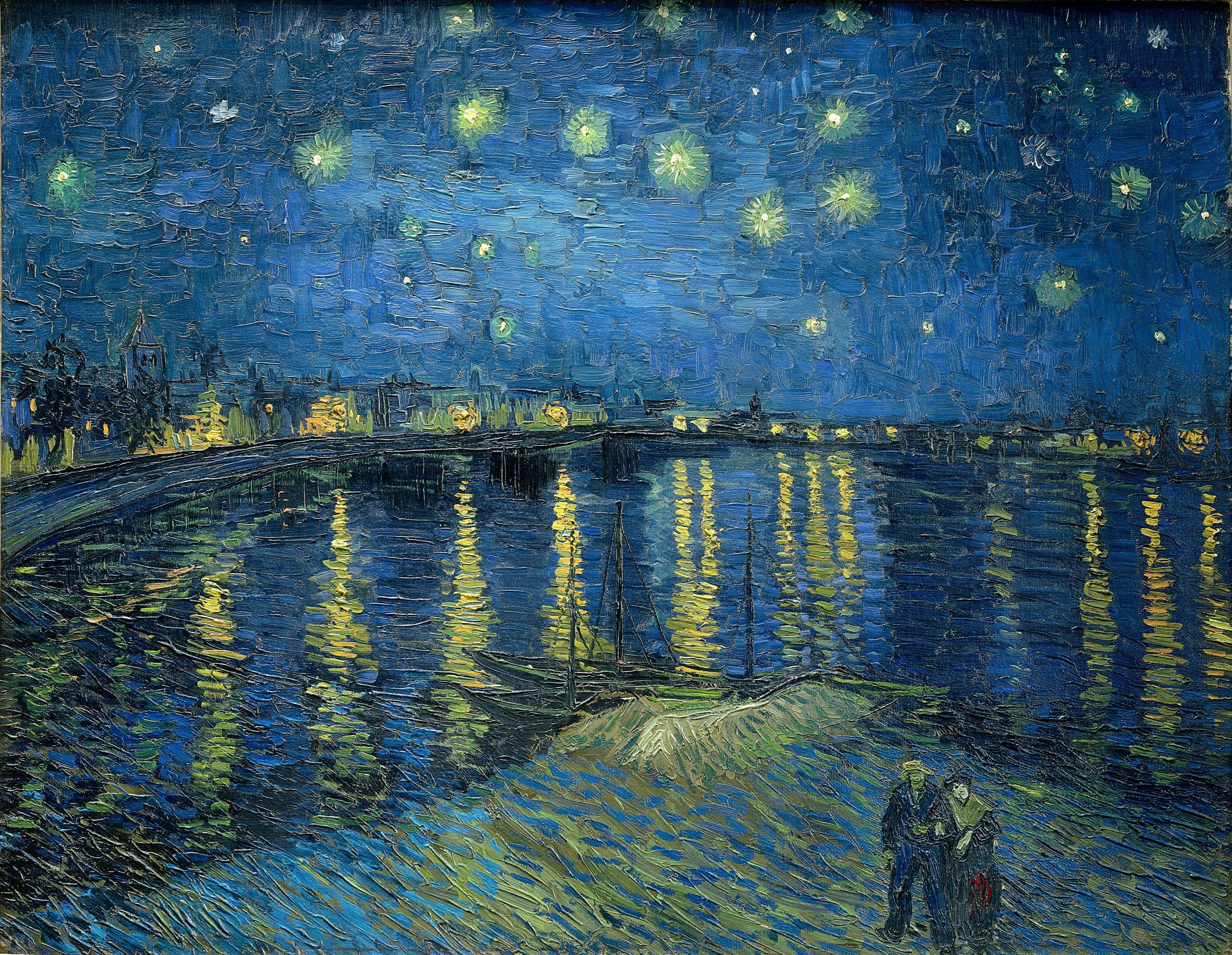
“Starry Night Over the Rhône” 1888 Vincent van Gogh
Today we refresh our understanding of the moment in illumination technologies for outdoor lighting systems— related but different from our exploration of building interior illumination systems in Illumination 200. Later in 2023 we will roll out Illumination 500 which explores litigation related to public illumination technology. As cities-within-cities the shared perimeter of a campus with the host municipality has proven rich in legal controversy and action.
Illumination technology was the original inspiration for the electric utility industry; providing night-time security and transforming every sector of every economy on earth. Lighting load remains the largest component of any building’s electric load — about 35 percent– making it a large target for energy regulations.
Our inquiry begins with selections from the following documents…
2023 National Electrical Code: Article 410 (While the bulk of the NEC concerns indoor wiring fire hazards, there are passages that inform outdoor lighting wiring safety)
…and about 20 other accredited, consortia or ad hoc standards developers and publishers aligned principally with vertical incumbents. Illumination was the original inspiration (i.e. the first “killer app”) for the electrical power industry in every nation. Its best practice literature reflects a fast-moving, shape-changing domain.
Click in today with the login credentials at the upper right of our home page.
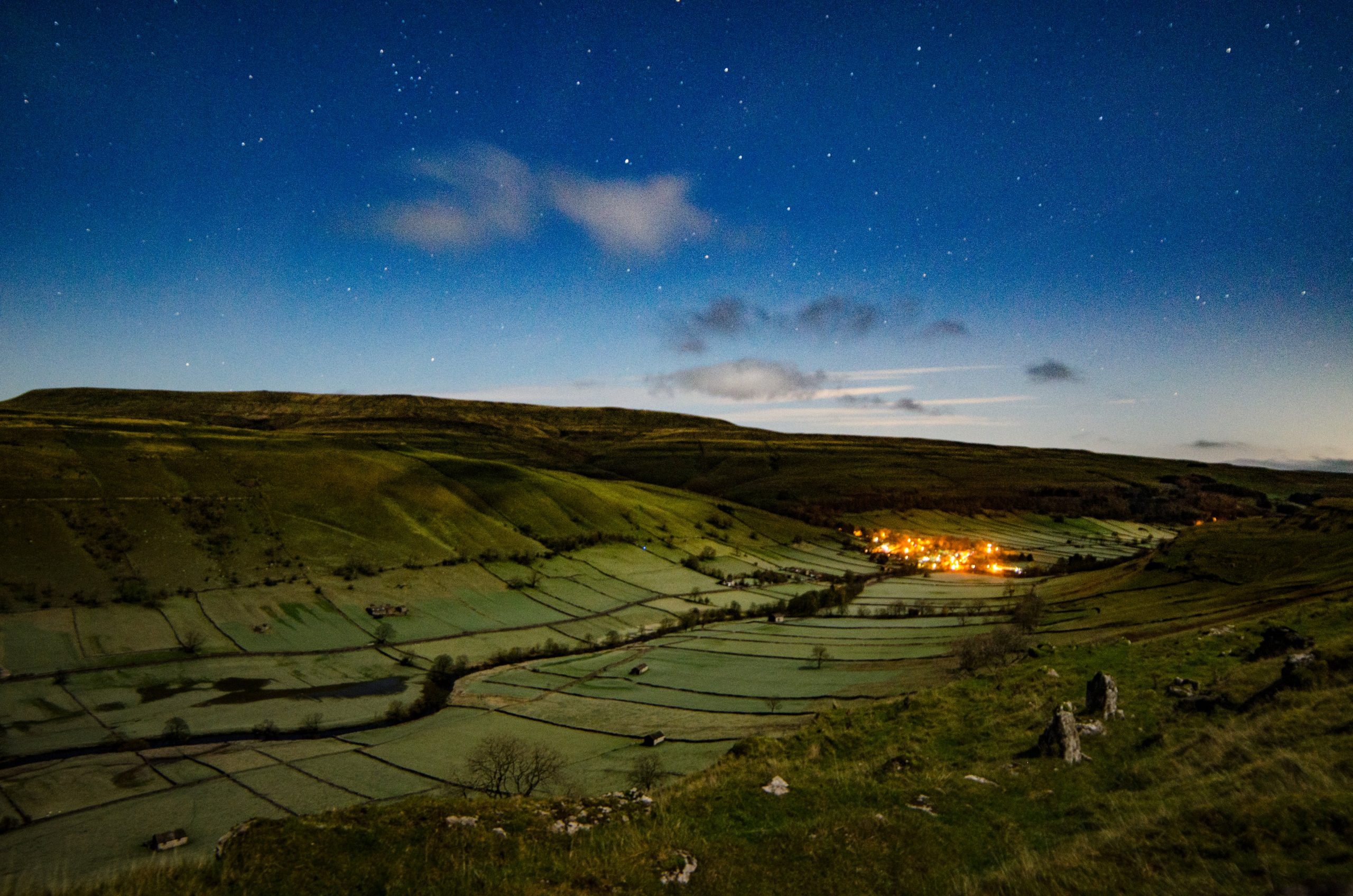
Upper Wharfedale Primary Federation School District Yorkshire Dales
Outdoor lighting systems can be owned and maintained by different entities depending on the context and location. Here are some examples of ownership regimes for outdoor lighting systems:
Public ownership: In this case, outdoor lighting systems are owned and maintained by the local government or municipal authority. The lighting may be installed in public spaces such as parks, streets, and other outdoor areas for the safety and convenience of the public.
Private ownership: Outdoor lighting systems may be owned by private individuals or organizations. For example, a business owner may install outdoor lighting for security or aesthetic reasons, or a homeowner may install outdoor lighting in their garden or yard.
Co-owned: Outdoor lighting systems may be owned jointly by multiple entities. For example, a residential community may jointly own and maintain outdoor lighting in their shared spaces such as parking areas, community parks, or recreational facilities.
Utility ownership: Outdoor lighting systems may be owned and maintained by utility companies such as electric or energy companies. These companies may install and maintain street lights or other lighting systems for the public good.
Third-party ownership: In some cases, a third-party entity may own and maintain outdoor lighting systems on behalf of a public or private entity. For example, a lighting contractor may install and maintain lighting in a public park on behalf of a local government.
The ownership regime of an outdoor lighting system can have implications for issues such as installation, maintenance, and cost-sharing. It is important to consider ownership when designing and implementing outdoor lighting systems to ensure their long-term effectiveness and sustainability.
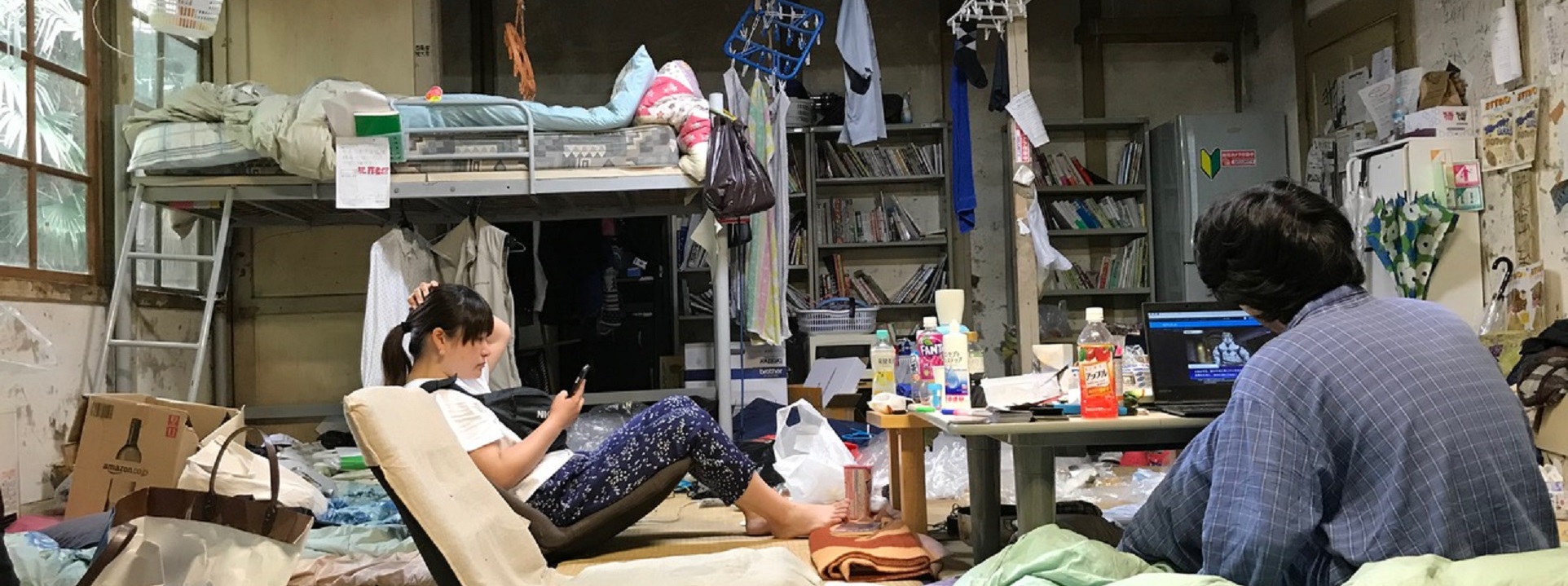
Student housing on college campuses varies widely in form—ranging from traditional dormitories to apartment-style residences, townhouses, or single-family homes leased by students. The applicability of the IRC to these housing types depends on the building’s classification and the codes adopted by the jurisdiction. Here’s how the IRC may apply:
Types of Student Housing Potentially Covered by the IRC:
Townhouse-style student housing: If campus housing is designed as townhouses (attached single-family units, each with its own entrance and not exceeding three stories), the IRC directly applies. For example, a row of townhouses built for student families or upperclassmen could fall under IRC requirements.
Single-family or duplex housing: Some campuses offer detached homes or duplexes for graduate students, faculty, or student families. These structures typically fall under the IRC’s scope.
Small-scale apartment conversions: In some cases, colleges may convert single-family homes or small multi-unit buildings (originally designed as one- or two-family dwellings) into student housing. If these buildings retain their original residential character, the IRC may govern renovations or maintenance.
Limitations of IRC Applicability:
Dormitories and larger apartment buildings: Most college dormitories and multi-unit apartment-style residences (e.g., buildings with shared corridors or multiple units per floor) are classified as Group R-2 occupancies under the International Building Code (IBC), not the IRC. The IBC applies to residential buildings with more than two dwelling units or those exceeding the IRC’s height and size limits (e.g., more than three stories). Since many campus residence halls are multi-story buildings with numerous units, they typically fall under the IBC.
Mixed-use buildings: Some student housing includes commercial or institutional spaces (e.g., dining halls, study lounges, or administrative offices). These buildings are also governed by the IBC due to their mixed-use nature.
Institutional occupancies: Certain student housing, such as supervised living facilities for students with special needs, may be classified as Group I (Institutional) occupancies under the IBC, not the IRC.
Key IRC Provisions Relevant to Student Housing: When the IRC applies to student housing (e.g., townhouses or single-family homes), it ensures safety, habitability, and efficiency through provisions such as:
Structural safety: Requirements for foundations, walls, roofs, and seismic or wind resistance, ensuring buildings can withstand environmental loads.
Fire safety: Specifications for fire-resistant construction, smoke alarms, and egress (e.g., windows and stairways), critical for student safety in densely occupied residences.
Energy efficiency: Insulation, window, and HVAC standards to reduce energy costs, which is important for sustainable campus operations.
Plumbing and electrical systems: Standards for safe water supply, sanitation, and electrical wiring to support student living needs.
Accessibility: Basic accessibility requirements for individuals with disabilities, though the IRC’s accessibility provisions are less stringent than the IBC’s or federal laws like the Americans with Disabilities Act (ADA).
Jurisdictional Variations:
Colleges and universities operate within local building code jurisdictions, which may adopt the IRC, IBC, or a combination with local amendments. For example, a rural campus with townhouse-style student housing might fall under a jurisdiction that enforces the IRC, while an urban campus with high-rise dorms would likely follow the IBC.
Some states or localities exempt public institutions (like state universities) from local codes, instead requiring compliance with state-specific standards or the IBC. Private colleges are typically subject to local codes.
Campuses may also need to comply with federal regulations (e.g., ADA, Fair Housing Act) or campus-specific design standards, which can supplement or override IRC requirements.
Practical Considerations for Colleges:
Cost and design: The IRC is often less stringent and costly to implement than the IBC, making it attractive for smaller-scale student housing projects like townhouses or single-family units. For budget-conscious institutions, IRC-compliant designs can be a cost-effective way to expand housing.
Student safety and density: College housing often accommodates more occupants than typical single-family homes, which may push buildings toward IBC classification. For example, a house leased to multiple students might require additional fire safety measures under the IBC or local ordinances if it’s reclassified as a boarding house or multi-unit dwelling.
Renovations and maintenance: For existing IRC-compliant buildings (e.g., older homes repurposed for student use), renovations must comply with the IRC or the International Existing Building Code (IEBC), depending on the extent of work.
Challenges and Trends:
High-density housing needs: Modern campuses often prioritize high-density residence halls to accommodate large student populations, which typically fall under the IBC. The IRC’s focus on low-rise, single-family structures makes it less relevant for these projects.
Sustainability: Colleges increasingly aim for LEED certification or net-zero energy goals. While the IRC includes energy efficiency standards, campuses may adopt stricter sustainability requirements that align with the IBC or institutional policies.
Off-campus housing: Some students live in off-campus rentals (e.g., single-family homes or small apartment buildings) that may fall under the IRC. Colleges may work with local authorities to ensure these properties meet safety standards, indirectly involving the IRC.
The International Residential Code is relevant to student housing on college campuses primarily when the housing consists of one- and two-family dwellings or townhouses not exceeding three stories, such as family housing or small-scale student residences. However, most campus housing—especially dormitories and multi-unit apartment buildings—falls under the International Building Code (IBC) due to its scale, occupancy, or design.
This content is accessible to paid subscribers. To view it please enter your password below or send mike@standardsmichigan.com a request for subscription details.
This content is accessible to paid subscribers. To view it please enter your password below or send mike@standardsmichigan.com a request for subscription details.
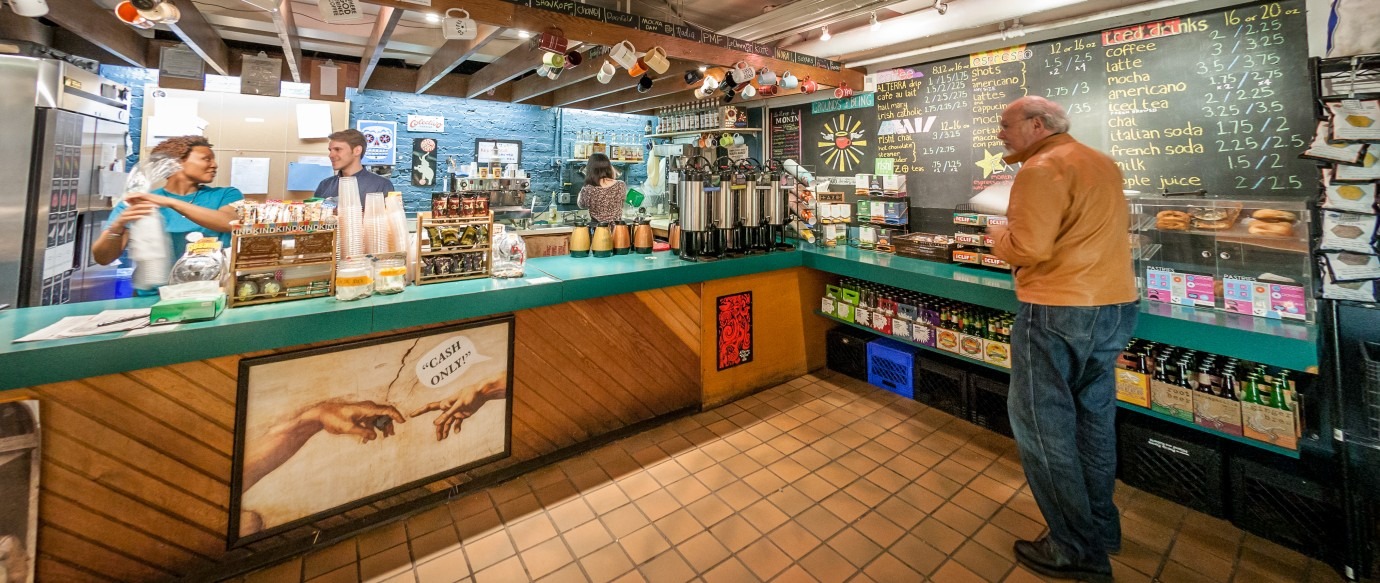
“For decades, UChicago’s student-run coffee shops have given community members space to congregate (and caffeinate) on their own terms….We give pretty lenient sway to staff to play whatever music they want… Every once in a while you might hear some Gregorian chants.” — William Rhee, Parents Media Editor
We re-open TOMORROW for the start of the Winter Quarter, and will resume our normal business hours of M-F, 7:45 AM-4 PM. Come through to warm up with some @ColectivoCoffee coffee and tea! pic.twitter.com/1bMDKdeQDF
Abstract: Indoor signage plays an essential component to find destination for blind and visually impaired people. In this paper, we propose an indoor signage and doors detection system in order to help blind and partially sighted persons accessing unfamiliar indoor environments. Our indoor signage and doors recognizer is builded based on deep learning algorithms. We developed an indoor signage detection system especially used for detecting four types of signage: exit, wc, disabled exit and confidence zone. Experiment results demonstrates the effectiveness and the high precision of the proposed recognition system. We obtained 99.8% as a recognition rate.
New update alert! The 2022 update to the Trademark Assignment Dataset is now available online. Find 1.29 million trademark assignments, involving 2.28 million unique trademark properties issued by the USPTO between March 1952 and January 2023: https://t.co/njrDAbSpwBpic.twitter.com/GkAXrHoQ9T