
The Long Vacation
- Home Page 57


Income Stacking
This content is accessible to paid subscribers. To view it please enter your password below or send mike@standardsmichigan.com a request for subscription details.
Fairfield Community School District
This content is accessible to paid subscribers. To view it please enter your password below or send mike@standardsmichigan.com a request for subscription details.

Data Center Wiring
The bookwheel, also known as a revolving bookcase, was invented by an Italian scholar and polymath named Agostino Ramelli. Ramelli was born in 1531 in Ponte Tresa, a town in present-day Italy, and he lived during the Renaissance period.
Ramelli’s invention, described in his work titled “Le diverse et artificiose machine del capitano Agostino Ramelli” (The Various and Ingenious Machines of Captain Agostino Ramelli), was published in 1588. This book showcased a collection of 195 mechanical devices.
Ramelli’s work contributed to the growing interest in mechanical inventions during the Renaissance period. His bookwheel design remains a fascinating example of early engineering and ingenuity, highlighting the desire for knowledge and practical solutions in the pursuit of learning and scholarly endeavors.
2026 NEC Articles 645-646-647 Information Technology Equipment, et. al First Draft Report
2026 NEC Articles 645-646-647 Information Technology Equipment, et. al Second Draft Report
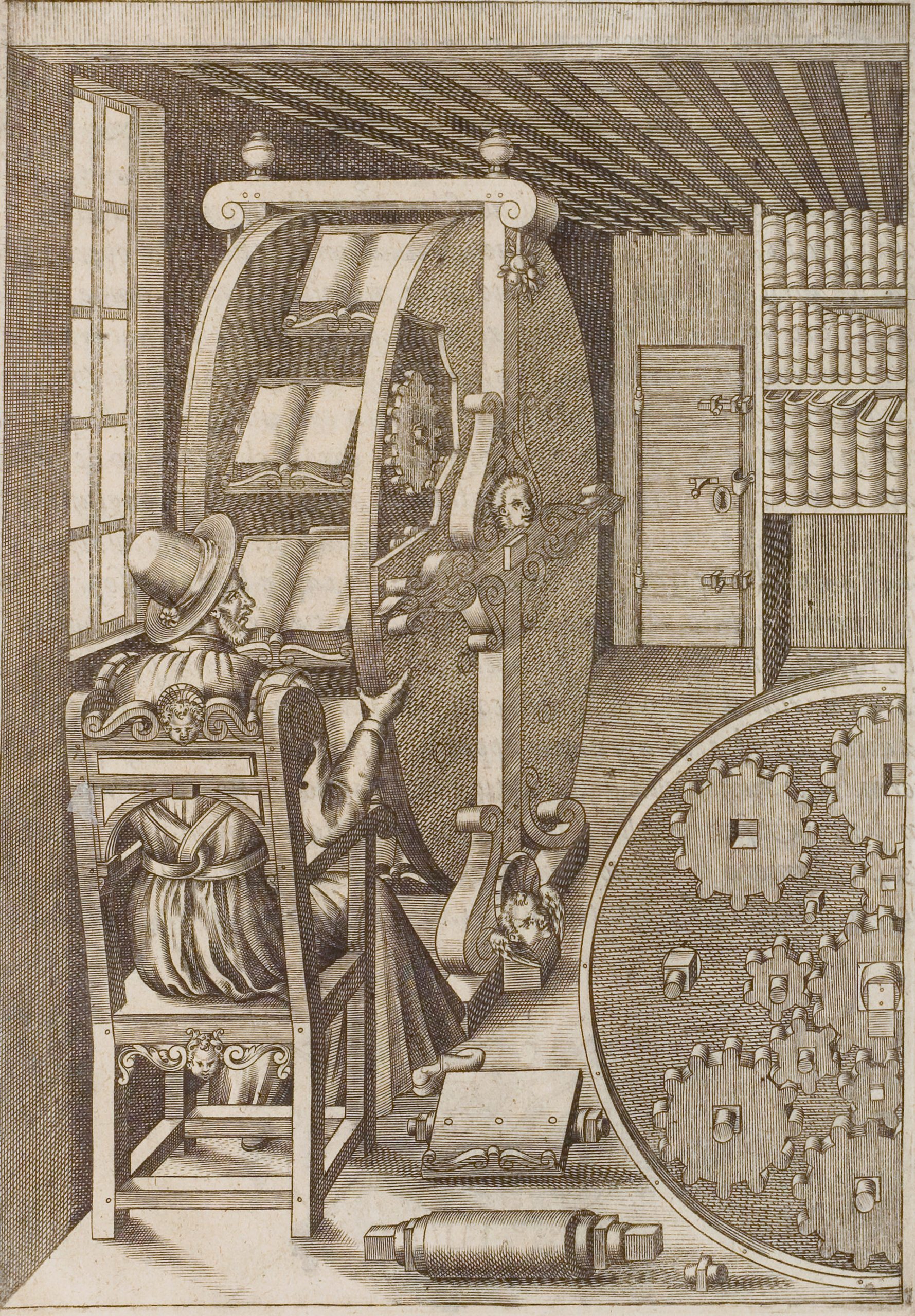
“Bookwheel” Early Data Center

The standard of care for wiring safety for data centers — a continually expanding presence in education communities even before the pandemic — is established in National Electrical Code Articles 645 (Information Technology Equipment), Article 646 (Modular Data Centers) and Article 647 (Sensitive Electronic Equipment). You will notice that these articles cover the topic comprehensively and bear the imprint of competing Producer-Interest groups. There are no User-Interest representatives on Code-Making Panel 12 that represent the final fiduciary in education communities even though education communities are one of the largest markets for information and communication technology systems.
The current version of NFPA 70 is linked below:
Transcripts of technical committee action during the 2026 revision (CMP-16) are linked below because they will inform our recommendations for the 2026 National Electrical Code. Keep in mind that the Technical Correlating Committee is moving content around the Code in order to make the NEC easier to use by experts.
CMP-16 First Draft Report | Public Input with Committee Response
The transcripts of technical committee action during the 2023 revision are linked below because they will inform our recommendations for the 2026 National Electrical Code.
Code‐Making Panel 12 Public Input Report
Code-Making Panel 12 Public Comment Report
We will use these in our exploration of what we might propose for improvements in the 2026 revision. Public comment on the First Draft of the 2026 Edition will be received until August 28th.
The issues that have been in play in these articles of the NEC are familiar to veterans of the “food fight” – occupancy classification, cable specifications, fire protection, ventilation, energy consumption, surge protection, licensing of engineers. etc. We look for market-making excesses by opposing stakeholders that seek to limit their risk while raising the (financial) risk to education communities.
We encourage our colleagues to participate in the NFPA code development process directly. We also encourage stakeholders in education communities — students, faculty and staff to join us during any of the teleconferences we co-host with the IEEE Education & Healthcare Facilities Committee 4 times monthly in both European and American time zones. See our CALENDAR for the next online meeting.
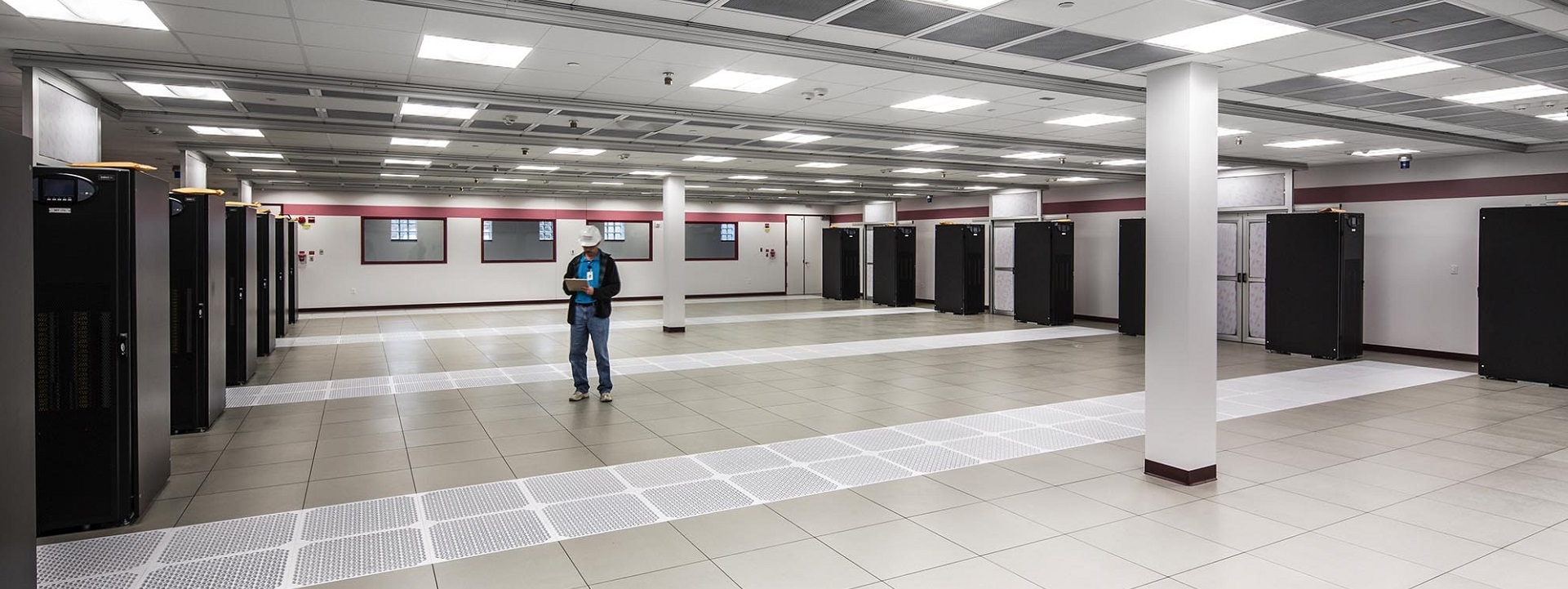

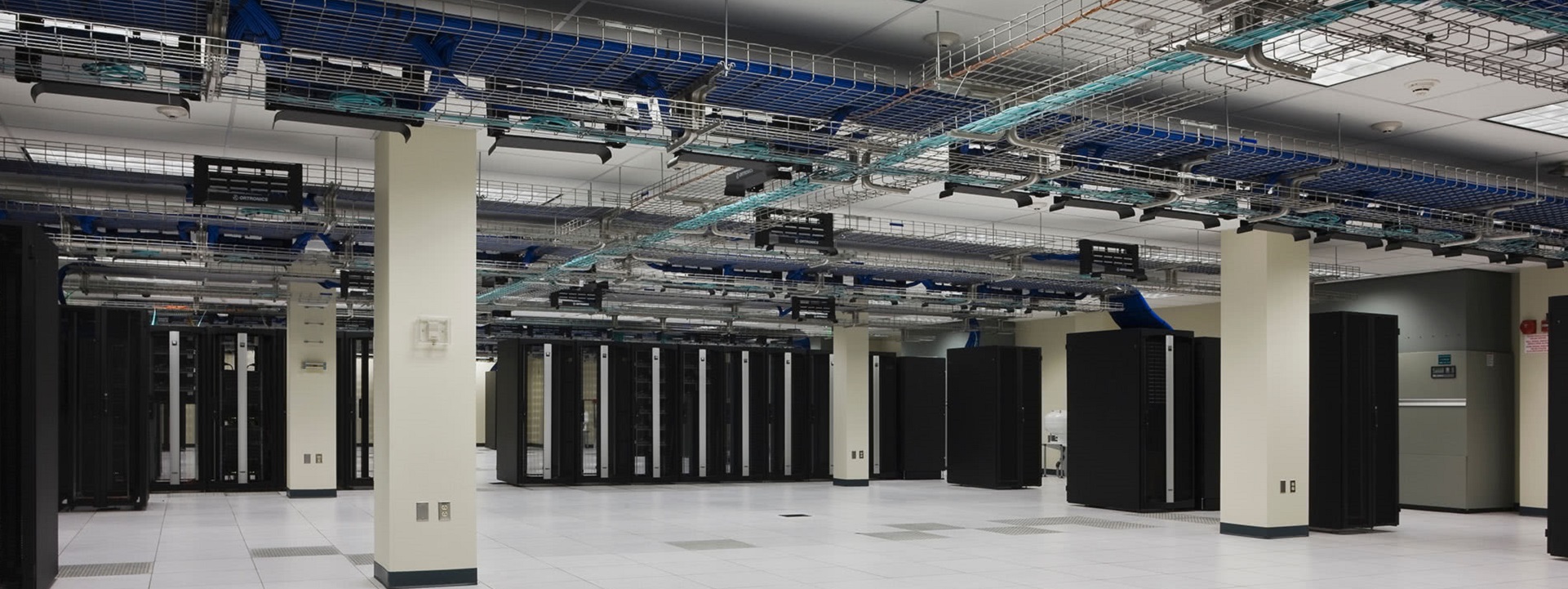
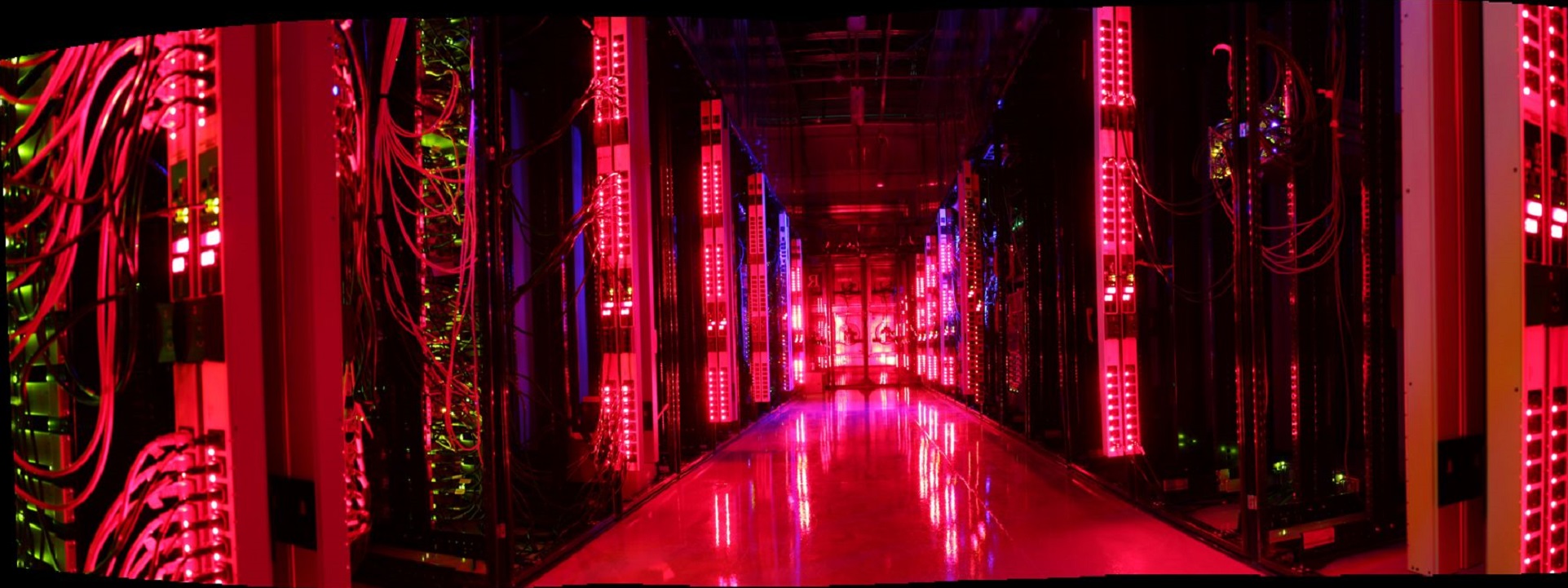
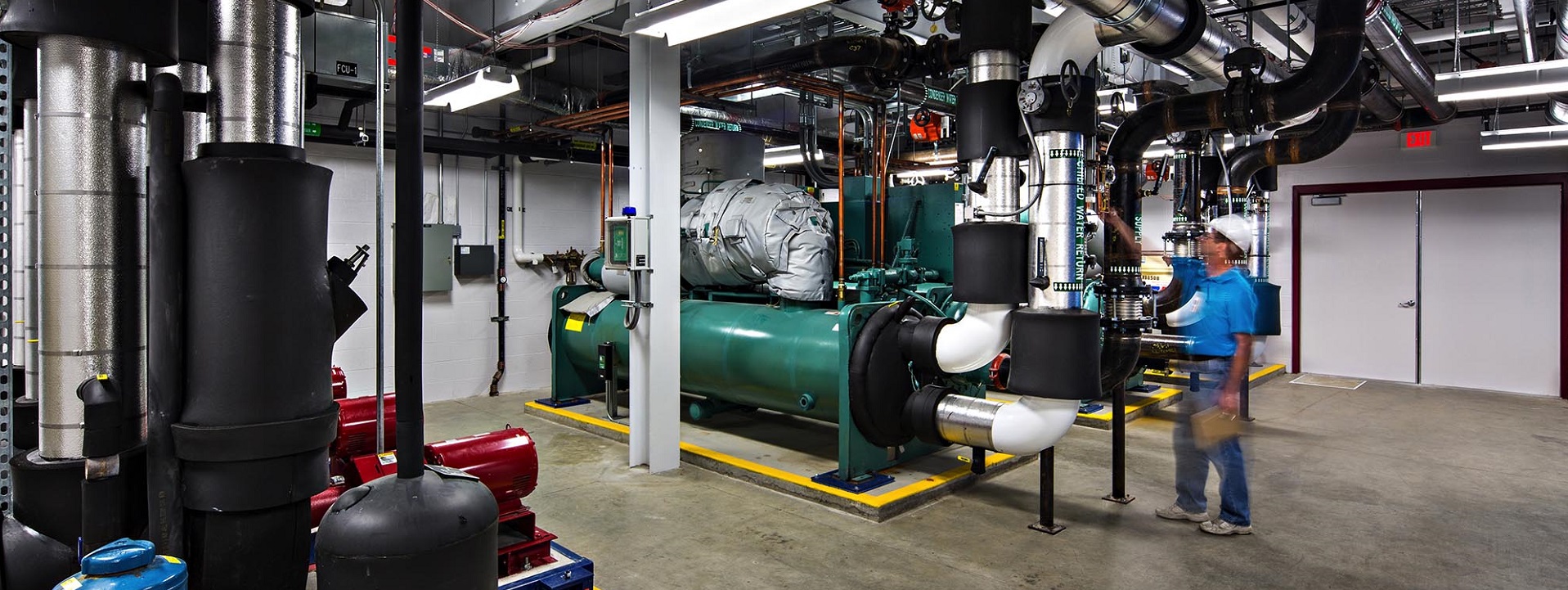
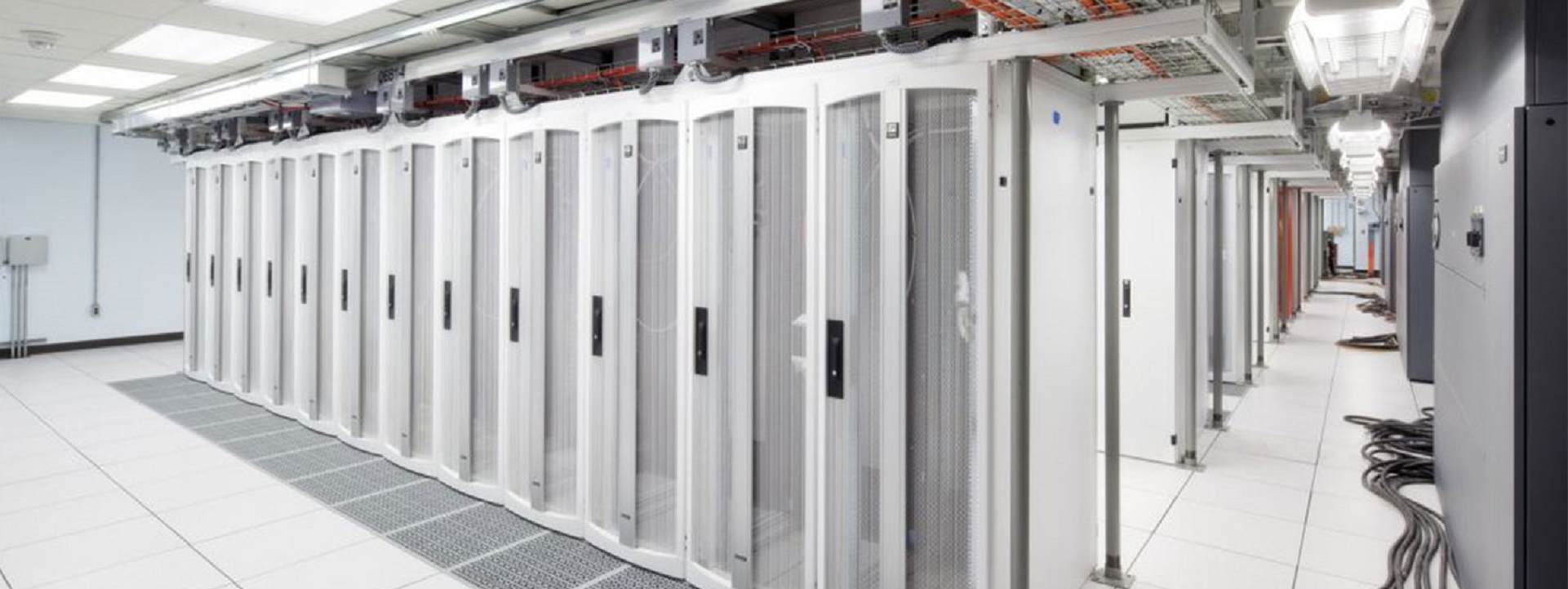
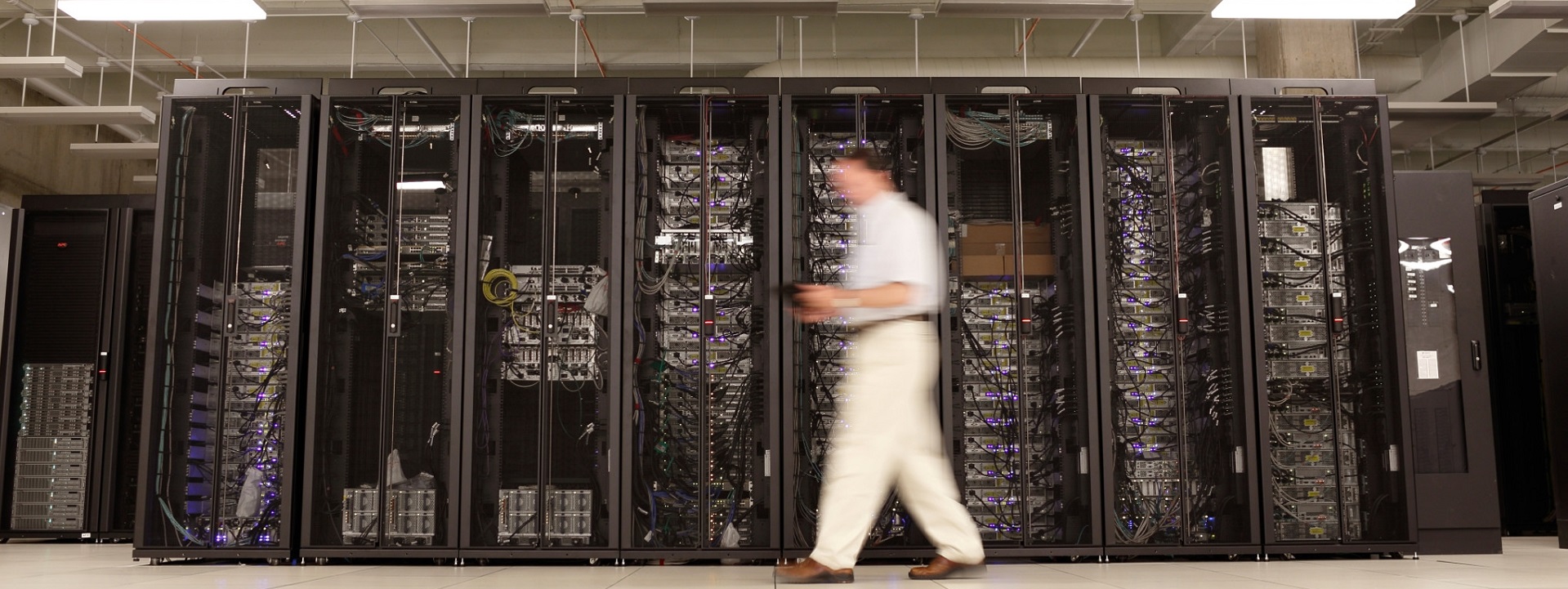
NFPA 75: Standard for the Fire Protection of Information Technology Equipment
2024 International Building Code: Special Detailed Requirements Based on Occupancy and Use
2024 International Building Code: Section 304.1 Business Group B

Flat White
“This is the story of how Italian sugar growers in the Sunshine State are said to have inspired
the “invention” of the flat white – a drink that would go on to become a global sensation.
— Garritt Van Dyk – Lecturer at the School of Humanities, Creative Industries and Social Sciences
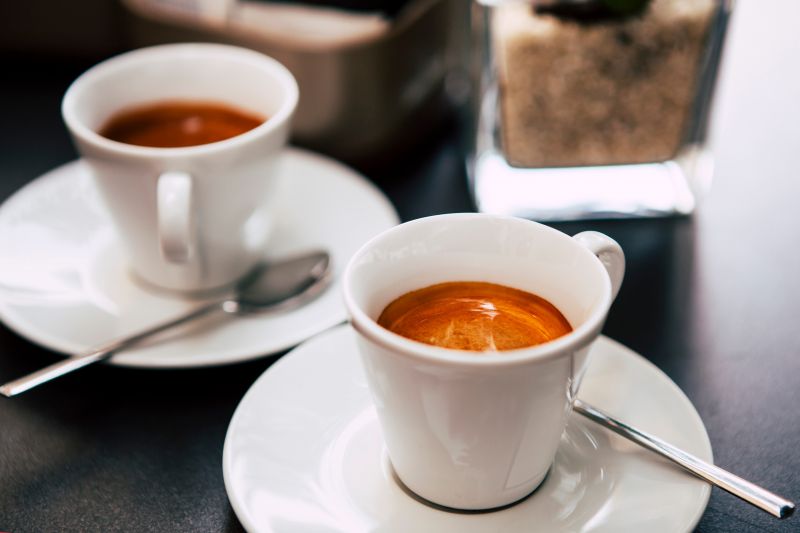
Meet the friendly faces behind the counter of your favourite vendors across our campuses!
From pharmacies to coffee shops and restaurant dining, we’ve got you covered. ☕
Check out the full list of vendors by campus here 👉 https://t.co/kX50eD2DWJ pic.twitter.com/2jLb9vybX9
— University of Newcastle (@Uni_Newcastle) May 2, 2024
National Electrical Definitions
International Building Code Chapter 2: Definitions
International Electrotechnical Commission: Electropedia

Because electrotechnology changes continually, definitions (vocabulary) in its best practice literature changes continually; not unlike any language on earth that adapts to the moment and place.
The changes reflect changes in technology or changes in how the technology works in practice; even how the manufacturers create adaptations to field conditions by combining functions. Any smart electrical component has a digital language embedded in it, for example.
Consider the 2023 National Electrical Code. Apart from many others the NEC will contain a major change to Article 100 (Definitions); the subject of elevated debate over the past three years.
When we refer “language” we must distinguish between formal language, informal language, colloquial language and dialect which may differ the language spoken, language written at the office and language used on the job site. “Terms of art”
2026 National Electrical Code | CMP-1 Second Draft Report
FREE ACCESS: 2020 National Electrical Code (NFPA 70)
2023 NEC Public Input Report CMP-1 (868 pages)
2023 NEC Second Draft Public Comment Report (914 pages)
Are these terms (or, “terms of art”) best understood in context (upstream articles in Chapters 4 through 8) — or should they be adjudicated by the 14 Principals of Code Making Panel 1? The answer will arrive in the fullness of time. Many changes to the National Electrical Code require more than one cycle to stabilize.
Code Making Panel 1 has always been the heaviest of all NEC panels. As explained n our ABOUT, the University of Michigan held a vote in CMP-1 for 20+ years (11 revision cycles) before moving to the healthcare facilities committee for the IEEE Education & Healthcare Facilities Committee. Standards Michigan continues its involvement on behalf of the US education facility industry — the second largest building construction market. There is no other pure user-interest voice on any technical committee; although in some cases consulting companies are retained for special purposes.
To serve the purpose of making NFPA 70 more “useable” we respect the Standards Council decision to make this change if it contributes to the viability of the NFPA business model. We get to say this because no other trade association comes close to having as enduring and as strong a voice: NFPA stands above all other US-based SDO’s in fairness and consideration of its constituency. The electrical safety community in the United States is a mighty tough crowd.
If the change does not work, or work well enough, nothing should prohibit reversing the trend toward “re-centralizing” — or “de-centralizing” the definitions.
Public comment on the First Draft of the 2026 Edition will be received until August 28, 2024.
Technical Committees meet during the last half of October to respond to public comment on the First Draft of the 2026 National Electrical Code.

Lamb & Mint
Lamb & mint: A classic pairing | Washington State Magazine | Washington State University https://t.co/a47iKojdO0 via @wsmagazine
— Standards Michigan (@StandardsMich) April 5, 2026
It was a great first day of school across the @wsu system! Have an awesome semester, Cougs! 🐾 #WSU #GoCougs pic.twitter.com/eOO89ERno0
— WSU System (@wsu) August 18, 2025
Hot Cross Buns & Eagle Coffee
Hot Cross Buns | Nursery Rhymes | Super Simple Songs
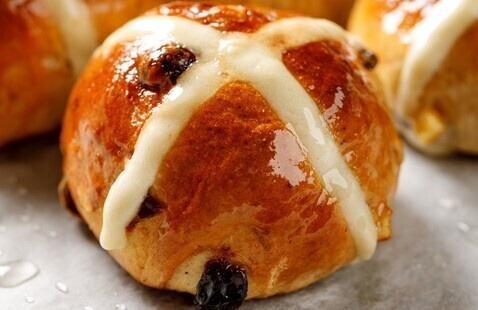
Hot cross buns (Library of Congress) are a traditional Easter treat dating back centuries, symbolizing both the end of Lent and the crucifixion of Jesus. These spiced sweet buns, often containing raisins or currants and marked with a cross on top, are typically eaten on Good Friday.
The cross represents the crucifixion, while the spices symbolize the spices used to embalm Jesus. Sharing hot cross buns fosters community and reflects on the religious significance of Easter, marking a solemn yet celebratory time in Christian tradition.
Institute of Culinary Education: Hot Cross Buns
Weston College: Perfect Hot Cross Bun Recipe
Algonquin College: A Sweet Easter Tradition
Mary Berry’s luxurious Hot Cross Buns recipe@BBChttps://t.co/FgB3bxZvmm pic.twitter.com/cozVvzblGh
— Standards Michigan (@StandardsMich) April 7, 2023
Latte Macchiato
2019 ProPublica Non-Profit Explorer | IRS 990 Net Assets $90.194M
“The Liberals are Coming, and They’re Bringing Fancy Coffee” https://t.co/XykfCFYZgVhttps://t.co/exHU6TR2h9
America is changed by flight from miserable Blue States to better Red States—only to import the policies that created the misery they fled from in the first place. pic.twitter.com/OaVVgrTxJr— Standards Michigan (@StandardsMich) October 31, 2022

Colloquy (April)

I found this today. It is a photo of the cherry tree walk in the Harris Garden at Reading University. This is the effect you get when the petals fall. pic.twitter.com/IWGPVaJ2JF
— Sue Lawrence (@sueelawrence) April 17, 2023
New update alert! The 2022 update to the Trademark Assignment Dataset is now available online. Find 1.29 million trademark assignments, involving 2.28 million unique trademark properties issued by the USPTO between March 1952 and January 2023: https://t.co/njrDAbSpwB pic.twitter.com/GkAXrHoQ9T
— USPTO (@uspto) July 13, 2023
Standards Michigan Group, LLC
455 East Eisenhower Parkway, Suite 300
Ann Arbor, MI 48108 USA
888-748-3670
DIRECTIONS
 |
 |
|
 |
 |
|
 |
 |