Tag Archives: Spring

Loading
loading..

“Asparagus Officinalis” Soup

Standards Indiana

Indiana


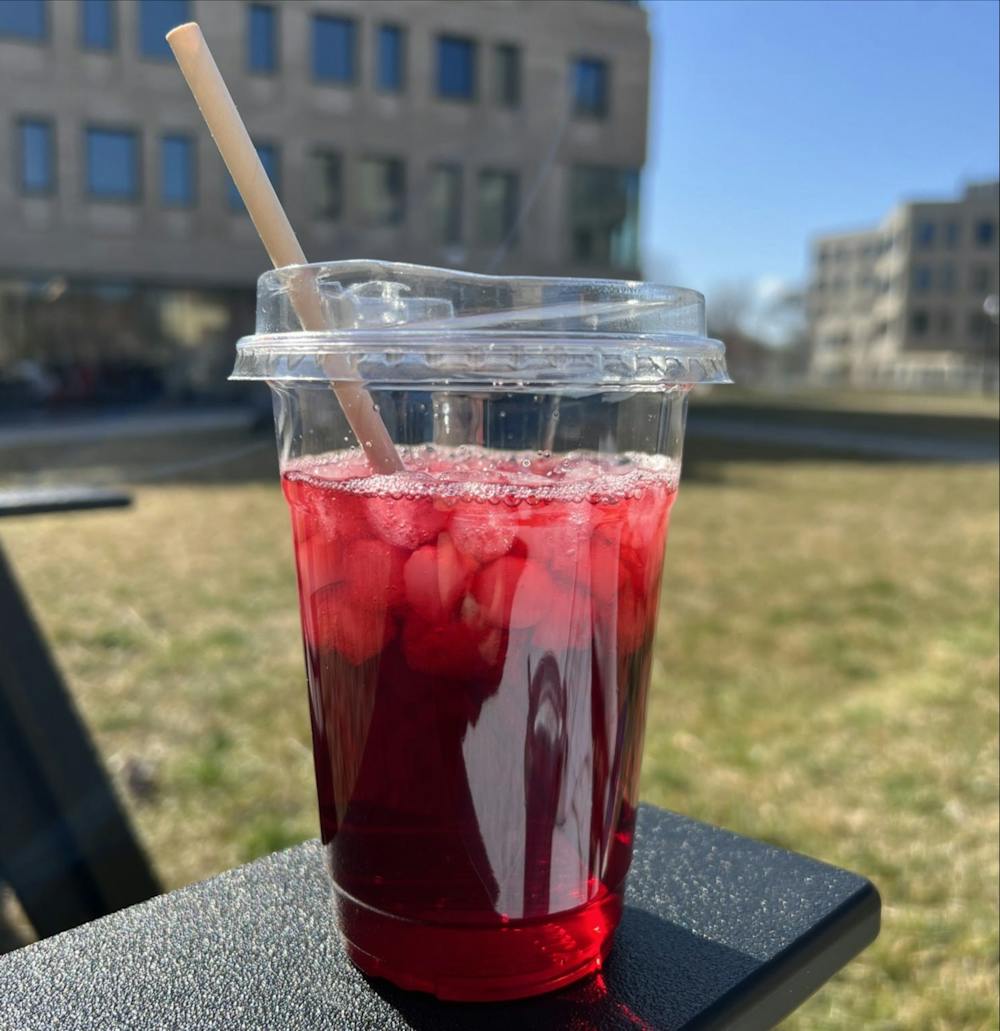
Spring Drinks

Standards New Jersey | Princeton University Investment Company

coffee club spring drink dom media.jpg

“Some of my favorite places to spend my dining points are at the Coffee Club’s two locations on campus. I frequently trek down to the modern New College West (NCW) storefront that overlooks Poe Field before an afternoon of studying. I also love the quaint café at Campus Club, with its homey vibe and frequent musical performances. Typically, I go for the basic, predictable iced vanilla latte. However, Coffee Club seasonally experiments with its menu and releases temporary items that reflect the weather, holidays, or mood of the campus….” Isabella Dail


President of Princeton University: 19021910
President of the United States: 1913 1921

Woodrow Wilson’s tenure as U.S. President (1913–1921) significantly weakened the constitutional republic designed by the Founders. As a Princeton professor and political scientist, Wilson openly rejected the Founders’ system of separated powers, limited government, and federalism. He viewed the Constitution as outdated and inefficient for the modern age, preferring rule by expert administrators in a powerful central state.

In office he advanced this vision through:

• The Federal Reserve Act (1913) – centralizing monetary power
• The 16th Amendment income tax – funding vast federal expansion
• Espionage and Sedition Acts – suppressing free speech
• Racial segregation of the federal workforce
• Aggressive push for the League of Nations, undermining American sovereignty

These changes shifted power from Congress and the states to the executive branch and unelected bureaucracy, creating the foundations of today’s administrative state. Wilson’s academic background made this outcome predictable: college progressives of his era distrusted “inefficient” constitutional restraints and placed faith in enlightened elites. His presidency proved that such intellectual contempt for the Founders’ republic inevitably leads to concentrated power and eroded liberties.

Furthermore, Wilson was an enthusiastic “eugenicist” supporting compulsory sterilization legislation aimed at preventing reproduction of people considered to be genetically inferior; including African-Americans whom he discouraged entering Princeton.  Ironically, President Barack Obama was one of Wilson’s intellectual disciples — promoting activist federal government, expert-led reform, internationalism and the elevation of race into all public discourse.

University of Chicago Law School Lecturer: 1992-2004
President of the United States: 2009 – 2017

Nourriture de printemps

University of Vermont | Chittenden County

Today we break down the catalog for food safety in education communities; with primary attention to consultations from private standard developing organizations and federal agencies charged with food safety.  We do so with sensitivity to animals and plants and sustainability of the global food supply chain.   Many schools are the communal cafeterias for the communities that own and operate them and run at commercial scale.

We prepare responses to public consultations released by standards developing organizations which, in many cases, have significant conformance enterprises.  Core titles are published by the ANSI accredited organizations listed below:

3-A Sanitary Standards

Catalog

ASHRAE International

The ASHRAE catalog is the most cross-cutting and fastest moving catalog in the land.   If you claim ownership of the United States energy domain you pretty much capture everything related campus safety and sustainability.  Best to deal with it on a day-by-day basis as we usually do according to daily topics shown on our CALENDAR.

Association for Packaging and Processing Technologies

American Society of Agricultural and Biological Engineers

Institute of Electrical and Electronic Engineers

National Electrical Safety Code   (Our particular interest lies in the safety and reliability of off-campus agricultural and research facilities that receive power from regulated utilities)

Kitchen Safety and Security System for Children

TupperwareEarth: Bringing Intelligent User Assistance to the “Internet of Kitchen Things”

Designing an IoT based Kitchen Monitoring and Automation System for Gas and Fire Detection

Re-Inventing the Food Supply Chain with IoT: A Data-Driven Solution to Reduce Food Loss

International Code Council

Commercial Kitchens

International Building Code Assembly Group A-2

International Building Code Group U Section 312 Agricultural Buildings

International Building Code Moderate Hazard Factory Industrial Group F-1 (Food Processing)

Who Gets Rich From School Lunch

National Fire Protection Association

Kitchen Wiring

National Electrical Code Article 210 (Branch Circuits)

National Electrical Code Article 547 (Agricultural Buildings)

Standard for the Installation of Air-Conditioning and Ventilating Systems

Public Input Report for the 2024 Revision

Standard for Ventilation Control and Fire Protection of Commercial Cooking Operations

Public Input Report for the 2024 Revision

NSF International

Food Equipment

Commercial Warewashing Equipment

Commercial Refrigerators and Freezers

Commercial Cooking, Rethermalization and Powered Hot Food Holding and Transport Equipment

Commercial Powered Food Preparation Equipment
US Federal Government:

US Department of Agriculture

Food & Drug Administration (HACCP)

State Governments:

Lorem ipsum @StandardsState

Global:

International Organization for Standardization

International Electrotechnical Commission

Codex Alimentarius

Food safety and sustainability standards populate are of the largest domains we track so if we need a break0-out session, let’s do it.  Use the login credentials at the upper right of our home page.
University of Kentucky College of Agriculture, Food and Environment


More

Standards supporting vertical farming

STANDARDS SUPPORT SOPHISTICATED FARMING METHODS THAT BRING PRODUCE TO YOUR TABLE

US Food & Drug Administration: Food Facility Registration Statistics (as  of January 11, 2021)

National Grange of the Order of Patrons of Husbandry

The U.S. Land-Grant University System: An Overview

American Society of Agricultural and Biological Engineers Standards Development

The origin of the Land grant act of 1862 

International Electrotechnical Commission: Keeping food safe from farm to plate

 Codex Alimentarius

Council for the Advancement of Standards in Higher Education: Dining Services Programs

Science and Our Food Supply: A Teacher’s Guide for High School Classrooms

Food Code 2022

 

Storm Shelters

Current Code Development Cycle: 2024–2026

Happening Now: Groups A&B Public Comment Hearings


March 12, 2026


2024 GROUP A PROPOSED CHANGES TO THE I-CODES

Latest News and Documents

“Landscape between Storms” 1841 Auguste Renoir


When is it ever NOT storm season somewhere in the United States; with several hundred schools, colleges and universities in the path of them? Hurricanes also spawn tornadoes. This title sets the standard of care for safety, resilience and recovery when education community structures are used for shelter and recovery.  The most recently published edition of the joint work results of the International Code Council and the ASCE Structural Engineering Institute SEI-7 is linked below:

2020 ICC/NSSA 500 Standard for the Design and Construction of Storm Shelters.

Given the historic tornados in the American Midwest this weekend, its relevance is plain.  From the project prospectus:

The objective of this Standard is to provide technical design and performance criteria that will facilitate and promote the design, construction, and installation of safe, reliable, and economical storm shelters to protect the public. It is intended that this Standard be used by design professionals; storm shelter designers, manufacturers, and constructors; building officials; and emergency management personnel and government officials to ensure that storm shelters provide a consistently high level of protection to the sheltered public.

This project runs roughly in tandem with the ASCE Structural Engineering Institute SEI-17 which has recently updated its content management system and presented challenges to anyone who attempts to find the content where it used to be before the website overhaul.    In the intervening time, we direct stakeholders to the link to actual text (above) and remind education facility managers and their architectural/engineering consultants that the ICC Code Development process is open to everyone.

The ICC receives public response to proposed changes to titles in its catalog at the link below:

Standards Public Forms

2024/2025/2026 ICC CODE DEVELOPMENT SCHEDULE

You are encouraged to communicate with Kimberly Paarlberg (kpaarlberg@iccsafe.org) for detailed, up to the moment information.  When the content is curated by ICC staff it is made available at the link below:

ICC cdpACCESS

We maintain this title on the agenda of our periodic Disaster colloquia which approach this title from the point of view of education community facility managers who collaborate with structual engineers, architects and emergency management functionaries..   See our CALENDAR for the next online meeting, open to everyone.

Readings:

FEMA: Highlights of ICC 500-2020

ICC 500-2020 Standard and Commentary: ICC/NSSA Design and Construction of Storm Shelters

IEEE: City Geospatial Dashboard: IoT and Big Data Analytics for Geospatial Solutions Provider in Disaster Management


Old-Fashioned Beef Stew

Standards Wyoming


Ingredients

  • 1/4 cup all-purpose flour
  • 1/4 teaspoon freshly ground pepper
  • 1 pound beef stewing meat trimmed and cut into inch cubes
  • 5 teaspoons vegetable oil
  • 2 Tablespoons red wine vinegar
  • 1 cup red wine
  • 3 1/2 cups beef broth homemade or low-sodium canned
  • 1 bay leaf
  • 1 medium onion peeled and chopped
  • 5 medium carrots peeled and cut into 1/4 inch rounds
  • 2 large baking potatoes peeled and cut into 3/4 inch cubes
  • 2 teaspoons salt

Instructions

  • Wash hands with soap and water for 20 seconds.

  • Combine the flour and pepper in a bowl, add the beef and toss to coat well. Heat 3 teaspoons of the oil in a large pot. Add the beef a few pieces at a time; do not overcrowd. Cook, turning the pieces until beef is browned on all sides, about 5 minutes per batch; add more oil as needed between batches.

  • Wash the counter and utensils that touched the raw meat. Wash hands with soap and water after handling raw meat.

  • Remove the beef from the pot and add the vinegar and wine. Cook over medium-high heat, scraping the pan with a wooden spoon to loosen any browned bits. Add the beef, beef broth, and bay leaf. Bring to a boil, then reduce to a slow simmer.

  • Cover the pot and cook, skimming broth from time to time, until the beef is tender, about 1 1/2 hours.

  • While the beef is cooking, scrub the onion, carrots, and potatoes with a clean vegetable brush under cold running water. Prepare vegetables as directed in the ingredients.

  • Add the onions and carrots to the pot and simmer, covered, for 10 minutes. Add the potatoes and simmer until vegetables are tender, about 30 minutes more. Add broth or water if the stew is dry. Season with salt and pepper to taste.

  • Serve immediately.

Old-Fashioned Beef Stew

Wyoming

Stovetop Lasagna

Italian flag Accademia Italiana della Cucina Italian flag

Eat.Move.Save.

Standards Illinois | Altgeld & Illini Hall RenovationVirtual Tour

Ring by Spring

The Bachelor of Science in Family and Consumer Sciences  at Colorado State University prepares students to enhance individual, family, and community well-being through an interdisciplinary curriculum. The program offers two concentrations: Family and Consumer Sciences Education and Interdisciplinary FCS. The Education concentration trains students to become licensed middle or high school teachers, meeting Colorado’s teaching licensure requirements and boasting high job placement rates.
The Interdisciplinary concentration provides a broad foundation for careers in areas like counseling, advocacy, or community services, focusing on skills such as resource management, nutrition, and interpersonal relationships. Students engage in hands-on learning, including internships and student teaching, and benefit from nationally recognized faculty and professional development opportunities. The curriculum covers topics like personal finance, family systems, and wellness, equipping graduates to address real-world challenges. CSU’s program is accredited by the American Association of Family and Consumer Sciences, and students can pursue certification through the same organization.
best PTG

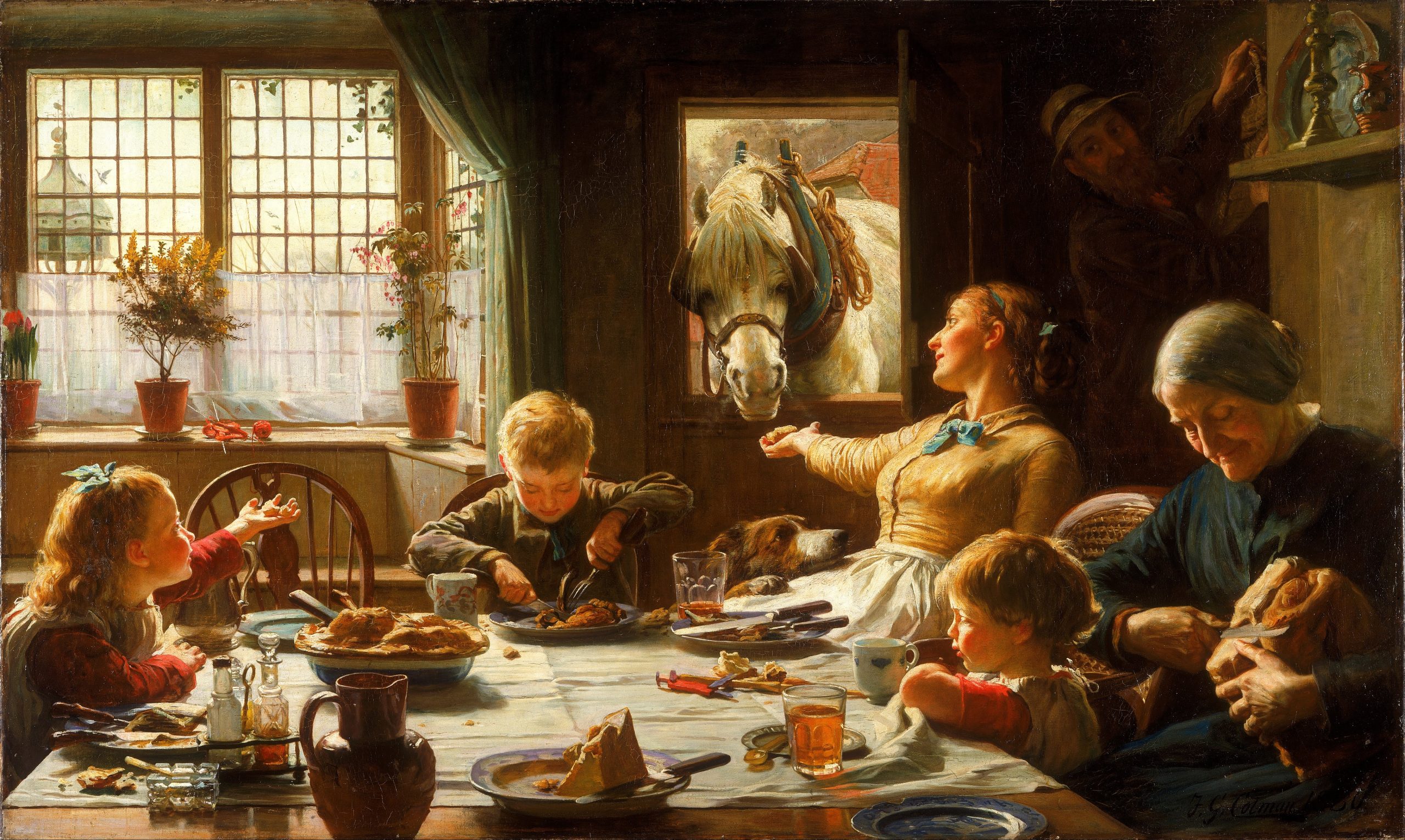
“One of the Family” 1880 | Frederick George Cotman

With a focus on leadership and civic engagement, the FCS degree ensures graduates are ready to make meaningful societal impacts. Scholarships and flexible online options are available, enhancing accessibility.

Related:

The De-Population Bomb

MaternityMetrix

Neonatal Care Units

How to Make Baby Food

Baked Potato Strips

Recipe Guide

Maine Major Capital School Construction Programs | Maine Farm Safety Programs

Maine Extension Homemakers Newsletter, January-February-March 2025


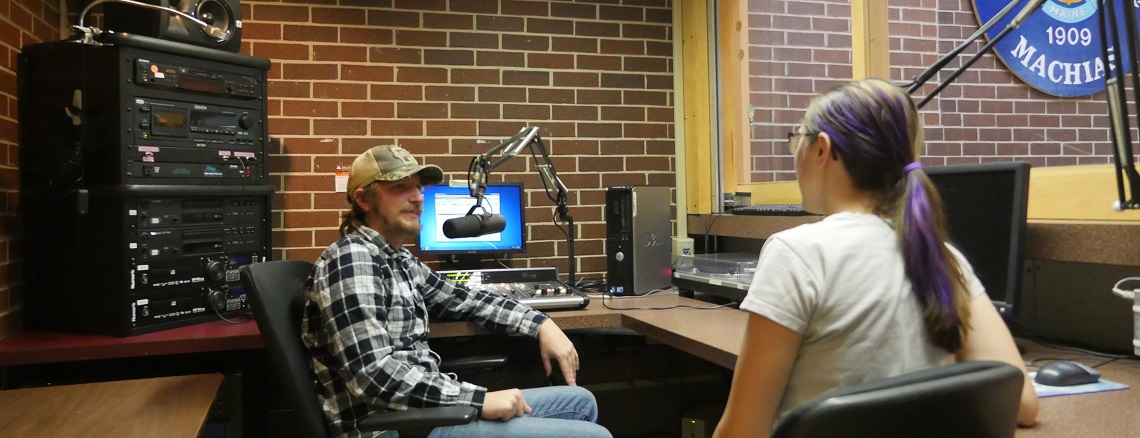
Radio Machias WUUM 91.1 MHz FM

Maine


Lamb & Mint

Home

Lamb & mint: A classic pairing

Facilities Services


Layout mode
Predefined Skins
Custom Colors
Choose your skin color
Patterns Background
Images Background
Standards Michigan
error: Content is protected !!
Skip to content