Net Position: $393.3M (Page 13)
Behind the scenes of our Falcon Family holiday photo.. we’ve all been there 🎥👀 pic.twitter.com/5d2907GoPn
— Bowling Green State University (@bgsu) December 12, 2025


Net Position: $393.3M (Page 13)
Behind the scenes of our Falcon Family holiday photo.. we’ve all been there 🎥👀 pic.twitter.com/5d2907GoPn
— Bowling Green State University (@bgsu) December 12, 2025
Kitchen cooking ranks high as the causes of fire hazard in the built environment. ASHRAE 154 provides design criteria for the performance of commercial cooking ventilation systems. Education communities have hundreds of food preparation enterprises in school districts, residence halls, hospitals and athletic venues. It is not intended to circumvent any safety, health or environmental requirement; however we find a fair amount of drama regarding the competing requirements of fire safety and sustainability among subject matter experts. The stabilized version is dated 2022.

“Dutch Kitchen” / Artist Unknown

A noteworthy title in the ASHRAE standards catalog is ASHRAE 154 Ventilation for Commercial Cooking Operations. Food preparation enterprises in school districts, residence halls, hospitals and athletic venues and central features in education communities. Access to the 2022 edition is linked below:
The purpose of ASHRAE 154 is to provide design criteria for the performance of commercial cooking ventilation systems. It covers kitchen hoods, exhaust systems and replacement air systems, It is not intended to circumvent any safety, health or environmental requirement; however we find a fair amount of drama between partisans of air movement controls and energy conservation interests. Fire safety and the sustainability advocates are well funded voices.
There are no open consultations at the moment; but you may track release of any at the link below:
Public Review Draft Standards / Online Comment Database
Titles in the ASHRAE catalog move swiftly; many of them consultations lasting less than 45 days.
Interior environmental air safety is a concern that cuts across many professional disciplines. Accordingly, we maintain this title on the standing agendas of several colloquia — Mechanical Engineering, Energy and Housing. Starting 2022 we will break out this the subject of a separate, dedicated colloquium See our CALENDAR for the next online meeting; open to everyone.
Issue: [14-92]
Category: Mechanical, Electrical, Energy, Facility Asset Management
Colleagues: David Conrad, Richard Robben, Larry Spielvogel
Kitchen cooking ranks high as the causes of fire hazard in the built environment. ASHRAE 154 provides design criteria for the performance of commercial cooking ventilation systems. Education communities have hundreds of food preparation enterprises in school districts, residence halls, hospitals and athletic venues. It is not intended to circumvent any safety, health or environmental requirement; however we find a fair amount of drama regarding the competing requirements of fire safety and sustainability among subject matter experts. The stabilized version is dated 2022.

“Oxford from the River with Christ Church in the Foreground” | William Turner (1820)
Smart cities: moving beyond urban cybernetics to tackle wicked problems
Cambridge Journal of Regions, Economy and Society, Volume 8, Issue 1, March 2015 | “The Smart City”
Abstract. This article makes three related arguments. First, that although many definitions of the smart city have been proposed, corporate promoters say a smart city uses information technology to pursue efficient systems through real-time monitoring and control. Second, this definition is not new and equivalent to the idea of urban cybernetics debated in the 1970s. Third, drawing on a discussion of Rio de Janeiro’s Operations Center, I argue that viewing urban problems as wicked problems allows for more fundamental solutions than urban cybernetics, but requires local innovation and stakeholder participation. Therefore the last section describes institutions for municipal innovation and IT-enabled collaborative planning.

So proud to announce the @ellisoninst is beginning construction on our new campus at the @UniofOxford and broadening our mission: Science & Engineering for Humanity. EIT develops & deploys technology in pursuit of solving four of humanity’s most challenging & enduring problems.… pic.twitter.com/vSkHWSS8EK
— David Agus (@DavidAgus) October 15, 2023
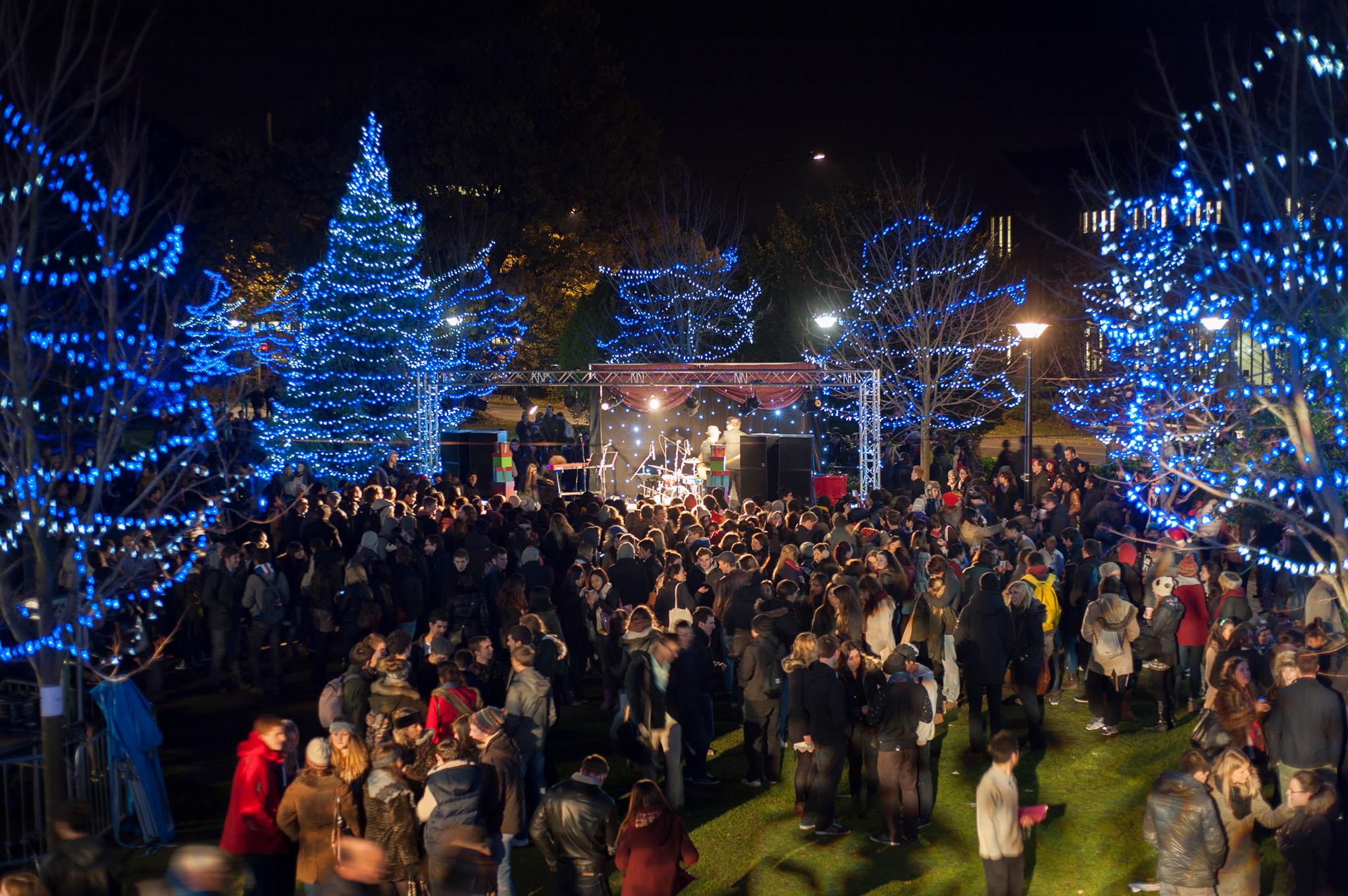
The festive season at Southampton
We were pleased to welcome Minister @StephenMorganMP who visited our medical researchers and LifeLab facility to see how we are helping to improve children’s long-term health prospects.
He was joined by @LabourSatvir as they toured our facilities and met with visiting… pic.twitter.com/REMR8laY54
— University of Southampton (@unisouthampton) June 27, 2025
Russell Group Red Brick Universities
Last week we enjoyed hosting colleagues from universities in the Netherlands @tweetsunl to discuss the opportunities and challenges of using generative AI in education.
Find out more about their visit and read our principles of AI in education👇https://t.co/XI6kzLzoC3 pic.twitter.com/6IVvNFh0oh
— Russell Group (@RussellGroup) February 13, 2024
U.S. Artificial Intelligence Safety Institute
The White House: ENSURING A NATIONAL POLICY FRAMEWORK FOR ARTIFICIAL INTELLIGENCE
STDMi: OMB A119 & the NTAA: How ANSI accredited standards become federal law
ANSI Response to NIST “A Plan for Global Engagement on AI Standards”
On April 29, 2024 NIST released a draft plan for global engagement on AI standards.
Comments are due by June 2. More information is available here.

Request for Information Related to NIST’s Assignments
Under Sections 4.1, 4.5 and 11 of the Executive Order Concerning Artificial Intelligence
The National Institute of Standards and Technology seeks information to assist in carrying out several of its responsibilities under the Executive order on Safe, Secure, and Trustworthy Development and Use of Artificial Intelligence issued on October 30, 2023. Among other things, the E.O. directs NIST to undertake an initiative for evaluating and auditing capabilities relating to Artificial Intelligence (AI) technologies and to develop a variety of guidelines, including for conducting AI red-teaming tests to enable deployment of safe, secure, and trustworthy systems.
Regulations.GOV Filing: NIST-2023-0009-0001_content
Browse Posted Comments (72 as of February 2, 2024 | 12:00 EST)
Standards Michigan Public Comment
Did you know? If you’ve seen clocks advertised to consumers as “atomic clocks,” those are actually listening to NIST radio stations’ time signals so they can count the seconds accurately. pic.twitter.com/hTTO0smikl
— National Institute of Standards and Technology (@NIST) January 31, 2024
2023 CMP-2 Public Input Report – 823 Pages
PDF Page 8: “Demonstrated Load” (STDMi proposal)
PDF Page 570: Outlets for educational occupancies (STDMi comment)
PDF Page 52: Demand factors for schools (Definition of schools/colleges should correlate with ICC and ASHRAE occupancies — our historical claim and proposals).
PDF Page 539: “Meeting rooms” should recognize school occupancies according to ICC.
2023 CMP-2 Public Comment Report
PDF Page 70: Looks like an upward rounding “error” on the lighting power density table.
PDF Page 171: Bi-directional GFCI comment from Lawrence Livermore Laboratories
Related:
NFPA and Mike Holt Enterprises Collaborate on 2026 NEC Changes Book
Schneider Electric: Changes to 2026 NEC
The University of Michigan has supported the voice of the United States education facility industry since 1993 — the second longest tenure of any voice in the United States. That voice has survived several organizational changes but remains intact and will continue its Safer-Simpler-Lower Cost-Longer Lasting advocacy on Code Panel 3 in the 2029 Edition.
Today, during our customary “Open Door” teleconference we will examine the technical concepts under the purview of Code Panel 1; among them:
Article 206 Signaling Circuits
Article 300 General Requirements for Wiring Methods and Materials
Article 590 Temporary Installations
Chapter 7 Specific Conditions for Information Technology
Chapter 9 Conductor Properties Tables
Public Input on the 2029 Edition will be received until April 9, 2026.
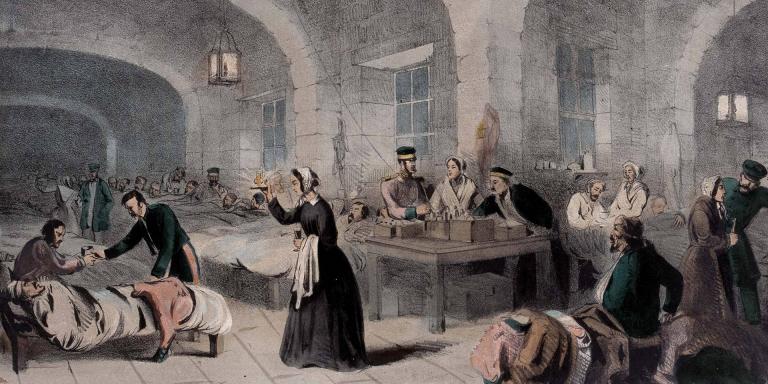
Florence Nightengale: The Lady with the Lamp
Today we review the codes and standards that apply to the instructional and research facilities that support nursing science and practice. There is no single organization with a best practice catalog as there are in other disciplines we follow. Best practice is inspired by the inherited wisdom of practitioners, faculty and students who work alongside other members of healthcare provider teams.
Use the login credentials at the upper right of our home page.
Design and Implementation of a Nursing Robot for Old or Paralyzed Person
Nurses Day 2024 is around the corner. Your professional care is an essential pillar of our health system’s sustainability and growth. Thank you, nurses, for your unparalleled dedication and impact💪 https://t.co/pA7nJgiMnW#NursesDay2024 #BNAPride #CarePower pic.twitter.com/VVkvGuuXtj
— BNA UK (@britishnursing) March 15, 2024
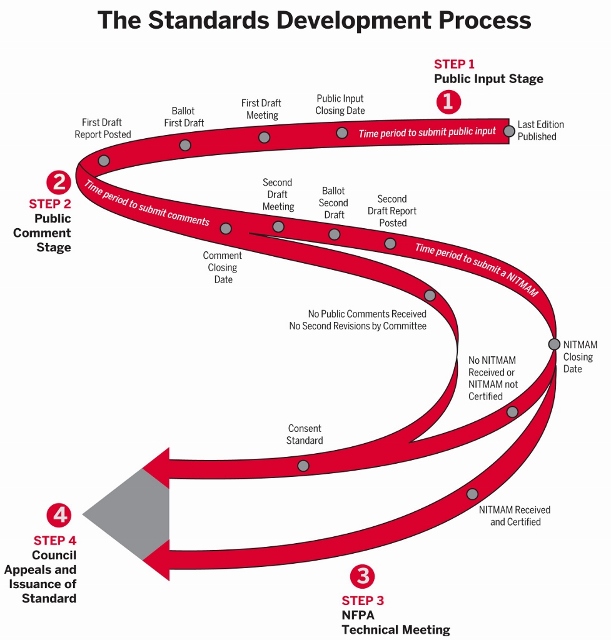
Group B Proposed Changes to the 2024 Editions Complete Monograph (2650 pages)
For today’s session note the proposals listed below:
ADM1-25 Part I (p. 61)
G39-25 Part I (p. 522)
G40-25 Part I (p. 527)
G39-25 Part II (p. 535)
G144-25 (p. 740)
EB7-25 (p. 1438)
Z1-25 (p. 2582)
Link to April Committee Action Hearing Videos
2024 Complete Change Monograph (2658 Pages)
.jpg)
“Kindergarten” c. 1885 | Johann Sperl
Safety and sustainability for any facility begins with an understanding of who shall occupy the built environment and how. University settings, with mixed-use phenomenon arising spontaneously and temporarily, often present challenges. Educational communities are a convergent settings for families; day care facilities among them. First principles regarding occupancy classifications for day care facilities appear in Section 308 of the International Building Code, Institutional Group I; linked below:
2018 International Building Code Section 308 Institutional Group I-4 (Superseded in some jurisdictions)
The ICC Institutional Group I-4 classification includes buildings and structures occupied by more than five persons of any age who received custodial care for fewer than 24 hours per day by persons other than parents or guardian, relatives by blood, marriage or adoption, and in a place other than the home of the person cared far. This group includes both adult and child day care.
We maintain focus on child day care. Many educational communities operate child day care enterprises for both academic study and/or as auxiliary (university employee benefit) enterprises.
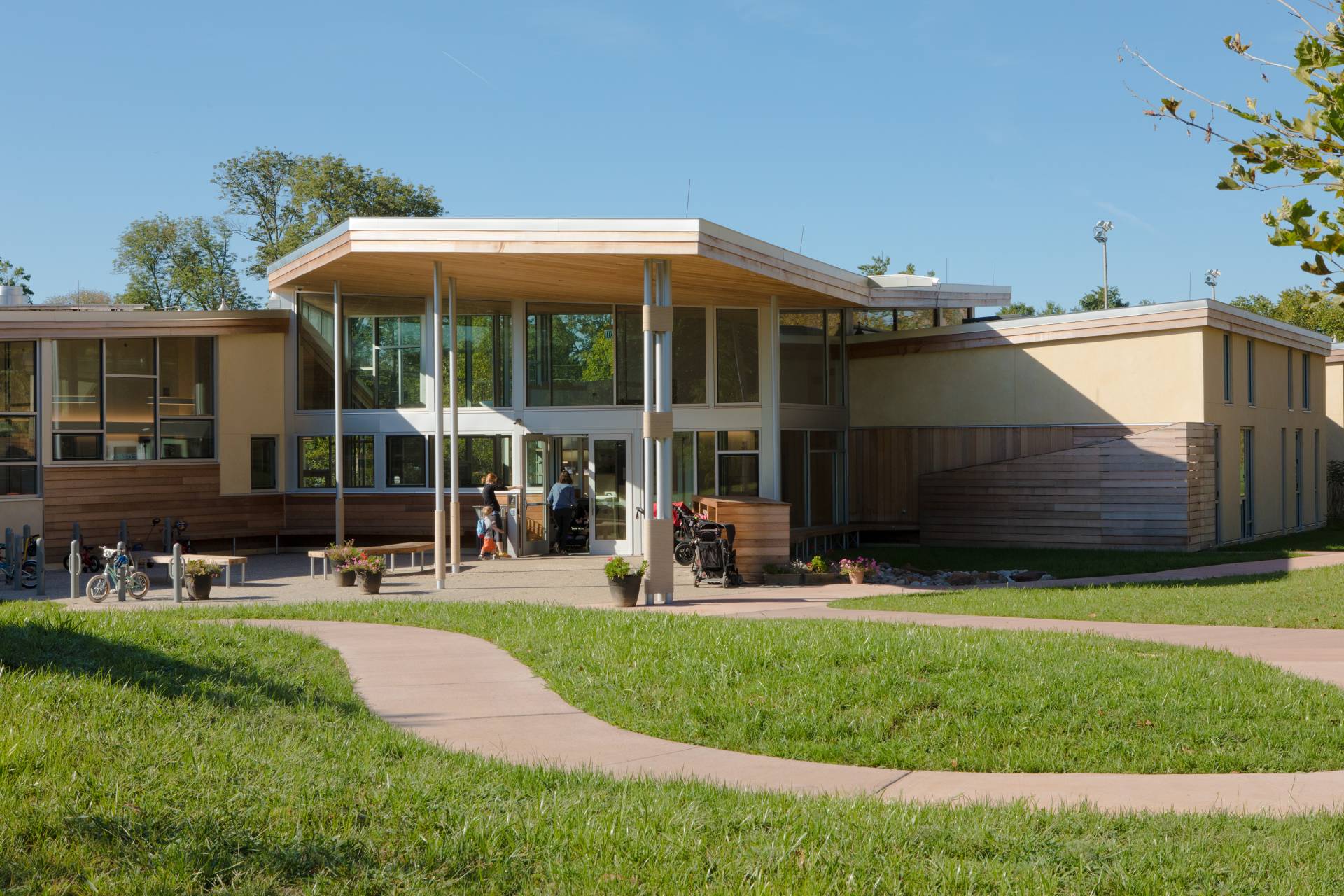
Princeton University Child Care Center
Each of the International Code Council code development groups fetch back to a shared understanding of the nature of the facility; character of its occupants and prospective usage patterns.
The 2024 revision of the International Building code is in production now. Ahead of the formal, market release of the Group A tranche of titles you can sample the safety concepts in play during this revision with an examination of the documents linked below:
2019 GROUP B PROPOSED CHANGES TO THE I-CODES ALBUQUERQUE COMMITTEE ACTION HEARINGS
2019 REPORT OF THE COMMITTEE ACTION HEARINGS ON THE 2018 EDITIONS OF THE GROUP B INTERNATIONAL CODES
Search on the terms “day care” and “daycare” in the link at the top of this page to get a sample of the prevailing concepts; use of such facilities as storm shelters, for example.

“The Country School” | Winslow Homer
We encourage our safety and sustainability colleagues to participate directly in the ICC Code Development process. We slice horizontally through the disciplinary silos (“incumbent verticals”) created by hundreds of consensus product developers every week and we can say, upon considerable authority that the ICC consensus product development environment is one of the best in the world. Privately developed standards (for use by public agencies) is a far better way to discover and promulgate leading practice than originating technical specifics from legislative bodies. CLICK HERE to get started. Contact Kimberly Paarlberg (kpaarlberg@iccsafe.org) for more information.
There are competitor consensus products in this space — Chapter 18 Day-Care Occupancies in NFPA 5000 Building Construction and Safety Code, for example; a title we maintain the standing agenda of our Model Building Code teleconferences. It is developed from a different pool of expertise under a different due process regime. See our CALENDAR for the next online meeting; open to everyone.
Issue: [18-166]
Category: Architectural, Healthcare Facilities, Facility Asset Management
Colleagues: Mike Anthony, Jim Harvey, Richard Robben
Recent concepts in play in transcripts:
LEARN MORE:
cdpACCESS Hearing Video Streaming Service
New update alert! The 2022 update to the Trademark Assignment Dataset is now available online. Find 1.29 million trademark assignments, involving 2.28 million unique trademark properties issued by the USPTO between March 1952 and January 2023: https://t.co/njrDAbSpwB pic.twitter.com/GkAXrHoQ9T
— USPTO (@uspto) July 13, 2023
Standards Michigan Group, LLC
455 East Eisenhower Parkway, Suite 300
Ann Arbor, MI 48108 USA
888-748-3670
 |
 |
|
 |
 |
|
 |
 |