Author Archives: mike@standardsmichigan.com

Loading
loading...

Schenkingen

“The secret of great fortunes without apparent cause

is a crime forgotten, for it was properly done.”
— Honoré de Balzac’

CASE FAQ for Standards: Definition of Educational Philanthropy

Are they hedge funds with a side hustle in teaching, research and building construction? Are they tricked out memorial gardens for philanthropists? In either case leaders of educational settlements are expected to act in the best interests of both their institution and their donors, and to maintain high standards of transparency, accountability, and ethical conduct when accepting charitable gifts.

University endowments are comprised of money or other financial assets that are donated to academic institutions. Charitable donations are the primary source of funds for endowments. Endowment funds support the teaching, research, and public service missions of colleges and universities.

In the case of endowment funds for academic institutions, the income generated is intended to finance a portion of the operating or capital requirements of the institution. In addition to a general university endowment fund, institutions may also maintain a number of restricted endowments that are intended to fund specific areas within the institution, including professorships, scholarships, and fellowships.

More

Council on Foundations

2021 NACUBO-TIAA Study of Endowments

University of Michigan: Policy Guidelines for Naming of Facilities, Spaces and Streets

University of Buffalo: Naming University Properties, Facilities, and Academic and Non-Academic Programs

Northern Arizona University: Naming of Facilities, Programmatic Units, or Fund for Individuals or Organizations

Dematerialization

Digital Campus

Dartmouth University Endowment Report 2023

https://www.dartmouth.edu/investments/docs/dartmouthendowmentreport2023.pdf


The largest philanthropic gift ever given to a United States college or university is the donation of $9.6 billion made by MacKenzie Scott to various organizations, including several universities, in 2020. Scott, the ex-wife of Amazon founder Jeff Bezos, made the donation as part of her commitment to give away the majority of her wealth to charitable causes. The universities that received donations from Scott include historically black colleges and universities, community colleges, and research universities such as the University of California, San Diego, and Johns Hopkins University. The donation was considered significant not only for its size but also for its focus on supporting organizations that serve underrepresented and marginalized communities.

There are several standards and best practices that are generally followed by universities and colleges when accepting charitable gifts. These standards are designed to ensure that the gift is used effectively and that the interests of both the donor and the institution are protected. Some of the key standards include:

  1. Transparency and accountability: Universities and colleges are expected to be transparent about how gifts are used and to provide regular reports to donors on the impact of their gifts.
  2. Due diligence: Universities and colleges are expected to conduct due diligence on potential donors to ensure that their gifts do not create conflicts of interest or ethical concerns.
  3. Gift acceptance policies: Many universities and colleges have established gift acceptance policies that outline the types of gifts that will be accepted and the procedures for accepting them.
  4. Donor recognition: Universities and colleges are expected to recognize donors in an appropriate and meaningful way, while avoiding actions that could be seen as an endorsement of the donor’s business or political interests.
  5. Ethical fundraising: Universities and colleges are expected to follow ethical fundraising practices, including avoiding pressure tactics or misleading information, and ensuring that donors are aware of any tax implications of their gifts.

Overall, universities and colleges are expected to act in the best interests of both their institution and their donors, and to maintain high standards of transparency, accountability, and ethical conduct when accepting charitable gifts.

Infotech 300

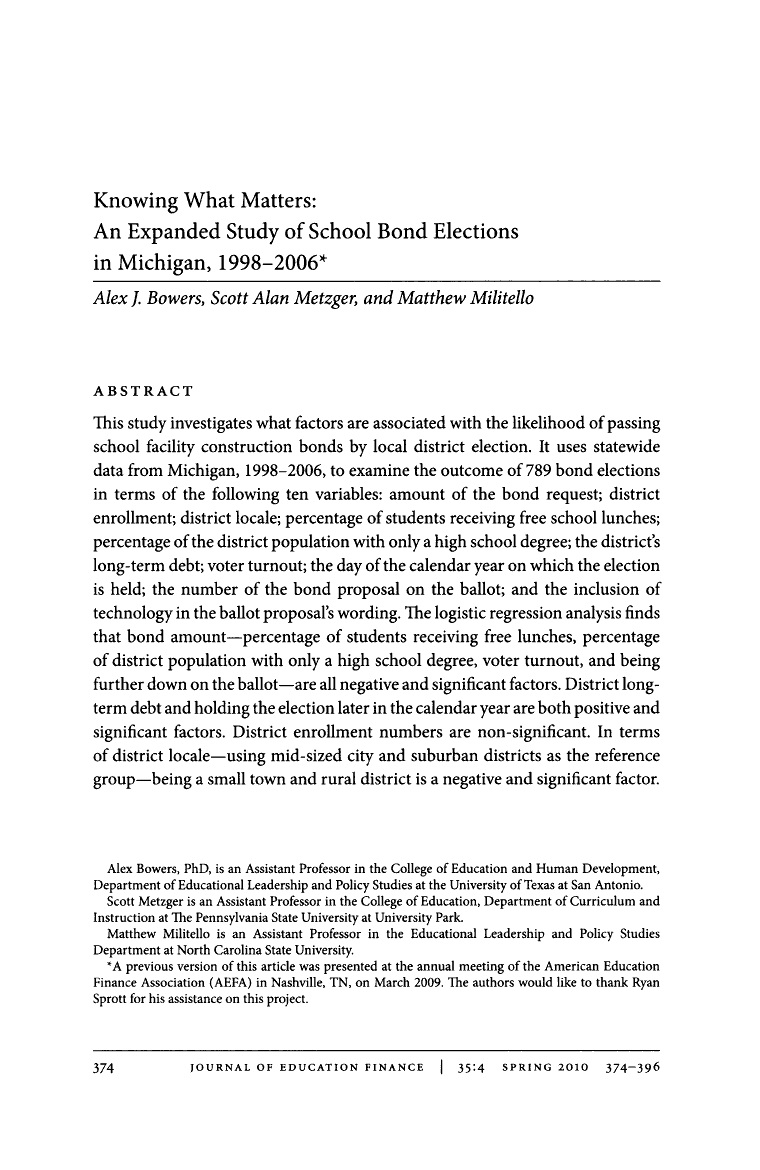
An Expanded Study of School Bond Elections in Michigan

November 3, 2026

Dearborn Public Schools: A proposed $1.51 billion bond for new buildings, renovations, career education and infrastructure.

Birmingham Public Schools: A proposed $240 million bond

Chippewa Hills School District: A revised $29.9 million bond following rejection of a larger proposal in 2025.


Gallery: School Bond Referenda

As of January 2022, there were a few municipalities in the United States that allowed non-citizens to vote in local elections, but no entire states. These municipalities included:

San Francisco, California: Non-citizens are allowed to vote in school board elections.
Chicago, Illinois: Non-citizens are allowed to vote in school board elections.
Takoma Park, Maryland: Non-citizens are allowed to vote in local elections.

It’s worth noting that these policies may change over time as local governments make decisions regarding voting rights. For the most up-to-date information, it’s best to consult the specific laws and regulations of each municipality or state.

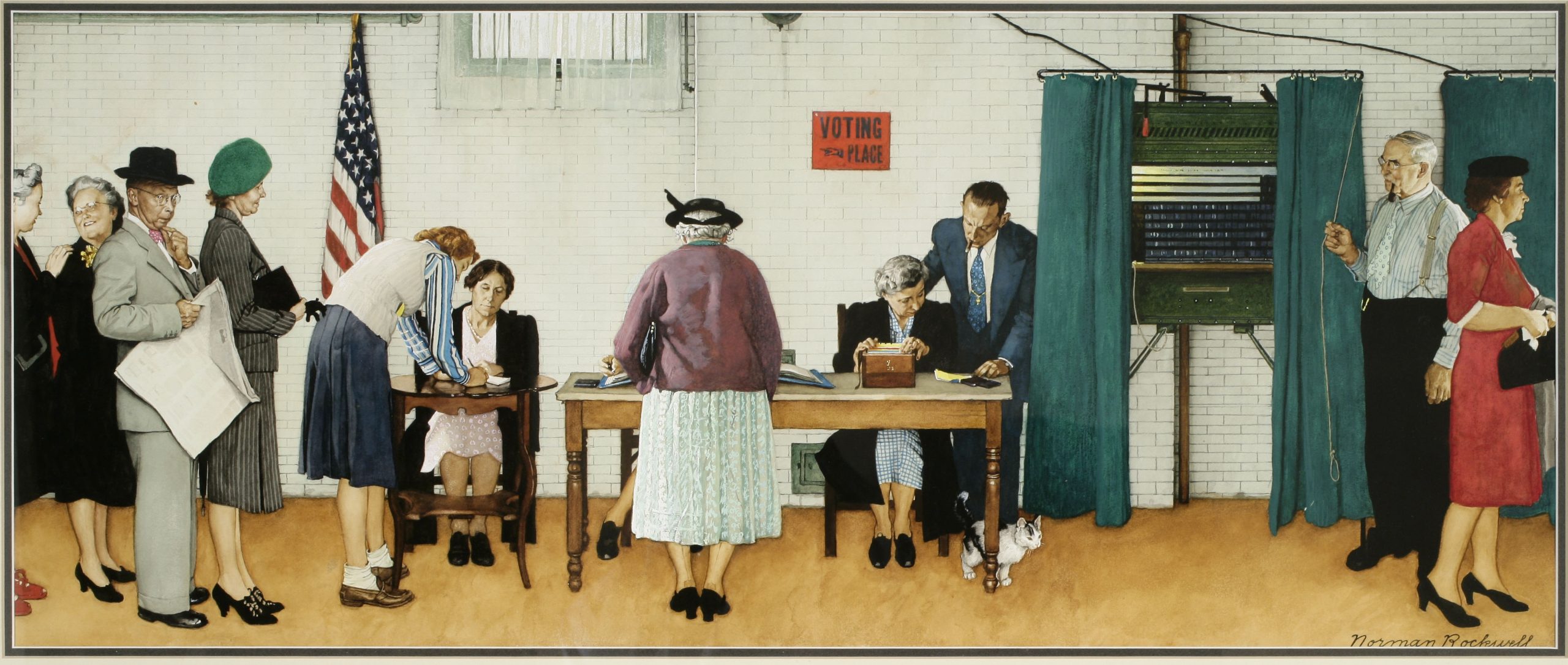
"Election Day, 1944" | Norman Rockwell for the Saturday Evening Post

“Election Day, 1944” | Norman Rockwell for the Saturday Evening Post

School bond elections — either at county or district level — are processes through which communities vote to authorize the issuance of bonds to fund various projects and improvements in their local school districts.  The elections determine the quality of educational settlements –new school buildings, renovating existing facilities, upgrading technology, and improving safety measures. The outcomes of these elections directly affect the quality of education and learning environments for students within the county. Successful bond measures can stimulate economic growth by creating jobs and attracting families to the area.

Community involvement and voter turnout are essential in determining the allocation of resources and shaping the quality of life for its citizens.  In recent years, however, voter ambivalence about the education “industry” in general, the rise of home schooling and other cultural factors, complicate choices presented to voters.

Financial Services

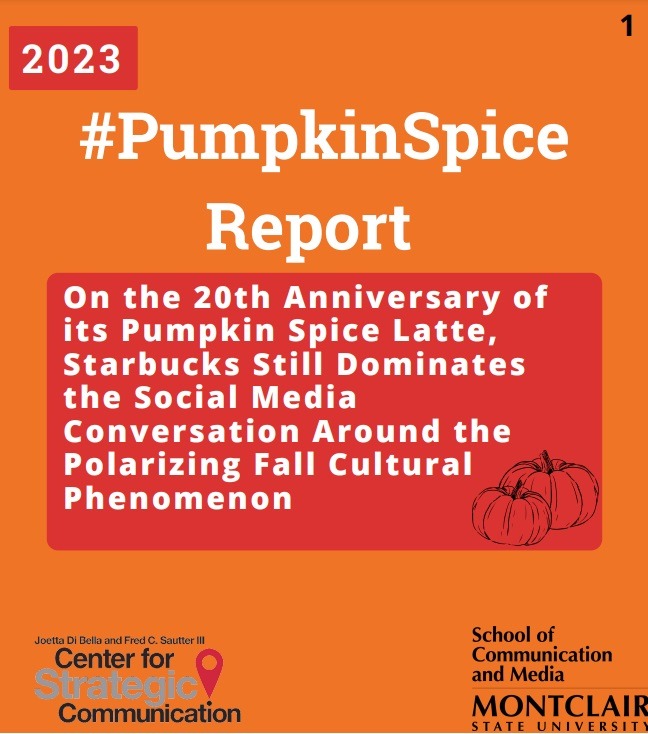
“Pumpkin Spice is as Popular as Ever”

PASSAIC COUNTY WEATHER

https://standardsmichigan.com/136343-2/

Montclair State University Financial Position: $391, 445 (000)

New Jersey Schools Development Authority: Design Standards


2024 Study

https://youtu.be/p9_zQUVbwn0?si=JsBMJLZyq4S0aF7t two guys talking me talking icon coffee

The European Conservative: Harrison Pitt & Eric Kaufman

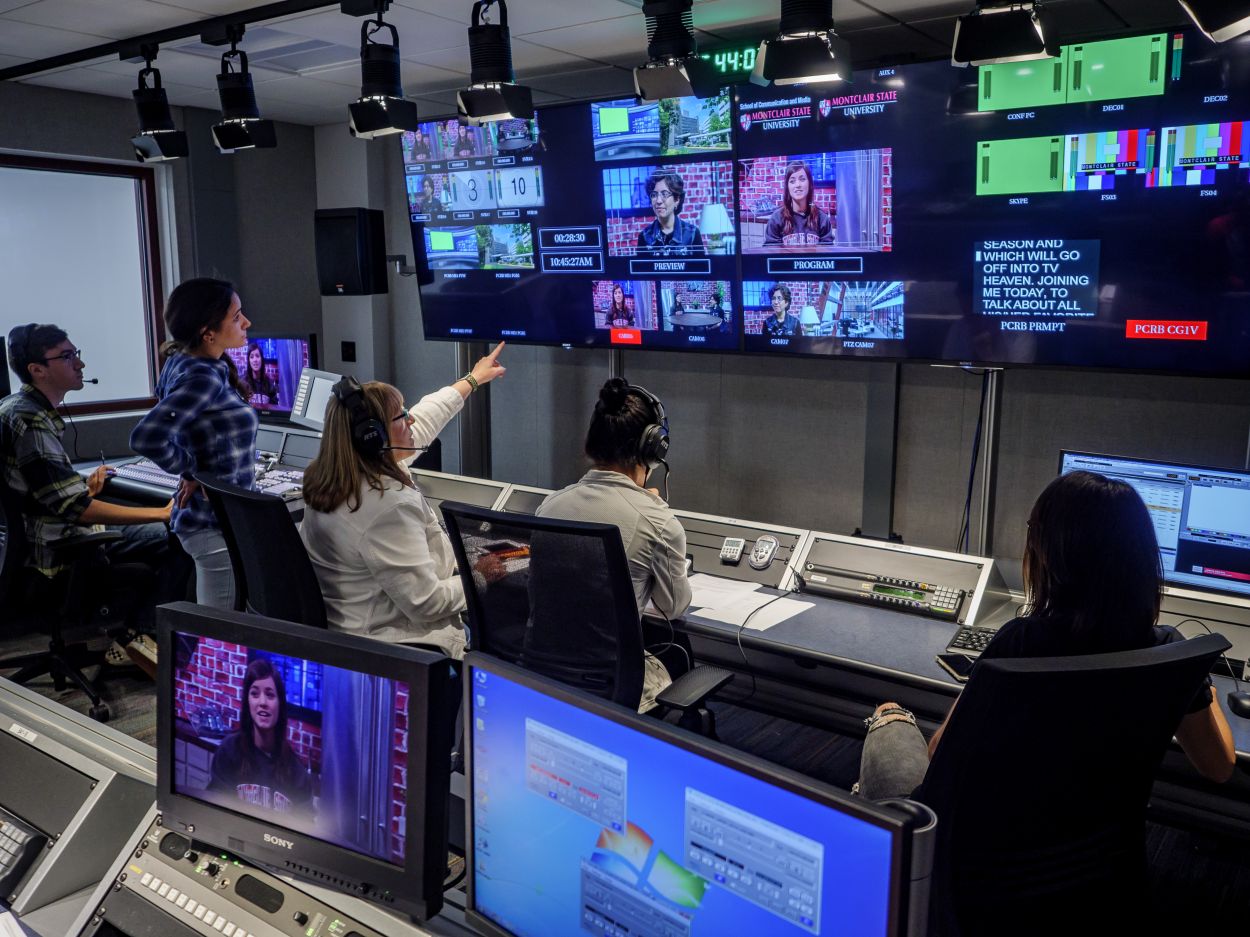
Montclair State University | Essex County New Jersey

Related:

Pumpkin Spice Latte

Blessed are the Pets

This content is accessible to paid subscribers. To view it please enter your password below or send mike@standardsmichigan.com a request for subscription details.

Critical Operations Power Systems

Disaster 500

NFPA 1660: Standard for Emergency, Continuity, and Crisis Management: Preparedness, Response, and Recovery


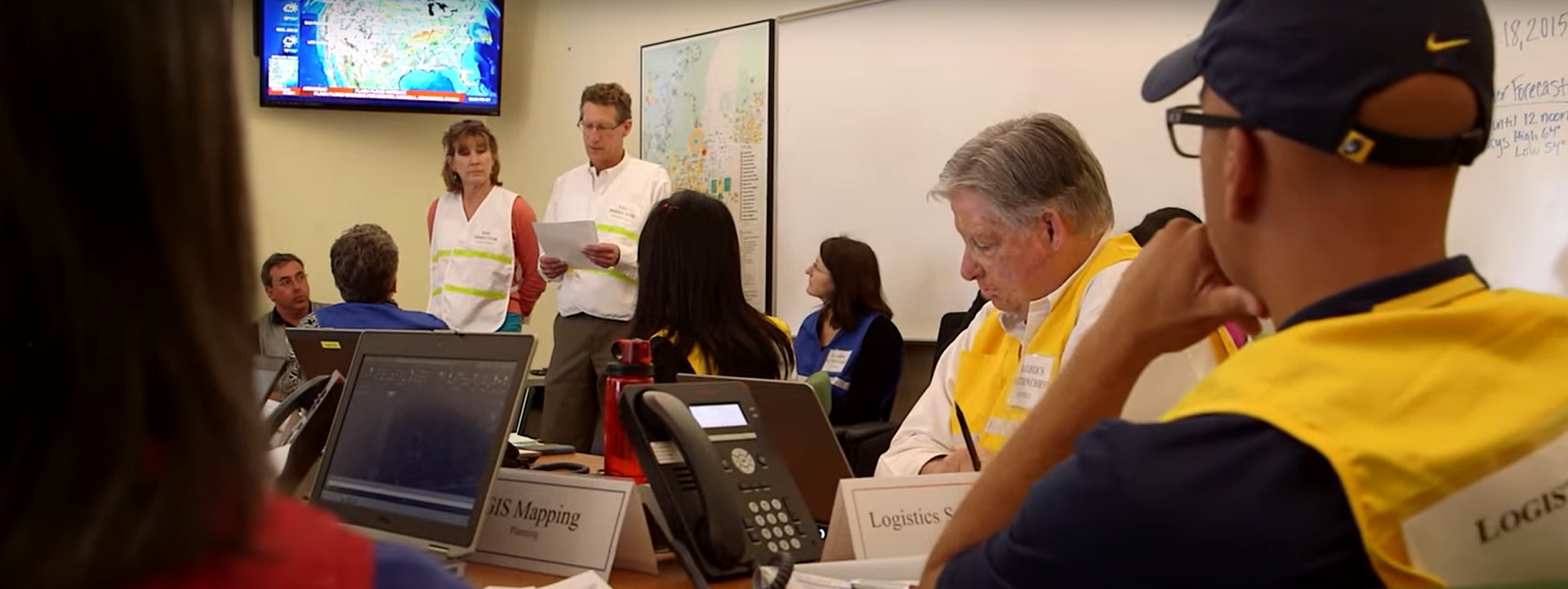
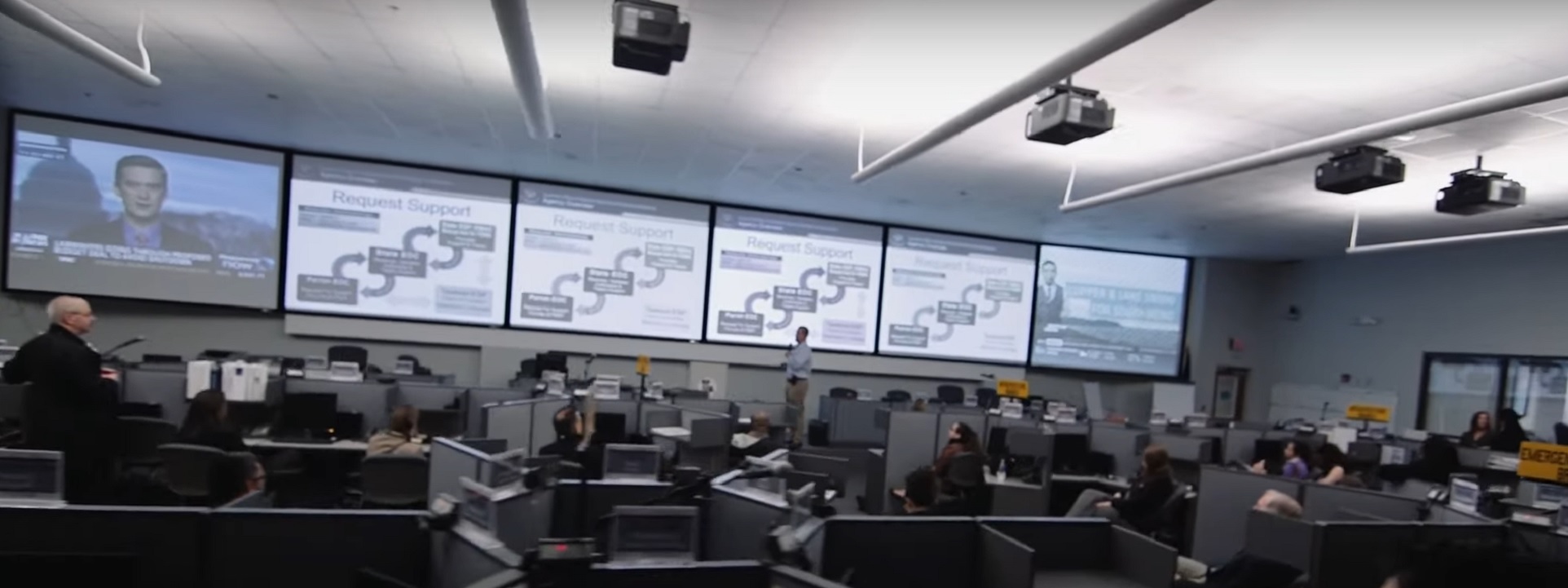
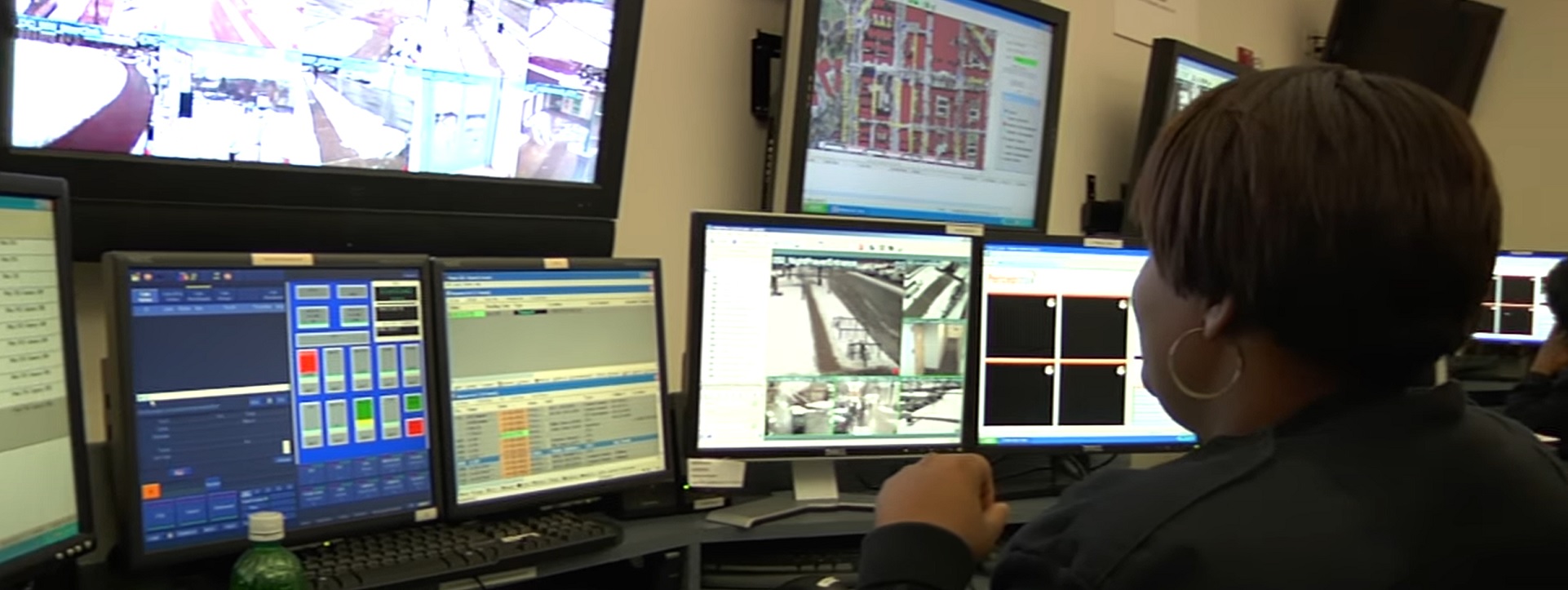
The original University of Michigan codes and standards enterprise advocated actively in Article 708 Critical Operations Power Systems (COPS) of the National Electrical Code (NEC) because of the elevated likelihood that the education facility industry managed assets that were likely candidates for designation critical operations areas by emergency management authorities.

Because the NEC is incorporated by reference into most state and local electrical safety laws, it saw the possibility that some colleges and universities — particularly large research universities with independent power plants, telecommunications systems and large hospitals  — would be on the receiving end of an unfunded mandate.   Many education facilities are identified by the Federal Emergency Management Association as community storm shelters, for example.

As managers of publicly owned assets, University of Michigan Plant Operations had no objection to rising to the challenge of using publicly owned education facilities for emergency preparedness and disaster recovery operations; only that meeting the power system reliability requirements to the emergency management command centers would likely cost more than anyone imagined — especially at the University Hospital and the Public Safety Department facilities.  Budgets would have to be prepared to make critical operations power systems (COPS) resistant to fire and flood damages; for example.

Collaboration with the Institute of Electrical and Electronic Engineers Industrial Applications Society began shortly after the release of the 2007 NEC.  Engineering studies were undertaken, papers were published (see links below) and the inspiration for the IEEE Education & Healthcare Facilities Committee developed to provide a gathering place for power, telecommunication and energy professionals to discover and promulgate leading practice.   That committee is now formally a part of IEEE and collaborates with IAS/PES JTCC assigned the task of harmonizing NFPA and IEEE electrical safety and sustainability consensus documents (codes, standards, guidelines and recommended practices.

Transcripts of 2029 Revision:

Not posted yet as of October 28, 2026

Transcripts of 2026 Revision:

Public Input Report CMP-13

Public Comment Report CMP-13


The transcript of NEC Code Making Panel 13 — the committee that revises COPS Article 708 every three years — is linked below:

NEC CMP-13 First Draft Balloting

NEC CMP-13 Second Draft Balloting

The 2023 Edition of the National Electrical Code does not contain revisions that affect #TotalCostofOwnership — only refinement of wiring installation practices when COPS are built integral to an existing building that will likely raise cost.  There are several dissenting comments to this effect and they all dissent because of cost.   Familiar battles over overcurrent coordination persist.

Our papers and proposals regarding Article 708 track a concern for power system reliability — and the lack of power  — as an inherent safety hazard.   These proposals are routinely rejected by incumbent stakeholders on NEC technical panels who do not agree that lack of power is a safety hazard.  Even if lack of power is not a safety hazard, reliability requirements do not belong in an electrical wiring installation code developed largely by electricians and fire safety inspectors.  The IEEE Education & Healthcare Facilities Committee (IEEE E&H) maintains a database on campus power outages; similar to the database used by the IEEE 1366 committees that develop reliability indices to enlighten public utility reliability regulations.

Public input on the 2026 revision to the NEC will be received until September 7th.  We have reserved a workspace for our priorities in the link below:

2026 National Electrical Code Workspace

Colleagues: Robert Arno, Neal Dowling, Jim Harvey

LEARN MORE:

IEEE | Critical Operations Power Systems: Improving Risk Assessment in Emergency Facilities with Reliability Engineering

Consuting-Specifying Engineer | Risk Assessments for Critical Operations Power Systems

Electrical Construction & Maintenance | Critical Operations Power Systems

International City County Management Association | Critical Operations Power Systems: Success of the Imagination

Facilities Manager | Critical Operations Power Systems: The Generator in Your Backyard

“The Halloween Problem” | Recursive Self-Improvement

A well-intentioned query and the Halloween Problem

Anne Fitzpatrick


Abstract:  The author’s description of the Halloween Problem demonstrates the role of cautionary tales in the history of computing. The Halloween Problem emerged in the context of structured query language optimization in relational database research. Normally, a query optimizer works by measuring system calls and paging requests and applying heuristics to the entire access path tree. Query optimization was one of the most challenging tasks facing System R researchers at IBM. These experiments with query optimization form the milieu in which the Halloween Problem emerged.

The Halloween Problem arose in early database systems when an operation changed the very data being used to determine what should happen next, allowing altered records to re-enter the decision process. The problem offers a useful analogy for increasingly capable artificial intelligence. An autonomous system may observe its environment, act upon it, change the conditions it subsequently observes and then act again. At the frontier lies recursive self-improvement: systems capable of modifying their own software, tools or decision processes. The enduring engineering question is deceptively simple: What happens when a system can change the conditions governing its own decisions?

Relata:

Self-Referential Introspection in Large Language Models: The Critical Threshold for Recursive Self-Improvement

Performative Prediction

Apples Around the Clock

This content is accessible to paid subscribers. To view it please enter your password below or send mike@standardsmichigan.com a request for subscription details.

Aaron Copland “Our Town”

Azusa Pacific University Symphony Orchestra | Susanna Cervantes, Graduate Conductor

Recorded Nov. 10, 2018 at the Haugh Performing Arts Center, Glendora CA

Copland wrote the score to the film version of Thornton Wilder’s play in 1940. Comparable to Copland’s other orchestral suite, Appalachian Spring, Our Town is smaller in scale, but holds the same traditional Copland characteristics: the sunrise wake up call in the beginning, the call and response, exploiting the reflective quality of the woodwinds, brass chorales, and the desperately aching sounds of the strings.

He explained, “For the film version, they were counting on the music to translate the transcendental aspects of the story. I tried for clean and clear sounds and in general used straight-forward harmonies and rhythms that would project the serenity and sense of security of the story.” It is dedicated to Leonard Bernstein.

Su Jin Susanna Cervantes is professional freelancer actively working in the greater Los Angeles area. As a cellist, Susanna has played in multiple ensembles such as Hollywood Youth Orchestra, USC Thornton Symphony, and APU Symphony Orchestra.

She has also performed in multiple chamber groups performing works by Barber, Brahms, Borodin, Franck, Mendelssohn, Rachmaninoff, and many more. She has performed in masterclasses with Daniel Hoffman, Lynn Harrell, and Alisa Weilerstein. In addition, she frequents in collaboration with singer-songwriters such as Sleeping At Last, whose hits are featured on ABC’s Grey’s Anatomy; grammy-nominated artist, Michelle Bloom; British Christian singer-songwriter, Matt Redman; and singer/actress, Jackie Tohn.

Susanna is an academic instructor at Orange County School of Arts, teaching String Literature and Music History. She is also a strings coach for the Symphony Orchestra at San Marino High School. Since 2011, Susanna has been a pianist and a music associate at First Baptist Church of Glendale, facilitating services and contracting musicians for the church. Susanna has been teaching cello privately throughout Southern California since 2010.

Susanna has received her BM in Cello Performance from Azusa Pacific University, and is currently studying with Professor Christopher Russell at Azusa Pacific University and will receive her MM in Instrumental Conducting in May of 2019.

Audio and Music Engineering

Layout mode
Predefined Skins
Custom Colors
Choose your skin color
Patterns Background
Images Background
Standards Michigan
error: Content is protected !!
Skip to content