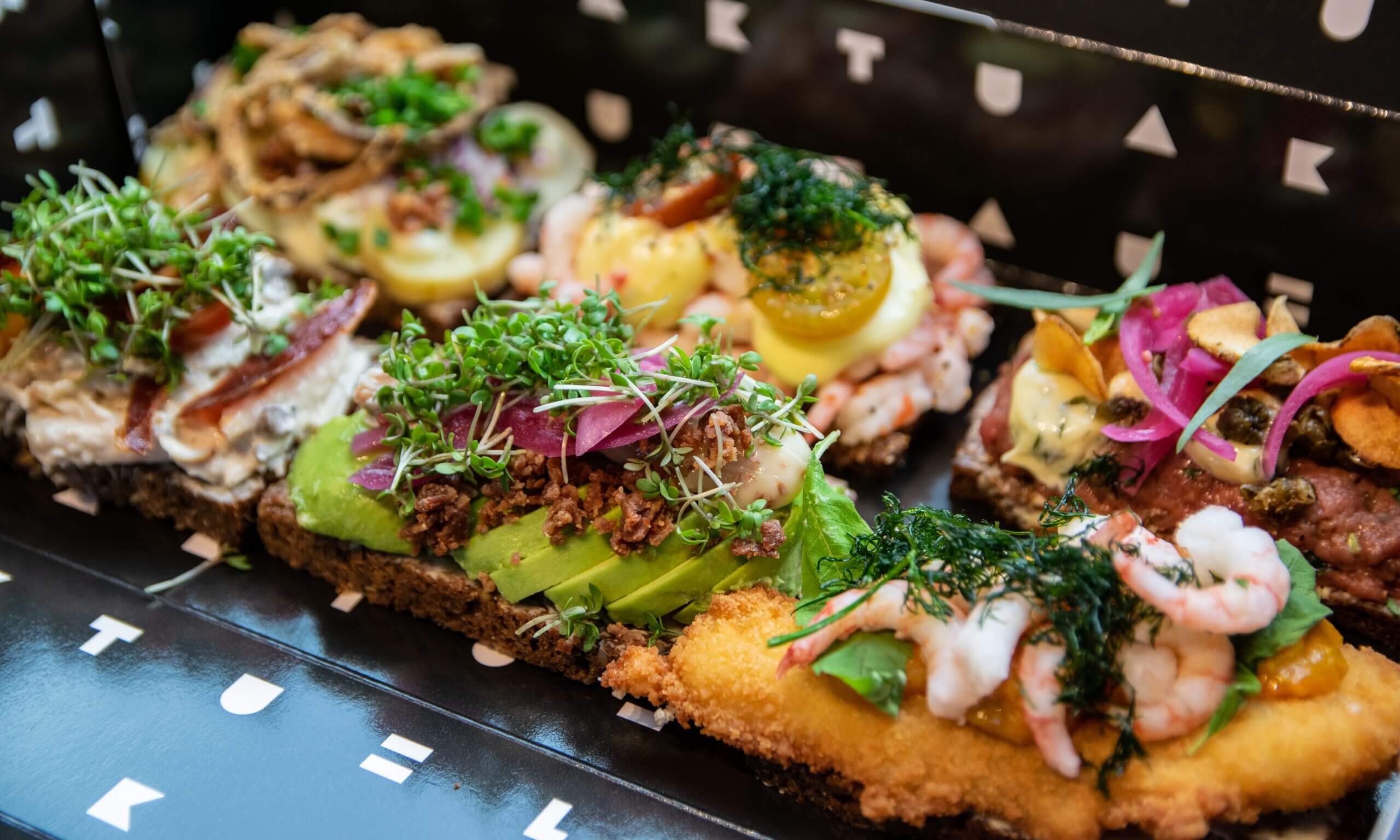
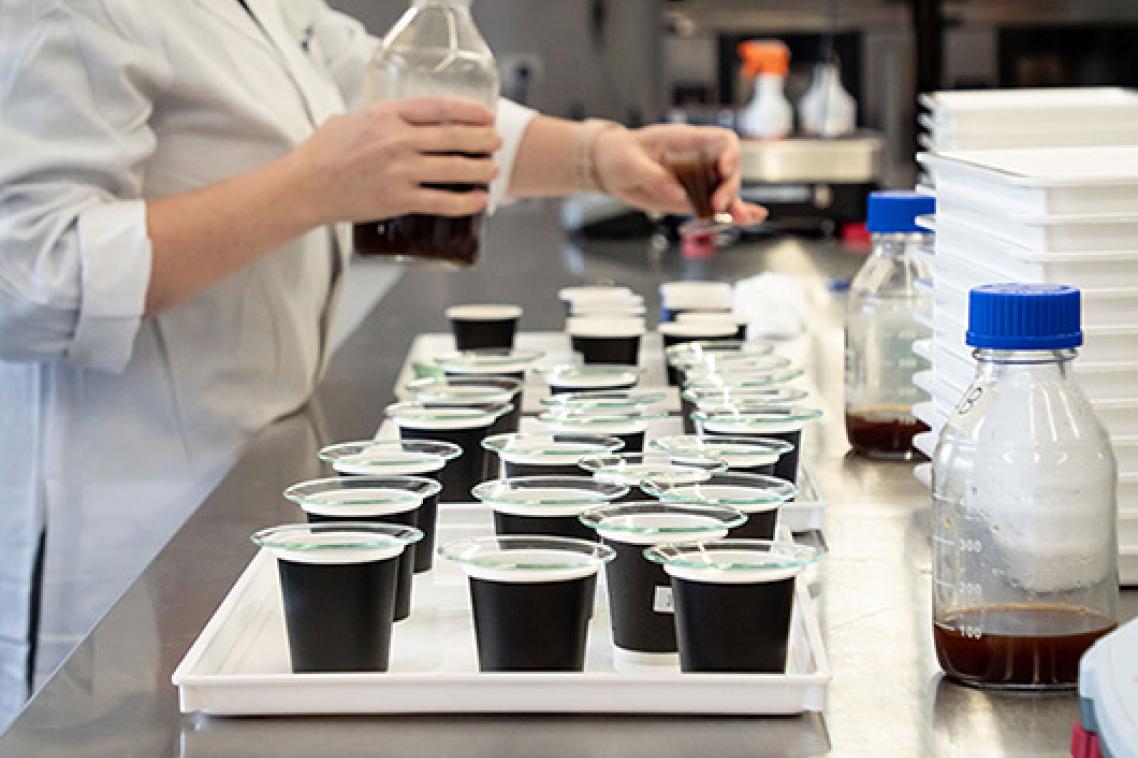
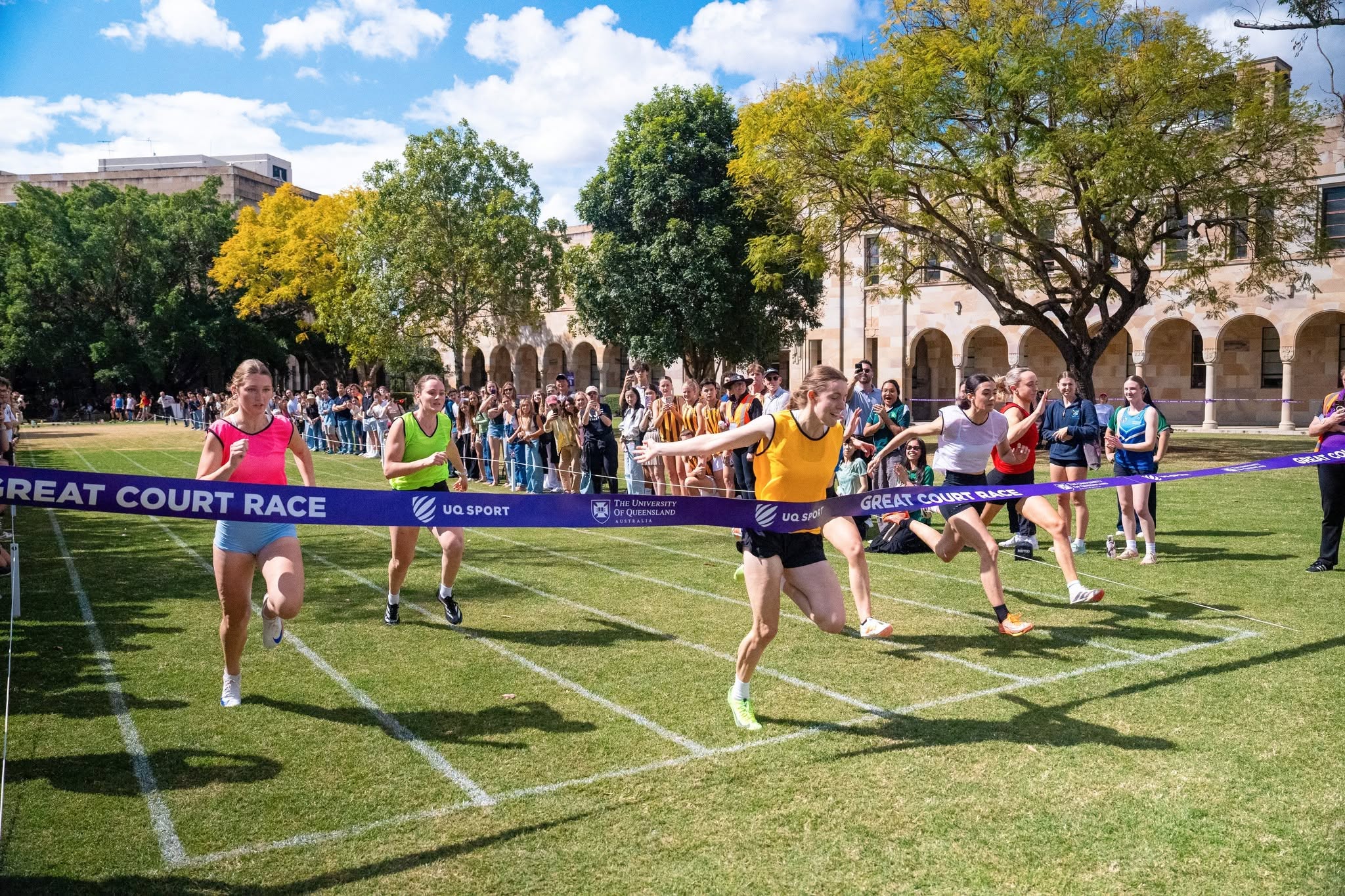
Hvis vi skal sikre den grønne omstilling, så skal vi sætte turbo på #power2x og skabe stabil energiforsyning. Derfor lancerer vi og @DTUtweet det nye pioneercenter CAPeX, der skal accelerere udviklingen af materialer til PtX-teknologi🟢Tak til @GrundforskFond! #dkpol#dkforskpic.twitter.com/cB0RgFkO8U
Situated near the heart of the settlement along the Arcadia Creek Watershed as a reminder that the postwar American campus was conceived as something more than classrooms, laboratories and residence halls. Planned during Western’s great expansion onto its West Campus, the chapel was made possible by the estate of alumnus William Kanley and completed in the early 1950s. It became a memorial to Western students lost in the Second World War.
Designed by Ralph Calder and Associates, Kanley belongs to Michigan’s mid-century modern tradition. Its restrained exterior, prominent tower and remarkable collection of 72 student-designed stained-glass windows give the building an unusually intimate relationship with the university community. Students did not merely occupy the chapel; they helped make it.
That relationship extended into the rhythm of campus life. Early Western yearbooks place weekly chapel services and Sunday evening meetings alongside concerts, lectures and theater as part of the university’s cultural life. Another remembers hymns sounding from Kanley’s bell tower across campus on quiet evenings.
This content is accessible to paid subscribers. To view it please enter your password below or send mike@standardsmichigan.com a request for subscription details.
In Lutheran memorial the traditional hymn does not treat death as defeat or a meritorious climb, but as the last stage of God’s gracious drawing. Its quiet, stepwise melody and repeated refrain make it especially suited to funerals: a humble prayer of trust rather than triumphant victory, ending in the hope of being “hjemme hos deg.”
#UQ ranked 41st in the world in the QS World University Rankings: Sustainability, which recognises an institution’s efforts across areas including environmental sustainability, education, research, and health and wellbeing.@worldunirankingpic.twitter.com/CJDfgqsqjs
“With this weekly post we want to introduce you into the culinary range of the English speaking world. Each week we present you an iconic dish and give you information around its origin, preparation and eating habits. This week we are visiting the Big Apple – New York. Bagels can be regarded as a true American melting-pot meal.” — von Nadja Wostiera (Language graduate and blog author)
This beautiful map was created by Charles Joseph Minard a round 1860s. He is one of the fathers of modern infographics. Here he visualises the vast German migration streams heading to the US via Hamburg and Bremen. Looking at it, it’s no surprise that so many North Americans… pic.twitter.com/rpRRXzan5k
— Simon Kuestenmacher (@simongerman600) May 31, 2026
This content is accessible to paid subscribers. To view it please enter your password below or send mike@standardsmichigan.com a request for subscription details.
This content is accessible to paid subscribers. To view it please enter your password below or send mike@standardsmichigan.com a request for subscription details.
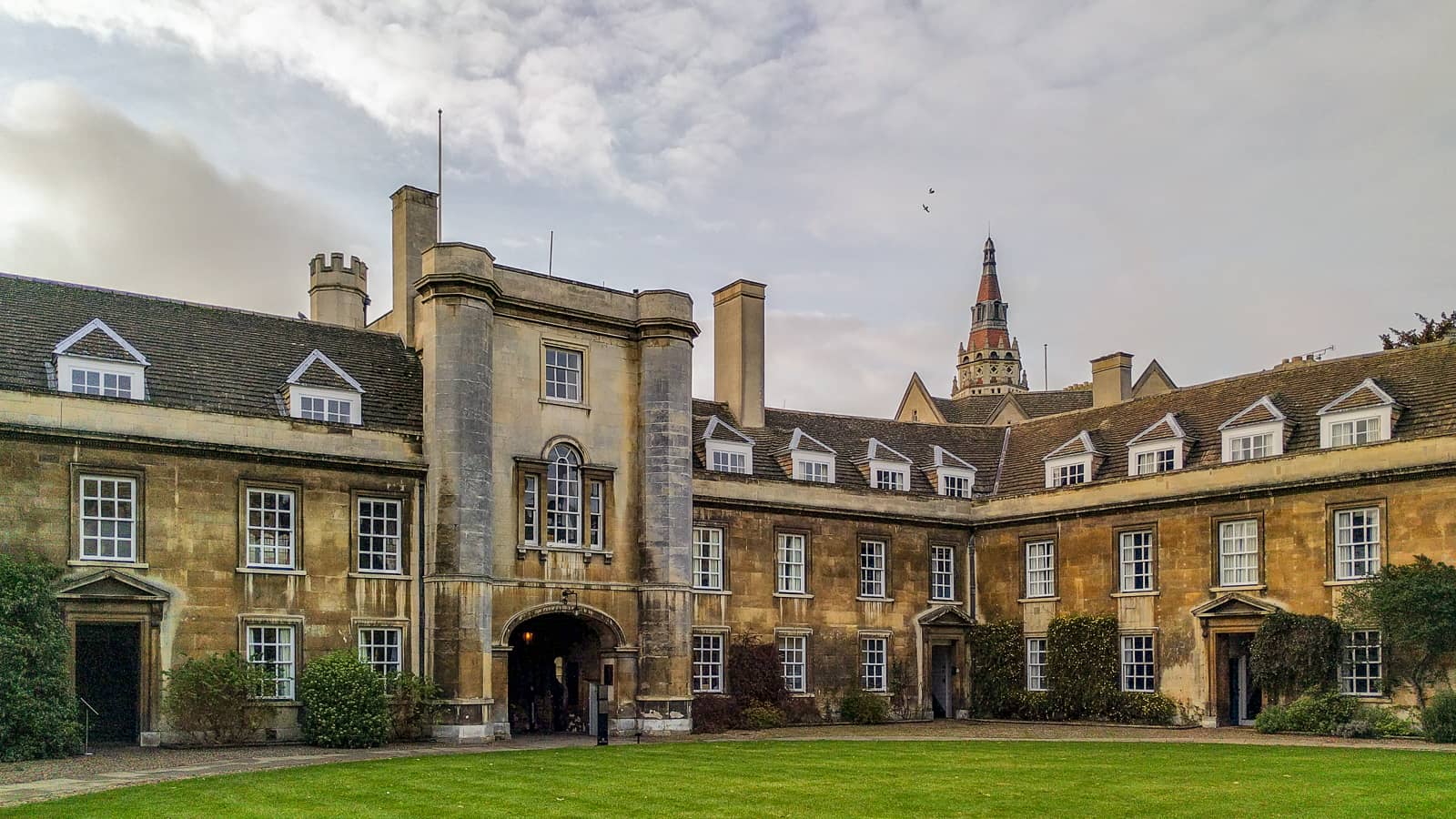
As with many Tudor-era buildings the result of Lady Margaret Beaufort patronage, there is no named architect. The Great Gate, the First Court, the Chapel and the surrounding ranges were designed “on the fly” by stonemasons at the job site.
§
§
For the 2021/22 cohort alone international students generated ~£41.9bn in benefits (tuition, living expenses, visitor spending) against £4.4bn in public service costs — a £37.4bn net benefit (benefit-cost ratio ~9.4:1). This equates to ~£560 per UK resident or £466 extra per working adult annually. They cross-subsidise UK students and research (domestic fees are frozen in real terms), support jobs in university towns, and boost exports. At places like Christ’s College, ~1/3 of undergraduates are international, helping sustain operations.
Economic: The money helps universities and local economies short-term, but doesn’t fix low UK productivity, skills gaps, or stagnant wages in non-university sectors. Many internationals return home after studies (or via the Graduate route), so long-term innovation/entrepreneurship spillovers are limited. Over-reliance risks vulnerability if numbers drop (as seen with recent policy changes).
Social/Housing/NHS: Rapid growth (post-2019 surge) adds pressure on housing stock, especially in student cities — contributing to shortages and higher rents in some areas. They pay the Immigration Health Surcharge and use fewer services than averages, but the scale strains local infrastructure.
Cultural: They enrich campuses with diversity and global perspectives, but rapid inflows can challenge social cohesion, integration, or a sense of shared national identity in some communities. Public opinion is mostly positive on a person-by-person basis but, taken en-mass, England-born English are wary — on now openly hostile — toward overall migration volumes.
Universities excel at education and soft power (future global leaders with UK ties), but they are not designed as primary tools for fixing domestic policy failures like planning laws, welfare design, or skills training. These require broader government action beyond attracting “aspirational” fee-payers.
New update alert! The 2022 update to the Trademark Assignment Dataset is now available online. Find 1.29 million trademark assignments, involving 2.28 million unique trademark properties issued by the USPTO between March 1952 and January 2023: https://t.co/njrDAbSpwBpic.twitter.com/GkAXrHoQ9T