University of Maine
Cooperative Extension: Maple Syrup Production


The Earth’s precession is a slow, cyclical motion of the rotational axis that causes the position of the celestial poles to change over time. This motion is caused by the gravitational influence of the Moon and Sun on the Earth’s equatorial bulge, and it has a period of about 26,000 years.
Over astronomical time, the Earth’s precession has caused a number of changes in the position of the stars and constellations in the sky. For example, due to precession, the position of the North Star, or Polaris, has shifted over time, and in ancient times, other stars, such as Thuban, were used as celestial markers for navigation. Additionally, precession can cause changes in the length and timing of the seasons over long timescales.
The Earth’s precession is affected by a number of factors, including the gravitational pull of other planets, the shape of the Earth’s orbit around the Sun, and the distribution of mass within the Earth itself. These factors can cause slight variations in the rate and direction of precession over time.
Overall, while the effects of precession on the Earth’s rotation and position in the sky are not easily observable on human timescales, they are an important component of the Earth’s long-term astronomical behavior.

University of Nebraska Foundation $2.3B
🌾 “UNL Extension and the Crop/Water Specialists helped me find success in my return to the farm. The TAPS competition has been instrumental AND is helping spread awareness of the myriad challenges of production agriculture,” shared a donor. ❤️
🙏 Thank you, Glow Big Red donors! pic.twitter.com/y4FRMBk1mc— Nebraska Extension (@UNLExtension) February 21, 2024
UNL CAMPUS & LANDSCAPE MASTER PLANS

— Charles Louis de Secondat, Baron de La Brède et de Montesquieu
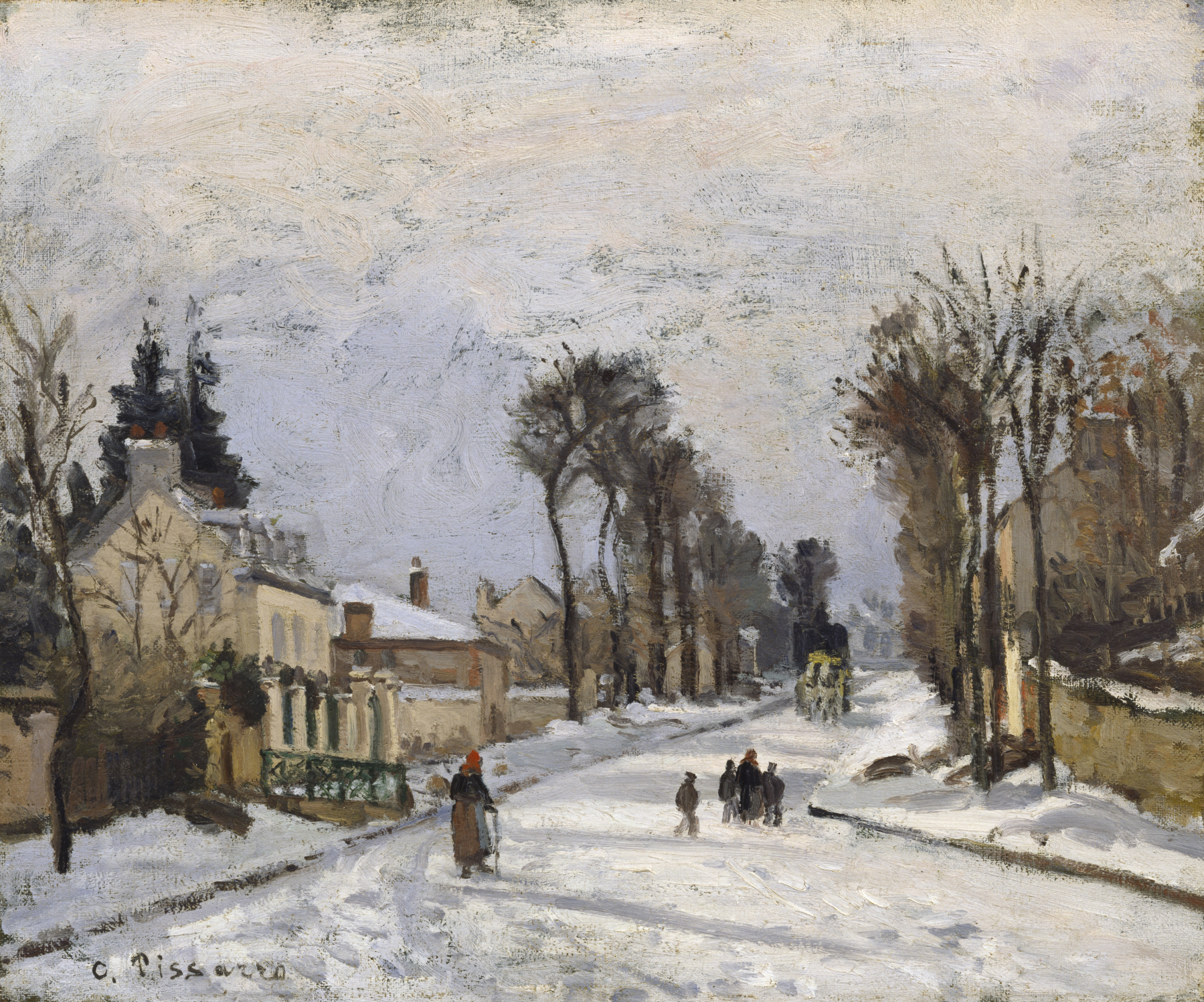
“Road to Versailles at Louveciennes” 1869 Camille Pissarro
Today and its Slip and Fall season everywhere. Accordingly, at the usual hour, we review best practice literature for the safety and sustainability of the surfaces beneath our feet; with special focus on the risk aggregation in educational estates.
Bates v. State Bar of Arizona, 433 U.S. 350 (1977)
Related coverage:
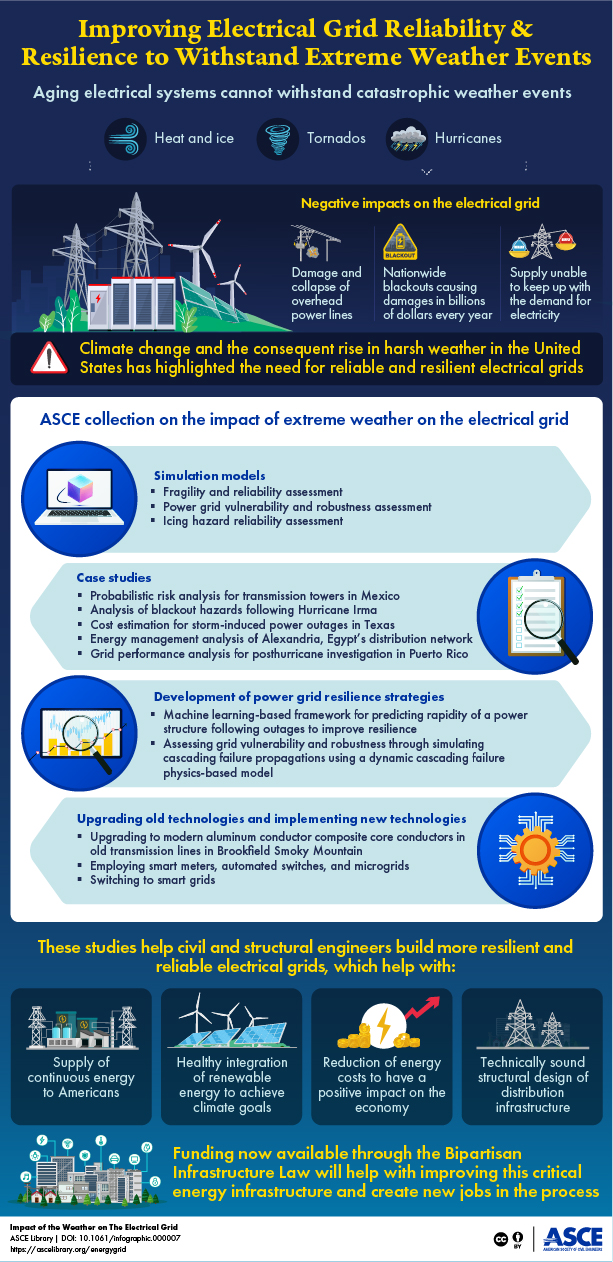
Heat tracing is a process used to maintain or raise the temperature of pipes and vessels in order to prevent freezing, maintain process temperature, or ensure that products remain fluid and flow through the system properly.
Heat tracing works by using an electric heating cable or tape that is wrapped around the pipe or vessel, and then insulated to help retain the heat. The heating cable is connected to a power source and temperature control system that maintains the desired temperature by regulating the amount of heat output from the cable. Heat tracing is commonly used in industrial applications where temperature control is critical, such as in chemical plants, refineries, and oil and gas facilities.
There are several types of heat tracing, including electric heat tracing, steam tracing, and hot water tracing, each of which have their own unique advantages and disadvantages. The selection of the appropriate type of heat tracing depends on the specific application and the required temperature range, as well as factors such as cost, maintenance, and safety considerations.
The literature for snow and ice management (and enjoyment) produced by these standards-setting organizations:
Accredited Snow Contractors Association
American Society of Civil Engineers
American Society of Mechanical Engineers
ASTM International
Destructive Deep Freeze Strikes Cold and Hot Regions Alike
Institute of Electrical & Electronic Engineers
Electrical Heat Tracing: International Harmonization — Now and in the Future
Indiana University.
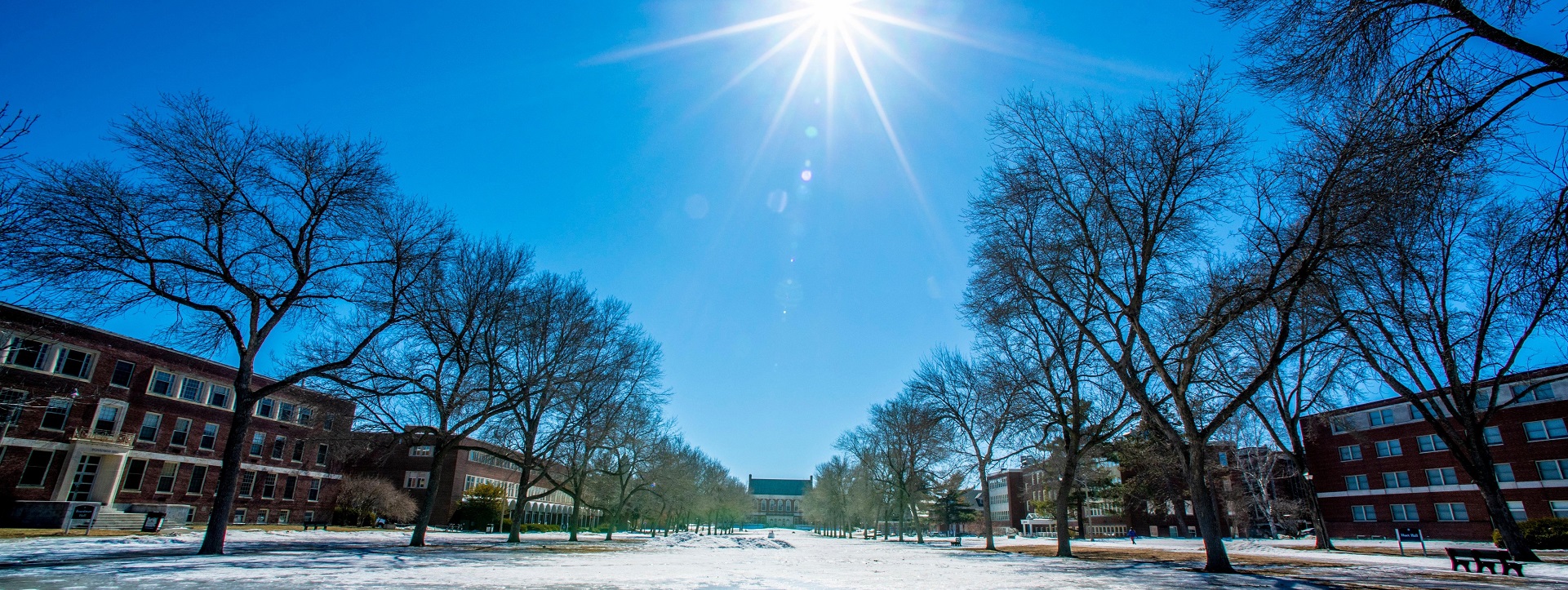
The most beautiful college campus in the country covered in snow. pic.twitter.com/Tp33cQgKuq
— Alex Paul Photo (@alexpaulphoto) January 11, 2025
International Code Council
International Building Code: Chapter 15 Roof Assemblies and Rooftop Structures
National Electrical Contractors Association
National Fire Protection Association
Winter is Coming: Is Your Facility Protected? (Holly Burgess, November 2022)
National Electrical Code: Articles 426-427
National Floor Safety Institute
Snow and Ice Management Association
Underwriters Laboratories
Manufacturers:
Chromalox Electrical Heat Tracing Systems Design Guide
It is a surprisingly large domain with market-makers in every dimension of safety and sustainability; all of whom are bound by state and federal regulations.
Join us at 16:00 UTC with the login credentials at the upper right of our home page.
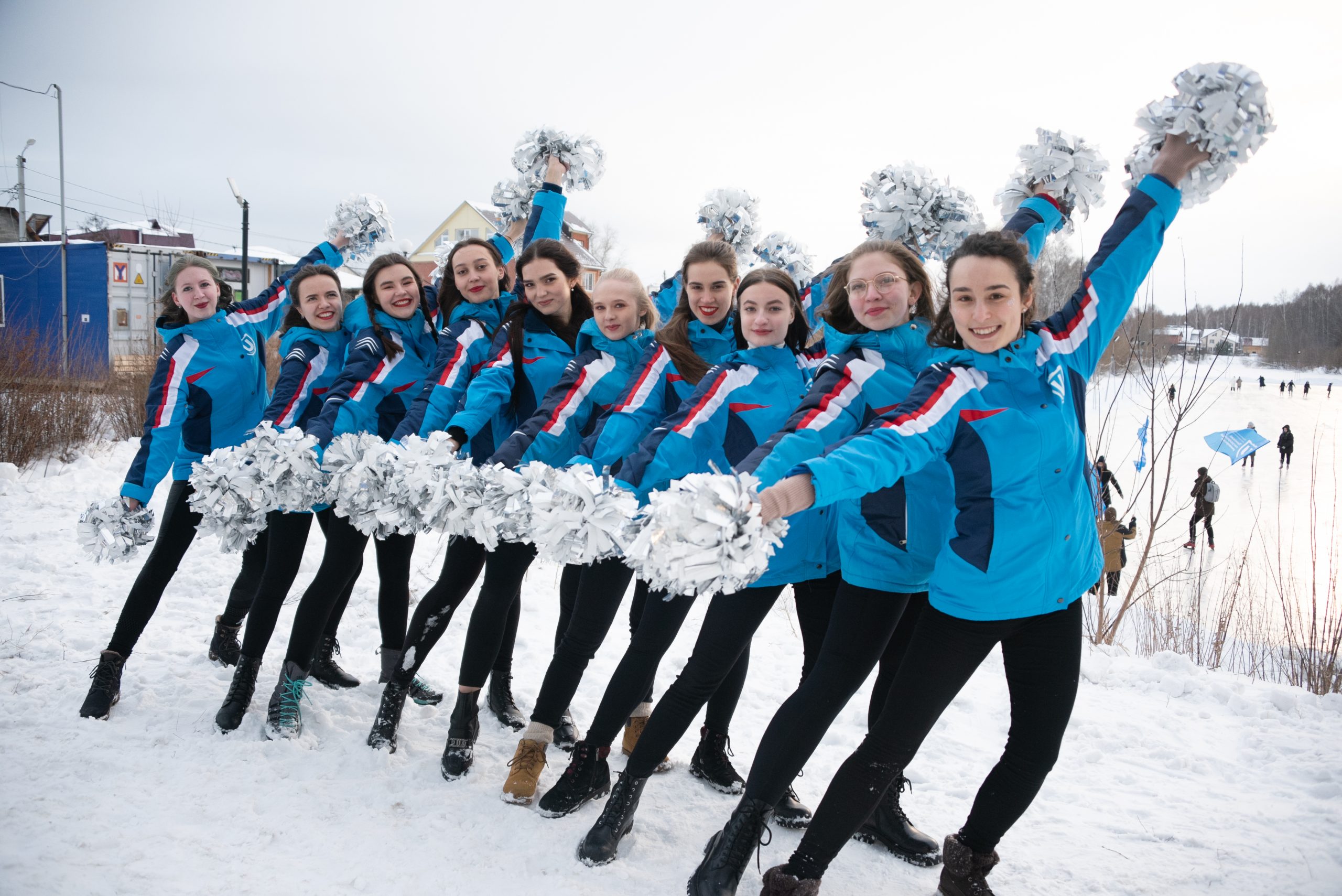

Red surely made the most of his snow day! 🛷 ☃️
Who’s team snow on campus? ❄️ pic.twitter.com/F03KX1XyaR
— The Catholic University of America (@CatholicUniv) January 14, 2025
There have been several recent innovations that have made it possible for construction activity to continue through cold winter months. Some of the most notable ones include:
Overall, these innovations have made it possible for construction crews to work through the winter months more comfortably and safely, which has helped to keep projects on schedule and minimize delays.
Somewhat related:
Capturing snow flakes as the fall out of the sky
[📹 Dmitry Dotsenko / dots_foto]pic.twitter.com/e3rwNUGLmK
— Massimo (@Rainmaker1973) January 29, 2025
Brown University 2025 Net Position: $8.934B | Endowment FY 2025 $8.0B
Institutional Master Plan | Design and Construction Standards
5 Easy Breakfast Foods You Can Make In Your Dorm https://t.co/6siczK0w3x
— Standards Michigan (@StandardsMich) April 18, 2026
On #MemorialDay, Brown remembers those who have died serving in the U.S. military.
Along with several other monuments on campus, Soldiers Memorial Gate stands as a reminder of the service, sacrifice and selflessness of those who have lost their lives serving their country. pic.twitter.com/Au4zBynruY
— Brown University (@BrownUniversity) May 27, 2024
A wrongful death suit filed November 3, 2025 against FirstEnergy Corporation. Allegation: Improper maintenance and inspection of power infrastructure led to the son’s fatal electrocution near State College, Pennsylvania. It is a relatively new filing so s full public docket appears not available at this time. We include it in today’s agenda as we prepare our comments on the First Draft of the 2028 National Electrical Safety Code.
Related coverage
https://www.centredaily.com/news/local/community/state-college/article312761449.html
https://www.centredaily.com/news/local/community/article302210044.html
https://www.centredaily.com/news/local/community/state-college/article305361446.html
Relevant safety standards we cover:
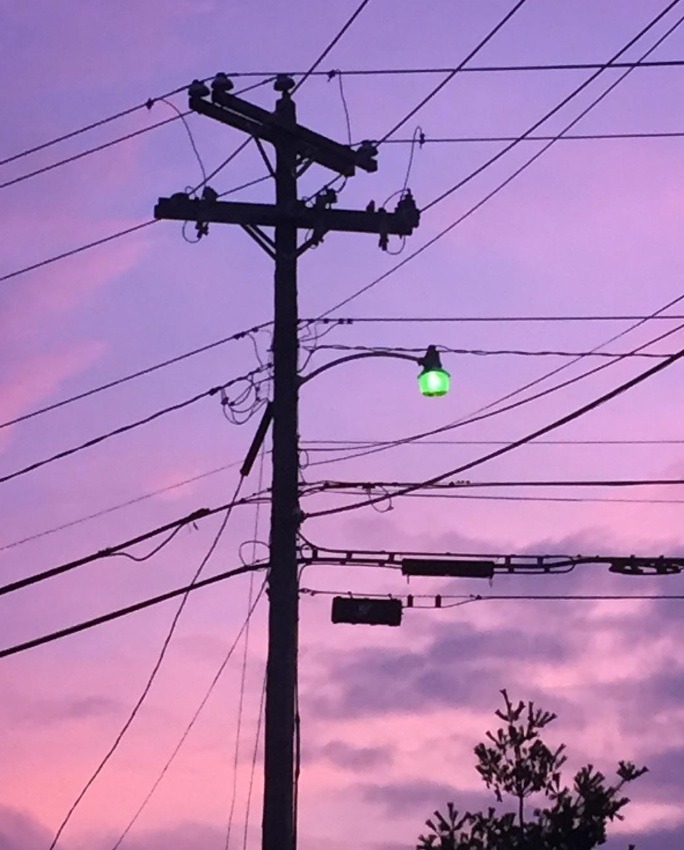
Photo taken by a friend of Mike Anthony (Thalassa Raasch, Harvard ’20) Now on the faculty at the University of Iowa
Today we review, and prepare a response to one of the 2028 National Electrical Safety Code technical committees Call for Public Comment on CP 6026 (RE: vegetation management around power and communication infrastructure). During tomorrow’s online meeting of the IEEE Education & Healthcare Facilities Committee we will examine a first draft, put on the polish and then ship ahead of next Tuesday’s deadline.
Standards Oregon | Lively Arts
“Beware the Ides of March” is a famous warning from Shakespeare’s Julius Caesar. In the play, a soothsayer tells Caesar on February 15, 44 BC, to beware the “Ides of March”—the 15th day of March in the Roman calendar. The phrase foreshadows Caesar’s assassination on that exact date by senators including Brutus. It has since become a cultural idiom symbolizing impending danger, betrayal, or a fateful day to be cautious
Risk Management | Security (Doors)

“The Death of Julius Caesar” | 1806 Vincenzo Camuccini
Standards North Dakota | AIA North Dakota

Explaining American Cultural History

CLICK IMAGE
History of Germans from Russia
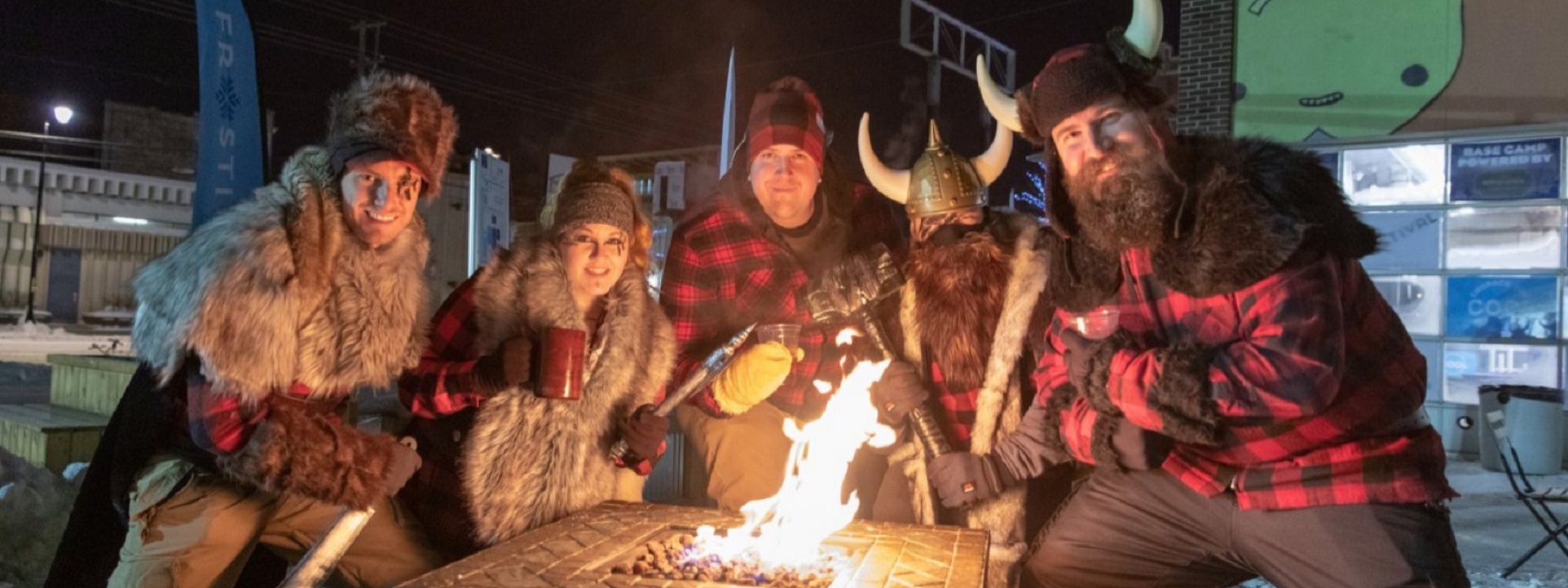
🏈President Donald J Trump with North Dakota State University, 2025 Division 1 Football Champions, in The East Room of The White House! MAKE FOOTBALL GREAT AGAIN!🇺🇸🇺🇸🇺🇸🇺🇸🇺🇸 pic.twitter.com/LiYgrTLTgb
— Michael Solakiewicz (@michaelsolakie) April 10, 2025
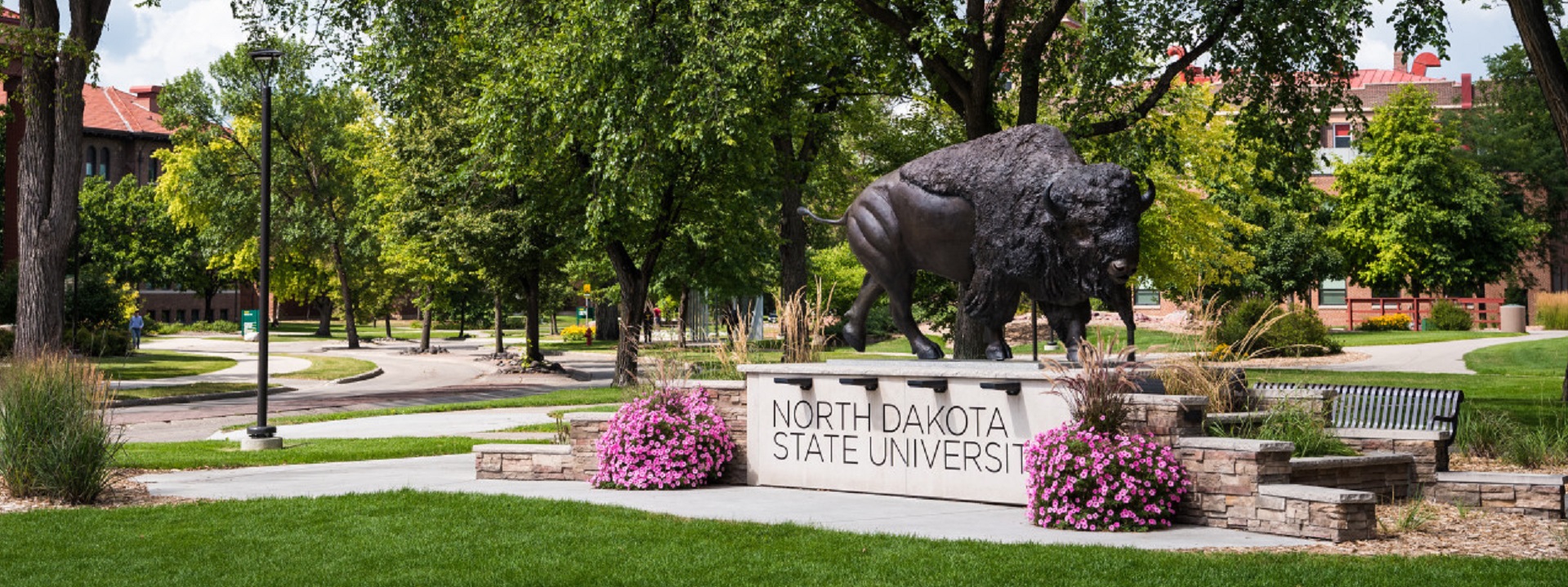
North Dakota State University | Cass County
North Dakota One Room Schoolhouses
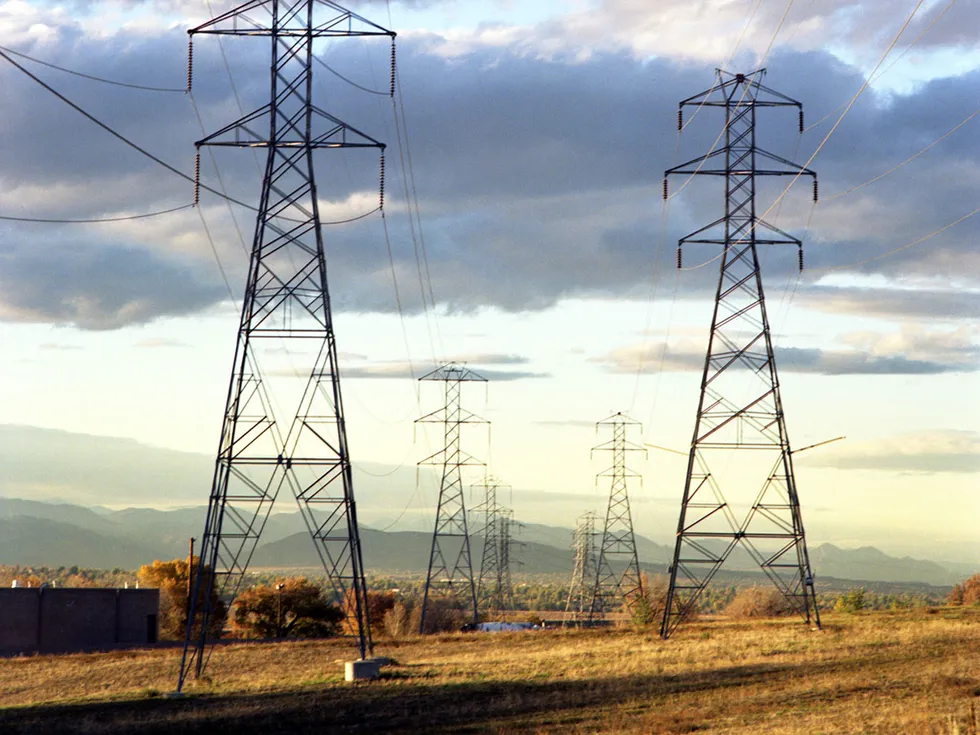
Optimization of Transmission Line Right-of-Way
Ajaykumar Patel, et. al
School of Engineering & Technology, Central Queensland University, Melbourne, Australia
Abstract: A specific land is required to design the transmission line to construct effectively and maintain properly is called right of way of transmission line. It is calculated by considering mainly three electrical quantity related transmission line such as electric field, magnetic field and radio interference. Corona effect is considered for the evolution of right of way. By considering these parameters, it provide idea related to effect surrounding the area nearby transmission line.

The determination of transmission line right of way for public electric utilities typically involves a combination of legal considerations, regulatory requirements, environmental assessments, and public engagement:
Planning and Route Selection: Public electric utilities assess their power transmission needs based on factors such as population growth, energy demand, and infrastructure upgrades. They consider various potential routes and alternatives, taking into account factors like terrain, existing infrastructure, land use, and environmental sensitivities.
Environmental and Impact Assessments: Utilities conduct environmental and impact assessments to evaluate the potential effects of the proposed transmission line routes. These assessments examine factors such as wildlife habitats, endangered species, wetlands, water bodies, cultural or historical sites, and scenic landscapes. The purpose is to identify potential impacts and propose mitigation measures.
Regulatory and Permitting Process: Public utilities must comply with applicable laws and regulations governing transmission line development. This includes obtaining necessary permits and approvals from relevant regulatory agencies at the federal, state, and local levels. The requirements vary depending on the jurisdiction, but they often involve environmental agencies, land management agencies, and public utility commissions.
Public Engagement and Consultation: Utilities engage in public consultation and outreach to gather feedback from affected communities, landowners, and stakeholders. They conduct public hearings, open houses, and meetings to inform the public about the project, address concerns, and consider alternative routes suggested by the community. This engagement helps ensure transparency and public input in the decision-making process.
Negotiations and Eminent Domain: Utilities negotiate with landowners along the proposed transmission line route to acquire the necessary right of way. In some cases, if an agreement cannot be reached, utilities may exercise eminent domain, which is a legal process that allows them to acquire the land for public use while providing just compensation to the affected landowner.
Legal Framework: The legal framework for determining transmission line right of way varies by jurisdiction. Laws related to land use, zoning, environmental protection, and eminent domain play a role in defining the process and requirements for securing right of way.
Procedures vary depending on the country, state, or region where the transmission line is being developed. Local regulations, environmental conditions, and public engagement practices will influence the overall process.
Related:
Optimization of Transmission Line Right-of-Way
Diminishing the Right of Way (RoW) With Multi Voltage Multi Terminal Transmission Tower
Information System for the Vegetation Control of Transmission Lines Right-of-way
Partially underground transmission circuits: safety issue for current and future power systems
IEEE Guide to the Installation of Overhead Transmission Line Conductors, IEEE Std. 524, 1992
Pacific Gas & Electric: Overhead Transmission Line Design Criteria
New update alert! The 2022 update to the Trademark Assignment Dataset is now available online. Find 1.29 million trademark assignments, involving 2.28 million unique trademark properties issued by the USPTO between March 1952 and January 2023: https://t.co/njrDAbSpwB pic.twitter.com/GkAXrHoQ9T
— USPTO (@uspto) July 13, 2023
Standards Michigan Group, LLC
455 East Eisenhower Parkway, Suite 300
Ann Arbor, MI 48108 USA
888-748-3670
 |
 |
|
 |
 |
|
 |
 |