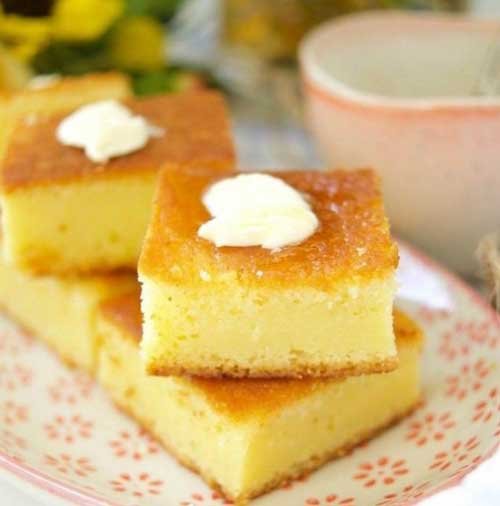
An “gezelligheid” moment on the evening of December 5th (Sinterklaasavond). Adults gather after children go to bed with gifts (remember children?), enjoying strong coffee generously laced with genever or another jenever-like spirit, often spiced with cinnamon or anise. Sometimes topped with whipped cream, it warms the festive mood while singing traditional Sinterklaas songs and sharing stories of Sint and his Zwarte Pieten who arrive on a boat from Spain.
Tomorrow Sinterklaas will arrive in the Netherlands from his home in Spain, bringing presents and special treats for children. Learn more about the celebrations to welcome his arrival in #Amsterdam and this amazing Dutch holiday: https://t.co/Guioc6M5Zipic.twitter.com/6HYoMrPNnO
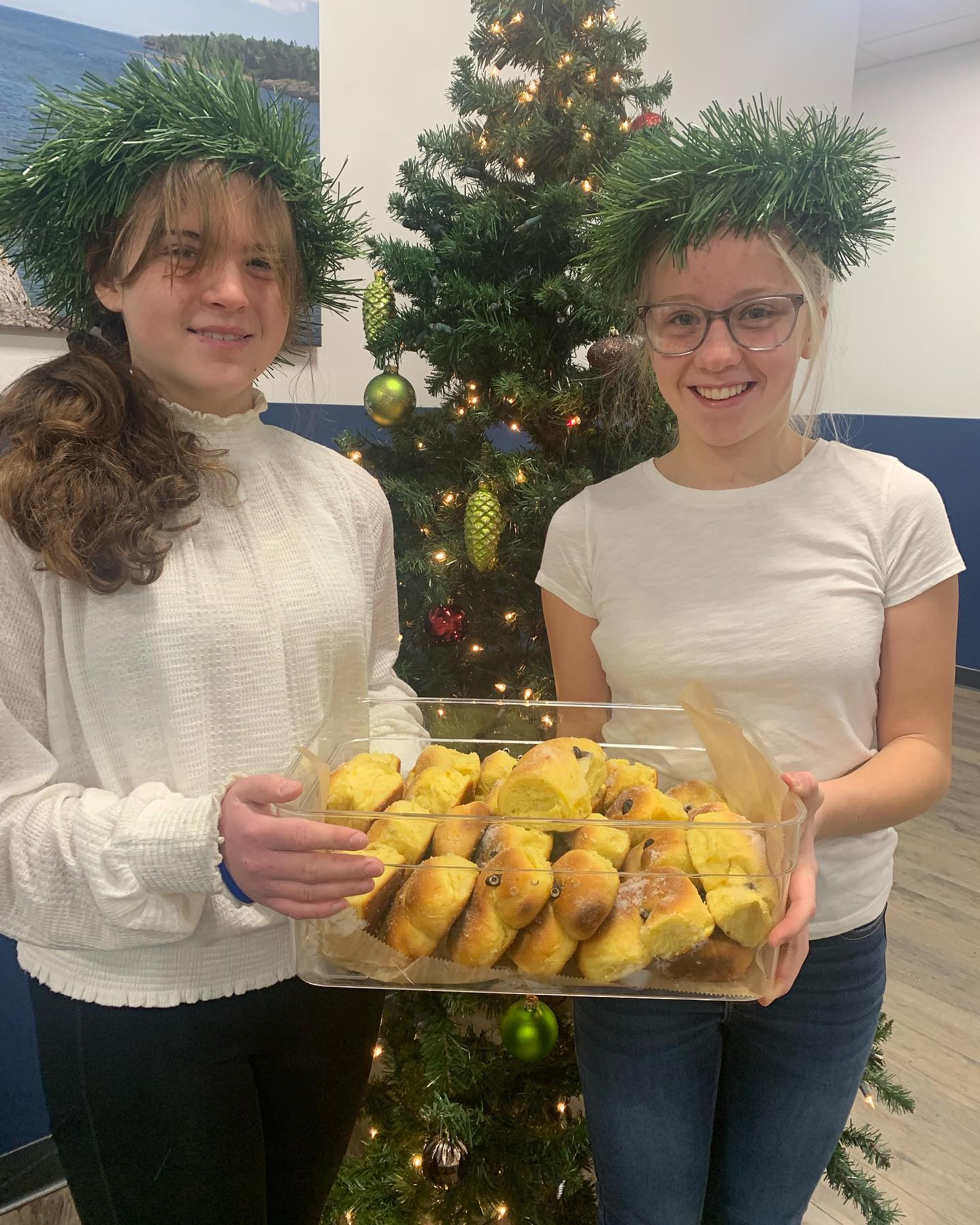
Across our campuses, Davenport is spreading holiday cheer! ❤️ From food drives to toy collections and volunteer events, our students, faculty, and staff are giving back and making a difference this season. 🎄🌟 Learn more here: https://t.co/MT6VjVN2XUpic.twitter.com/ALgbVcxTjr
“Self-Reliance” by Ralph Waldo Emerson is an essay that emphasizes individualism, nonconformity, and the importance of trusting one’s own instincts. Here are some passages from this influential accomplishment that informs American culture:
“Trust thyself: every heart vibrates to that iron string.”
” A foolish consistency is the hobgoblin of little minds, adored by little statesmen and philosophers and divines.”
“To be great is to be misunderstood.”
“Whoso would be a man must be a nonconformist.”
“Nothing can bring you peace but yourself. Nothing can bring you peace but the triumph of principles.”
These excerpts capture the essence of Emerson’s philosophy in “Self-Reliance,” promoting the idea of individualism, self-trust, and the pursuit of one’s unique path in life.
We have avoided listing interpretations offered by artificial intelligence algorithms because those algorithms are informed by at least one-hundred years of biased interpretation by scholars funded by the US federal government which has long since grown hostile to individualism; worthy coffee-house debate. We recommend you consult the original text, linked above.
💉✨ Choose your pathway to nursing success! Davenport’s BSN program offers flexible admission options, no waitlists, and three years of hands-on learning. Apply now! https://t.co/nJB6eNMhBs
“Established in 1956, National University of Natural Medicine is the oldest accredited naturopathic medical university in North America and a leader in natural medicine education and evidence-based research. As one of the most respected universities of natural medicine in the world, our participation in international medical education and research is routinely solicited. We believe in the healing power of nature, and that food is medicine.”
Peppermint, scientifically known as Mentha × piperita, is a hybrid mint, a cross between watermint (Mentha aquatica) and spearmint (Mentha spicata). It belongs to the Lamiaceae family, which also includes other aromatic herbs like basil, rosemary, and lavender. Here are some key scientific points about peppermint:
Botanical Classification: Lamiaceae
Characteristics: Peppermint is a herbaceous perennial plant known for its distinctive minty aroma and flavor. It has square-shaped stems, serrated leaves, and produces small purple or white flowers in spikes.
Chemical Composition: The characteristic flavor and scent of peppermint are attributed to its essential oil, which contains menthol as a major component. Other compounds found in peppermint oil include menthone, menthyl acetate, and various terpenoids.
Cultivation: Peppermint is a hardy plant and is known to grow well in a variety of climates. It is often cultivated for commercial purposes, both for its culinary use and the extraction of essential oils.
Peppermint has been adapted for pharmaceutical and cosmetic purposes. Its essential oil is extracted for use in aromatherapy, and peppermint tea is a common herbal infusion enjoyed for both its taste and potential health benefits.
Durham (Dunholm O.E.) as a Northumbrian learning settlement originates with its Cathedral; founded in 995 AD as part of a Benedictine monastery. Monks maintained libraries and created an intellectual hub for the English speaking peoples. Fast forward a millennium and we find “DU Coffee Society” which describes itself as a welcoming space for students to learn about coffee making, latte art and each other.
🗣️Did you miss out on Assembly last week? Don’t worry, our Media Observer, Nicole Ireland, was there to catch all the action!
This content is accessible to paid subscribers. To view it please enter your password below or send mike@standardsmichigan.com a request for subscription details.
This content is accessible to paid subscribers. To view it please enter your password below or send mike@standardsmichigan.com a request for subscription details.
The crossover was inevitable — wine inspired coffee. Respecting today’s release of Beaujolais Nouveau in the Vallée de la Saône we reflect upon “enlightened” coffee varieties and preparations that classically “pair” with wine — either as contrast or complement. Anaerobic or carbonic-maceration coffees (very “winey” ferments). Many modern specialty lots taste like red fruit jam, Concord grape, or even Lambrusco. As with the wine itself: not for coffee snobs.
Beaujolais Nouveau is a young, light, fruity red wine made from Gamay grapes in the Beaujolais region of France (just south of Burgundy). Unlike most red wines that are aged for months or years, Beaujolais Nouveau is rushed from the vineyard to the bottle in just 6–8 weeks using a special fermentation technique called carbonic maceration (which gives it its signature banana/strawberry/candy-like flavors).
By French law, it cannot be released before one minute past midnight on the third Thursday of November. This has turned the release into a global marketing event that started in the 1970s–80s:
At midnight, the phrase “Le Beaujolais Nouveau est arrivé !” (“The Beaujolais Nouveau has arrived!”) is shouted in bars, restaurants, and wine shops.
There used to be literal races (by car, helicopter, hot-air balloon, etc.) to get the first bottles to Paris and later to cities around the world (Tokyo, New York, London…).
It’s marketed as a fun, unpretentious “party wine” meant to be drunk young and slightly chilled.
Reputation today
Serious wine lovers often look down on it (it’s simple and can taste artificial to some).
But millions of people still love it as the unofficial kickoff to the holiday/winter drinking season — a light, festive, easy-drinking red that says “the new vintage is here!”
Beaujolais Nouveau Day celebrates the year’s freshest, fruitiest red wine released with maximum fanfare and zero pretension.
New update alert! The 2022 update to the Trademark Assignment Dataset is now available online. Find 1.29 million trademark assignments, involving 2.28 million unique trademark properties issued by the USPTO between March 1952 and January 2023: https://t.co/njrDAbSpwBpic.twitter.com/GkAXrHoQ9T