
Category Archives: Food/Kitchen/Farm/Agriculture
- Home
- Archive by category "Food/Kitchen/Farm/Agriculture" (Page 9)


Chilled Banana Pudding Overnight Oats
2024 Net Position: $880,267,990 (Page 4) | Senior Administration Organization Chart
Banana Pudding Overnight Oats is a delicious and nutritious breakfast dish made by combining rolled oats, mashed bananas, milk, and other flavorings, and allowing them to sit and “soak” in the refrigerator overnight. This results in a creamy, flavorful, and satisfying bowl of oats that are ready to eat in the morning without any cooking required. It’s convenient make-ahead breakfast option that can be customized to suit individual tastes and dietary preferences. Here’s a simple recipe for Banana Pudding Overnight Oats:
Ingredients:
1 ripe banana, mashed
1/2 cup rolled oats
1/2 cup milk (any type of milk, such as dairy milk, almond milk, or coconut milk)
1 tablespoon chia seeds (optional)
1 teaspoon vanilla extract
1/2 teaspoon ground cinnamon
1/4 teaspoon salt
1 tablespoon sweetener of choice (such as honey, maple syrup, or agave nectar)
Additional banana slices, crushed cookies, or whipped cream for garnish (optional)
Instructions:
In a medium-sized bowl, mash the ripe banana with a fork until smooth. Add the rolled oats, milk, chia seeds (if using), vanilla extract, cinnamon, salt, and sweetener to the bowl with the mashed banana. Stir well to combine. Cover the bowl with plastic wrap or a lid and refrigerate overnight, or for at least 4-6 hours, to allow the oats to absorb the liquid and soften.
In the morning, give the oats a good stir and adjust the sweetness or consistency to taste by adding more sweetener or milk if desired. Serve the Banana Pudding Overnight Oats in bowls or jars, and garnish with additional banana slices, crushed cookies, or whipped cream if desired.
Enjoy your delicious and creamy Banana Pudding Overnight Oats for a nutritious and convenient breakfast!
vbvbvbvb
More:
Texas A&M University: Banana Nut Overnight Oats
Harvard University: Oats the Nutrition Source
Colorado University: Overnight Oats
US Food & Drug Administration: Gluten-Free Labeling of Foods



Danish Beer Culture
Standards Denmark | Danish Standards Foundation

Fancy a Friday drink… made of waste? 🍸🤔
In collaboration with a local distillery engineers at #AarhusUni are exploring the potential of producing beverages using the company’s residual products♻️https://t.co/29POcE6Qm8#AUgreen #AUengineering pic.twitter.com/CbFjYJ8ipC
— Aarhus University (@AarhusUni_int) August 13, 2021

Halloween Cooking
Wishing our Elon community a spook-tacular Halloween! pic.twitter.com/IShrS5H5PU
— Elon University (@elonuniversity) October 31, 2025

World Census of Agriculture
”Create in me a pure heart, O God, and renew a steadfast spirit within me.„ Psalms 51:10
Have a blessed Sunday all who feed humanity! #dairy #beef … pic.twitter.com/BG68A4Sn5h— Ion Moraru 🇺🇦 (@IonMoraruDairy) February 18, 2024
University of North Carolina Greensboro: The Cobb Douglas Production Function
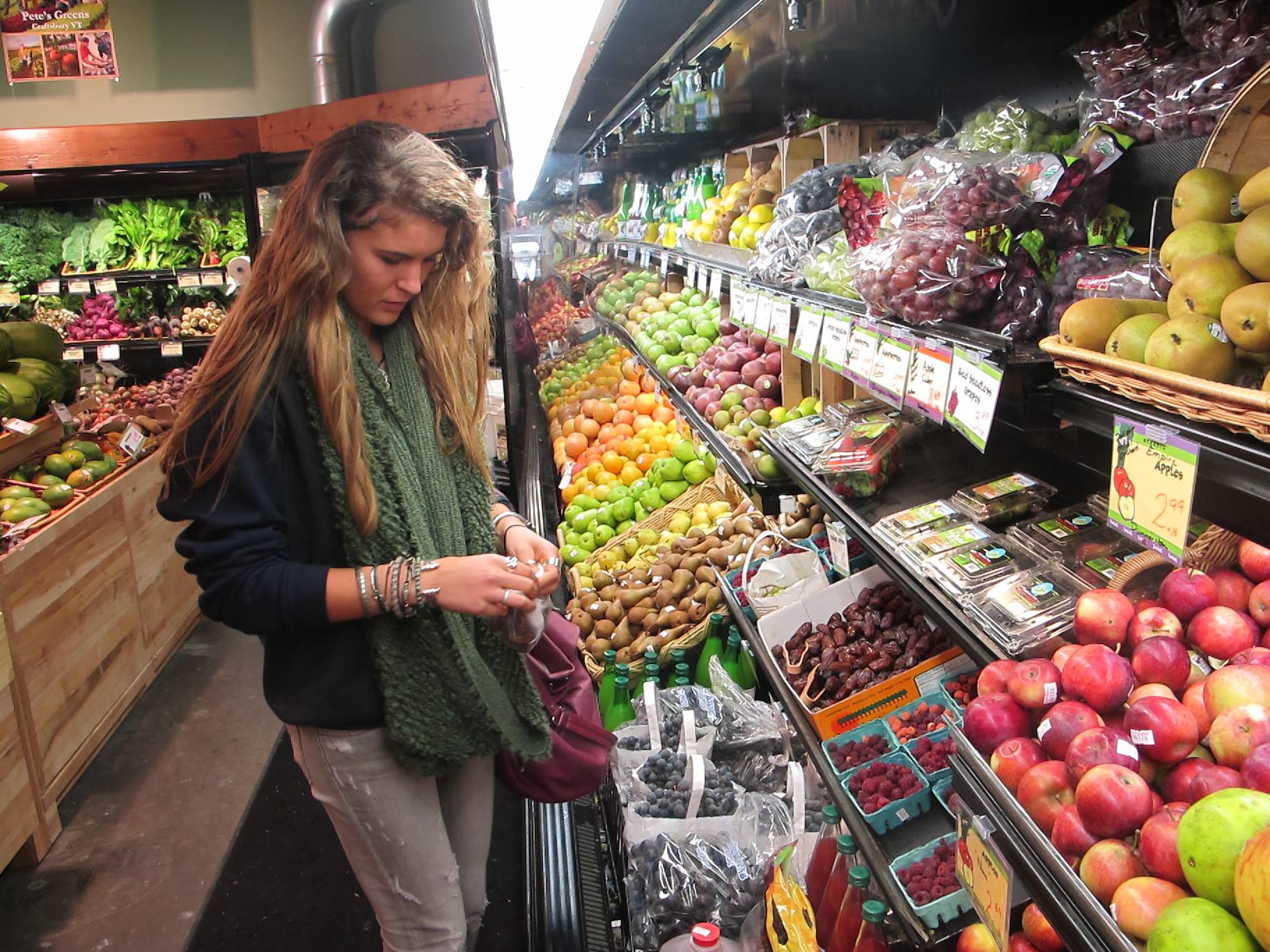
Much like its role as a discoverer of new knowledge and as a large consumer in the energy sector, education communities have a significant role in food security research and as a consumer in its school lunch programs, dormitory, athletic facility and healthcare enterprises. Accordingly — in much the same way we follow the US Census Bureau’s monthly construction activity report — we follow a data point provided by the US Department of Agriculture (USDA) as one of our stars to steer by.
Global crop lands visualized by @pythonmaps. Lots of fun things to spot on this map. Nile, Himalayas, Great Dividing Range (Australia), Sahara, Pampas. What else stands out to you? pic.twitter.com/Qdw5UJqZDB
— Simon Kuestenmacher (@simongerman600) September 15, 2023
The World Agricultural Supply and Demand Estimates is a monthly report published by the USDA that provides comprehensive forecast of supply and demand for major crops (global and United States) and livestock (U.S. only). The report provides an analysis of the fundamental condition of the agricultural commodity markets for the use of farmers, governments and other market participants.
World Agricultural Supply & Demand Estimates | September 12, 2025


We maintain the WASDE report on our periodic Nourriture colloquia. See our CALENDAR for the next online meeting; open to everyone
You’ll rarely need a doctor, lawyer, or policeman
But every day, three times a day, you need a farmer pic.twitter.com/X4CTPe11eT
— Conor Lynch (@c_k_lynch) July 25, 2022
More

Family of Mr. Schoenfeldt | Sheridan County, Kansas
Source: Farm Security Administration Russell Lee photographer

Food Code 2022

“Fall Plowing” | Gant Wood (1880)
Food safety is an obvious priority for education communities, given the prevalence of school lunch programs, student residence meal services, university-affiliated hospitals, athletic and entertainment event concessions — too many to count. We find food services in the interstitial spaces of traditional educational occupancies such as libraries and student recreation centers. Many land grant colleges and universities were founded to develop agricultural programs for local food supply and safety. It is fair to say that there are far more people involved in food preparation and delivery services than there are skilled tradespersons such as electricians, plumbers, carpenters, software programmers, etc.
The food supply chain is an essential feature of education community infrastructure so we track the literature of food safety and sustainability here; starting with one of its foundational documents with the force of law.

Capra hircus
Goat farming is an important source of livelihood for many small-scale farmers in developing countries, particularly in regions such as sub-Saharan Africa and South Asia. The FAO estimates that more than 90% of the world’s goats are raised in developing countries, where they provide a critical source of food and income for rural communities.
Overall, the global goat farming industry continues to grow, driven by increasing demand for goat meat and milk products, as well as the potential for sustainable agriculture practices.
Advantages:
Low start-up costs: Goat farming requires relatively low start-up costs compared to other types of agriculture. Goats are small animals that do not require much space, and they can be raised in a variety of environments, from small backyard farms to large commercial operations.
High productivity: Goats are known for their high reproductive rate, which allows farmers to increase their herd size quickly. They are also efficient at converting food into milk and meat, making them a profitable investment for farmers.
Multiple uses: Goats can be raised for meat, milk, and fiber, making them a versatile livestock option. Additionally, their manure can be used as fertilizer, and they can be used for weed control on farms and other properties.
Sustainable farming: Goat farming can be a sustainable agricultural practice, as goats do not require large amounts of feed or water, and they can be raised on marginal lands that are unsuitable for other types of agriculture.
Disadvantages:
Predation: Goats are vulnerable to predation by coyotes, dogs, and other predators, which can be a significant problem for farmers, especially in rural areas.
Disease susceptibility: Goats are susceptible to a variety of diseases, some of which can be difficult to diagnose and treat. Additionally, some diseases can be transmitted to humans, making it important for farmers to take precautions when handling their animals.
Market volatility: The demand for goat products can be volatile, and prices can fluctuate significantly based on supply and demand. This can make it challenging for farmers to predict their income and manage their finances.
Labor intensive: Goat farming can be labor-intensive, especially during kidding and milking seasons. This can make it difficult for farmers to manage their workload, especially if they have a large herd.

Girl with a Goat | Benton County Arkansas
When you don’t have children or a significant other so get graduation photos done with your study subjects & absolute best pals ❤️
I despise having my photo taken & almost cancelled but decided I should suck it… although ended up in my dungarees for my favourite ones 😂 pic.twitter.com/0c6ZOBDEHI
— Dr Holly Vickery (@SkylarkHolly) July 25, 2024
Hi followers! It’s time to update my pinned tweet as I’ve finished my PhD at Reading in goat kid behaviour and welfare and…
I’m now a *permanent* lecturer at Harper Adams university!
Here I love to love to talk all things science, animals, crafts and smallholding life ☺️ pic.twitter.com/J9xQlLVgTi— Holly Vickery PhD (@SkylarkHolly) April 28, 2024


Pomegranates: How and When to Pick
Standards Utah | Extension Service
The pomegranate is a significant symbol in Jewish tradition, particularly during Rosh Hashanah, the Jewish New Year. Its symbolism is rooted in both its physical characteristics and its cultural and spiritual associations.
Abundance and Fertility: Pomegranates are filled with numerous seeds, which symbolize abundance, fertility, and prosperity. During Rosh Hashanah, a time of renewal and hope for a sweet and bountiful year, eating pomegranates reflects the wish for a year filled with blessings and plenty.
Mitzvot and Righteousness: Jewish tradition often associates the pomegranate’s many seeds—traditionally said to number 613—with the 613 commandments (mitzvot) in the Torah. Consuming pomegranates during Rosh Hashanah expresses the hope that one’s life will be filled with good deeds and adherence to these commandments in the coming year.
Renewal and New Beginnings: Rosh Hashanah marks the start of the Jewish year, a time for introspection, repentance, and setting intentions for personal growth. The pomegranate, as a fruit that ripens around this season in the Mediterranean region, symbolizes renewal and the potential for a fresh start.
Connection to the Land of Israel: Pomegranates are one of the seven species (Shivat Haminim) mentioned in the Torah as special products of the Land of Israel (Deuteronomy 8:8). Their inclusion in Rosh Hashanah celebrations reinforces the connection to the land and its blessings, evoking gratitude and a sense of rootedness in Jewish heritage.
Hope and Sweetness: On Rosh Hashanah, it is customary to eat sweet foods to symbolize the hope for a sweet year. While pomegranates have a tart-sweet flavor, they are often included in the festive meal or ritual foods, accompanied by a blessing such as: “May it be Your will, O Lord our God, that our merits be as numerous as the seeds of a pomegranate.”
During Rosh Hashanah, pomegranates may be eaten fresh, incorporated into dishes, or displayed as part of the festive table. Some communities recite a specific blessing or prayer when eating the pomegranate, emphasizing its symbolic meaning. The fruit’s vibrant red color and seed-filled interior make it a powerful visual and spiritual emblem for the holiday’s themes of hope, abundance, and spiritual growth. This symbolism aligns with the broader themes of Rosh Hashanah: reflection, renewal, and the aspiration for a year filled with goodness and divine favor.
New update alert! The 2022 update to the Trademark Assignment Dataset is now available online. Find 1.29 million trademark assignments, involving 2.28 million unique trademark properties issued by the USPTO between March 1952 and January 2023: https://t.co/njrDAbSpwB pic.twitter.com/GkAXrHoQ9T
— USPTO (@uspto) July 13, 2023
Standards Michigan Group, LLC
455 East Eisenhower Parkway, Suite 300
Ann Arbor, MI 48108 USA
888-748-3670
DIRECTIONS
 |
 |
|
 |
 |
|
 |
 |