Category Archives: Food/Kitchen/Farm/Agriculture

Loading
loading...

Kitchen Exhaust


God walks among the pots and pans.

— Saint Teresa of Ávila c.1582


One of the concentrated risk aggregations in any school district, college, university and technical school, athletic venues and university-affiliated healthcare systems, rests in the food preparation units.  On a typical large research university there are hundreds of kitchens in dormitories, student unions, athletic venues, hospitals and — to a surprising degree — kitchen facilities are showing up in classroom buildings.  Kitchens that used to be located on the periphery of campus and run by private industry are now moving into instructional spaces and operated by private food service vendors. 

Food preparation facilities present safety challenges that are on the same scale as district energy plants, athletic concession units, media production facilities and hospital operating rooms.   There are 20 accredited standards setting organizations administering leading practice discovery in this space.  Some of them concerned with fire safety; others concerned with energy conservation in kitchens, still others concerned with sanitation.    The International Kitchen Exhaust Cleaning Association is one of the first names in this space and maintains an accessible standards development home page; linked below:

IKCEA Standards

The IKECA catalog of titles establish a standard of care for cleaning activity that fills gaps in related ASHRAE, ASME, ICC and NFPA titles.  For example:

IKECA I10 Standard for the Methodology for Inspection of Commercial Kitchen Exhaust Systems

IKECA C10 Standard for the Methodology for Cleaning Commercial Kitchen Exhaust Systems

Hazards posed by un-maintained exhaust systems are covered in the NFPA Report: Structure Fires in Eating and Drinking Establishments
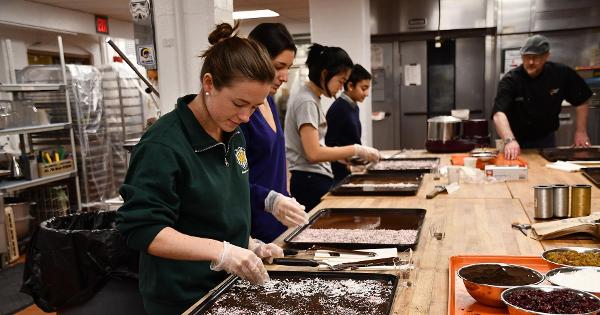
Princeton University Teaching Kitchen

We encourage subject matter experts in food enterprises in the education industry to communicate directly with John Dixon at IKCEA (jdixon@fernley.com) or Elizabeth Franks, (215) 320-3876, information@ikeca.org, International Kitchen Exhaust Cleaning Association, 100 North 20th Street, Suite 400, Philadelphia, PA 19103.   

We are happy to get specific about how the IKECA suite contributes to lower education community cost during our Food  teleconferences.  See our CALENDAR for the next online meeting; open to everyone.

Issue: [18-24]

Category: Facility Asset Management

Colleagues:  Larry Spielvogel, Richard Robben


LEARN MORE:

Dormitories, Fraternities, Sororities and Barracks

Keele University “Look When You Cook”

Commercial Kitchen Ventilation

Traps, Interceptors and Separators

Workspace / IKCEA


Ventilation for Commercial Cooking Operations

Kitchen cooking ranks high as the causes of fire hazard in the built environment. ASHRAE 154 provides design criteria for the performance of commercial cooking ventilation systems.  Education communities have hundreds of food preparation enterprises in school districts, residence halls, hospitals and athletic venues. It is not intended to circumvent any safety, health or environmental requirement; however we find a fair amount of drama regarding the competing requirements of fire safety and sustainability among subject matter experts.  The stabilized version is dated 2022.

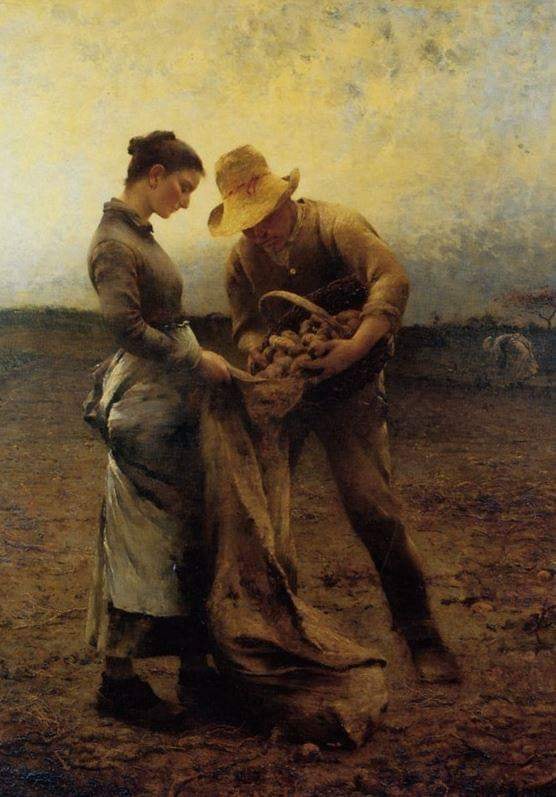
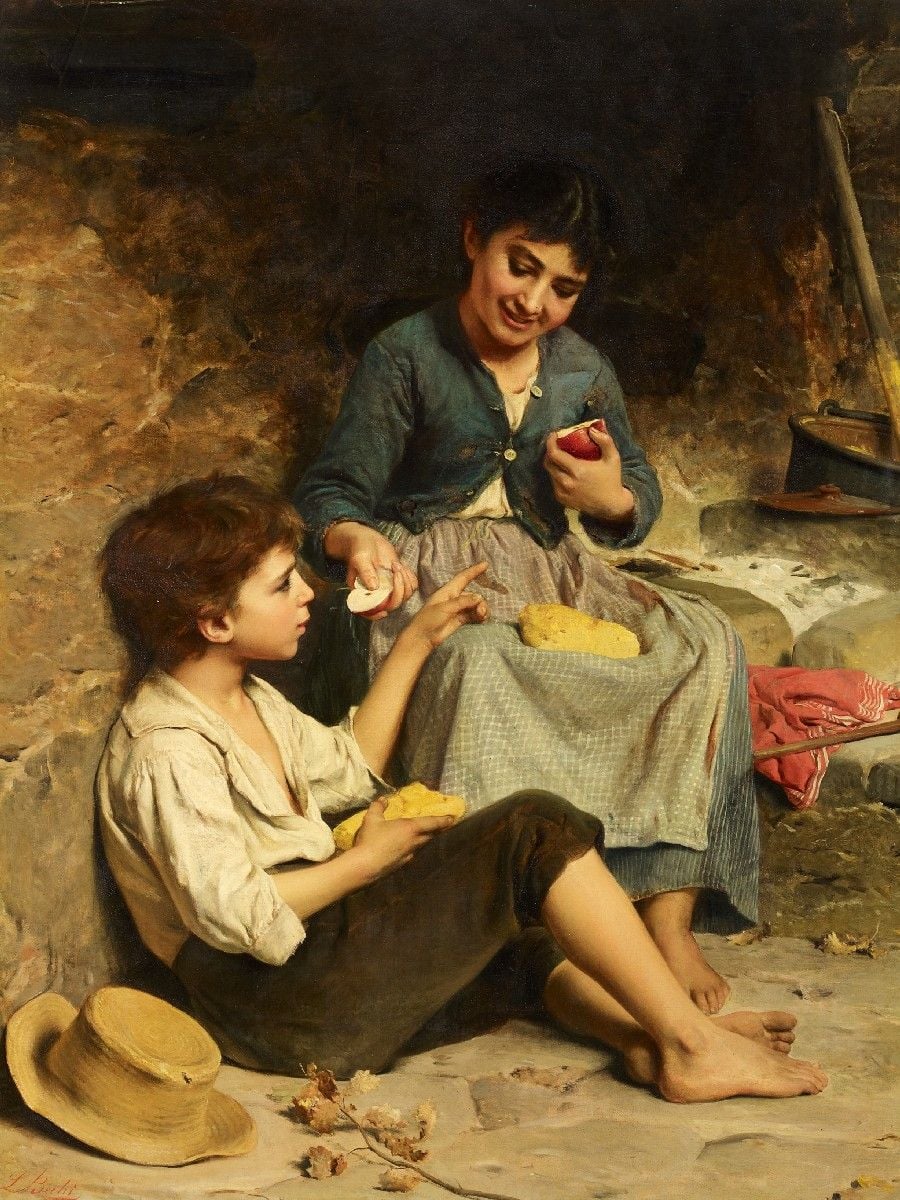
“Dutch Kitchen” / Artist Unknown

A noteworthy title in the ASHRAE standards catalog is ASHRAE 154 Ventilation for Commercial Cooking Operations.  Food preparation enterprises in school districts, residence halls, hospitals and athletic venues and central features in education communities.   Access to the 2022 edition is linked below:

FREE ACCESS ASHRAE 154

The purpose of ASHRAE 154 is to provide design criteria for the performance of commercial cooking ventilation systems.  It covers kitchen hoods, exhaust systems and replacement air systems,   It is not intended to circumvent any safety, health or environmental requirement; however we find a fair amount of drama between partisans of air movement controls and energy conservation interests.  Fire safety and the sustainability advocates are well funded voices.

There are no open consultations at the moment; but you may track release of any at the link below:

Public Review Draft Standards / Online Comment Database

Titles in the ASHRAE catalog move swiftly; many of them consultations lasting less than 45 days.

Interior environmental air safety is a concern that cuts across many professional disciplines.  Accordingly, we maintain this title on the standing agendas of several colloquia — Mechanical Engineering, Energy and Housing.  Starting 2022 we will break out this the subject of a separate, dedicated colloquium   See our CALENDAR for the next online meeting; open to everyone.

Issue: [14-92]

Category: Mechanical, Electrical, Energy, Facility Asset Management

Colleagues:  David Conrad, Richard Robben, Larry Spielvogel

Kitchen cooking ranks high as the causes of fire hazard in the built environment. ASHRAE 154 provides design criteria for the performance of commercial cooking ventilation systems.  Education communities have hundreds of food preparation enterprises in school districts, residence halls, hospitals and athletic venues. It is not intended to circumvent any safety, health or environmental requirement; however we find a fair amount of drama regarding the competing requirements of fire safety and sustainability among subject matter experts.  The stabilized version is dated 2022.

https://www.stlawu.edu/dining-menu/dana-dining-center/2026-10-13?utm_source=chatgpt.com

Nourriture d’automne

“When you reap your harvest in your field and forget a sheaf…
leave it for the stranger, the fatherless, and the widow…
When you gather the grapes of your vineyard, do not glean it afterward;
it shall be for the stranger, the fatherless, and the widow.”

University of Vermont | Chittenden County

Today we break down the catalog for food safety in education communities; with primary attention to consultations from private standard developing organizations and federal agencies charged with food safety.  We do so with sensitivity to animals and plants and sustainability of the global food supply chain.   Many schools are the communal cafeterias for the communities that own and operate them and run at commercial scale.

We prepare responses to public consultations released by standards developing organizations which, in many cases, have significant conformance enterprises.  Core titles are published by the ANSI accredited organizations listed below:

3-A Sanitary Standards

Catalog

ASHRAE International

The ASHRAE catalog is the most cross-cutting and fastest moving catalog in the land.   If you claim ownership of the United States energy domain you pretty much capture everything related campus safety and sustainability.  Best to deal with it on a day-by-day basis as we usually do according to daily topics shown on our CALENDAR.

Association for Packaging and Processing Technologies

American Society of Agricultural and Biological Engineers

Institute of Electrical and Electronic Engineers

National Electrical Safety Code   (Our particular interest lies in the safety and reliability of off-campus agricultural and research facilities that receive power from regulated utilities)

Rural Electric Power Conference

Kitchen Safety and Security System for Children

TupperwareEarth: Bringing Intelligent User Assistance to the “Internet of Kitchen Things”

Designing an IoT based Kitchen Monitoring and Automation System for Gas and Fire Detection

Re-Inventing the Food Supply Chain with IoT: A Data-Driven Solution to Reduce Food Loss

International Code Council

Commercial Kitchens

International Building Code Assembly Group A-2

International Building Code Group U Section 312 Agricultural Buildings

International Building Code Moderate Hazard Factory Industrial Group F-1 (Food Processing)

Who Gets Rich From School Lunch

National Fire Protection Association

Kitchen Wiring

National Electrical Code Article 210 (Branch Circuits)

National Electrical Code Article 547 (Agricultural Buildings)

Standard for the Installation of Air-Conditioning and Ventilating Systems

Public Input Report for the 2024 Revision

Standard for Ventilation Control and Fire Protection of Commercial Cooking Operations

Public Input Report for the 2024 Revision

NSF International

Food Equipment

Commercial Warewashing Equipment

Commercial Refrigerators and Freezers

Commercial Cooking, Rethermalization and Powered Hot Food Holding and Transport Equipment

Commercial Powered Food Preparation Equipment


US Federal Government:

US Department of Agriculture

Food & Drug Administration (HACCP)

Emotional Overfeeding:  Indulgent Feeding Style and Children’s Weight Status in Preschool

State Governments:

Lorem ipsum @StandardsState

Global:

International Organization for Standardization

International Electrotechnical Commission

Codex Alimentarius

Food safety and sustainability standards populate are of the largest domains we track so if we need a break0-out session, let’s do it.  Use the login credentials at the upper right of our home page.

University of Kentucky College of Agriculture, Food and Environment

Agenda / Farm & Table


More

Standards supporting vertical farming

STANDARDS SUPPORT SOPHISTICATED FARMING METHODS THAT BRING PRODUCE TO YOUR TABLE

US Food & Drug Administration: Food Facility Registration Statistics (as  of January 11, 2021)

National Grange of the Order of Patrons of Husbandry

The U.S. Land-Grant University System: An Overview

American Society of Agricultural and Biological Engineers Standards Development

The origin of the Land grant act of 1862 

International Electrotechnical Commission: Keeping food safe from farm to plate

 Codex Alimentarius

Council for the Advancement of Standards in Higher Education: Dining Services Programs

Science and Our Food Supply: A Teacher’s Guide for High School Classrooms

Food Code 2022

Turkey Research

In the pursuit of Knowledge,
every day something is added.
In the practice of the Way,
every day something is dropped.

Less and less do you need to force things,
until finally you arrive at non-action.
When nothing is done,
nothing is left undone.
— Lao Tzu


United States Department of Agriculture | Turkey Standards Country Report

Standards Pennsylvania

A melange of wine research

United States Food & Drug Administration | Distilled Spirits

https://www.facebook.com/groups/1089237785165822/permalink/1515826392506957/

Codex Alimentarius

The Codex Alimentarius Commission regularly reviews and updates its standards and guidelines to reflect the latest scientific knowledge and technological advancements in the food industry. These standards are voluntary, but they serve as a reference for countries and international organizations when developing their own food safety and quality regulations. Compliance with Codex standards can facilitate international trade by ensuring that food products meet common criteria for safety and quality.

Some of the key areas addressed by Codex standards include:

Food safety: Codex sets standards for food contaminants, residues of pesticides and veterinary drugs, food additives, and microbiological criteria to ensure that food products are safe for consumption.

Food labeling: Codex provides guidelines on how food products should be labeled, including information on ingredients, nutrition, allergens, and more.

Food hygiene: It establishes principles and guidelines for food handling, processing, and storage to prevent foodborne illnesses.

Food quality: Codex standards also cover the quality attributes of various food products, including fruits, vegetables, and various processed foods.

Food additives: Codex regulates the use of food additives to ensure they are safe for consumption and serve a specific purpose in food production.

Residue limits: It sets maximum residue limits for various chemicals, such as pesticides and veterinary drugs, in food products to protect consumers from potential harm.

Blockchain Tokens for Food Traceability


The Science of Food Standards

Food Safety Risk Management


Cranberries


Cranberry Mule: A holiday twist on the classic Moscow Mule, featuring cranberry juice, ginger beer, and vodka. Garnish with a slice of lime and fresh cranberries.  Here’s a simple recipe for a “Cranberry Mule”:

2 oz vodka
4 oz ginger beer
2 oz cranberry juice
1/2 oz fresh lime juice
Ice
Cranberries and lime slices for garnish
Instructions:

Fill a copper mug (or another glass of your choice) with ice.
Pour in the vodka and cranberry juice.
Add the fresh lime juice.
Top off with ginger beer.
Stir gently to combine the ingredients.
Garnish with cranberries and a lime slice.

BEAUJOLAIS NOUVEAU

Product Accreditation: Testing, Inspection & Certification

AFNOR Group: Association Française de Normalisation

The release of Beaujolais Nouveau is not just about the wine itself; it’s a cultural and marketing phenomenon that brings people together to celebrate the harvest season, promotes the wine industry, and contributes to the economic and cultural vitality of the regions involved.  The settlements listed below contribute significantly to wine-related research, education, and innovation. Some notable universities and research institutions in France that lead wine research include:

  1. University of Bordeaux (Institute of Vine and Wine Science): The University of Bordeaux, located in one of the world’s most famous wine regions, is renowned for its research in viticulture, oenology, and wine-related sciences. The Institute of Vine and Wine Sciences (ISVV) within the university is a key research center in this field.
  2. Montpellier SupAgro: Montpellier SupAgro, part of the Montpellier University of Excellence, is known for its expertise in agronomy, viticulture, and oenology. They offer research programs and collaborate with the wine industry.
  3. University of Burgundy: The University of Burgundy, situated in the heart of the Burgundy wine region, conducts research in oenology and viticulture. The Jules Guyot Institute is a leading research facility in the field.
  4. Institut des Sciences de la Vigne et du Vin (ISVV): Located in Bordeaux, this research institute is dedicated to vine and wine sciences and is affiliated with the University of Bordeaux.
  5. University of Reims Champagne-Ardenne: This university, located in the Champagne region of France, has expertise in Champagne production and conducts research related to winemaking and viticulture.

These institutions, along with various research centers and organizations throughout France, contribute to advancements in wine research, including topics like grape cultivation, wine production techniques, wine chemistry, and the study of wine regions and terroirs. They often collaborate with the wine industry and help maintain France’s position as a leader in the global wine industry.

Beaujolais Nouveau is produced under specific regulations and standards set by the French wine industry. However, there isn’t a specific international standard for Beaujolais Nouveau like there is for some other wines, such as those with controlled designations of origin (AOC) or protected designation of origin (PDO) status.

The production of Beaujolais Nouveau is governed by the rules and regulations of the Beaujolais AOC (Appellation d’Origine Contrôlée), which defines the geographical area where the grapes must be grown, the grape varieties allowed, and the winemaking techniques that can be used. The AOC regulations ensure a certain level of quality and authenticity for wines carrying the Beaujolais Nouveau label.

Winemakers producing Beaujolais Nouveau must follow these guidelines, including using the Gamay grape variety, employing specific vinification methods (such as carbonic maceration), and releasing the wine within a limited time frame after the harvest.

While the production standards are regulated at the national level in France, individual producers may have their own techniques and styles within the broader framework of the Beaujolais AOC regulations.

It’s important to note that the term “Beaujolais Nouveau” itself is not a specific indication of quality or adherence to particular winemaking practices; rather, it signifies a style of wine that is young, fresh, and meant to be consumed shortly after production. As a result, the characteristics of Beaujolais Nouveau can vary from producer to producer within the general guidelines set by the AOC

Institut National de l’Origine et de la Qualité

Layout mode
Predefined Skins
Custom Colors
Choose your skin color
Patterns Background
Images Background
Standards Michigan
error: Content is protected !!
Skip to content