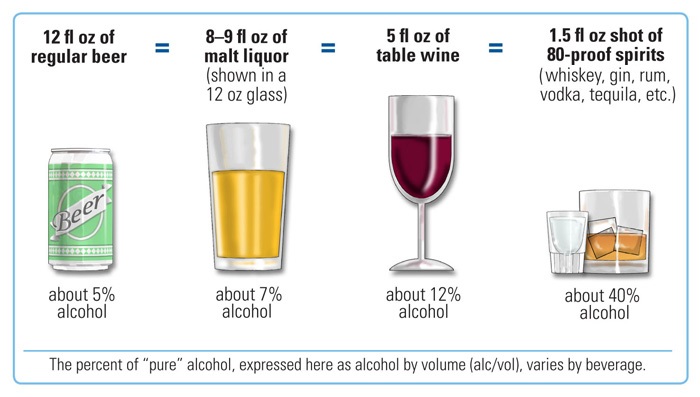
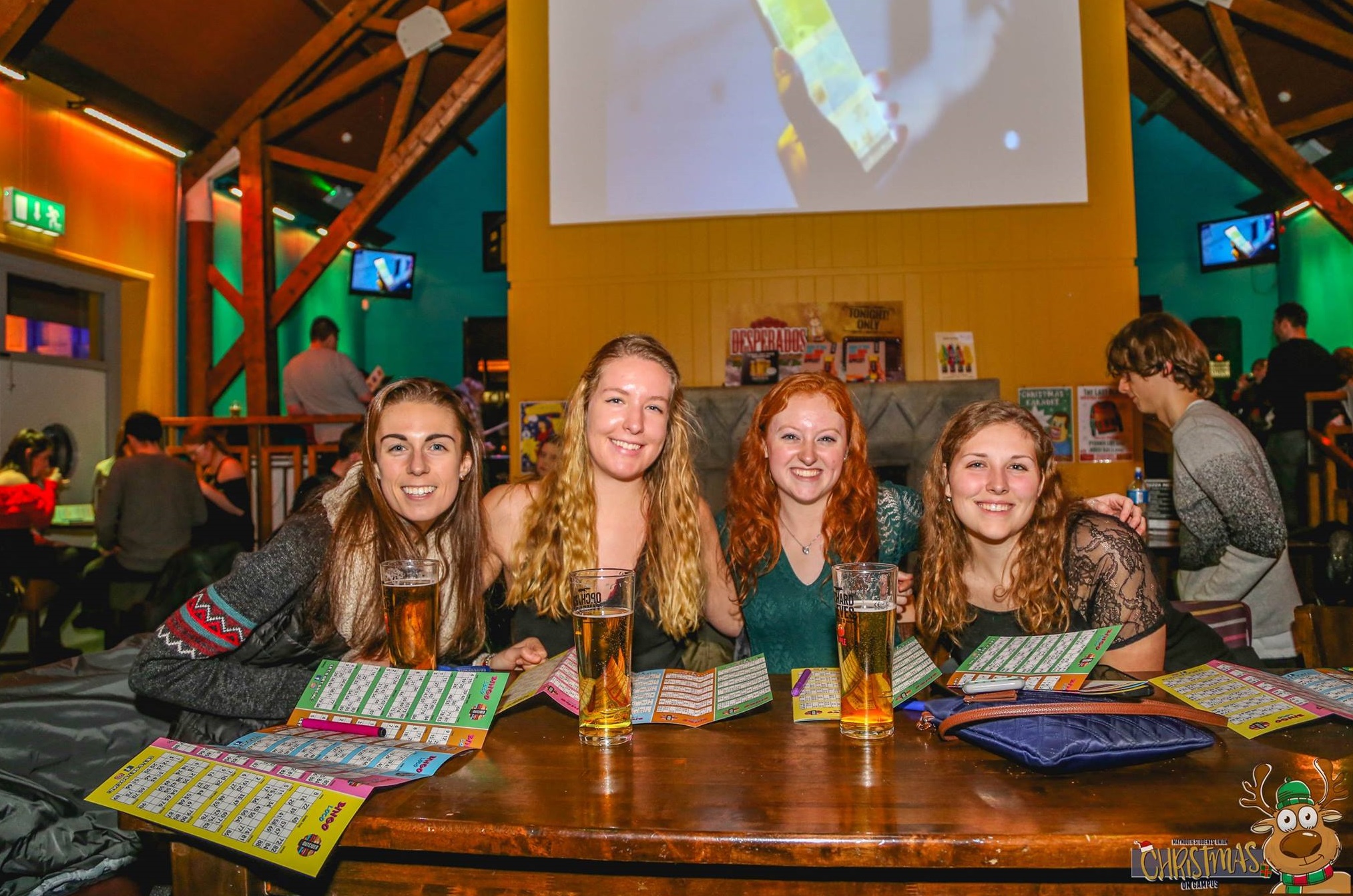
Many people are surprised to learn what counts as a “drink”. The amount of liquid in your glass, can, or bottle does not necessarily match up to how much alcohol is actually in your drink. Even before the United States federal government withdrew from regulating alcohol, the conversation, and degree of agreement and attitude, remains remarkably regionally specific:
Vereenigde Oostindische Compagnie | Dutch East India Company
FM Global is one of several organizations that produce technical and business documents that set the standard of care for risk management in education facilities. These standards — Property Loss Prevention Data Sheets — contribute to the reduction in the risk of property loss due to fire, weather conditions, and failure of electrical or mechanical equipment. They incorporate nearly 200 years of property loss experience, research and engineering results, as well as input from consensus standards committees, equipment manufacturers and others.
In July FM Global updated its standard FM 2510 Flood Abatement Equipment which should interest flood barrier manufacturers, standard authorities, industrial and commercial facilities looking to protect their buildings from riverline flooding conditions.
The following updates were proposed and mostly adopted:
Modifications to the opening barrier protocol to include water performance testing at lower depths;
Additional tests that apply to open-cellular rubber compounds (i.e., foam-type rubber) which are commonly used as gaskets on flood barriers need to be added to the Standard to sufficiently assess their quality;
Addition of adhesive testing. Many barrier designs use adhesives to bond the gasket material to the barrier. Adhesives are not addressed under the current protocol; Modify the flood abatement pump section to clarify approval of pump packages vs. wet-end only;
Additional requirements for electric drive and submersible flood pumps;
Modifications to backwater valve section to be inclusive of all types of “backwater valves” besides the traditional check valve.
Additional requirements for waterproofing products for building penetrations. Products in this category include collars, plugs, elastomeric seals, and types of putty.
This standard also contains test requirements for the performance of flood barriers, flood mitigation pumps, backwater valves, and waterproofing products for building penetrations, as well as an evaluation of the components comprising these products to assure reliability in the barrier’s performance.
While there are a number of noteworthy colleges and universities that have grown near rivers and lakes — twenty-five of which are listed HERE — severe weather and system failures present flooding risks to them all.
Another Data Sheet — I-40 Floods — was updated in October. Both Data Sheets are available for download at the link below:
You will need to set up (free) access credentials.
You may contact FM Global directly: Josephine Mahnken, (781) 255-4813, josephine.mahnken@fmapprovals.com, 1151 Boston-Providence Turnpike, Norwood, MA 02062
Our “door” is open every day at 11 AM Eastern time to discuss any consensus document that sets the standard of care for the emergent #SmartCampus. Additionally, we dedicate one session per month to Management and Water standards. See our CALENDAR for the next online teleconference. Use the login credentials at the upper right of our home page.
“One of the Family” 1880 | Frederick George Cotman
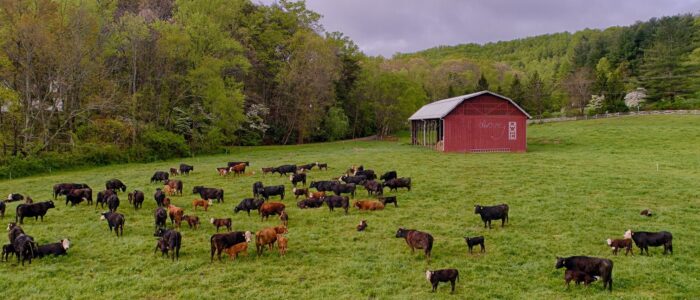
NFPA 150 Fire and Life Safety in Animal Housing Facilities Code has entered its s025 revision cycle. Many education communities are responsible for animal safety in academic units, research enterprises. museums and even — as in the United Kingdom — large farm animals that wander freely on campus with students, faculty and staff. The number of colleges and universities that permit students to live with their pets has expanded; and with it the responsibilities of university administration.
From the document scope:
This standard shall provide the minimum requirements for the design, construction, fire protection, and classification of animal housing facilities. The requirements of NFPA 150 recognize the following fundamental principles:
(1) Animals are sentient beings with a value greater than that of simple property.
(2) Animals, both domesticated and feral, lack the ability of self-preservation when housed in buildings and other structures.
(3) Current building, fire, and life safety codes do not address the life safety of the animal occupants. The requirements found in NFPA 150 are written with the intention that animal housing facilities will continue to be designed, constructed, and maintained in accordance with the applicable building, fire, and life safety codes.
The requirements herein are not intended to replace or rewrite the basic requirements for the human occupants. Instead, NFPA 150 provides additional minimum requirements for the protection of the animal occupants and the human occupants who interact with those animals in these facilities.
A full description of the project is linked below:
We provide the transcript of the back-and-forth on the current 2022 edition to inform how education communities can contribute to the improvement of this title; a subject that stirs deep feelings about animal safety in research enterprises.
Public comment on the Second Draft of the 2025 Edition will be received until March 27, 2024.
We have been advocating risk-informed animal safety concepts in this document since the 2013 Edition and have found that it is nearly impossible to overestimate the sensitivity of educational communities to the life safety of animals — either for agriculture or medical research.
We maintain the entire NFPA catalog on the standing agenda of our Prometheus colloquia. See our CALENDAR for the next online meeting; open to everyone.
Category: Fire Protection, Facility Asset Management, Academic, Risk Management
Colleagues: Mike Anthony, Josh Elvove, Joe DeRosier
More:
”Create in me a pure heart, O God, and renew a steadfast spirit within me.„ Psalms 51:10
Have a blessed Sunday all who feed humanity! #dairy#beef … pic.twitter.com/BG68A4Sn5h
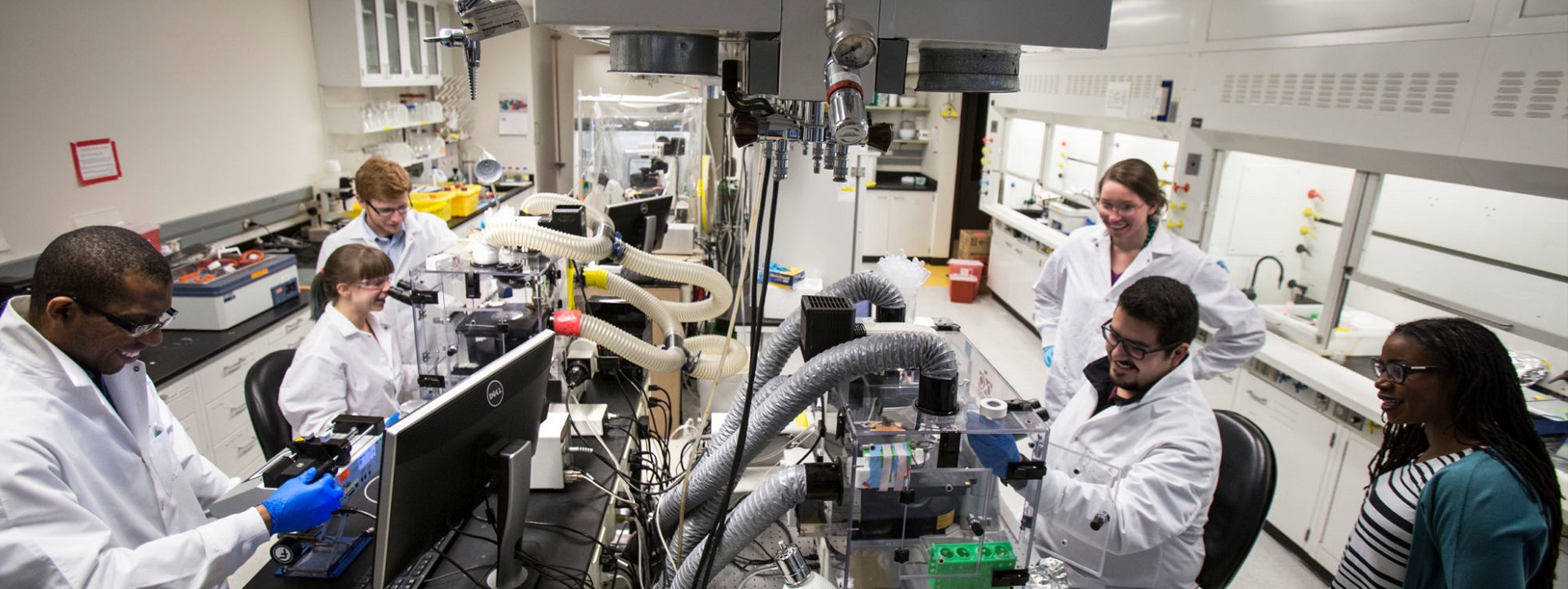
NSF Internationaldevelops a standard for one of the centerpiece safety technologies for a large revenue driver in research universities. The landing page for its biosafety cabinetry product, installation, operation and maintenance standard is linked below:
This Standard applies to Class II (laminar flow) biosafety cabinetry designed to minimize hazards inherent in work with agents assigned to biosafety levels 1, 2, 3, or 4. It also defines the tests that shall be passed by such cabinetry to meet this standard. NSF 49 includes basic requirements for the design, construction, and performance of biosafety cabinets that are intended to provide personnel, product, and environmental protection; reliable operation; durability and structural stability; cleanability; limitations on noise level; illumination; vibration; and motor/blower performance.
This equipment class is the centerpiece of many research laboratories and is a multidimensional risk aggregation so NSF 49 needs to move swiftly and is listed as an ANSI Continuous Maintenance product. You can track the action at the link below:
We maintain all NSF International titles on the agenda of our Laboratory and Risk teleconferences and, because NSF runs its standards suite continuously, most of its titles are on our Nota Bene teleconferences. See our CALENDAR for the next online meeting; open to everyone
Issue: [13-118]
Category: Risk Management, Occupational Health and Safety
Colleagues: Mike Anthony, Richard Robben, Alan Rose, Mark Schaufele
Campus exterior lighting systems generally run in the 100 to 10,000 fixture range and are, arguably, the most visible characteristic of public safety infrastructure. Some major research universities have exterior lighting systems that are larger and more complex than cooperative and municipal power company lighting systems which are regulated by public service commissions.
While there has been considerable expertise in developing illumination concepts by the National Electrical Manufacturers Association, Illumination Engineering Society, the American Society of Heating and Refrigeration Engineers, the International Electrotechnical Commission and the International Commission on Illumination, none of them contribute to leading practice discovery for the actual power chain for these large scale systems on a college campus. The standard of care has been borrowed, somewhat anecdotally, from public utility community lighting system practice. These concepts need to be revisited as the emergent #SmartCampus takes shape.
Electrical power professionals who service the education and university-affiliated healthcare facility industry should communicate directly with Mike Anthony (maanthon@umich.edu) or Jim Harvey (jharvey@umich.edu). This project is also on the standing agenda of the IEEE E&H committee which meets online 4 times monthly — every other Tuesday — in European and American time zones. Login credentials are available on its draft agenda page.
Issue: [15-199]
Category: Electrical, Public Safety, Architectural, #SmartCampus, Space Planning, Risk Management
Contact: Mike Anthony, Kane Howard, Jim Harvey, Dev Paul, Steven Townsend, Kane Howard
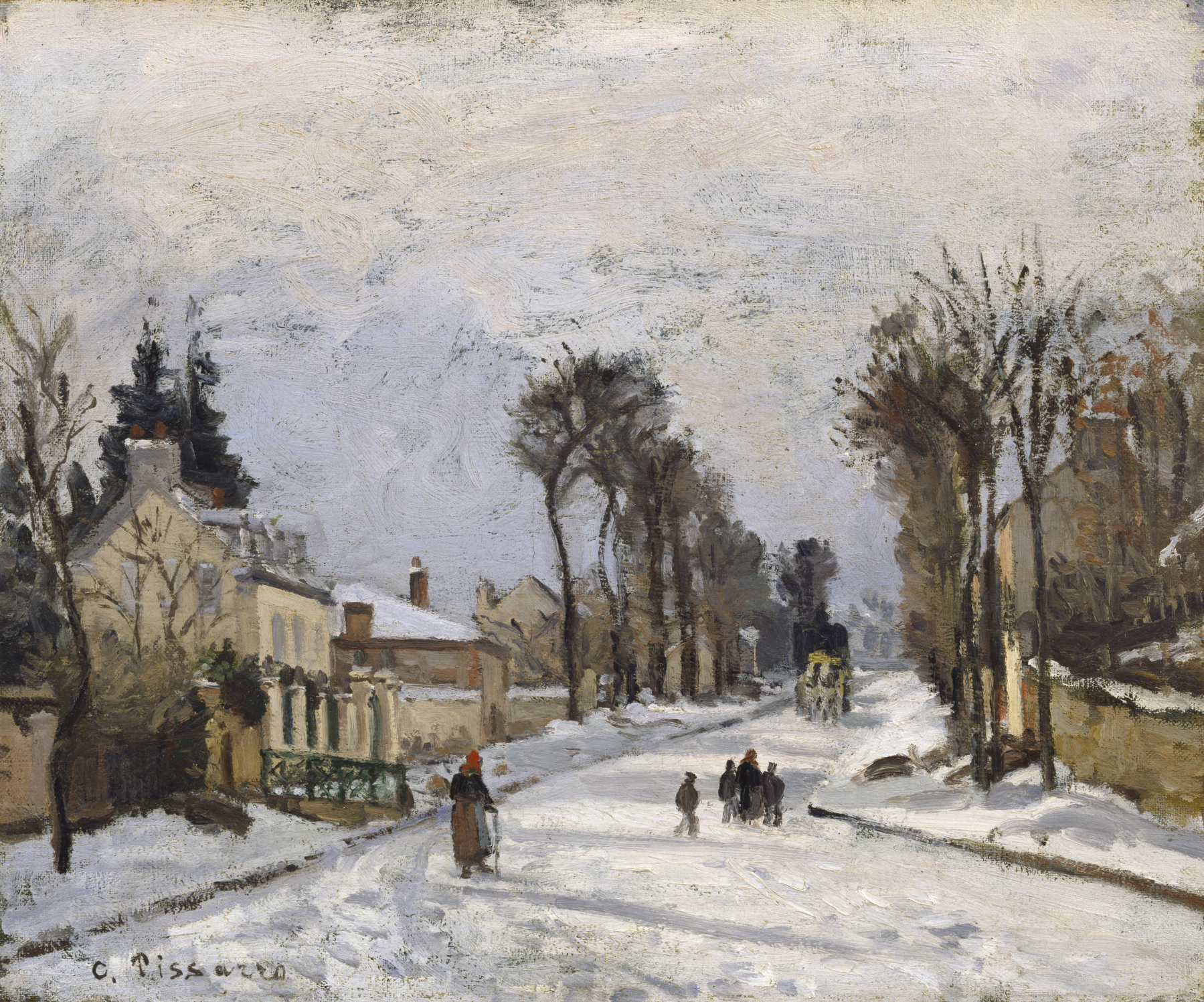
“Road to Versailles at Louveciennes” 1869 Camille Pissarro
Today and its Slip and Fall season everywhere. Accordingly, at the usual hour, we review best practice literature for the safety and sustainability of the surfaces beneath our feet; with special focus on the risk aggregation in educational estates.
Heat tracing is a process used to maintain or raise the temperature of pipes and vessels in order to prevent freezing, maintain process temperature, or ensure that products remain fluid and flow through the system properly.
Heat tracing works by using an electric heating cable or tape that is wrapped around the pipe or vessel, and then insulated to help retain the heat. The heating cable is connected to a power source and temperature control system that maintains the desired temperature by regulating the amount of heat output from the cable. Heat tracing is commonly used in industrial applications where temperature control is critical, such as in chemical plants, refineries, and oil and gas facilities.
There are several types of heat tracing, including electric heat tracing, steam tracing, and hot water tracing, each of which have their own unique advantages and disadvantages. The selection of the appropriate type of heat tracing depends on the specific application and the required temperature range, as well as factors such as cost, maintenance, and safety considerations.
The literature for snow and ice management (and enjoyment) produced by these standards-setting organizations:
It is a surprisingly large domain with market-makers in every dimension of safety and sustainability; all of whom are bound by state and federal regulations.
Join us at 16:00 UTC with the login credentials at the upper right of our home page.
— The Catholic University of America (@CatholicUniv) January 14, 2025
There have been several recent innovations that have made it possible for construction activity to continue through cold winter months. Some of the most notable ones include:
Heated Job Site Trailers: These trailers are equipped with heating systems that keep workers warm and comfortable while they take breaks or work on plans. This helps to keep morale up and prevent cold-related health issues.
Insulated Concrete Forms (ICFs): ICFs are prefabricated blocks made of foam insulation that are stacked together to form the walls of a building. The foam insulation provides an extra layer of insulation to keep the building warm during cold winter months.
Warm-Mix Asphalt (WMA): WMA is a type of asphalt that is designed to be used in colder temperatures than traditional hot-mix asphalt. This allows road construction crews to work through the winter months without having to worry about the asphalt cooling and becoming unusable.
Pneumatic Heaters: These heaters are used to warm up the ground before concrete is poured. This helps to prevent the concrete from freezing and becoming damaged during the winter months.
Electrically Heated Mats: These mats are placed on the ground to prevent snow and ice from accumulating. This helps to make the job site safer and easier to work on during the winter months.
Overall, these innovations have made it possible for construction crews to work through the winter months more comfortably and safely, which has helped to keep projects on schedule and minimize delays.
These are generally downloads. We are happy to pick through the changes to the Electrical stack depending upon interest.
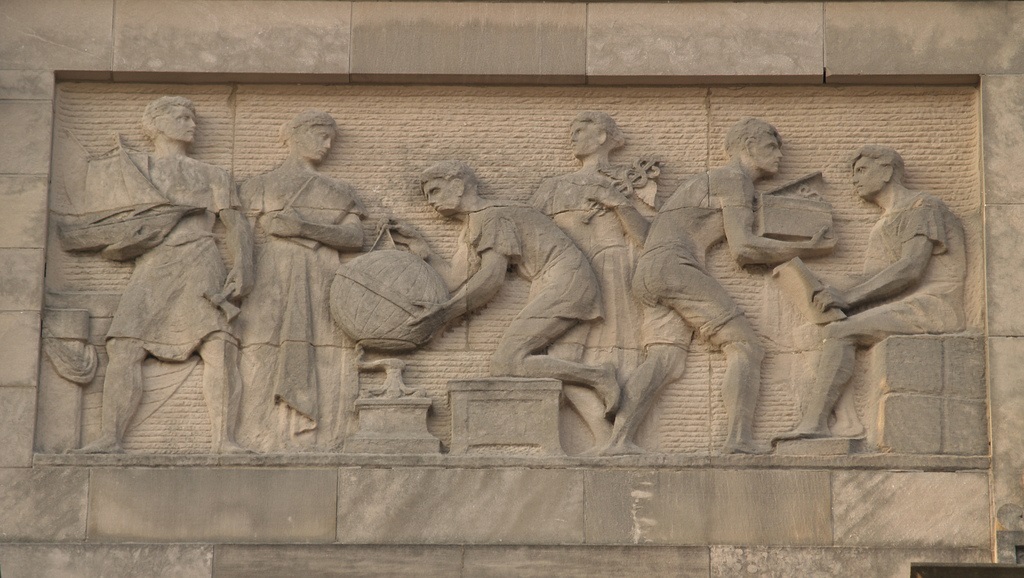
Left Panel Of George Julian Zolnay’s Allegorical “Academic, Business & Manual Education” Granite Frieze At Francis L. Cardozo High School (Washington, DC)
All fifty United States have their own “signature” disaster with which to reckon; some more than others. California has earthquakes, Florida has hurricanes, Missouri has floods; and so on, Life and property loss are preventable; but losses will persist because technical solutions notwithstanding, culture determines human behavior. It is impossible to be alive and safe.
FM Global is one of several organizations that curate privately developed consensus products that set the standard of care for many industries; education communities among them. These standards contribute to the reduction in the risk of property loss due to fire, weather conditions, and failure of electrical or mechanical equipment. They incorporate nearly 200 years of property loss experience, research and engineering results, as well as input from consensus standards committees, equipment manufacturers and others.
If you want FMGlobal as your insurance carrier, or to supplement your organization’s self-insurance program, then you will likely be assigned an FMGlobal conformity professional.
A scan of its list data sheets indicate a number of noteworthy updates of documents establishing minimum requirements for safety technologies common in education facilities:
Note that the bulk of the safety concepts in the foregoing titles incorporate by reference the safety concepts that cross our radar every day FM Global provides direct access to the full span of its documents at this link:
To respond to calls for public consultation you will need to set up (free) access credentials.
We keep FMGlobal titles — and the literature of other property insurers involved in standards setting — on the standing agenda of our Risk, Snow and Prometheus colloquia. See our CALENDAR for the next meeting.
“Neither party shall be liable for any failure or delay in performance of its obligations under this agreement due to events beyond its reasonable control, including but not limited to acts of God, war, terrorism, civil commotion, labor strikes, and natural disasters. The affected party shall promptly notify the other party of the force majeure event and take reasonable steps to mitigate its impact on performance. During the continuance of such events, the obligations of the affected party shall be suspended, and the time for performance shall be extended.”
Example 2: Detailed Force Majeure Clause
“In the event that either party is unable to perform its obligations under this agreement due to a force majeure event, the affected party shall promptly notify the other party in writing, specifying the nature and anticipated duration of the force majeure event. Force majeure events shall include, but are not limited to, acts of God, strikes, lockouts, government action or inaction, war, terrorism, epidemics, and natural disasters. The affected party shall use reasonable efforts to overcome or mitigate the effects of the force majeure event. If the force majeure event continues for a period of [specified duration], either party may terminate this agreement by providing written notice to the other party.”
The mission of the National Floor Safety Institute (NFSI) is to aid in the prevention of slips, trips-and-falls through education, research, and standards development. NFSI provides a wide range of services including independent product testing and certification, educational training, and standards development. Its consensus product library is linked below:
At the moment the 2012 edition linked above appears to be the current version. User-interests in the education facility industry — custodial mangers and staff, for example –are encouraged to communicate directly with Russell Kendzior at NFSI, P.O. Box 92607, Southlake, TX 76092, (817) 749-1700, russk@nfsi.org.
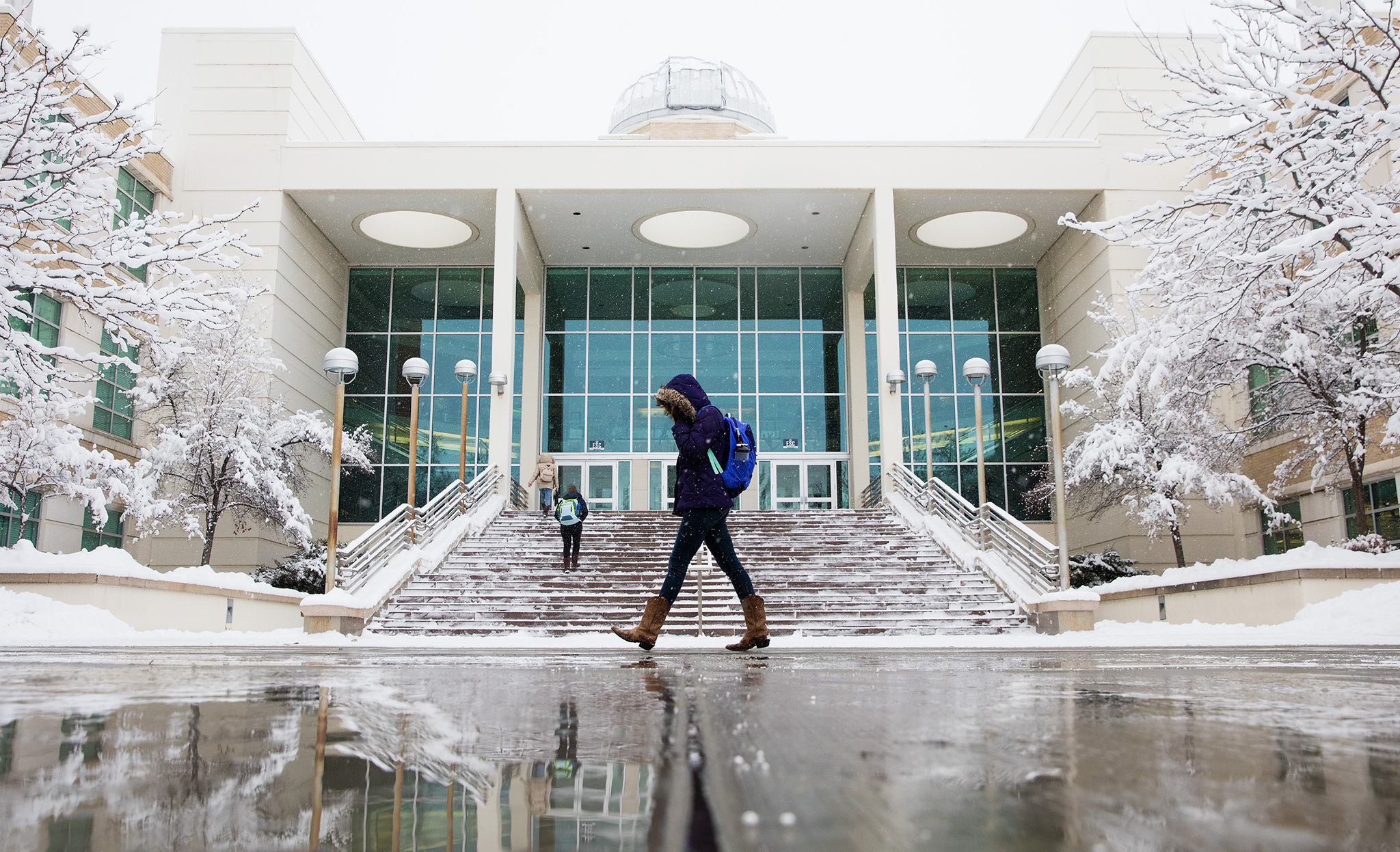
Brigham Young University
There are several accredited standards developers in this space and our algorithm tracks them all. We place this product suite on the standing agenda of our monthly Interior Fixture & Hygiene online meeting; open to everyone. Use the login credentials at the upper right of our home page to log in.
“The Sampling Officials” | “Syndics of the Drapers’ Guild” 1662 Rembrandt
Today we run a status check on public consultations on best practice titles that set the standard of care for risk management in the education facility industry; including university-affiliated healthcare enterprises.
Open to everyone. Use the login credentials at the upper right of our home page. Some of topics we cover are listed below:
Security standards (alarms, signaling, human resources, etc.)
Property loss prevention standards
Third party use of education facilities
Athletic and recreational program risk
OSHA regulations (electrical, fall, confined space risk, etc.)
This content is accessible to paid subscribers. To view it please enter your password below or send mike@standardsmichigan.com a request for subscription details.
New update alert! The 2022 update to the Trademark Assignment Dataset is now available online. Find 1.29 million trademark assignments, involving 2.28 million unique trademark properties issued by the USPTO between March 1952 and January 2023: https://t.co/njrDAbSpwBpic.twitter.com/GkAXrHoQ9T