Category Archives: Water

Loading
loading...

Rainwater Catchment Systems

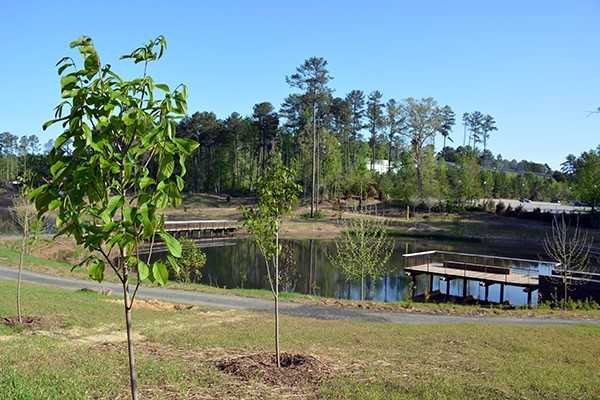
Duke University West Campus Water Reclamation Pond | Click on image

One of several titles asserting best practice for rainwater catchment systems — an emergent design feature many college and university facility departments are signaling to demonstrate their conformity to the campus sustainability zietgeist — is ASPE 63 Rainwater Catchment Systems; developed and published by the American Society of Plumbing Engineers.  From the project prospectus:

Scope: This standard covers requirements for the design and installation of rainwater catchment systems that utilize the principle of collecting and using precipitation from a rooftop and other hard, impervious building surfaces. This standard does not apply to the collection of rainwater from vehicular parking or other similar surfaces.

Project Need: The purpose of this standard is to assist engineers, designers, plumbers, builders/developers, local government, and end-users in safely implementing a rainwater catchment system.

Stakeholders: Plumbing engineers, designers, plumbers, builders/developers, local government, end users.

You may obtain a copy of the 2020 edition by contacting Gretchen Pienta, (847) 296-0002, gpienta@aspe.org,  6400 Shafer Court, Suite 350, Rosemont, IL 60018.   We encourage front-line/workpoint experts and facility managers to participate in the ASPE standards development process.   Start with the link below:

ASPE Standards Development Home Page

We have all water system codes and standards on the agenda of our next monthly Mechanical, Plumbing and Rain colloquia  See our CALENDAR for the next online meeting; open to everyone.

Issue: [13-61]

Category: Mechanical Engineering, Water

Colleagues: Richard Robben, Larry Spielvogel

University of Toledo


Related: Posted 10 September 2020

Rainwater Catchment Systems 400

How the Netherlands Prevents Flood Disasters


Federal Flood Risk Management Standard

Uniform Swimming Pool, Spa & Hot Tub Code

water

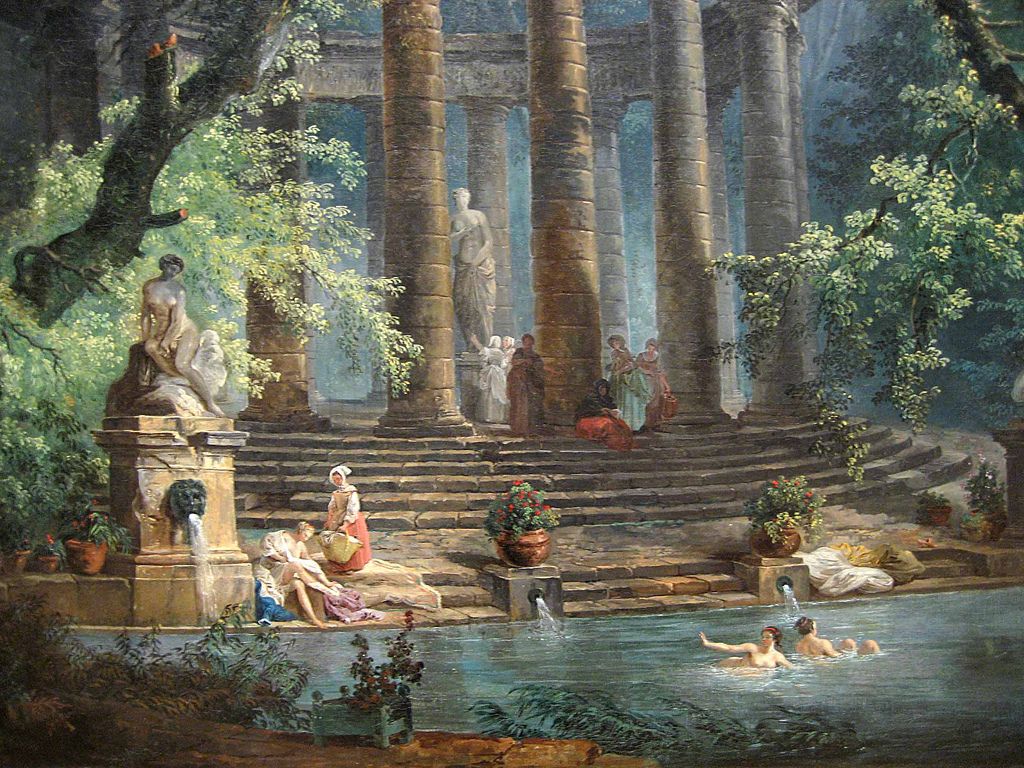
“The Bathing Pool” / Hubert Robert (French, 1733–1808) / Gift of J.P. Morgan

2024 Uniform Swimming Pool, Spa and Hot Tub Code

READ-ONLY ACCESS

The IAPMO code development process is one of the best in the land.  Its Read-Only Access — needed for light research — is also the best in the land; unlike other ANSI accredited standards developers (who shall be un-named).   The current edition is dated 2024, with the 2027 revision accepted public input until March 3, 2025 according the schedule linked below:

2027 USPSHTC Code Development Calendar

Related:

What are Plumbing Codes?

Uniform Plumbing Code

Coronavirus in Plumbing Systems

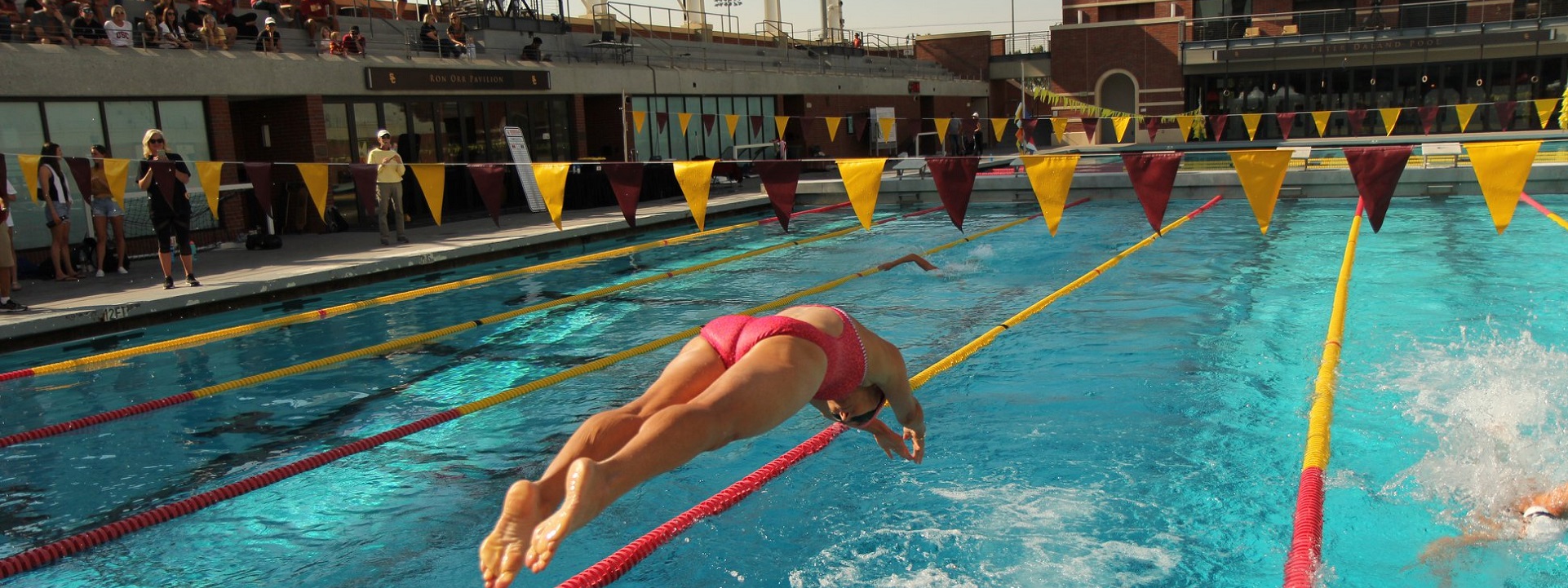
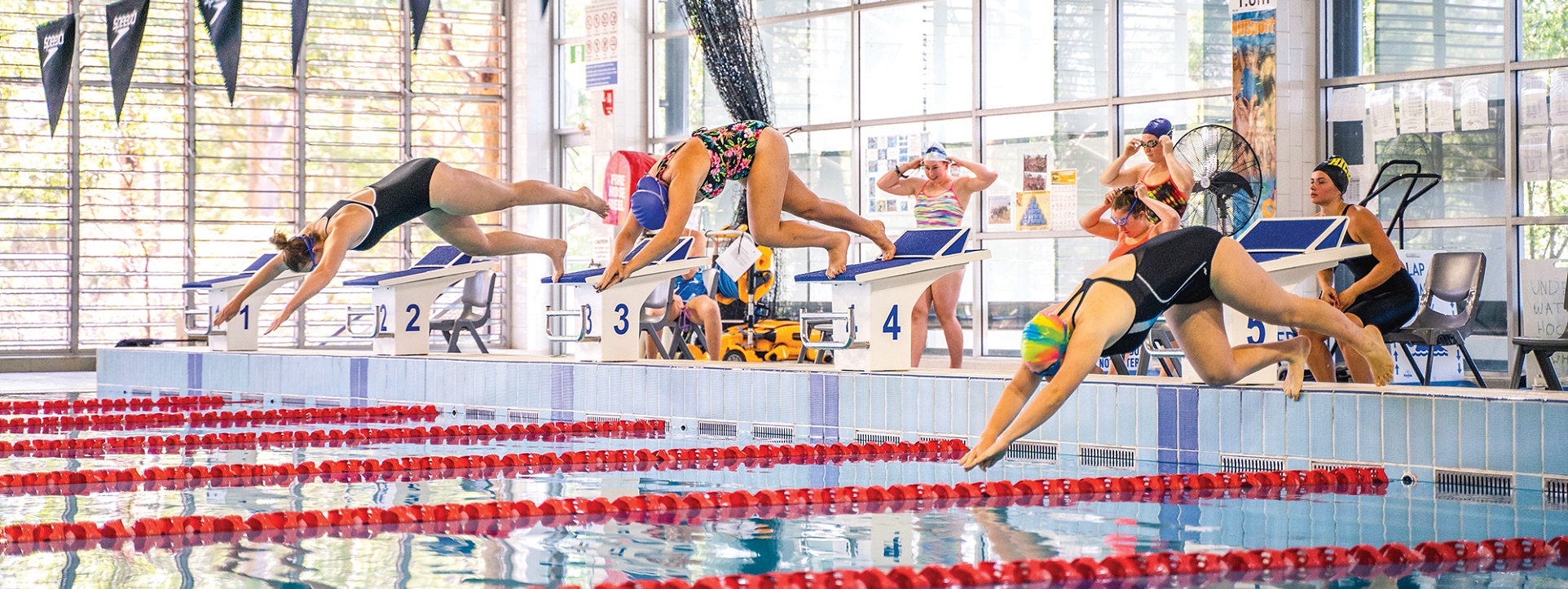
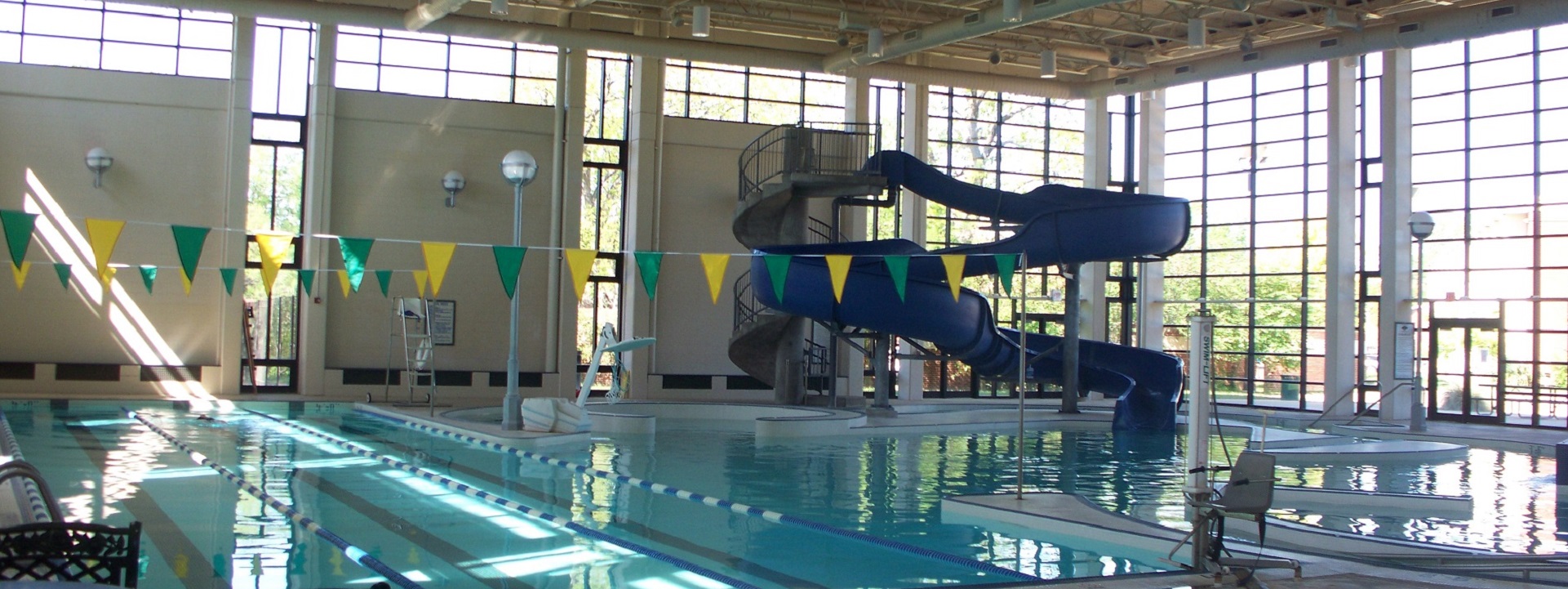
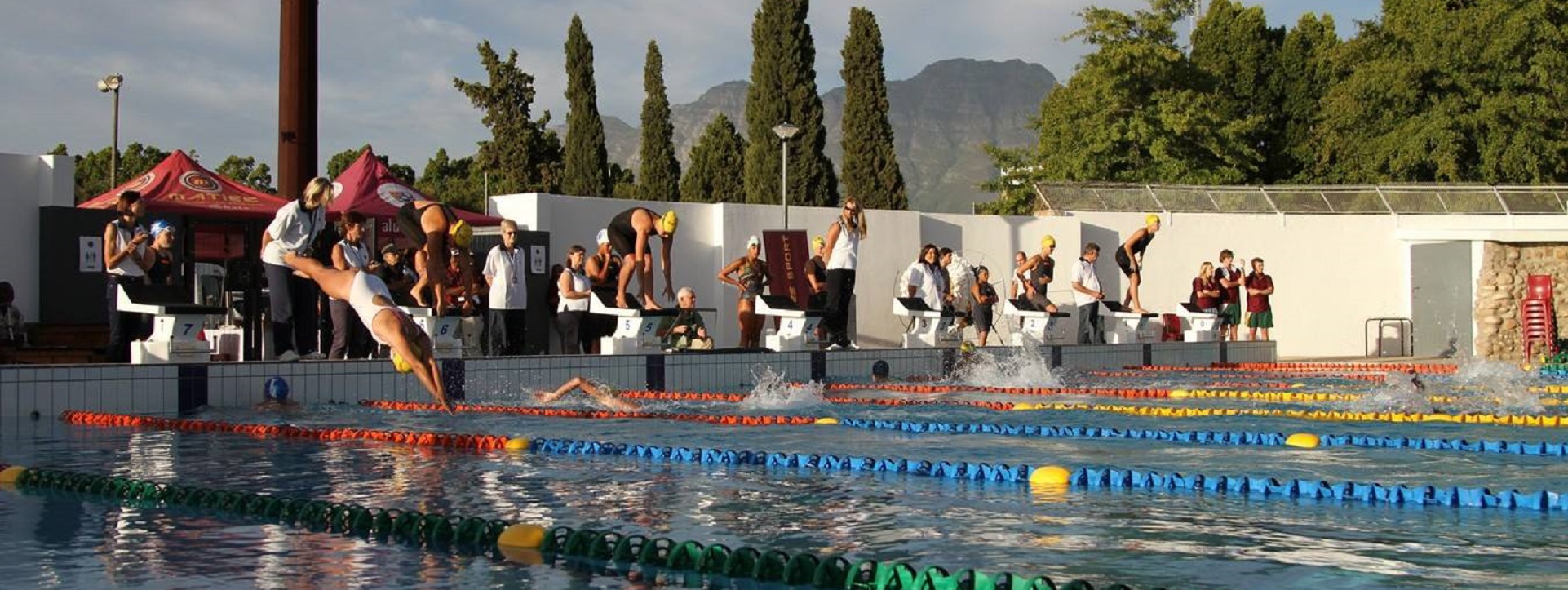
Swimming, Water Polo and Diving Lighting


“In swimming, there are no referees, no foul lines,

no time-outs, and no substitutions.

It’s just you and the water.” – Unknown


https://standardsmichigan.com/australia/

There are several specific problems that swimming pool overhead lighting aims to solve:

  1. Visibility: Swimming pool overhead lighting is designed to improve visibility in and around the pool. This is important for safety reasons, as it helps swimmers see where they are going and avoid obstacles or hazards.
  2. Aesthetics: Overhead lighting can enhance the appearance of the swimming pool by creating a visually appealing atmosphere. This is especially important for commercial pools where the aesthetics can be an important factor in attracting customers.
  3. Functionality: Overhead lighting can provide additional functionality by allowing the pool to be used during evening hours or in low light conditions. This can increase the usability of the pool and make it more appealing to users.
  4. Energy efficiency: Modern overhead pool lighting solutions are designed to be energy-efficient, reducing the overall energy consumption and operating costs of the pool.
  5. Longevity: Overhead pool lighting must be designed to withstand exposure to water, chlorine, and other harsh chemicals, as well as exposure to the elements. The lighting system must be durable and reliable to ensure longevity and prevent costly repairs or replacements.

Overall, swimming pool overhead lighting is an important component of a safe, functional, and visually appealing pool. It provides illumination for visibility, enhances aesthetics, and improves functionality, while also being energy-efficient and durable.
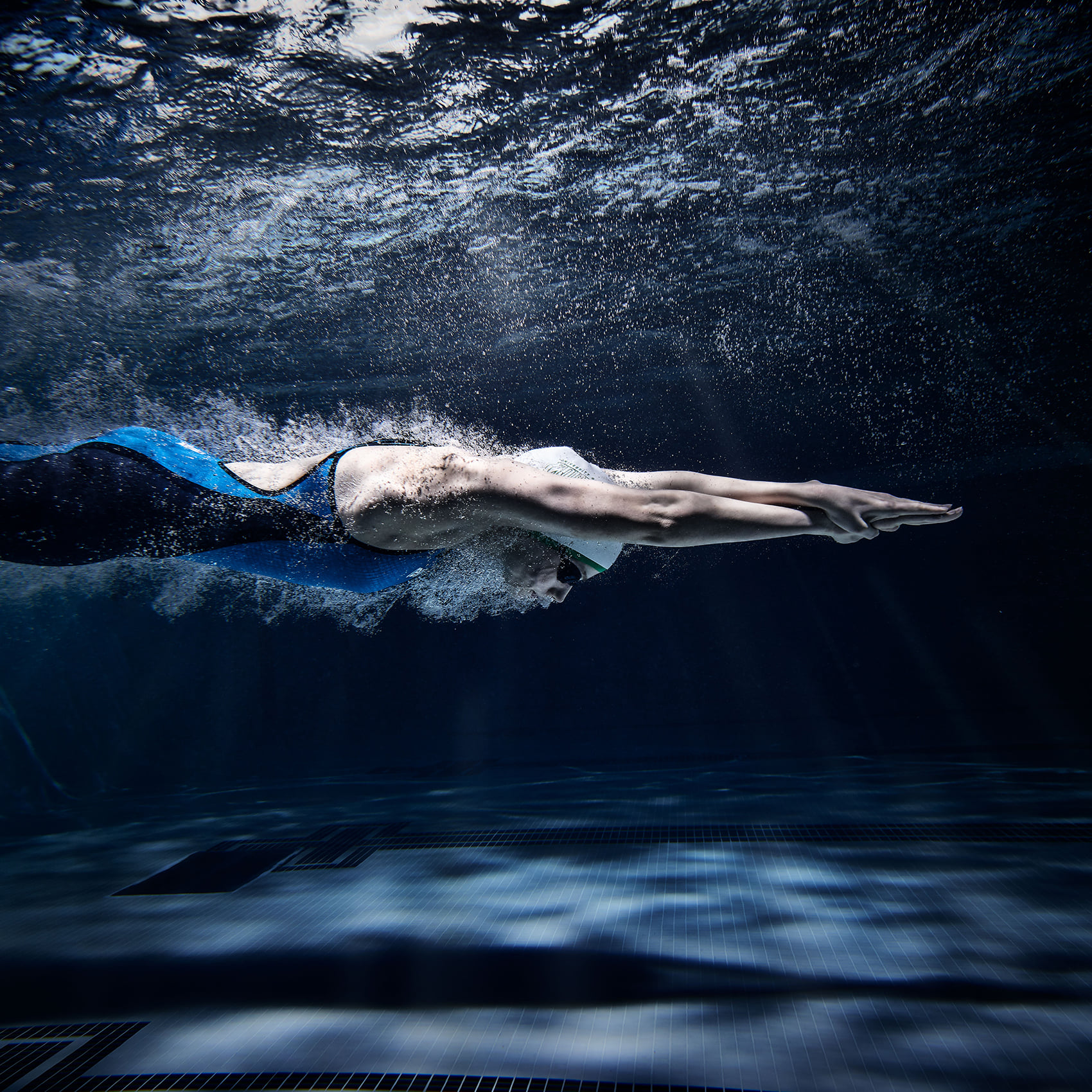
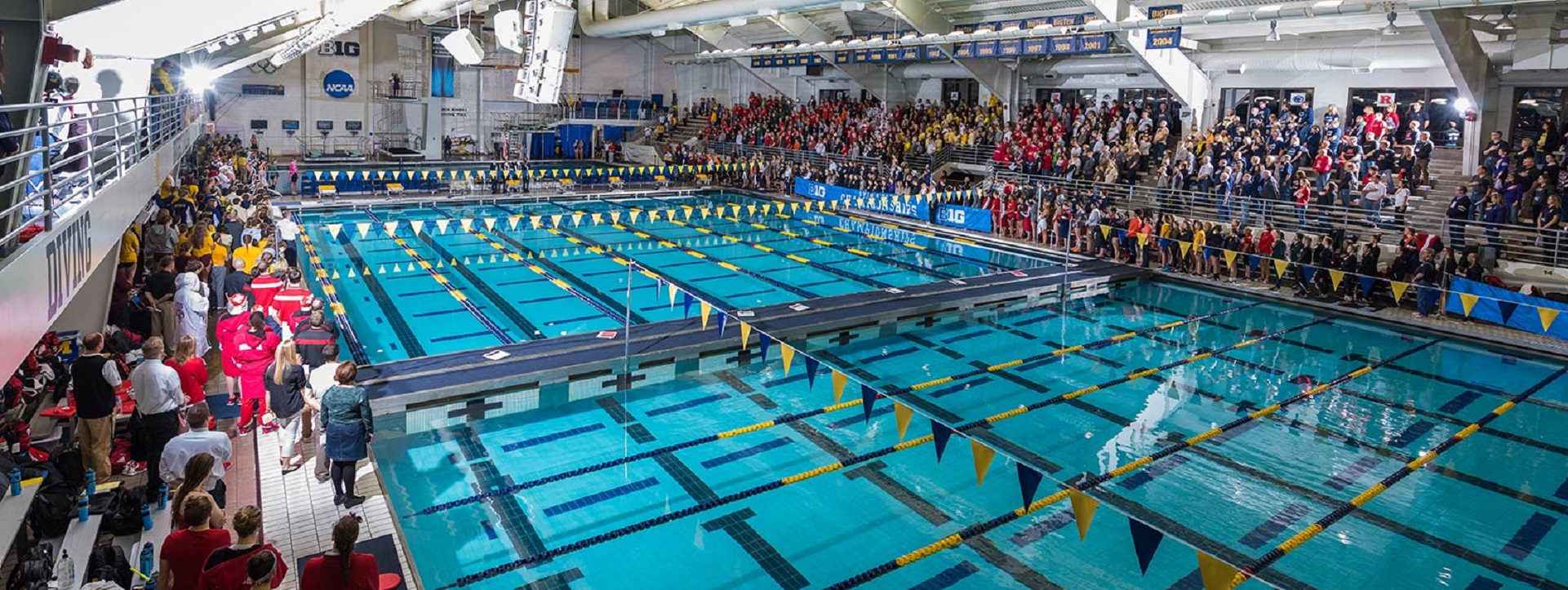
After athletic arena life safety obligations are met (governed legally by NFPA 70, NFPA 101, NFPA 110,  the International Building Code and possibly other state adaptations of those consensus documents incorporated by reference into public safety law) business objective standards may come into play. For almost all athletic facilities,  the consensus documents of the Illumination Engineering Society[1], the Institute of Electrical and Electronic Engineers[2][3] provide the first principles for life safety.  For business purposes, the documents distributed by the National Collegiate Athletic Association inform the standard of care for individual athletic arenas so that swiftly moving media production companies have some consistency in power sources and illumination as they move from site to site.  Sometimes concepts to meet both life safety and business objectives merge.
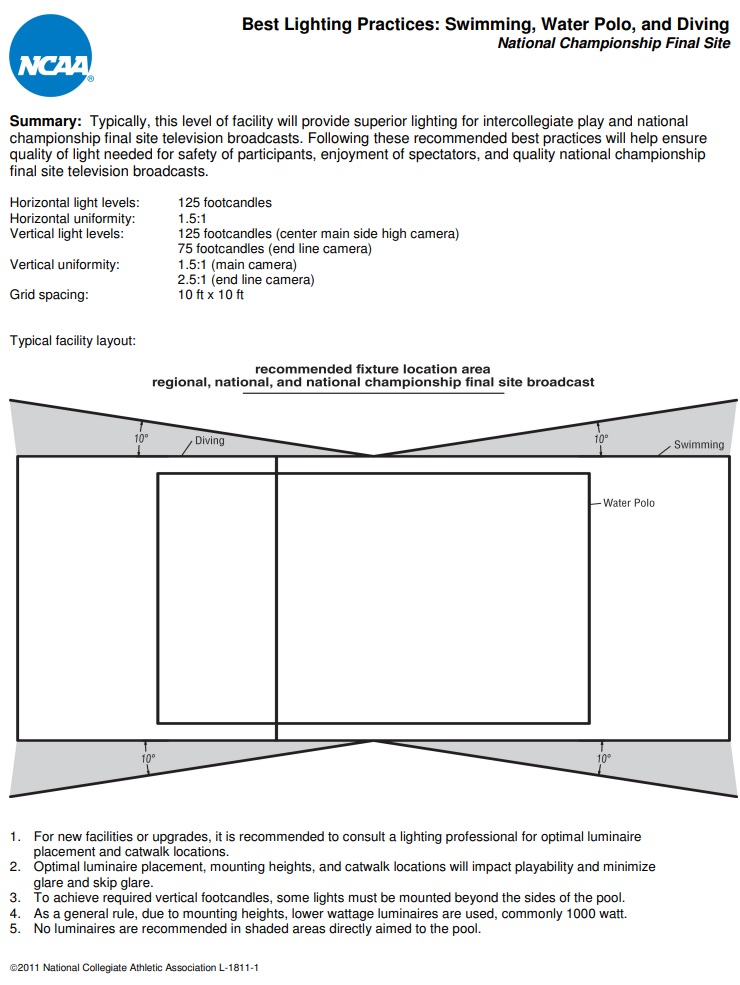
During water sport season the document linked below provides information to illumination designers and facility managers:

NCAA Best Lighting Practices

Athletic programs are a significant source of revenue and form a large part of the foundation of the brand identity of most educational institutions in the United States.   We focus primarily upon the technology standards that govern the safety, performance and sustainability of these enterprises.  We collaborate very closely with the IEEE Education & Healthcare Facilities Committee where subject matter experts in electrical power systems meet 4 times each month in the Americas and Europe.

See our CALENDAR for our next colloquium on Sport facility codes and standards  We typically walk through the safety and sustainability concepts in play; identify commenting opportunities; and find user-interest “champions” on the technical committees who have a similar goal in lowering #TotalCostofOwnership.

Issue: [15-138]*

Category: Electrical, Architectural, Arts & Entertainment Facilities, Athletics

Colleagues: Mike Anthony, Jim Harvey, Jack Janveja, Jose Meijer, Scott Gibbs


More

Watersport Time Standards

Sport Lighting

Water Safety & Sustainability

AWWA COMMENT PERIOD ON AWWA G480, Water Conservation and Efficiency Program Operation and Management Closes June 23

Harvard University Art Museum | In the Sierras, Lake Tahoe | Albert Bierstadt

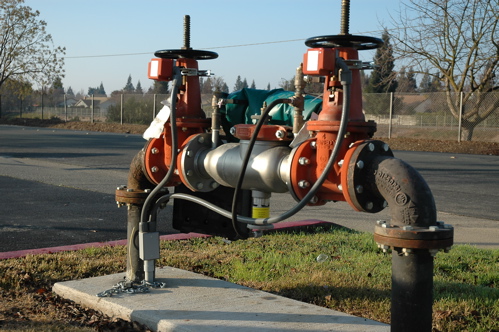
The American Water Works Association is one of the first names in accredited standards developers that administer leading practice discovery in backflow prevention consensus documents; usually referenced in local and state building codes; and also in education facility design guidelines and construction specifications.

The original University of Michigan standards enterprise gave highest priority to backflow standards because of their central importance of backflow management to education communities; especially large research universities nested within a municipal water system.  Backflow prevention; an unseen technology that assures a safe drinking water supply by keeping water running in one direction by maintaining pressure differences.  Analogous to the way we want electrical current to run in one direction, failure of backflow prevention technology poses a near-instantaneous health risk for the contamination of potable water supplies with foul water.  In the most obvious case, a toilet flush cistern and its water supply must be isolated from the toilet bowl.  In a less obvious case, but at greater scale, a damaged backflow prevention technology at a university research building can contaminate an host-community potable water supply.

There are other ANSI accredited standards developers in the backflow prevention technology space — the International Code Council, the IAPMO Group and ASSE International — for example.

Backflow Preventer

At the moment no AWWA redlines relevant to our objective are open for consultation.  Several relatively stabilized product standards are marked up but none dealing specifically with interoperability issues.  When they are uploaded you may access them at the link below:

AWWA Standards Public Comment Home Page

Students and Young Professionals

AWWA is the first name in US-based water standards so we maintain the AWWA catalog on our Plumbing & Water colloquia.   See our CALENDAR for the next online meeting; open to everyone.

Issue: [11-57]

Category: Water Safety, Plumbing, Mechanical

Colleagues: Mike Anthony, Richard Robben, Steve Snyder, Larry Spielvogel


LEARN MORE

Workspace / AWWA


Exploration of the Theory of Electric Shock Drowning

Exploration of the Theory of Electric Shock Drowning

Jesse Kotsch – Brandon Prussak – Michael Morse – James Kohl

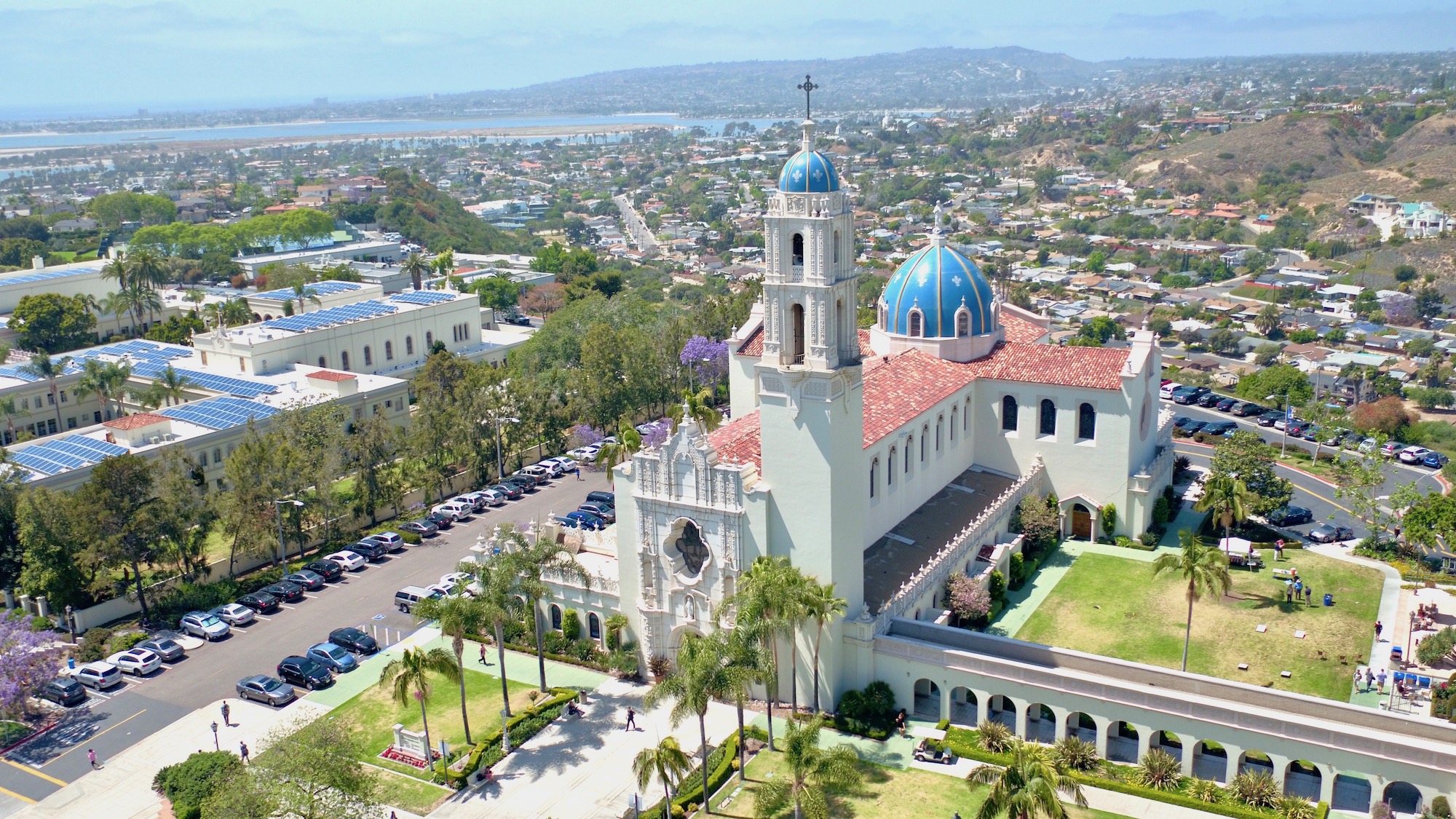
University of San Diego

Abstract:  Drowning due to electric shock is theorized to occur when a current that is greater than the “let go” current passes through a body of water and conducts with the human body. Drowning would occur when the skeletal muscles contract and the victim can no longer swim. It is theorized that the likelihood of receiving a deadly shock in a freshwater environment (such as a lake) is higher than the likelihood in a saltwater environment (such as a marina). It is possible that due to the high conductivity of salt water, the current shunts around the individual, while in freshwater, where the conductivity of the water is lower than that of the human; a majority of the current will travel through the individual. The purpose of this research is to either validate or disprove these claims. To address this, we used Finite Element analysis in order to simulate a human swimming in a large body of water in which electric current has leaked from a 120V source. The conductivity of the water was varied from .005 S/m (pure water) up to 4.8 S/m (salt water) and the current density through a cross sectional area of the human was measured. With this research, we hope to educate swimmers on the best action to take if caught in such a situation.

CLICK HERE to order complete paper.

Marina & Boatyard Electrical Safety

Facilities Management

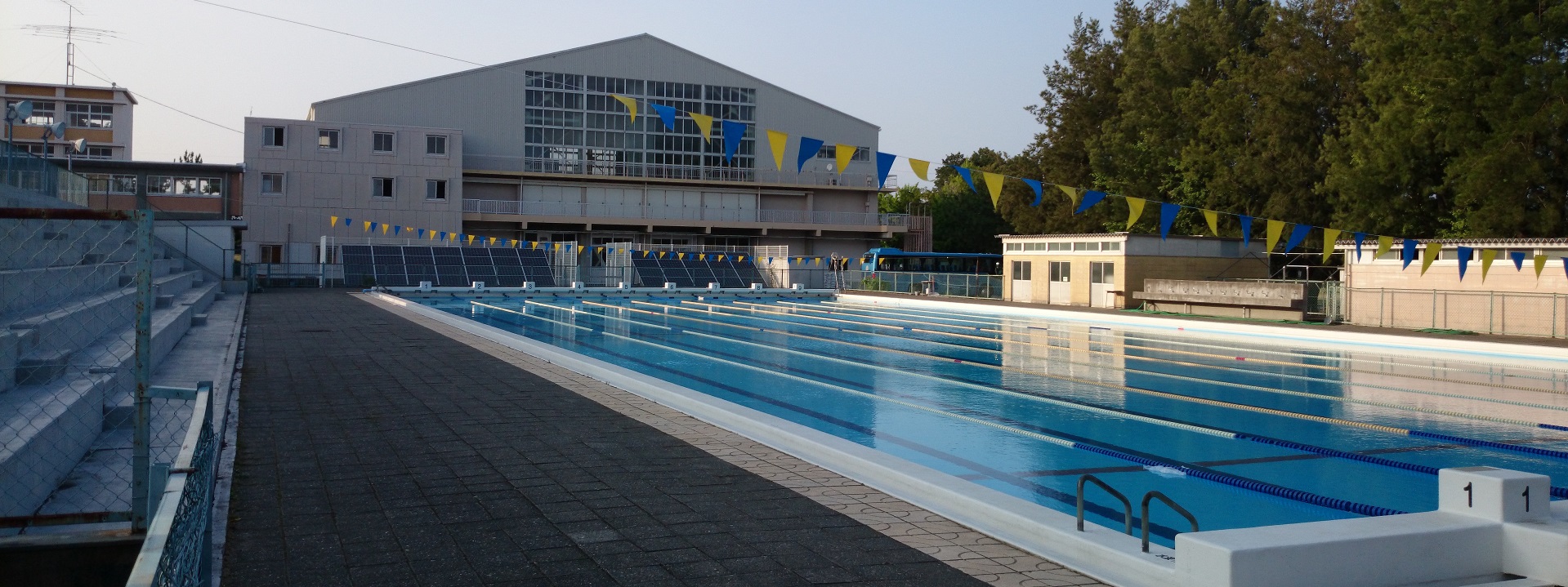
Swimming Pool Dimensions and Construction

University of Michigan | Washtenaw County

About Last Night: #Paris2024

A standard Olympic-sized swimming pool is defined by the following dimensions:

  • Length: 50 meters
  • Width: 25 meters
  • Depth: A minimum of 2 meters
  • Lanes: 10 lanes, each 2.5 meters wide

The total area of the pool is therefore 1,250 square meters, and it holds approximately 2,500 cubic meters (or 2.5 million liters) of water.

https://standardsmichigan.com/australia/

The organization that sets the standards for Olympic-sized pools is the Fédération Internationale de Natation (FINA) — now World Aquatics — the governing body for swimming, diving, water polo, synchronized swimming, and open water swimming. FINA establishes the regulations for the dimensions and equipment of competition pools used in international events, including the Olympic Games.

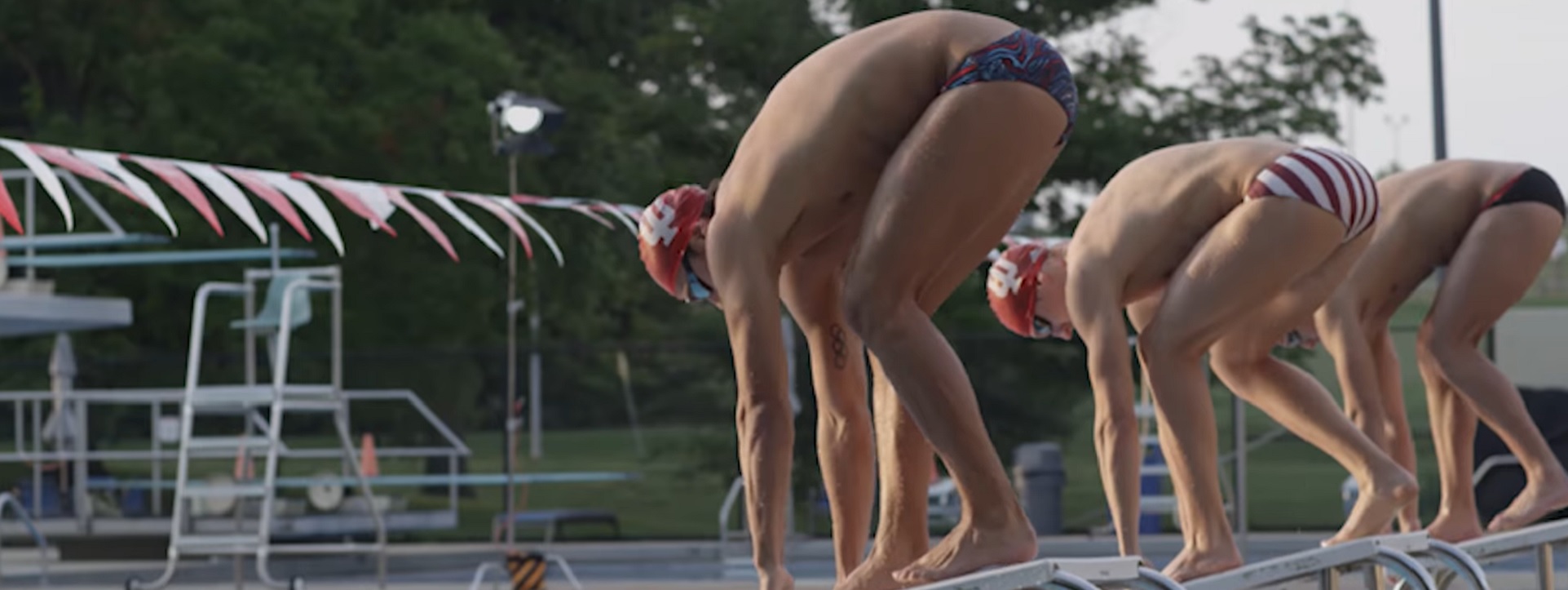
The top ten universities that have produced Olympic champion:

  1. University of Southern California (USC)
  2. Stanford University
  3. University of California, Berkeley (UC Berkeley)
  4. University of Florida
  5. University of Texas at Austin
  6. University of Michigan – Michael Phelps, the most decorated Olympian of all time.
  7. Indiana University
  8. Auburn University
  9. University of Georgia
  10. University of Arizona

News:

Swim Swam: 2024 Pool “Slow” and not setting records

Paris Olympics swimmers noticing pool is ‘slow’ 

Pool, Spa & Recreational Waters

Swimming, Water Polo and Diving Lighting
Uniform Swimming Pool, Spa & Hot Tub Code

Backflow

The University has a strong reputation for research and innovation in many fields related to the prevention of backflow incidents:

Viterbi School of Engineering has a dedicated Environmental Engineering program that focuses on water quality and management. This program has faculty members who are experts in water treatment and distribution systems, including backflow prevention technologies. The school also offers research opportunities for graduate students to work on water-related projects, including those related to backflow prevention.

Keck School of Medicine has a Department of Preventive Medicine that conducts research on environmental health, including waterborne diseases and contamination. This department has published research on the prevention of waterborne disease outbreaks and the importance of backflow prevention measures in protecting public health.

The USC Environmental Health and Safety department is responsible for overseeing the safety and compliance of the university’s facilities, including its water systems. EH&S works closely with the university’s Facilities Management Services to ensure that backflow prevention measures are in place and maintained.


The USC Foundation drafts definitions and specifications covering cross-connection control and the assemblies required for the prevention of backflow.

 

What are Plumbing Codes?

IAPMO develops codes and standards in collaboration with industry experts, government officials, and other stakeholders. These codes and standards are designed to promote public health, safety, and welfare by establishing minimum requirements for the design, installation, and maintenance of plumbing and mechanical systems.

FREE ACCESS: 2021 Uniform Plumbing Code

While the IAPMO catalog may be less well-known beyond its home waters the path through their periodic revision process is very transparent; one of the most transparent accredited standards developers in the land.  We get to say that because there is no one else on earth that has been slicing horizontally through so many “domain silos” for so long.  (We have practically created an original academic discipline).

For example:

The IAPMO ANSI-Accredited Development Process

2024 Uniform Plumbing Code Report on Proposals (1200 pages)

2022 Uniform Plumbind Code Report on Comments (1056 pages)

TENTATIVE – 2027 UPC/UMC CODE DEVELOPMENT TIMELINE

We maintain the IAPMO catalog on our periodic Water 200/Water 400 colloquia.  See our CALENDAR for the next online meeting; open to everyone.

There were several barriers to the adoption of interior plumbing systems throughout history. Here are some of the key factors that contributed to the slow adoption of indoor plumbing:

  • Lack of technology: In the early days of plumbing, there was a lack of technological advancement, making it difficult to design and install effective plumbing systems. The development of new technologies such as water pumps, water heaters, and pipes made it easier to bring water into buildings and distribute it throughout the space.

  • High cost: Building indoor plumbing systems was a significant expense, and many people simply couldn’t afford it. Installing plumbing required digging trenches, installing pipes, and connecting to a reliable water source, all of which were expensive undertakings.

  • Health concerns: In the past, there were concerns about the safety and cleanliness of indoor plumbing systems. There was a fear that standing water in pipes could lead to the growth of bacteria and other harmful microorganisms, and that indoor plumbing could increase the risk of waterborne diseases.

  • Cultural attitudes: For many years, there was a cultural stigma associated with using indoor plumbing facilities. Some people believed that it was unsanitary or even immoral to use a toilet inside the home, and others preferred to use outhouses or other outdoor facilities.
  • Lack of knowledge: In many cases, people simply didn’t know how to build or maintain indoor plumbing systems. Without the proper knowledge or skills, it was difficult to design and install a reliable and effective system.

Despite these barriers, the adoption of indoor plumbing systems slowly increased over time, as new technologies and innovations made it easier and more affordable to install plumbing in buildings. Today, indoor plumbing is considered an essential component of modern living, and is a standard feature in homes and buildings around the world.

Milestones:

  • William Feetham (1767): An English stove maker who designed the first shower in 1767.  Seen largely as a luxury at the time since most people did not have access to indoor plumbing and the requisite metal tank required to be heated over a fire.
  • H.L Booth (1853): Inventor of the first practical showerhead in 1853 that allowed for a steady, controlled stream of water to be directed onto the bather.
  • Thomas Crapper (1836-1910): Inventor of several refinements to the interior shower; although known more widely as the inventor of the modern flush toilet.

Water and Sanitation

Gallery: Great Lakes

The Great Lakes contain enough fresh water to cover the land area of the entire United States under 3 meters of water.

We collect 15 video presentations about Great Lake water safety and sustainability prepared by the 8 Great Lake border state colleges and universities and their national and international partners in Canada.

Tour Around Lake Superior


Water 100


When the wicked problems of peace and economic inequality cannot be solved, political leaders, and the battalions of servile administrative muckety-mucks who report to them, resort to fear-mongering about an imagined problem to be solved centuries hence assuming every other nation agrees on remedies of its anthropogenic origin.  We would not draw attention to it were it not that large tranches of the global academic community are in on the grift costing hundreds of billions in square-footage for research and teaching hopelessness to our children and hatred of climate change deniers.

Before the internet is scrubbed of information contrary to climate change mania, we recommend a few titles:

“Gulliver’s Travels” Jonathan Swift | Start at Chapter 5, PDF page 235

The Mad, Mad, Mad World of Climatism: Mankind and Climate Change Mania

Climate Change Craziness Exposed: Twenty-One Climate Change Denials of Environmentalists

Climate Psychosis

Gallery: Other Ways of Knowing Climate Change


Layout mode
Predefined Skins
Custom Colors
Choose your skin color
Patterns Background
Images Background
Standards Michigan
error: Content is protected !!
Skip to content