


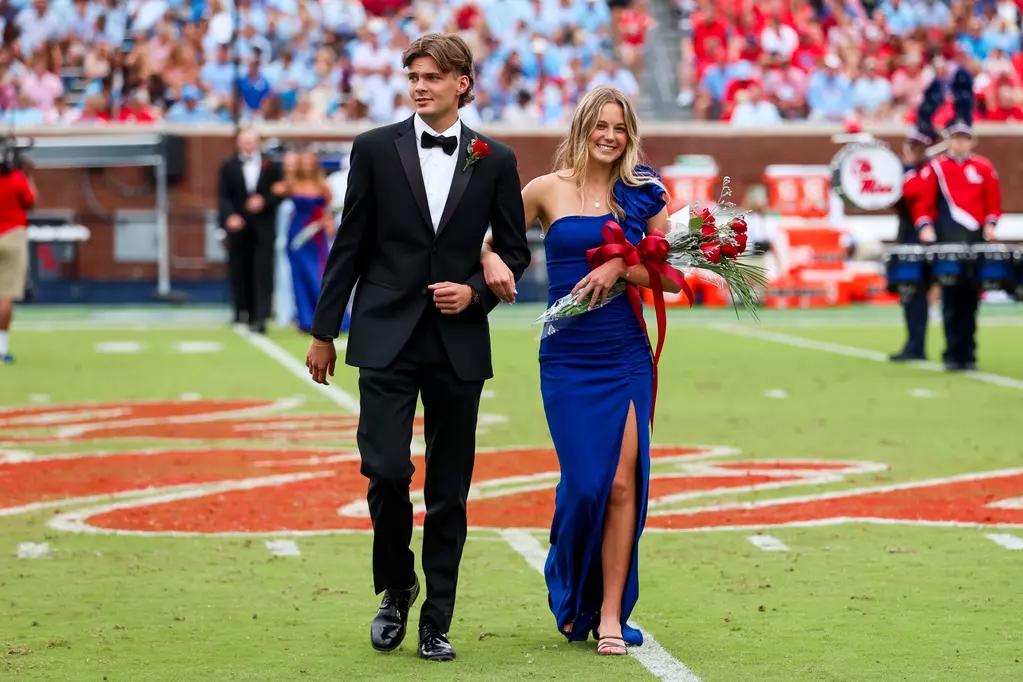
Ole Miss
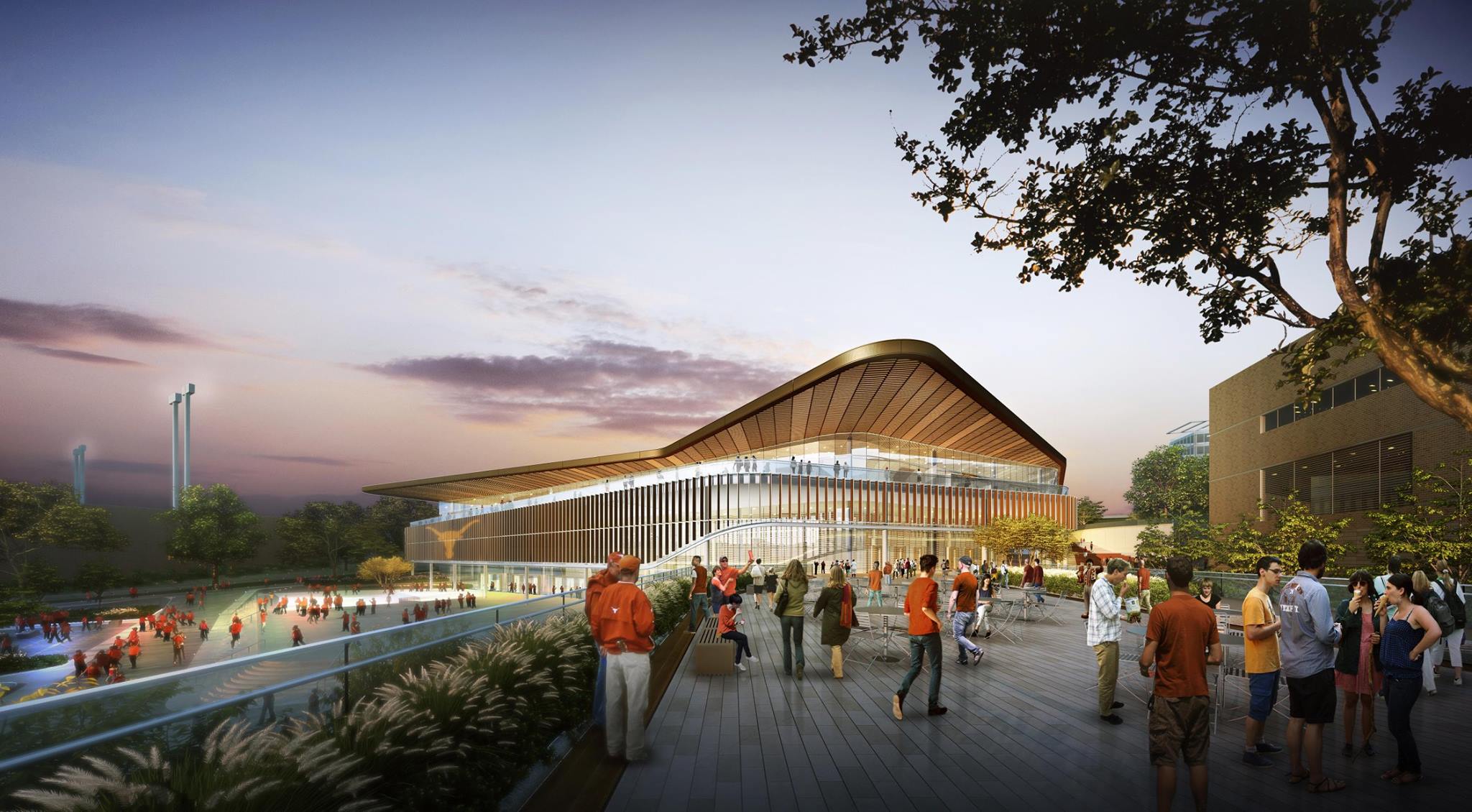
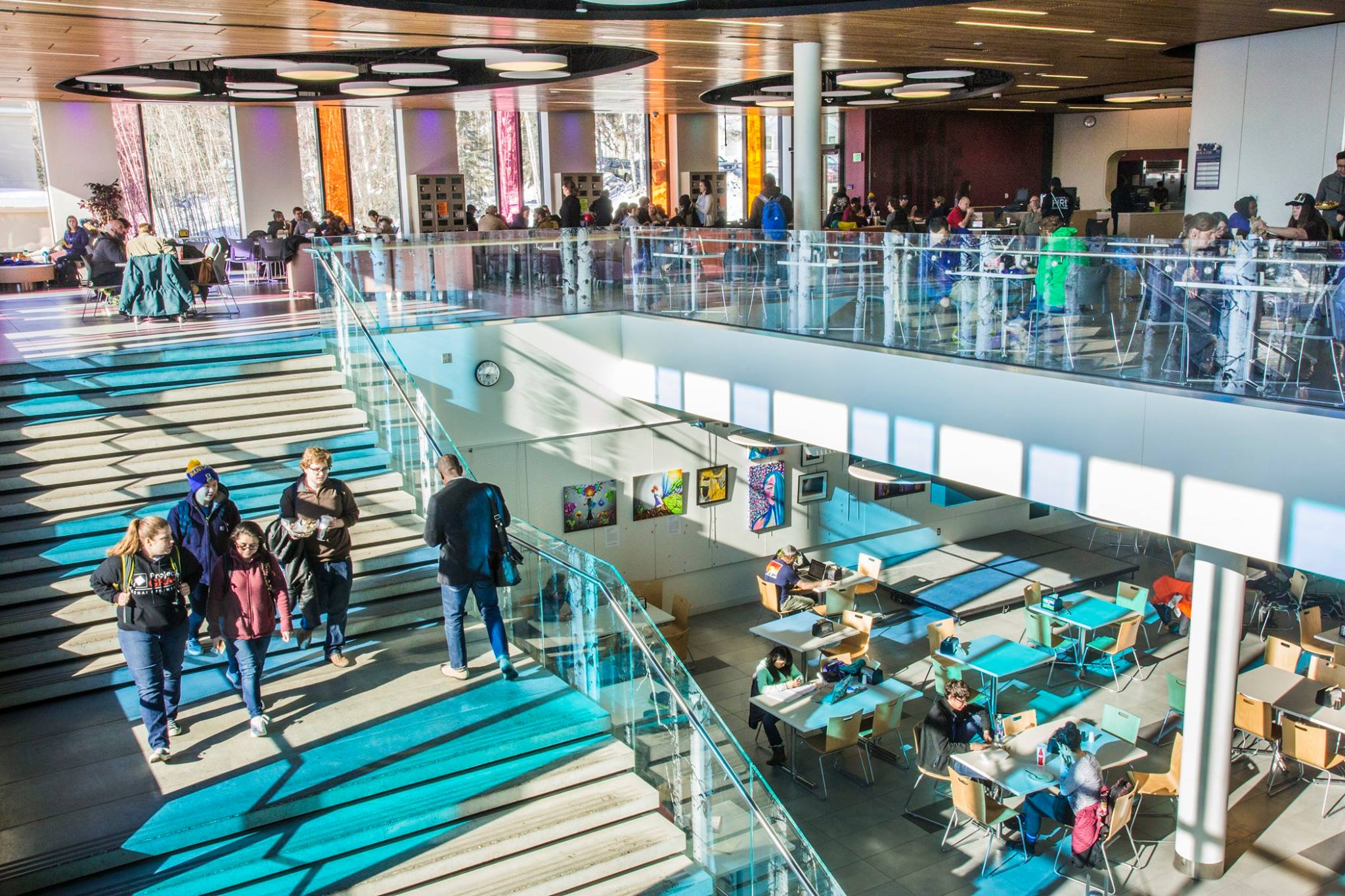
University of Texas Austin Basketball Arena An overview of public commenting opportunities on proposed standards for sports and recreation equipment and athletic facilities. University of Alaska Fairbanks https://standardsmichigan.com/ashrae-90-1-energy-standard-for-buildings/ College of the Ouachitas We review the US Census Bureau’s monthly construction spend update for the education facility industry. University of California Davis Food Science & Technology Overview of codes and standards relevant to the food service enterprises in student housing and university-affiliated healthcare systems. Medical University of South Carolina Many research universities have large medical research and clinical delivery enterprises that provide significant revenue. Every month we run through public commenting opportunities for consensus documents that set the standard of care for the facilities and technologies in these enterprises. Apotheosis of Washington: Science | US Capitol painting Monthly review of safety and sustainability advocacy action among education industry trade associations. https://standardsmichigan.com/trade-associations-for-the-us-education-industry/ Monthly walk-through of all proposals for International Code Council consensus documents affecting the safety and sustainability agenda of the US education facility industry. Monthly review of all consensus, consortia and open source codes, standards and regulations the set the standard of care for security of education facilities. Send bella@standardsmichigan.com an email for an advance agenda. Guglielmo Marconi Wireless Signal (1901) Monthly walk through of information and communications technology regulations, codes and standards that affect safety and sustainability of the emergent #SmartCampus. Coordinated with the two online teleconferences of the IEEE Education & Healthcare Facilities Committee today. Use the login credentials at the upper right of our home page. For an advance agenda, send a request to bella@standardsmichigan.com Our monthly walk through of revision cycles and public-commenting opportunities regarding codes, standards, recommended practices and other consensus documents developed by the ISO, ICC, ASTM, ASHRAE, NFPA, IFMA, BOMA and others that set the standard of care for education and university-affiliated facilities. Baylor University Monthly walk-through of water management codes and standards that affect the safety and sustainability of education facilities. Use the login credentials at the upper right of our home page. Monthly walk through of codes, standards and regulations that govern safety and sustainability of the campus exterior environment. Monthly walk through of codes, standards and regulations that govern safety and sustainability of the campus exterior environment. NECA has released public comment received for further review and comments: ASSP (Safety) (American Society of Safety Professionals) BSR/ASSP Z490.2-201X, Accepted Practices for E-learning in Safety, Health and Environmental Training (new standard) This standard establishes criteria for safety, health and environmental virtual training programs, including program management, development, delivery, evaluation, and documentation. The purpose of this standard is to provide criteria for accepted practices for safety, health, and environmental training programs including development, delivery, evaluation, and program management, which are delivered via virtual means. This standard is recommended for application by virtual training providers of safety, health, and environmental training. If any of the provisions of this standard are not applicable, the other requirements of the standard shall still apply. This standard applies to all occupational safety, health, or environmental training, whether separate or a part of other training being given on a virtual basis. Single copy price: $110.00 Dartmouth College https://standardsmichigan.com/ashrae-90-1-energy-standard-for-buildings/ https://standardsmichigan.com/bhma-electric-strikes-and-revolving-pedestrian-doors/ Monthly walk through redlines of consensus standards open for public comment and proposal preparation. Use the login credentials at the upper right of our homepage. For an advance agenda send bella@standardsmichigan.com an email. Our monthly walk-through of all proposals for International Code Council consensus documents affecting the safety and sustainability agenda of the US education facility industry. https://standardsmichigan.com/subscribe/ Status check on standards action that guide laboratory safety and sustainability in all building disciplines. There are about ten standards developers in this space and they do not all move in a coordinated manner among themselves; much less from state-to-state. Anyone is welcomed to join this teleconference with the login information below. For an agenda, please join our mailing list. https://standardsmichigan.com/open-door-teleconference-login-information/ A walk through the status of the various consensus documents that set the standard of care for safety and sustainability in performance art and special event facilities. Advance agenda to our subscribers. Send bella@standardsmichigan.com a request for access. Monthly review of all consensus, consortia and open source codes, standards and regulations regarding energy production and conservation relevant to the education facility industry. Send bella@standardsmichigan.com an email for an advance agenda. Sketches for Boadacre City project from Frank L. Wright. Monthly walk-through of all proposals for International Code Council consensus documents affecting the safety and sustainability agenda of the US education facility industry. Monthly walk-through of public commenting opportunities on electrical power, telecommunication, information and communication technology standards. Coincides with the day of two IEEE Education & Healthcare Facilities Committee teleconferences at 15:00 Central European time and 3:00 PM Eastern time in the Americas. Today we walk-through of consensus, open-source and consortia codes and standards incorporated by reference into federal and state regulations of the education industry; including #StandardsState. Send a request to bella@standardsmichigan.com for an advance agenda. Online meeting for education facility managers to review of pipeline of fire safety proposals in US and international standards. We will also walk through the expanding constellation of school security standards. Our monthly walk through the titles, scopes, revision cycles and public commenting opportunities presented by consensus standards developers, trade associations and government whose products affect the education facility industry. Use the login credentials at the top right of our home page. For an advance agenda, send bella@standardsmichigan.com an email.









Norfolk Rhapsody is inspired by English folk tunes, particularly from the Norfolk region, which Vaughan Williams collected himself. The piece is lyrical and evocative, capturing the pastoral beauty and maritime heritage of East Anglia. It features rich, sweeping string melodies and gentle woodwind passages, creating a reflective and nostalgic atmosphere. The work, originally conceived as a trilogy, survives only in its first rhapsody. Its folk-inspired themes and lush orchestration showcase Vaughan Williams’ ability to transform traditional melodies into expressive, symphonic music. 





Obtain an electronic copy from: ASSP
Order from: LBauerschmidt@assp.org
Send comments (with copy to psa@ansi.org) to: ASSP









_-_Benjamin_Franklin_Drawing_Electricity_from_the_Sky_-_Google_Art_Project.jpg)

On 9/11 the FDNY lost 343 of their own.
Not statistics. Sons, fathers, husbands from 75 firehouses across the five boroughs.
121 engine companies and 62 ladder companies answered the call. Every Rescue company in New York went in.
They knew the buildings were coming down and… pic.twitter.com/e4ArBUmfLq— Sassafrass84 (@Sassafrass_84) September 7, 2026
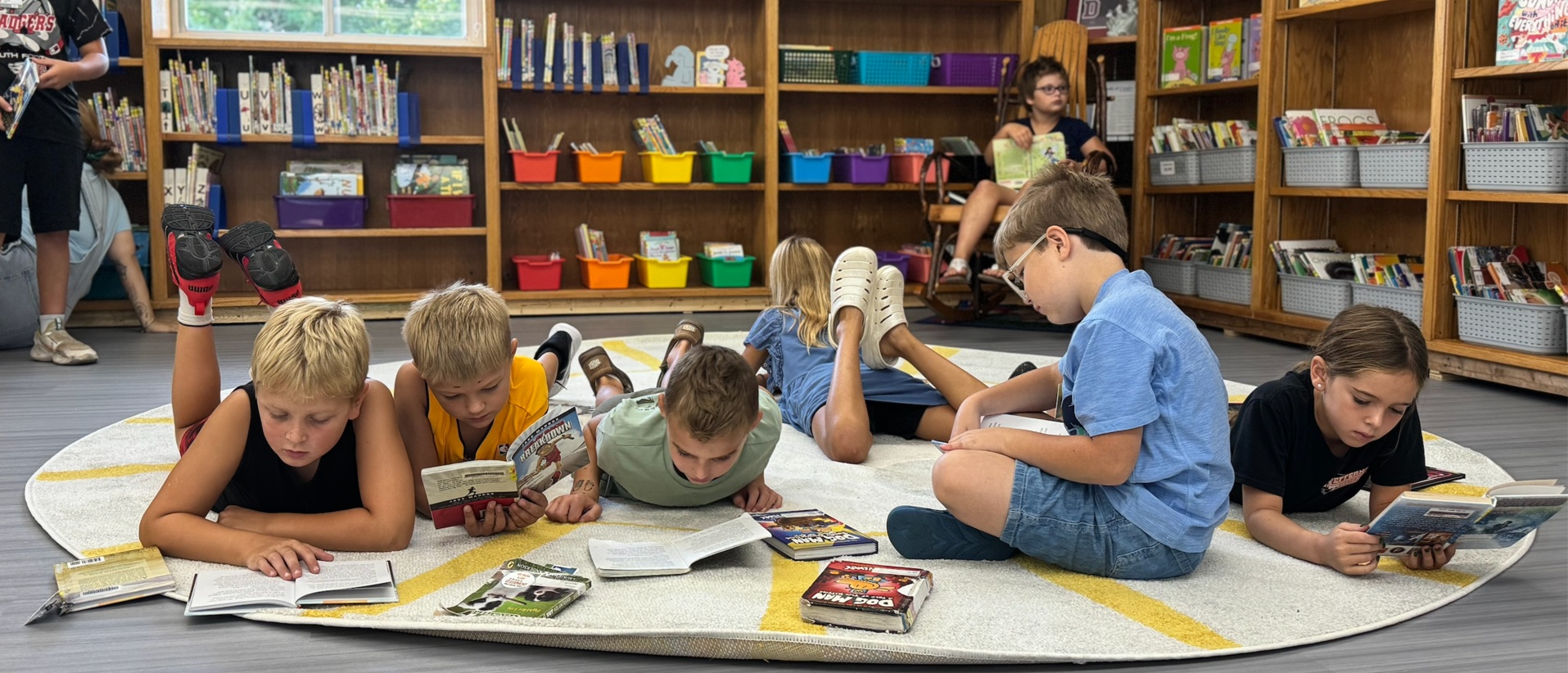
Scales Mound School District | Jo Daviess County Illinois 815
Oxford students after exams, 1989. pic.twitter.com/HQbO4r6dUE
— M (@0detobeauty) May 27, 2026
The calendar of Anglosphere educational settlements subtly shapes life of the mind, generally; and family and community life, specifically. Its cadence has roots in the cathedral schools and monastic learning communities of medieval Europe. Universities were not originally organized around modern “semesters.” Instead, the year followed the Christian liturgical calendar, agricultural seasons, food paths, daylight availability, and travel conditions.
In America educational calendars were nudged along by agricultural cycles. In the United Kingdom university calendars evolved into three major terms: Michaelmas in autumn, associated with arrival and beginnings; Hilary or Lent in winter, associated with discipline and study; and Trinity or Easter in spring, associated with examinations, outdoor rituals, music, rowing, gardens, and celebration.
Modern commencement traditions across the Anglosphere are descendants of medieval spring degree ceremonies. Academic gowns, hoods, processions, Latin phrases, formal dining, chapel music, and public recognition all preserve traces of the university as a scholarly guild and religious-civic community.
Before railways, electric lighting, and central heating, universities had to adapt to muddy roads, short winter days, limited candles, cold buildings, and agricultural obligations. Spring therefore became the natural season of culmination, reunion, athletic competition, courtship, and ceremony.
The medieval university was not merely a school but an educational settlement — a self-governing town of scholars, libraries, chapels, kitchens, workshops, residences, and dining halls. That settlement pattern survives in residential colleges, quadrangles, tutorial systems, common rooms, chapel choirs, and formal meals.
Anglosphere campuses retain this ancient emotional rhythm: autumn seriousness, winter inwardness, and spring release. That continuity helps explain why colleges and universities still feel culturally distinct from ordinary commercial society. (Relata: Gulliver Visits the Great Academy of Lagado)

We’re “organized” but not too organized; like the bookseller who knows where every book can be found.
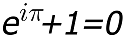
at a conference where you don’t have to present
— Peyman Milanfar (@docmilanfar) April 4, 2025
#AcademicChatter #AcademicTwitter
Academics be like 👇 pic.twitter.com/6cpVEw3PVS
— Reviewer 2 (@GrumpyReviewer2) April 2, 2024





