


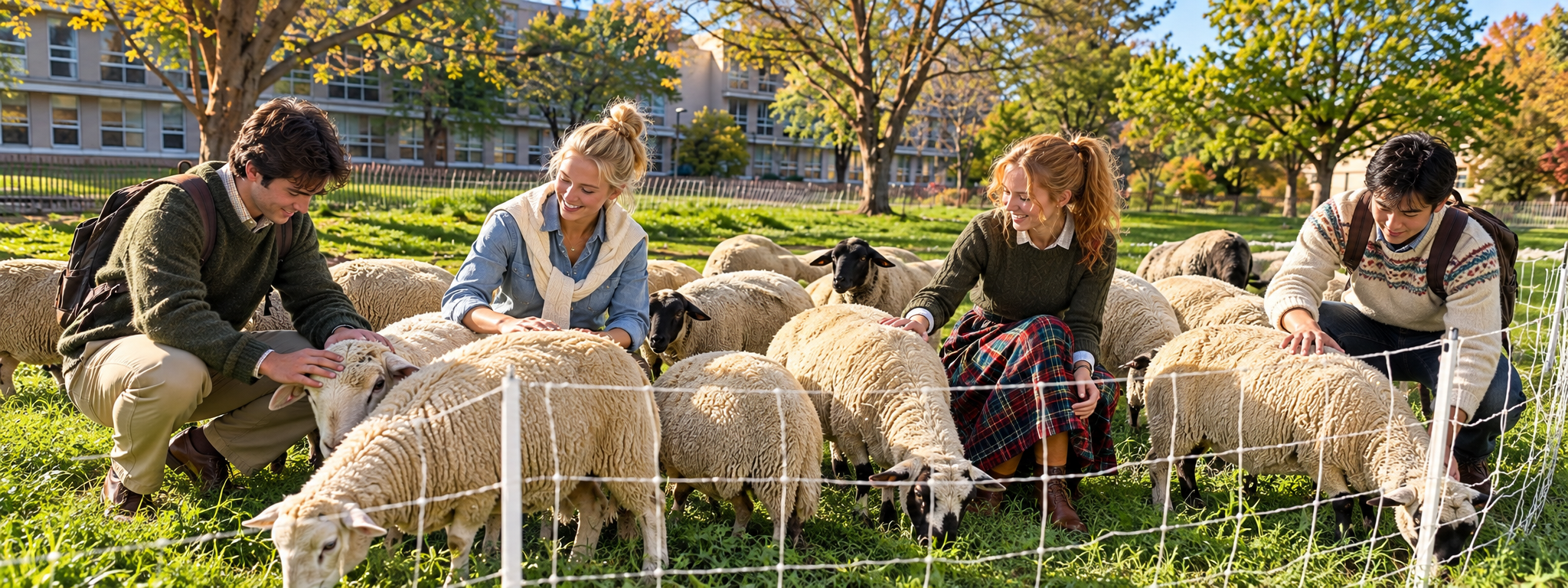
University of California Davis Sheep Mowers

Actually, the last day of Summer is September 22nd pic.twitter.com/m17SB8NlUd — White Boy Capital (@WhiteBoyCapital) September 1, 2024 https://youtu.be/-nf85H9s3Q4?si=7Od-mrMgzAF4sTUZ https://youtu.be/OnFNWV0tid8?si=gDI8U-1F_aPhwIRI https://youtu.be/Z_xUcYkAxAk?si=LZmq7gJ_EIqB-jQ_ https://youtu.be/RXiDBQrfO1s?si=SzUzf2KvbUvpd6uh “He who does not speak foreign languages — Johann Wolfgang von Goethe Here’s a rough breakdown of the top languages on the web: English: 55.4% – Russian: 6.6% – Japanese: 5.4% – Spanish: 5.2% – Chinese: 4.6% One of the most contentious aspects of best practice discovery and promulgation in any domain, and no less so in educational settlements, is an agreed-upon vocabulary and shared understanding. As we explain elsewhere in this history, when a counter-party disagrees with you, he simply switches out the vocabulary — i.e. changes definitions or adds or subtracts from the traditional meanings of things. So we approach this topic several times a year to confirm our bearing on the meaning of things. We observe National Poetry Month in the United States and Canada every year with an inquiry into changes in the (meaning of) definitions at the foundation of best practice literature; frequently the subject of sporty debate among experts writing codes and standards for the built environment of education communities. In the United Kingdom, National Poetry Month is celebrated in October, and it is known as “National Poetry Day” which has been observed since 1994. It is an initiative of the Forward Arts Foundation, which aims to encourage people to read, write and perform poetry. Other countries also have their own poetry celebrations, such as World Poetry Day, which is observed annually on March 21 by UNESCO (United Nations Educational, Scientific and Cultural Organization) to promote the reading, writing, and teaching of poetry worldwide. In past years we used a Tamil mnemonic because Tamil is the oldest surviving language and remains the spoken language of 80-odd million people of South Asia. Alas, use of Tamil confounds our Wordpress content management system so in 2024 we began coding this topic in American English https://standardsmichigan.com/%e0%ae%ae%e0%af%8a%e0%ae%b4%e0%ae%bf-2/ Latin Phrases You Should Know. pic.twitter.com/Erq61gVW29 — Learn Latin (@latinedisce) May 5, 2024 Today at 11 AM/ET we update our understanding of best practice literature relevant to the information and communication technology enterprises in education communities. Our online meetings coincides with the day of two IEEE Education & Healthcare Facilities Committee teleconferences at 14:00 Central European time and 2:00 PM Eastern time in the Americas. Starting 2023 we have begun to break down our coverage of information and communication technology embedded in campus buildings into four modules – Infotech 100, 200, 300 and Infotech 400. Open to everyone. Use the login credentials at the upper right of our home page. “The City” 1952 | Edward Bawden https://t.co/An3zzyTSvdhttps://t.co/V0nw80umD4 pic.twitter.com/zm0yvDAdnl — Standards Michigan (@StandardsMich) November 29, 2023 Review of all consensus, consortia and open source codes, standards and regulations regarding energy production and conservation relevant to the education facility industry. Faculty and staff in the education industry in all nations provide basic research, application research in energy technologies. The “cities-within-cities” we call the #SmartCampus” also provide crucibles for new testing new technologies as well as provide energy load for utilities operating under all ownership regimes. Send bella@standardsmichigan.com an email for an advance agenda. https://standardsmichigan.com/agenda-energy-standards-monthly/ Overview of codes and standards relevant to the food service enterprises in K-12 schools, college and university student housing, athletic venues and university-affiliated healthcare systems. https://standardsmichigan.com/food-standards-monthly/ Today in our farmhouse kitchen, Golden Nectar! Peaches, Cantaloupe, Pineapple, Orange, Lemon Juice and honey. This will be a great addition to our pantry to make some delicious beverages this winter or a sweet little drizzle over grilled fish! Let’s get canning! 🍑 pic.twitter.com/RImryoHsEB — CountryGirlAtHeart (@CountryGirlAt12) September 7, 2024 Blue Lake Fine Arts Camp | Muskegon County Michigan Sir Paul McCartney | Diana Krall Saturday…. ☀️ pic.twitter.com/72TliyhKMj — Alison O’Neill ~ Shepherdess (@woolismybread) September 28, 2024 
Corban University "Capriol Suite Peter Warlock - Pieds-en-l'air"

Language
knows nothing about his own.“ 



Infotech 100

Energy 300

Nourriture d'automne
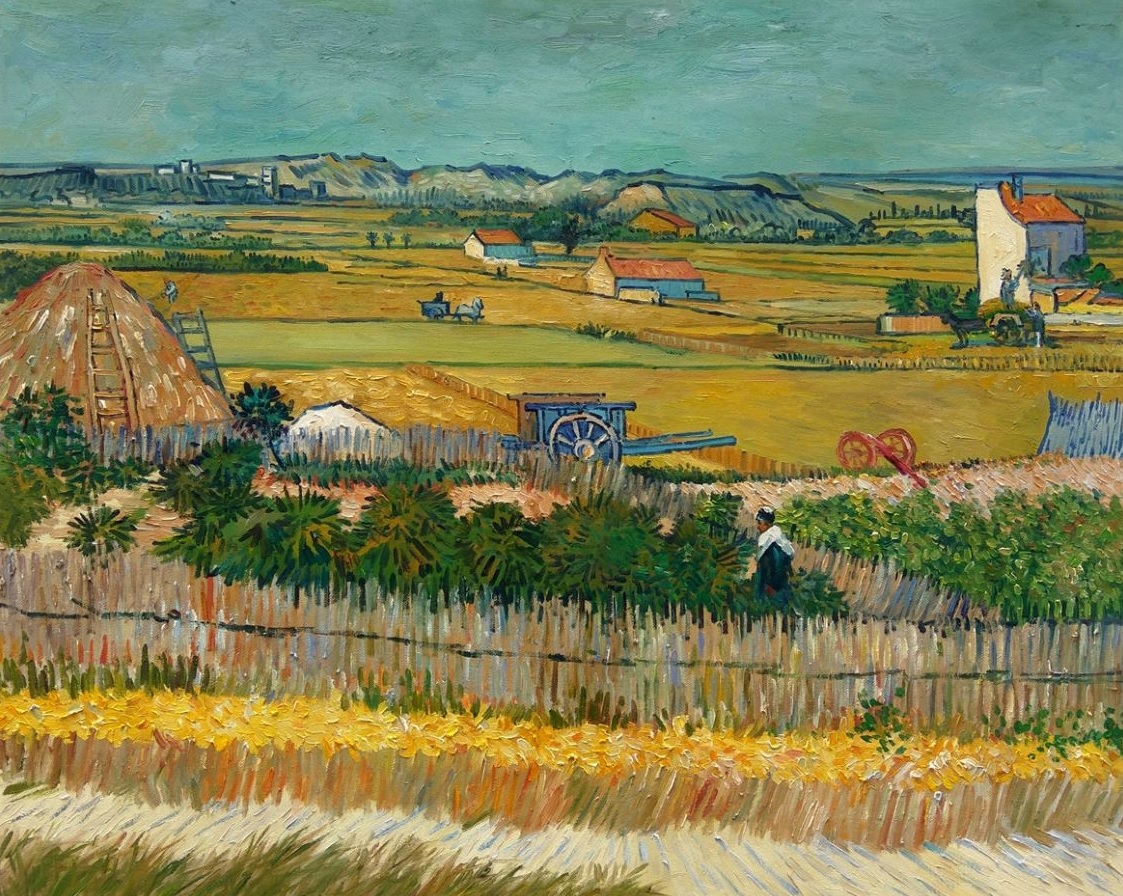

University of Michigan "More I Cannot Wish You"



On 9/11 the FDNY lost 343 of their own.
Not statistics. Sons, fathers, husbands from 75 firehouses across the five boroughs.
121 engine companies and 62 ladder companies answered the call. Every Rescue company in New York went in.
They knew the buildings were coming down and… pic.twitter.com/e4ArBUmfLq— Sassafrass84 (@Sassafrass_84) September 7, 2026

Scales Mound School District | Jo Daviess County Illinois 815
Oxford students after exams, 1989. pic.twitter.com/HQbO4r6dUE
— M (@0detobeauty) May 27, 2026
The calendar of Anglosphere educational settlements subtly shapes life of the mind, generally; and family and community life, specifically. Its cadence has roots in the cathedral schools and monastic learning communities of medieval Europe. Universities were not originally organized around modern “semesters.” Instead, the year followed the Christian liturgical calendar, agricultural seasons, food paths, daylight availability, and travel conditions.
In America educational calendars were nudged along by agricultural cycles. In the United Kingdom university calendars evolved into three major terms: Michaelmas in autumn, associated with arrival and beginnings; Hilary or Lent in winter, associated with discipline and study; and Trinity or Easter in spring, associated with examinations, outdoor rituals, music, rowing, gardens, and celebration.
Modern commencement traditions across the Anglosphere are descendants of medieval spring degree ceremonies. Academic gowns, hoods, processions, Latin phrases, formal dining, chapel music, and public recognition all preserve traces of the university as a scholarly guild and religious-civic community.
Before railways, electric lighting, and central heating, universities had to adapt to muddy roads, short winter days, limited candles, cold buildings, and agricultural obligations. Spring therefore became the natural season of culmination, reunion, athletic competition, courtship, and ceremony.
The medieval university was not merely a school but an educational settlement — a self-governing town of scholars, libraries, chapels, kitchens, workshops, residences, and dining halls. That settlement pattern survives in residential colleges, quadrangles, tutorial systems, common rooms, chapel choirs, and formal meals.
Anglosphere campuses retain this ancient emotional rhythm: autumn seriousness, winter inwardness, and spring release. That continuity helps explain why colleges and universities still feel culturally distinct from ordinary commercial society. (Relata: Gulliver Visits the Great Academy of Lagado)

We’re “organized” but not too organized; like the bookseller who knows where every book can be found.
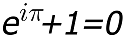
at a conference where you don’t have to present
— Peyman Milanfar (@docmilanfar) April 4, 2025
#AcademicChatter #AcademicTwitter
Academics be like 👇 pic.twitter.com/6cpVEw3PVS
— Reviewer 2 (@GrumpyReviewer2) April 2, 2024





