


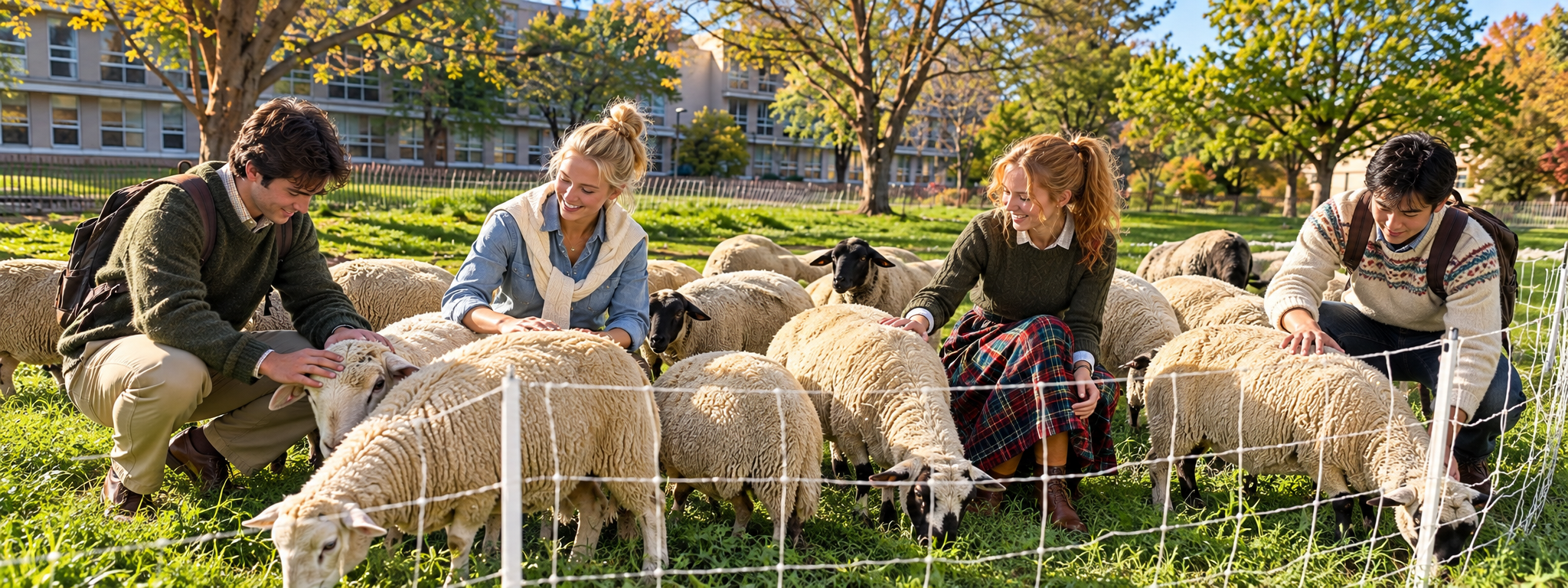
University of California Davis Sheep Mowers

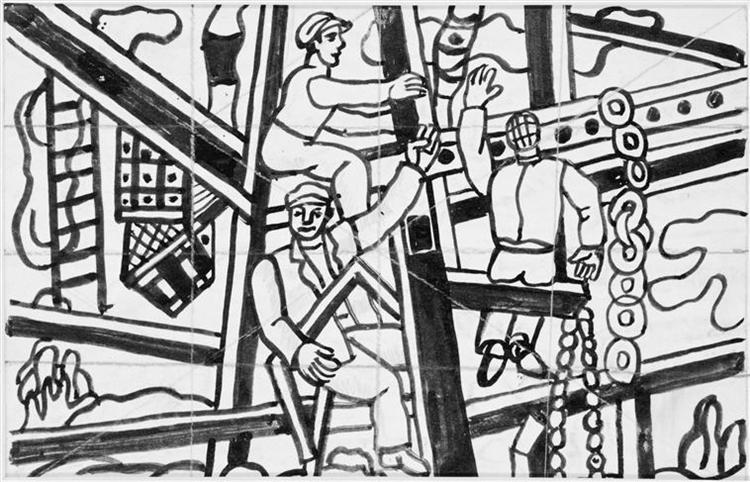
https://youtu.be/SHP7MSrz328?si=A4CA62Al9kG3oSiT https://youtu.be/c31Kr5t4SbA?si=rYpcQlvIZNBvV0D0 https://youtu.be/WFcqzNq4HbQ?si=MnYIaKnsMhHFTvg0 The “Poet and Peasant Overture” by Franz von Suppé is one of the composer’s most famous works, often performed independently of the operetta it originally introduced. Composed in 1846, the piece is a bright and lively orchestral overture that captures the essence of Romantic-era music. The overture is structured in several contrasting sections, reflecting both the pastoral and more dramatic elements suggested by the title. It begins with a solemn, slow introduction, featuring a solo cello that evokes a sense of rustic, poetic nostalgia. This is followed by a lively and brisk allegro, representing the “peasant” aspect with its energetic, dance-like rhythms. The music alternates between lyrical, melodic passages and fast-paced, spirited sections, creating a dynamic and engaging listening experience. The “Poet and Peasant Overture” showcases Suppé’s talent for blending melodic richness with lively orchestration, making it a favorite in concert halls and a staple in light classical music repertoire. Its evocative themes and vibrant energy make it a quintessential example of the Romantic overture, blending storytelling with musical brilliance. “Parable of the Rich Fool” 1627 Rembrandt Today we run a status check on public consultations released by ANSI-accredited and finance industry consortia whose involvement affects the cost of US education communities. Ahead of quarterly county elections we examine a few tax-free bond referenda on ballots across the US for insight into the money flow through education communities. https://twitter.com/GraemeK73/status/1643000411706589189?s=20 You are welcomed to join our review of backup power systems (customer-level). Although the term “backup” is not used in the codes and standards that govern electrical power safety and reliability, “backup” is a term of art widely used in design and field practice. Use the login credentials at the upper right of our home page. https://standardsmichigan.com/backup-power-systems/ https://twitter.com/GretaBucyte/status/1699002002095722790?s=20 “Etude pour les constructeurs” 1950 Fernand Leger We follow the construction spend rate of the US education industry; using the US Census Bureau Construction Spending figures released the first day of every month. We encourage our colleagues in the education facilities industry to respond to Census Bureau-retained data gathering contractors in order to contribute to the accuracy of the report. https://youtu.be/x613cyteWL4 Sogno Toscano at 17 Perry St, in the West village. New York City pic.twitter.com/g2Ij83imBH — NewYorkCityKopp (@newyorkcitykopp) July 29, 2024 Lorem ipsum https://standardsmichigan.com/%e0%ae%ae%e0%af%8a%e0%ae%b4%e0%ae%bf-2/ https://standardsmichigan.com/water-300/ Can’t do this anywhere else. Your call 📱 pic.twitter.com/BtWCpbM87C — Bobby Guntoro (@bobbygunt) July 18, 2024 https://standardsmichigan.com/water-management-monthly/ https://standardsmichigan.com/watersport/ https://youtu.be/fj1aSyzM8oA “Actors from the Commedia dell’Arte on a Wagon in a Town Square” 1640 Jan Miel A walk through the status of best practice literature that sets the standard of care for safety and sustainability in the education facilities built for the performance arts. Readings: The Seven Lively Arts (1924) Glibert Seldes (Oxford Academic review) https://twitter.com/RoyalBalletSch/status/1651974785490878464?s=20 This Is Marshall McLuhan (1967)https://t.co/HiR9l0Nk9ahttps://t.co/FEzQc7Hs3y pic.twitter.com/C8xUfOdDZe — Standards Michigan (@StandardsMich) November 10, 2023 https://youtu.be/DcXb9KWZtZU?si=2qeTsLy2bm1VAKiL https://youtu.be/zUWPfkM3gQk?si=3_okExCFMRj5HF5a https://youtu.be/j9Vit2vq22M?si=kM0zjzl61e_nPL21
BYU Philharmonic "Poet and Peasant Overture"

Land & Property Finance



Building "Backup" Electric Power

Ædificare
National Poetry Day UK
Water 330
Lively 300


"When She Loved Me" Brigham Young University

On 9/11 the FDNY lost 343 of their own.
Not statistics. Sons, fathers, husbands from 75 firehouses across the five boroughs.
121 engine companies and 62 ladder companies answered the call. Every Rescue company in New York went in.
They knew the buildings were coming down and… pic.twitter.com/e4ArBUmfLq— Sassafrass84 (@Sassafrass_84) September 7, 2026
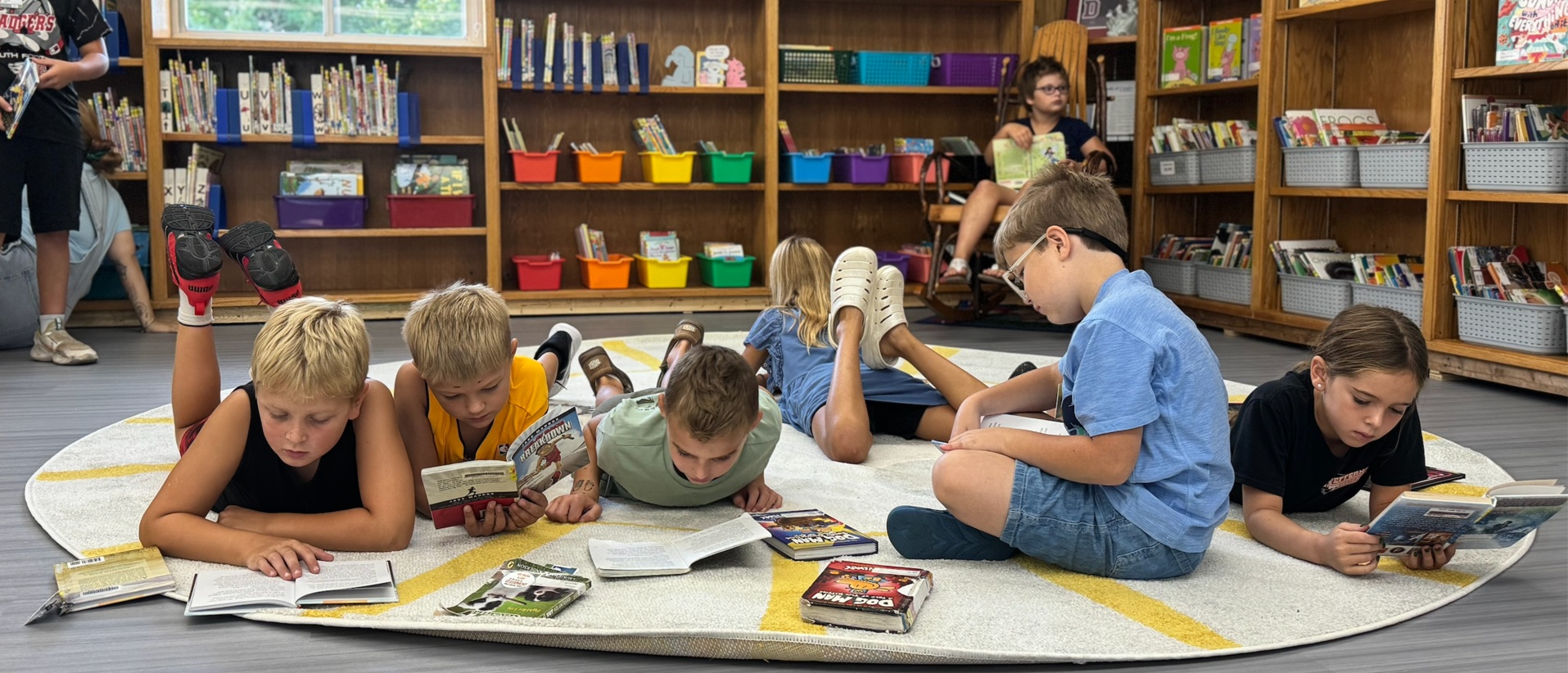
Scales Mound School District | Jo Daviess County Illinois 815
Oxford students after exams, 1989. pic.twitter.com/HQbO4r6dUE
— M (@0detobeauty) May 27, 2026
The calendar of Anglosphere educational settlements subtly shapes life of the mind, generally; and family and community life, specifically. Its cadence has roots in the cathedral schools and monastic learning communities of medieval Europe. Universities were not originally organized around modern “semesters.” Instead, the year followed the Christian liturgical calendar, agricultural seasons, food paths, daylight availability, and travel conditions.
In America educational calendars were nudged along by agricultural cycles. In the United Kingdom university calendars evolved into three major terms: Michaelmas in autumn, associated with arrival and beginnings; Hilary or Lent in winter, associated with discipline and study; and Trinity or Easter in spring, associated with examinations, outdoor rituals, music, rowing, gardens, and celebration.
Modern commencement traditions across the Anglosphere are descendants of medieval spring degree ceremonies. Academic gowns, hoods, processions, Latin phrases, formal dining, chapel music, and public recognition all preserve traces of the university as a scholarly guild and religious-civic community.
Before railways, electric lighting, and central heating, universities had to adapt to muddy roads, short winter days, limited candles, cold buildings, and agricultural obligations. Spring therefore became the natural season of culmination, reunion, athletic competition, courtship, and ceremony.
The medieval university was not merely a school but an educational settlement — a self-governing town of scholars, libraries, chapels, kitchens, workshops, residences, and dining halls. That settlement pattern survives in residential colleges, quadrangles, tutorial systems, common rooms, chapel choirs, and formal meals.
Anglosphere campuses retain this ancient emotional rhythm: autumn seriousness, winter inwardness, and spring release. That continuity helps explain why colleges and universities still feel culturally distinct from ordinary commercial society. (Relata: Gulliver Visits the Great Academy of Lagado)

We’re “organized” but not too organized; like the bookseller who knows where every book can be found.
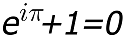
at a conference where you don’t have to present
— Peyman Milanfar (@docmilanfar) April 4, 2025
#AcademicChatter #AcademicTwitter
Academics be like 👇 pic.twitter.com/6cpVEw3PVS
— Reviewer 2 (@GrumpyReviewer2) April 2, 2024





