Will be to arrive where we started
And know the place for the first time.”

Eastern Michigan University Campus: A Bomber Workers’ Village

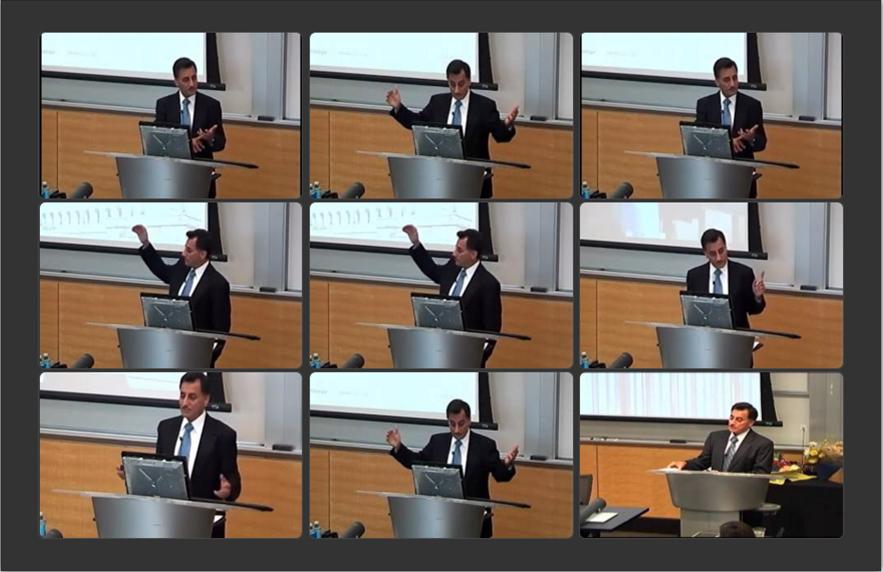
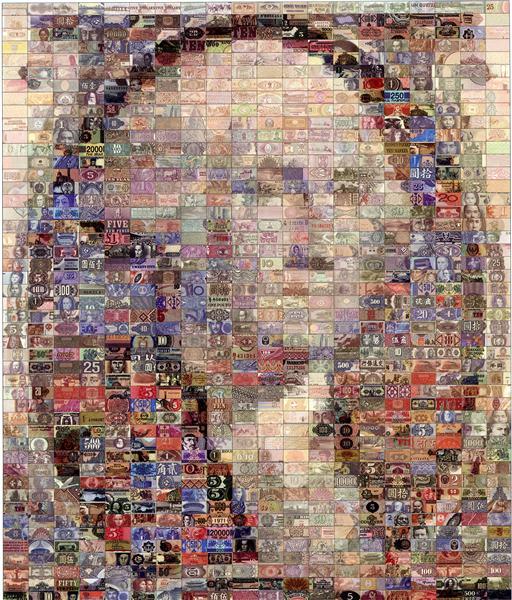
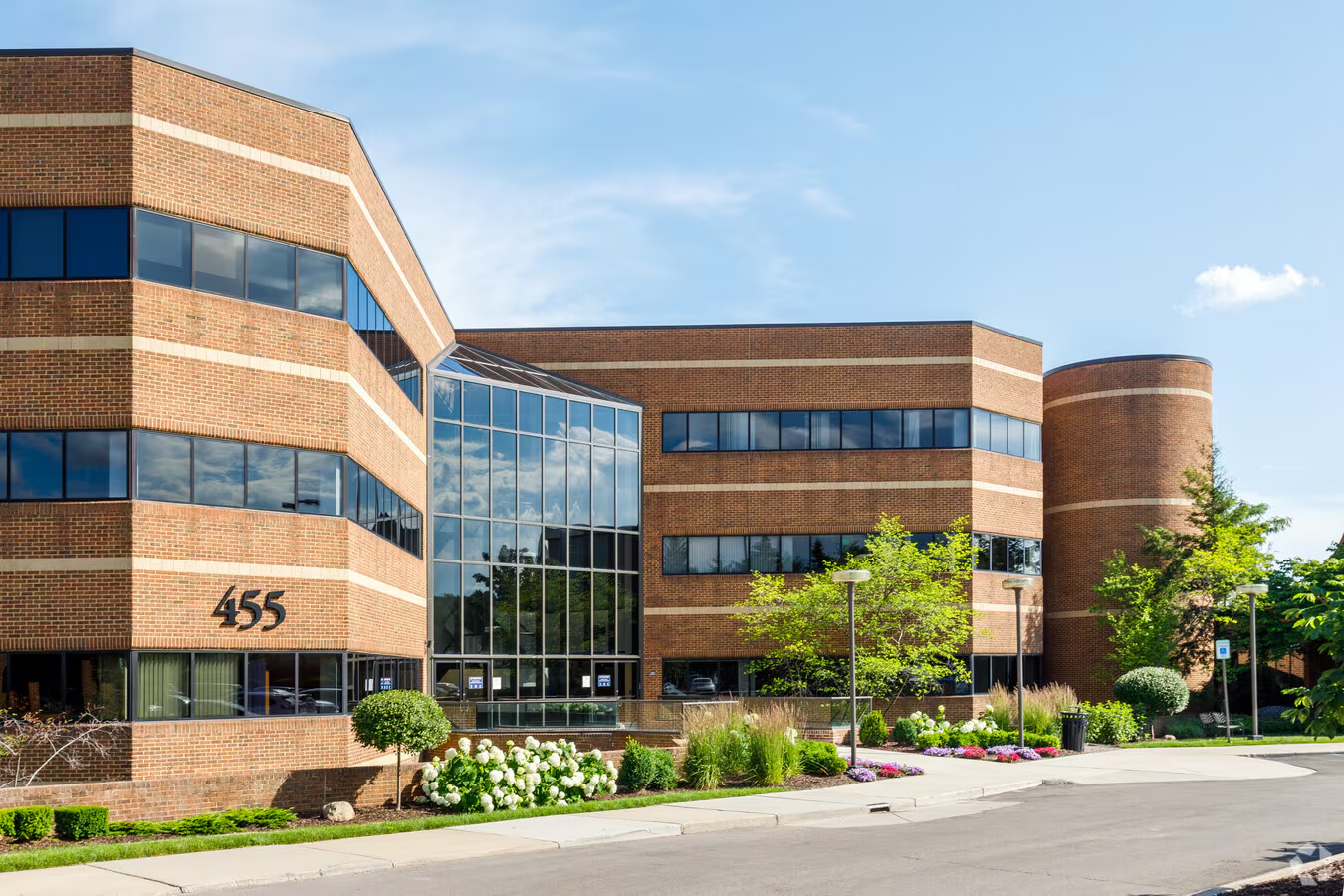
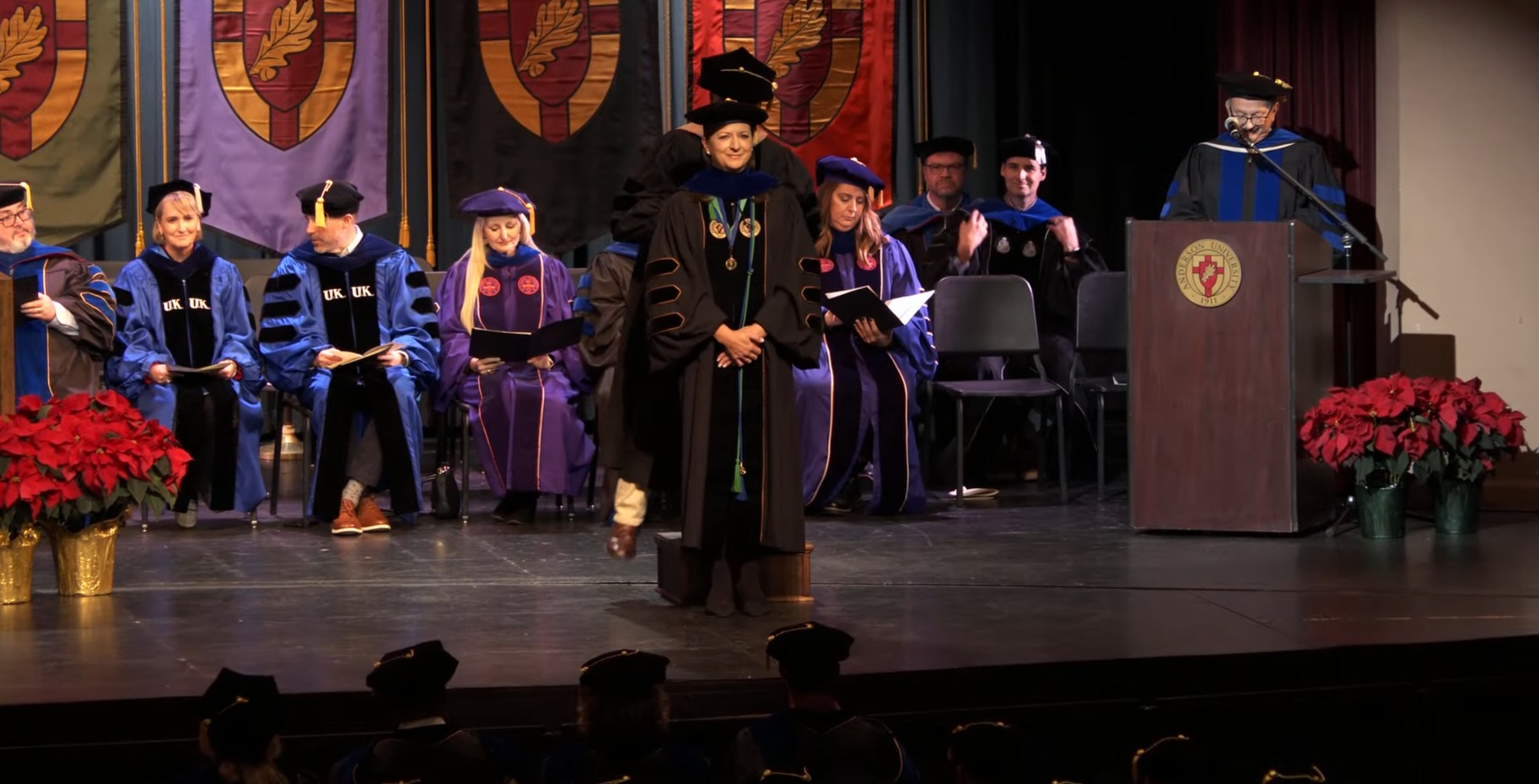
S. Joe Bhatia at the University of Michigan Ross School of Business | ANSI Company Member Forum, May 2016 “Washington money” 2012 Robert Silvers Today we pick through a few tax-free bond offerings that finance education community construction with a eye toward reducing construction cost and life-cycle maintenance through building codes and standards. Use the login credentials at the upper right of our home page. https://standardsmichigan.com/tax-free-bonds/ Once median household income is adjusted for cost of living, Utah emerges as the wealthiest state in the nation and Mississippi yet again ranks last. Source: https://t.co/AN3JZqtNnF pic.twitter.com/kv8U3LZlvh — Simon Kuestenmacher (@simongerman600) January 3, 2025 AMERICA IS BACK. Our National Anthem as good as it gets.#ArmyNavy 🇺🇸 pic.twitter.com/5KPcImecAL — Wesley Hunt (@WesleyHuntTX) December 14, 2024 IT’S GAMEDAY 🇺🇸! ⏰ 3 PM — Army-Navy Game (@ArmyNavyGame) December 14, 2024 On Saturday, @CBSSports will proudly present the 125th Army-Navy Game. It’s a tradition that will continue for many years to come, following today’s announcement that CBS will remain the home of this historic and revered rivalry through 2038. pic.twitter.com/E0y69kMV7H — CBS Sports College Football 🏈 (@CBSSportsCFB) December 9, 2024 🤩🇺🇸🏈🫡 #ArmyNavy pic.twitter.com/iW7jvhxMdy — Army-Navy Game (@ArmyNavyGame) December 12, 2024 https://standardsmichigan.com/dahlgren-hall-coffee-stories/ https://standardsmichigan.com/egg-nog-riot-of-1826/ Yes, the Federal Energy Regulatory Commission (FERC) maintains model (also called pro forma or standard) electric interconnection agreements as part of its regulations under the Federal Power Act. These serve as templates that FERC-jurisdictional transmission providers (e.g., utilities owning interstate transmission, RTOs/ISOs like PJM, MISO) must incorporate into their Open Access Transmission Tariffs (OATTs), with limited deviations allowed only if justified.These models primarily apply to generator interconnections (new generation resources connecting to the grid), not directly to large loads like data centers. Interconnection of large loads (e.g., gigawatt-scale data centers) is generally handled at the state level under local utility tariffs, though FERC has jurisdiction over wholesale aspects and is exploring reforms for large loads via recent DOE directives and proceedings.Key FERC Model/Pro Forma Interconnection AgreementsFERC has established standardized agreements through orders over the years (e.g., Order No. 2003 for large generators, Order No. 2006 for small, and major updates in Order No. 2023 and clarifications in 2023-A). The main ones are: These pro forma agreements are not one-size-fits-all “model” contracts for every scenario but standardized templates that transmission providers must adopt (or substantially follow) to ensure non-discriminatory, just, and reasonable interconnection processes. Transmission providers file compliance revisions to their tariffs incorporating these, and FERC approves or modifies them. Interconnection customers can negotiate specifics, but core terms remain standardized.Relevance to Large Loads/Data Centers If you’re asking in the context of a data center’s grid connection (e.g., the Saline project), the relevant agreement would likely be a state-level special contract or utility tariff, not a FERC pro forma LGIA/SGIA—unless the data center co-locates generation or involves wholesale market participation triggering FERC jurisdiction.FERC posts the current pro forma documents on its Generator Interconnection page, including PDFs of the LGIA and SGIA. Let me know if you’d like details on specific articles, recent updates, or how these might apply/analogize to large-load scenarios! https://youtu.be/A5Dw4YEu1Sc?si=npMWM5b6hBFlTRwb https://youtu.be/Wnm_P-0z_5s?si=fAHg-Yfx5bImWVzs Farmer Wants a Wife AS 4000 General Conditions of Contract has been updated for the first time since 1997! Join our free webinar to unpack the changes: 🗓 12 Aug | 🕐 1–2PM AEST | 💻 Online – register now: https://t.co/zX1UXo2EK7 pic.twitter.com/EiK0EO0CSo — Standards Australia (@standardsaus) July 14, 2025 Illumination technologies have had a pattern of consuming about 35 percent of building electrical energy use. That number has been pressed downward with the expanded application of LED luminaires and occupant responsive controls; much of the transformation hastened by the IEEE, IES and ASHRAE best practice catalogs. Today we run through the development status of these products with specific interest in exterior illumination best practice. This topic also is covered in the 4 time monthly meetings of the IEEE Education & Healthcare Facilities Committee. https://standardsmichigan.com/illumination-400/ https://standardsmichigan.com/colloquy-december/ https://youtube.com/shorts/4y67LSQCOOE?si=juD4TwQyXjXMyY_k “Christmas divination” 1888 Mykola Pymonenko, Ukrainian “Time is a passionate sculptor of men, the sun stands over it, a beast of hope and you, closer to it, embrace love with a bitter taste of a tempest.” —Odysseus Elytis (Nobel Laureate 1979) Today we take a retrospective look at 2025 and a prospective look at 2026. Use the login credentials at the upper right of our home page. Our new office: Across State Street from our first South Athletic Campus office on Oak Valley Drive. We will recode our footer to reflect this. 455 East Eisenhower Parkway Suite 300 | Ann Arbor, Michigan 48108 “Life can only be understood backwards; but it must be lived forwards.” Christine Graduates with her Ph.D



📺 CBS#ArmyNavy pic.twitter.com/WNNzl30fjW
This is the pro forma LGIA (Standard Large Generator Interconnection Agreement), attached as Appendix 6 to the pro forma Large Generator Interconnection Procedures (LGIP). It covers terms for interconnection service, network upgrades, cost allocation, milestones, liability, termination, and more.
This is the pro forma SGIA (Standard Small Generator Interconnection Agreement), used under the Small Generator Interconnection Procedures (SGIP). It includes provisions for parallel operation, inspection/testing, cost responsibility, termination, and disconnection. 
https://youtu.be/iTRzObDsWSE






In Memory: Larry Spielvogel
Welcome: James R. Murdock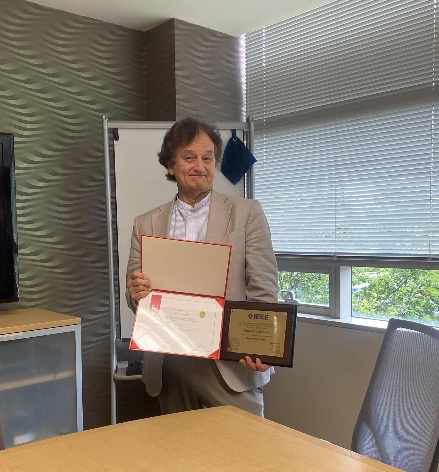
Mike honored in the NFPA “Quarter Century” Club & IEEE Student Mentor Award





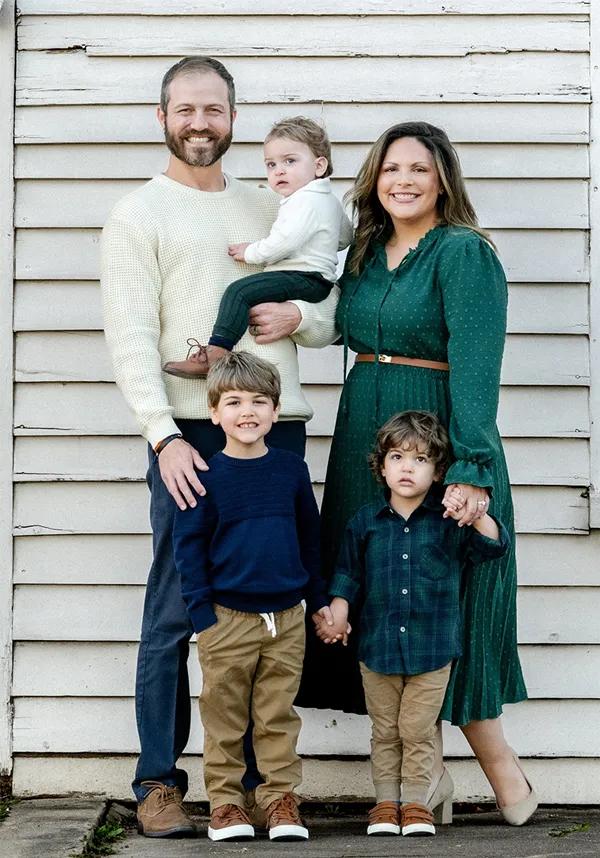
Dr. Nathan Schrenk | Germanna Community College Virginia
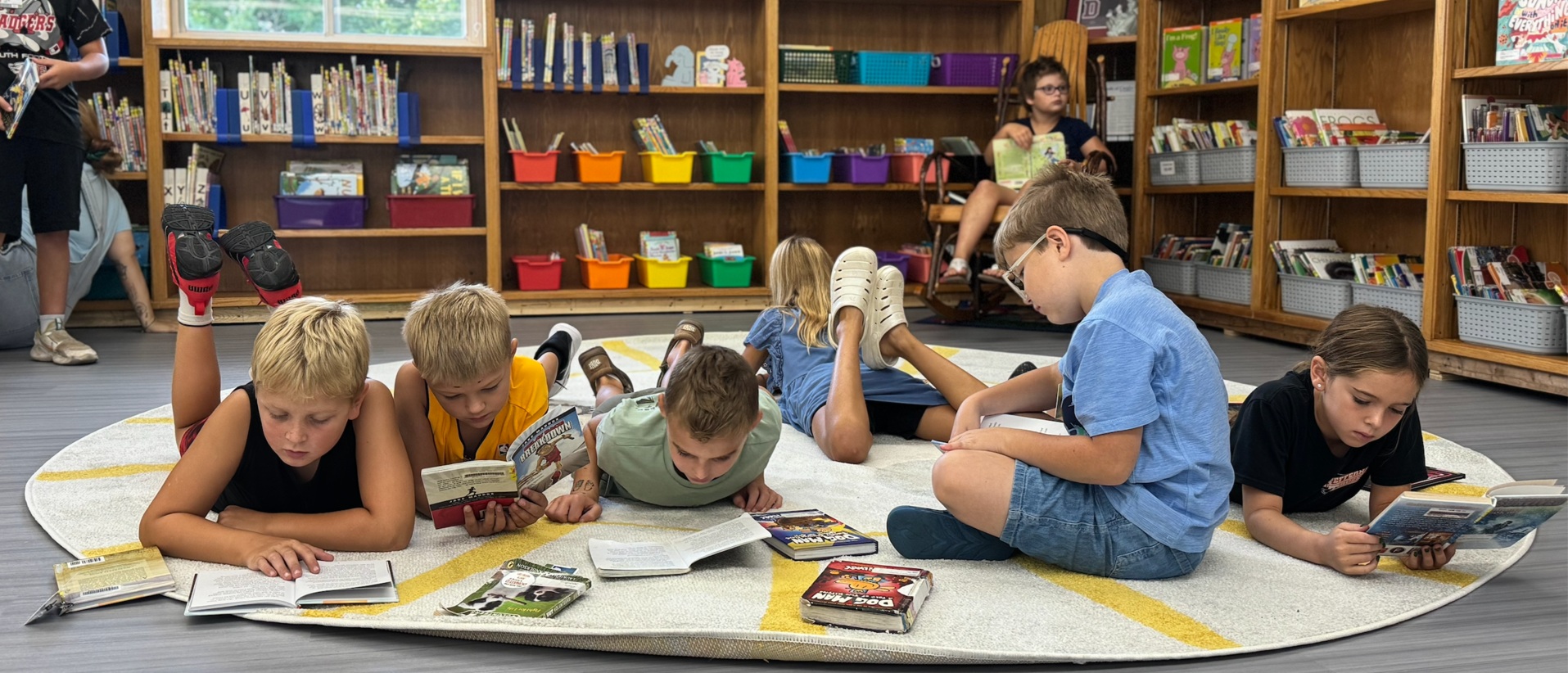
Scales Mound School District | Jo Daviess County Illinois 815
Oxford students after exams, 1989. pic.twitter.com/HQbO4r6dUE
— M (@0detobeauty) May 27, 2026
The calendar of Anglosphere educational settlements subtly shapes life of the mind, generally; and family and community life, specifically. Its cadence has roots in the cathedral schools and monastic learning communities of medieval Europe. Universities were not originally organized around modern “semesters.” Instead, the year followed the Christian liturgical calendar, agricultural seasons, food paths, daylight availability, and travel conditions.
In America educational calendars were nudged along by agricultural cycles. In the United Kingdom university calendars evolved into three major terms: Michaelmas in autumn, associated with arrival and beginnings; Hilary or Lent in winter, associated with discipline and study; and Trinity or Easter in spring, associated with examinations, outdoor rituals, music, rowing, gardens, and celebration.
Modern commencement traditions across the Anglosphere are descendants of medieval spring degree ceremonies. Academic gowns, hoods, processions, Latin phrases, formal dining, chapel music, and public recognition all preserve traces of the university as a scholarly guild and religious-civic community.
Before railways, electric lighting, and central heating, universities had to adapt to muddy roads, short winter days, limited candles, cold buildings, and agricultural obligations. Spring therefore became the natural season of culmination, reunion, athletic competition, courtship, and ceremony.
The medieval university was not merely a school but an educational settlement — a self-governing town of scholars, libraries, chapels, kitchens, workshops, residences, and dining halls. That settlement pattern survives in residential colleges, quadrangles, tutorial systems, common rooms, chapel choirs, and formal meals.
Anglosphere campuses retain this ancient emotional rhythm: autumn seriousness, winter inwardness, and spring release. That continuity helps explain why colleges and universities still feel culturally distinct from ordinary commercial society. (Relata: Gulliver Visits the Great Academy of Lagado)
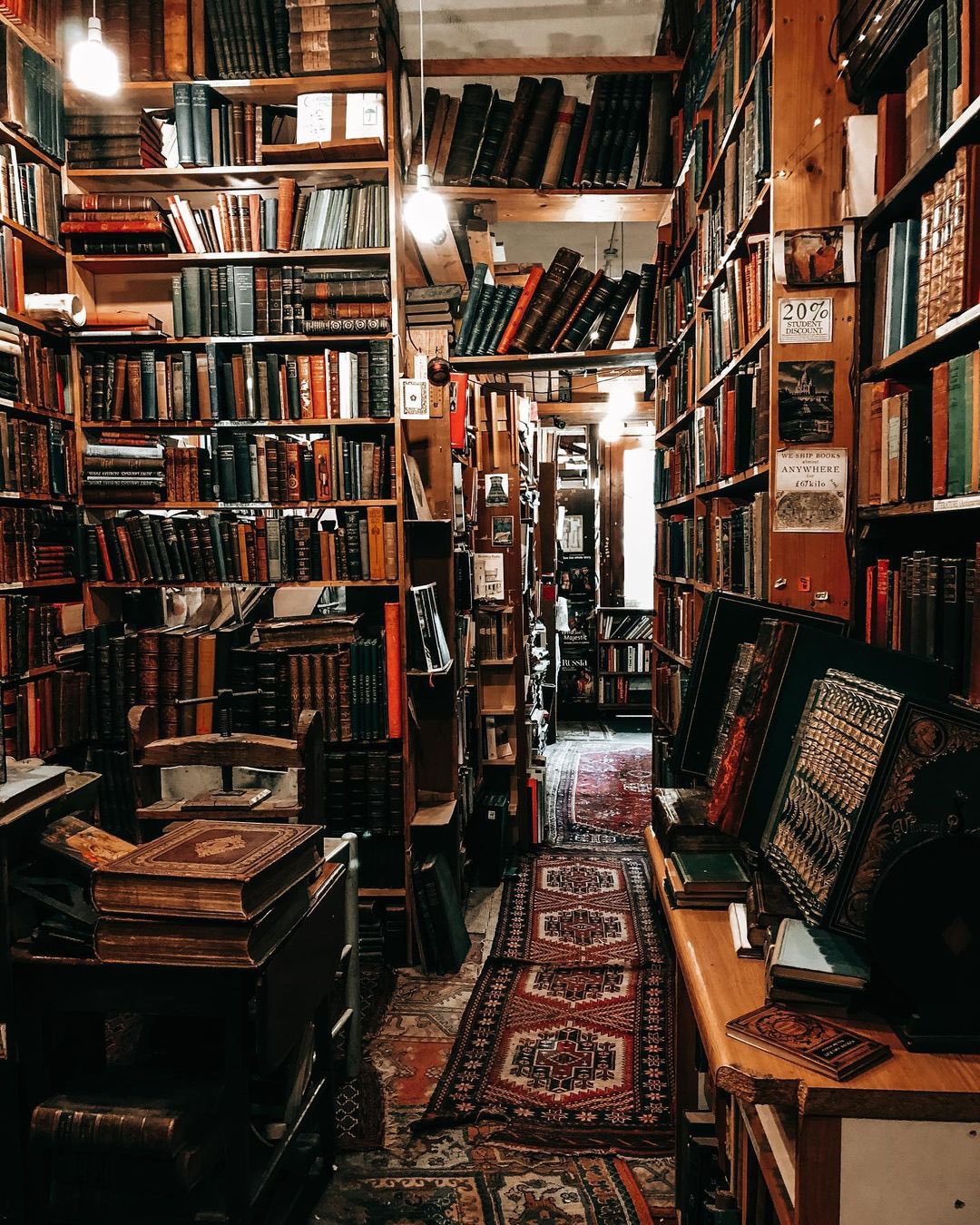
We’re “organized” but not too organized; like the bookseller who knows where every book can be found.
at a conference where you don’t have to present
— Peyman Milanfar (@docmilanfar) April 4, 2025
#AcademicChatter #AcademicTwitter
Academics be like 👇 pic.twitter.com/6cpVEw3PVS
— Reviewer 2 (@GrumpyReviewer2) April 2, 2024