



Ole Miss
Boston University: Campus as Everyday Runway Why Your Homeschool Might Need a School Uniform https://standardsmichigan.com/school-uniforms/ You can always be thinner, look better. https://t.co/Rlibaw8U8v pic.twitter.com/oSif9CNDbz — 𝒩𝒶𝓉𝒶𝓁𝒾𝒶 (@classicspilled) November 23, 2025 St. Catherine of Siena Academy | Oakland County Michigan The wardrobe of an educational settlement reflects its customs as surely as its architecture Every campus has a dress code. Most are unwritten. — Prep Propaganda 👔 (@prep_propaganda) November 24, 2025 Miami-Dade College of Fashion https://standardsmichigan.com/the-kilt/ Thomas More College of Liberal Arts | Merrimack County New Hampshire https://standardsmichigan.com/blockchain-and-wool/ Rishworth School | West Yorkshire https://standardsmichigan.com/the-local-economy-of-fashion/ Catholic All Year: Uniforms for Homeschool https://standardsmichigan.com/standard-methods-of-fire-tests-for-flame-propagation-of-textiles-and-films/ Bishop Kelley High School | Oklahoma County Russian couple. pic.twitter.com/YgrwITzbne — Return to Your Roots (@RootsReturn) January 2, 2026 https://standardsmichigan.com/fashion-fall/https://standardsmichigan.com/ Standardization topics will continue to flow but our daily interactive document review and markup sessions will not resume until August 20th. ❣️❣️❣️😎🙏😎❣️❣️❣️ — Ron Lacy (@LRonLacy) July 26, 2026 Are you Overbuilding? “Etude pour les constructeurs” 1950 Fernand Leger We follow the construction spend rate of the US education industry; using the US Census Bureau Construction Spending figures released the first day of every month. We encourage our colleagues in the education facilities industry to respond to Census Bureau-retained data gathering contractors in order to contribute to the accuracy of the report. https://youtu.be/x613cyteWL4 'Please welcome New Swannington Primary School Years 5 and 6 singing' — Standards Michigan (@StandardsMich) October 22, 2025 “Fall Plowing” 1931 / Grant Wood I will never fail to be utterly amazed that these flavours come from soil, and sunlight and rain. pic.twitter.com/qTMx8jh8Zx — Holly Vickery PhD (@SkylarkHolly) July 27, 2024 https://standardsmichigan.com/food-standards-monthly/ interrupting my normal programming to bring you a proud mom moment —my son played Mendelssohn’s Violin Concerto in E minor Op. 64 second movement, from memory, on his grandmother’s violin tonight pic.twitter.com/tDZKxx7c0d — Kristin M. Collier, MD (@HSRdirector) July 25, 2026 “He who does not speak foreign languages — Johann Wolfgang von Goethe “The Tower of Babel” 1563 / Pieter Bruegel the Elder Here’s a rough breakdown of the top languages on the web: English: 55.4% – Russian: 6.6% – Japanese: 5.4% – Spanish: 5.2% – Chinese: 4.6% One of the most contentious aspects of best practice discovery and promulgation in any domain, and no less so in educational settlements, is an agreed-upon vocabulary and shared understanding. As we explain elsewhere in this history, when a counter-party disagrees with you, he simply switches out the vocabulary — i.e. changes definitions or adds or subtracts from the traditional meanings of things. So we approach this topic several times a year to confirm our bearing on the meaning of things. We begin 2025 by breaking down this topic into four sections Language 100: Survey of vocabulary in the standards catalogs relevant to building and managing education settlement real assets; including legal terms. Language 200: Electrotechnology standard catalogs; including computer programming languages. Language 300: The English as the language of science and innovation; the birthplace of computing and programming, the internet’s native tongue, standardization & open source development; etc. Language 400: Reserved. Received Pronunciation RE: National Debate and Speech Association https://youtube.com/shorts/JGyuv9MLxJg?si=Cq2P5TX9N8S7rMHh Come see ‘Pygmalion’ this weekend at Arno Gustin Hall on campus! University of Mary students bring this classic to life in a riveting weekend of performances. 🎬 Showtimes: — University of Mary (@umary) March 21, 2025 In the United Kingdom, National Poetry Month is celebrated in October, and it is known as “National Poetry Day” which has been observed since 1994. It is an initiative of the Forward Arts Foundation, which aims to encourage people to read, write and perform poetry. Other countries also have their own poetry celebrations, such as World Poetry Day, which is observed annually on March 21 by UNESCO (United Nations Educational, Scientific and Cultural Organization) to promote the reading, writing, and teaching of poetry worldwide. In past years we used a Tamil mnemonic because Tamil is the oldest surviving language and remains the spoken language of 80-odd million people of South Asia. Alas, use of Tamil confounds our Wordpress content management system so in 2024 we began coding this topic in American English https://standardsmichigan.com/%e0%ae%ae%e0%af%8a%e0%ae%b4%e0%ae%bf-2/ Latin Phrases You Should Know. pic.twitter.com/Erq61gVW29 — Learn Latin (@latinedisce) May 5, 2024 Once median household income is adjusted for cost of living, Utah emerges as the wealthiest state in the nation and Mississippi yet again ranks last. Source: https://t.co/AN3JZqtNnF pic.twitter.com/kv8U3LZlvh — Simon Kuestenmacher (@simongerman600) January 3, 2025 With emphasis on OB-GYN because educational settlements are where families begin and grow among the young. Many research universities have large medical research and clinical delivery enterprises that provide significant revenue. We periodically scan public consultations for literature that sets the standard of care for the facilities and technologies in these enterprises in education communities. The future we are building. I know it feels like a distant dream sometimes…but every day, our collective work toward shifting the zeitgeist is taking us another step closer. No black-pilling. We are going to win 🤍 pic.twitter.com/V1SFkR8FWT — ₿en Wehrman (@benwehrman) April 27, 2026 MEN: Hold on to your daughters till they’re married!! pic.twitter.com/TmmLQsUIEB — Barefoot Pregnant (@usuallypregnant) April 29, 2026 https://standardsmichigan.com/august-14-2003-power-outage-at-the-university-of-michigan/ Pat Metheny joined the faculty of Berklee College of Music in 1974 at age 19, becoming its youngest teacher ever after a recommendation from vibraphonist Gary Burton. He taught guitar there for roughly 18 months in the mid-1970s while developing his career and later joining Burton’s band. Though never a formal student, the experience immersed him in Boston’s vibrant jazz scene. In 1996 Berklee awarded him an honorary doctorate, and he delivered the commencement address. He returned in the early 2000s as Herb Alpert Visiting Professor for multi-week residencies, conducting clinics and coaching students. Mary travels into the hill country to visit Elizabeth. At Mary’s Mary answers with the Magnificat: she magnifies the Lord and rejoices “My soul doth magnify the Lord, and my spirit hath rejoiced in God my “Hail, Holy Queen” Chapel | R.A.M. Stern Architects Young people curious about Christianity might learn more by skipping Christmas and Easter for a year and attending church instead on the quieter Sundays and lesser festivals of the Christian calendar. The great holidays are magnificent, but they are exceptional occasions: crowded pews, elaborate music, flowers, candles and congregations enlarged by people who may attend only once or twice a year. They can present Christianity at its most ceremonial without necessarily revealing the ordinary rhythm that sustains it. Try an August Sunday instead. Attend on Pentecost, Trinity Sunday, All Saints, Ascension or a lesser observance such as the Assumption of Mary in mid-August. The congregation may be smaller. The music may be simpler. The sermon may assume that everyone knows where they are in the Christian year. Precisely for those reasons, a visitor encounters something closer to the continuing life of the church. Liturgy also becomes less boring once its recurring forms become recognizable. Language initially heard as repetition begins to disclose structure and meaning. The Christian calendar was designed to be inhabited, not sampled. Sometimes the best way to understand its great festivals is to begin with the days when hardly anyone is watching. Something was in the air 🎃 🍂 ✨ — Salve Regina University (@SalveRegina) August 10, 2026 “Own only what you can always carry with you: know languages, know countries, know people. Let your memory be your travel bag.” — Aleksandr Solzhenitsyn (From “The Gulag Archipelago”) Today we explain our collaboration with other education settlements in the US and other nations. We conform to participation requirements set by ANSI US Technical Advisory Groups to the International Organization for Standardization but we also have liaison with other universities in the European Union who conform to the participation requirements of their own national standards bodies. Use the login credentials at the upper right of our home page. Because a great deal of content is copyright protected by the International Electrotechnical Commission, International Organization for Standardization and International Telecommunications Union. Around the world – André Henri Dargelas, 1860 pic.twitter.com/u9SgXbEHsU — Muse (@xmuse_) March 7, 2026 Don’t say ‘right-wing’, say ‘pattern recognizer’ https://t.co/0s5FNnlCOB pic.twitter.com/s0YuVy4jw6 — 𝒩𝒶𝓉𝒶𝓁𝒾𝒶 (@classicspilled) November 3, 2025 Happy #WorldStandardsDay! 🎉 Standards connect people, systems and nations — building trust through quality. This year we focus on SDG 17: Partnerships for the Goals 🤝🌎 Together, we raise standards for a better world.#BSJ #WorldStandardsDay2025 #StandardsInAction #SDG17 pic.twitter.com/vWKHGW75p4 — Bureau of Standards (@StandardsJa) October 14, 2025 New Modern Methods of Construction Toolkit from the NSAI! For helpful guides, practical resources and free tools, access NSAI’s #MMC toolkit for the Irish construction industry at https://t.co/X8zPrOoSaw In support of the government’s Housing for All strategy, the goal of… pic.twitter.com/Oyyt3LOq6z — NSAI (@NSAI_Standards) June 26, 2025 https://standardsmichigan.com/international-standards-teleconference-today-11-am-eastern/ 17 equations that changed the world pic.twitter.com/69jV97p8mM — Massimo (@Rainmaker1973) December 21, 2024 https://standardsmichigan.com/iso-tc-309/ https://standardsmichigan.com/itu-academia/ d https://standardsmichigan.com/time-frequency-services/ d https://standardsmichigan.com/readability-of-design-standards/ v 🥀 …e visto che ogni cosa ha una fine… il ritorno a casa Piacevole serata caro Ron ❣️🥀 pic.twitter.com/J66WiXmuuS — Petra (@Petra71301259) July 26, 2026 Aperiodic walk-through of best practice literature for water resources in education communities. Use the login credentials at the upper right of our home page. https://standardsmichigan.com/planetariums/ Happy solstice! ☀️ Yesterday kicked off astronomical summer in the Northern Hemisphere. This time of year, the summer triangle rises into view in the night sky. Between these stars, amazing deep-sky objects are visible with a telescope, including the Ring and Veil Nebulas. pic.twitter.com/WznMmSrXj5 — NASA JPL (@NASAJPL) June 22, 2026 Éric Rohmer’s A Summer’s Tale (1996) follows Gaspard, a recent mathematics graduate, through several weeks of summer holiday on the Brittany coast. He arrives expecting to meet one young woman, befriends another and is introduced to a third. What follows is less a conventional romance than a study of young adults discovering how uncertain they can be about one another and themselves. Rohmer gives them room to find out. They walk beaches, eat together, make music, talk, flirt and make plans that may or may not survive another day. There are no grand institutions directing their choices and little technology competing for their attention. Place, weather, conversation and unstructured time do most of the work. For educators and essential works staff whose professional lives are governed by calendars, classrooms and obligations, the film offers a gentle reminder: summer also provides time for friendship, courtship and possibilities that cannot be scheduled. Standards Florida Are you curious about the impact of NIST's work on your daily life? Our "NIST In Your State" guide is a great place to start exploring! See how NIST is making a difference in your state. Explore at https://t.co/Sh8bkwfLkV pic.twitter.com/ek2SEEvjCL — National Institute of Standards and Technology (@NIST) July 9, 2026 The English-speaking peoples did not invent slavery. They inherited ancient human institutions in Africa, Asia and the Islamic world and, under powerful Christian influence, became among the peoples who transformed opposition to it into sustained political action, abolition and international suppression. For American Public School District Curriculum Leaders: Understanding the broader history of slavery provides essential context for teaching American history as the nation observes the 250th anniversary of its founding. Different civilizations developed different systems of slavery, different routes of commerce and eventually very different histories of abolition. Slavery was not invented by Europeans. Forms of slavery and forced servitude existed for thousands of years in Africa, Europe, Asia, the Middle East and the South American continent including what is now Mexico. Within Africa, captives of war, debtors and members of rival communities were among those enslaved. Long-established African political and commercial networks subsequently became entangled with European demand for labor in the Americas, producing the extraordinarily destructive Atlantic slave trade. This larger history does not diminish the particular brutality of American slavery or its enduring consequences. It places them within the history of a widespread human institution shaped by power, warfare, commerce and law. Teaching that larger history gives students a more complete account of human responsibility than narratives that permanently assign innocence or guilt according to ancestry. The English-speaking world became a leading center of organized abolition. British abolitionists transformed moral and religious opposition to slavery into sustained public action and parliamentary reform. Evangelical Christians, Quakers and others were particularly important. Parliament abolished the British slave trade in 1807 and enacted the Slavery Abolition Act in 1833, with emancipation taking effect across most of the British Empire beginning in 1834. Britain subsequently committed diplomatic, financial and naval resources to suppressing the Atlantic slave trade. The Royal Navy’s West Africa Squadron intercepted slave ships and liberated many thousands of captives. The American story followed a different and far bloodier course. The United States prohibited the importation of enslaved people beginning in 1808, yet slavery expanded domestically and became inseparable from the sectional crisis that produced the Civil War. Southern states seceded in defense of a social and economic order founded substantially upon slavery. Lincoln’s Republican administration ultimately made emancipation a Union war policy, and the Thirteenth Amendment abolished slavery throughout the United States in 1865. Reconstruction was followed by decades of segregation and disenfranchisement in the South before the twentieth-century civil-rights movement secured another profound change in American law and institutions. This history deserves to be taught neither as an indictment nor as an absolution of people living today. Young Americans can understand simultaneously that slavery was brutal, that racial injustice persisted long after emancipation and that societies possess a remarkable capacity for moral reform. The history of abolition is itself part of the history of slavery. For African-American students in particular, that larger field includes considerably more than victimhood. It includes endurance, family formation, religious faith, intellectual achievement, military service, entrepreneurship, abolitionism, political organization and the long exercise of agency under extraordinarily difficult circumstances. Frederick Douglass belongs in this history alongside William Wilberforce. As Americans continue to disagree about how this history should be taught, public schools should expect parents to examine closely the historical narratives presented to their children. Where families conclude that schools present American history principally through inherited grievance or collective guilt, some will seek alternatives through home schooling, charter schools and other forms of education. That competition should encourage every educational institution to pursue historical completeness rather than political conformity. The better objective is neither grievance nor forgetfulness. It is historical proportion: acknowledging human cruelty without denying human achievement, recognizing inherited consequences without assigning inherited guilt and showing young people that institutions can be reformed by people possessing sufficient courage, conviction and persistence. William Wilberforce was born on 24 August 1759 in Kingston upon Hull, Yorkshire, England. Our monthly walk through of revision cycles and public-commenting opportunities regarding codes, standards, recommended practices and other consensus documents developed by the ISO, ICC, ASTM, ASHRAE, NFPA, IFMA, BOMA, APPA and others that set the standard of care for education and university-affiliated facilities. National Dog Day https://t.co/h24agUuw8u@GreatlakesladyMhttps://t.co/I7hZGXT0VK pic.twitter.com/p5BsfZEXQW — Standards Michigan (@StandardsMich) August 26, 2025 “The Peaceable Kingdom” 1833 Edward Hicks Today we update our understanding of the regulations, codes, standards and ethical considerations in the care of animals in education communities. Use the login credentials at the upper right of our home page. Family time pic.twitter.com/tRQH8LV3eW — Chelsea (@therealilwolf) April 17, 2024 In partnership with @Yeatssocietyirl, we are hosting a special virtual event to mark the 100th anniversary of the #poem ‘The Second Coming’ by WB #Yeats. Join us on Friday, 13 Nov at 7pm for an evening of discussion and #poetry readings. 🎟️ Register now: https://t.co/gfU24AEFGz pic.twitter.com/zDbzLjslL5 — National Library of Ireland (@NLIreland) November 5, 2020 someone wanna go feed them for me? So I can stay in bed. Im already late. pic.twitter.com/F2WCu8SrqG — dhani (@juss_dhani) August 4, 2024 Hey Friends! Heading back to school soon and hoping to clear some things from my wish list! If helping kids is your jam and you'd like to support a kindergarten teacher from Michigan, I'd sure appreciate it! #clearthelist @HayesHolly2 https://t.co/pra7x7jDZx pic.twitter.com/h3lBzuf2z4 — Dawn Boschi (@dawnboschi) July 31, 2026 🌸 Hi! I’m Jen! Any help or RT is greatly appreciated ❤️#clearthelist #TeacherofX https://t.co/6724vdbPF0 — Jen 🩷☕️👩❤️👨🐾 (@MrsKMNTeacher) July 31, 2026 If you want to show my classroom wishlist some love here it is. I especially love stickers to hand out to the little ones! I am an elementary school music teacher in Parkland, a Fl. I spend my days making music and building confidence!https://t.co/3ThZuFzSMx pic.twitter.com/GTu47U0jji — Jen Del Sol (@JenDelSol) July 31, 2026 Hiii! I'm Amethyst-my job titles include Gifted & Talented director, SPED/504 coordinator, 3rd & 4th math, science, & social studies teacher, and elementary book club host! I have organized my wishlists here — Amethyst Pemberton (@ame_pemberton) July 10, 2026 Move-In is not merely the movement of belongings. It is the annual reassembly of a generation. https://standardsmichigan.com/gallery-move-in/ Final Results for October 2025 ⛔️UMich Consumer #Sentiment relapsed in August amid new tariff announcements & higher expected inflation — across age, income & stock wealth groups 🔻Sentiment: -5.7% ⚠️”Perceptions of many aspects of the economy slipped” pic.twitter.com/4wYXLRPfAN — Gregory Daco (@GregDaco) August 29, 2025 The University of Michigan Consumer Sentiment Index (MCSI) is released twice a month: Both reports are published at 10:00 AM Eastern Time (ET). Consumer sentiment down amid disagreements on new government policies Consumer sentiment fell for the first time in six months, edging down 4% from December. While assessments of personal finances inched up for the fifth consecutive month, both the short- and long-run business… pic.twitter.com/r2mPTc5XiO — Michigan News (@UMichiganNews) January 24, 2025 https://youtu.be/D0xSuqKoByQ?si=-pawPMfA1bnY3-FM https://youtu.be/GxbKuek88NQ?si=v249UC4EAG2qJXlh https://youtu.be/JkQauI15hlE?si=uAm42E0eGtSCtJPH https://standardsmichigan.com/watersport/ https://twitter.com/OtayMark/status/1687584197752537091?s=20 https://twitter.com/StandardsMich/status/1550752898740543489?s=20 https://twitter.com/SportSapienza/status/1687454976015020033?s=20 https://twitter.com/USASwimming/status/1687150046612250624?s=20 https://twitter.com/Vol_SwimDive/status/1687087529214844928?s=20 https://youtu.be/5FOH39oTmHw Did you attend a Holy Mass today on Sunday? pic.twitter.com/GBDeq1HgIn — Sachin Jose (@Sachinettiyil) August 4, 2024 Spelling Bee state finals start after record 98,783 registered students https://standardsmichigan.com/standards-australia/ Whatever anyone wants to talk about. If no one has any suggestions, how about we poke at any of these new releases: ANSI RELEASES REPORT: STANDARDIZATION EMPOWERING AI-ENABLED SYSTEMS IN HEALTHCARE NIST: AI Standards: Federal Engagement IEEE Transactions on Artificial Intelligence


https://standardsmichigan.com/fashion-technology/
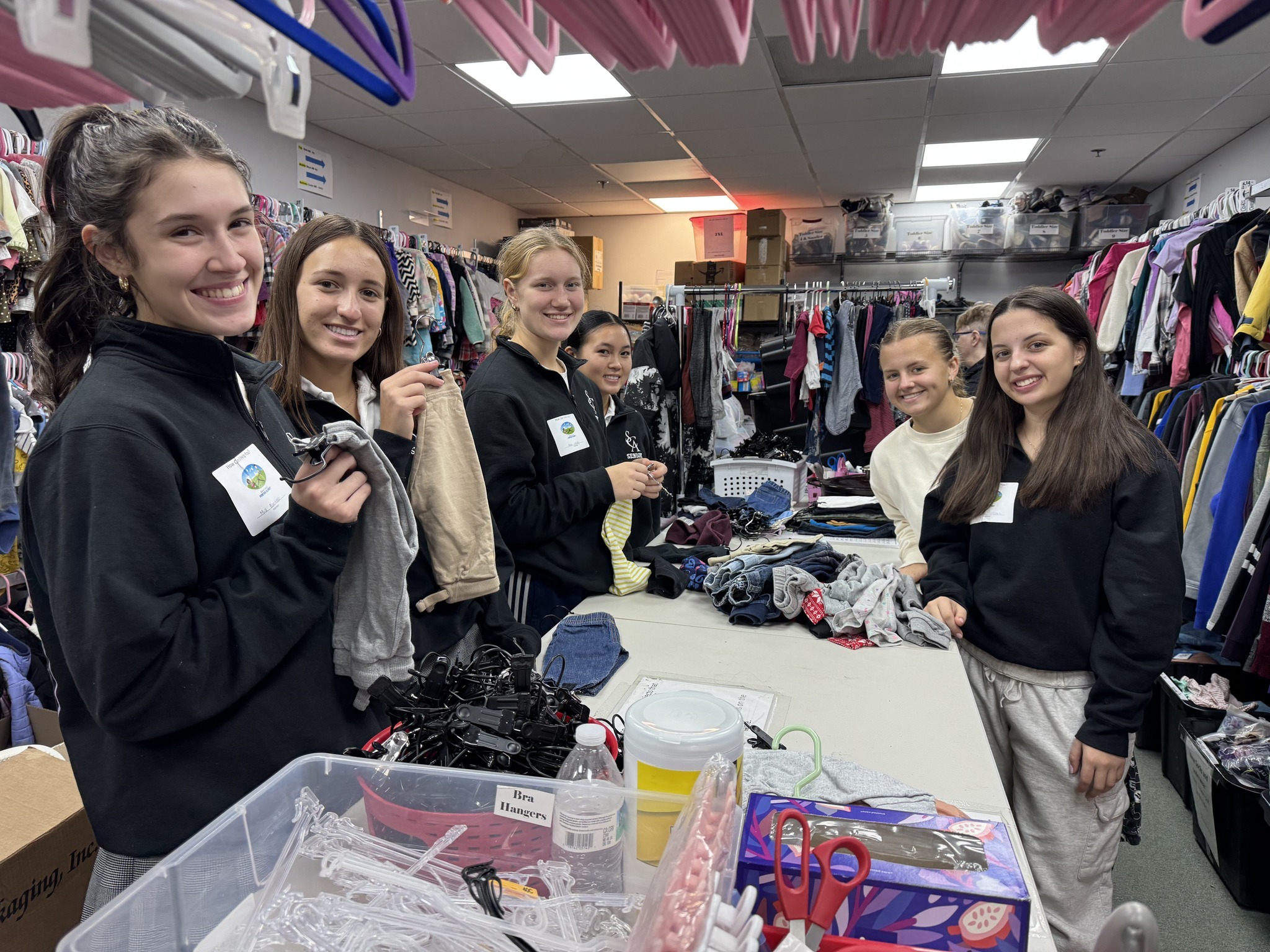
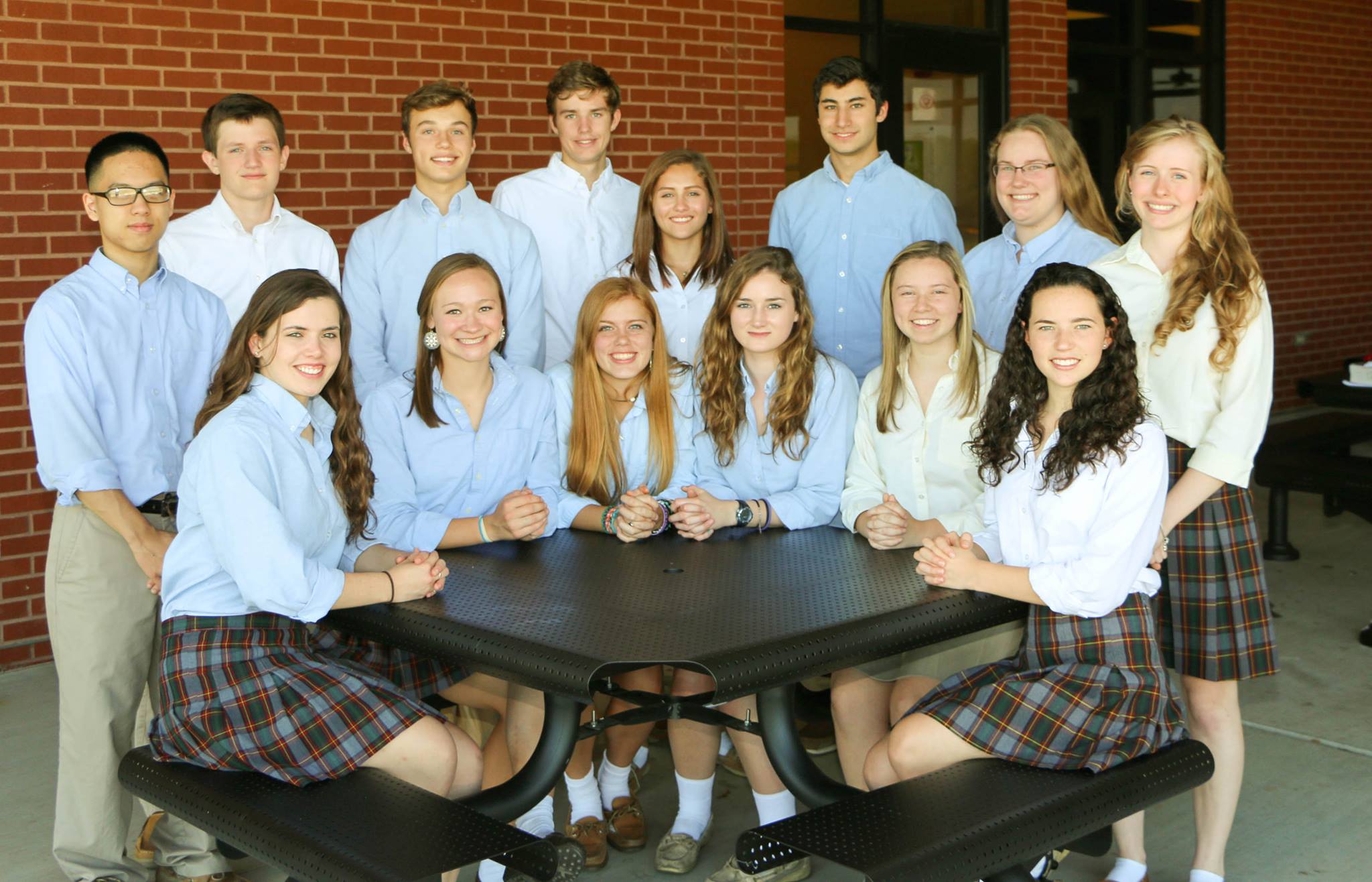
Clothing is part of the quiet grammar of campus life.
https://standardsmichigan.com/10-tampa-bay/
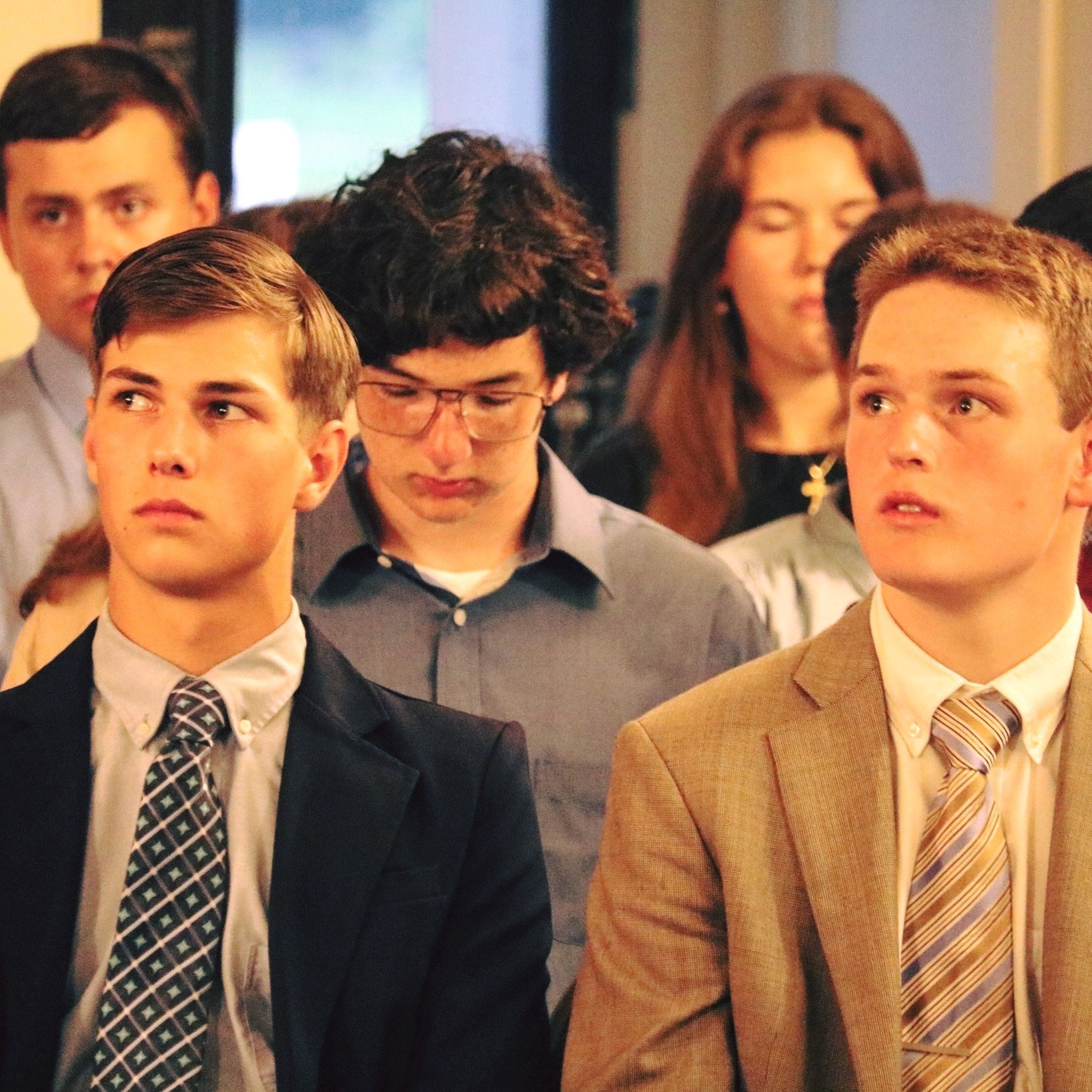
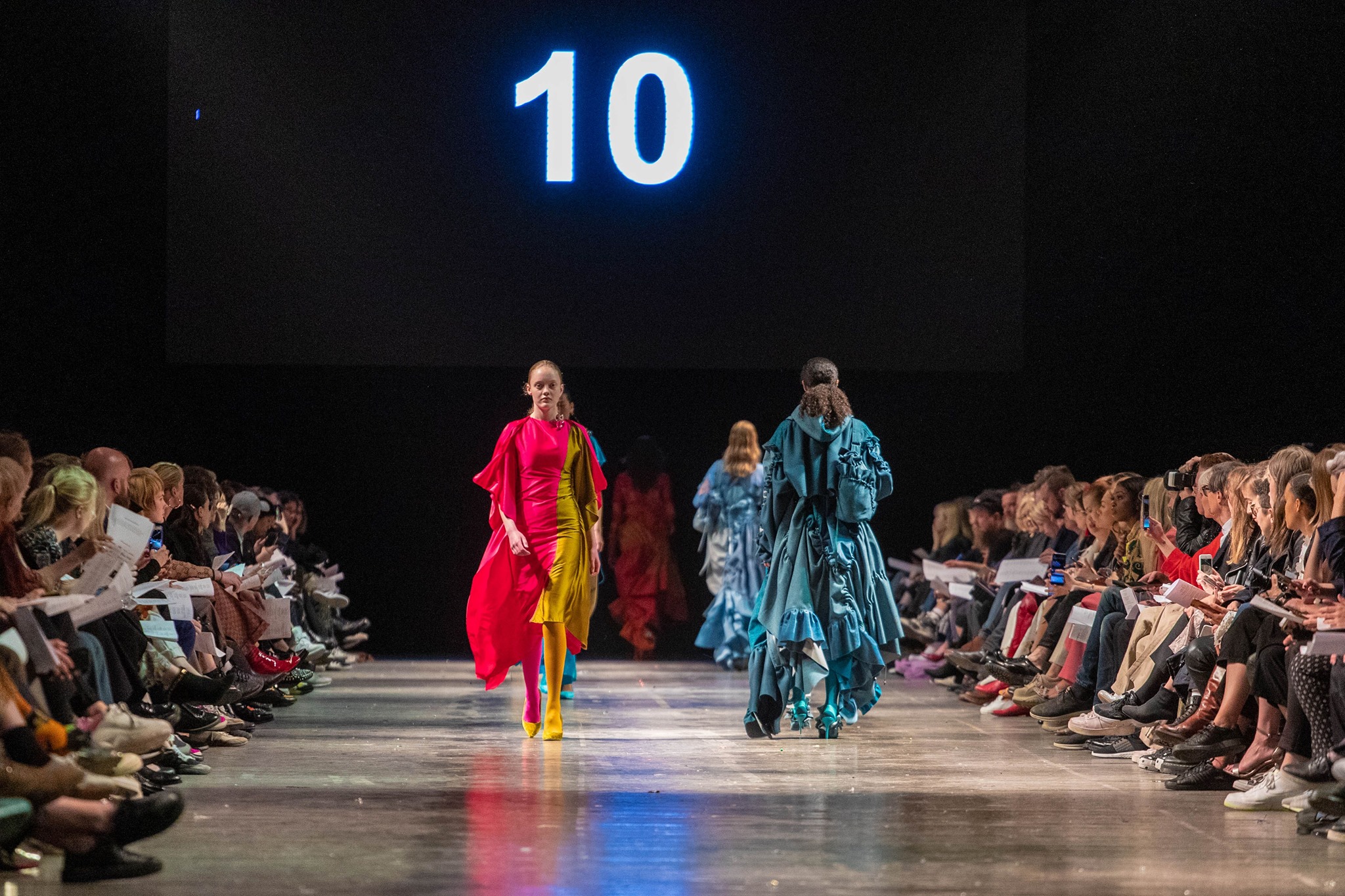
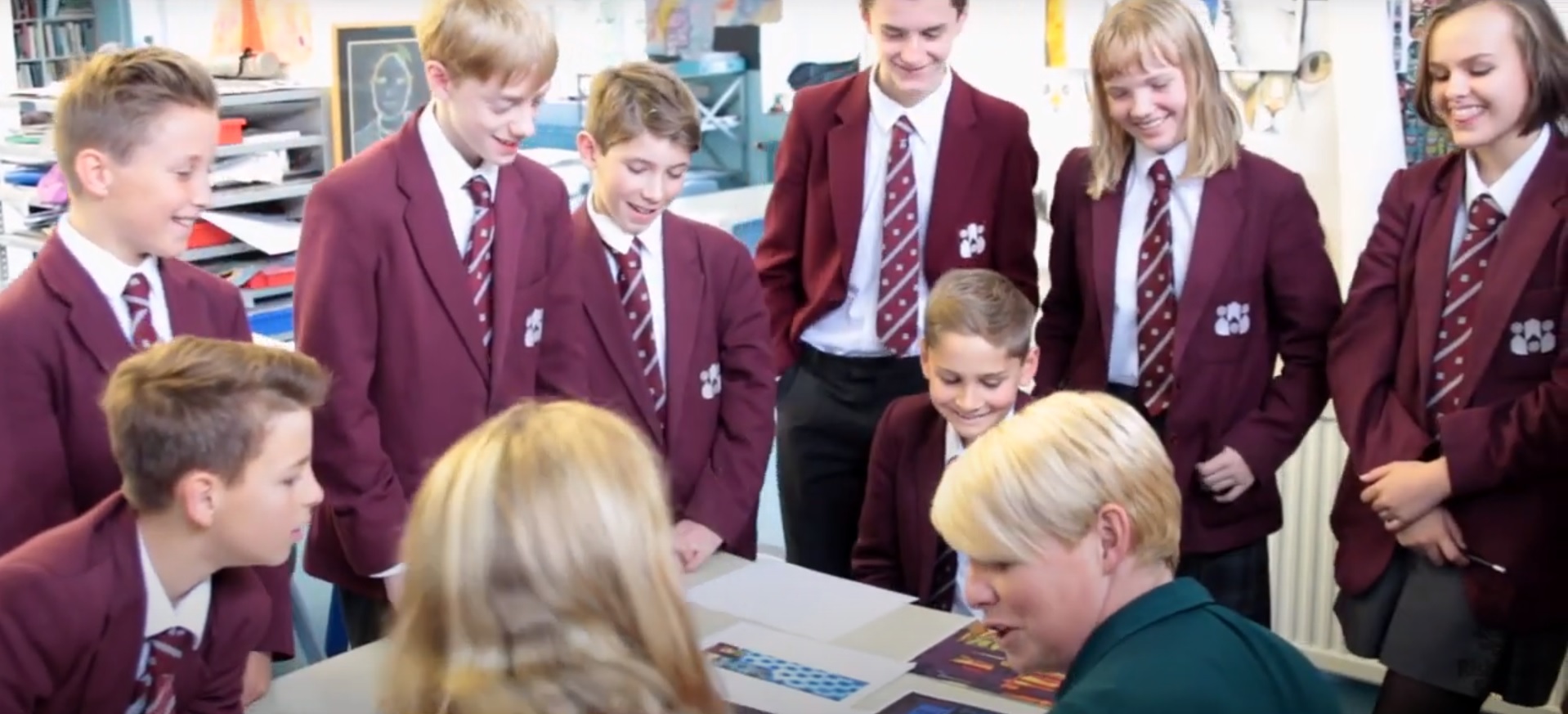


‘Going and Coming’
Illustration by Norman Rockwell (1894-1978) Oil on canvas. 1947.
Cover illustration for *The Saturday Evening Post*, August 30, 1947. pic.twitter.com/6IHOlLOwRr
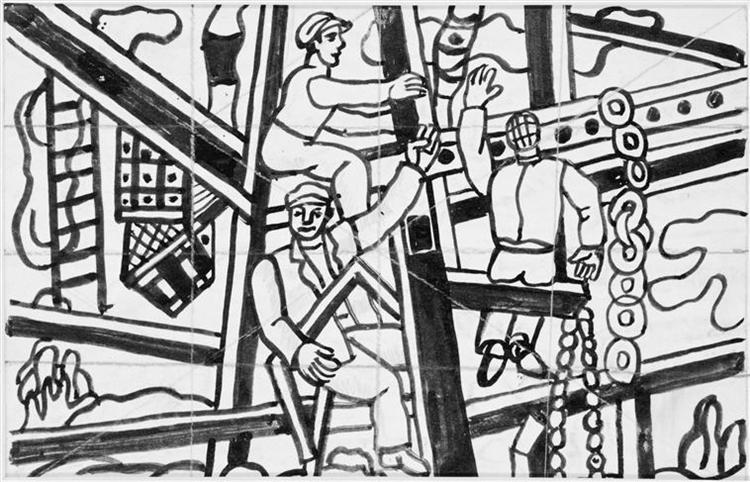

"Harvest for the World" 1975 Isley Brothers@NewSwannington
print("Lunch Hour 1600 UTC")\n weekday(2)https://t.co/jeAxqmNddAhttps://t.co/3KIVKf7WZ8 pic.twitter.com/YcoqrvNWbe
 Overview of codes and standards relevant to the food service enterprises in K-12 schools, college and university student housing, athletic venues and university-affiliated healthcare systems.
knows nothing about his own.“ 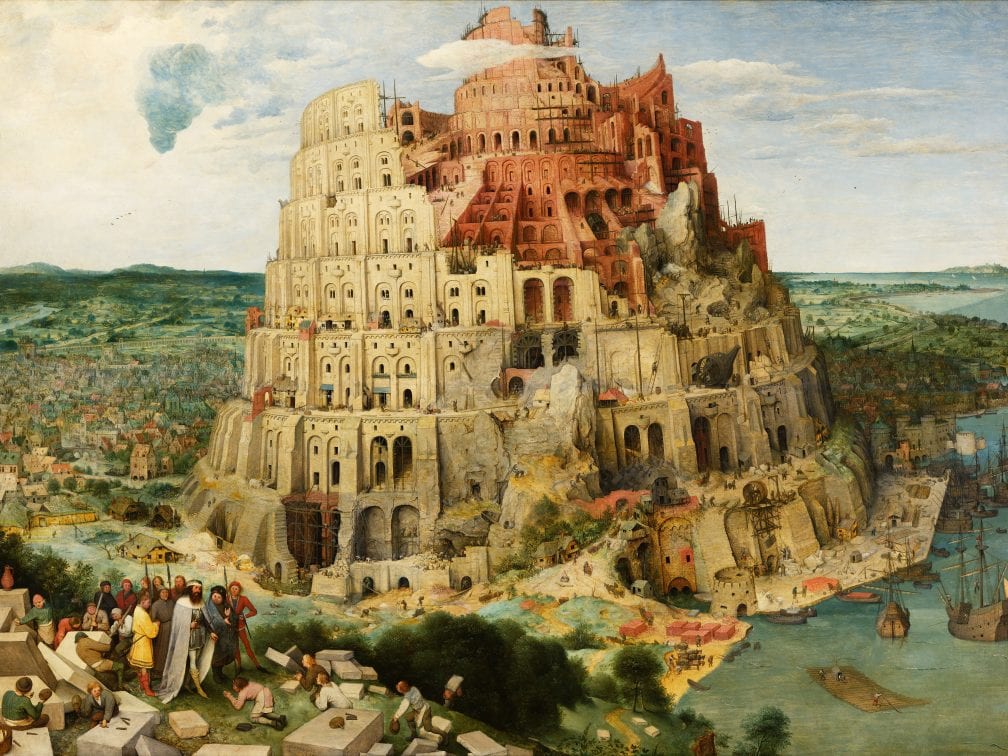

Friday – 7:00pm
Saturday – 2:00pm & 7:00pm
Sunday – 2:00pm#Lifeatmary pic.twitter.com/5w5MnEWk4K
We observe National Poetry Month (April) in the United States and Canada every year with an inquiry into changes in the (meaning of) definitions at the foundation of best practice literature; frequently the subject of sporty debate among experts writing codes and standards for the built environment of education communities.
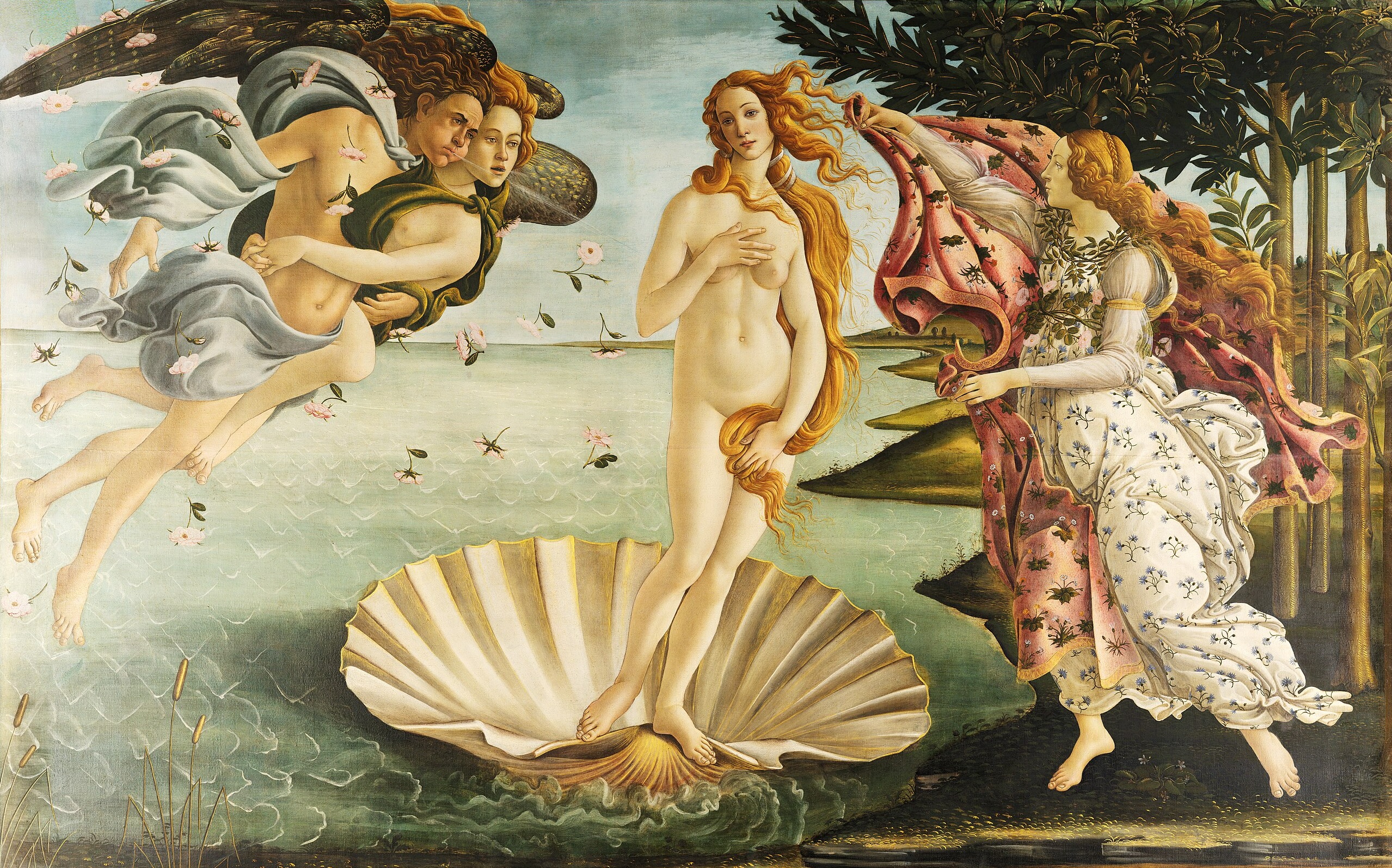


greeting, Elizabeth’s child leaps within her, and Elizabeth blesses
Mary and the child she carries.
in God, who has regarded the lowly, shown strength, humbled the proud
and powerful, lifted up the lowly, filled the hungry with good things
and remembered his promise of mercy.
Saviour.”
— Luke 1:46–47, KJV
We are ONE month away from classes starting up again! We can't wait to see all you Seahawks back on campus 🦅 pic.twitter.com/BevhXcfE5j

così anche la vacanza …
“ by”
Norman Rockwell “il grande” 




_-_Italian_Palace_-_WGA21774.jpg)



https://standardsmichigan.com/animals-100/
💙Minnesota
👩🏼🏫 1st grade teacher at a Title I school
🍎19th year of teaching.
📚🧮 Need basic supplies, books, SEL items
♥️ regular classroom wishlist https://t.co/3LRyK1yJyw
🖤 dream items… pic.twitter.com/3p6RHPxmVO

🔻Current Conditions -9.3%
🔻Expectations -3.1%














On 9/11 the FDNY lost 343 of their own.
Not statistics. Sons, fathers, husbands from 75 firehouses across the five boroughs.
121 engine companies and 62 ladder companies answered the call. Every Rescue company in New York went in.
They knew the buildings were coming down and… pic.twitter.com/e4ArBUmfLq— Sassafrass84 (@Sassafrass_84) September 7, 2026
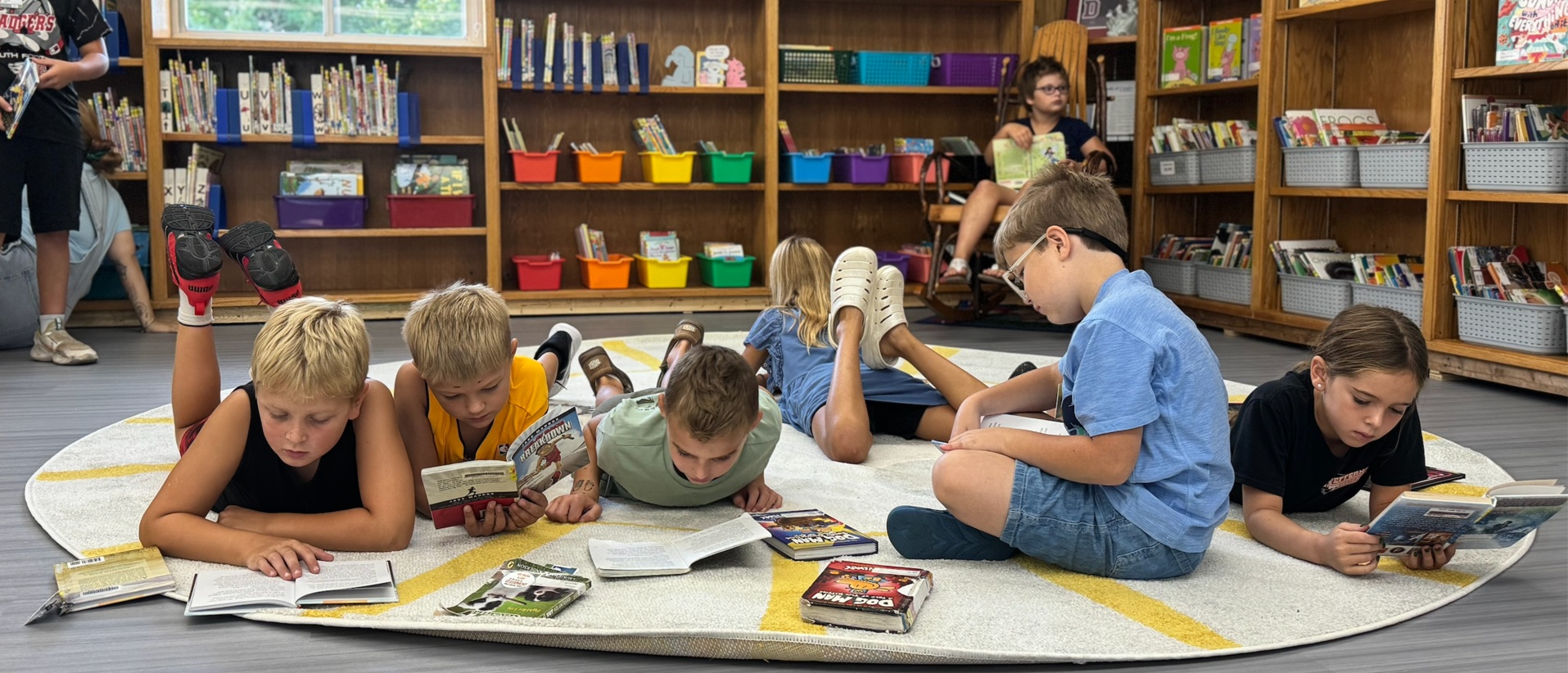
Scales Mound School District | Jo Daviess County Illinois 815
Oxford students after exams, 1989. pic.twitter.com/HQbO4r6dUE
— M (@0detobeauty) May 27, 2026
The calendar of Anglosphere educational settlements subtly shapes life of the mind, generally; and family and community life, specifically. Its cadence has roots in the cathedral schools and monastic learning communities of medieval Europe. Universities were not originally organized around modern “semesters.” Instead, the year followed the Christian liturgical calendar, agricultural seasons, food paths, daylight availability, and travel conditions.
In America educational calendars were nudged along by agricultural cycles. In the United Kingdom university calendars evolved into three major terms: Michaelmas in autumn, associated with arrival and beginnings; Hilary or Lent in winter, associated with discipline and study; and Trinity or Easter in spring, associated with examinations, outdoor rituals, music, rowing, gardens, and celebration.
Modern commencement traditions across the Anglosphere are descendants of medieval spring degree ceremonies. Academic gowns, hoods, processions, Latin phrases, formal dining, chapel music, and public recognition all preserve traces of the university as a scholarly guild and religious-civic community.
Before railways, electric lighting, and central heating, universities had to adapt to muddy roads, short winter days, limited candles, cold buildings, and agricultural obligations. Spring therefore became the natural season of culmination, reunion, athletic competition, courtship, and ceremony.
The medieval university was not merely a school but an educational settlement — a self-governing town of scholars, libraries, chapels, kitchens, workshops, residences, and dining halls. That settlement pattern survives in residential colleges, quadrangles, tutorial systems, common rooms, chapel choirs, and formal meals.
Anglosphere campuses retain this ancient emotional rhythm: autumn seriousness, winter inwardness, and spring release. That continuity helps explain why colleges and universities still feel culturally distinct from ordinary commercial society. (Relata: Gulliver Visits the Great Academy of Lagado)

We’re “organized” but not too organized; like the bookseller who knows where every book can be found.
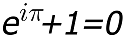
at a conference where you don’t have to present
— Peyman Milanfar (@docmilanfar) April 4, 2025
#AcademicChatter #AcademicTwitter
Academics be like 👇 pic.twitter.com/6cpVEw3PVS
— Reviewer 2 (@GrumpyReviewer2) April 2, 2024





