


Allied non-profit organizations and unions play a critical role in training electricians, ensuring skilled, safe, and competent professionals. The National Electrical Contractors Association and the International Brotherhood of Electrical Workers offer structured apprenticeship programs combining classroom instruction with hands-on training. We review the basics today at 15:00 UTC. Use the login credentials at the upper right of our home page.
Michigan’s 2024 Public Act 172 amended the Skilled Trades Regulation Act, the state law governing licensing and regulation of electricians, plumbers and other skilled trades. Among the subjects addressed by the legislation are the number of apprentices who may work under the supervision of licensed journey or master tradespeople.
For electrical work, Article 7, MCL 339.5717, continues to permit a ratio of one journey or master electrician to no more than three registered apprentice electricians. The requirement applies on a jobsite basis, rather than across the overall workforce of an electrical contractor. The enforcing agency or the Michigan Department of Licensing and Regulatory Affairs is responsible for enforcing the ratio.
The provision illustrates an important distinction between technical standards and labor standards. The National Electrical Code and related technical documents establish requirements for electrical installations. Michigan skilled-trades law separately establishes requirements concerning the people permitted to perform that work and the conditions under which apprentices may participate.
For large institutional owners — including school districts, colleges and universities — these requirements affect not only electrical safety and workmanship but also apprenticeship opportunities, contractor staffing, project scheduling, maintenance operations and the long-term availability of qualified electrical workers.
August 26, 2025
Free Journeyman Electrician Practice Test 2025 Study Guide
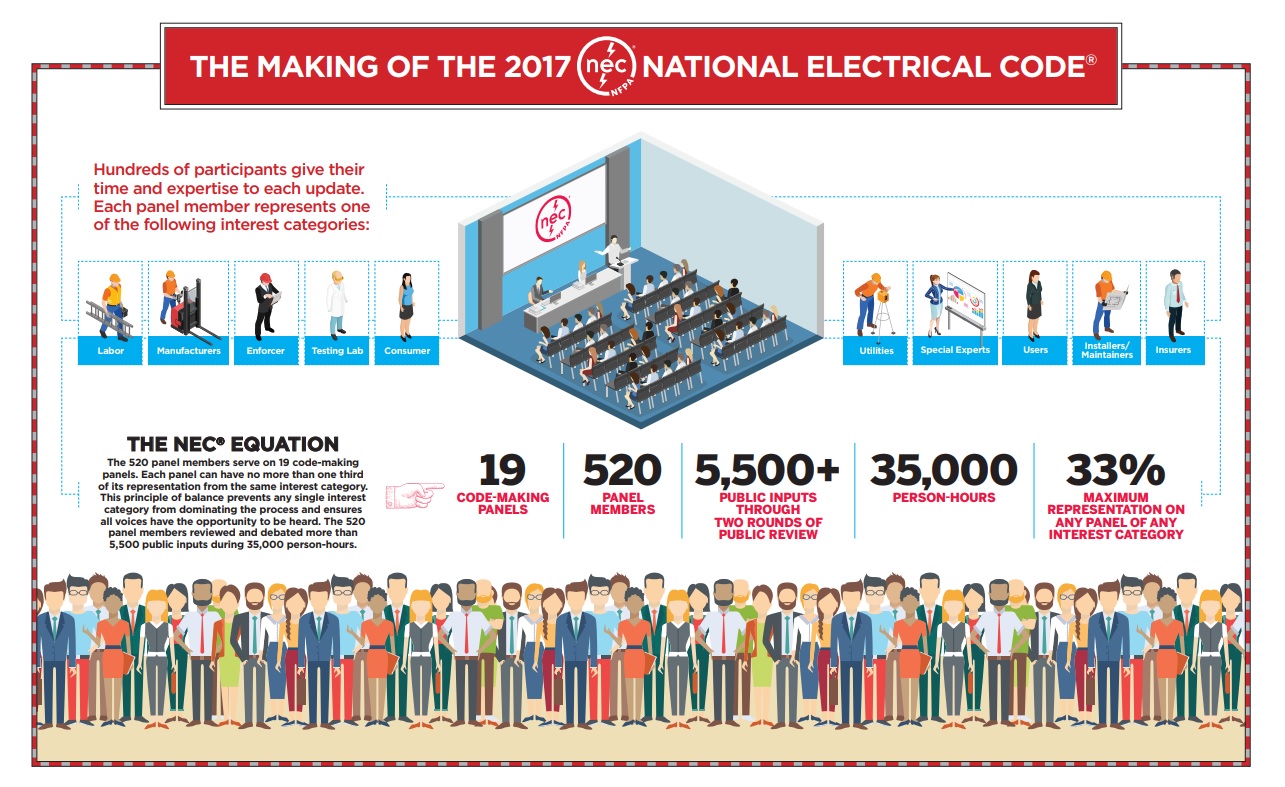
United States national electrical trade standards prioritize safety, reliability, and economic efficiency in electrical systems. Governed primarily by the National Electrical Code upon which the University of Michigan has had a vote since 1996.
The NEC outlines requirements for wiring, equipment installation, grounding, and overcurrent protection to prevent hazards like electrical shocks, fires, and equipment failures. Compliance ensures safe operation in residential, commercial, and industrial settings. Standards also promote energy efficiency, encouraging practices like proper insulation, energy-efficient lighting, and renewable energy integration to reduce costs and environmental impact.
Organizations like the Occupational Safety and Health Administration (OSHA) and Underwriters Laboratories (UL) further enforce safety through regulations and product certifications. Adherence to these standards minimizes risks, ensures system longevity, and supports economic benefits through reduced energy waste and maintenance costs, fostering a safe and sustainable electrical infrastructure.
European Union electrical trade standards prioritize safety, interoperability, and economic efficiency across member states. Governed by the Low Voltage Directive (LVD) 2014/35/EU and harmonized standards from the European Committee for Electrotechnical Standardization (CENELEC), these regulations ensure electrical equipment operates safely between 50-1000V AC or 75-1500V DC. Standards like EN 60335 address appliance safety, while EN 50110 outlines safe maintenance and operation practices. Compliance with CE marking requirements certifies adherence to safety, health, and environmental standards, facilitating market access.
For economy, the EU promotes energy efficiency through directives like the Ecodesign Directive 2009/125/EC, mandating efficient lighting, motors, and renewable energy integration to reduce consumption and costs. National regulations align with EU standards, ensuring consistency. These measures minimize electrical hazards, enhance system reliability, and support sustainability by reducing energy waste, fostering cost-effective, safe electrical infrastructure across the EU’s diverse markets.

Non-profit organizations and unions play a critical role in training electricians, ensuring skilled, safe, and competent professionals. Organizations like the National Electrical Contractors Association And unions such as the International Brotherhood of Electrical Workers Offer structured apprenticeship programs combining classroom instruction with hands-on training.
These programs cover electrical theory, National Electrical Code compliance, safety practices, and emerging technologies like renewable energy systems. Non-profits often provide certifications, scholarships, and continuing education to promote workforce development. Unions advocate for fair wages and safe working conditions, while their training centers emphasize practical skills, ensuring electricians meet industry standards and contribute to reliable, efficient electrical systems.
Join us today with the login credentials at the upper right of our home page.
Providing reliable internet to Alaska’s rural communities has long been a challenge. Now, members of #IBEW Local 1547 are readying to fix the problem for good, starting work on the Alaska Communications’ FiberOptic project later this year. https://t.co/cxwCug9Sfn pic.twitter.com/W0kNjYA6Kk
— IBEW (@IBEW) January 27, 2025
Calling all apprentices! Get ready for a day of inspiration, learning, & activities at Apprentice Appreciation Day at #NECA25. Connect with peers, hear from industry leaders, & take on challenges to help you build skills & advance your career. Learn more: https://t.co/Rhs3cgmhKR pic.twitter.com/sHLKWd57XD
— NECA (@necanet) July 29, 2025
Want the opportunity to give something back and help to build the next generation of the electrotechnical industry?#ECA #Skills Committee wants someone with #careers or local skills engagement experience to get in touch. Deadline – Friday 19 September: https://t.co/hljTXUg5PL. pic.twitter.com/WEG8JarB4r
— ECA – Electrical Contractors’ Association (@ECALive) August 20, 2025





