University of California Davis Facilities Management

Guide to California Lighting Regulations: Title 20

UCLA’s CSO Evening Escort Program
Readings:



(Night’s Rest) from the Times of Day series. (1889) Alphonse Mucha (1860-1939) pic.twitter.com/FWv0zVmRqN
— Filipe Floyd (@FloydFilipe) September 12, 2023

“Radio is the perfect medium for communication.
It is instantaneous, and unlike television,
it allows you to use your imagination.”
-Guglielmo Marconi

CLICK IMAGE TO START LIVESTREAM
Students at our DxHub powered by @aws_edu are designing an app for Veterans, with their input, to help connect them with volunteers based on Vets’ specific needs. Learn more about the DxHub collaboration with the public sector, including @SLDelta30, at https://t.co/IXLWcowwrN pic.twitter.com/0vuDQXawRk
— Cal Poly (@CalPoly) November 11, 2022
PIRATE RADIO OFFICIAL TRAILER: Ensemble comedy, where the romance is between the young people of the 60s, and pop music.@IEEECampus
..”Young men and young women will always dream dreams and put those dreams into song”..https://t.co/7KmtlBFTI5 pic.twitter.com/ZwzbAutPXj— Standards Michigan (@StandardsMich) October 8, 2021
This content is accessible to paid subscribers. To view it please enter your password below or send mike@standardsmichigan.com a request for subscription details.
https://www.scu.edu/sustainability/forgegarden/resources/recipes/forge-crafted-recipes/cucumber-tomato–feta-salad.html
An AVP responsible for essential works at a Catholic educational settlement may inherit obligations extending beyond ordinary physical stewardship. Chapels, shrines, cemeteries, religious art and spaces for worship carry sacramental and cultural significance as well as maintenance costs. Capital decisions may therefore require consultation with clergy, religious orders and diocesan authorities alongside trustees, architects and engineers. The liturgical calendar can influence operations while Catholic social teaching may shape decisions about labor, energy, land and investment. At a secular settlement these considerations may exist as heritage or community concerns; at a Catholic institution they remain part of the living mission the physical estate serves.
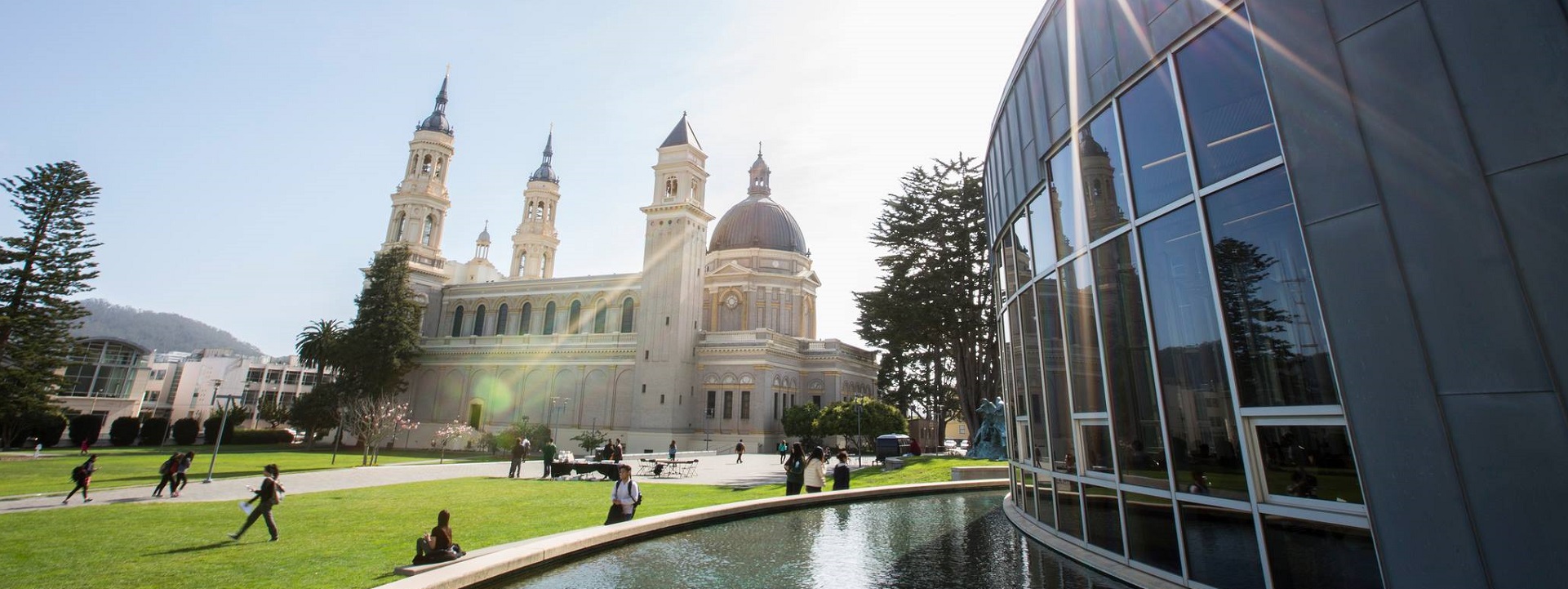
We follow up on yesterday’s topic: Examination of the Job Summary of the recently hired Vice President and Chief Financial Officer. We explore the duties of the highest level settlement functionary responsible for the beauty and economics of essential works of our settlements.
University of San Francisco | Vice President & Chief Financial Officer (Full Description)
Reporting directly to the President, the University of San Francisco’s Chief Financial Officer is a senior institutional steward whose responsibilities extend well beyond finance. The position directs financial planning, investments, debt and liquidity while also participating in long-range decisions affecting the University’s physical estate.
The CFO leads capital improvement planning, construction and campus development; oversees maintenance and facilities operations; evaluates real estate opportunities; directs acquisition, disposition, sale and leasing transactions; and helps steward University assets in alignment with the institutional Master Plan.
As a member of the President’s Cabinet and liaison to the Board’s Audit, Physical Facilities & Master Plan, Finance and Investment Committees, the position joins financial authority with responsibility for the long-term stewardship of the educational settlement.
The salary range for this position is $350,000 to $400,000, depending on experience and qualifications. Beyond compensation, this role offers the opportunity to steward the university’s financial health in service of its Jesuit Catholic mission.
New update alert! The 2022 update to the Trademark Assignment Dataset is now available online. Find 1.29 million trademark assignments, involving 2.28 million unique trademark properties issued by the USPTO between March 1952 and January 2023: https://t.co/njrDAbSpwB pic.twitter.com/GkAXrHoQ9T
— USPTO (@uspto) July 13, 2023
Standards Michigan Group, LLC
455 East Eisenhower Parkway, Suite 300
Ann Arbor, MI 48108 USA
888-748-3670
 |
 |
|
 |
 |
|
 |
 |