Tag Archives: D2

Loading
loading..

Stationary Energy Storage Systems

Should every campus building generate its own power? Sustainability workgroups are vulnerable to speculative hype about net-zero buildings and microgrids. We remind sustainability trendsniffers that the central feature of a distributed energy resource–the eyesore known as the university steam plant–delivers most of the economic benefit of a microgrid. [Comments on Second Draft due April 29th] #StandardsMassachusetts

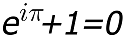
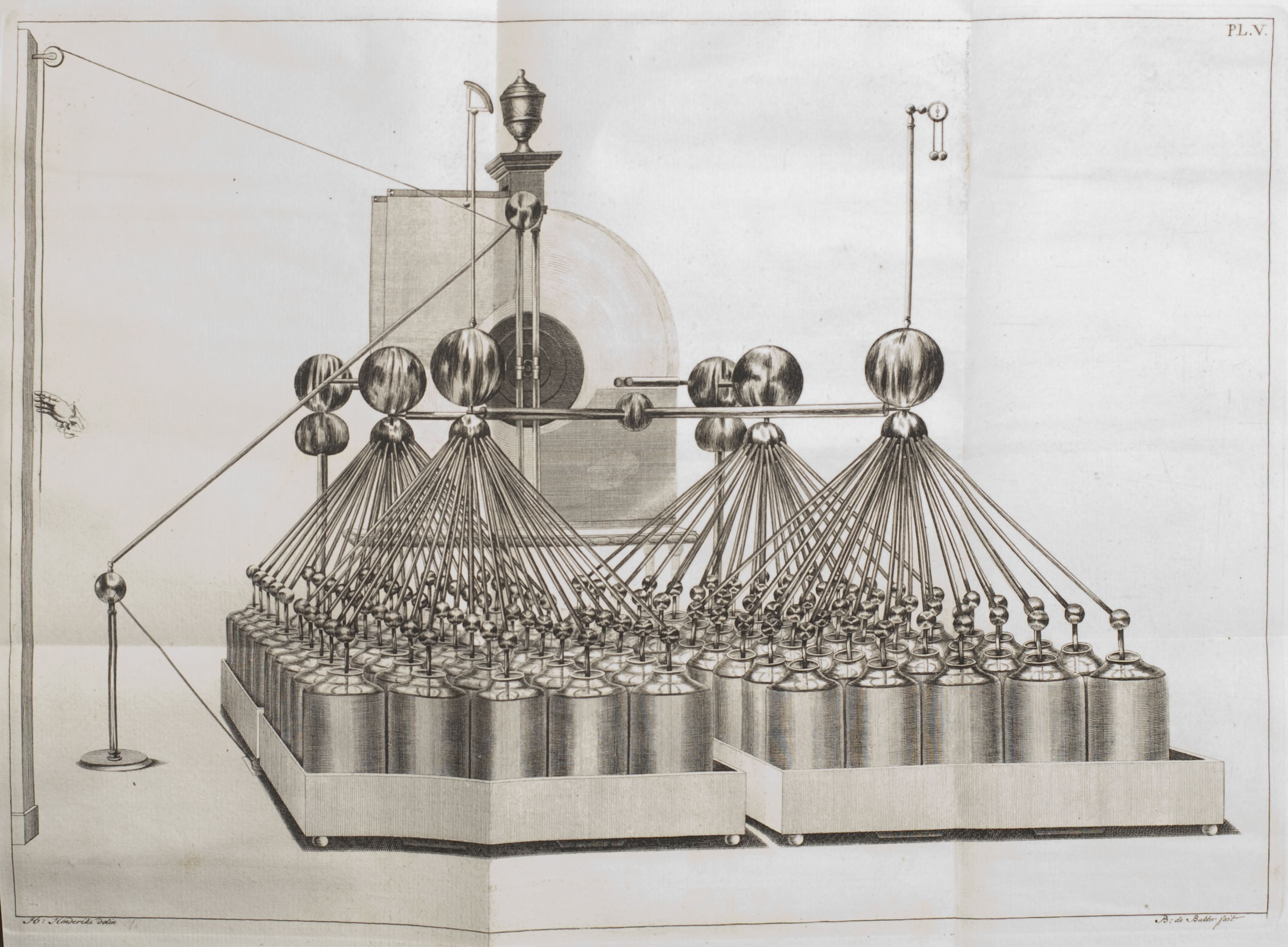
“M. van Marum. Tweede vervolg der proefneemingen gedaan met Teyler’s electrizeer-machine, 1795” | An early energy storage device | Massachusetts Institute of Technology Libraries

We have been following the developmental trajectory of a new NFPA regulatory product — NFPA 855 Standard for the Installation of Stationary Energy Storage Systems — a document with ambitions to formalize the fire safety landscape of the central feature of campus microgrids by setting criteria for minimizing the hazards associated with energy storage systems.

The fire safety of electric vehicles and the companion storage units for solar and wind power systems has been elevated in recent years with incidents with high public visibility.  The education industry needs to contribute ideas and data to what we call the emergent #SmartCampus;an electrotechnical transformation — both as a provider of new knowledge and as a user of the new knowledge.

Transcripts of technical deliberation are linked below:

2026 Public Input Report (705 pages) § 2026 Second Draft Meeting Agenda (912 pages)

Comment on the 2026 revision received by March 27, 2025 will be heard at the NFPA June 2025 Expo through NFPA’s NITMAM process.

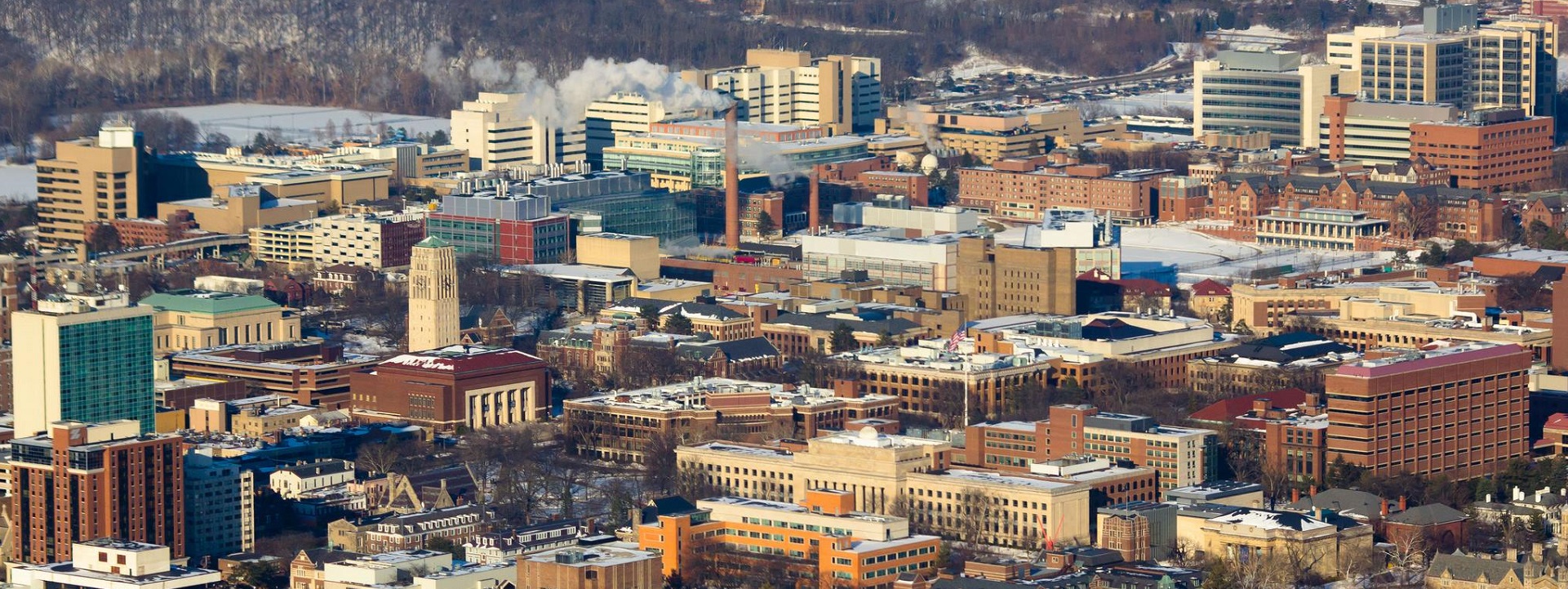
University of Michigan | Average daily electrical load across all Ann Arbor campuses is on the order of 100 megawatts

A fair question to ask: “How is NFPA 855 going to establish the standard of care any better than the standard of care discovered and promulgated in the NFPA 70-series and the often-paired documents NFPA 110 and NFPA 111?”  (As you read the transcript of the proceedings you can see the committee tip-toeing around prospective overlaps and conflicts; never a first choice).

Suffice to say, the NFPA Standards Council has due process requirements for new committee projects and, obviously, that criteria has been met.   Market demand presents an opportunity to assemble a new committee with fresh, with new voices funded by a fresh set of stakeholders who, because they are more accustomed to advocacy in open-source and consortia standards development platforms, might have not been involved in the  more rigorous standards development processes of ANSI accredited standards developing organizations — specifically the NFPA, whose members are usually found at the top of organization charts in state and local jurisdictions.  For example we find UBER — the ride sharing company — on the technical committee.  We find another voice from Tesla Motors.  These companies are centered in an industry that does not have the tradition of leading practice discovery and promulgation that the building industry has had for the better part of two hundred years.

Our interest in this standard lies on both sides of the education industry — i.e. the academic research side and the business side.  For all practical purposes, the most credible, multi-dimensional and effective voice for lowering #TotalCostofOwnership for the emergent smart campus is found in the tenure of Standards Michigan and its collaboration with IEEE Education & Healthcare Facilities Committee (E&H).  You may join us sorting through the technical, economic and legal particulars and day at 11 AM Eastern time.   The IEEE E&H Committee meets online every other Tuesday in European and American time zones; the next meeting on March 26th.  All meetings are open to the public.

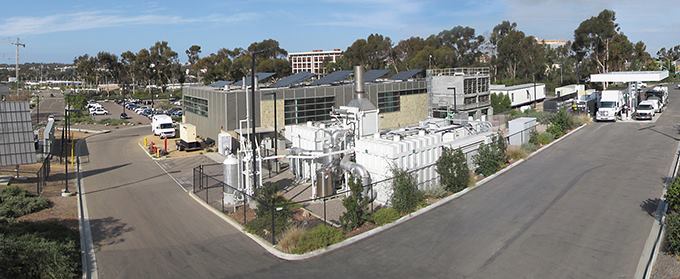
University of California San Diego Microgrid

You are encouraged to communicate directly with Brian O’Connor, the NFPA Staff Liaison for specific questions.  We have some of the answers but Brian is likely to have all of them.   CLICK HERE for the NFPA Directory.  Additionally, NFPA will be hosting its Annual Conference & Expo, June 17-20 in San Antonio, Texas; usually an auspicious time for meeting NFPA staff working on this, and other projects.

The prospect of installing of energy storage technologies at every campus building — or groups of buildings, or in regions — is clearly transformational if the education facilities industry somehow manages to find a way to drive the cost of operating and maintaining many energy storage technologies lower than the cost of operating and maintaining a single campus distributed energy resource.  The education facility industry will have to train a new cadre of microgrid technology specialists who must be comfortable working at ampere and voltage ranges on both sides of the decimal point that separates power engineers from control engineers.  And, of course, dynamic utility pricing (set by state regulatory agencies) will continue to be the most significant independent control variable.

Finding a way to make all this hang together is the legitimate work of the academic research side of the university.   We find that sustainability workgroups (and elected governing bodies) in the education industry are vulnerable to out-sized claims about microgrids and distributed energy resources; both trendy terms of art for the electrotechnical transformation we call the emergent #SmartCampus.

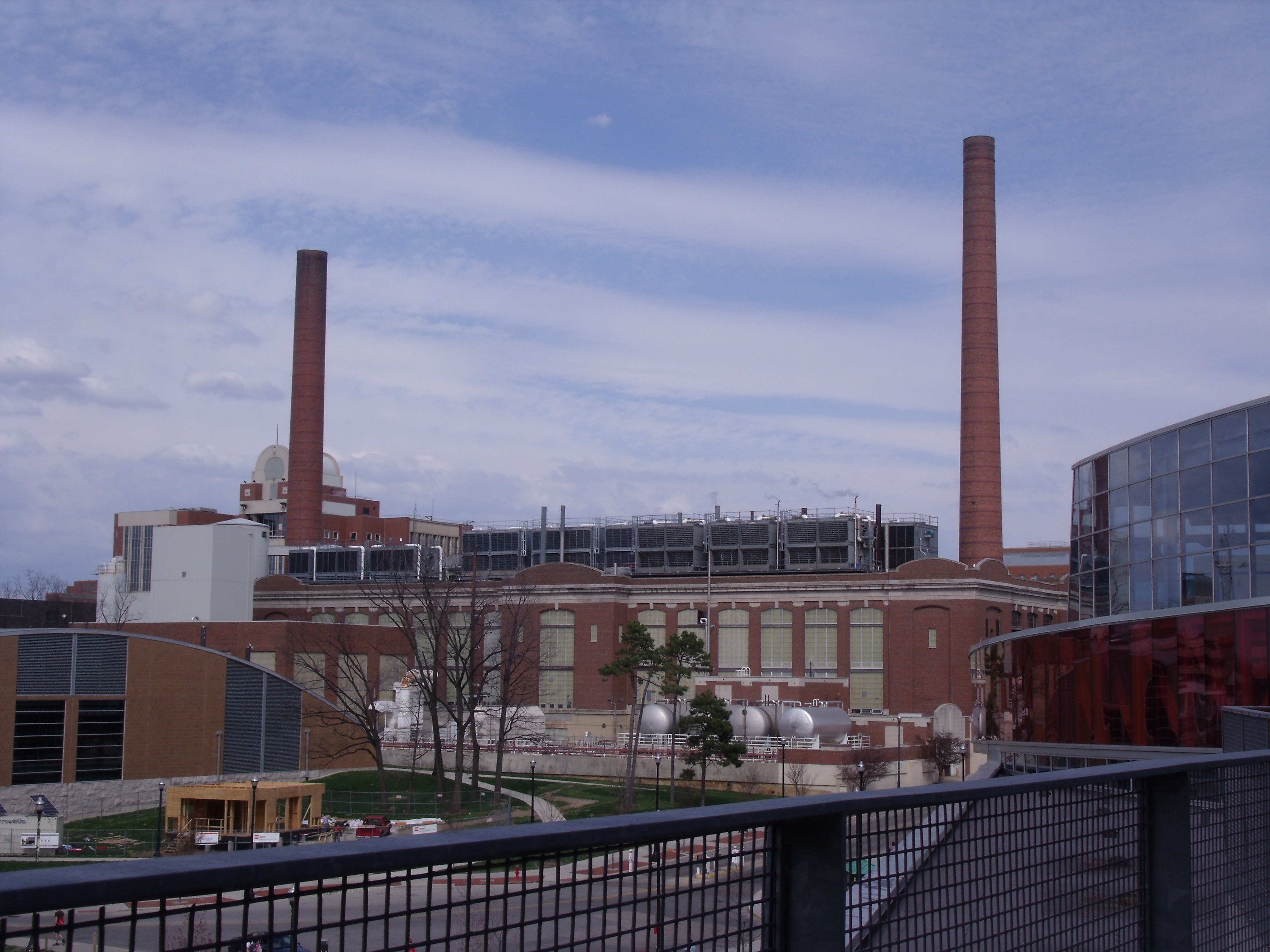
We remind sustainability trendsniffers that the central feature of a distributed energy resource — the eyesore known as the university steam plant — bears most of the characteristics of a microgrid.   In the videoclip linked below a respected voice from Ohio State University provides enlightenment on this point; even as he contributes to the discovery stream with a study unit.

Ohio State University McCracken Power Plant

Issue: [16-131]

Category:  District Energy, Electrical, Energy, Facility Asset Management, Fire Safety, Risk Management, #SmartCampus, US Department of Energy

Colleagues: Mike Anthony, Bill Cantor (wcantor@ieee.org). Mahesh Illindala

Standards MassachusettsStandards Texas, Standards Ohio

*It is noteworthy that (NFPA 70) National Electrical Code-Making Panel 1 has appropriated vehicle-to-grid installations into its scope.


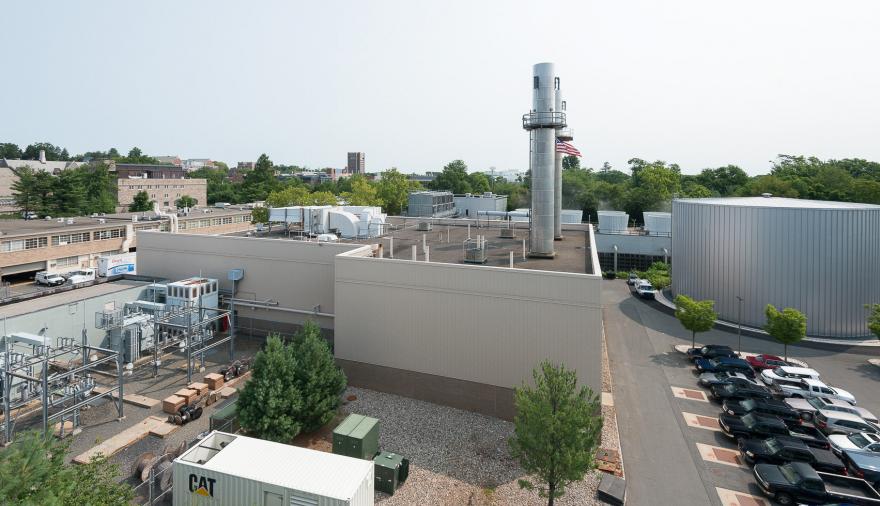
Princeton University Power Plant | Click on image

LEARN MORE:

Related Post: Electrical Safety Research Advisory Committee

Bibiography: Campus Microgrids

Higher Education Facilities Conference: The Rise of University Microgrids


Mahesh Illindala enlightens understanding of what microgrid is, and is not:


Theatre: Lighting Design

Artificial lighting was first introduced to theater dramatic performance stages in the 17th century. The use of candles and oil lamps initially provided a means to illuminate the stage, allowing performances to take place in the evening and enhancing the visibility for both actors and the audience. Before this development, theatrical performances were typically held during daylight hours due to the reliance on natural light.

In the early 17th century, theaters in England began experimenting with various lighting techniques. Thomas Killigrew’s Theatre Royal, Drury Lane, in London, is often credited as one of the first theaters to use artificial lighting. The use of candles and later oil lamps evolved over time, leading to more sophisticated lighting setups as technology advanced.

The 18th and 19th centuries saw further innovations in stage lighting, including the use of gas lamps. Eventually, the introduction of electric lighting in the late 19th and early 20th centuries revolutionized stage lighting, providing theaters with a more reliable and controllable source of illumination. This allowed for greater creativity in the design and execution of lighting effects, contributing significantly to the overall theatrical experience.

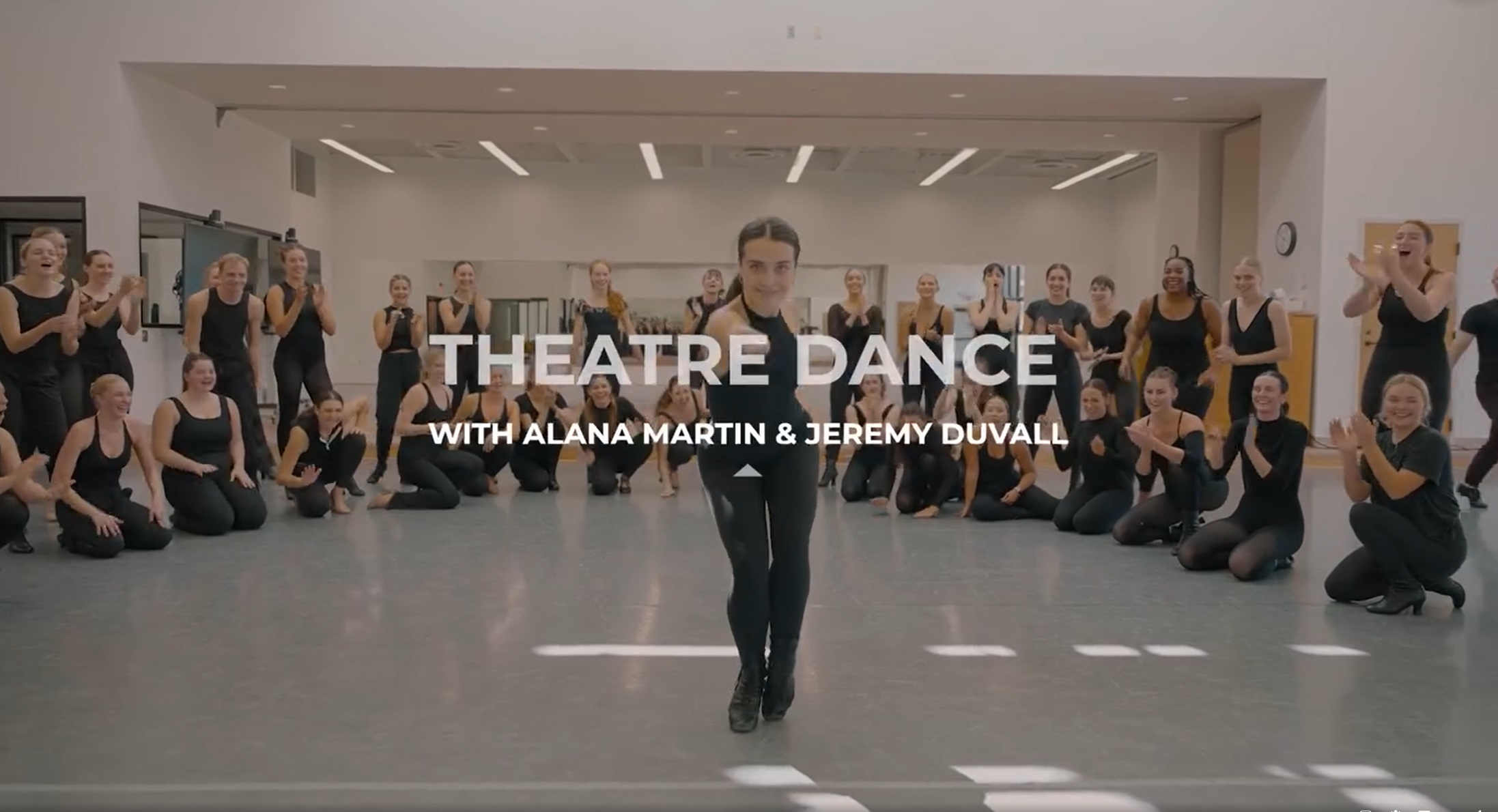
Oklahoma City University

More

Stage Lighting 101 — Everything You Need to Know

Boston University: Theater, Lighting Design

Wayne State University: Lighting Design

Illumination 100


Collaborative Standards Development System

This content is accessible to paid subscribers. To view it please enter your password below or send mike@standardsmichigan.com a request for subscription details.

Electric Vehicle Power Transfer System

Updated July 15, 2025


2026 National Electrical Code Table of Contents

2026 NEC First Draft: How Did We Get Here?

2026 National Electrical Code

Public Input Transcript: First Draft | Public Comment Transcript: Second Draft


2023 National Electrical CodeCurrent Issues and Recent Research


2026 National Electrical Code Workspace


August 5, 2021

The 2020 National Electrical Code (NEC) contains significant revisions to Article 625 Electric Vehicle Power Transfer Systems.  Free access to this information is linked below:

2023 National Electrical Code

2020 National Electrical Code

You will need to set up a (free) account to view Article 625 or you may join our colloquium today.

Public input for the 2023 Edition of the NEC has already been received.  The work of the assigned committee — Code Making Panel 12 — is linked below:

NFPA 70_A2022_NEC_P12_FD_PIReport_rev

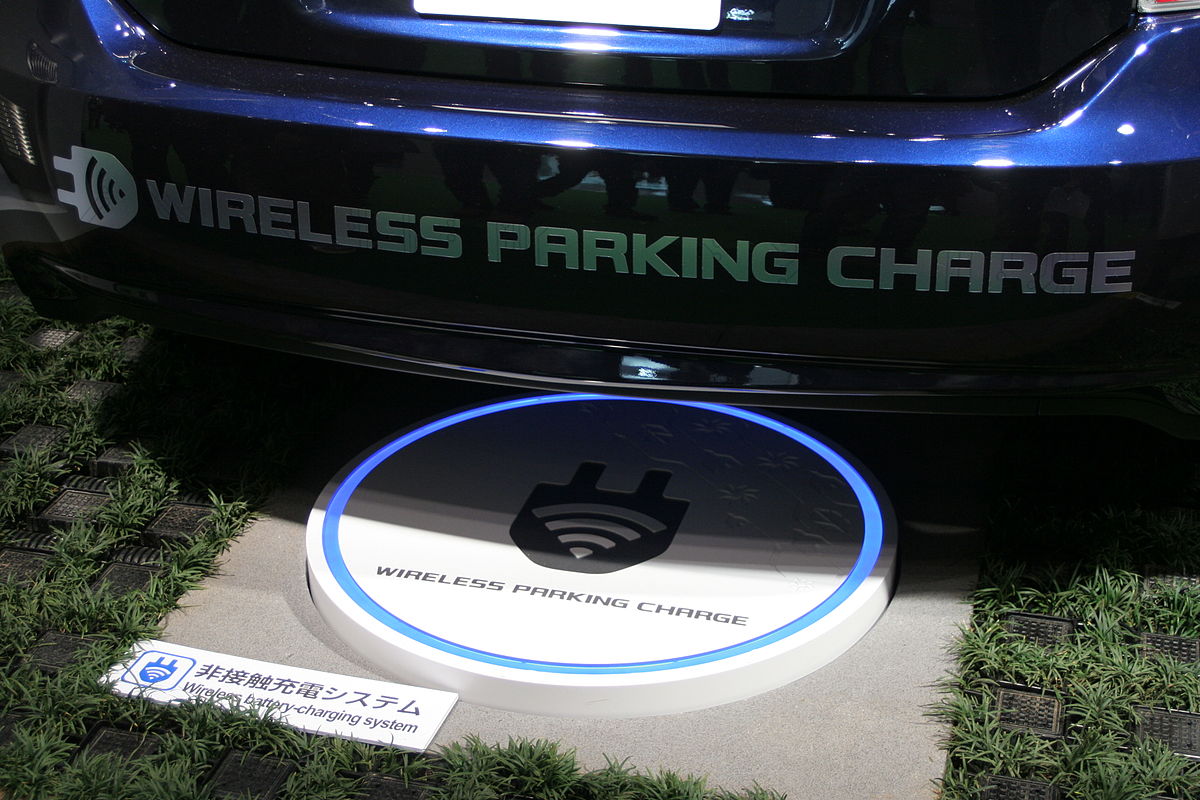
Mighty spirited debate.   Wireless charging from in-ground facilities employing magnetic resonance are noteworthy.  Other Relevant Articles:

  • Article 240: Overcurrent Protection: This article includes requirements for overcurrent protection devices that could be relevant for EV charging systems.
  • Article 210: Branch Circuits: General requirements for branch circuits, which can include circuits dedicated to EVSE.
  • Article 220: Load Calculations: Guidelines for calculating the electrical load for EVSE installations.
  • Article 230: Services: General requirements for electrical service installations, which can be relevant for EVSE.
  • Article 250: Grounding and Bonding: Requirements for grounding and bonding, which are critical for safety in EVSE installations.


Technical committees meet November – January to respond.   In the intervening time it is helpful  break down the ideas that were in play last cycle.  The links below provide the access point:

Public Input Report Panel 12

Public Comment Report Panel 12

Panel 12 Final Ballot

We find a fair amount of administrative and harmonization action; fairly common in any revision cycle.   We have taken an interest in a few specific concepts that track in academic research construction industry literature:

  • Correlation with Underwriters Laboratory product standards
  • Bi-Directional Charging & Demand Response
  • Connection to interactive power sources

As a wiring safety installation code — with a large installer and inspection constituency — the NEC is usually the starting point for designing the power chain to electric vehicles.   There is close coupling between the NEC and product conformance organizations identified by NIST as Nationally Recognized Testing Laboratories; the subject of a separate post.

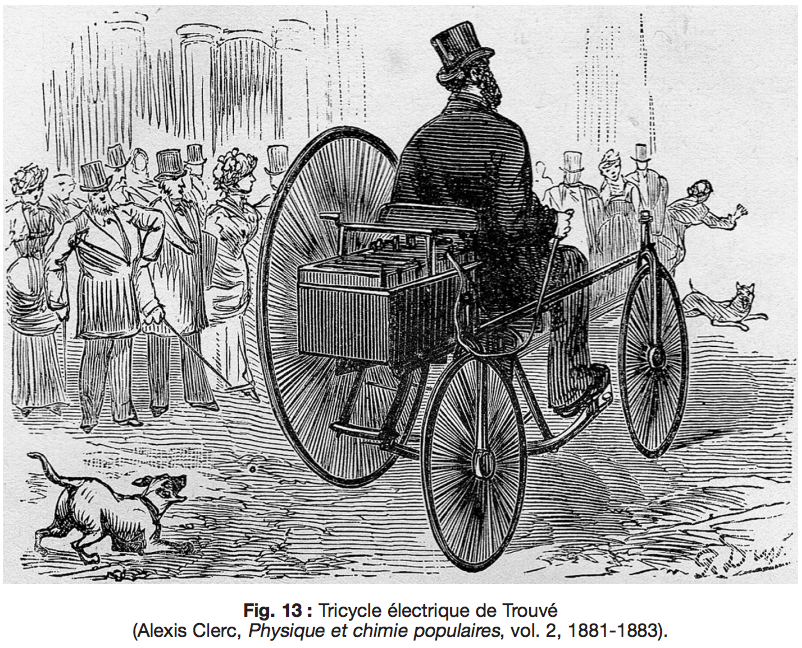
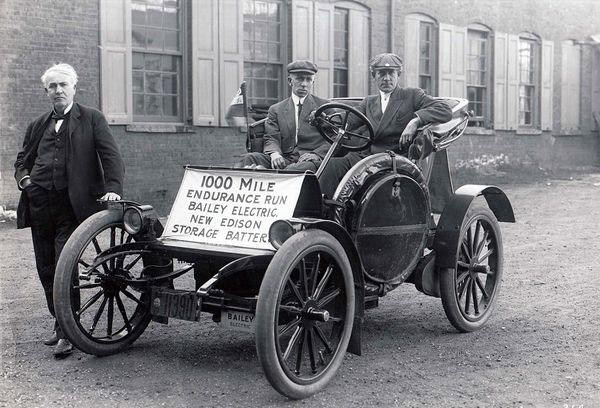
Edison electric vehicle | National Park Service, US Department of the Interior

After the First Draft is released June 28th public comment is receivable until August 19th.

We typically do not duplicate the work of the 10’s of thousands of National Electrical Code instructors who will be fanning out across the nation to host training sessions for electrical professionals whose license requires mandatory continuing education.  That space has been a crowded space for decades.   Instead we co-host “transcript reading” sessions with the IEEE Education & Healthcare Facilities Committee to sort through specifics of the 2020 NEC and to develop some of the ideas that ran through 2020 proposals but did not make it to final ballot and which we are likely to see on the docket of the 2023 NEC revision.   That committee meets online 4 times monthly.  We also include Article 625 on the standing agenda of our Mobility colloquium; open to everyone.   See our CALENDAR for the next online meeting

Issue: [16-102]

Category: Electrical, Transportation & Parking, Energy

Colleagues: Mike Anthony, Jim Harvey

Workspace / NFPA


More

U.S. NATIONAL ELECTRIC VEHICLE SAFETY STANDARDS SUMMIT | DETROIT, MICHIGAN 2010

Gallery: Electric Vehicle Fire Risk


Solar Photovoltaic Energy Systems

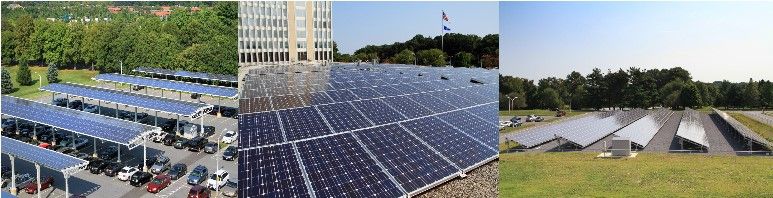
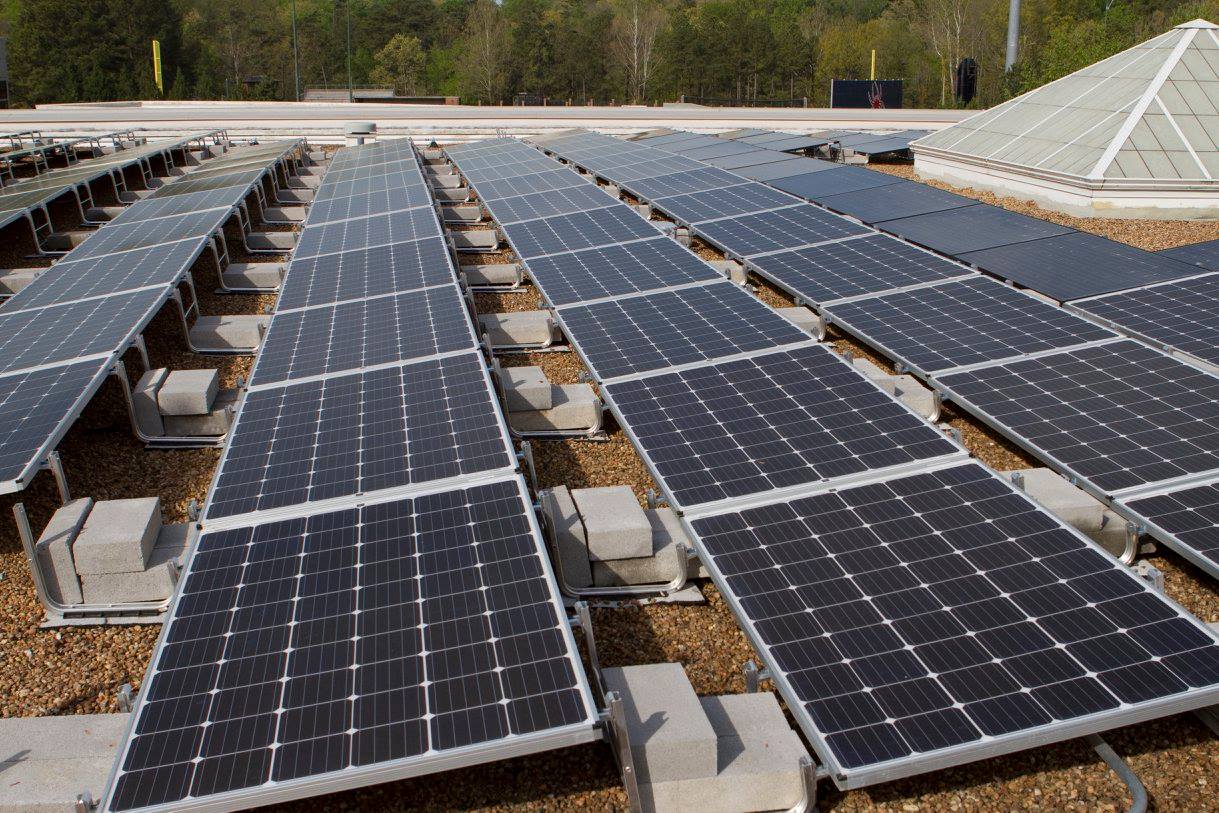
Technical Committee 82 of the International Electrotechnical Commission is charged with preparing international standards for the full length of the solar energy power chain  The span of the power chain includes the light input, the cell itself, and the fittings and accessories to the end use (utilization) equipment.

Strategic Business Plan of IEC Technical Committee 82

The United States is the Global Secretariat for TC 82 through the US National Committee of the International Electrotechnical Commission (USNA/IEC) administered by the American National Standards Institute(ANSI).  Standards Michigan is a long-standing member of ANSI since our “standards journey” began at the University of Michigan in 1993.

The USNA/IEC and participates in its standards development processes; typically collaborating with global research and application engineers in the IEEE Industrial Applications Society and the IEEE Power and Energy Society.   To advance its agenda for lower #TotalCostofOwnership for US real asset executives and facility managers Standards Michigan also collaborates closely with subject matter experts who contribute to, and draw from, the knowledge base in the IEEE Education and Healthcare Facilities Committee (E&H).

The IEC permits public commenting on its draft standards; though you will need to establish login credentials:

IEC Public Commenting

Your comments will be reviewed by the IEC National Committee of the country you live in, which can decide to propose them as national input for the final draft of the IEC International Standard.  This approach makes it easier for individual nations to participate in IEC standards development processes because the resources that national standards bodies need to administer participation resides in Geneva and is managed there.  

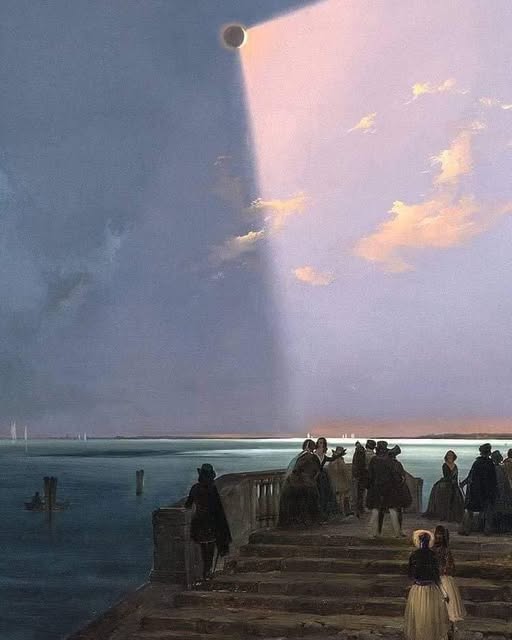
“The Eclipse of the Sun in Venice, July 6, 1842” | Ippolito Caffi

We collaborate with the IEEE Education & Healthcare Facilities Committee which has its own platform to tracking commenting opportunities:

IEEE E&H/USNC/IEC Workspace

As of this posting, no interoperability redlines have been released for public consultation.   In large measure, IEC titles contribute to a level playing field among multi-national electrical equipment manufacturers so we should not be surprised that there are no redlines to review.   When they are released we place them on the agenda of the IEEE E&H Committee which meets 4 times monthly in European and American time zones.

Log in to the E&H Committee meeting

Issue: [18-240]

Category: Electrical Power, Energy Conservation

Contact: Mike Anthony, Jim Harvey, Peter Sutherland


LEARN MORE:

[1] US Commenters must route their comments through the USNA/IEC.

[2] Many product and installation standards are developed by the Association of Electrical Equipment and Medical Imaging Manufacturers (NEMA): CLICK HERE

[3]  NEMA comparison of NEC and IEC electrical safety standards

Dutch Institute for Fundamental Energy Research


Solarvoltaic PV Systems

“Icarus” Joos de Momper

National Electrical Code Articles 690 and 691 provide electrical installation requirements for Owner solarvoltaic PV systems that fall under local electrical safety regulations.  Access to the 2023 Edition is linked below;

2023 National Electrical Code

2026 National Electrical Code Second Draft Transcript | CMP-4

Insight into the technical problems managed in the 2023 edition can be seen in the developmental transcripts linked below:

Panel 4  Public Input Report (869 pages)

Panel 4  Second Draft Comment Report (199 pages)

The IEEE Joint IAS/PES (Industrial Applications Society & Power and Energy Society) has one vote on this 21-member committee; the only pure “User-Interest” we describe in our ABOUT.  All other voting representatives on this committee represent market incumbents or are proxies for market incumbents; also described in our ABOUT.

The 2026 National Electrical Code has entered its revision cycle.  Public input is due September 7th.

We maintain these articles, and all other articles related to “renewable” energy, on the standing agenda of our Power and Solar colloquia which anyone may join with the login credentials at the upper right of our home page.   We work close coupled with the IEEE Education & Healthcare Facilities Committee which meets 4 times monthly in American and European time zones; also open to everyone.


IBC Electrical (Outdoor Lighting)

2025 Committee Action Hearings – Group B #1

Proposal for Performance-Based Building Premise Wiring | Chapter 27): Monograph Page 754

Electrical building — World Columbian Exposition, Chicago, Illinois 1892

The International Code Council bibliography of electrical safety practice incorporates titles published by the National Fire Protection Association which reference electrical safety science titles published by the Institute of Electrical and Electronic Engineers.  The relevant section of the International Building Code is therefore relatively short:

2021 International Building Code: Chapter 27 Electrical

Note that Chapter 27 provides more guidance on managing the hazards created when electricity is absent*.  Since the National Electrical Code is informed by a fire safety building premise wiring culture; absence of electricity is not as great a hazard as when building wiring systems are energized.  (“So they say” — Mike Anthony, who thinks quite otherwise.)

2024/2025/2026 ICC CODE DEVELOPMENT SCHEDULE

2025 GROUP B PROPOSED CHANGES TO THE I-CODES | Complete Monograph (2630 pages)

Although we collaborate most closely with the IEEE Education & Healthcare Facilities Committee (four times monthly in Europe and the Americas) we e encourage our colleagues in education communities everywhere to participate directly in the ICC Code Development process.   CLICK HERE to set up an account.

It is enlightening — and a time saver — to unpack the transcripts of previous revisions of codes and standards to see what concepts were presented, what got discussed; what passed and what failed.  We provide links to a few previous posts that track recent action in the ICC suite relevant to electrotechnologies:

Electric Vehicle Charging

Entertainment Occupancies

K-TAG Matrix for Healthcare Facilities

International Energy Conservation Code

The ICC suite of consensus products are relevant to almost all of our work; everyday.   See our CALENDAR that reflects our Syllabus.  Today we deal with electrical safety concepts because technical committees are meeting from November to January to write the 2023 National Electrical Code.  CLICK HERE to follow the action in more detail.


* The original University of Michigan advocacy enterprise began pounding on National Electrical Code committees to install more power reliability concepts in the 2002 Edition with only modest success.  Standards Michigan has since collaborated with the IEEE Education & Healthcare Facilities Committee to drive “absence-of-power-as-a-hazard” into the National Electrical Code; the 2023 now open for public consultation.


N.B.

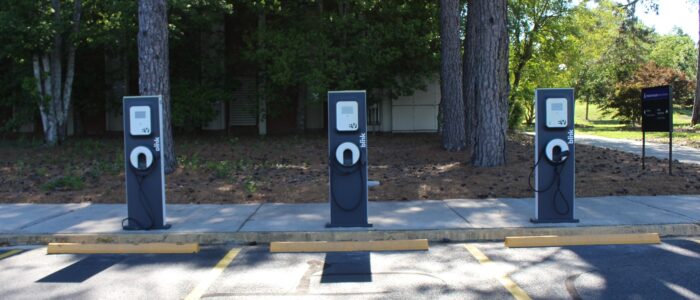
Assuming building interior fire safety issues can be managed, one way of getting more electric vehicle charging stations built around campus is to install requirements into the building code — thereby putting the construction cost, operation, maintenance and risk upon real-asset Developers and Owners. Code change submittals for the Group A tranche of titles will be received until January 8, 2024.


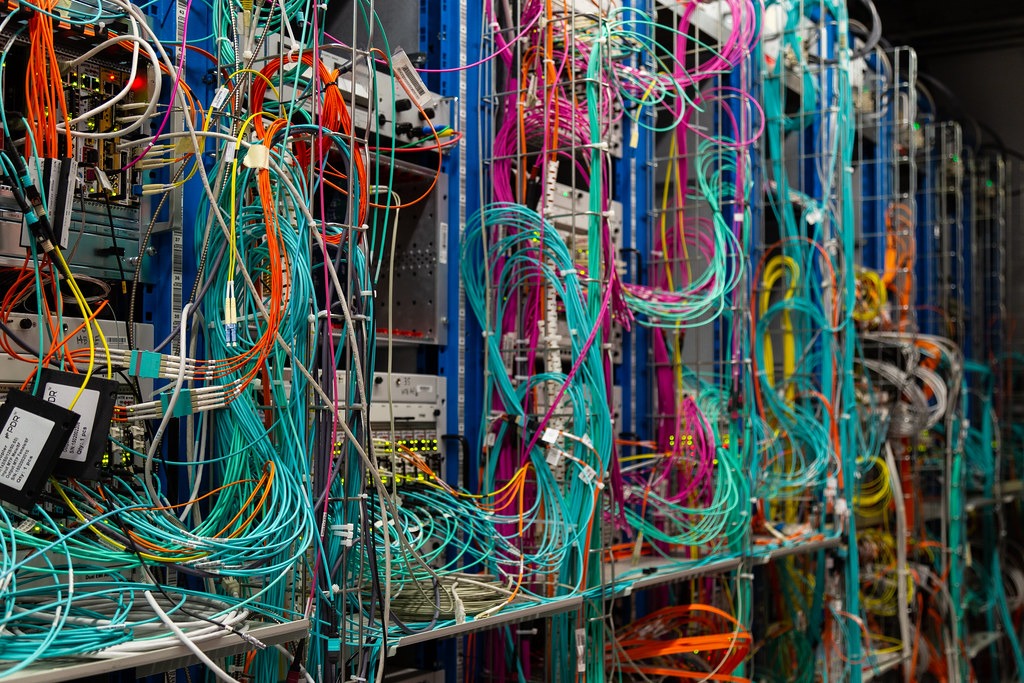
Information & Communication Technology Cabling

Balloting on the first stage of development of the 2023 National Electrical Code is underway now and will be completed by March 26th.  We collaborate with several experts in the IEEE who are the leading voices in standards setting for ICT infrastructure present in education communities.  The issues are  many and complex and fast-moving.   We provide transcripts and a sample of the issues that will determine the substance of the 2023 Edition.

Code Making Panel No. 3 Public Input Report

A sample of concepts in play:

Temperature limitations of Class 2 and Class 3 Cables

Fire resistive cabling systems

Multi-voltage (single junction, entry, pathway or connection) signaling control relay equipment

Listing of audio/video power-limited circuits

Code Making Panel No. 16 Public Input Report

A sample of concepts in play:

Definition of “Communication Utility”

Mechanical execution of work

Listed/Unlisted cables entering buildings

Underground communication cabling coordination with the National Electrical Safety Code

Public comment on the First Draft of the 2026 revision will be received until August 24, 2024.  We collaborate with the IEEE Education & Healthcare Facilities Committee which hosts open colloquia 4 times monthly in European and American time zones.   See our CALENDAR for the next online meeting; open to everyone.

"One day ladies will take their computers for walks in the park and tell each other, "My little computer said such a funny thing this morning" - Alan Turing

“Backup” Power Systems

Image Credit: Unknown

We use the term “backup” power system to convey the complexity of electrical power sources when the primary source is not used; either as a scheduled or an unscheduled event.   Best practice literature in this domain has been relatively stable, even though challenged by newer primary source of power technologies.   We are running our daily colloquium in parallel with the recurring 4 times monthly meetings of the IEEE Education & Healthcare Facilities Committee.   You are welcomed to join us with the login credentials at the upper right of our home page.

Emergency & Standby Power Systems

2026 National Electrical Code Workspace

IEC 60947-6-1 Low-voltage switchgear and controlgear – Part 6-1: Multiple function equipment – Transfer switching equipment


2028 National Electrical Safety Code

Electrical Resource Adequacy

NESC & NEC Cross-Code Correlation


Layout mode
Predefined Skins
Custom Colors
Choose your skin color
Patterns Background
Images Background
Standards Michigan
error: Content is protected !!
Skip to content