Tag Archives: D4

Loading
loading..

Determining Strength of Corroded Pipelines

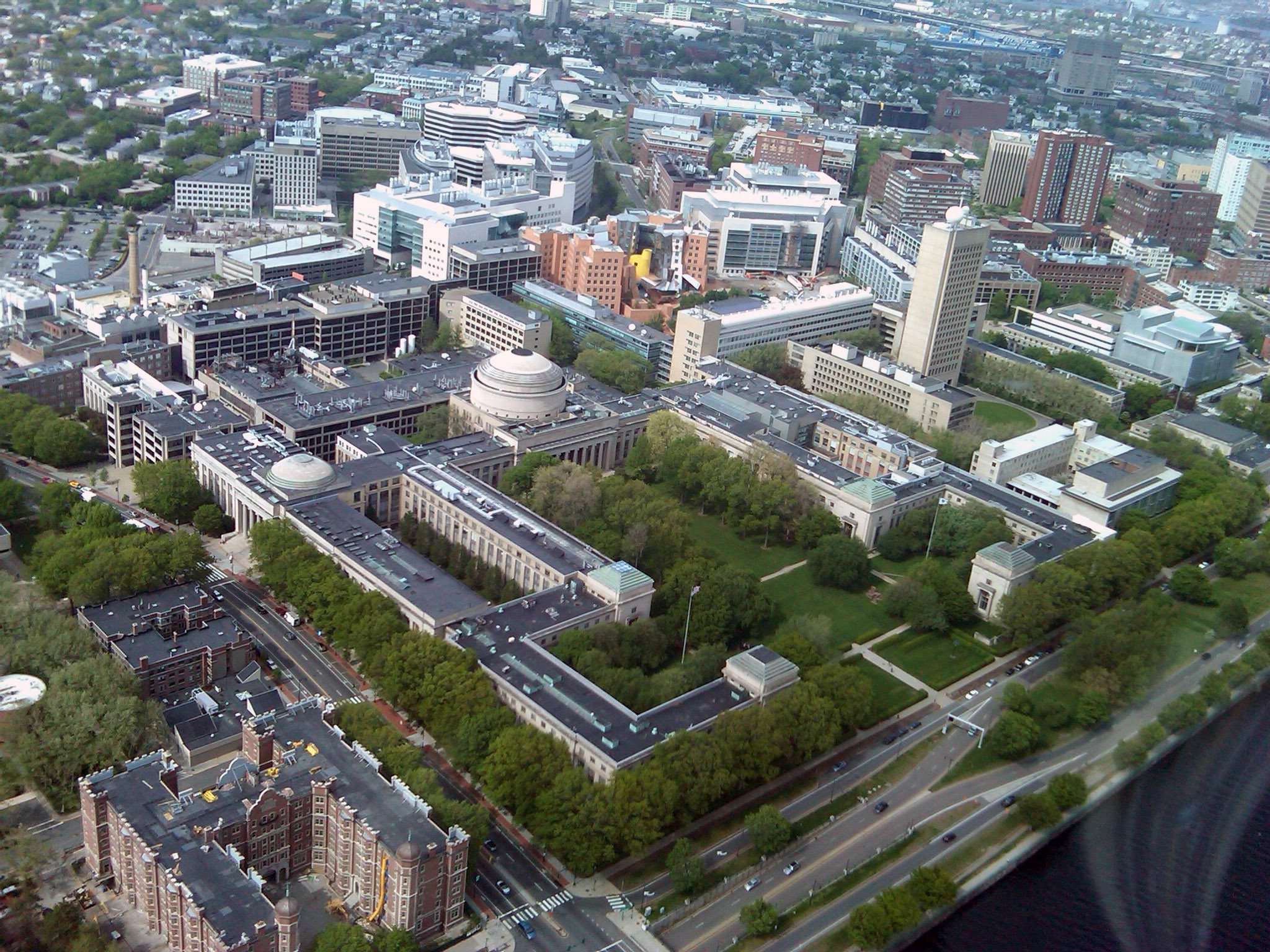
Massachusetts Institute of Technology

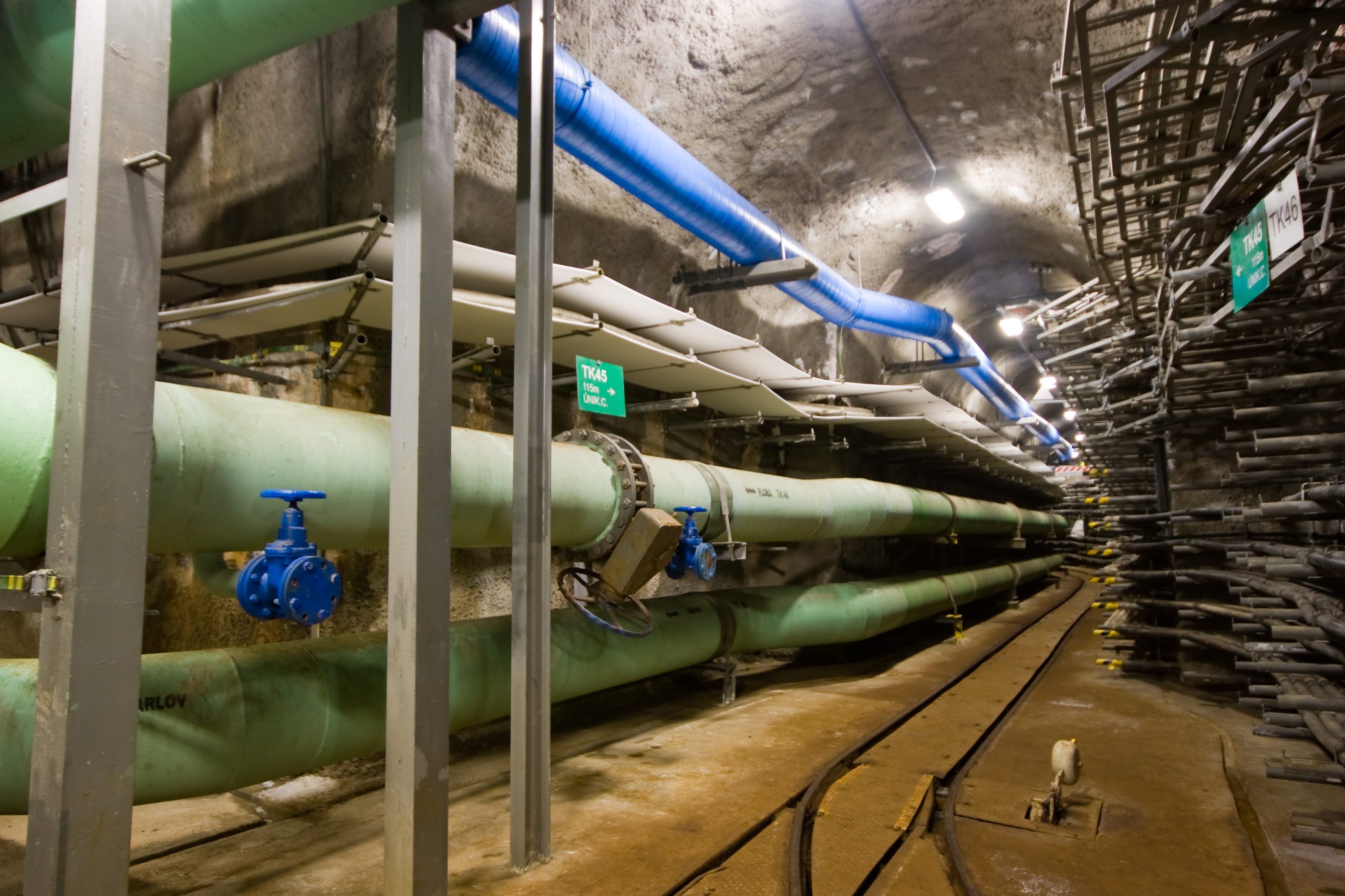
As cities-within-cities many colleges and universities own and maintain at least 10 miles —  and possibly up to 1000 miles —  of underground piping for water, steam and natural gas; much of it under pressure within buildings or in outside, underground tunnels.  The American Society of Mechanical Engineers develops a suite of standards for these, and many other piping systems:

ASME B31 Piping System Standards

Fluids running under pressure are a significant infrastructure hazard in educational and all communities

ASME has released a redline of  B31 Manual for Determining the Remaining Strength of Corroded Pipelines for public comment:

ANSI Standards Action Pages 137 – 139

ASME often posts its redlines in ANSI Standards Action as well as on its standard development platform:

https://cstools.asme.org/

This document is intended solely for the purpose of providing guidance in the evaluation of metal loss in pressurized pipelines and piping systems.

Comments are due July 26th.

You may send comments (with optional copy to psa@ansi.org) to: Ray Rahaman, rahamanr@asme.org
The ASME consensus product line is on the standing agenda of our periodic Mechanical, Energy and Nota Bene teleconferences.  See our CALENDAR for the next online meeting; open to everyone.

Issue: [19-148]

Category: District Energy, Energy, Mechanical

Colleagues: Richard Robben, Larry Spielvogel



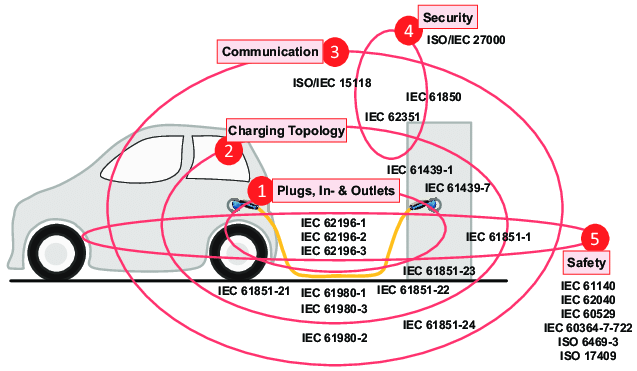
Drivers and Barriers to Implementation of Connected, Automated, Shared, and Electric Vehicles


Drivers and Barriers to Implementation of Connected, Automated, Shared, and Electric Vehicles

An Agenda for Future Research


Abstract:  Several converging trends appear to reshape the way citizens and goods move about. These trends are social, including urbanization and population growth, and technological, such as increased automation and connectivity. All these factors influence the market for connected, automated, shared and electric (CASE) vehicles, which presents many opportunities and challenges. The pace of the shift to a profoundly penetrated market for CASE vehicles is far from secure. Such transformation depends on the development of technologies, consumer attitudes, and policies. An expanding body of research has investigated the potential social and behavioral results of deploying CASE vehicles. However, most academic literature to date concentrates on technological issues linked to these vehicles.

There are several teams from federal and state agencies, OEMs, academia, startups, and consortiums working on this complex subject. This study investigates several academic papers, as well as federal and industry reports, considering all the stakeholders mentioned above. Its aim is to present a comprehensive picture of the implementation barriers and drivers of CASE vehicle usage and provide suggestions to solve them. The findings confirm that several issues are currently affecting the implementation of CASE vehicles on the road. Although there have been significant partnerships and collaborations between CASE vehicle stakeholders, namely technology companies, federal-state agencies, and academic scholars, considerable work is still required to solve the remaining barriers facing CASE-related technologies. This would enable decision-makers to create effective policies for future transportation networks and increase the speed of CASE vehicle market penetration to enhance road network’s level of service.

Electric Vehicle Charging Stations

Gallery: Electric Vehicle Fire Risk

College dormitory information environment based on Internet of Things


Research of the construction of the college dormitory information environment based on Internet of Things

Jinhua Chen – Zhong Li – Jing Song – Ying Li

Yibin University


Abstract: According to the practical application demand of the college dormitory, combined with principle, architecture, and technical of Internet of Things, a college dormitory construction scheme is proposed based on the Internet of Things. The scheme concludes technical framework improvements of the Internet of Things for application, discussion of the networking mechanisms, implementations of technical details and design of network nodes. It presents a multi-frequency-multi-structure network architecture. Test results of typical application parameters show that the practical application of the scheme in a college dormitory is feasible.

CLICK HERE to order complete paper

Where There is Smoke…There Doesn’t Have to be Fire


The ASTM International business model features a strong product certification component and a weaker interoperability component therefore we place ASTM titles at lower priority in our coverage of the best practice literature that supports our safety and sustainability agenda.  Nevertheless, leading practice discovery and promulgation processes for product certification bears a strong similarity to the processes that provide the structure for interoperability standards.

Today we select a Case Study from ANSI’s Committee on Education which is relevant to today’s fire safety colloquium; open to everyone.

ASTM Fire Standards and Flammability Standards

WHERE THERE IS SMOKE… THERE DOESN’T HAVE TO BE FIRE: FIRE-SAFETY AND ASTM E2187

ANSI Committee on Education: Questions and Answers

We hope quick access to this content will encourage students and faculty to participate in the annual ANSI Student Paper Competition, sponsored by ANSI’s Committee on Education in which we are a member.  We meet again in July and will determine the winner(s) the 2021 competition and select a topic for the 2022 competition.  We are happy to explain further during today’s colloquium.  At any time you may communicate directly with Lisa Rajchel (lrajchel@ansi.org).

More

2023 Student Paper Competition


Fietsenrek

This content is accessible to paid subscribers. To view it please enter your password below or send mike@standardsmichigan.com a request for subscription details.

Personal e-Transporters


“Trust only movement.

Life happens at the level of events, not of words.

Trust movement.”


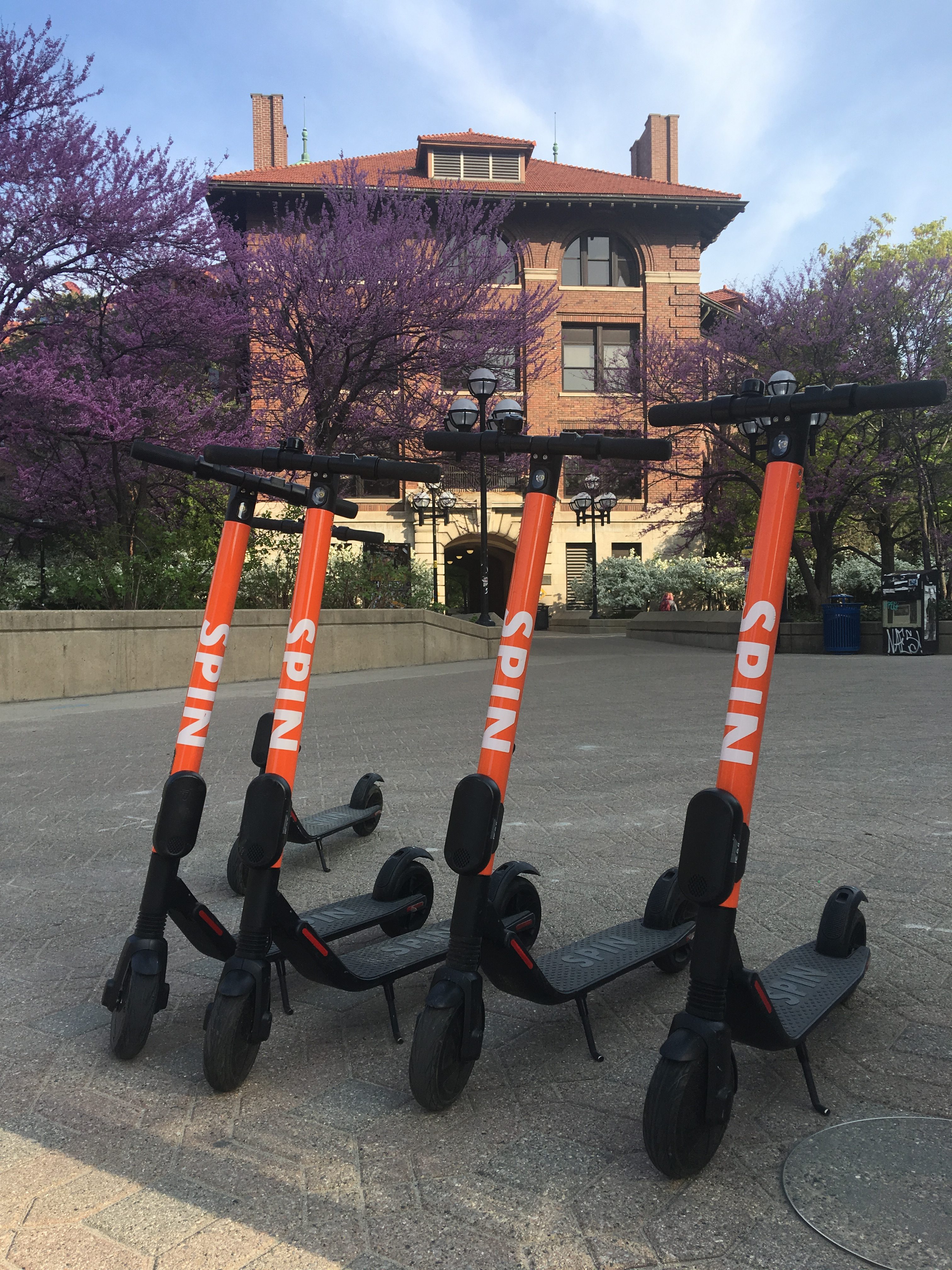
We track best practice concepts evolving in International Electrotechnical Commission committee (IEC TC 125 Personal e-Transporters) now setting the standard of care for a transport technology with a growing presence on college and university campuses.   Students and faculty use PeTs to hasten movement between classes; maintenance staff uses them for exterior maintenance and landscaping.  They are used by the general public on or within campus perimeters; particularly large research universities.

From the IEC TC 125 committee scope statement:

Standardization for use on the road or in the public space of electrically powered transport devices (i.e. no human (propulsion) power input) and where the speed control and/or the steering control is electrical/electronic.

This means, standardization in the field of personal e-Transporters, including :

    • Safety and reliability (both electrical and functional)
    • Protection against hazards (fire and explosion hazards, water ingress, …)
    • Maintenance
    • Docking stations for public use
    • Recharging
    • Recycling

Exclusions :  Standardization of electrical bicycles, motorbikes, mopeds and cars are excluded from the scope because they are handled by other technical committees administered from Geneva:

IEC TC 69
ISO TC 149
ISO TC 22

Standardization of PeTs for home use are excluded because they are handled by IEC TC 59 and TC 61

Much like PetTs technology itself, the TC 125 committee is relatively new; its founding document linked below:

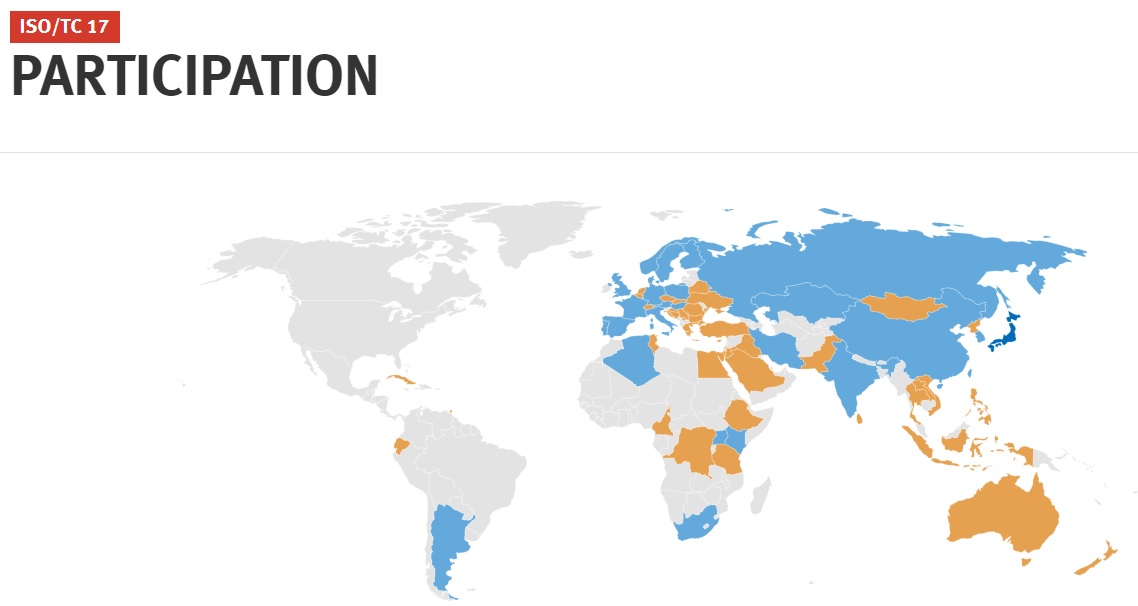
Belgium is the Secretariat with 24 national committees on the project at the moment (CLICK HERE for TC 125 Membership).  Stakeholders in the United States should contact ANSI’s US National Committee to the IEC (CLICK HERE)

Die Fachhochschule Wedel bei Hamburg

We are on the receiving end of questions about best practice, standardization and regulatory solutions for this technology.  We refer them to the IEEE Education & Healthcare Facilities Committee which meets 4 times monthly in European and American time zones and collaborates with the IEEE Intelligent Transportation Systems Society.   We also set aside an hour per month to review the status of best practice literature for campus Mobility.   See our CALENDAR for the next online meeting; open to everyone.

University of Michigan

Issue: [19-200]

Category: Mobility, Electrical, Global

Colleagues: Mike Anthony, Jim Harvey

* A Signature Ed Ruscha Text Painting Could Fetch $40 Million at Christie’s Next Month and Shatter the Artist’s Auction Record


More

IEC e-tech | News & Views from the IEC


Layout mode
Predefined Skins
Custom Colors
Choose your skin color
Patterns Background
Images Background
Standards Michigan
error: Content is protected !!
Skip to content