

Tag Archives: D6
- Home
- Posts tagged "D6" (Page 5)

loading..


Farm Electrical Power
Many land grant colleges and universities are stewards of agricultural facilities that require reliable electrical power that is safe and sustainable for livestock well off the core campus distribution grid. Today we examine the 2026 National Electrical Code safe electric service rules with an eye toward the close date of April 6th for public input on the 2029 NEC.
Updated: September 3, 2024
Article 547: Agricultural Buildings
Public Input with Responses from CMP-7 (Start at PDF Page 187)
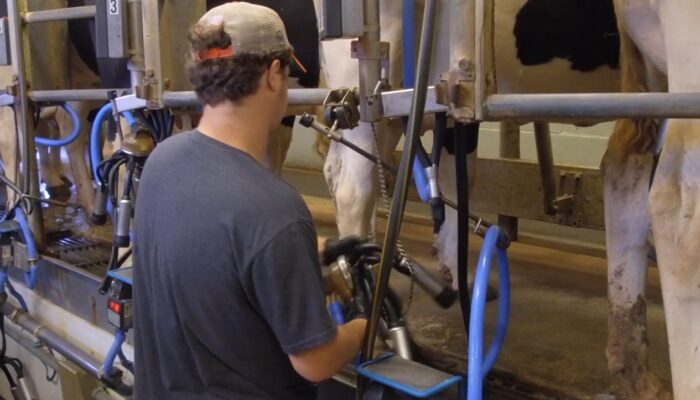
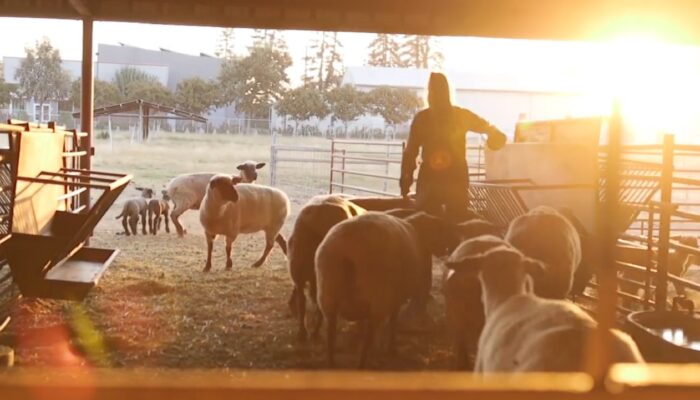
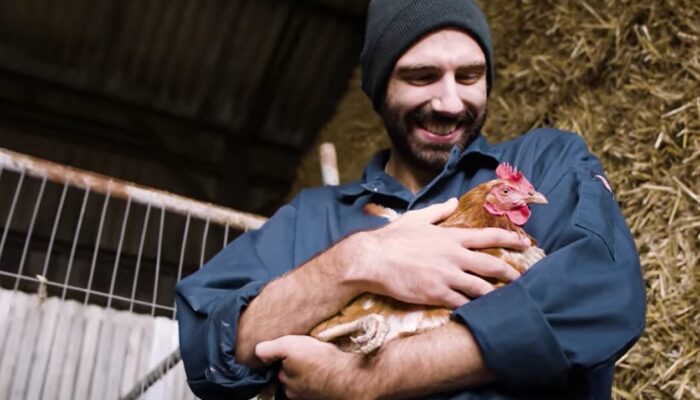
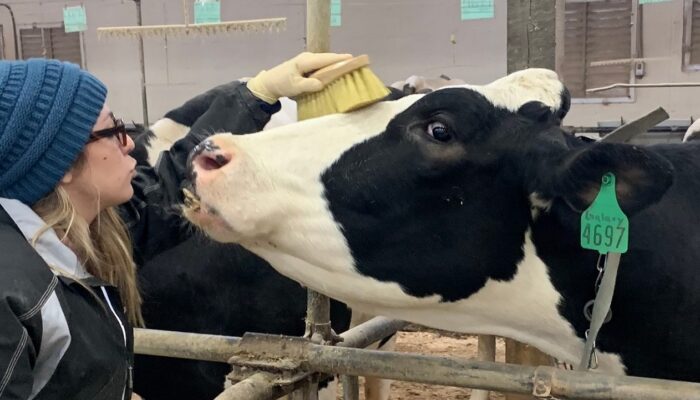
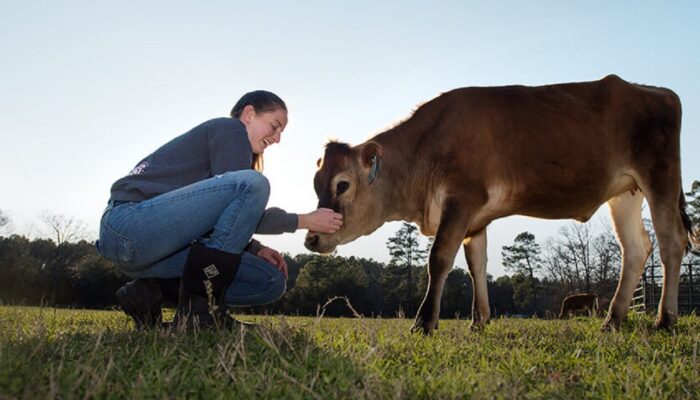
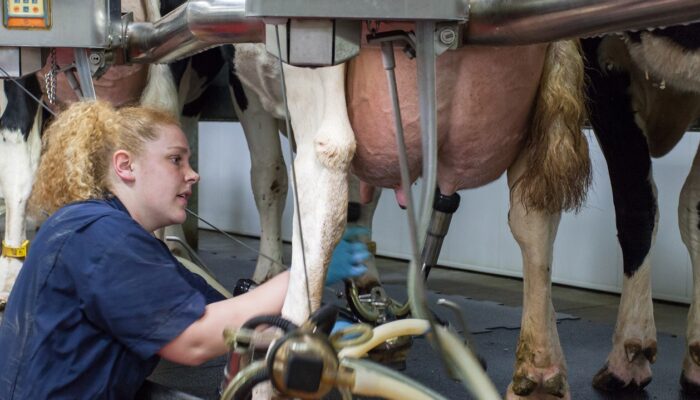
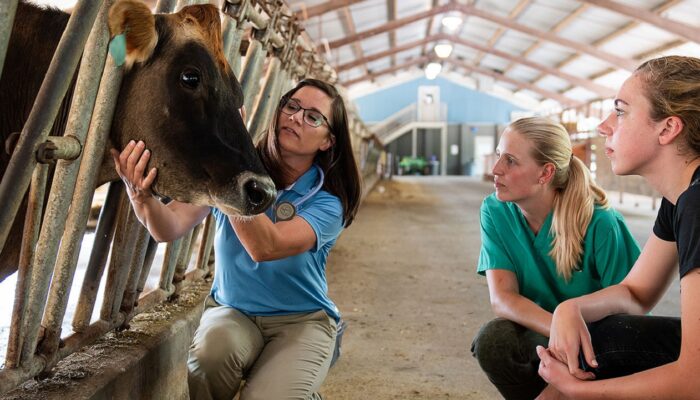
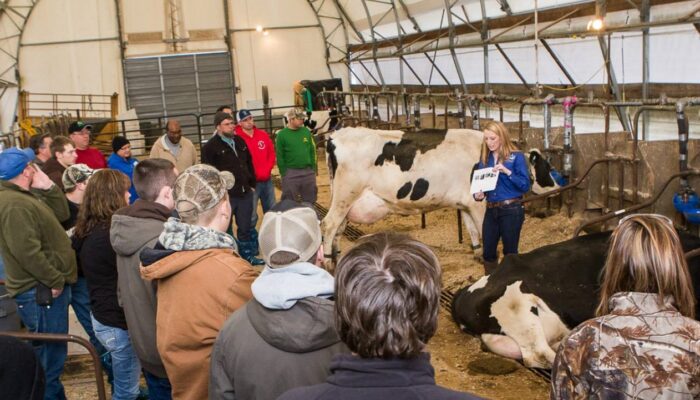
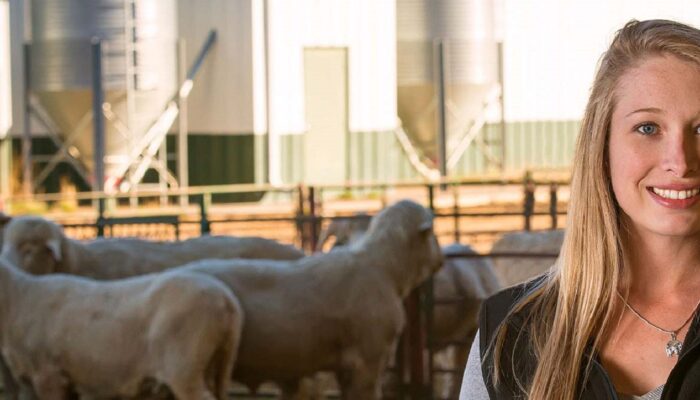
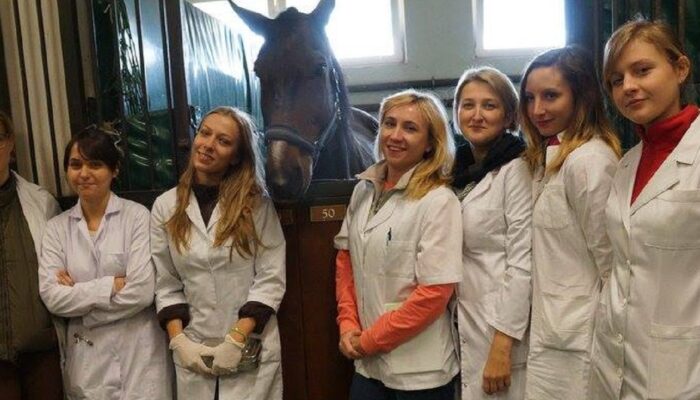
Many land grant colleges and universities are stewards of agricultural facilities that require reliable electrical power that is safe and sustainable for livestock and animal habitat for sporting.
FREE ACCESS: 2023 National Electrical Code
The premise wiring rules for hazardous university owned buildings have been relatively stable. Electrical professionals are guided by:
- Farm Load Calculations of Part V of Article 220,
- Corrosion mitigation with appropriate specification of power chain wiring
- Stray voltage and the equipotential plane
- Interactivity with regulated utility power sources.
Public response to the First Draft of the 2026 National Electrical Code will be received until August 28, 2024. We coordinate our approach to the entire NFPA electrical suite with the IEEE Education & Healthcare Facilities Committee which meets 4 times monthly. We typically refer to previous transcripts of technical committee actions to inform any changes (improvements) that we propose, if any.
We maintain this issue on the standing agenda of our Power and Nourriture (Food) colloquia. Feel free to join us with the login credentials at the upper right of our home page.
More:
Cornell University Agricultural Safety and Health Program
National Safety Council (22 deaths by electrocution on farms per 100,000 in 2017)
National Agricultural Safety Database
Electrical Wiring for Barns, Riding Arenas, Animal Habitat and Feed Storage


Roger Scruton Memorial Lectures
“Conservatism starts from a sentiment that all mature people can readily share: the sentiment that good things are easily destroyed, but not easily created.”
Sir Roger Scruton pic.twitter.com/ixxTghlSR3
— Joshua D Phillips (@JoshPhillipsPhD) January 10, 2026
“Stand up for your friends especially when they’re right. There is every reason in the world to do so but one is not obvious — although perhaps it should be — and it’s this: it might be the only chance you get to show them how much they mean to you if you don’t seize this opportunity whenever it comes along.
To save the truth of your feelings for their funeral or obituaries it’s not much use to anyone then but if you defend a friend while they’re alive you might just give them the slightest intimation of how much you value them and love them and how much other people love them too…”
🌟 2023 Year in Review at RSLF 🌟
We’re taking a moment to look back at an incredible year of learning, culture and philosophy. Join us as we revisit some of our most memorable moments. #RSLFYearInReview pic.twitter.com/TAxtZVs3m0
— Roger Scruton Legacy Foundation (@Scruton_Legacy) December 28, 2023
We are delighted to invite students from across the West to participate in a series of essay contests designed to reflect on the philosophical contributions of Sir Roger Scruton.
For more info and to submit an essay, please see here: https://t.co/9jttjyaxDX pic.twitter.com/0WhD8U4ytL
— Roger Scruton Legacy Foundation (@Scruton_Legacy) November 22, 2023
Related:
Charlie Kirk (August 12, 2025): “Has U.S. President Donald Trump gone too far?”

WSRN 91.5 FM
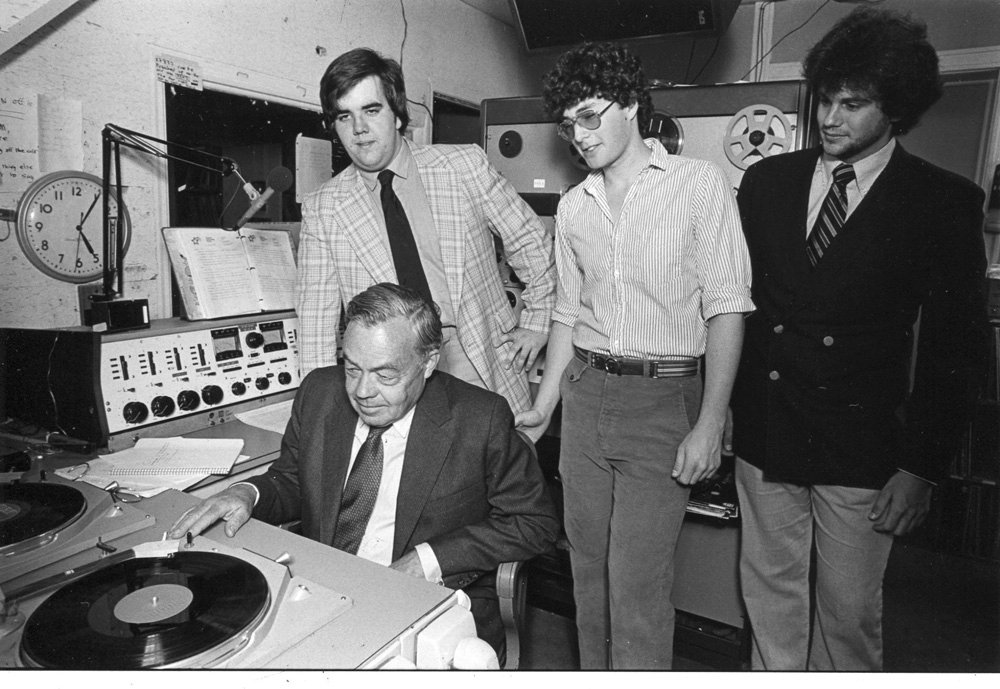
CLICK IMAGE to start stream
The “Worldwide Swarthmore Radio Network” is Swarthmore College’s official campus radio station. It broadcasts out of the suburban Philadelphia borough of Swarthmore, Pennsylvania.
Prior to the 1970s, WSRN operated as a carrier signal broadcast to the campus of Swarthmore College only. The station went on the air with 10 watts on October 15, 1972. Following efforts by the Federal Communications Commission to encourage as many Class D stations as possible to increase power, a campaign was raised by the students of the college, and in the late 1970s, the FCC granted a license for a 110-watt, directional, transmission.
Programming has been eclectic from the 1970s on. Station programming is diverse; music spans “world,” hip hop, blues, folk, rock, pop, R & B, and classical. Talk and comedy programs comprise much of the weekend line-up. Notably “Funk” which ran from fall 2012 to spring 2014 Friday mornings from midnight to 2AM.
In 1986, the main on-air studio was completely refurbished, with a new control panel, turntables, microphones, and wiring installed. 1998 saw the rewiring and modernization of the production studio and the construction of an acoustically isolated sound studio connected to the production studio.
Students have always manned the soundboard, and so, during most summers, the station is dark. Following the COVID-19 pandemic, the radio station had periods of limited broadcasting. During the 2021-2022 academic year, a significant effort by students, faculty, staff, and community members was successfully carried out to get the station back up to an operational state. As of April 1, 2022, the station has resumed broadcasting.


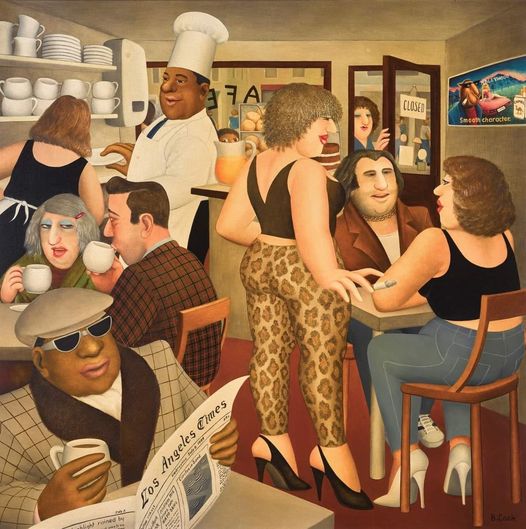
Viking Cafe
Mercer County is famous for the Battle of Trenton during the American Revolutionary War. On December 26, 1776, General George Washington led a surprise attack across the Delaware River, resulting in a crucial victory against the Hessian forces stationed in Trenton. This victory boosted the morale of the Continental Army and is considered a turning point in the Revolutionary War.
Mercer County Community College Financial Statement 2023: $82,503,849
2024 International Fire Code: Section 606 Commercial Cooking Equipment and Systems
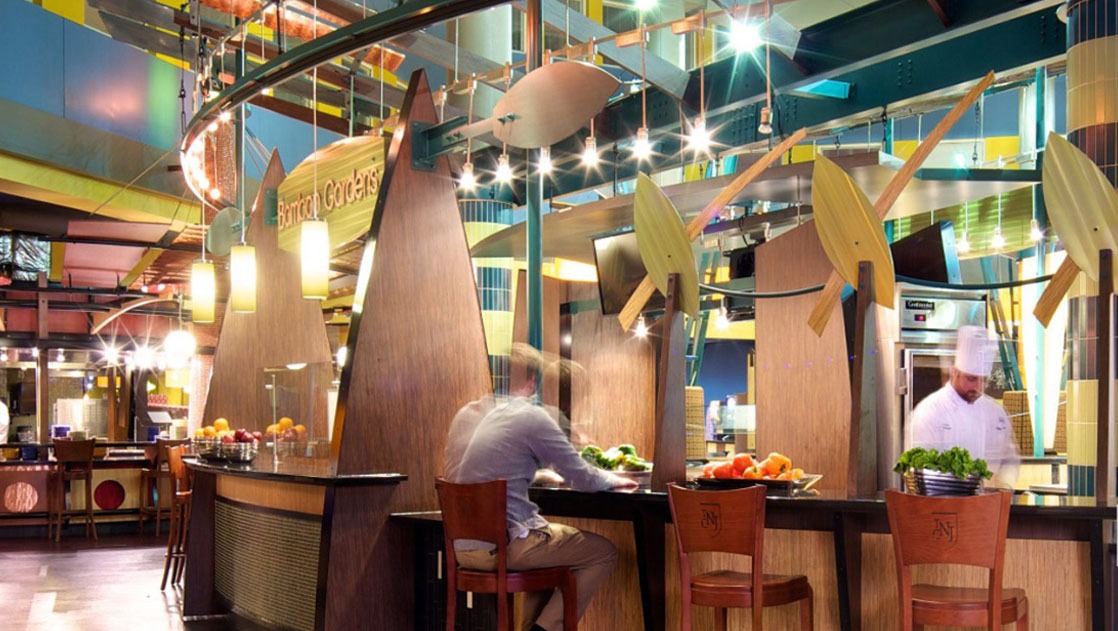
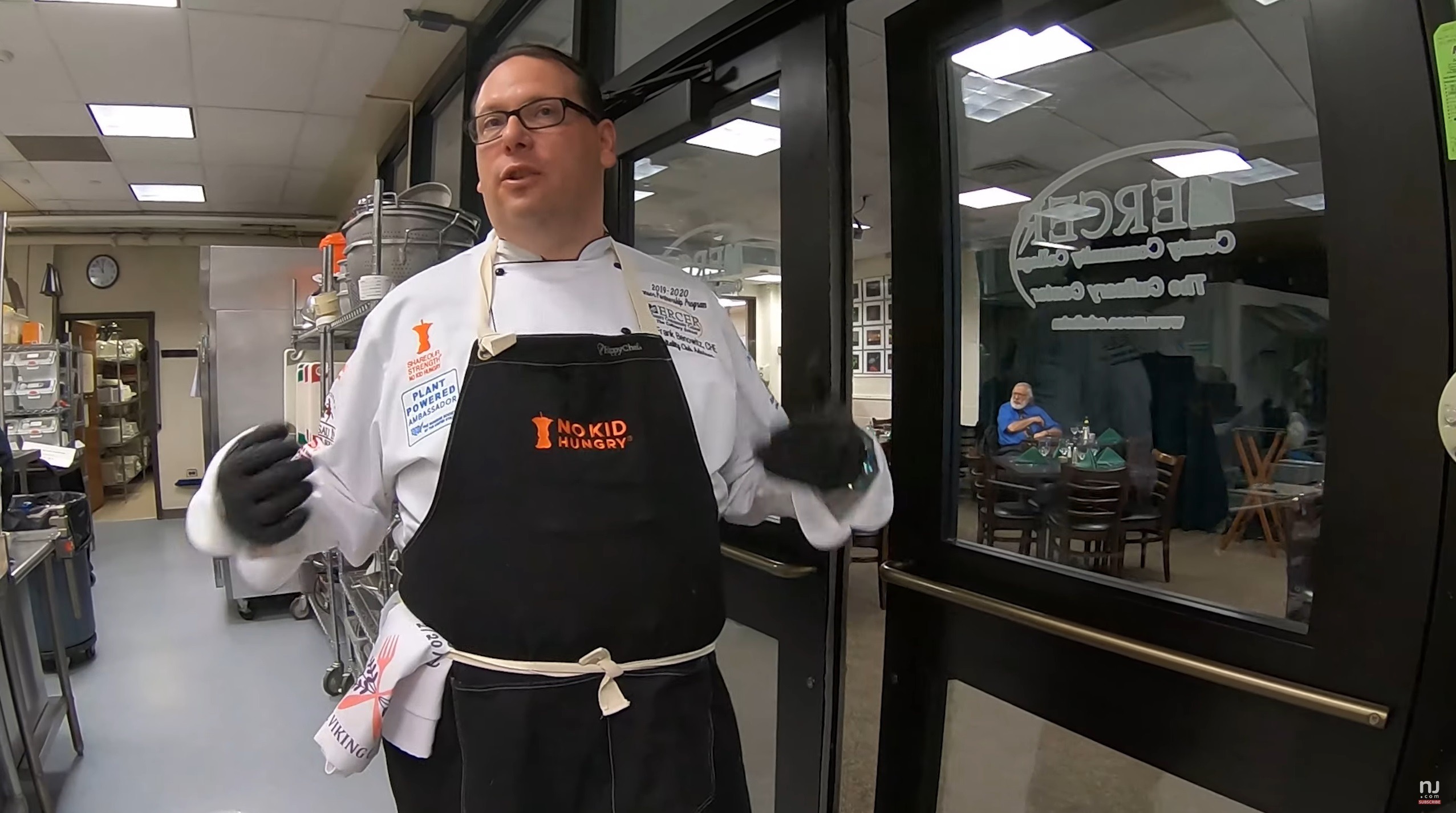
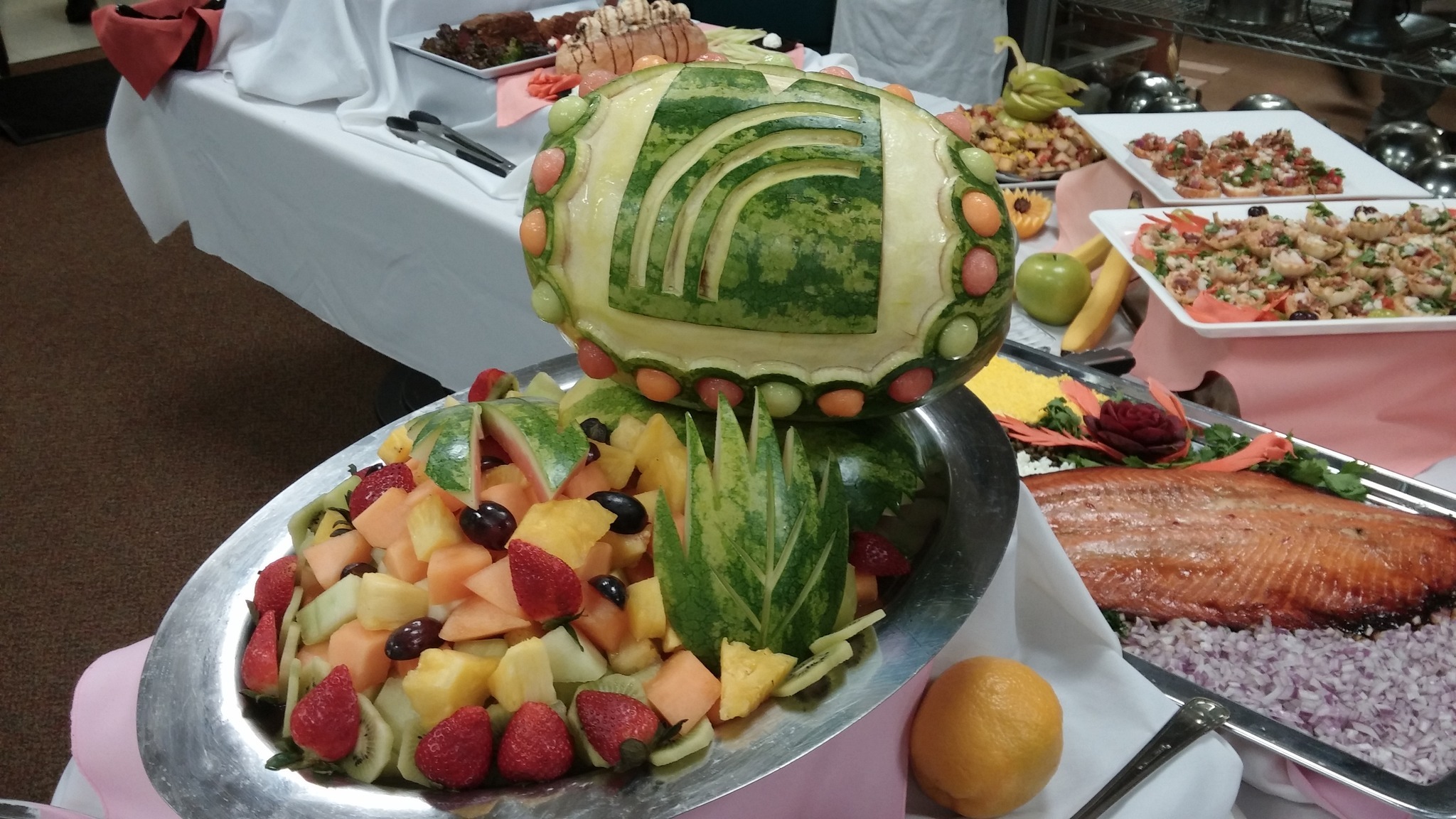
Culinary Students Taught to Cook Up Plant-Based Cuisine
We’re pleased to announce that we’ve entered a new transfer agreement with @NJCUniversity! MCCC students who complete an associate degree in Business Administration will be seamlessly admitted with full junior status to NJCU’s School of Business! https://t.co/yoiOrNNGUS pic.twitter.com/A2W2zuZsKk
— Mercer County Community College (@MercerCollege) October 16, 2020

The Deer Laboratory


Potato Latkes & Sufganiyot
Financial Position $1.417B (Page 16) | Campus Master Plan 2025-2035 | Revenue Bonds

Traditional Hanukkah foods (Spoon University) are often fried or cooked in oil, symbolizing the miracle of the oil that lasted eight days in the rededication of the Second Temple in Jerusalem.
Latkes (Potato Pancakes): Grated potatoes mixed with onions, eggs, and flour, then fried until crispy. They are often served with applesauce or sour cream.
Sufganiyot (Jelly-filled Doughnuts): Deep-fried doughnuts filled with jelly or custard and dusted with powdered sugar. They represent the oil that miraculously burned for eight days.
Brisket: Slow-cooked beef brisket is a popular main course for Hanukkah dinners.
Applesauce: Often served as a topping for latkes or as a side dish.
Matzo Ball Soup: While traditionally associated with Passover, some families also serve matzo ball soup during Hanukkah. It consists of light, fluffy dumplings made from matzo meal in a chicken broth.
Kugel: A baked casserole dish that can be sweet or savory, made with noodles, potatoes, or other ingredients.
Chocolate Gelt: Chocolate coins wrapped in gold or silver foil, often used in the game of dreidel.
Dreidel Cookies: Cookies shaped like the spinning top used in the traditional Hanukkah game of dreidel.
Cheese: In reference to the story of Judith, who is said to have fed cheese to an enemy general to make him thirsty and then gave him wine to make him drunk.
time to lock in, Knights 🔒
Good luck on finals! 🫶 pic.twitter.com/RdAT9Ug2e0
— UCF (@UCF) December 2, 2024

Standard Reference Material
Metrology is the scientific discipline that deals with measurement, including both the theoretical and practical aspects of measurement. It is a broad field that encompasses many different areas, including length, mass, time, temperature, and electrical and optical measurements. The goal of metrology is to establish a system of measurement that is accurate, reliable, and consistent. This involves the development of standards and calibration methods that enable precise and traceable measurements to be made.
The International System of Units is the most widely used system of units today and is based on a set of seven base units, which are defined in terms of physical constants or other fundamental quantities. Another important aspect of metrology is the development and use of measurement instruments and techniques. These instruments and techniques must be designed to minimize errors and uncertainties in measurements, and they must be calibrated against recognized standards to ensure accuracy and traceability.
Metrology also involves the development of statistical methods for analyzing and interpreting measurement data. These methods are used to quantify the uncertainty associated with measurement results and to determine the reliability of those results.

New update alert! The 2022 update to the Trademark Assignment Dataset is now available online. Find 1.29 million trademark assignments, involving 2.28 million unique trademark properties issued by the USPTO between March 1952 and January 2023: https://t.co/njrDAbSpwB pic.twitter.com/GkAXrHoQ9T
— USPTO (@uspto) July 13, 2023
Welcome
Standards Michigan Group, LLC
455 East Eisenhower Parkway, Suite 300
Ann Arbor, MI 48108 USA
888-748-3670
DIRECTIONS
 |
 |
|
 |
 |
|
 |
 |
Layout mode
Predefined Skins
Custom Colors
Choose your skin color
Patterns Background
Images Background
error: Content is protected !!
Skip to content