
Tag Archives: Italy
- Home
- Posts tagged "Italy" (Page 3)


Electrical Safety in Academic Laboratories

Nikola Tesla, with his equipment / Credit: Wellcome Library, London

We collaborate closely with the IEEE Education & Healthcare Facilities Committee which meets 4 times monthly in European and American time zones. Risk managers, electrical safety inspectors, facility managers and others are welcomed to click into those teleconferences also. We expect that concepts and recommendations this paper will find their way into future revisions of US and international electrical safety codes and standards. There is nothing stopping education facility managers from applying the findings immediately.
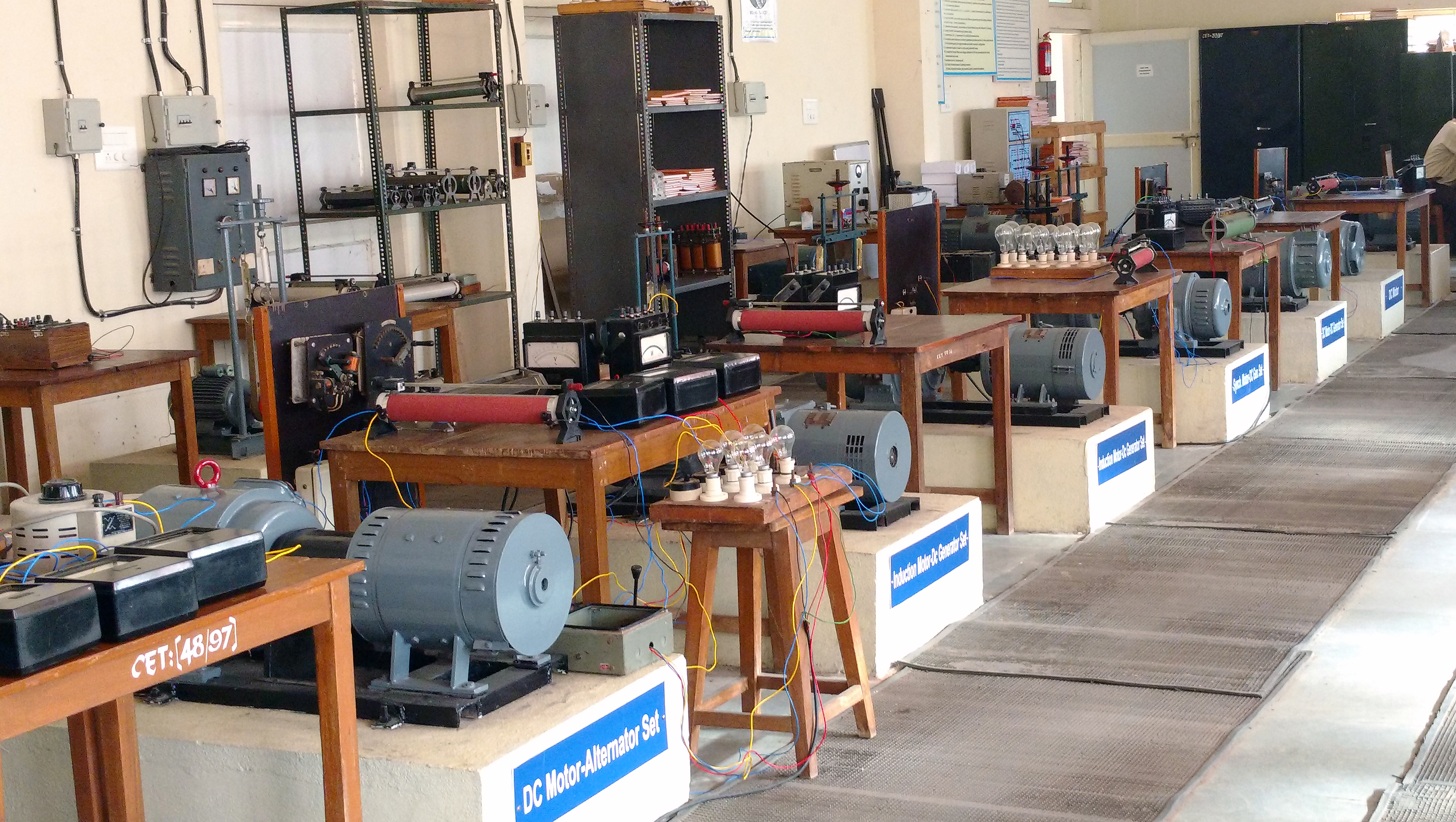
College of Engineering and Technology, Bhubaneswar India
Electrical Safety of Academic Laboratories | 2019-PSEC-0204
Presented at the 55th IEEE Industrial Applications Society I&CPS Technical Conference | Calgary, Alberta Canada | May 6-9, 2019
Ω
Rodolfo Araneo, University of Rome “La Sapienza” | rodolfo.araneo@ieee.org
Payman Dehghanian, George Washington University | payman@gwu.edu
Massimo Mitolo, Irvine Valley College | mitolo@ieee.org
Abstract. Academic laboratories should be a safe environment in which one can teach, learn, and conduct research. Sharing a common principle, the prevention of potential accidents and imminent injuries is a fundamental goal of laboratory environments. In addition, academic laboratories are attributed the exceptional responsibility to instill in students the culture of the safety, the basis of risk assessment, and of the exemplification of the prudent practice around energized objects. Undergraduate laboratory assignments may normally be framed based upon the repetition of established experiments and procedures, whereas, academic research laboratories may involve new methodologies and/or apparatus, for which the hazards may not be completely known to the faculty and student researchers. Yet, the academic laboratory should be an environment free of electrical hazards for both routine experiments and research endeavors, and faculty should offer practical inputs and safety-driven insights to academic administration to achieve such a paramount objective. In this paper, the authors discuss the challenges to the electrical safety in modern academic laboratories, where users may be exposed to harmful touch voltages.
I. INTRODUCTION
A. Electricity and Human Vulnerabilities
B. Electrical Hazards in Academic Laboratories
II. ELECTRICAL SEPARATION
III. SAFETY IN ACADEMIC LABORATORIES WITH VARIABLE FREQUENCY DRIVES
IV. ELECTRICAL SAFETY IN ACADEMIC LIGHTING LABORATORIES
V. ACADEMIC RESEARCH LABORATORIES
A. Basic Rules of Engagement
B. Unidirectional Impulse Currents
VI. HAZARDS IN LABORATORIES DUE TO ELECTROMAGNETIC FIELD EXPOSURE
VII. WARNING SIGNS AND PSYCHOLOGICAL PERCEPTION OF DANGER
VIII. CONCLUSION
Safety is the most important practice in an academic laboratory as “safety and productivity are on the same team”. Electrical measurement and electrically-powered equipment of various brands and models are common in both teaching and research laboratories, highlighting the need to maintaining them continuously in an electrically-safe status. Annual reports on the occurrence of electrical hazards (i.e. shocks and injuries) in academic laboratory environments primarily discover the (i) lack of knowledge on using the electrical equipment, (ii) careless use of the energized electric facilities, and (iii) faulty electrical equipment or cords. The above does call for the establishment of safety-driven codes, instructions, and trainings for the academic personnel working with or near such devices for teaching, learning, experiments, and research. This paper provided background information on the concept of electrical safety in the academic laboratories, presented the safety challenges of modern academic laboratories, and offered solutions on how enhance the lab environment and research personnel safety awareness to avoid and control electrical hazards.
Issue: [19-129]
Category: Electrical, Facility Asset Management, Fire Safety, International
Colleagues: Mike Anthony, Rodolfo Araneo, Payman Dehghanian, Jim Harvey, Massimo Mitolo, Joe Tedesco
Related IEEE Research:
Strengthening and Upgrading of Laboratory Safety Management Based on Computer Risk Identification
Critical Study on the feasiblity of Smart Laboratory Coats
Clean Environment Tools Design For Smart Campus Laboratory Through a Global Pandemic
Design of Laboratory Fire Safety Monitoring System

Spring Week 23 | June 2 – 8
“Il Bacio” 1859 Francesco Hayez
Monday | June 2 | Colloquium 15:00 UTC
Viva l’Italia, sempre! 🇮🇹 pic.twitter.com/SCLutKMOgX
— Giorgia Meloni (@GiorgiaMeloni) June 2, 2025
Tuesday | June 3 | Colloquium 15:00 UTC
Owing to the proposal deadline at 5 PM EST today’s Open Office Hours will not be hosted online as usual. We are busy writing proposals. You may, however, call the office at 888-748-3670 for any question. Normal sessions resume tomorrow.
Wednesday | June 4 | Colloquium 15:00 UTC
Owing to the proposal deadline at 5 PM EST today’s Open Office Hours will not be hosted online as usual. We are busy writing proposals. You may, however, call the office at 888-748-3670 for any question. Normal sessions resume tomorrow.
Thursday | June 6 | Colloquium 15:00 UTC
Friday | June 7 | Colloquium 15:00 UTC
Saturday | June 8
Sunday | June 9

Università Commerciale Luigi Bocconi



Architecture of power systems: Special cases
Sapienza – Università di Roma
The architecture of electric power systems: Some special cases
Abstract Modeling of the electric system “architecture” aims to achieve performances of operation, maintenance and safety. The paper discusses about the criteria in designing the normal and special cases that need a structured architecture complying with electrical loads extensively distributed and with installation requirements proper to external stresses hazard as earthquake, fire, flood, extreme environment conditions. Also advanced architectural buildings outside of the typical and classical configurations require tailored solutions for the electrical systems. The general criterion of designing power distributions is to structure the system in two or more levels from the utility up to the terminal equipment adopting a number equal or lower of voltages. The criterion of the barycentered distribution is generally applied for defining the dimension and the voltage of each distribution level. In critical facilities, it is necessary to ensure that electrical service will be available during and after a hazardous event and so all the components should have adequate ratings and be installed in a proper manner. A special power distribution, “brush-distribution”, is suitable for the strategic buildings with higher risk for seismic event, for the photovoltaic systems against extreme temperature conditions and for the road tunnels against the fire.
PURCHASE INFORMATION: IEEE Digital Library
Topology of Continuous Availability for LED Lighting Systems
Topology of Continuous Availability for LED Lighting Systems
Giuseppe Parise – Marco Allegri
Luigi Parise
Raffaele Pennacchia – Fabrizio Regoli
Giorgio Vasselli
Abstract: Lighting systems with a big number of luminaires in large halls are a case of distributed loads that need topologies with modularity, whenever possible to ensure a uniform distribution of the supplying circuits, an easier installation, management, and maintenance. The light emitting diode (LED) luminaires give a great impact on the system operation due to their auxiliary series devices and to the high inrush currents of the ac-dc switching power supplies. This article proposes a topology to design LED lighting systems, configured in a modular scheme of a main ac distribution and a branch dc distribution supplying luminaires clusters. Each cluster is provided as a “double-dual corded” equipment with double power supply and double control type, digital, and analogic. The suggested topology aims to make available a system that allows overcoming fault situations by design and permits maintenance activities limiting and recovering degradation conditions. In this way, the lighting system of special locations, for which there is the willingness-to-accept greater financial costs against loss service risks, can satisfy the requirement of continuous availability system. To provide more details on the proposed design criteria this article describes, as case study, the lighting system of a parliamentary hall with one thousands of luminaires.
CLICK HERE to order complete paper
https://t.co/NumxiedKbR
print(“Illumination”)@beatricedegraaf @UniofOxford pic.twitter.com/DBIvns5k4K— Standards Michigan (@StandardsMich) February 17, 2022
Wiring Fire Prevention in Hospitals

Fondazione Policlinico Universitario Agostino Gemelli / Rome, Italy
Localized fire ignition hazard in branch circuits, cords and connected equipment
Abstract. In electrical power systems, the fire ignition can be originated by incident energy of faults. Faults involve overheating, arcing and burning for all the wiring exposed to mechanical damage and other insulation stresses especially wiring connected by flexible cords and cables. The mechanical damage of the stranded bare conductors can degrade the effective sizing of the total cross section, causing anomalous conditions of local overcurrent. To highlight the local incident energy in case of fault, the parameters steady current and transient current densities can assist in analyzing the event. The conductors size reduction, degrading locally the thermal withstand capability, makes ineffective the protection coordination amplifying the anomalous effect of current no detectable adequately by overcurrent protective devices. The faulted cords remain so energized and present electric shock and fire hazards. Generally and especially in strategic buildings as hospitals, preventing ignition is better than promptly extinguishing. An efficient protection can be achieved by integration of active and passive techniques : by adoption of the special device Arc-fault Circuit Interrupter (AFCI) that recognize the arcing; by wiring the circuits, particularly extension cords, with Ground-Fault-Forced Cables, GFFCs, that convert faults into ground faults easily protected by ground fault protective devices (GFPDs).
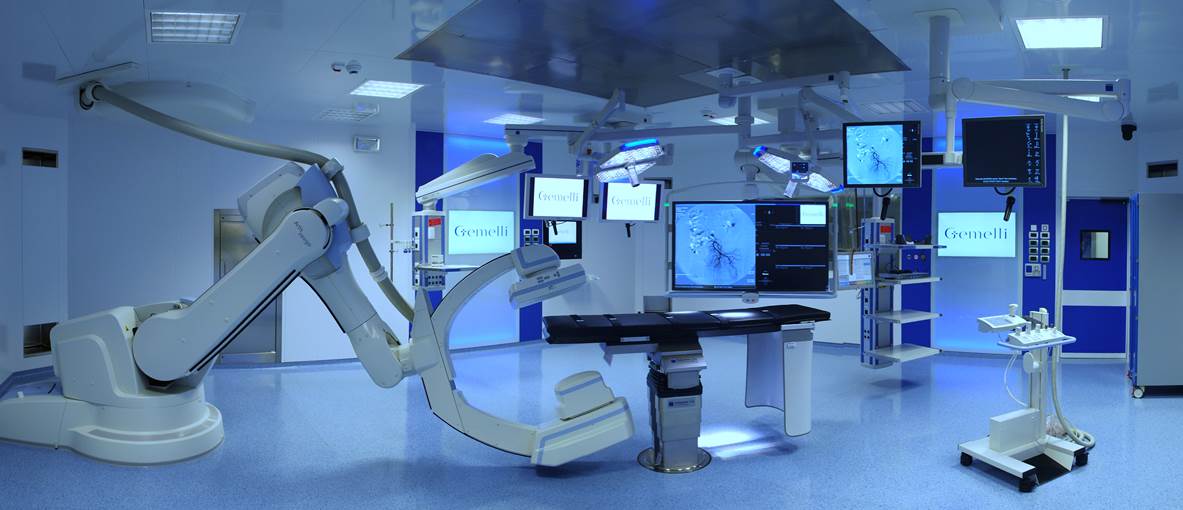
Fondazione Policlinico Universitario Agostino Gemelli / Rome, Italy
Building Electrical Wiring Based on Microsystem Criteria
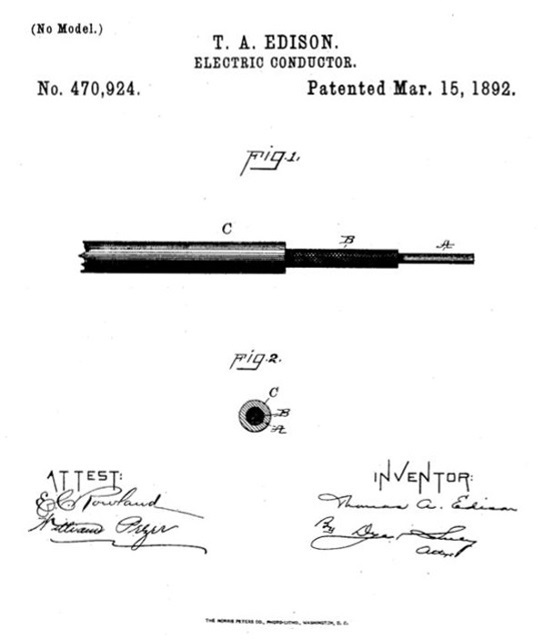
Electrical Distribution Systems Based on Microsystem Criteria
This paper deals with an innovative design strategy of building power systems by introducing criteria based on both the “installation approach” and the “operating approach” applying plan-do-check-act (PDCA) cycle. The In-Op design of the electrical power systems takes care of the worst cases of configurations, adequate gaps on load in selecting the rating of components, the actual mean losses to evaluate their energetic operation, and to avoid excessive gaps on the lifetime of components. With this aim, the authors suggest consideration of the thermal aging model of Arrhenius to review the actual gap on load in selecting the rating of components. In reference to IEC standards, this paper underlines in the circuits design the cable steady and transient current densities, the load current torque density as “natural” parameters that allow applying a thumb rule in the classic sizing of the cross-sectional area of circuit conductors. Microsystem criteria in power systems design allow structuring their configuration with components of smaller size to reduce radically the volume of circuit conductors with more sensitive results in the branch distribution. The authors suggest why not reconsider the series of commercial cross section areas of power cables.
This paper was presented at the IEEE Industrial Applications Society meetings in 2015 and is now available in IEEE Transactions on Industry Applications ( Volume: 54 , Issue: 1 , Jan.-Feb. 2018 ). The authors revisit the first principles of conductor ampacities and conclude by asking a question: What Innovations Without Cultural Changes?
In the United States, and most of North America, the National Fire Protection Association has the largest platform, and the longest history in electrical power engineering for buildings. In other words: the conversation about electrical safety within buildings is informed by the perspective of fire safety professionals. In Europe, not so much. The inspiration for European electrical safety is found in a shock protection.
The IEEE effectively ceded administration of building electrical safety to the NFPA and spent decades providing the platform for leading practice discovery for electrical power generation and distribution outside buildings — i.e. public utilities. In retrospect this “division of labor” roughly follows the money flows to and from manufacturers and insurance companies.
The cultural question raised in the paper is reproduced, in part, below:
“…For an actual safety program, a comparative analysis of international electrical approaches on distribution systems will facilitate an understanding of their similarities and differences and will promote the design of new equipment of high efficiency like AM Transformers and new integrated common solutions, like a new series of commercial cross section areas of the power cables efficient for reducing conductors volume in balance with the costs….”
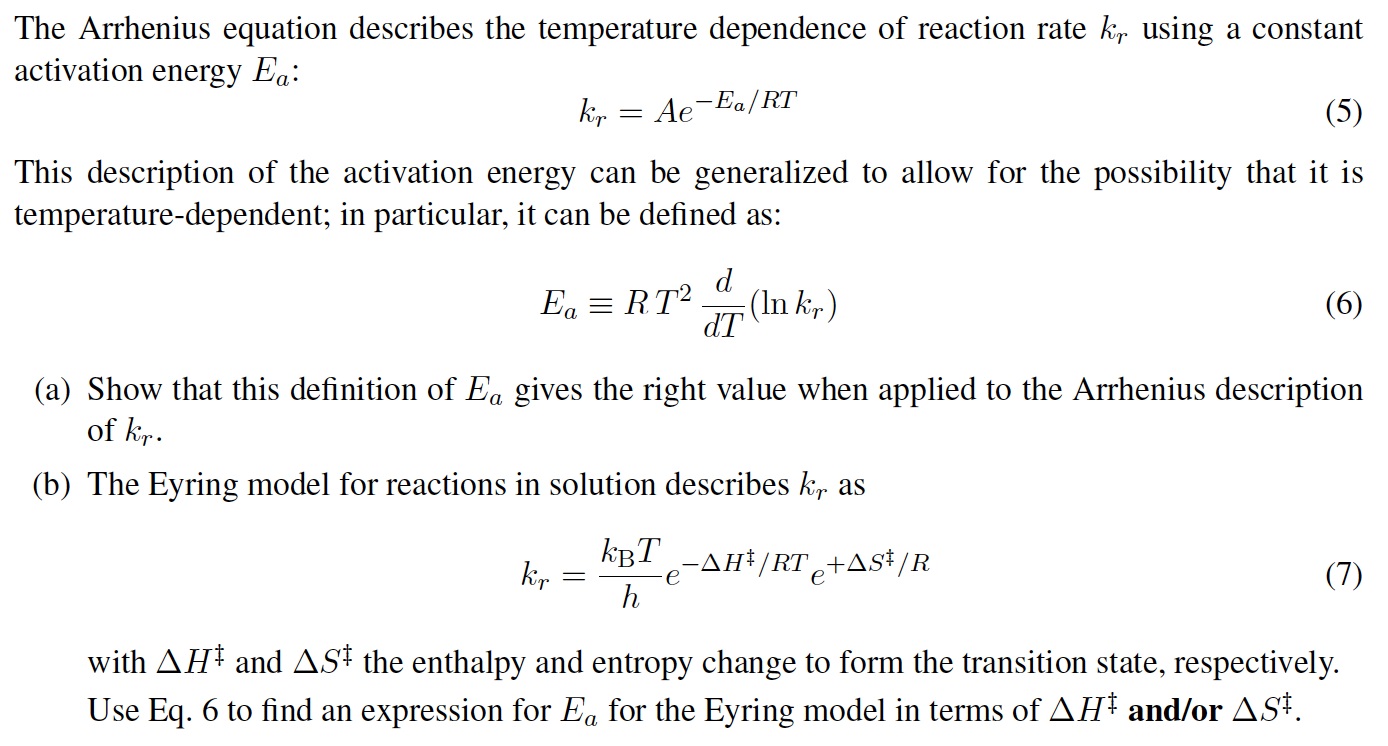
The inquiry in this paper revisits specific terms in the Arrhenius Equation.
We collaborate closely with the IEEE Education & Healthcare Facilities Committee which meets 4 times monthly in European and American time zones. Risk managers, electrical safety inspectors, facility managers and others are welcomed to click into those teleconferences also. We expect that concepts and recommendations this paper will find their way into future revisions of US and international electrical safety codes and standards.
Issue: [19-129]
Category: Electrical, Facility Asset Management, Fire Safety, International
Colleagues: Mike Anthony, Jim Harvey, Christel Hunter, Giuseppe Parise, Luigi Parise
Church heating: Comparison of different strategies
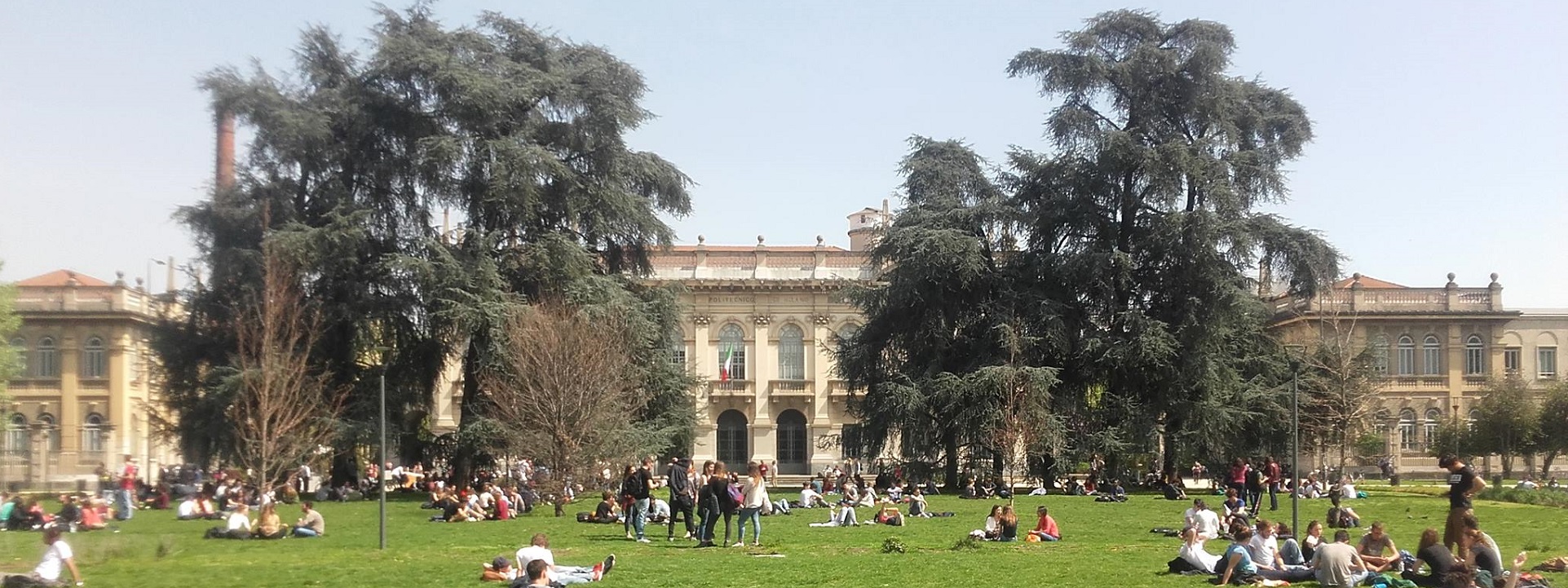
Politecnico di Milano
Church heating: Comparison of different strategies
N. Aste. et al
Department of Architecture, Built Environment and Construction Engineering, Politecnico di Milano
Abstract: Church heating represents a challenging task because multiple goals have to be fulfilled simultaneously, such as the thermal comfort for the occupants and the optimal internal environmental conditions for the preservation of building components and artworks. In addition, current requirements for environmental and economic sustainability impose to make efforts to minimize the amount of energy needed and the consequent environmental/economic impact. In this context, the present work represents the assessment of the energy, environmental and economic impact of different strategies for church heating, including a novel technology based on the exploitation of renewable energies. The analysis was carried out in a real case-study building, represented by the Basilica di S. Maria di Collemaggio (L’Aquila, Italy), a church of worldwide relevance, currently under restoration.

ARCHITECTURE, BUILT ENVIRONMENT AND CONSTRUCTION ENGINEERING
This content is accessible to paid subscribers. To view it please enter your password below or send mike@standardsmichigan.com a request for subscription details.
New update alert! The 2022 update to the Trademark Assignment Dataset is now available online. Find 1.29 million trademark assignments, involving 2.28 million unique trademark properties issued by the USPTO between March 1952 and January 2023: https://t.co/njrDAbSpwB pic.twitter.com/GkAXrHoQ9T
— USPTO (@uspto) July 13, 2023
Standards Michigan Group, LLC
455 East Eisenhower Parkway, Suite 300
Ann Arbor, MI 48108 USA
888-748-3670
DIRECTIONS
 |
 |
|
 |
 |
|
 |
 |