



“Language is the only homeland”
— Czesław Miłosz (Nobel Laureate, 1980)
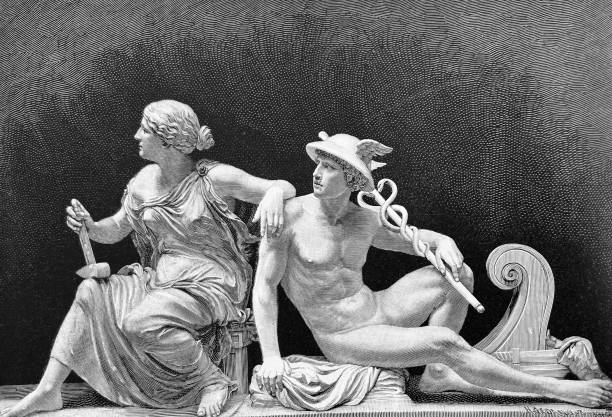
Aphrodite and Hermes (Messenger of the gods)
Does school tend to teach British English or American English? In Germany we were definitely taught British English but we all learned American English from pirated Simpsons and Friends episodes… pic.twitter.com/8vXqfUfwNC
— Simon Kuestenmacher (@simongerman600) January 30, 2025
We could hasten agreement on technical solutions if partisans setting best practice standards could agree upon what we are talking about. Then again, the meaning of This or That can only be understood in context. All too frequently, when opposing partisans sense they are on the losing side of debate, they change the vocabulary or the fact set and we have to start all over again.

We gather our work on language standards over the past 30-odd years, starting with the definition of “Service Point” in the 1999 National Electrical Code and the 2002 National Electric Safety Code. In recent years, engineers have been challenged by finding common agreement on what a “microgrid” is. The dynamics of the struggle for competing stakeholders to agree on how to make educational settlements simpler, safer, lower-cost and longer-lasting is virtually identical to the struggle to agree on the meaning of modern English language in other domains.
The term “political correctness” was given currency when President George H.W. Bush explained the peril at the University of Michigan in 1992. Its peril has only expanded since.
Definition: “Developed versus Developing Country”
Electropedia: The World’s Online Electrotechnical Vocabulary
Noam Chomsky (University of Pennsylvania Doctoral Thesis): Transformational Analysis
Hilary Clinton Suddenly Speaks African American English Whilst Quoting the Bible
Bloomberg Originals: Hilary Clinton’s Accent Evolution
|
“I shall always be a common ignorant girl, and in my station I have to be respectable.” — Eliza Doolittle, from Pygmalion (George Bernard Shaw) |
Western Michigan University: My Fair Lady (Livecast from Lincoln Center)
DEI: Democrat President Joe Biden’s United States Supreme Court Appointment Does Not Know the Definition of “Woman”
African-American Vernacular English and education
“A great deal of intelligence can be invested in ignorance
when the need for illusion is deep.”
ASHRAE Terminology: A Comprehensive Glossary of Terms for the Built Environment
Jean Piaget:”The Language and Thought of the Child” (1926)
Today @landgeist shows us the second most taught foreign language in Secondary School across Europe. English is the number one. French still going strong. Eastern Europe studies German. Source: https://t.co/sU6xtA0X4S pic.twitter.com/X5pVUGyyWf
— Simon Kuestenmacher (@simongerman600) January 12, 2024
Daniel Patrick Moynihan: “The Negro Family: The Case for National Action”
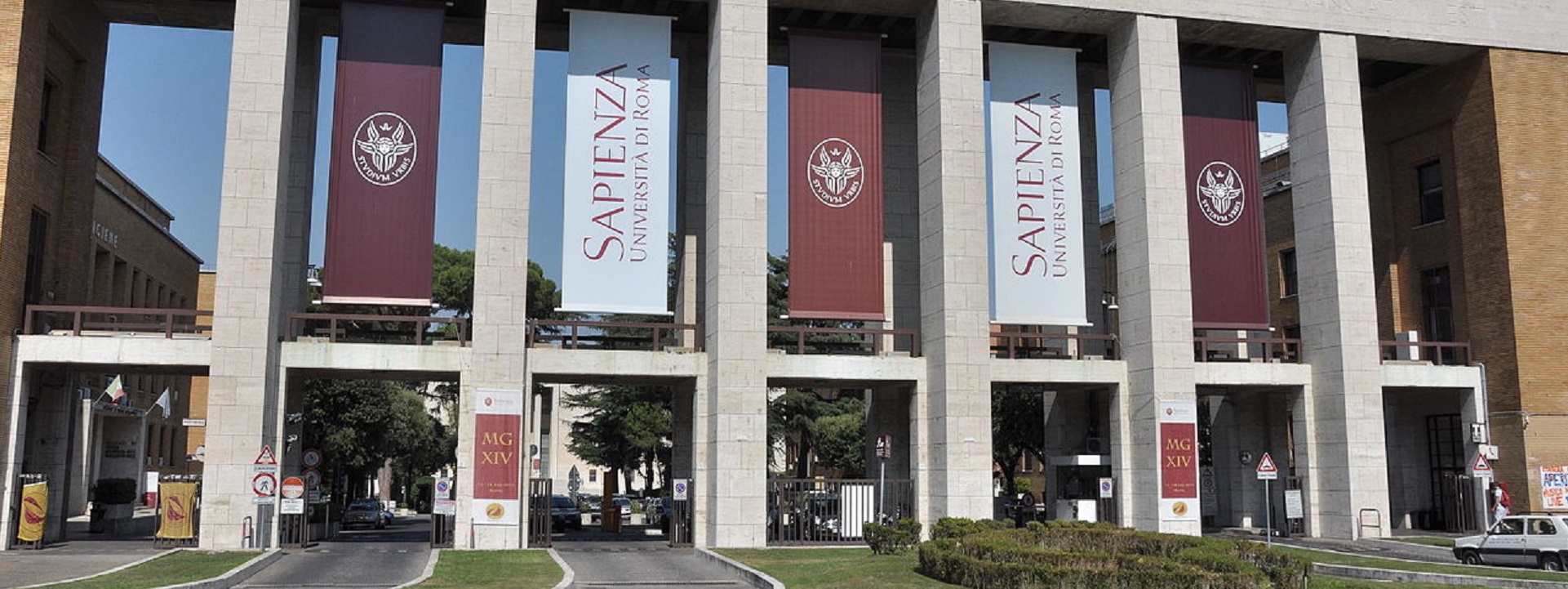
Topology of Continuous Availability for LED Lighting Systems
Giuseppe Parise – Marco Allegri
Luigi Parise
Raffaele Pennacchia – Fabrizio Regoli
Giorgio Vasselli
Abstract: Lighting systems with a big number of luminaires in large halls are a case of distributed loads that need topologies with modularity, whenever possible to ensure a uniform distribution of the supplying circuits, an easier installation, management, and maintenance. The light emitting diode (LED) luminaires give a great impact on the system operation due to their auxiliary series devices and to the high inrush currents of the ac-dc switching power supplies. This article proposes a topology to design LED lighting systems, configured in a modular scheme of a main ac distribution and a branch dc distribution supplying luminaires clusters. Each cluster is provided as a “double-dual corded” equipment with double power supply and double control type, digital, and analogic. The suggested topology aims to make available a system that allows overcoming fault situations by design and permits maintenance activities limiting and recovering degradation conditions. In this way, the lighting system of special locations, for which there is the willingness-to-accept greater financial costs against loss service risks, can satisfy the requirement of continuous availability system. To provide more details on the proposed design criteria this article describes, as case study, the lighting system of a parliamentary hall with one thousands of luminaires.
CLICK HERE to order complete paper
https://t.co/NumxiedKbR
print(“Illumination”)@beatricedegraaf @UniofOxford pic.twitter.com/DBIvns5k4K— Standards Michigan (@StandardsMich) February 17, 2022
“Chance favors the prepared mind.”
— Louis Pasteur
Welcome. Join us January 2, 2024 at 16:00 UTC. Topics:
(This page to be re-formatted into a separate document)
Use the login credentials at the upper right of our home page.
As apologists for active involvement in the US standards system we owe no blind allegiance any educational settlement or the domain occupied by vertical incumbers; rather, we mean that we are actively engaged in providing explanations, justifications for maintaining them as centers of civilization.
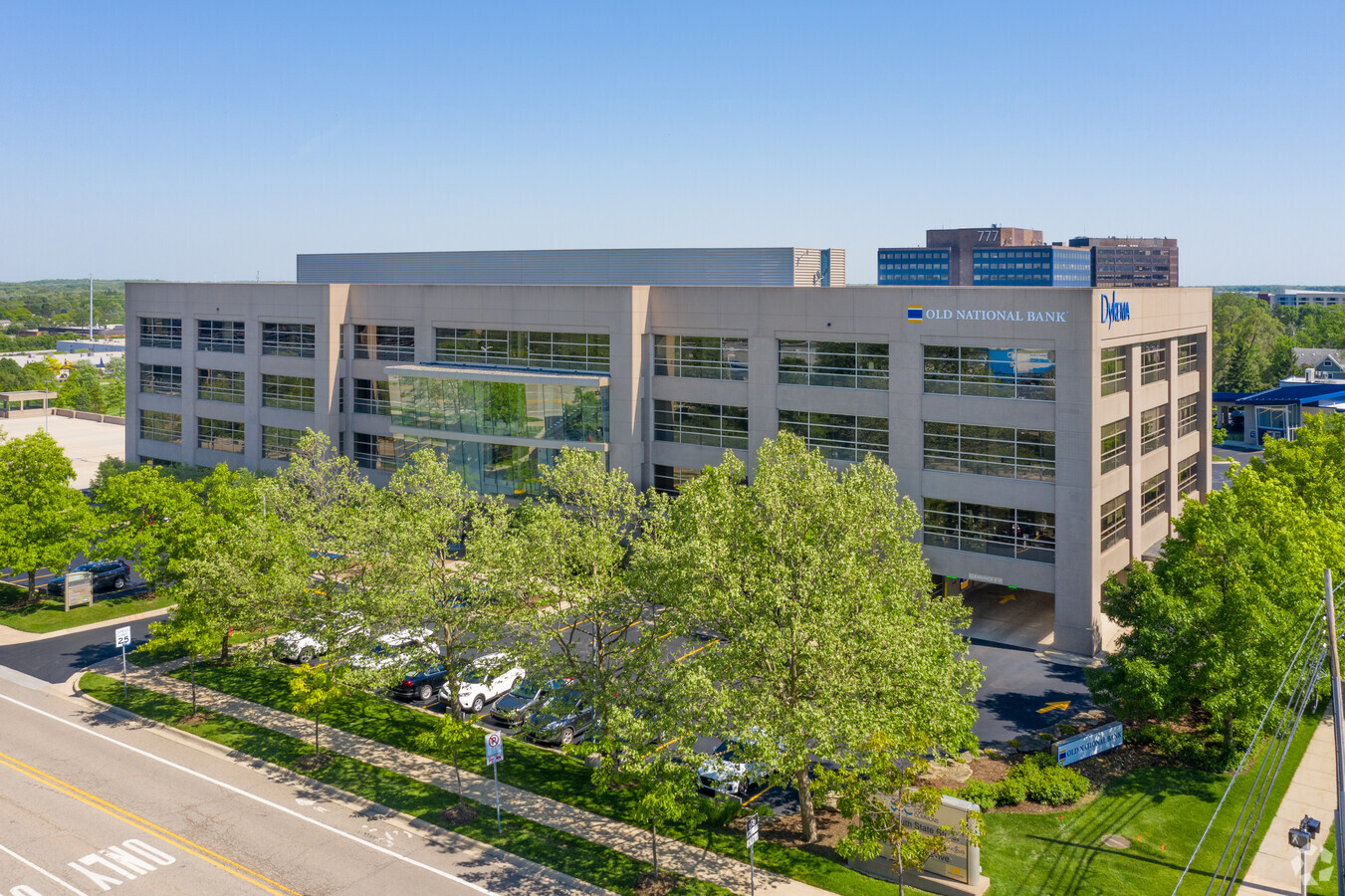
Standards Michigan Offices Ann Arbor

“Street in Røros in Winter” 1903 Harald Sohlberg
The National Electrical Contractors Association best practice catalog features a suite of titles (National Electrical Installation Standards to meet the intent of the National Electrical Code (NEC); particularly where the NEC asserts that an installation be constructed in a “neat and workmanlike manner”. As anyone who has had to reckon with the subjectivity of the local electrical inspector knows, the determination of “neat and workmanlike” can be mighty subjective. The NECA documents are used by construction owners, specifiers, contractors and electricians to clearly illustrate the performance and workmanship standards essential for different types of electrical construction. Because the NEC is intended to be primarily a wiring safety standard, the NEIS suite is referenced throughout the National Electrical Code. Electrical shop foremen and front line electricians take note.
NECA Standards and Publication Development Home Page
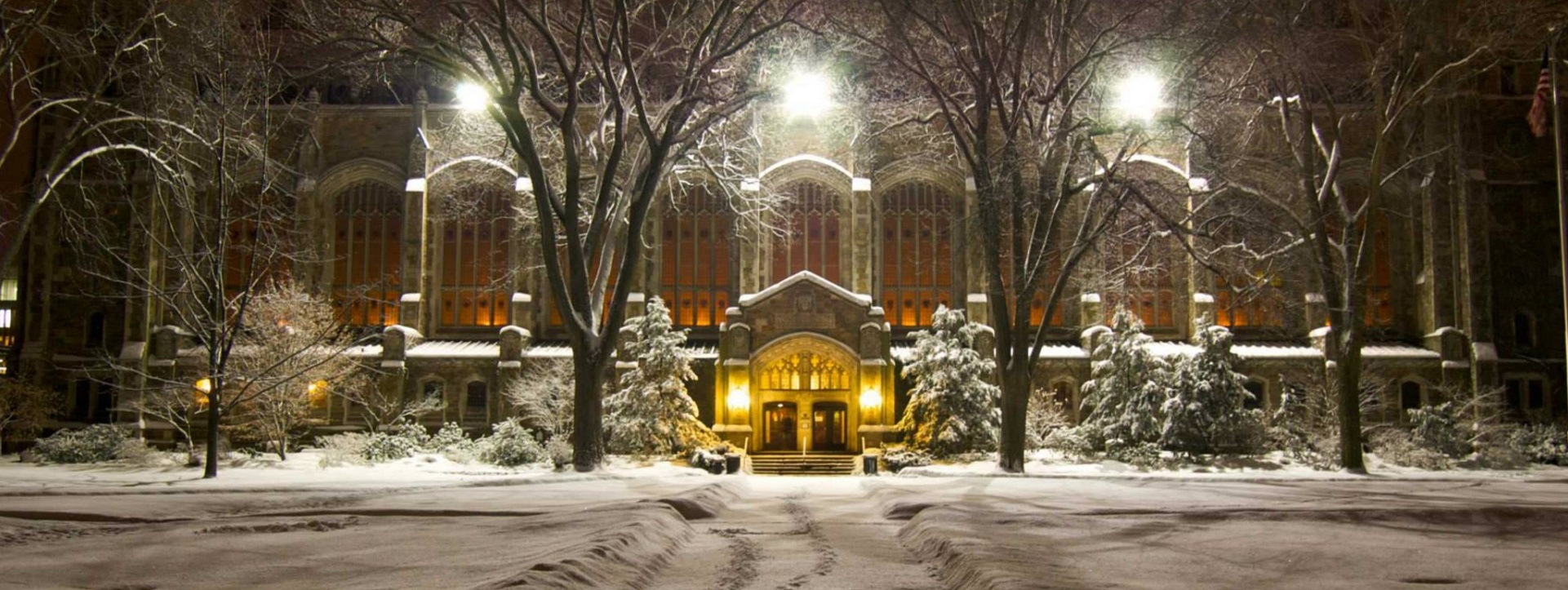
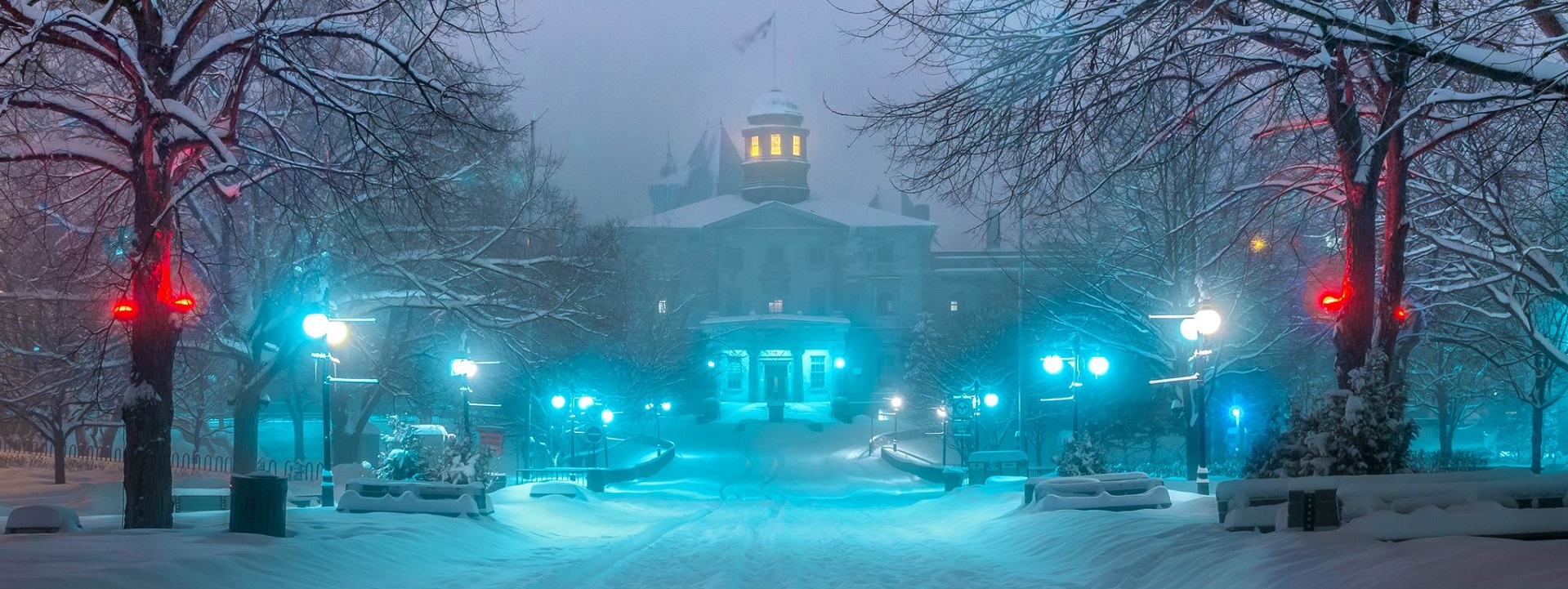
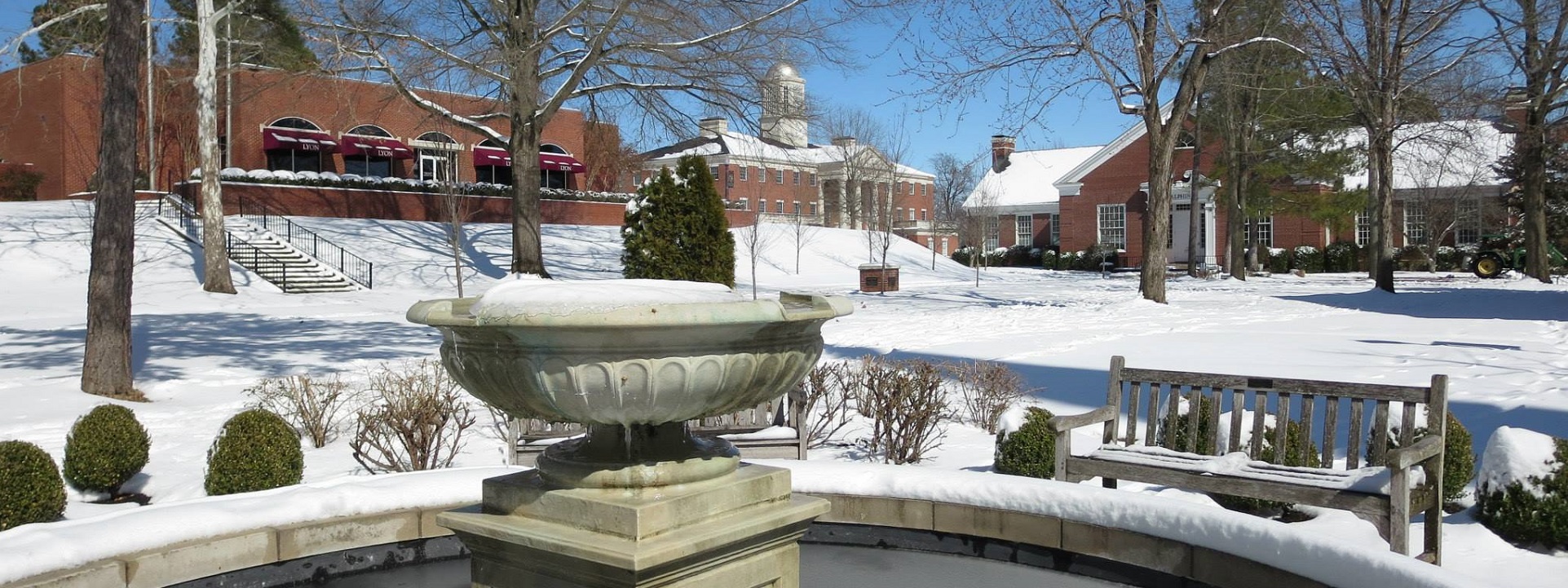
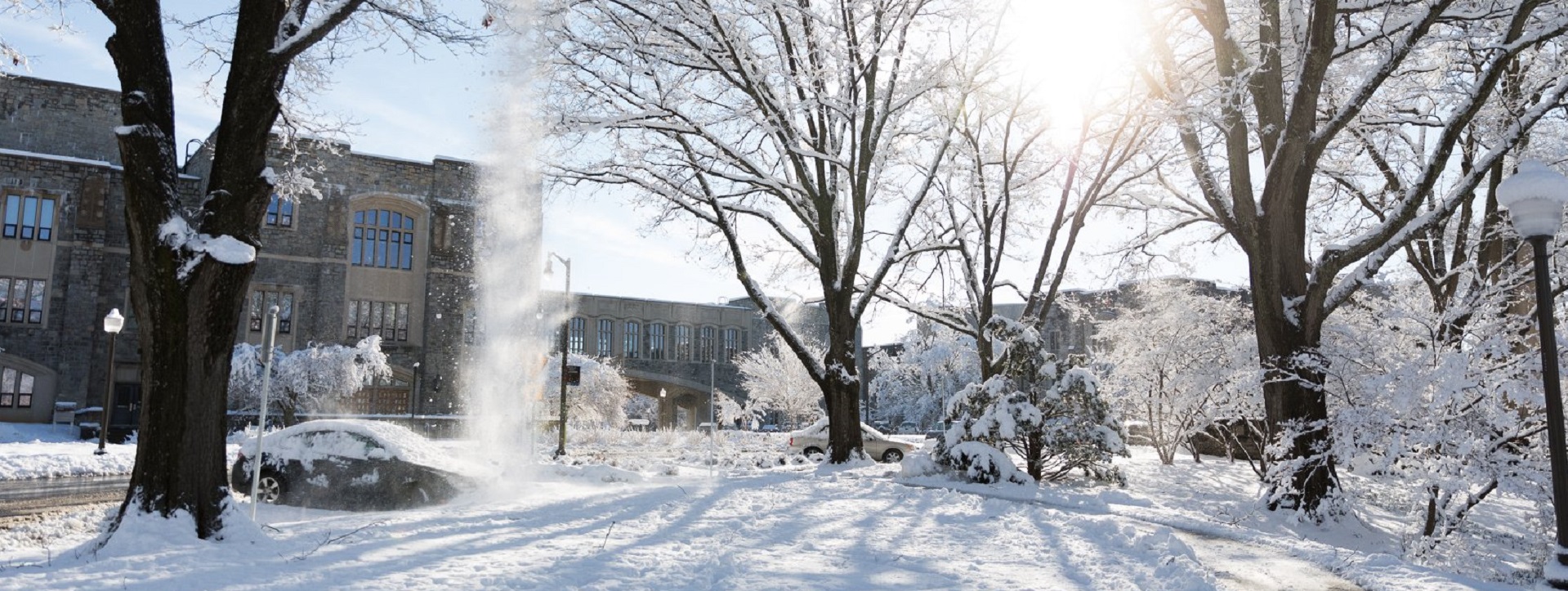
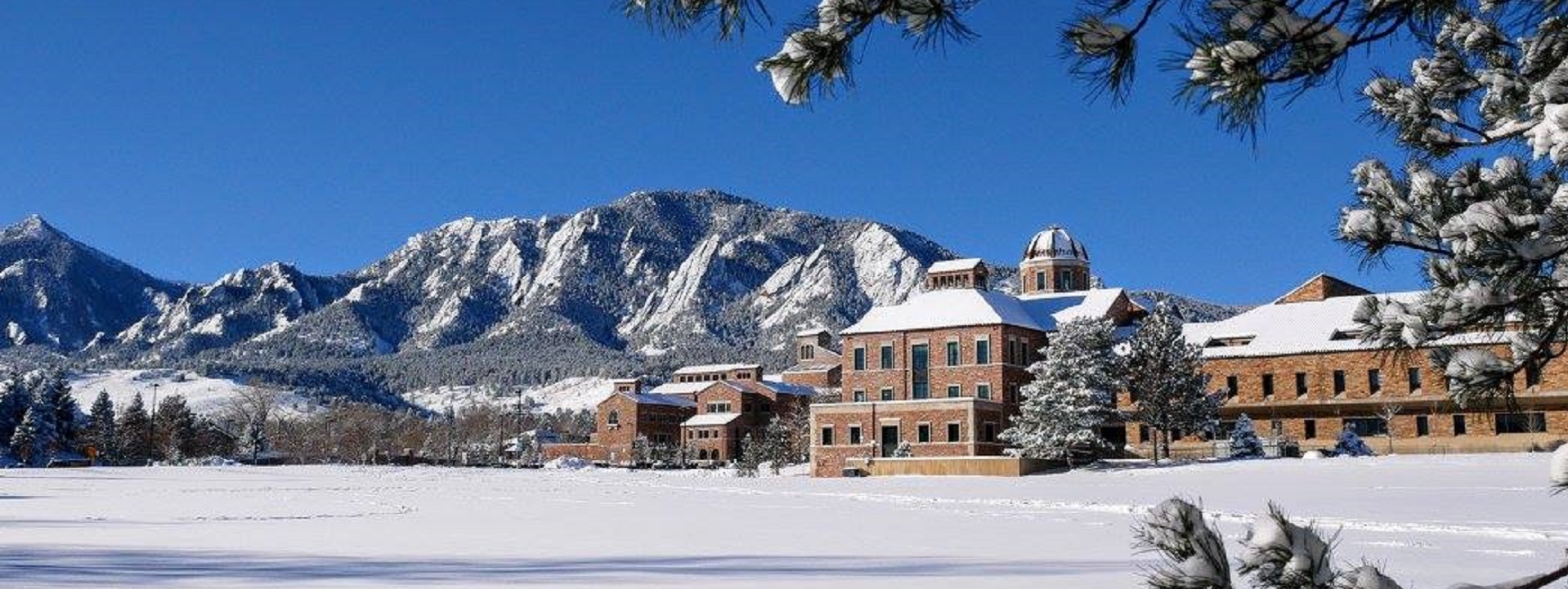
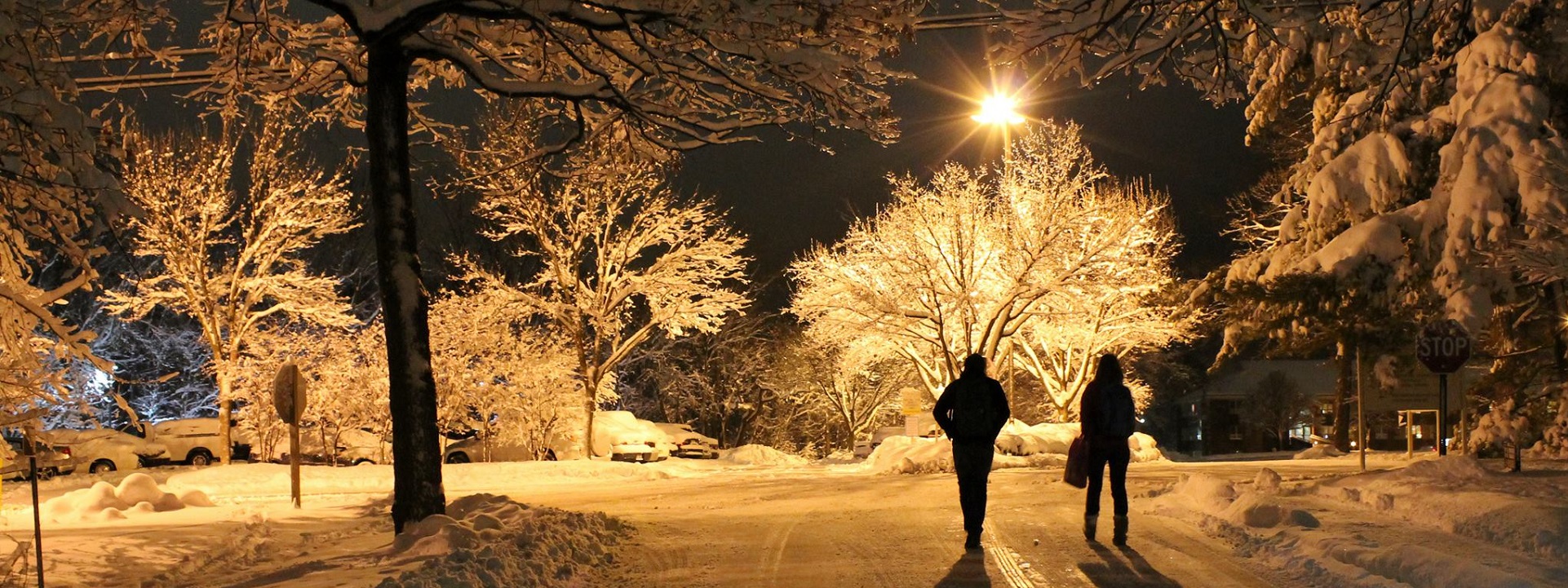
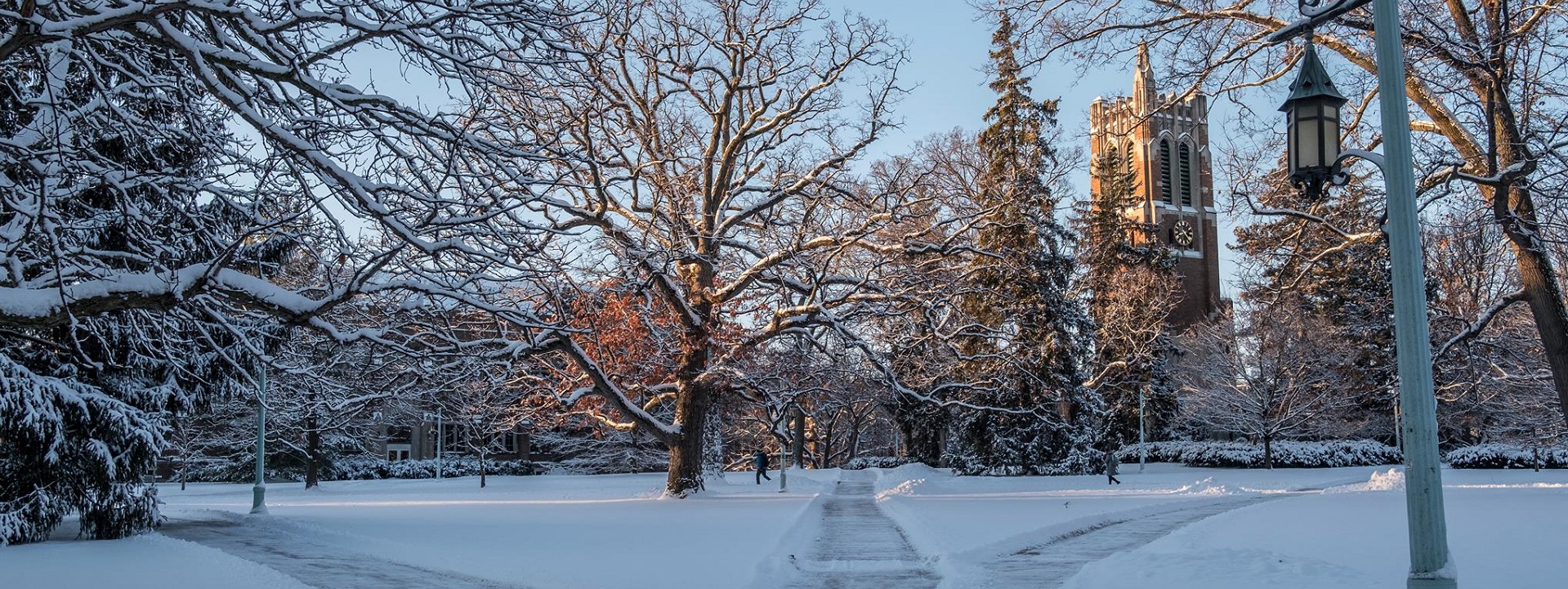
One of the NECA products that may be of interest to facility managers and risk management units in the education industry this time of year is NECA 202-2013 Standard for Installing and Maintaining Industrial Heat Tracing Systems. About half of the United States deals with snow and ice half the year.
NECA 202 details procedures for the installation, testing, and documentation of electrical freeze protection and process heat tracing systems. Heat tracing cable types covered by this publication include: self-regulating, constant wattage, and zone heating cables and mineral insulated heating cables. 2 is approved as an American National Standard. The 2013 edition is the current edition and will likely need revisiting/revision/reaffirmation as an American national standard soon.
The technical literature that keeps pipes breaking and roofs failing is complicated space. A common conundrum in the construction industry is which discipline (architectural, mechanical or electrical) should specify application of this technology; especially in value-engineering negotiations when each discipline is trying to reduce its unit costs. Control and communication system add another layer of complexity. Several consensus standards occupy this technology; cross referencing one another and leaving gaps
ASCE 7-10 Snow Load Provisions
UL 515 Standard for Electrical Resistance Trace Heating for Commercial Applications
IEC 62395 Electrical resistance trace heating systems for industrial and commercial applications
National Electrical Code Article 427
There are codes and standards developed by ASTM International, the International Code Council and ASHRAE International that set the standard of care for pipe insulation for energy conservation purposes but we will deal with the interdependence of standard of care set by those documents in a separate post. Organizations such as FM Global typically derive their customer recommendations from consensus standards developers.


Because heat tracing is a cross-disciplinary technology we maintain it on the standing agenda of several colloquia: Power, Water, Bucolia, Snow & Ice and Mechanical See our CALENDAR for the next meeting; open to everyone. You may obtain an electronic copy of this standard from neis@necanet.org. Communicate directly with Aga Golriz, (301) 215-4549, Aga.golriz@necanet.org.
Participation by the public in reviewing other titles in the NEIS bibliography is welcomed and begins at the page linked below:
Issue: [19-24]
Category: Architectural, Electrical, Facility Management, Mechanical, Risk Management,
Colleagues: Eric Albert, Mike Anthony, Jack Janveja, Richard Robben, Larry Spielvogel
More
RESEARCHGATE: HEAT-TRACING OF PIPING SYSTEMS TYPES OF HEAT-TRACING SYSTEMS

With some 36 million square feet under management — and one of the largest campuses in the United States exposed to extreme low temperatures — building industry professionals at the University of Michigan have some experience managing the competing requirements of safety and economy in heat tracing technology.
This content is accessible to paid subscribers. To view it please enter your password below or send mike@standardsmichigan.com a request for subscription details.

«Зимний день» 1934 Konstantin Gorbatov
Wednesday | January 1

Clifton College | Boston Tea Party Whiteladies
Thursday | January 2 | Colloquium 16:00 UTC
Lake Superior State University Unveils 2025 Banished Words List
Friday | January 3 | Colloquium 16:00 UTC
Saturday | January 4 | Colloquium 16:00 UTC
Sunday | January 5 | Colloquium 16:00 UTC
Saturday | January 7
Sunday | January 8

New update alert! The 2022 update to the Trademark Assignment Dataset is now available online. Find 1.29 million trademark assignments, involving 2.28 million unique trademark properties issued by the USPTO between March 1952 and January 2023: https://t.co/njrDAbSpwB pic.twitter.com/GkAXrHoQ9T
— USPTO (@uspto) July 13, 2023
Standards Michigan Group, LLC
2723 South State Street | Suite 150
Ann Arbor, MI 48104 USA
888-746-3670
 |
 |
|
 |
 |
|
 |
 |