“I know that I am mortal by nature, and ephemeral;
but when I trace at my pleasure the windings to and fro of the heavenly bodies,
I no longer touch Earth with my feet:
I stand in the presence of Zeus himself and take my fill of ambrosia.”
— Ptolemy, “Mathematike Syntaxis” 150 A.D
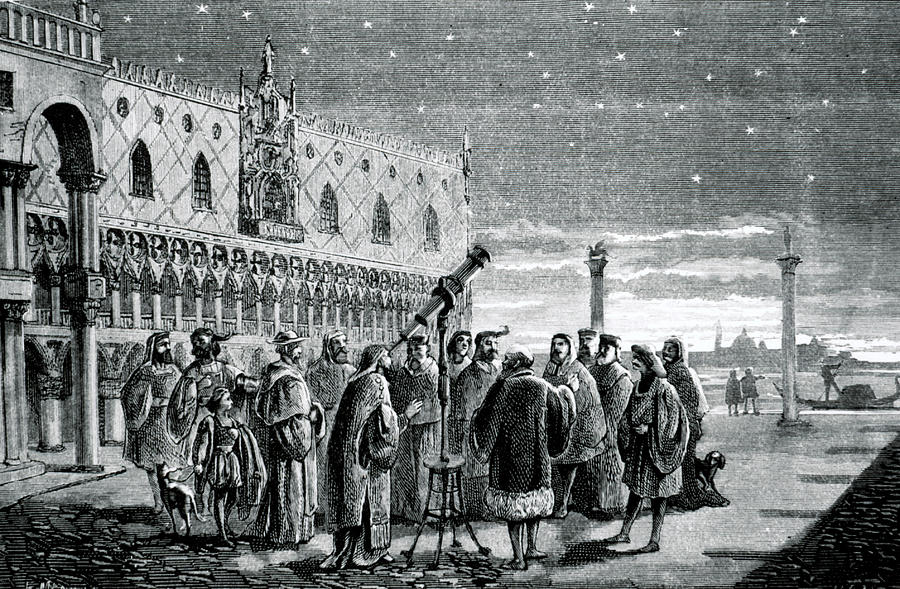
Galileo Demonstrating His Telescope In 1609
Planetariums in schools and colleges play a central in enhancing astronomy and astrophysics education. They provide immersive experiences that can ignite students’ interest and curiosity about the universe, making complex astronomical concepts more comprehensible and engaging. Observatories do much that but with direct access to telescopes and other observational tools — frequently away from campus — thus allowing them to engage in hands-on learning and real-time data collection.
Establishing research and teaching programs present special occupancy challenges. The cost of high-quality telescopes and equipment, along with the need for a suitable location with minimal light pollution, can be substantial. Additionally, schools require trained staff to guide students in using the equipment and interpreting data. Weather conditions and geographical location also impact the effectiveness of observatories. Despite these hurdles, the educational value of observatories is immense, providing students with unique opportunities to explore the universe and cultivate a passion for scientific inquiry.
Today we examine both occupancies using our SAFER-SIMPLER-LOWER COST-LONGER LASTING discipline. Use the login credentials at the upper right of our home page at the usual hour.
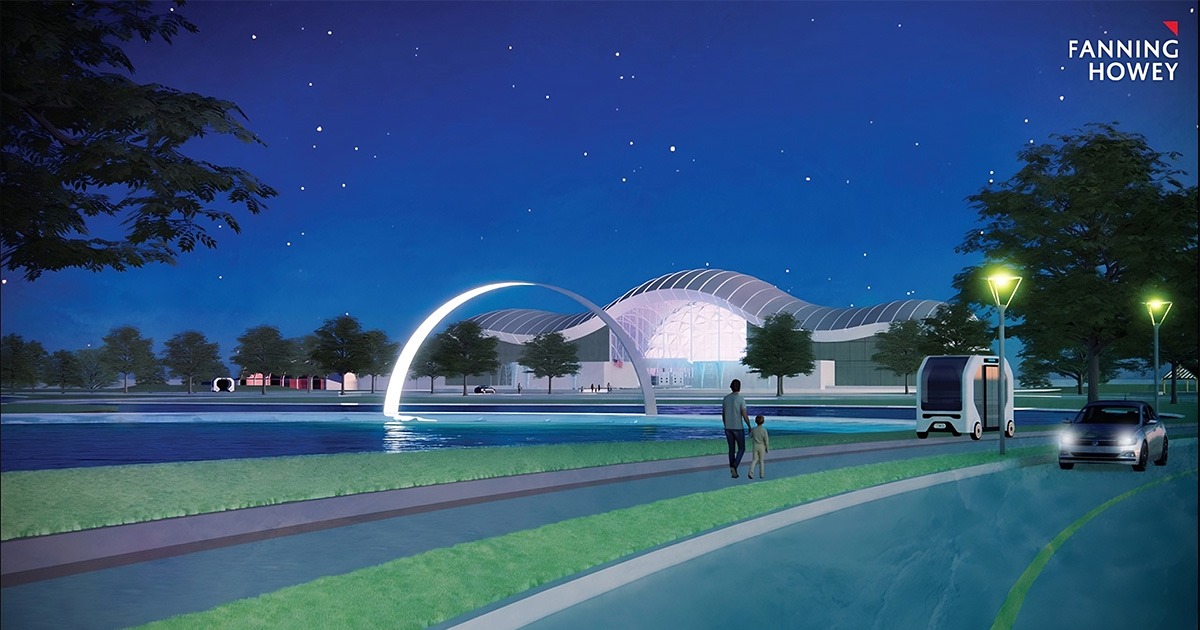
Purdue University: Grand Universe planning liftoff in Hamilton County
The International Building Code includes various sections that address safety requirements relevant to observatories and planetariums. Key parts of the IBC that cover these requirements include:
- Chapter 3: Use and Occupancy Classification
- Section 303: Assembly Group A. Planetariums and observatories often fall under Assembly Group A due to their function as places where people gather for educational and entertainment purposes. Specific occupancy types and associated requirements will be detailed here.
- Chapter 4: Special Detailed Requirements Based on Use and Occupancy
- Section 410: Stages, Platforms, and Technical Production Areas. While not specific to planetariums, this section provides guidance on assembly spaces, which may be applicable to the design and safety considerations for the auditorium areas in planetariums.
- Chapter 11: Accessibility
- Section 1103: Scoping Requirements. This section ensures that buildings are accessible to individuals with disabilities, which is crucial for public facilities like planetariums and observatories.
- Section 1104: Accessible Routes. Requirements for accessible paths to ensure ease of access to and within the facility.
- Chapter 12: Interior Environment
- Section 1203: Ventilation. Adequate ventilation is essential in enclosed spaces like planetariums to ensure air quality and comfort.
- Section 1205: Lighting. Ensuring appropriate lighting levels and types, which is crucial in areas like control rooms and observational spaces.
- Chapter 15: Roof Assemblies and Rooftop Structures
- Section 1509: Rooftop Structures. Covers the installation and safety of rooftop observatories, which can include structural requirements and access considerations.
- Chapter 16: Structural Design
- Section 1604: General Design Requirements. Ensures that the structure can support both the static and dynamic loads associated with heavy equipment like telescopes.
- Section 1607: Live Loads. Specific load requirements for observatory equipment and public assembly areas.
These chapters collectively ensure that planetariums and observatories are designed and constructed with safety, accessibility, and functionality in mind. For detailed information, it is recommended to refer to the latest edition of the IBC and consult with a professional knowledgeable in building codes and standards.
Denison receives major gift to transform planetarium

Designing and building a telescope for teaching and light research at a college or university requires a detailed consideration of both the telescope itself and the supporting infrastructure. Here are the central architectural features:
Telescope Structure:
- Optical System:
- Aperture Size: A medium to large aperture (typically 0.5 to 1.5 meters) to gather sufficient light for educational and light research purposes.
- Type of Telescope: Reflecting (Newtonian, Cassegrain, or Ritchey-Chrétien) or refracting telescope, chosen based on specific educational and research needs.
- Mount: A sturdy, precise mount (equatorial or alt-azimuth) to support the telescope and ensure smooth tracking of celestial objects.
- Enclosure:
- Dome or Roll-Off Roof: A protective structure to house the telescope, with a retractable roof or dome to allow for unobstructed viewing.
- Material: Weather-resistant materials such as aluminum or fiberglass, designed to protect the telescope from the elements.
- Control Systems:
- Computerized Controls: For automatic tracking and alignment of celestial objects, often including software for scheduling and managing observations.
- Remote Operation Capabilities: Allowing students and researchers to control the telescope remotely for data collection and analysis.
Support Infrastructure:
- Observation Deck:
- Viewing Platforms: Elevated platforms around the telescope for students to observe through the telescope and participate in hands-on learning.
- Safety Features: Railings and non-slip surfaces to ensure safety during nighttime observations.
- Control Room:
- Location: Adjacent to the telescope enclosure, with visibility to the telescope for direct supervision.
- Equipment: Computers, monitors, data storage, and communication equipment to control the telescope and process observational data.
- Classroom and Lab Spaces:
- Multipurpose Rooms: For lectures, demonstrations, and data analysis related to astronomy and telescope use.
- Laboratory Equipment: Spectrometers, cameras, photometers, and other instruments for conducting light research and analyzing data collected from the telescope.
- Data Processing and Storage:
- Computing Facilities: High-performance computers and software for analyzing astronomical data.
- Data Storage Solutions: Secure and scalable storage for large volumes of observational data.
- Accessibility Features:
- Elevators and Ramps: To provide access to all areas of the facility, including the observation deck and control room.
- Adapted Equipment: Adjustable eyepieces and controls to accommodate users with disabilities.
- Lighting:
- Red Lighting: Low-intensity red lights for night-time use to preserve night vision while allowing safe movement.
- Exterior Lighting: Shielded lighting around the facility to minimize light pollution and ensure optimal observing conditions.
By integrating these architectural features, a college or university can create a functional and effective observatory that supports both teaching and light research in astronomy.
University of Michigan | Detroit Observatory
Designing and building a planetarium for public use involves careful consideration of various architectural features to ensure functionality, aesthetics, and a positive visitor experience. Here are the central architectural features required:
- Dome Structure:
- Shape and Size: The dome must be a perfect hemisphere to provide an unobstructed view of the projected sky. The size should be large enough to accommodate the intended audience while ensuring good visibility from all seating positions.
- Material: Typically constructed from aluminum or fiberglass, with an inner surface coated to enhance the projection quality.
- Projection System:
- Projectors: High-resolution digital projectors or traditional optical-mechanical projectors are essential for displaying realistic night skies, astronomical phenomena, and educational shows.
- Sound System: High-quality surround sound systems to complement visual projections, enhancing the immersive experience.
- Seating Arrangement:
- Tilted Seats: Reclined and tiered seating ensures all viewers have an unobstructed view of the dome.
- Accessibility: Include spaces for wheelchairs and accessible seating to accommodate all visitors.
- Control Room:
- Location: Typically located at the rear or side of the planetarium for ease of access and control.
- Equipment: Houses computers, projection equipment, sound systems, and control panels for show operations.
- Entrance and Exit Points:
- Flow Management: Design multiple entrances and exits to manage the flow of visitors efficiently and safely, avoiding congestion.
- Accessibility: Ensure entrances and exits are accessible for all, including ramps and elevators as needed.
- Lobby and Reception Area:
- Ticketing and Information Desks: Central area for purchasing tickets, obtaining information, and gathering before shows.
- Displays and Exhibits: Interactive exhibits and displays related to astronomy and science to engage visitors while they wait.
- Lighting:
- Adjustable Lighting: Capability to control lighting levels to facilitate different show requirements, including complete darkness for optimal viewing.
- Safety Lighting: Emergency lighting and pathway lights for safe movement in low-light conditions.
- Climate Control:
- HVAC Systems: Efficient heating, ventilation, and air conditioning to maintain a comfortable environment for visitors and protect sensitive equipment.
- Acoustic Design:
- Soundproofing: Proper insulation and soundproofing to ensure external noise does not disrupt shows and internal sound is clear.
- Acoustic Treatment: Materials and design features to enhance sound quality and reduce echoes within the dome.
- Educational and Interactive Spaces:
- Classrooms and Labs: Spaces for educational programs, workshops, and hands-on activities related to astronomy.
- Interactive Kiosks: Digital kiosks with interactive content to engage visitors in learning about astronomy and space science.
- Accessibility Features:
- Elevators and Ramps: For easy access to different levels of the planetarium.
- Signage and Information: Clear signage in multiple languages and formats (e.g., braille) to assist all visitors.
- Exterior Design:
- Aesthetic Appeal: The exterior should be inviting and reflect the scientific and educational purpose of the planetarium.
- Landscaping: Incorporate outdoor spaces, such as gardens or open-air exhibits, that complement the planetarium experience.
- Parking and Transportation:
- Ample Parking: Provide sufficient parking spaces, including spots for buses and accessible parking.
- Public Transit Access: Ensure the planetarium is accessible via public transportation for the convenience of all visitors.
These architectural features are essential to create a functional, welcoming, and educational environment in a planetarium for public use.
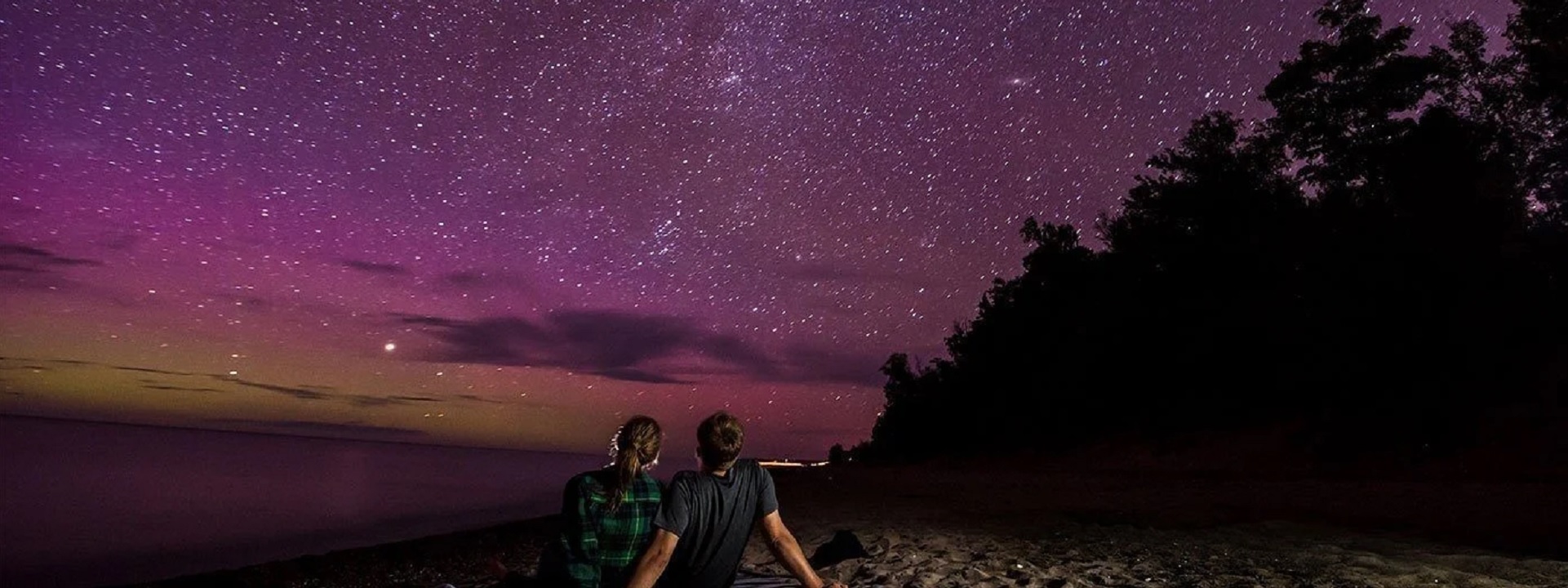
Michigan Technological University | Houghton County
Molėtai Astronomical Observatory