National Center for Health Statistics: Birth Data Files
From Cheerleader & Footballer To Pregnant at 15
Jordan Peterson: Accidental Childlessness, The Epidemic That Dare Not Speak Its Name
REDDIT: An estimated 1/3 of all GenZ were aborted
Today we break down the stack of regulations, codes, standards and open-source literature governing the safety and sustainability of university-affiliated medical research and healthcare delivery facilities. Because of the complexity of the topic we break down our coverage:
Health 200. Survey of all relevant codes, standards, guidelines and recommended practices for healthcare settings.
Health 400. All of the above with special consideration needed for obstetrics, gynecological and neonatal clinical practice and research.
We limit our interest to systems — water, power, telecommunication and security; for example — that are unique to campus-configured, city-within-city risk aggregations. Electrotechnologies (voltage stability, static electricity control, radio-interference, etc.) in these enterprises are subtle, complex and high risk. Sample titles from legacy best practice literature in this domain are listed below:
American College of Obstetricians and Gynecologists: Levels of Maternal Care
Provision of Care, Treatment, and Services standards for maternal safety
Since our interest lies in the habitable spaces for these enterprises we usually start with a scan of the following titles:
International Building Code Section 407 (Institutional Group I-2) identifies requirements specific to healthcare settings, covering aspects such as fire safety, means of egress, and smoke compartments. Maternity and obstetric facilities within hospitals fall under this classification.
K-TAG Matrix for Healthcare Facilities
NFPA 70 National Electrical Code Article 517
NFPA 99 Healthcare Facilities Code
NFPA 101 Life Safety Code Chapters 18 & 19
ASHRAE 170 Ventilation of Healthcare Facilities
Relevant Institute of Electrical and Electronic Engineers research
Towards Deeper Neural Networks for Neonatal Seizure Detection
A System to Provide Primary Maternity Healthcare Services in Developing Countries
Deep Learning for Continuous Electronic Fetal Monitoring in Labor
Reorganizing of University Hospital of Oran’s operating theatre: Simulation approach
Finally, we collaborate with the IEEE E&H Committee on the following IEC committee projects from IEC/TC 62 Electrical equipment in medical practice:
– Common aspects of electrical equipment used in diagnostic imaging equipment
– Equipment for radiotherapy, nuclear medicine and radiation dosimetry
– Electromedical equipment for neonatal care
![]()
More
A relatively new publisher of related standards is the Facility Guidelines Institute. We are monitoring its catalog and its processes. The healthcare facility industry is likely large enough for another non-profit but we have yet to see meaningful leading practice discovery and promulgation that is unrelated to the literature that is already out there.
Health Insurance Portability and Accountability Act (HIPAA)
Health care cost as percentage of Gross Domestic Product for six representative nations.
Association of Academic Health Centers
International Conference on Harmonization: The ICH guidelines provide guidance on the development of pharmaceuticals and related substances, including clinical trials, drug safety, and efficacy.
Animal Welfare Act and the Institutional Animal Care and Use Committee
Good Laboratory Practice: GLP is a set of principles that ensure the quality and integrity of non-clinical laboratory studies. It ensures that data generated from non-clinical laboratory studies are reliable, valid, and accurate.
International Code Council Representation of Interests
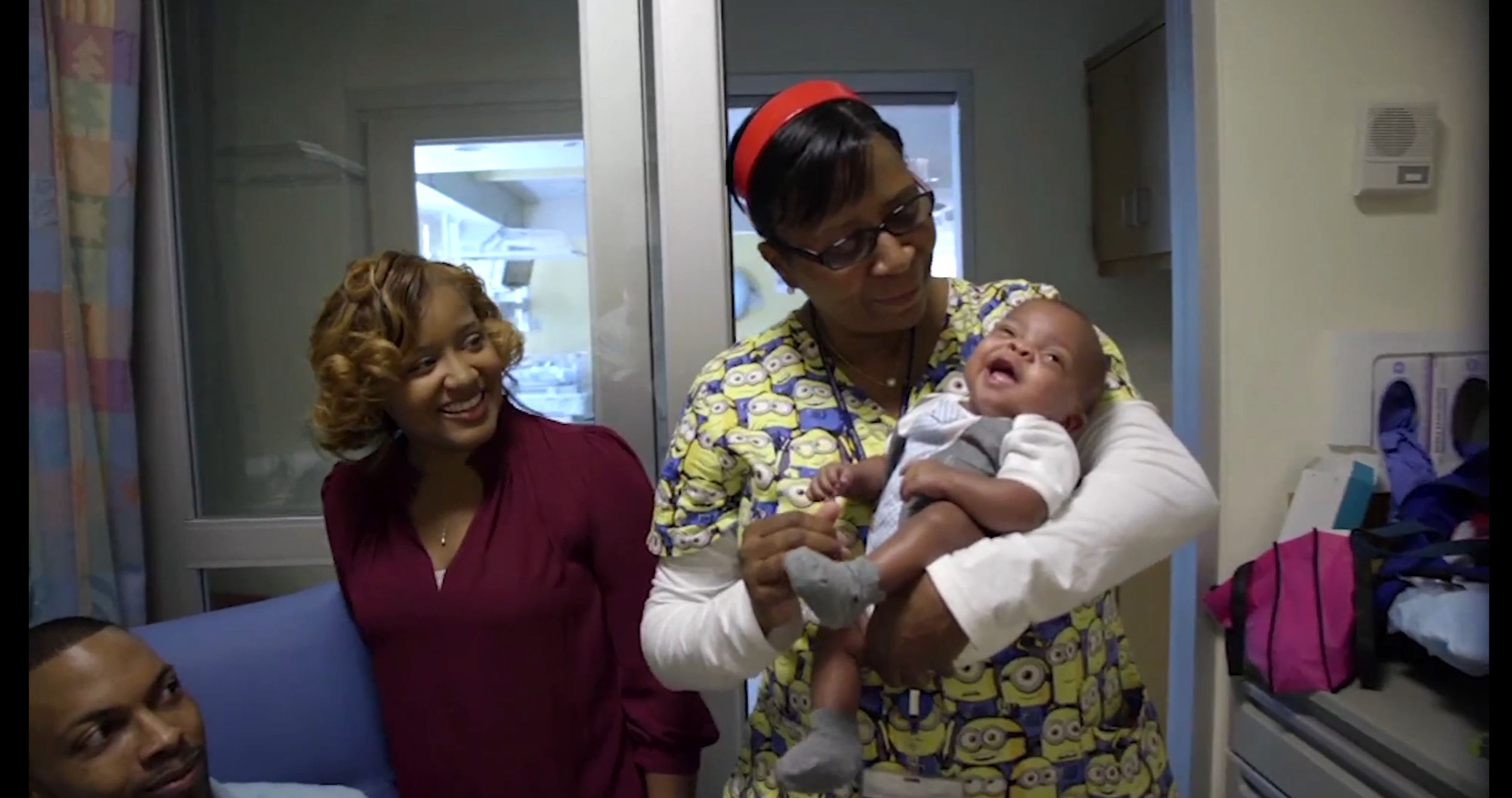
In the early to mid-1900s, some US colleges used orphaned babies in home economics programs to teach child-rearing skills
These children were referred to as "practice babies" pic.twitter.com/FZCkeu0p2m
— UberFacts (@UberFacts) August 17, 2023
👩⚕️👩🎓 Warmest congratulations to UCD School of Nursing, Midwifery and Health Systems’ Higher Diploma in Midwifery group (2022-2024), who have officially completed their 18-month programme to become registered midwives 👏👏👏 pic.twitter.com/hixD1gT1no
— University College Dublin (@ucddublin) March 7, 2024

The NFPA 99 Healthcare Facilities Code committee develops a distinct consensus document (i.e. “regulatory product”) that is distinct from National Electrical Code Article 517; though there are overlaps and gaps that are the natural consequence of changing technology and regulations. It is worthwhile reviewing the scope of each committee:
NFPA 99 Scope: This Committee shall have primary responsibility for documents that contain criteria for safeguarding patients and health care personnel in the delivery of health care services within health care facilities: a) from fire, explosion, electrical, and related hazards resulting either from the use of anesthetic agents, medical gas equipment, electrical apparatus, and high frequency electricity, or from internal or external incidents that disrupt normal patient care; b) from fire and explosion hazards; c) in connection with the use of hyperbaric and hypobaric facilities for medical purposes; d) through performance, maintenance and testing criteria for electrical systems, both normal and essential; and e) through performance, maintenance and testing, and installation criteria: (1) for vacuum systems for medical or surgical purposes, and (2) for medical gas systems; and f) through performance, maintenance and testing of plumbing, heating, cooling , and ventilating in health care facilities.
NFPA 70 Article 517 Scope: The provisions of this article shall apply to electrical construction and installation criteria in healthcare facilities that provide services to human beings. The requirements in Parts II and III not only apply to single-function buildings but are also intended to be individually applied to their respective forms of occupancy within a multi-function building (e.g. a doctor’s examining room located within a limited care facility would be required to meet the provisions of 517.10) Informational Note: For information concerning performance, maintenance, and testing criteria, refer to the appropriate health care facilities documents.
In short, NFPA 70 Article 517 is intended to focus only on electrical safety issues though electrotechnology complexity and integration in healthcare settings (security, telecommunications, wireless medical devices, fire safety, environmental air control, etc.) usually results in conceptual overlap with other regulatory products such as NFPA 101 (Life Safety Code) and the International Building Code.


Several issues were recently debated by the Article 517 technical committee during the 2023 National Electrical Code Second Draft meetings
There are, of course, many others, not the least of which involves emergency management. For over 20 years our concern has been for the interdependency of water and electrical power supply to university hospitals given that many of them are part of district energy systems.
We need to “touch” this code at least once a month because of its interdependence on other consensus products by other standards developing organizations. To do this we refer NFPA 99 standards action to the IEEE Education & Healthcare Facilities Committee which meets online four times monthly in European and American time zones.
The transcript of NEC Article 517 Public Input for the 2023 revision of NFPA 70 is linked below. (You may have to register your interest by setting up a free-access account):
Code-Making Panel 15 (NEC-P15) Public Input Report
Code-Making Panel 15 (NEC-P15) Public Comment Report
Technical committees will meet in June to endorse the 2023 National Electrical Code.
Public consultation on the Second Draft closes May 31st. Landing page for selected sections of the 2024 revision of NFPA 99 are linked below:
Health Care Emergency Management and Security (HEA-HES)
Second Draft Comments are linked below:
Health Care Emergency Management and Security (HEA-HES)
NITMAM closing date: March 28, 2023
We break down NFPA 70 and NFPA 99 together and keep them on the standing agenda of both our Power and Health colloquia; open to everyone. See our CALENDAR for the next online meeting.
Issues: [12-18, [15-97] and [16-101]
Contact: Mike Anthony, Jim Harvey, Robert Arno, Josh Elvove, Joe DeRosier, Larry Spielvogel
NFPA Staff Liaison: Jonathan Hart
Dissertation | Standards North Dakota
ABSTRACT. As a collective, women’s experience in higher education has been disparate and differential to some men’s experience over the last two centuries, fundamentally based on the societal influences of the time. In the formative years of higher education women attended higher education institutions for social stratification reasons or for marital choice opportunities and to a lesser degree for college outcomes. This study’s purpose was to explore the current motivations of freshmen individuals who identified as female undergraduate students in their first year of pursuing a bachelor’s degree in higher education.
This study used a qualitative research design with semi-structured interviews of five undergraduate women at a mid-sized university campus in the Midwest United States. An initial pre-interview questionnaire was given to participants which provided background and demographic information to ensure an illustrative sample of undergraduate freshmen women who were pursuing a bachelor’s degree.
Considering societal changes for the advancement of women using a historical lens, this study used qualitative research methods to articulate what the current motivations and influences are for women who enroll in higher education in contemporary society. By listening to the women’s stories college going was seen as a viable and important next step in their life journey helping them to achieve their personal and professional goals and aspirations. Both K-12 and post-secondary practitioners and administrators can learn through their voices what matters most to them as they seek to fulfill their personal aspirations for a career to make a difference while having a better life not only for themselves but also for those who they plan to influence through their careers and with their future families.
By understanding women’s motivations for higher education credentials, institutional supports can be developed to foster a deeper understanding of women, as students, in higher education. With this knowledge, K-12 and post-secondary educators and leaders can design pre-college academic programs and student support services to facilitate student discovery built on the aspects that motivate female students to pursue the full higher education experience.
Related:
Related:
Third time’s the charm: The Michigan Marriage Pact returns to match students for a third year
University of Toronto: Why does everyone want a mid white boy?
Clark University: Love Isn’t Colorblind…
Columbia University Morningside Review: “Wouldn’t You Want to Marry a White Guy?”
Boston College: E Pluribus, Pauciores (Out of Many, Fewer): Diversity and Birth Rates
This content is accessible to paid subscribers. To view it please enter your password below or send mike@standardsmichigan.com a request for subscription details.
Michigan Central | Student Life: Gynecology & Sexual Health
How to Make Red Velvet Pancakes https://t.co/IeYqgvBYQA
— Standards Michigan (@StandardsMich) February 14, 2026
This content is accessible to paid subscribers. To view it please enter your password below or send mike@standardsmichigan.com a request for subscription details.
"My Funny Valentine" (1937 R. Rodgers & L. Hart)
Milwaukee High School of the Arts Vocal Jazz Ensemble https://t.co/aDiuk4Q7bihttps://t.co/ne2YlNBAxFhttps://t.co/I6wLEM8O2e pic.twitter.com/MLUl5Tpdzh— Standards Michigan (@StandardsMich) February 15, 2026
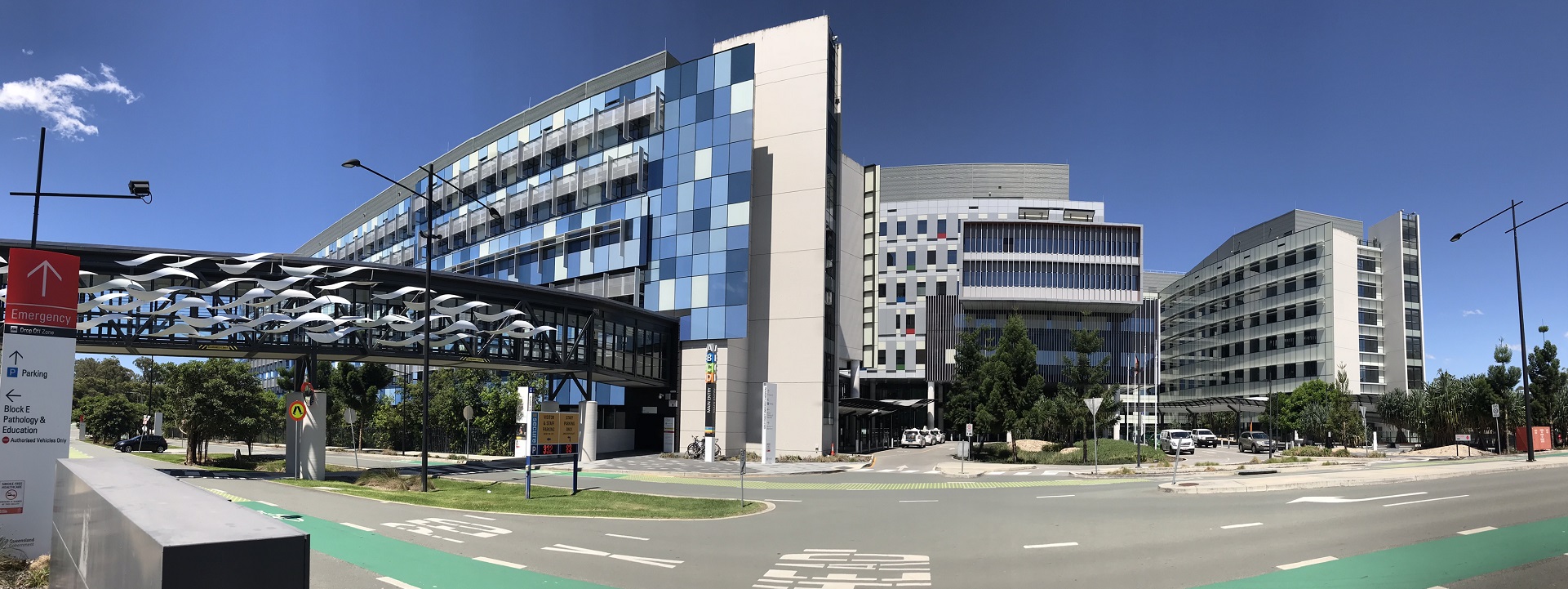
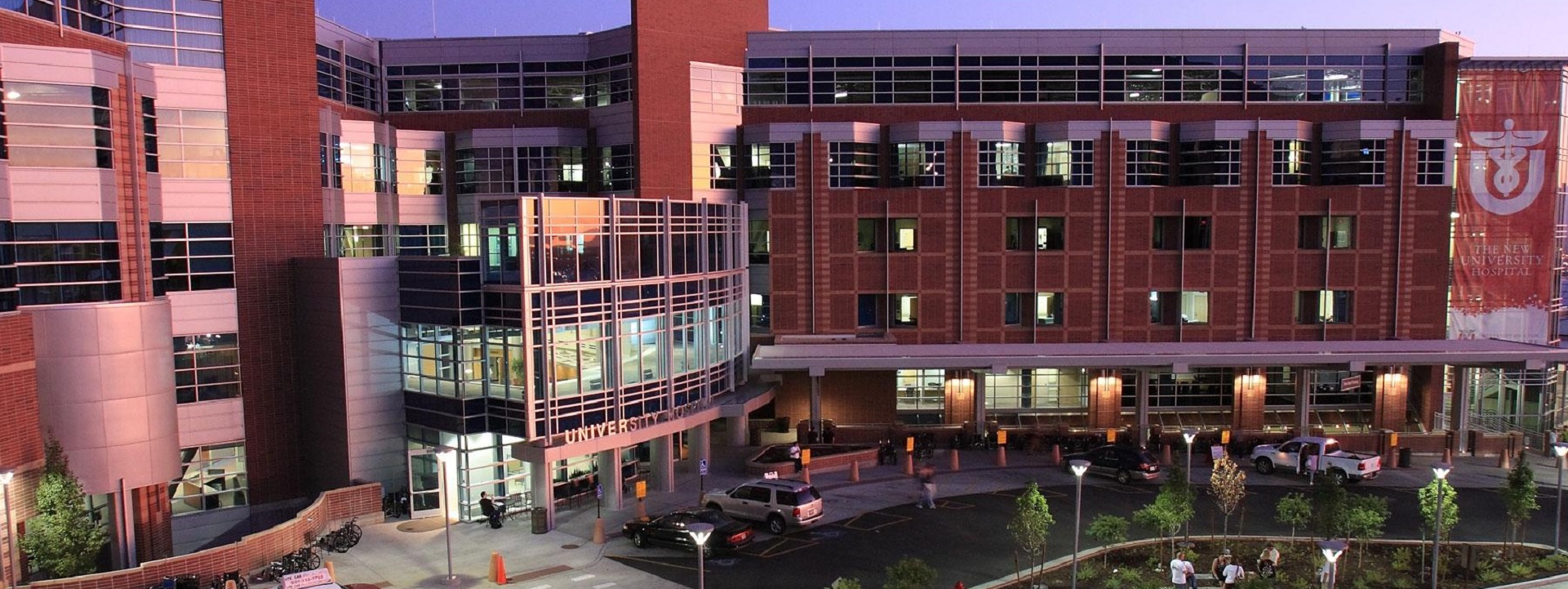
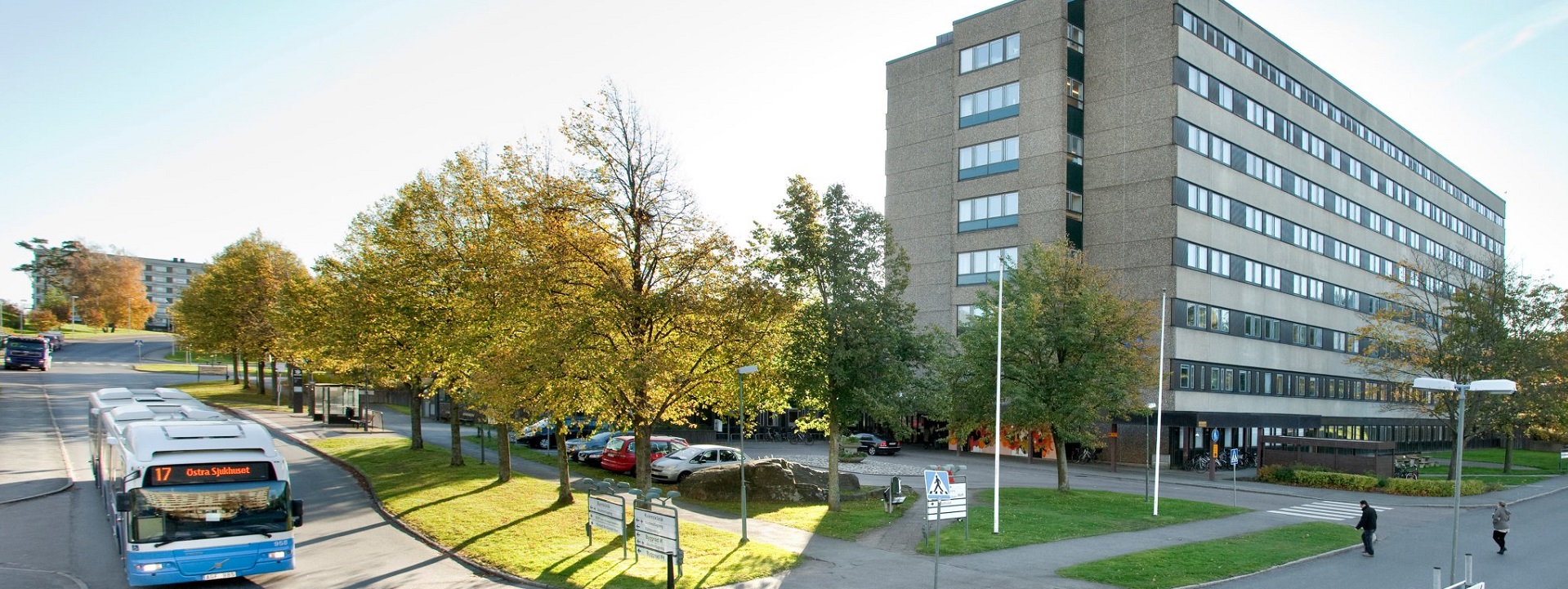
The main building of the University of Minnesota Medical Center was established in 1997 through a merger with University Hospitals and Clinics and Fairview Health Services. It has approximately 1300 beds.
In the early to mid-1900s, some US colleges used orphaned babies in home economics programs to teach child-rearing skills
These children were referred to as "practice babies" pic.twitter.com/FZCkeu0p2m
— UberFacts (@UberFacts) August 17, 2023
New update alert! The 2022 update to the Trademark Assignment Dataset is now available online. Find 1.29 million trademark assignments, involving 2.28 million unique trademark properties issued by the USPTO between March 1952 and January 2023: https://t.co/njrDAbSpwB pic.twitter.com/GkAXrHoQ9T
— USPTO (@uspto) July 13, 2023
Standards Michigan Group, LLC
455 East Eisenhower Parkway, Suite 300
Ann Arbor, MI 48108 USA
888-748-3670