


Tag Archives: Winter
- Home
- Posts tagged "Winter" (Page 5)

loading..

Solar (Winter)
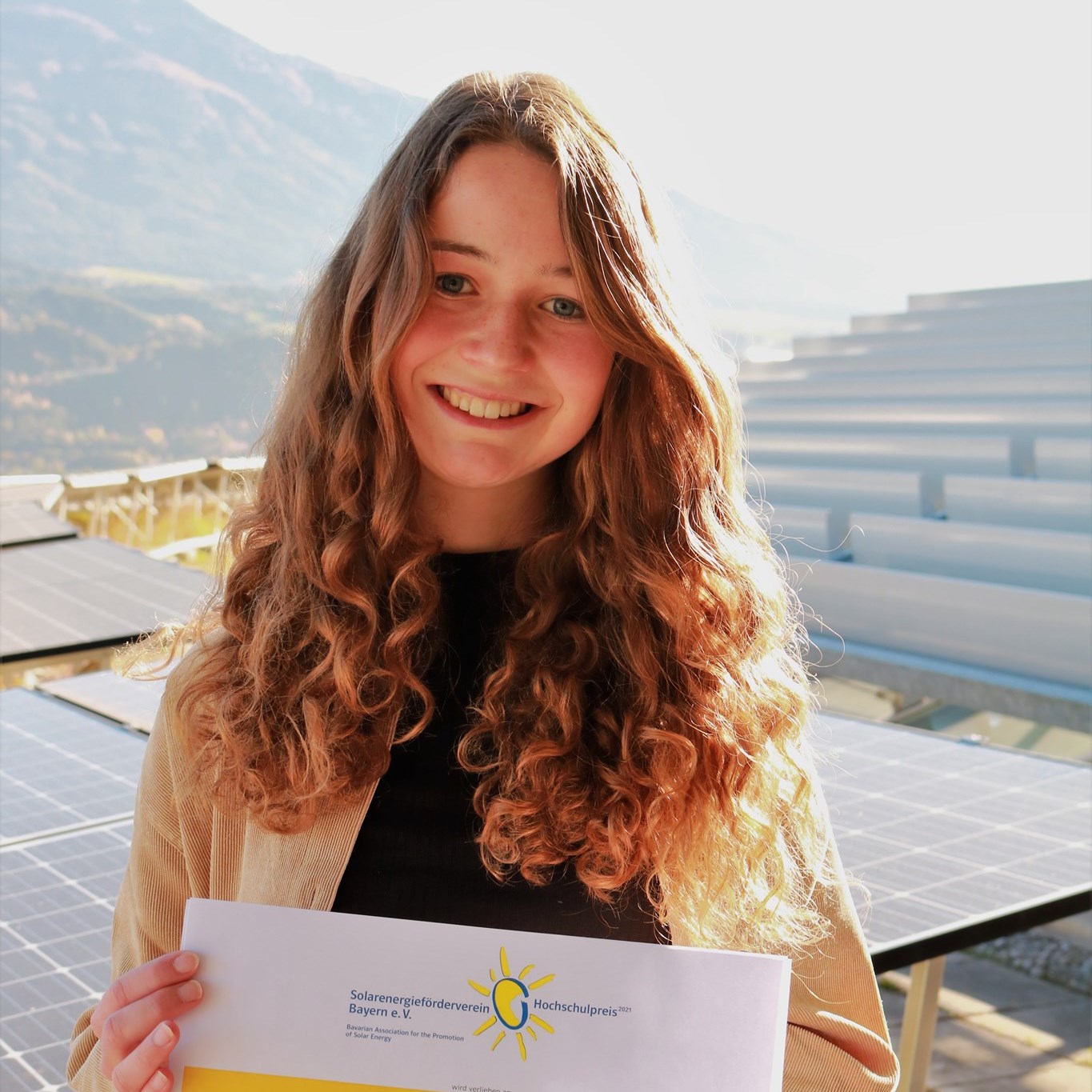
| Sie strahlt vor Freude über ihre Auszeichnung – TH-Alumna Melanie Klaus. Für ihre Bachelorarbeit im Bereich Erneuerbare Energien wurde sie vom Solarenergieförderverein Bayern geehrt. In ihrer Bachelorarbeit im Studiengang Elektro- und Informationstechnik untersuchte sie das Zusammenspiel von Wind- und Solarenergie und den Nutzen, der sich hieraus für die regenerative Energieerzeugung erzielen lässt. Untersucht wurde also die Nutzung der natürlichen Kombination von Wind und Sonne für die Energieerzeugung. Um die Rentabilität dieser Einspeisekombination zu ermitteln, hat Melanie Klaus ein Software-Tool entwickelt, welches zur Planung und Simulation abgestimmter Photovoltaik-Wind-Kombinationen dient und bereits für die Errichtung einer Photovoltaik-Anlage zu einem Windpark eingesetzt wird. |

Starting 2023 we separated our coverage of solar energy standards from our standing Electrical and Energy colloquia and placed emphasis on seasonal life cycle returns. We start with the following titles
IEC TC 82 Solar photovoltaic energy systems
Underwriters Laboratories 1703 PV Module Certification
ASTM E772 Standard Terminology of Solar Energy Conversion
IEEE 1562 Guide for Array and Battery Sizing in Stand-Alone Photovoltaic Systems
NEMA Solar Photovoltaic Council
NECA 412 Standard for Installing and Maintaining Photovoltaic Power Systems
NFPA 70 Articles 690-691
NFPA 70 Articles 705 & 855
International Code Council Section 1607 Photovoltaic panels or modules
ASHRAE International: 90.1 Building Energy Code & 189.1 Green Energy Code
Time permitting: Example design specification and construction contract.
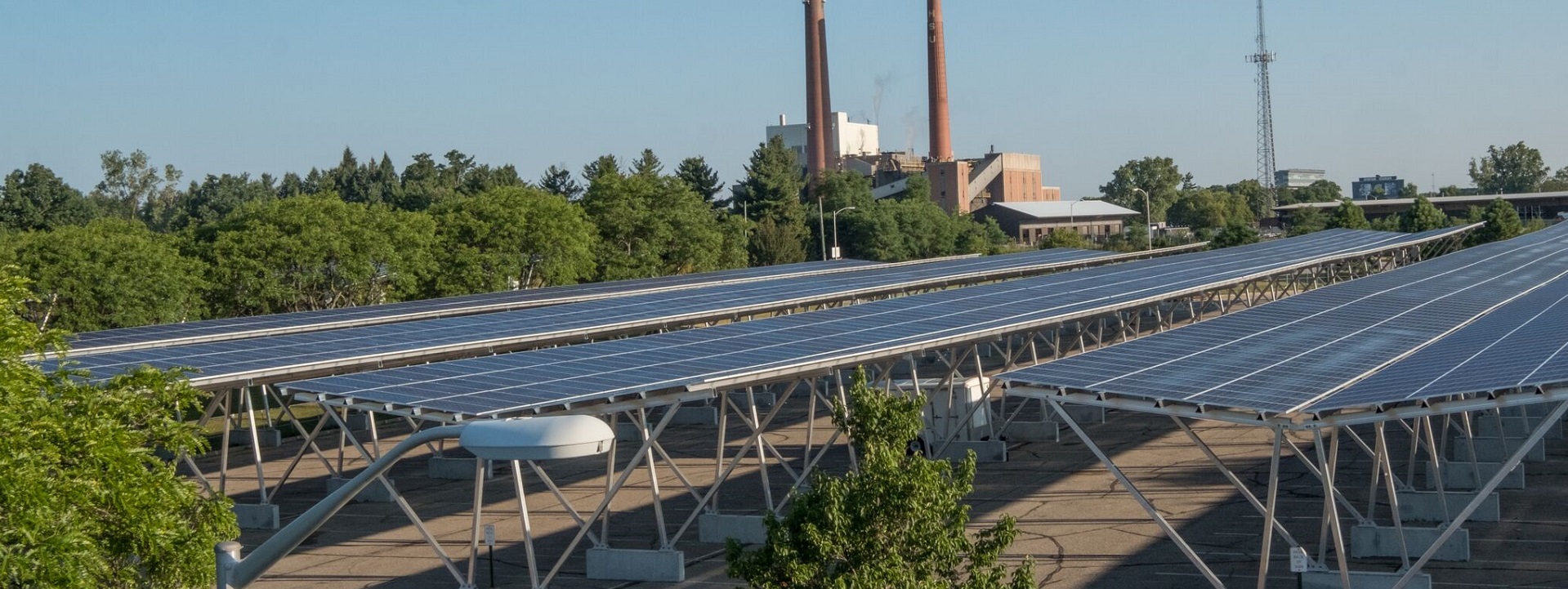
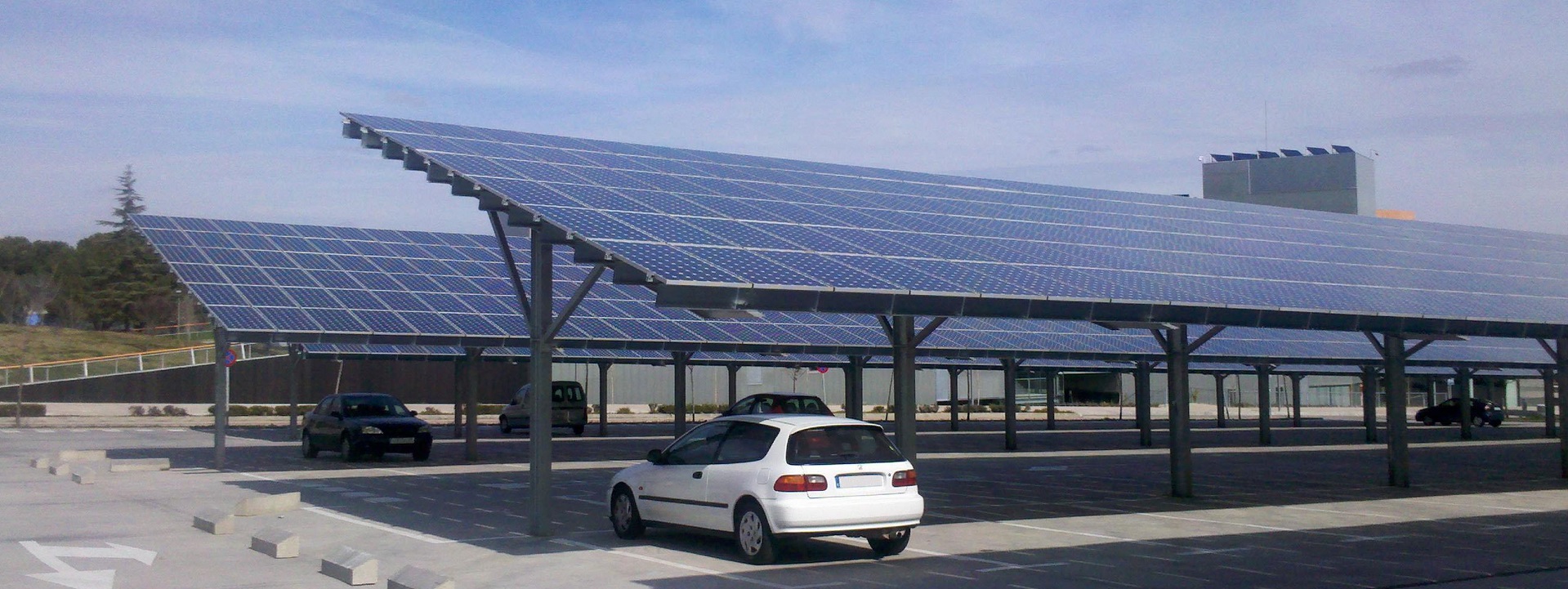
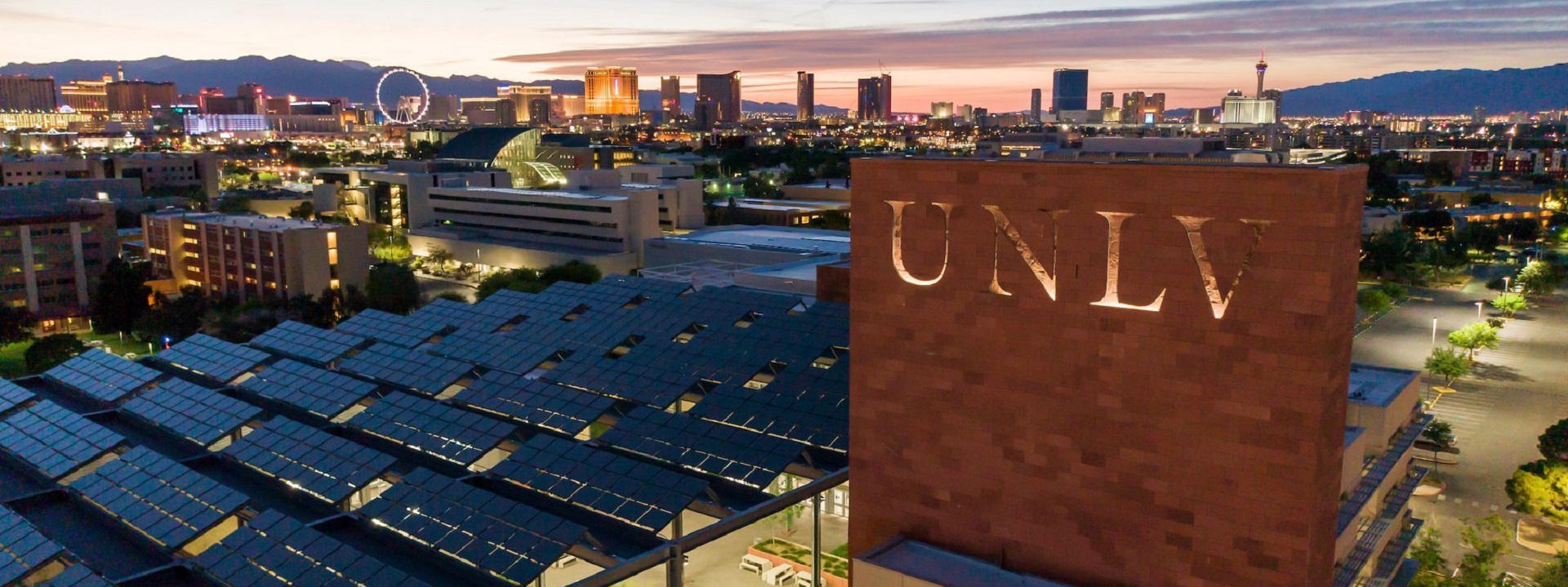
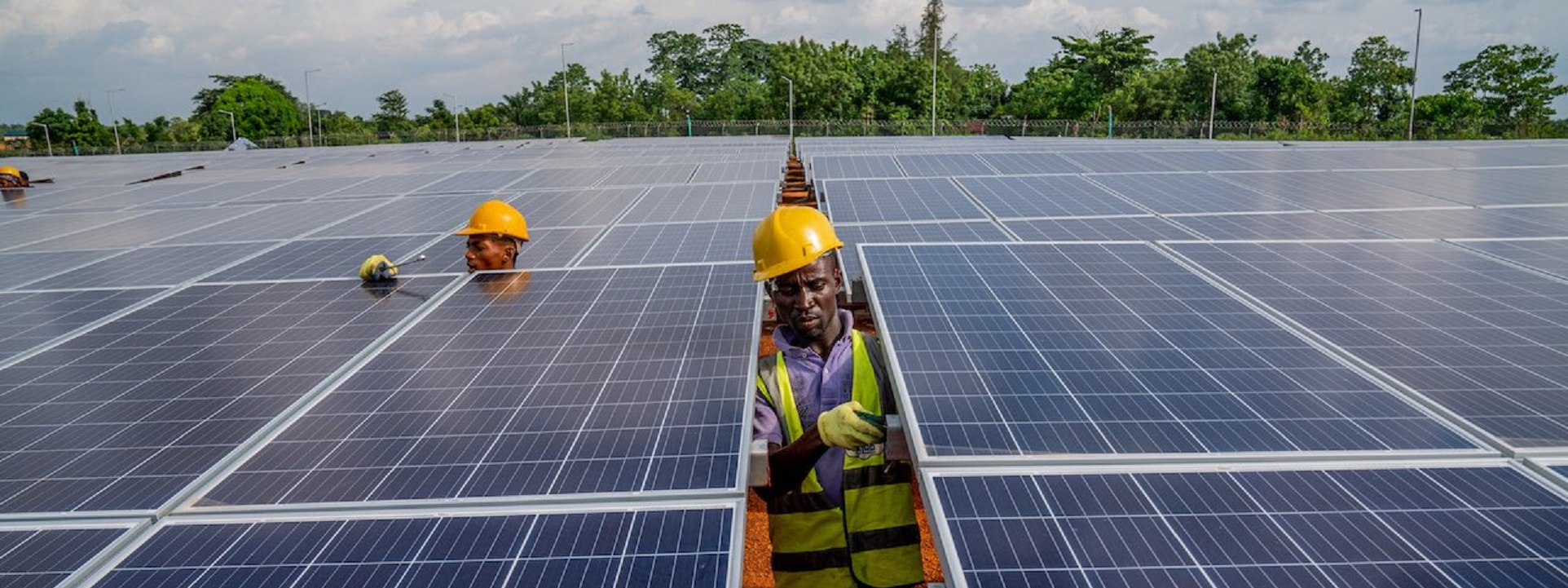
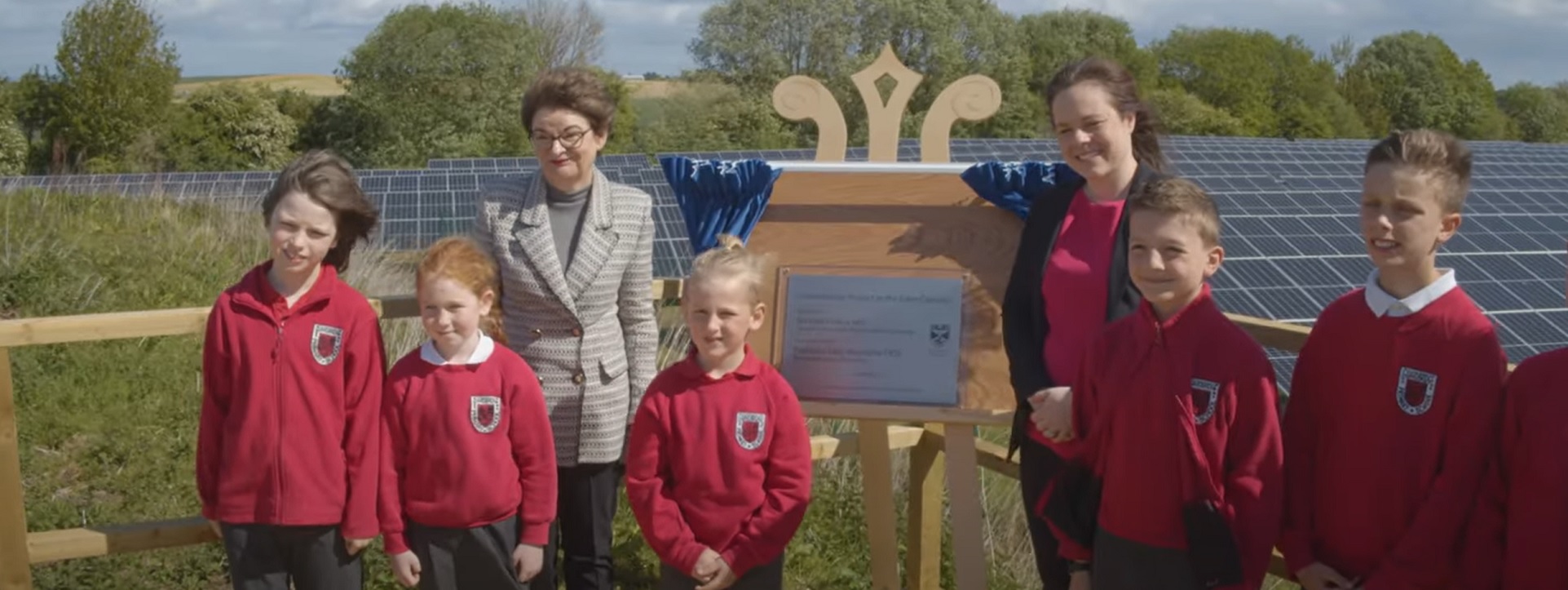
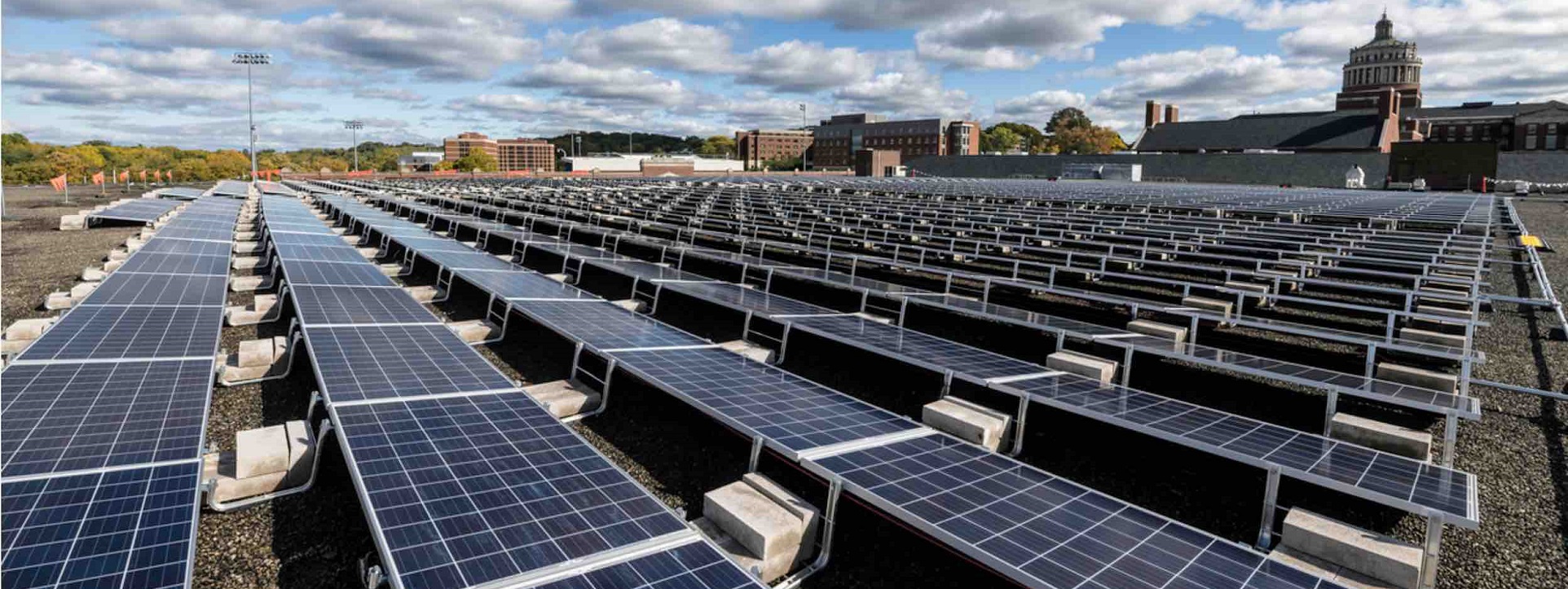
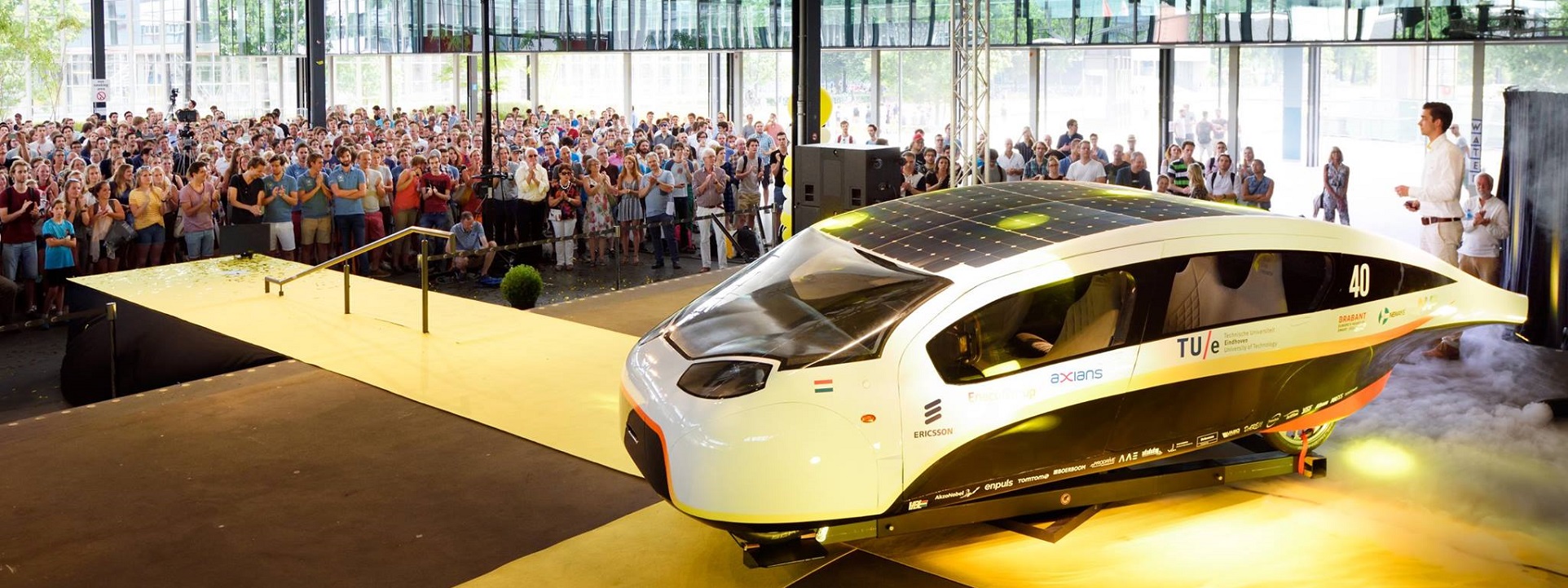
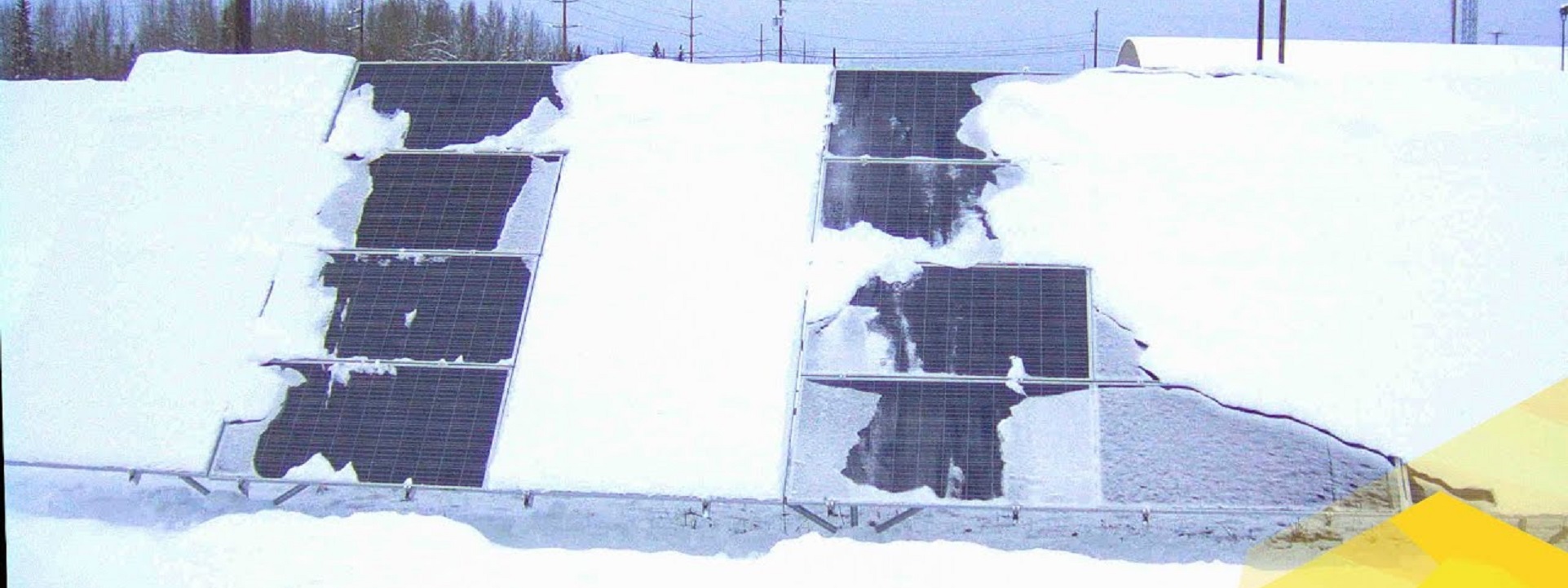
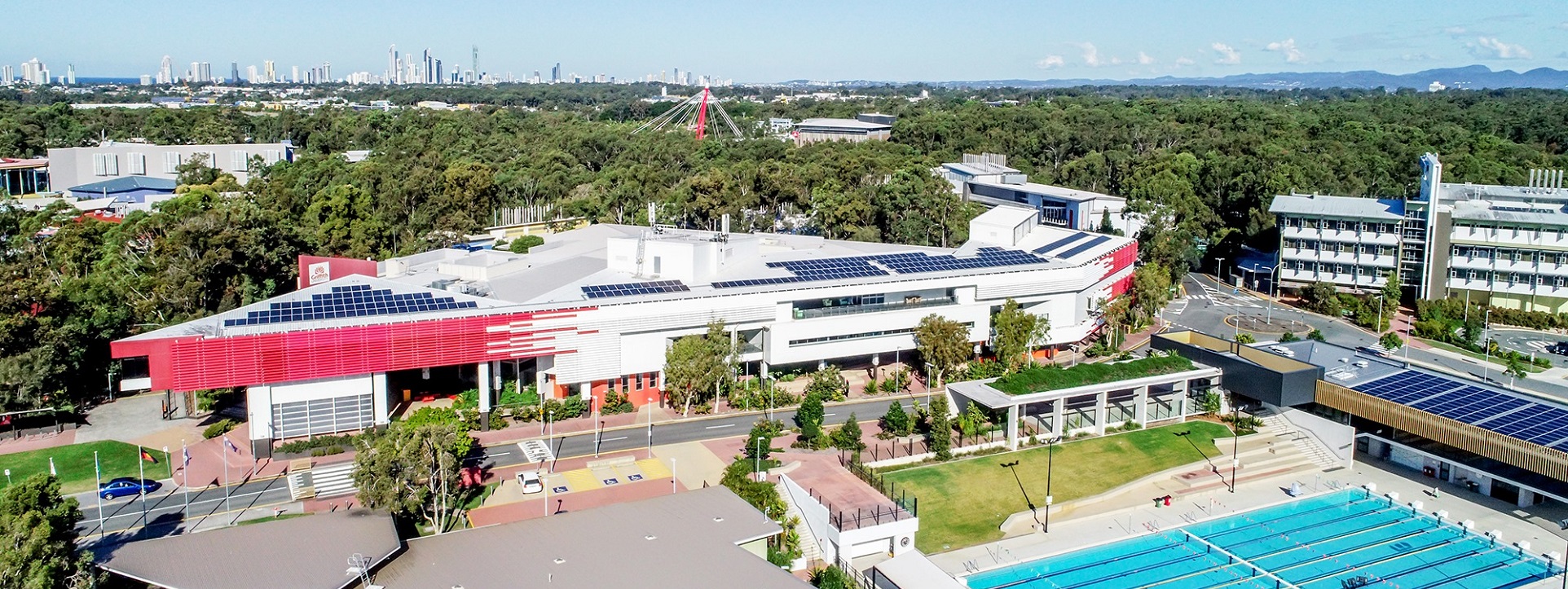
Other standards developers and publishers are also present in this domain but this list is where we will start given that we only have an hour. Join us today at 16:00 with the login credentials at the upper right of our home page.

Readings:
What are the hidden costs of solar panels?
Do We Have Enough Silver, Copper, And Other Materials To Keep Up With The Growth Of Solar?
Mining Raw Materials for Solar Panels: Problems and Solutions

Winter Week Week 51 | December 16 – 22 (Exams & Graduation)

Monday | December 16 | Colloquium 16:00 UTC
Tuesday | December 17 | Colloquium 16:00 UTC
Wednesday | December 18 | Colloquium 16:00 UTC
Thursday | December 19 | Colloquium 16:00 UTC
Friday | December 20 | Colloquium 16:00 UTC
Saturday | December 21
Sunday | December 22

Oxford College Student Center
Emory University Facilities Management
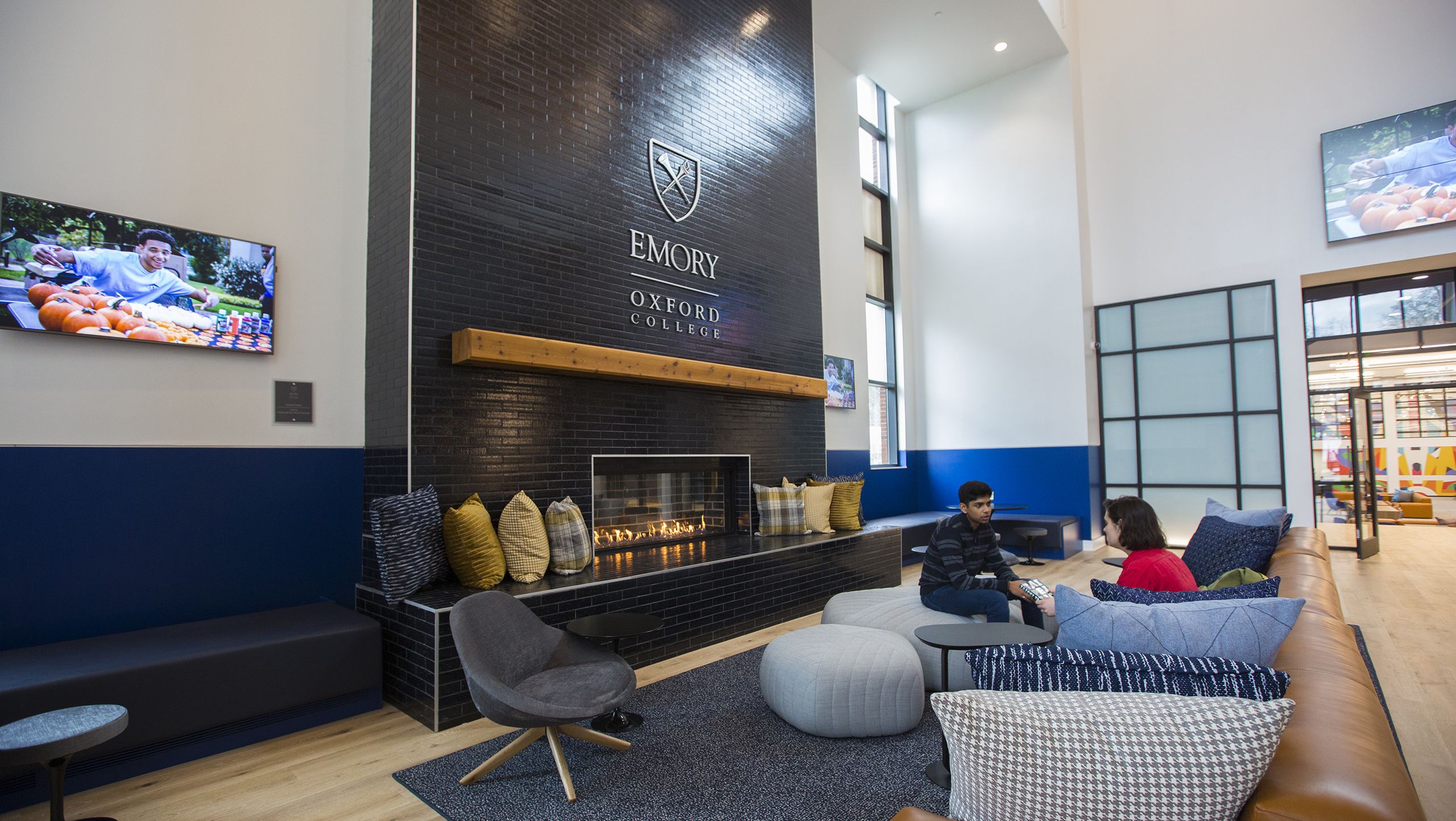
💙 Atlanta quad, late winter. 💛
Photo by Emory College student Khushi Niyyar pic.twitter.com/pv3qiEngvM
— Emory University (@EmoryUniversity) February 19, 2024
What an incredible weekend for our swimming & diving teams! The women’s and men’s teams dominated at the UAA conference championships, with both bringing home their 25th consecutive conference titles! Women’s recap: https://t.co/ByXJDpa61F Men’s recap: https://t.co/GTPzPEHyOo pic.twitter.com/yT3UJME2Cd
— Emory University (@EmoryUniversity) February 19, 2024
“Midnight Train To Georgia” 1973 | written in his spare time by Jim Weatherly star football quarterback @OleMiss
https://t.co/Yj1iMkLZRK
print(“Lunch Hour 1600 UTC”)\n weekday(2)
print(“American Standard”)@SchoolofRockUSAhttps://t.co/yjhiCTCPoS pic.twitter.com/BfIE0wwjWz— Standards Michigan (@StandardsMich) October 25, 2023




Barszcz:
This content is accessible to paid subscribers. To view it please enter your password below or send mike@standardsmichigan.com a request for subscription details.
Bigos
This content is accessible to paid subscribers. To view it please enter your password below or send mike@standardsmichigan.com a request for subscription details.

Winter Week 4 | January 19 – 25
This content is accessible to paid subscribers. To view it please enter your password below or send mike@standardsmichigan.com a request for subscription details.
Occupant-Based HVAC Thermal Setpoints
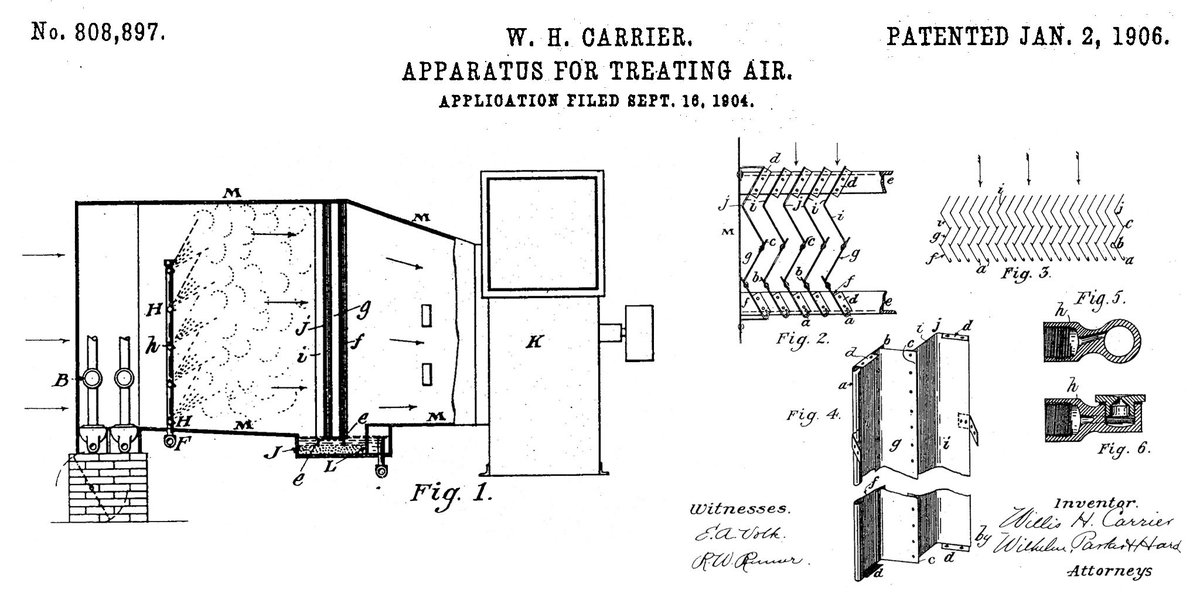
Occupant-based HVAC Set Point Interventions for Energy Savings in Buildings
Dimas Ardiyanto
PT PLN (Persero), Jakarta, Indonesia
Manisa Pipattanasomporn & Saifur Rahman
Virginia Tech – Advanced Research Institute, Arlington, VA, USA
Nanang Hariyanto & Suwarno
School of Electrical Engineering and Informatics, Institut Teknologi Bandung, Indonesia
Abstract: Energy savings and occupant thermal comfort are the two most important factors in controlling heating ventilation and air conditioning (HVAC) operation in buildings. Typically, it is found that thermal comfort is not always met in buildings. Hence, there is still an opportunity to improve indoor thermal comfort, and at the same time save energy by controlling HVAC set points. The objective of this paper is to propose a method to obtain energy savings by adjusting HVAC set points based on occupant comfort measured using Predicted Mean Vote (PMV) and occupancy information. The idea is to calculate hourly PMV values based on real-time occupancy information, indoor temperature set points and humidity in a building. Then, a new set of temperature set points that can maintain occupant comfort, i.e., PMV = 0, is derived. To evaluate the effectiveness of the proposed method, a building model is developed in eQUEST using the information from a real-world building located in Alexandria, VA. Research findings indicate that HVAC electrical consumption savings of 14.58% is achieved when the proposed set point adjustment method is implemented as compared to that of the base case. To study the impact of adding occupancy information on HVAC energy savings, another scenario is simulated where HVAC set point is increased when the building is unoccupied, e.g., during lunchtime or holidays. Research findings indicate that additional HVAC electrical consumption savings of 8.79% is achieved when taking into account occupancy information in HVAC control.
Document Sections
I. Introduction
II. PMV as an Index for Thermal Comfort
III. Experiment Set Up To Capture Occupancy Information
IV. Building Model Development in Equest
V. Energy Savings From Comfort Adjustment And Occupancy Information
CLICK HERE for ordering Information for this article
Church heating: Comparison of different strategies
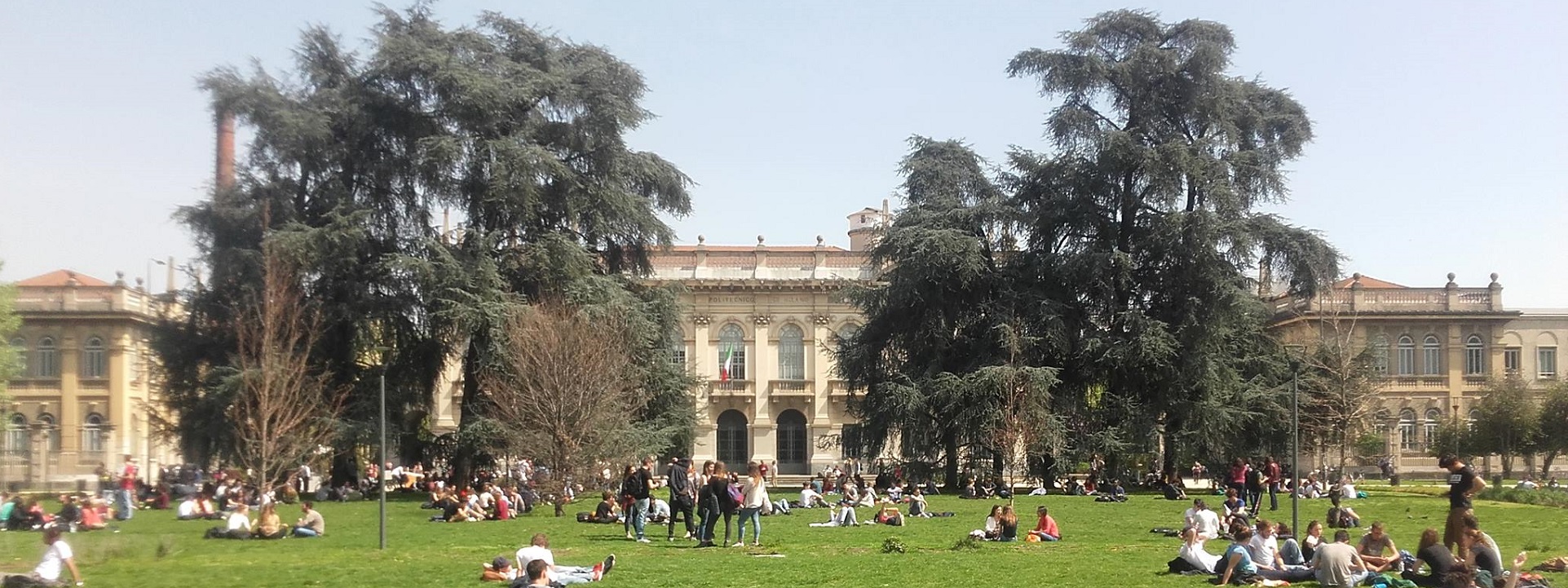
Politecnico di Milano
Church heating: Comparison of different strategies
N. Aste. et al
Department of Architecture, Built Environment and Construction Engineering, Politecnico di Milano
Abstract: Church heating represents a challenging task because multiple goals have to be fulfilled simultaneously, such as the thermal comfort for the occupants and the optimal internal environmental conditions for the preservation of building components and artworks. In addition, current requirements for environmental and economic sustainability impose to make efforts to minimize the amount of energy needed and the consequent environmental/economic impact. In this context, the present work represents the assessment of the energy, environmental and economic impact of different strategies for church heating, including a novel technology based on the exploitation of renewable energies. The analysis was carried out in a real case-study building, represented by the Basilica di S. Maria di Collemaggio (L’Aquila, Italy), a church of worldwide relevance, currently under restoration.

New update alert! The 2022 update to the Trademark Assignment Dataset is now available online. Find 1.29 million trademark assignments, involving 2.28 million unique trademark properties issued by the USPTO between March 1952 and January 2023: https://t.co/njrDAbSpwB pic.twitter.com/GkAXrHoQ9T
— USPTO (@uspto) July 13, 2023
Welcome
Standards Michigan Group, LLC
455 East Eisenhower Parkway, Suite 300
Ann Arbor, MI 48108 USA
888-748-3670
DIRECTIONS
 |
 |
|
 |
 |
|
 |
 |
Layout mode
Predefined Skins
Custom Colors
Choose your skin color
Patterns Background
Images Background
error: Content is protected !!
Skip to content