We have advocated education community risk management concepts since 2007; primarily in NFPA Standard 1300 — Standard on Community Risk Assessment and Community Risk Reduction Plan Development (formerly NFPA 1600). The content of this title is close-coupled with FEMA’s National Incident Management System.
Recently the National Fire Protection Association Standards Council moved to consolidate its community risk management titles as described below.
“NFPA 1660 is in a custom cycle due to the Emergency Response and Responder Safety Document Consolidation Plan (consolidation plan) as approved by the NFPA Standards Council. As part of the consolidation plan, NFPA 1660 (combining Standards NFPA 1600, NFPA 1616, and NFPA 1620) is open for public input with a closing date of November 13, 2020.”
Discussion about school and university security are noteworthy.
As described on its title page, this product will be reconfigured as NFPA 1660 Standard on Community Risk Assessment, Pre-Incident Planning, Mass Evacuation, Sheltering, and Re-entry Programs. The title suggests that NFPA 1660 is being developed to meet market need for conformance and teaching tools. You may track movement in the concepts in the links below; many of them administrative:
NFPA 1660 will likely require one or two more revision cycles to stabilize
Public consultation on the Second Draft (NITMAM) closes September 9th. You may submit public input directly to NFPA by CLICKING HERE. We will have hosted several Security colloquia ahead of this deadline during which we will drill into technical and policy specifics.
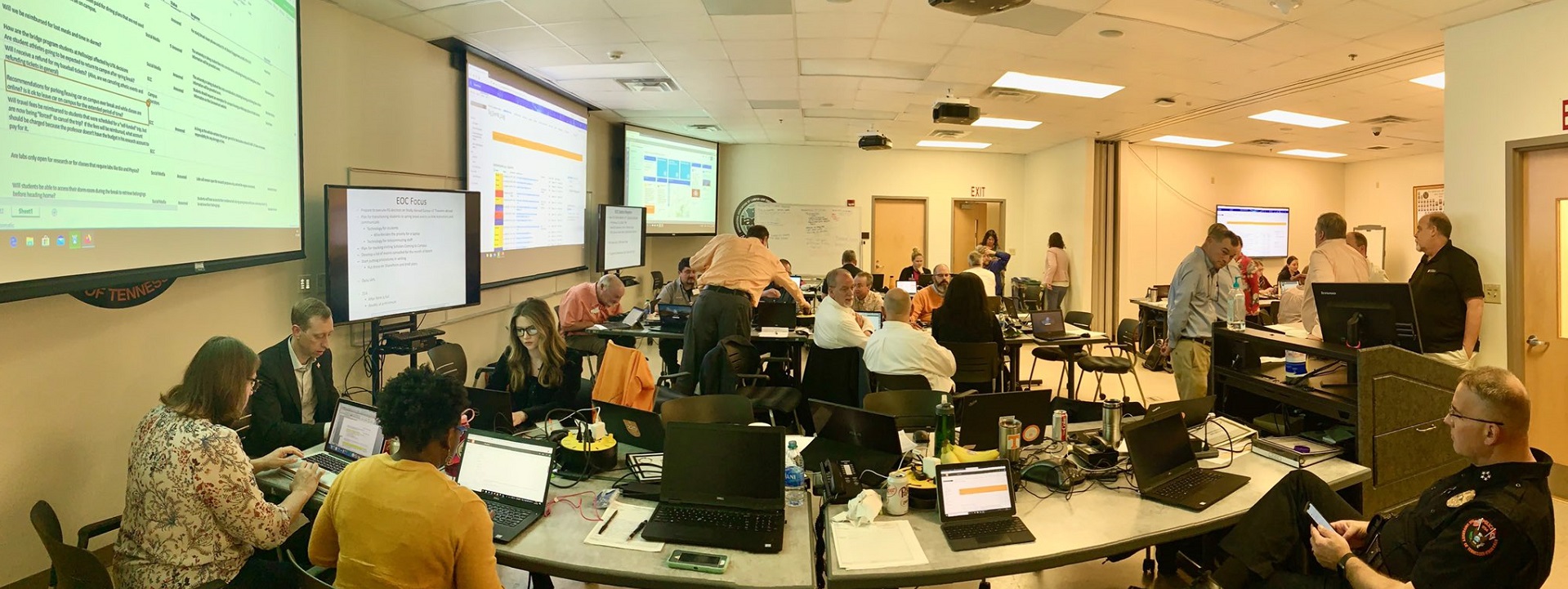
University of Tennessee
We maintain this title on our periodic Security, Disaster and Risk colloquia during which time our thoughts on the economic burden of the expanding constellation of risk management standards will be known. Thoughts that we are reluctant to write. See our CALENDAR for the next online meeting; open to everyone.
Issue: [13-58] and [18-151]
Category: Security, Risk
Colleagues: Mike Anthony, Robert G. Arno, Jim Harvey, Richard Robben
Founded in 1999, the European Bartender School (EBS) is the world’s leading bartending school, operating over 25 schools across five continents. Its mission is to provide top-quality, globally recognized bartending and barista courses designed by industry experts.
EBS aims to train aspiring bartenders with practical and theoretical skills, offering a comprehensive International Bartender Course that equips students for global career opportunities. With over 80,000 graduates, EBS fosters a vibrant community, connecting students to jobs via EBS MatchStaff. The school emphasizes a fun, social learning experience, blending professional education with personal growth and travel
The recent undetected introduction and rapid spread of foot and mouth disease in the United Kingdom highlights the importance of the integration of effective biosecurity practices in every livestock operation within the US. Showing and exhibiting animals presents a risk for the spread of foreign or domestic infectious disease.
Infectious diseases such as respiratory disease, contagious mastitis and bovine viral diarrhea, can present signs within a relatively short time frame, whereas Johne’s disease may not show signs for years after exposure. Taking the precautions listed below before, during and after fairs can help decrease the exposure to infectious disease.
The thunderbolt steers all things. —Heraclitus, c. 500 BC
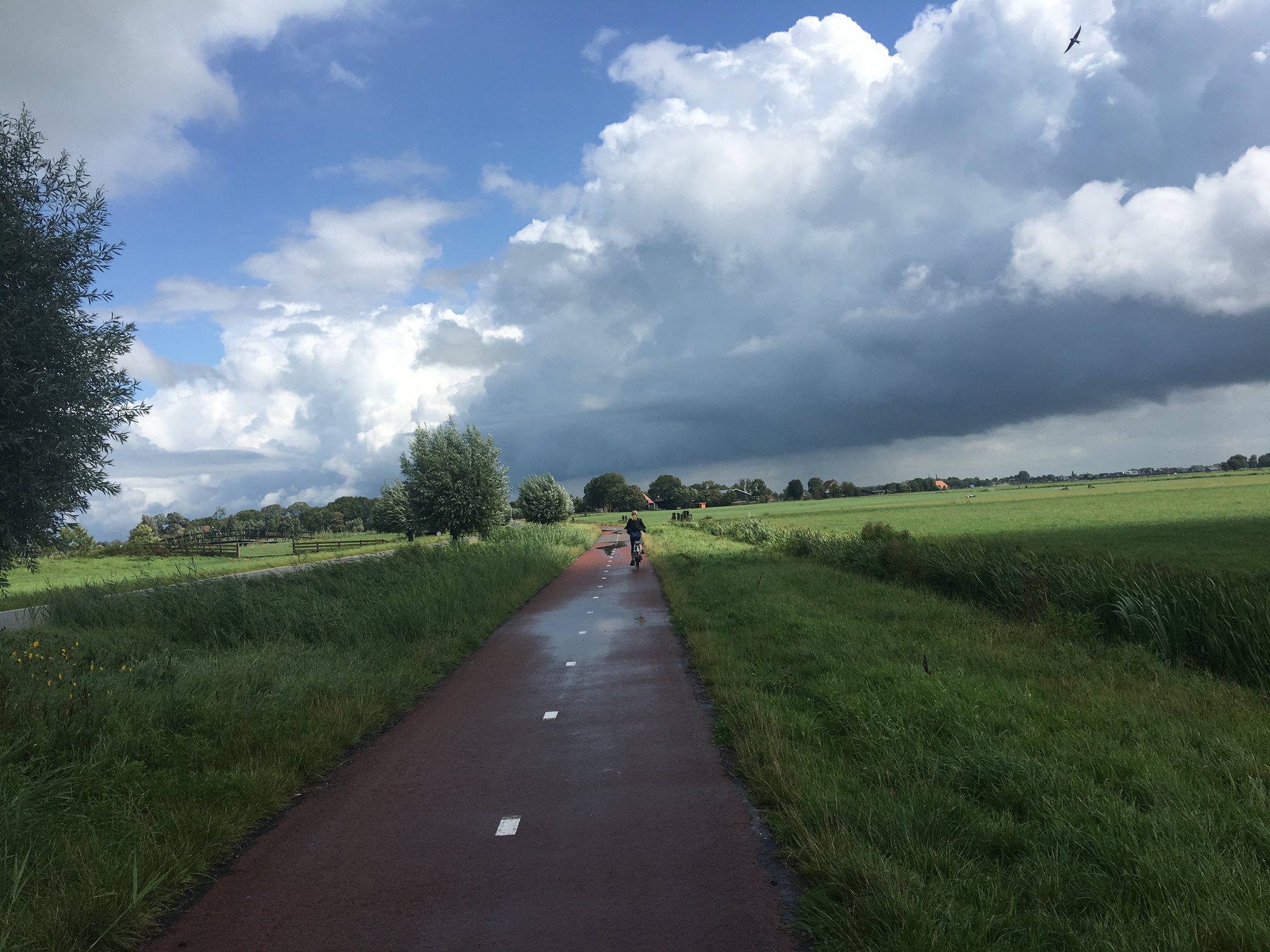
After the rain. Personal photograph taken by Mike Anthony biking with his niece in Wirdum, The Netherlands
Today at 15:00 UTC we examine the technical literature about rainwater management in schools, colleges and universities — underfoot and on the roof. Lightning protection standards will also be reviewed; given the exposure of outdoor athletic activity and exterior luminaires.
We draw from previous standardization work in titles involving water, roofing systems and flood management — i.e. a cross-cutting view of the relevant standard developer catalogs. Among them:
American Society of Civil Engineers
American Society of Plumbing Engineers
ASHRAE International
ASTM International
Construction Specifications Institute (Division 7 Thermal and Moisture Protection)
As always, our daily colloquia are open to everyone. Use the login credentials at the upper right of our home page.
“Rainbow Connection”
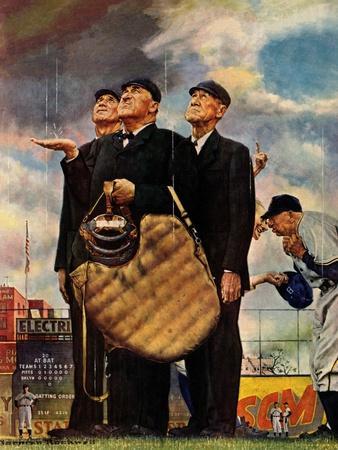
“Tough Call” | Norman Rockwell 1949
The “lightning effect” seen in carnival tricks typically relies on a scientific principle known as the Lichtenberg figure or Lichtenberg figure. This phenomenon occurs when a high-voltage electrical discharge passes through an insulating material, such as wood or acrylic, leaving behind branching patterns resembling lightning bolts.
The process involves the creation of a temporary electric field within the material, which polarizes its molecules. As the discharge propagates through the material, it causes localized breakdowns, creating branching paths along the way. These branching patterns are the characteristic Lichtenberg figures.
In the carnival trick, a high-voltage generator is used to create an electrical discharge on a piece of insulating material, such as acrylic. When a person touches the material or a conductive object placed on it, the discharge follows the path of least resistance, leaving behind the branching patterns. This effect is often used for entertainment purposes due to its visually striking appearance, resembling miniature lightning bolts frozen in the material. However, it’s crucial to handle such demonstrations with caution due to the potential hazards associated with high-voltage electricity.
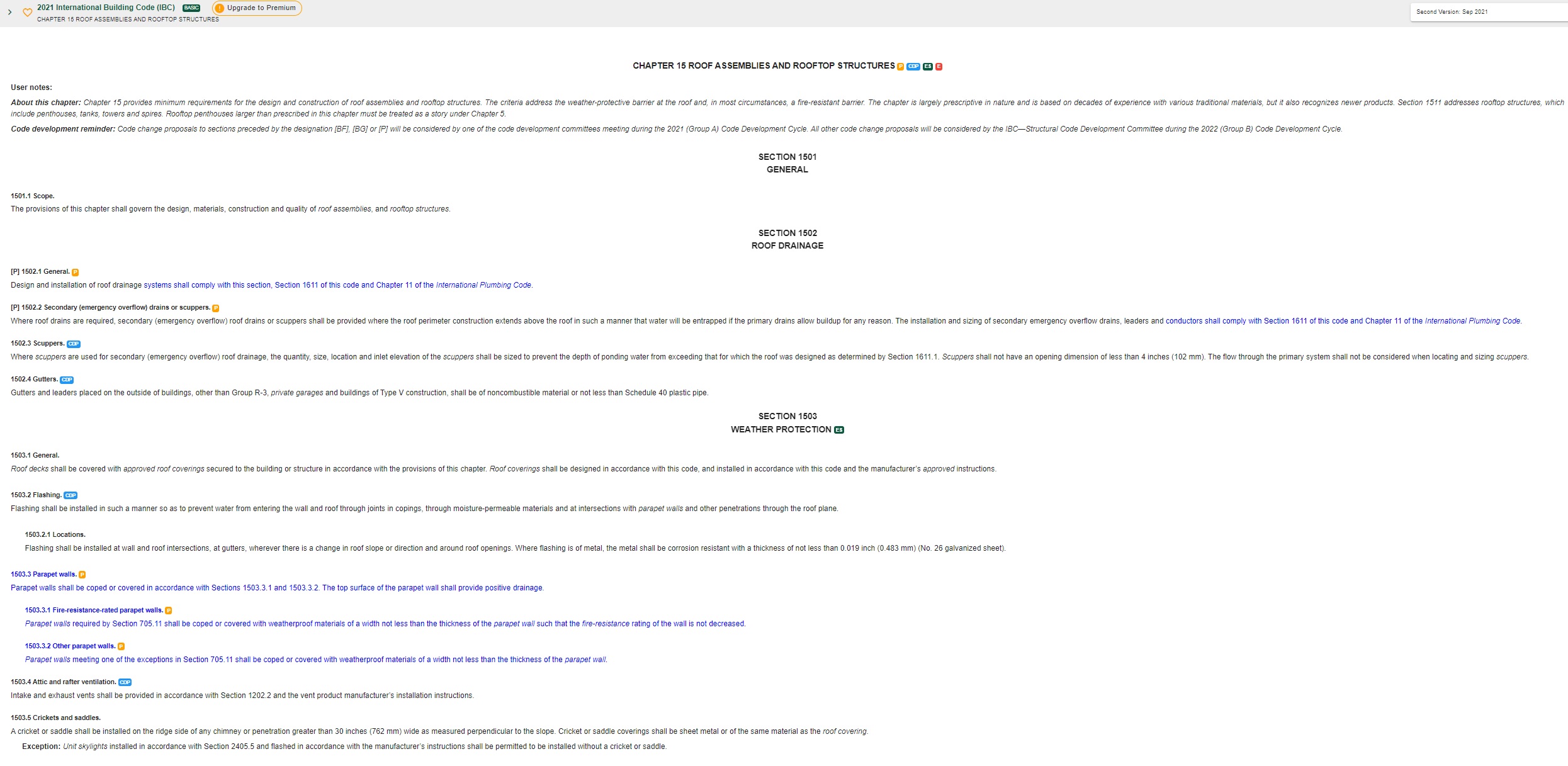
We are in the 2024–2026 ICC code development cycle, which is producing the 2027 editions of the International Codes. The 2024 IBC is the current published edition (released in 2023/early 2024). Chapter 15 (Roof Assemblies and Rooftop Structures) in the 2024 edition includes updates on topics like roof drainage, underlayment, wind resistance, occupiable rooftops, and aggregate-surfaced roofs.
Vereenigde Oostindische Compagnie | Dutch East India Company
FM Global is one of several organizations that produce technical and business documents that set the standard of care for risk management in education facilities. These standards — Property Loss Prevention Data Sheets — contribute to the reduction in the risk of property loss due to fire, weather conditions, and failure of electrical or mechanical equipment. They incorporate nearly 200 years of property loss experience, research and engineering results, as well as input from consensus standards committees, equipment manufacturers and others.
In July FM Global updated its standard FM 2510 Flood Abatement Equipment which should interest flood barrier manufacturers, standard authorities, industrial and commercial facilities looking to protect their buildings from riverline flooding conditions.
The following updates were proposed and mostly adopted:
Modifications to the opening barrier protocol to include water performance testing at lower depths;
Additional tests that apply to open-cellular rubber compounds (i.e., foam-type rubber) which are commonly used as gaskets on flood barriers need to be added to the Standard to sufficiently assess their quality;
Addition of adhesive testing. Many barrier designs use adhesives to bond the gasket material to the barrier. Adhesives are not addressed under the current protocol; Modify the flood abatement pump section to clarify approval of pump packages vs. wet-end only;
Additional requirements for electric drive and submersible flood pumps;
Modifications to backwater valve section to be inclusive of all types of “backwater valves” besides the traditional check valve.
Additional requirements for waterproofing products for building penetrations. Products in this category include collars, plugs, elastomeric seals, and types of putty.
This standard also contains test requirements for the performance of flood barriers, flood mitigation pumps, backwater valves, and waterproofing products for building penetrations, as well as an evaluation of the components comprising these products to assure reliability in the barrier’s performance.
While there are a number of noteworthy colleges and universities that have grown near rivers and lakes — twenty-five of which are listed HERE — severe weather and system failures present flooding risks to them all.
Another Data Sheet — I-40 Floods — was updated in October. Both Data Sheets are available for download at the link below:
You will need to set up (free) access credentials.
You may contact FM Global directly: Josephine Mahnken, (781) 255-4813, josephine.mahnken@fmapprovals.com, 1151 Boston-Providence Turnpike, Norwood, MA 02062
Our “door” is open every day at 11 AM Eastern time to discuss any consensus document that sets the standard of care for the emergent #SmartCampus. Additionally, we dedicate one session per month to Management and Water standards. See our CALENDAR for the next online teleconference. Use the login credentials at the upper right of our home page.
“Spring Night, Harlem River” | Ernest Lawson (1913)
Many school districts, colleges and universities are affected by the flooding in the Central United States this week; inspiration enough for revisiting the technical and management codes and standards to avoid and/or mitigate damages. The consensus documents developed by the American Society of Civil Engineers (ASCE) and its affiliate Structural Engineering institute (ASCE-SEI) — should appear in the design guidelines given to professional services firms retained by the facility construction, operations and maintenance workgroups.
The relevant standard in this space is ASCE 24 Flood Resistant Design which is developed jointly with the ASCE-SEI and technical committees of the International Code Council. Apparently the 2014 Edition is the latest edition so that means that during 2019 will be the beginning of another revision cycle (according to ANSI requirements for 5-year revisions/re-affirmations).
From the ASCE 24 prospectus:
Flood Resistant Design and Construction, ASCE/SEI 24-14, provides minimum requirements for design and construction of structures located in flood hazard areas and subject to building code requirements. Identification of flood prone structures is based on flood hazard maps, studies, and other public information. This standard applies to new structures, including subsequent work, and to work classified as substantial improvement of existing structures that are not historic. Standard ASCE/SEI 24-14 introduces a new concept, Flood Design Class, that bases requirements for a structure on the risk associated with unacceptable performance.
The standard includes requirements for the following: basic siting and design and construction requirements for structures in flood hazard areas; minimum elevations for the lowest floor, flood damage-resistant materials, and floodproofing measures, each tied to a structure’s Flood Design Class; structures in high risk flood hazard areas subject to flooding associated with alluvial fans, flash floods, mudslides, erosion, high velocity flow, coastal wave action, or ice jams and debris; structures in coastal high hazard areas (V Zones) and Coastal A Zones; flood damage-resistant materials; dry floodproofing and wet floodproofing; attendant utilities and equipment, including electrical service, plumbing systems, mechanical/HVAC systems, and elevators; building access; and miscellaneous construction, including decks and porches, concrete slabs, garages and carports, accessory storage structures, chimneys and fireplaces, pools, and tanks. A detailed commentary containing explanatory and supplementary information to assist users of the standard is included for each chapter.
Standard ASCE/SEI 24-14 updates and replaces the previous Standard, ASCE/SEI 24-05. It provides essential guidance on design and construction to structural engineers, design professionals, code officials, floodplain managers, and building owners. The standard is adopted by reference in model building codes.
Keep in mind that model building codes usually change on a 3-year cycle while this standard changes on a 5-year cycle (though intermediates changes can, and do, happen).
CLICK ON IMAGE
When a technical committee is ready for its proposed changes to receive public comment, those changes will be posted here:
We always encourage direct communication by user-interest technical experts that are either on the direct payroll of an educational institution or work for an outsourced expert agency such as an architectural engineering firm that has deep expertise in safety and economic trade-offs.
You will need to set up an access account. You may also communicate directly with the American Society of Civil Engineers, 1801 Alexander Bell Dr., Reston, VA 20191. Contact: James Neckel (jneckel@asce.org). Note that ASCE’s Annual Conference is hosted October 10-13 in Miami Florida. CLICK HERE for registration information. We encourage our colleagues in #StandardsFlorida to attend this conference for a front row seat on technical committee action.
We are open every day at 11 AM Eastern time to discuss technical specifics of these, and all other consensus documents affecting #TotalCostofOwnership of education facilities. We also devote one hour per month walking through water-related safety and sustainability codes and standards. See our CALENDAR for the next teleconference; open to everyone.
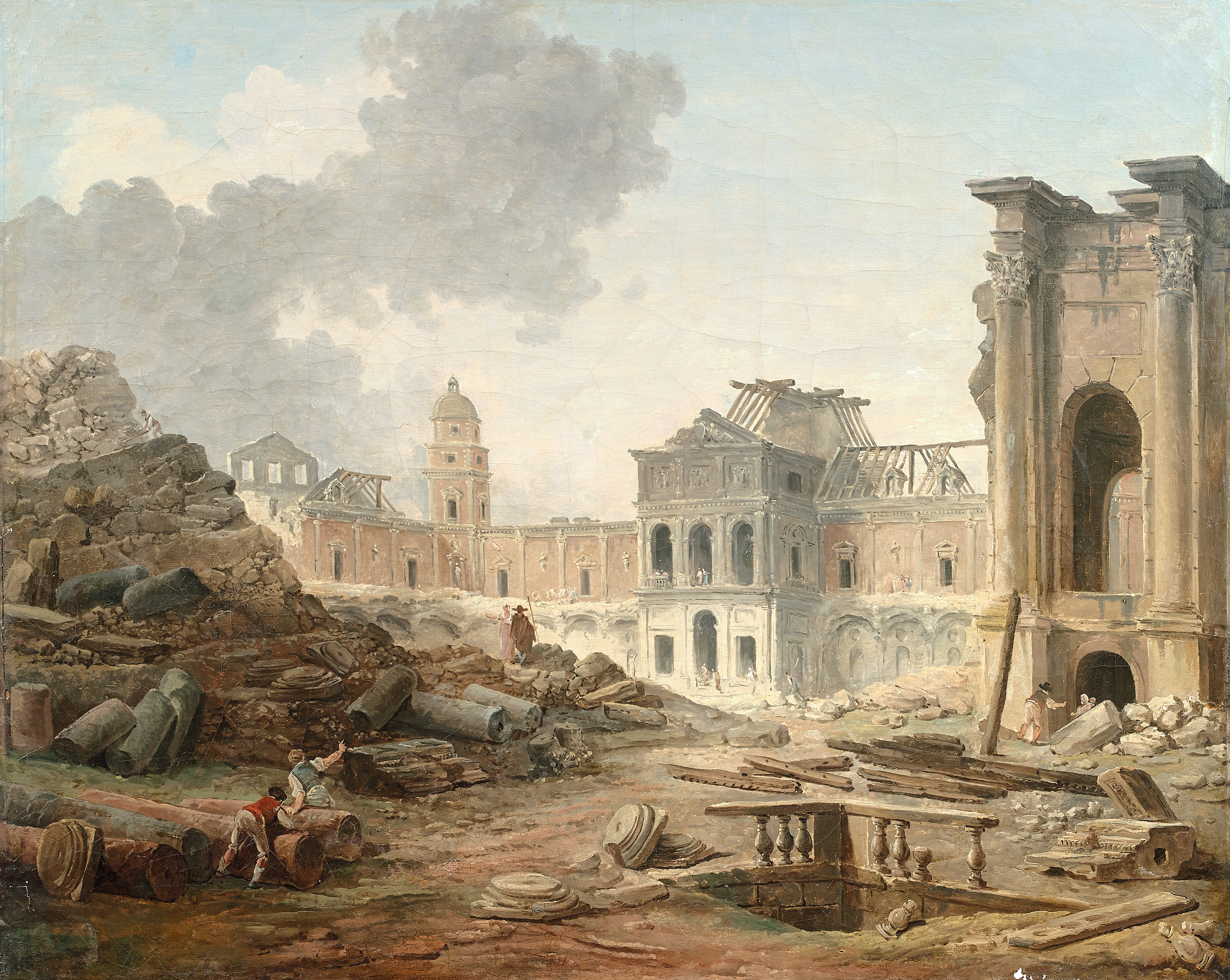
“Benjamin Franklin Drawing Electricity from the Sky” 1816 Benjamin West
Benjamin Franklin conducted his famous experiment with lightning on June 10, 1752.
He used a kite and a key to demonstrate that lightning was a form of electricity.
This experiment marked an important milestone in understanding the nature of electricity
and laid the foundation for the development of lightning rods and other lightning protection systems.
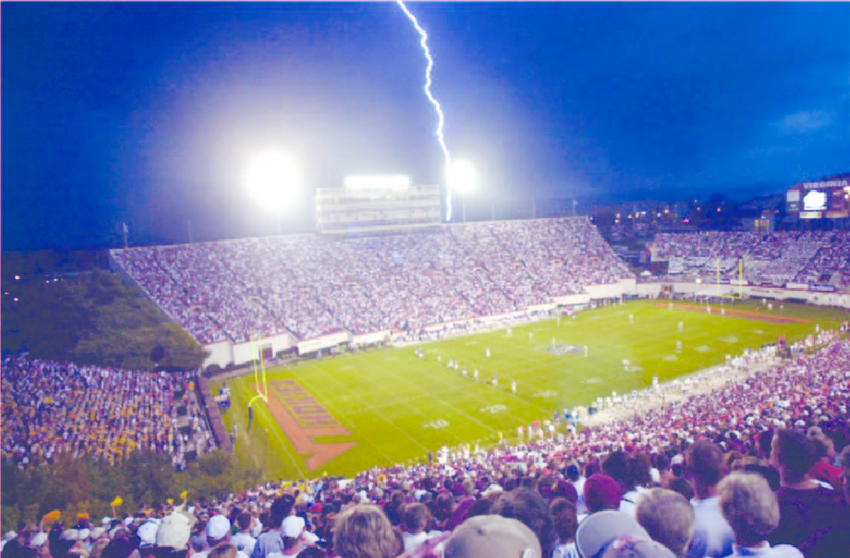
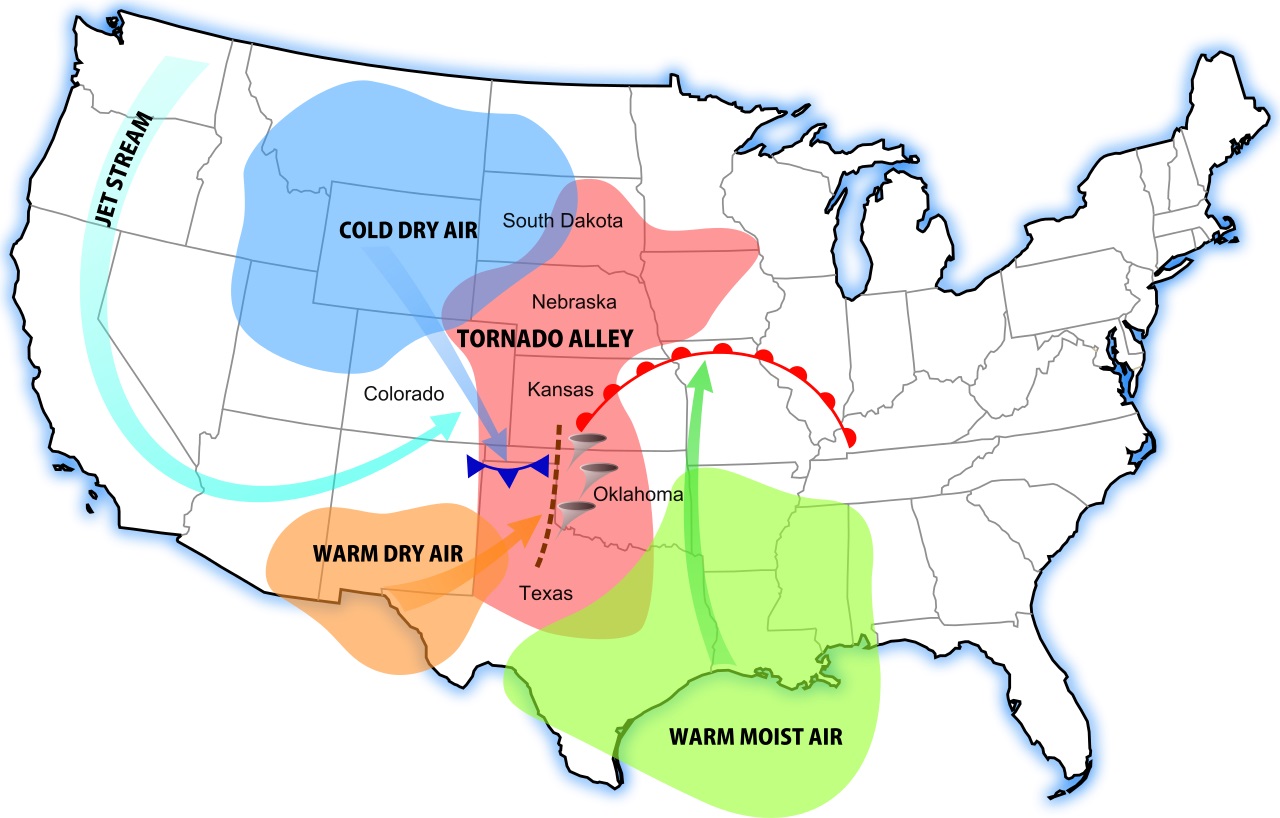
Seasonal extreme weather patterns in the United States, resulting in damages to education facilities and delays in outdoor athletic events — track meets; lacrosse games, swimming pool closures and the like — inspire a revisit of the relevant standards for the systems that contribute to safety from injury and physical damage to buildings: NFPA 780 Standard for the Installation of Lightning Protection Systems
This document shall cover traditional lightning protection system installation requirements for the following: (1) Ordinary structures (2) Miscellaneous structures and special occupancies (3) Heavy-duty stacks (4) Structures containing flammable vapors, flammable gases, or liquids with flammable vapors (5) Structures housing explosive materials (6) Wind turbines (7) Watercraft (8) Airfield lighting circuits (9) Solar arrays
This document shall address lightning protection of the structure but not the equipment or installation requirements for electric generating, transmission, and distribution systems except as given in Chapter 9 and Chapter 12.
(Electric generating facilities whose primary purpose is to generate electric power are excluded from this standard with regard to generation, transmission, and distribution of power. Most electrical utilities have standards covering the protection of their facilities and equipment. Installations not directly related to those areas and structures housing such installations can be protected against lightning by the provisions of this standard.)
This document shall not cover lightning protection system installation requirements for early streamer emission systems or charge dissipation systems.
“Down conductors” must be at least #2 AWG copper (0 AWG aluminum) for Class I materials in structures less than 75-ft in height
“Down conductors: must be at least 00 AWG copper (0000 AWG aluminum) for Class II Materials in structures greater than 75-ft in height.
Related grounding and bonding requirements appears in Chapters 2 and Chapter 3 of NFPA 70 National Electrical Code. This standard does not establish evacuation criteria.
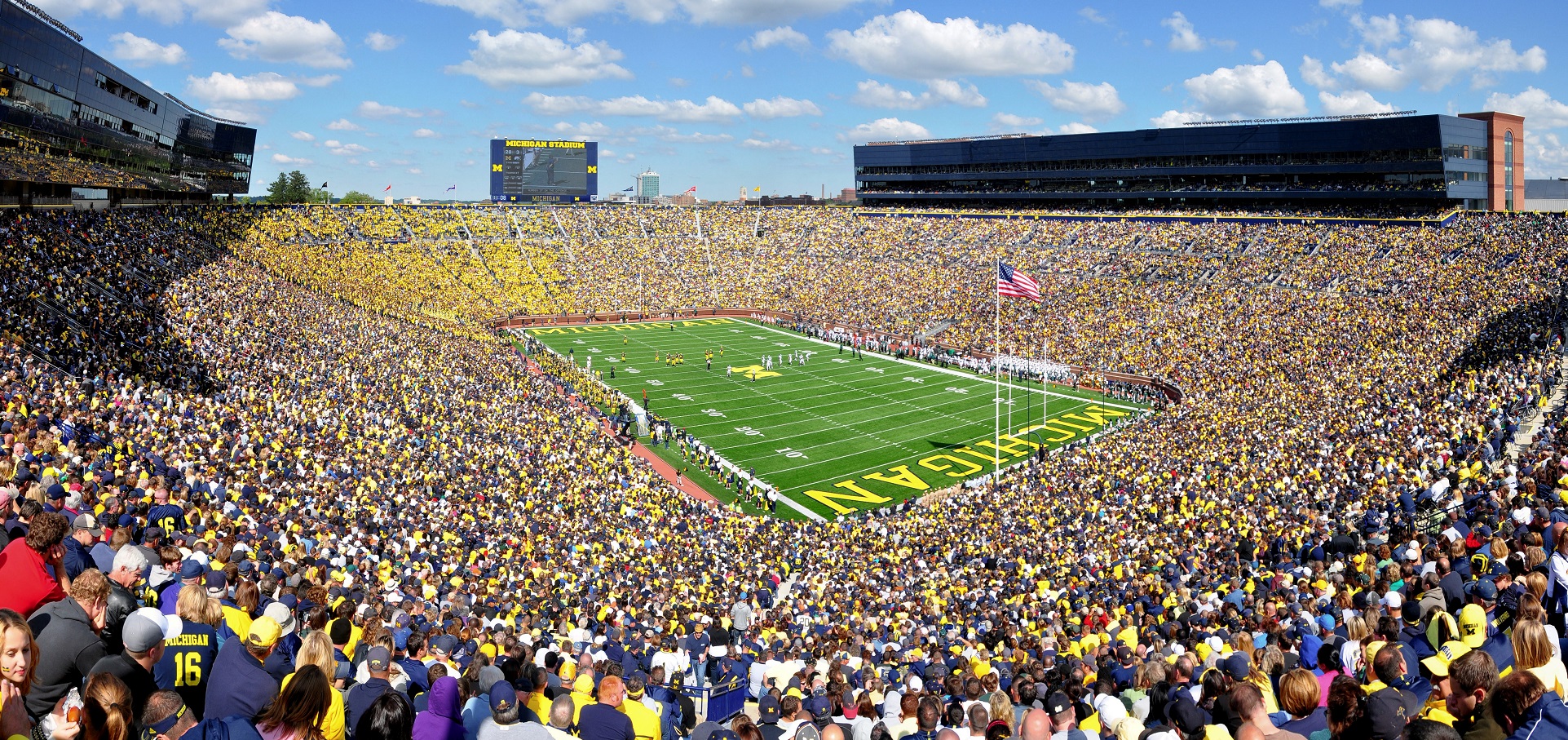
University of Michigan | Washtenaw County (Photo by Kai Petainen)
The current edition is dated 2023 and, from the transcripts, you can observe concern about solar power and early emission streamer technologies tracking through the committee decision making. Education communities have significant activity in wide-open spaces; hence our attention to technical specifics.
Public input on the 2026 revision is receivable until 1 June 2023.
We always encourage our colleagues to key in their own ideas into the NFPA public input facility (CLICK HERE). We maintain NFPA 780 on our Power colloquia which collaborates with IEEE four times monthly in European and American time zones. See our CALENDAR for the next online meeting; open to everyone.
Lightning flash density – 12 hourly averages over the year (NASA OTD/LIS) This shows that lightning is much more frequent in summer than in winter, and from noon to midnight compared to midnight to noon.
Issue: [14-105]
Category: Electrical, Telecommunication, Public Safety, Risk Management
Colleagues: Mike Anthony, Jim Harvey, Kane Howard
Didn't really plan for all possibilities, did they. 🤓
Churches and chapels are more susceptible to lightning damage due to their height and design. Consider:
Height: Taller structures are more likely to be struck by lightning because they are closer to the cloud base where lightning originates.
Location: If a church or chapel is situated in an area with frequent thunderstorms, it will have a higher likelihood of being struck by lightning.
Construction Materials: The materials used in the construction of the building can affect its vulnerability. Metal structures, for instance, can conduct lightning strikes more readily than non-metallic materials.
Proximity to Other Structures: If the church or chapel is located near other taller structures like trees, utility poles, or buildings, it could increase the chances of lightning seeking a path through these objects before reaching the building.
Lightning Protection Systems: Installing lightning rods and other lightning protection systems can help to divert lightning strikes away from the structure, reducing the risk of damage.
Maintenance: Regular maintenance of lightning protection systems is essential to ensure their effectiveness. Neglecting maintenance could result in increased susceptibility to lightning damage.
Historical Significance: Older buildings might lack modern lightning protection systems, making them more vulnerable to lightning strikes.
The risk can be mitigated by proper design, installation of lightning protection systems, and regular maintenance.
Blueberry pancakes have deep roots in the American Midwest, blending Native American traditions with 20th-century agricultural innovation. Indigenous peoples in the Great Lakes region had long used wild blueberries — abundant in Michigan, Wisconsin, and Illinois — as a nutritious food source, mixing them into cornmeal flatbreads and porridges. European settlers adopted these berries into their pancake recipes by the 19th century. However, blueberry pancakes as a widespread breakfast staple only emerged in the early 1900s. The breakthrough came after 1916, when commercial highbush blueberry cultivation began in New Jersey and quickly spread to Midwest states.
Happy #NationalFarmersDay! Thank you to the hard working Illinois farmers and ranchers who work to feed a hungry world.
Extension connects with ag workers every day to help solve problems by talking through options, collaborating on research, and exploring new technologies. pic.twitter.com/UiBAu9bD9a
Building, operating, and maintaining athletic scoreboards requires a range of technologies, including hardware and software components. These are central features in nearly every athletic event, governing the state of play and attendee response.
Scoreboard Hardware: A range of hardware components, including display panels, control consoles, sound systems, and wiring, is necessary to build an athletic scoreboard. While there are no universal standards for LED displays in athletic scoreboards, but there is a common vocabulary used by manufacturers and installers follow to ensure quality, performance, and safety:
Brightness and Contrast: LED displays should be bright enough to be visible from a distance, but not so bright that they cause glare or eye strain. The contrast ratio between the LED display and the surrounding environment should be optimized for visibility.
Pixel Density and Resolution: The pixel density and resolution of an LED display should be appropriate for the size of the scoreboard and the viewing distance. Higher pixel density and resolution can improve the clarity and detail of the scoreboard display.
Color Accuracy: Athletic scoreboards often display team colors and logos, so color accuracy is important. LED displays should be capable of reproducing colors accurately and consistently.
Refresh Rate: The refresh rate of an LED display refers to how quickly the display can update its image. A higher refresh rate can reduce motion blur and improve the clarity of fast-moving action on the scoreboard.
Environmental Factors: Athletic scoreboards are often exposed to outdoor elements such as sunlight, rain, and extreme temperatures. LED displays should be designed and manufactured to withstand these environmental factors and maintain their performance over time.
Safety: Athletic scoreboards should be designed and installed to minimize the risk of injury to players or spectators. This may include factors such as the height and location of the scoreboard, the durability of the display panels, and the strength of mounting hardware.
Wireless Communications: Many modern athletic scoreboards use wireless communication systems to connect the scoreboard control console to the scoreboard display. This allows for greater flexibility in installation and reduces the need for cabling.
LED Technology: LED technology has revolutionized athletic scoreboards in recent years. LED displays offer superior brightness, color accuracy, and energy efficiency compared to traditional scoreboards but must conform to local night-sky regulations.
Power Management Systems: Athletic scoreboards require significant amounts of power to operate, and efficient power management systems are necessary to ensure reliable and continuous operation. Maintaining temperatures — heating and cooling within specification — is a priority for maximum operable life.
Maintenance and Diagnostic Tools: To maintain and troubleshoot athletic scoreboards, specialized tools and software are necessary. This may include diagnostic software, specialized cables, and other testing equipment.
Overall, the technologies required to build, operate, and maintain athletic scoreboards are diverse and constantly evolving. A range of specialized hardware and software components, as well as skilled technicians, are necessary to ensure that athletic scoreboards remain functional and reliable.
Join us today at 11 AM/ET (15:00 UTC) when we review best practice literature. Open to everyone. Use the login credentials at the upper right of our home page. This topic is also tracked by experts in the IEEE Education & Healthcare Facilities Committee which meets online 4 times monthly in Central European and American time zones and is also open to everyone.
New update alert! The 2022 update to the Trademark Assignment Dataset is now available online. Find 1.29 million trademark assignments, involving 2.28 million unique trademark properties issued by the USPTO between March 1952 and January 2023: https://t.co/njrDAbSpwBpic.twitter.com/GkAXrHoQ9T














_-_Benjamin_Franklin_Drawing_Electricity_from_the_Sky_-_Google_Art_Project.jpg)