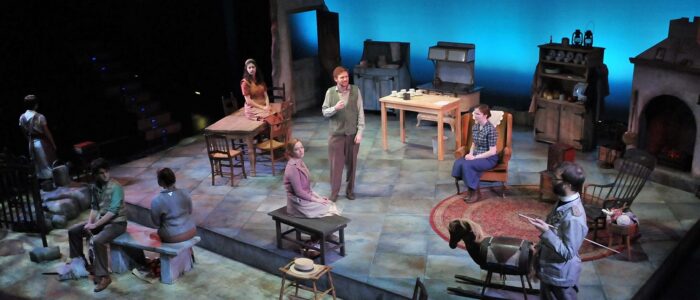
“ I think that the theater is the initial glamorizer of thought; where it can be told – without too much disguise but without too much directness either – the secrets, and thereby its antipathies and sympathies – the secrets and the knowledge of the human heart…
…I think that makes the art of the theater as important as the doctor or the psychologist or the Minister…
…I think it’s vitally important that the world knows itself and I think the theater is one of the most immediate means of expression towards that end…”
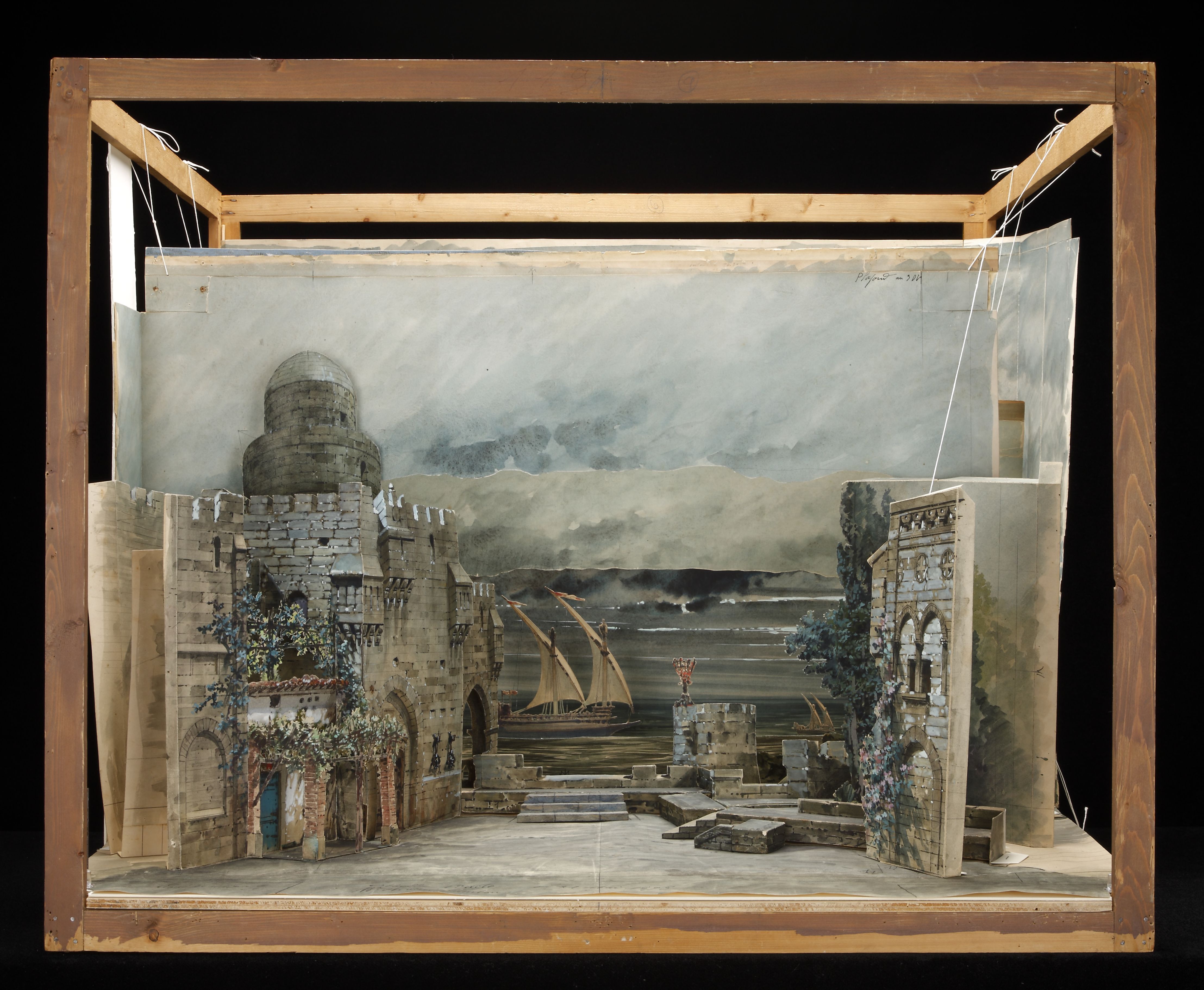
Set design model by Marcel Jambon for an 1895 Paris production of Giuseppe Verdi’s Otello
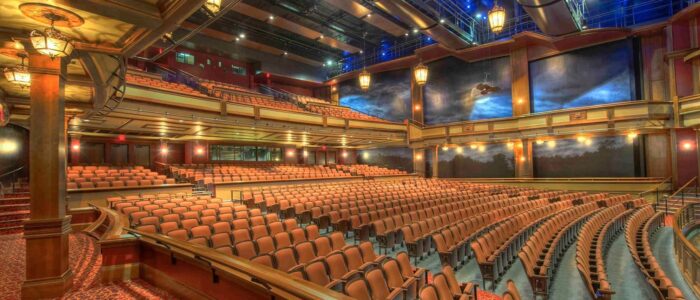
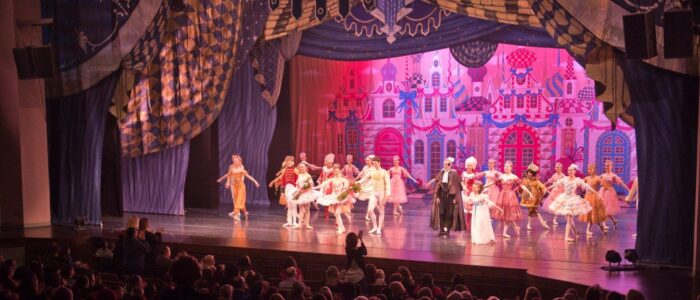
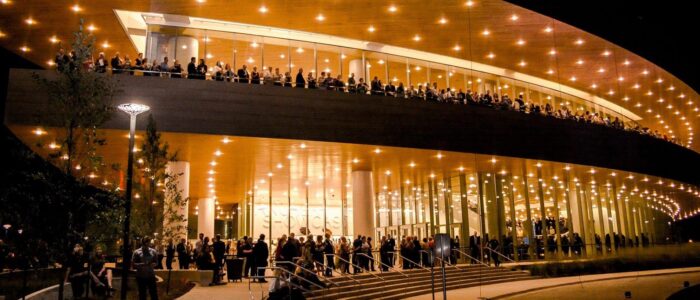
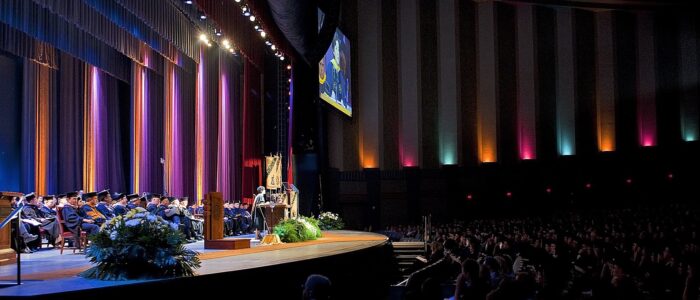
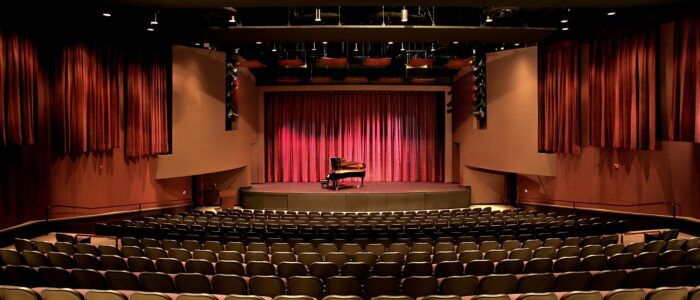
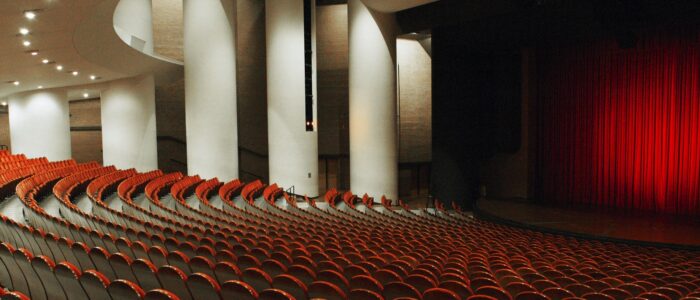
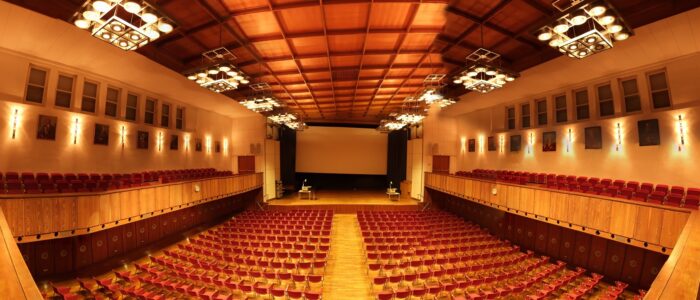
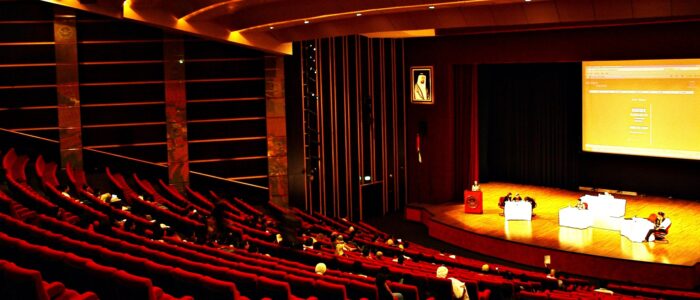
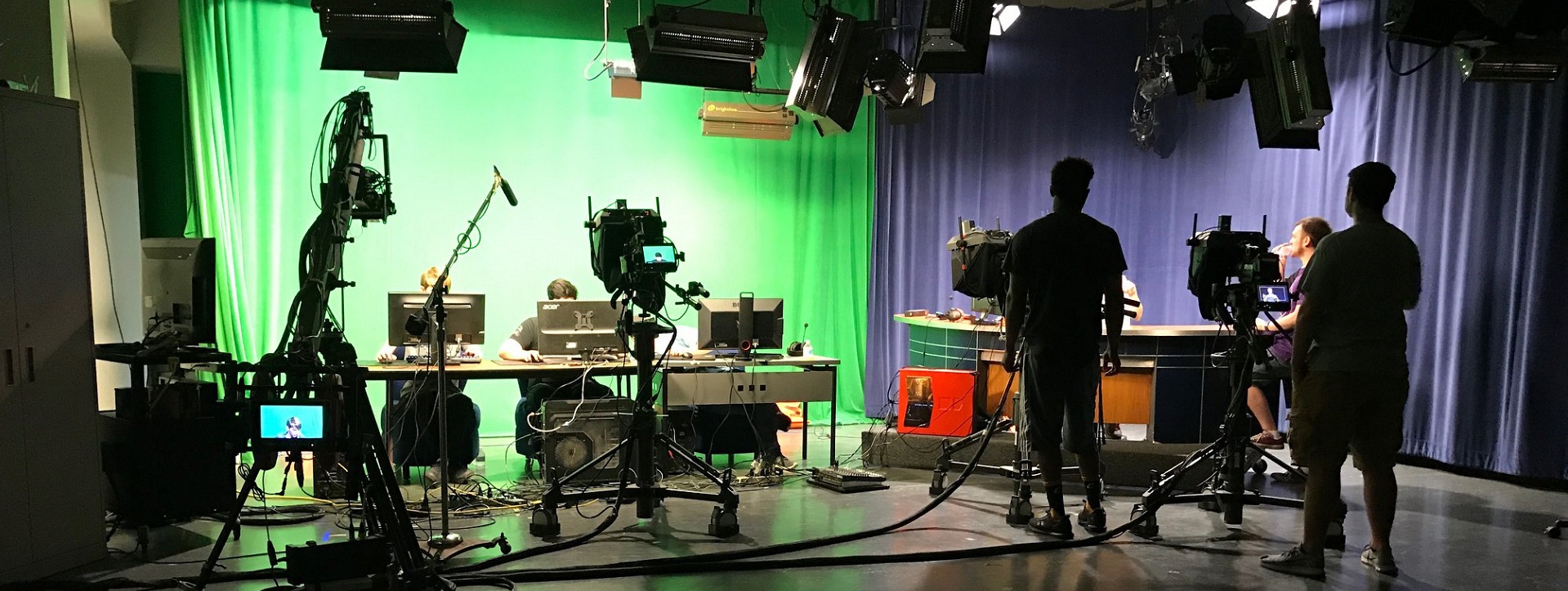
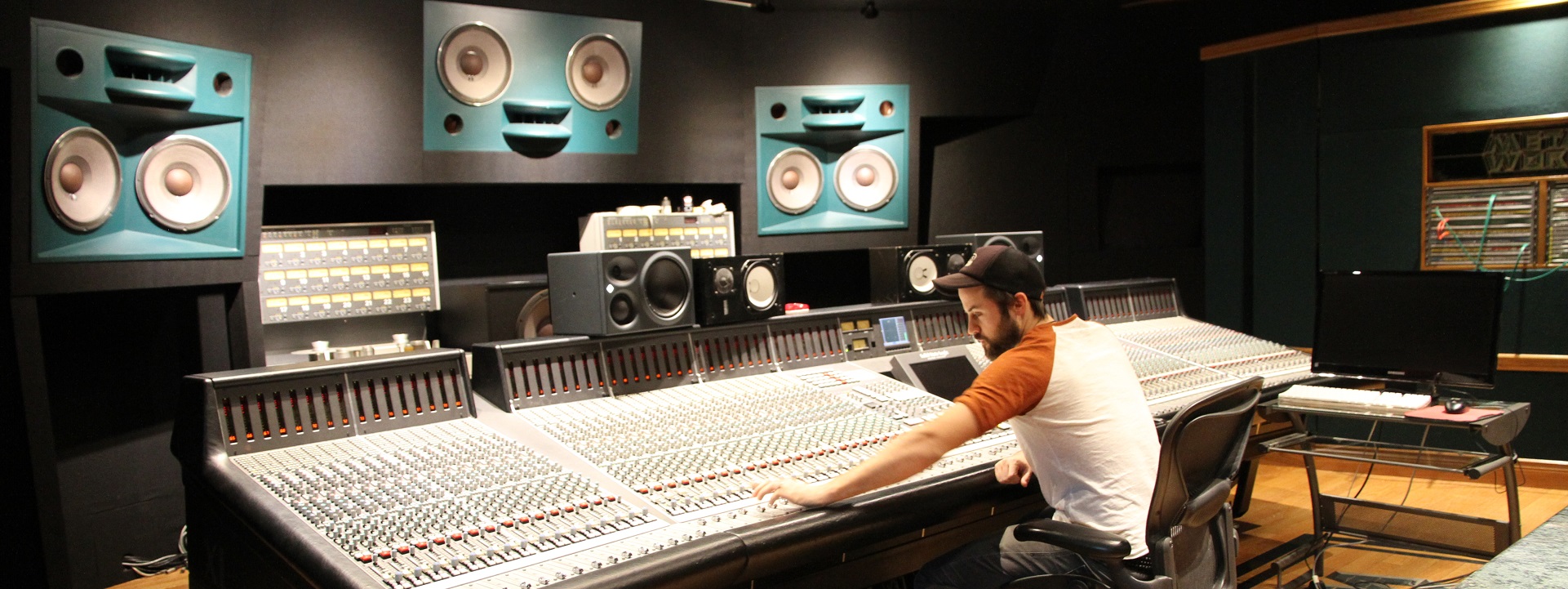
Demand for live events in college towns — what is now called “entertainment content” — is gathering pace; owed somewhat to an older demographic that prefers expanded social interaction to the online entertainment offerings that the younger demographic prefers*. We see an expansion of the market in the construction of architecturally astonishing buildings; though the circumstances of pandemic has changed everything.
Today our interest lies in the complex safety and sustainability characteristics of the physical infrastructure — with particular interest in the fire protection, environmental air and electrotechnologies required to make them safe and sustainable. This facility class is far more complicated technologically and operates at significantly higher risk than, say, classrooms or office space.
The Entertainment Services and Technology Association is one of the first names in trade associations that support the ‘business of show business’ through networking, safe practices, education, and representation. We follow the standards making activity of its technical committees and monitor public commenting opportunities. ESTA releases markups of its consensus products for public comment at a fairly brisk pace on its standards development landing page:
You may obtain an electronic copy at the link above, along with a comment form. Send your comments to Karl Ruling, (212) 244-1505, standards@esta.org with an optional copy to psa@ansi.org). We encourage our colleagues in school districts and in colleges and universities large and small; with responsibilities for the safety and sustainability of cultural resource properties, media centers, performance venues to participate in the ESTA technical standards development program.
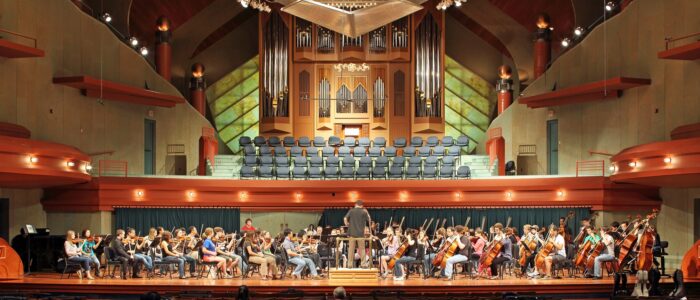
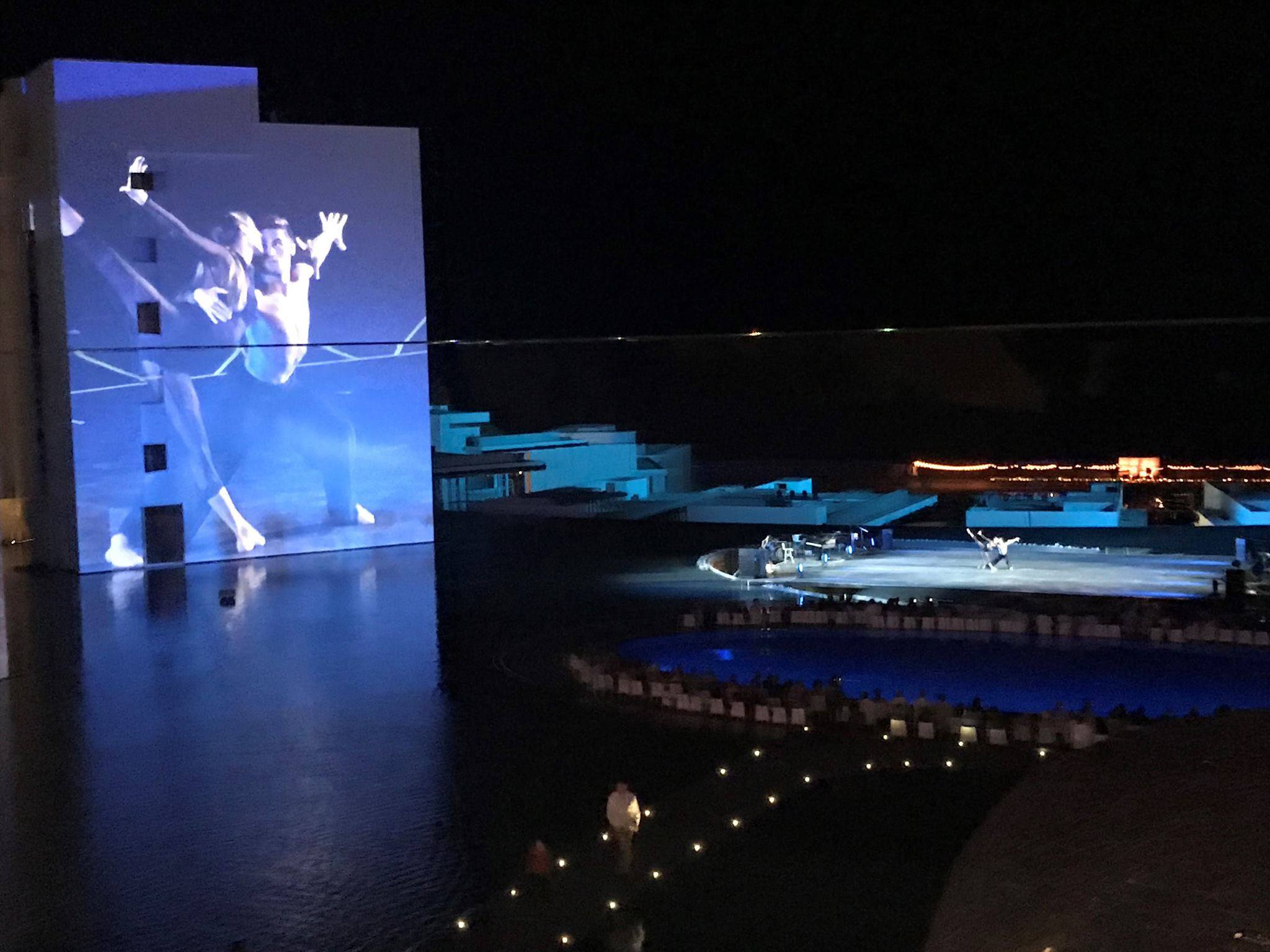
Glorya Kaufman School of Dance / University of Southern California
We keep the ESTA suite on the standing agenda of our Lively Arts colloquia; open to everyone. See our CALENDAR for the next online meeting.
Since the electrotechnologies for the lively arts have evolved into complex, interoperable systems we also collaborate with the IEEE Education & Healthcare Facilities Committee on technical specifics. That committee meets online four times per month in European and American time zones.
“We’re all actors: We all play different roles in different situations.”
Marlon Brando
Issue: [Various]
Category: Electrical, Infotech, Lively Arts,
Colleagues: Mike Anthony, Christine Fischer, Mike Hiler, Nehad El-Sherif
Education communities in every nation provide a locus for community cultural art production, enjoyment and instruction. It is both a consumer and producer; with the expansion of massive open online curricula drawing from the best practices conveyed from the visual arts.
One of the first names in this domain is the Society of Motion Picture and Television Engineers that support the technical framework and global professional community that makes motion picture, television and professional media available for all humanity to enjoy for artistic, educational and social purposes. The landing pages for its standards development enterprise are linked below:
We maintain SMPTE titles on the standing agenda of our Lively Arts, Power, Fine Art and Infotech colloquia. We also collaborate with the IEEE Education & Healthcare Facilities Committee which meets 4 times monthly in European and American time zones. See our CALENDAR for the next online meetings; open to everyone.
Issue: [Various]
Category: Academics, Seven Lively Arts Facilities, Electrical, Telecommunication
Contact: Mike Anthony, Sanne Clare Anthony, Jim Harvey, Richard Robben
“If anyone sins because they do not speak up when they hear a public charge to testify regarding something they have seen or learned about, they will be held responsible.” — Leviticus 5:1
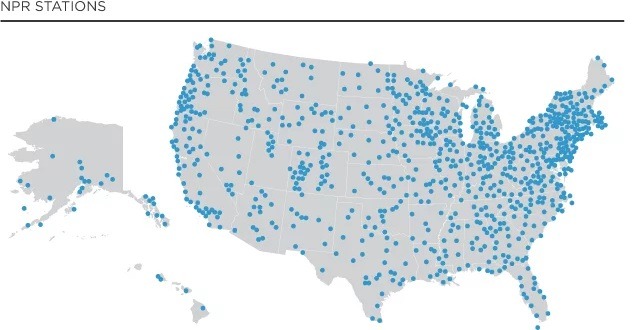
To what degree does the endless and, frankly shameless, on-air fundraising by an organization with widely tolerated bias constitute de facto political fundraising for the Democratic Party? In Southeastern Michigan — in less than a 50 mile region — you can hear the same NPR “content” from six different universities: Ann Arbor, Ypsilanti, Toledo, Detroit, East Lansing, and Flint.
NPR CEO Katherine Maher was a no-show at the House Oversight Subcommittee Hearing
Related:
This is a clear and blatant effort to evade the FCC’s Equal Time rule.
The purpose of the rule is to avoid exactly this type of biased and partisan conduct – a licensed broadcaster using the public airwaves to exert its influence for one candidate on the eve of an election.… https://t.co/LliZF0po9t
National Public Radio follows guidelines and best practices when conducting fundraising campaigns, but they’re not so much strict “rules” as they are principles and standards upheld by NPR and its member stations. Here are some common practices and considerations:
Transparency: NPR and its member stations are typically transparent about their funding needs and where the money goes. They often provide detailed breakdowns of their budgets and expenses.
Ethical Solicitation: Fundraising efforts should be conducted ethically and in accordance with NPR’s values. This means avoiding misleading tactics and being honest about the need for funding.
Listener Support: NPR often emphasizes the importance of listener support in funding their programming. They encourage individuals to contribute at various levels, often with incentives like member benefits.
Corporate Sponsorship: NPR also receives funding from corporate sponsors, “but they are careful to maintain editorial independence.” Sponsored content is clearly labeled, and NPR maintains strict guidelines to ensure that sponsors do not influence editorial decisions.
Member Stations: NPR member stations across the country conduct their own fundraising campaigns, often in conjunction with national NPR campaigns. These stations rely heavily on listener support and may have their own guidelines and practices.
Regulatory Compliance: NPR and its member stations must comply with relevant laws and regulations governing fundraising, including those related to nonprofit organizations and broadcasting.
Stewardship: NPR and its member stations typically prioritize stewardship of donor funds, ensuring that donations are used effectively and efficiently to support their mission and programming.
While there may not be hard and fast rules for NPR fundraising, adherence to these principles helps maintain trust with listeners and supporters.
To become a National Public Radio (NPR) member station or broadcaster, certain criteria must be met. NPR is a mission-driven organization that partners with independently owned and operated public radio stations across the United States to deliver its programming. Here are the typical criteria for becoming an NPR member station:
Nonprofit Status: NPR member stations must be nonprofit organizations, often affiliated with universities, community organizations, or governmental bodies.
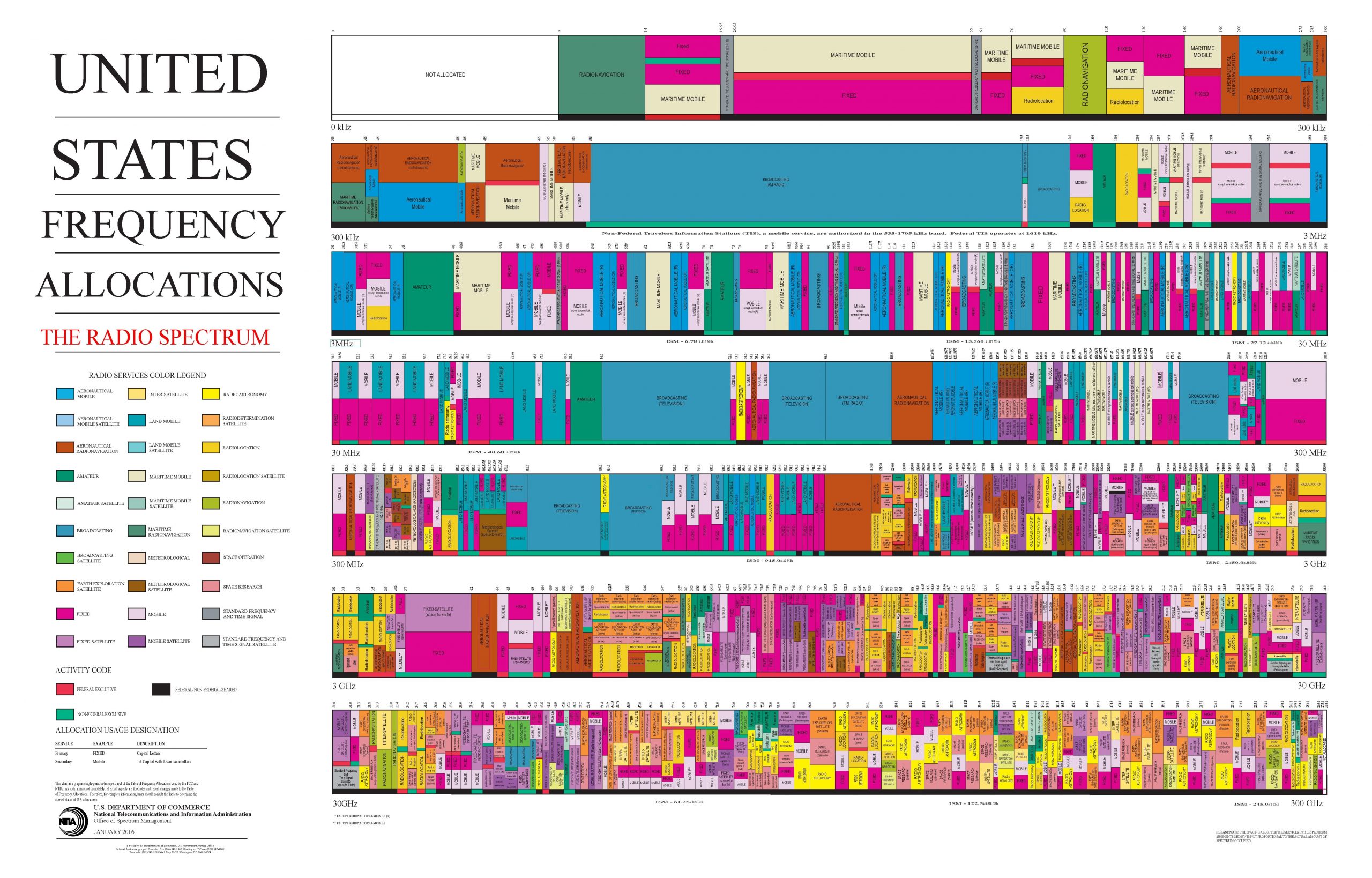
Broadcast License: Stations must hold a valid broadcast license issued by the Federal Communications Commission (FCC) in the United States. This license authorizes the station to broadcast on a specific frequency within a designated geographic area.
Commitment to NPR’s Mission: Member stations are expected to share NPR’s mission of providing high-quality, non-commercial programming that serves the public interest. This includes delivering news, cultural content, and educational programming to their local communities.
Financial Stability: Stations must demonstrate financial stability and viability to ensure they can fulfill their commitments to NPR and their local communities over the long term.
Technical Requirements: Stations must meet certain technical requirements to ensure they can receive and broadcast NPR programming effectively. This includes having appropriate transmission equipment and meeting FCC regulations for broadcast quality and coverage.
Membership Dues: Member stations are required to pay annual membership dues to NPR, which help support NPR’s operations and programming.
Compliance with NPR Policies: Stations must adhere to NPR’s policies and guidelines regarding programming standards, ethics, and editorial independence.
Community Engagement: NPR values stations that are actively engaged with their local communities, including through outreach, events, and partnerships with local organizations.
Programming Commitment: Member stations are expected to broadcast a significant portion of NPR programming, including flagship shows like “Morning Edition” and “All Things Considered,” as well as other NPR-produced content.
Commitment to Diversity, Equity, and Inclusion: NPR values diversity in its member stations and encourages stations to reflect the diversity of their communities in their programming and staffing.
Overall, becoming an NPR member station involves a combination of legal, financial, technical, and cultural considerations, all aimed at supporting NPR’s mission of providing high-quality public radio programming to audiences across the United States.
A significant portion of NPR member stations are associated with universities or colleges. These stations are often operated by the educational institution’s media departments or affiliated broadcasting organizations. They serve as valuable training grounds for students studying journalism, communications, broadcasting, and related fields.
While the exact number of NPR member stations associated with universities or colleges may vary over time, it’s safe to say that a substantial portion of the network falls into this category. Many universities and colleges across the United States operate their own radio stations, and a portion of these stations choose to affiliate with NPR to access its programming and resources.
National Public Radio (NPR) member stations are permitted to transmit from facilities supported by federally funded colleges or universities, as many are licensed as noncommercial educational (NCE) stations under the Federal Communications Commission (FCC). These stations, often operated by or affiliated with public colleges and universities, meet FCC requirements for NCE licenses, which allow them to broadcast educational and cultural programming without commercial advertisements.
Key Points:NCE Licensing: NPR member stations are typically licensed as NCE stations, which can be owned or operated by nonprofit entities, including public colleges and universities. These institutions often receive federal funding, and their facilities (e.g., campus buildings or transmission equipment) can be used for broadcasting.
Funding Structure: Stations affiliated with colleges or universities may receive funding from the institution, listener contributions, corporate underwriting, and federal grants via the Corporation for Public Broadcasting (CPB). Federal funding, while a small portion (e.g., ~10% of public radio revenue), is often channeled through CPB to support station operations.
Examples: Many NPR member stations, such as WBEZ (operated by Chicago Public Media but affiliated with educational institutions) or KUT (operated by the University of Texas), transmit from university-supported facilities. Approximately half of NPR’s member stations are affiliated with colleges, sometimes operating directly from campus facilities.
FCC Regulations: The FCC allows NCE stations to broadcast from such facilities as long as they adhere to noncommercial guidelines, prohibiting promotional advertisements for for-profit entities while permitting donor acknowledgments.
Impact of Federal Funding Cuts: Recent reductions in federal funding for public media, as reported in 2025, may strain these stations, particularly those reliant on university support, as budget-strapped institutions face additional financial pressures.
There are no explicit FCC restrictions preventing NPR stations from using federally funded college or university facilities, provided they comply with NCE regulations.
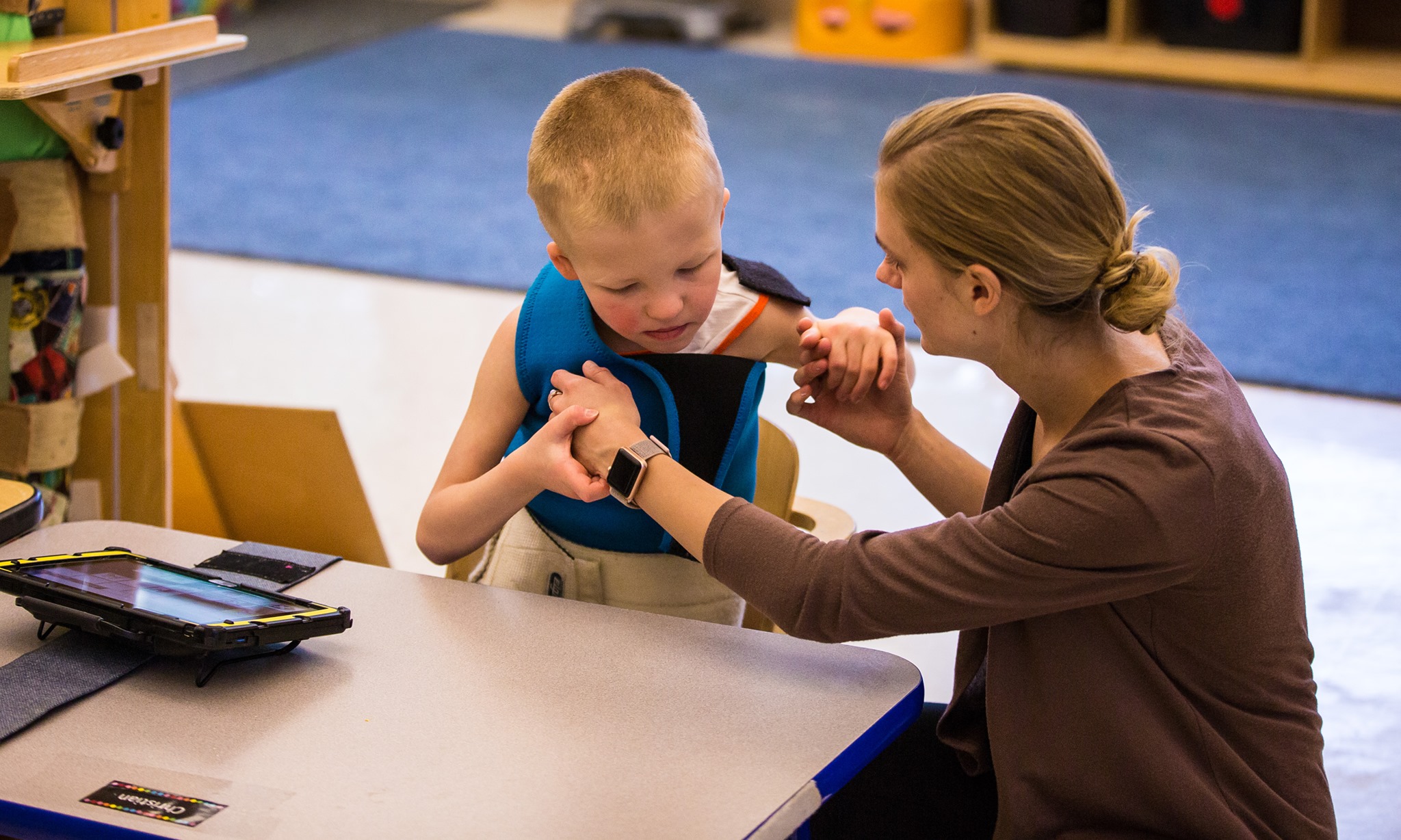
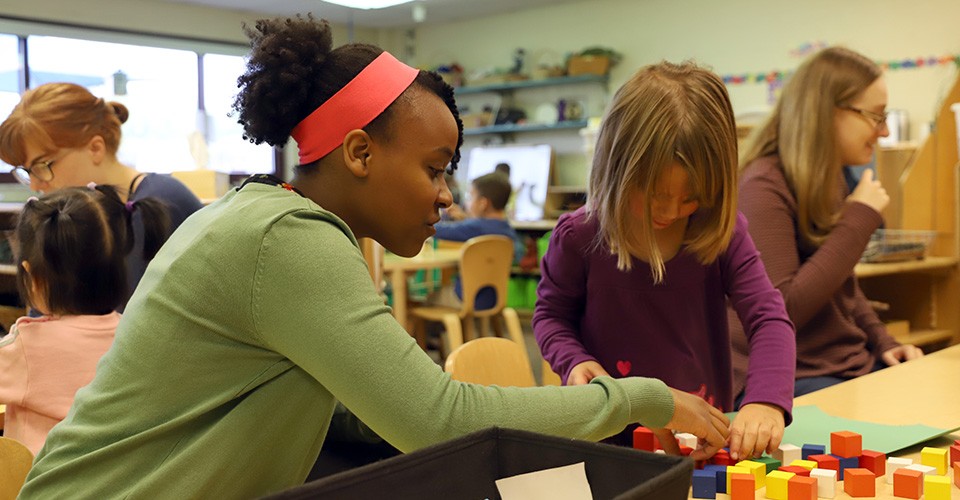
Here is a list of key Standards Development Organizations (SDOs) and related bodies that develop or maintain facility safety, accessibility, and sustainability standards applicable to K-12 schools, including those serving special education students. These organizations create voluntary consensus standards, codes, and guidelines. Special education facilities emphasize accessibility (mobility, sensory, etc.), safety (egress, fire protection, security), and sustainability (energy efficiency, indoor air quality, resilience). Many of these standards are adopted into building codes or used as best practices.
International Code Council (ICC) Develops the International Building Code (IBC), International Fire Code (IFC), International Mechanical Code, and International Green Construction Code (IgCC). Includes provisions for educational occupancies, accessibility (via ICC A117.1), and safety features relevant to special education classrooms. Website:www.iccsafe.org
National Fire Protection Association (NFPA) Develops NFPA 101 (Life Safety Code) and NFPA 5000 (Building Construction and Safety Code). Covers fire safety, emergency planning, and provisions for occupants with disabilities. Website:www.nfpa.org
American National Standards Institute (ANSI) Accredits many SDOs and publishes standards like ANSI/ICC A117.1 (Accessible and Usable Buildings and Facilities). Critical for accessibility in special education spaces. Website:www.ansi.org
ASHRAE (American Society of Heating, Refrigerating and Air-Conditioning Engineers) Develops standards for indoor air quality (ASHRAE 62.1), energy efficiency (ASHRAE 90.1), and thermal comfort. Highly relevant for healthy learning environments in special education. Website:www.ashrae.org
U.S. Green Building Council (USGBC) / LEED Administers LEED for Schools rating system. Focuses on sustainability, energy, water, materials, and indoor environmental quality. Website:www.usgbc.org
Collaborative for High Performance Schools (CHPS) Develops the CHPS Criteria and rating system specifically for K-12 schools. Emphasizes health, safety, accessibility, and sustainability ideal for inclusive/special education environments. Website:www.chps.net
Other Notable Organizations and Guidelines
International Association of Accessibility Professionals (IAAP) and U.S. Access Board: Develop federal ADA Standards and guidelines for accessible design in schools.
ASTM International: Standards for materials, testing, and safety features.
Partner Alliance for Safer Schools (PASS): K-12-specific safety and security guidelines.
Additional Context
The Americans with Disabilities Act (ADA) and Individuals with Disabilities Education Act (IDEA) require accessible facilities; these reference the standards above. Many states adopt ICC/NFPA codes with amendments for schools and special education (e.g., universal design, sensory rooms). U.S. Access Board (ADA), ASTM International, and Partner Alliance for Safer Schools (PASS).
Western Michigan University (WMU, Kalamazoo) — Expedited MA programs and bachelor’s/master’s in areas like Autism Spectrum Disorder, Emotional Impairment, Learning Disabilities.
Alma College (Alma) — BA in Special Education; expedited programs in Learning Disabilities, Cognitive Impairment, Emotional Impairment. Para-to-Pro pathway.
Others: Grand Valley State University, Northern Michigan University, University of Michigan-Ann Arbor/Dearborn, Madonna University, Spring Arbor University, etc.
New update alert! The 2022 update to the Trademark Assignment Dataset is now available online. Find 1.29 million trademark assignments, involving 2.28 million unique trademark properties issued by the USPTO between March 1952 and January 2023: https://t.co/njrDAbSpwBpic.twitter.com/GkAXrHoQ9T