Abstract. Insights into the history and future of western civilization are found by applying information theory to the acoustical communication channel (ACC) of its worship spaces. Properties of the ACC have both influenced and reflected the choice of message coding (e.g., speech or music) at various times. Speech coding is efficient for acoustically dry ACCs, but hopeless for highly time-dispersive ACCs. Music coding is appropriate for time dispersive (reverberant) ACCs. The ACCs of synagogues, early Christian house churches, and many Protestant churches are relatively acoustically “dry” and thus well suited to spoken liturgies.
The spoken liturgy, dominant in synagogues, was carried over to early Christian churches, but became unworkable in Constantinian cathedrals and was largely replaced with a musical liturgy. After a millennium, the cathedral acoustic was altered to suit the doctrinal needs of reformation churches with its renewed emphasis on the spoken word. Worship forms continue to change, and the changes are reflected in the properties of the ACC. The pulpits of electronic churches may be evolving into radio and television performance spaces and naves into worshipers’ living rooms.
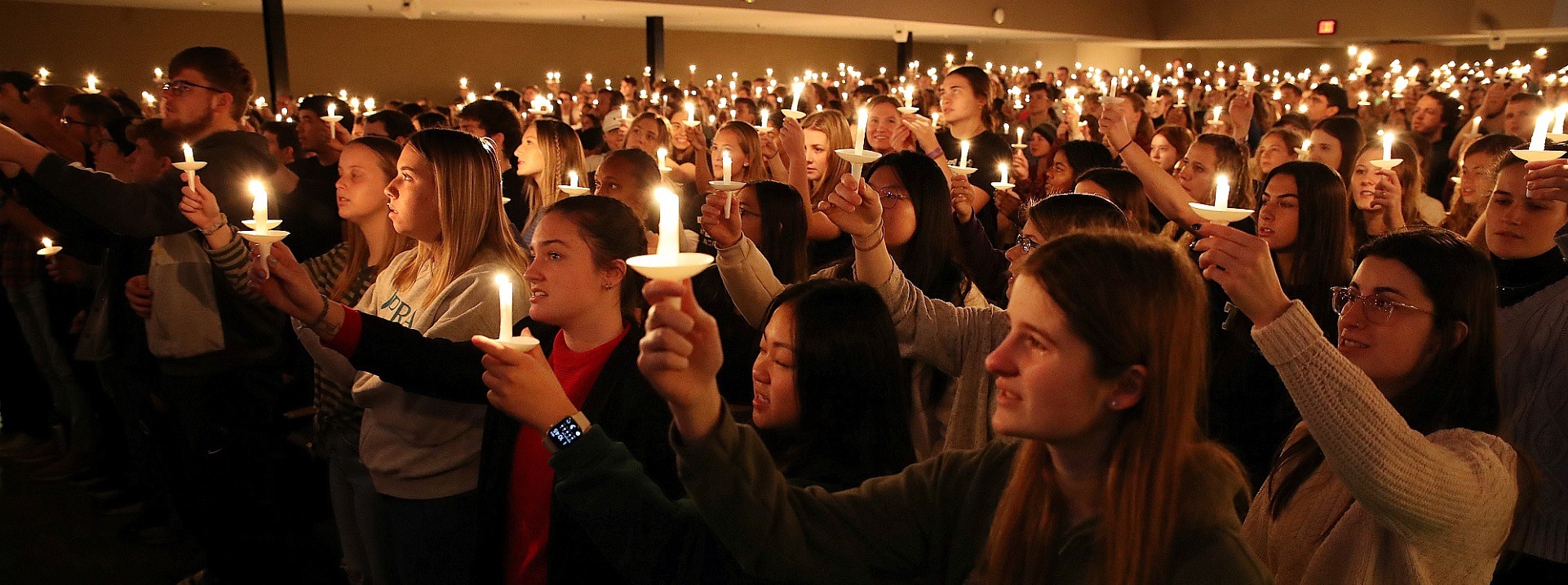
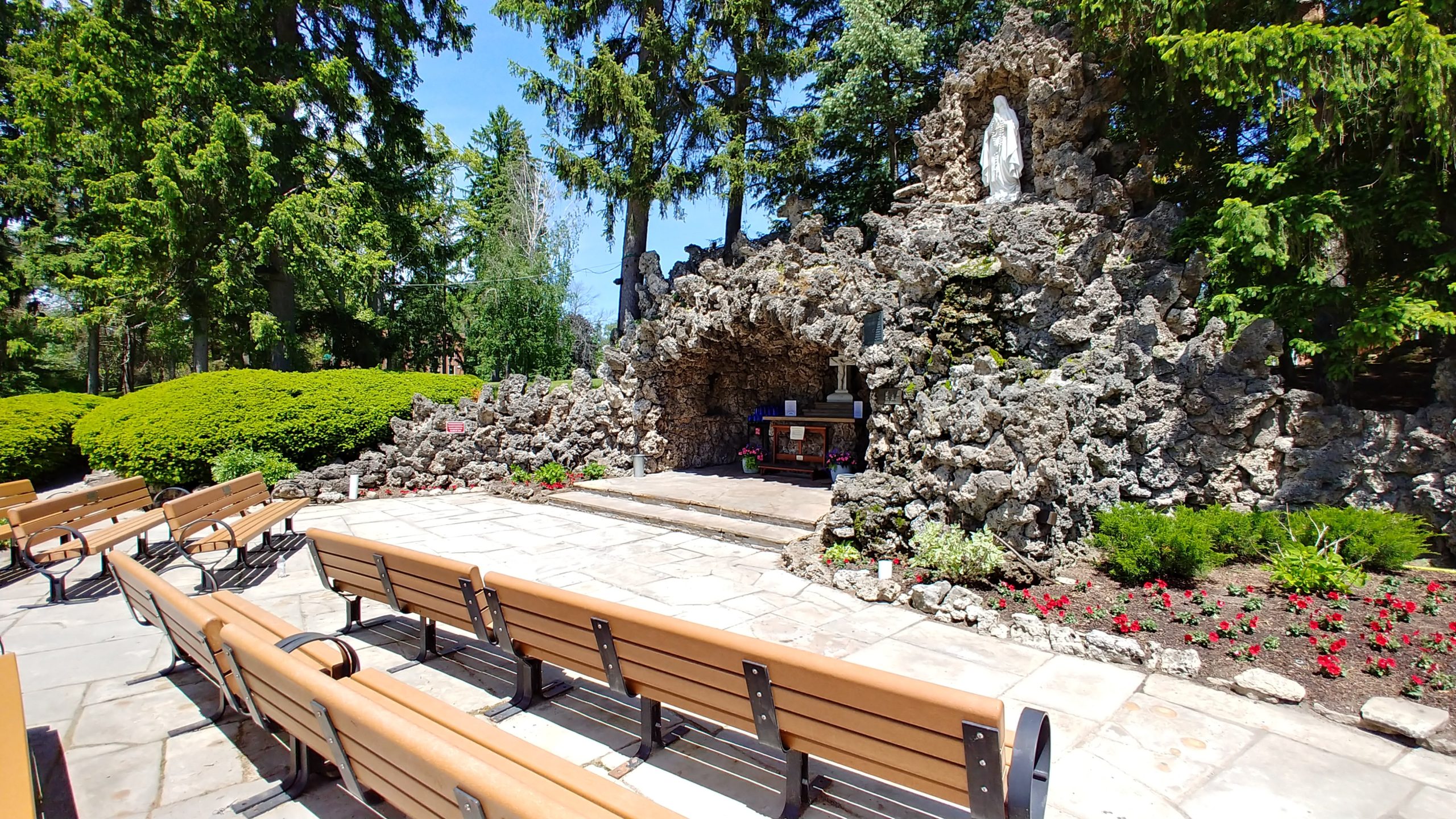
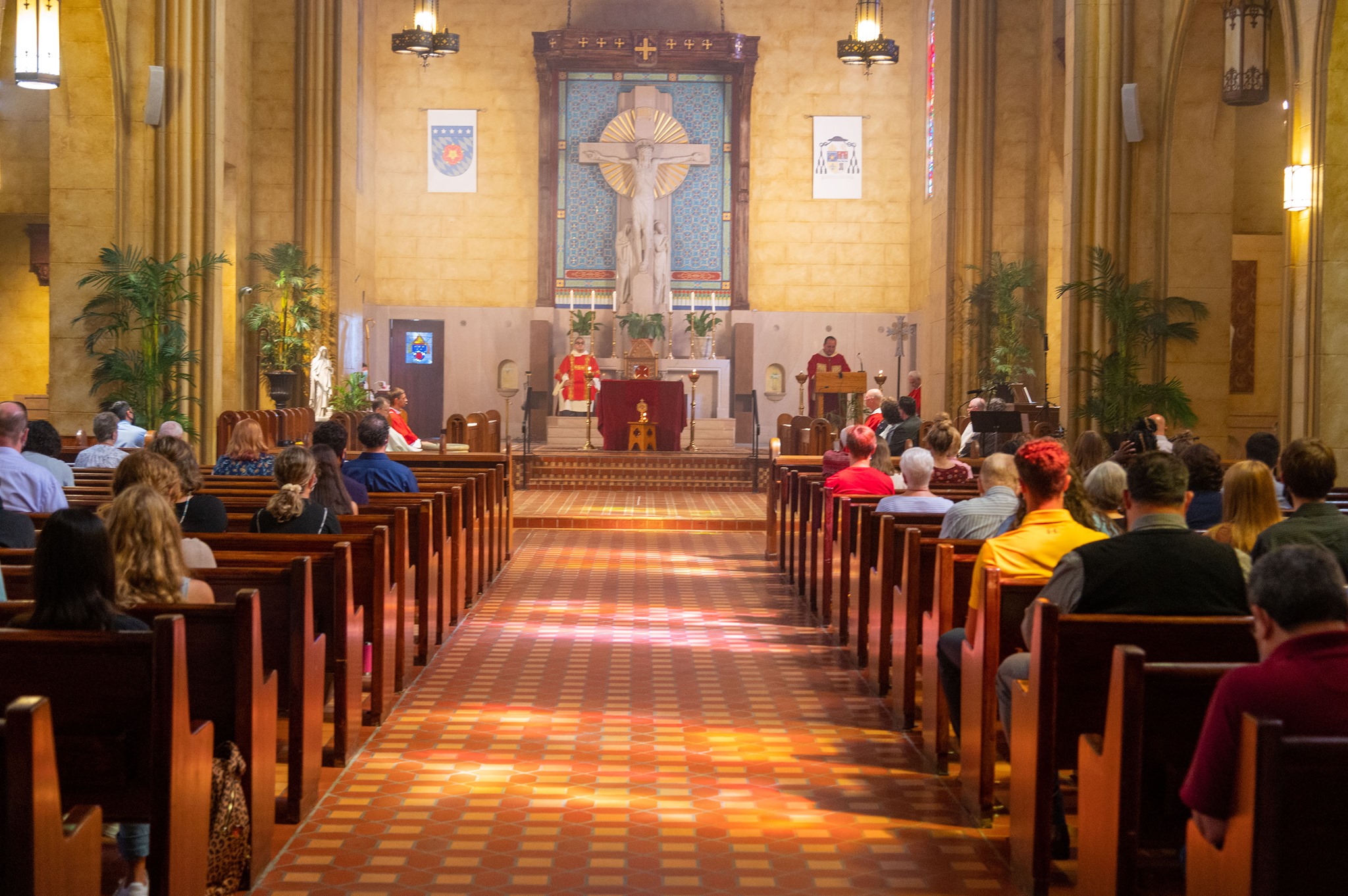
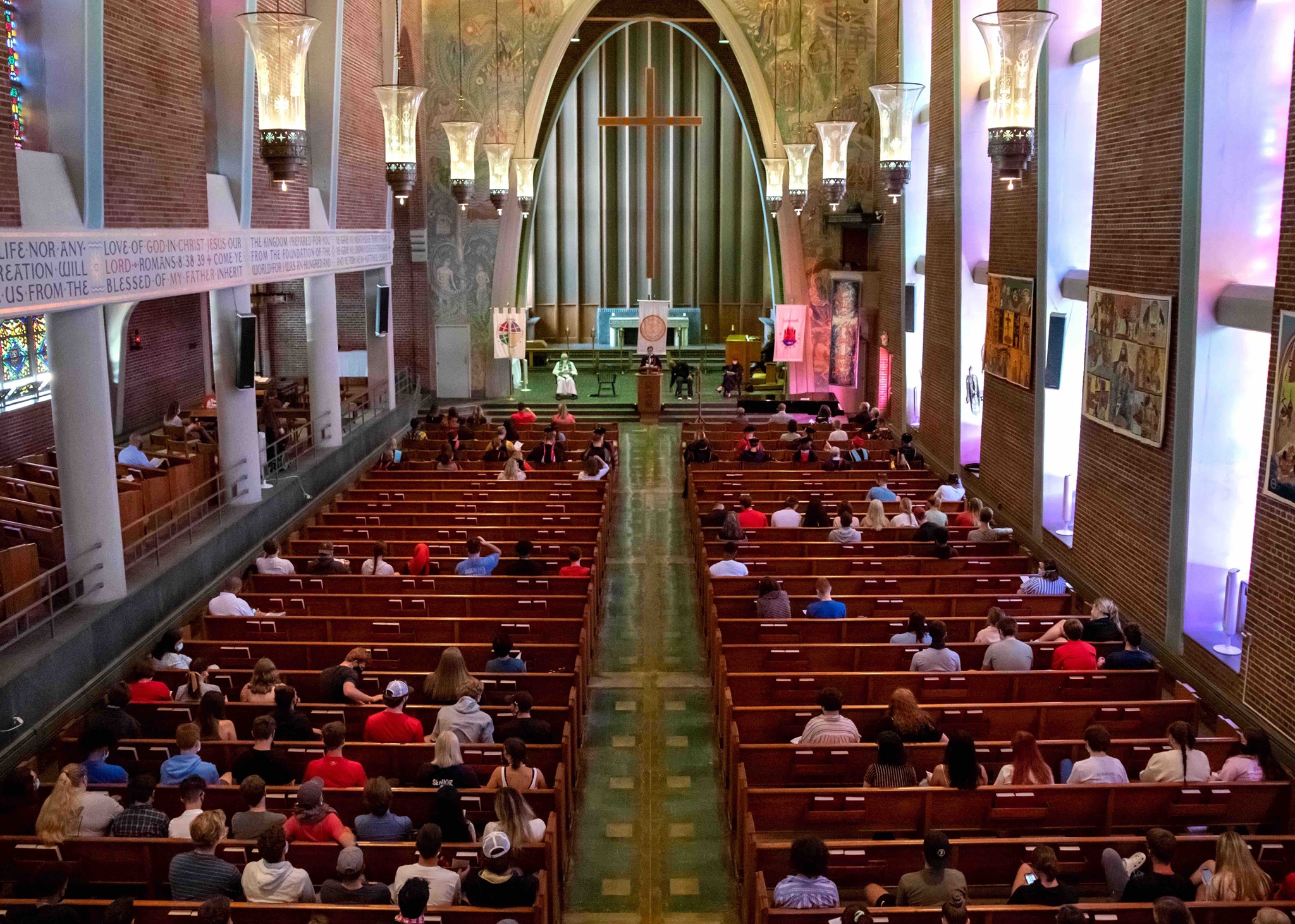
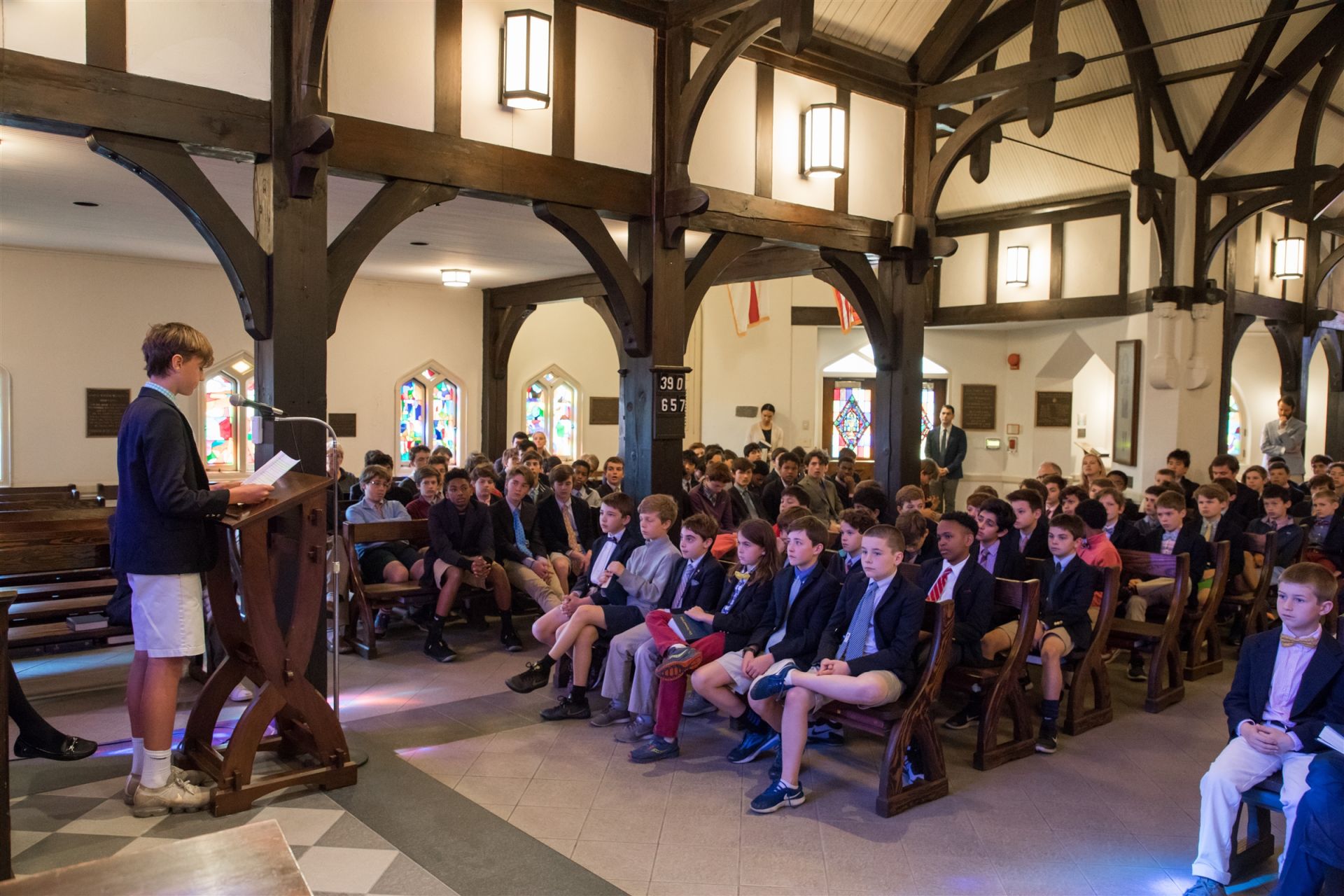
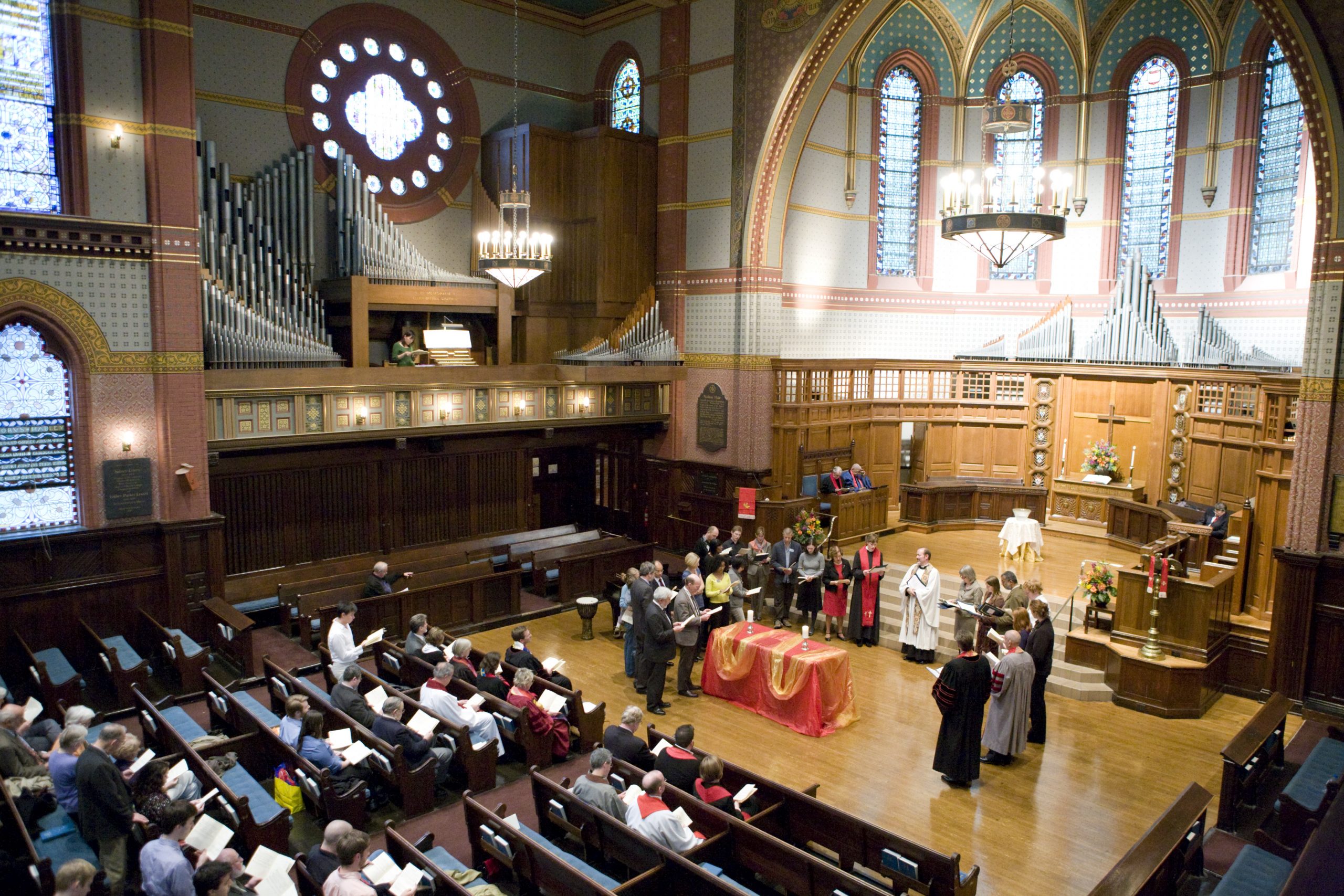
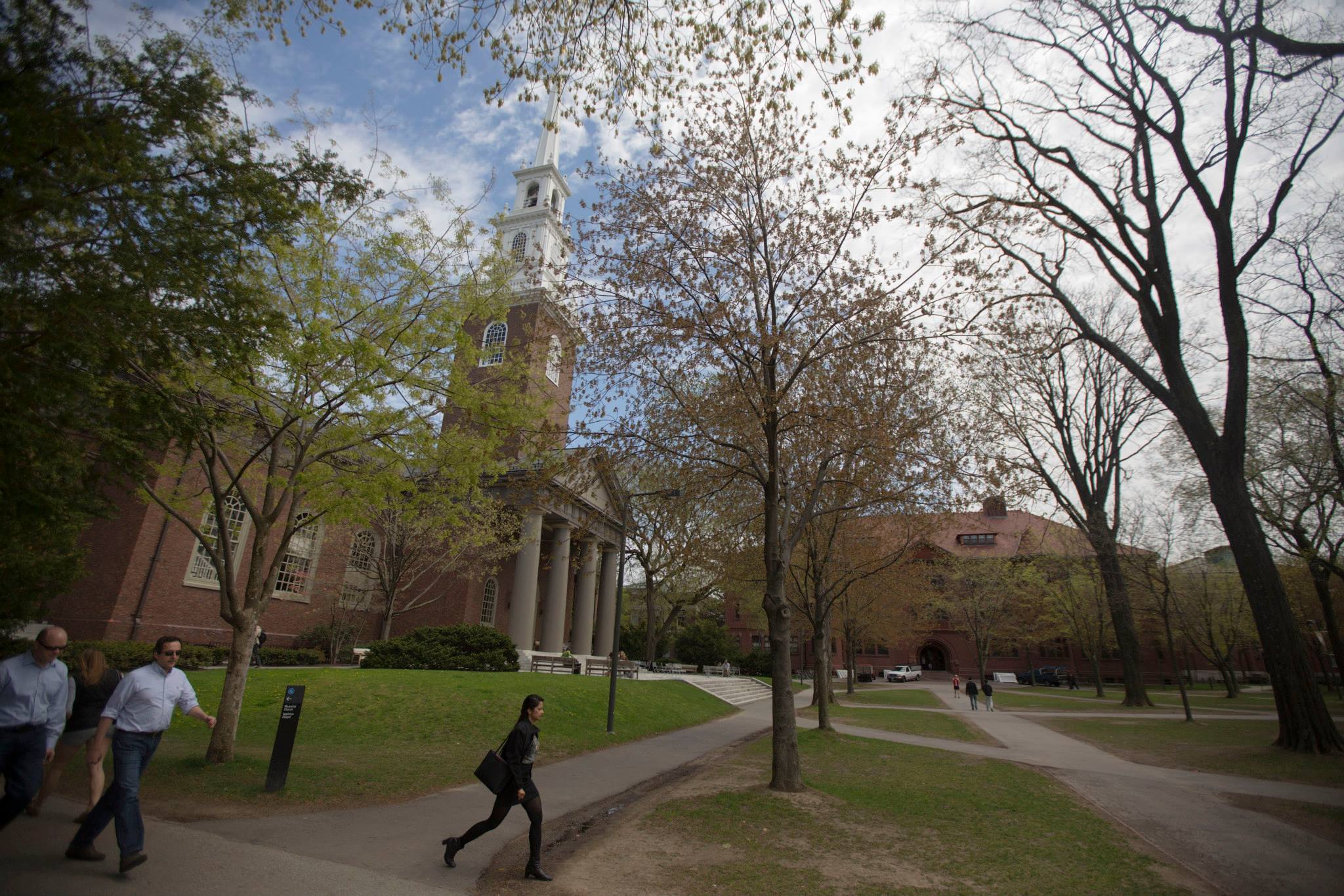
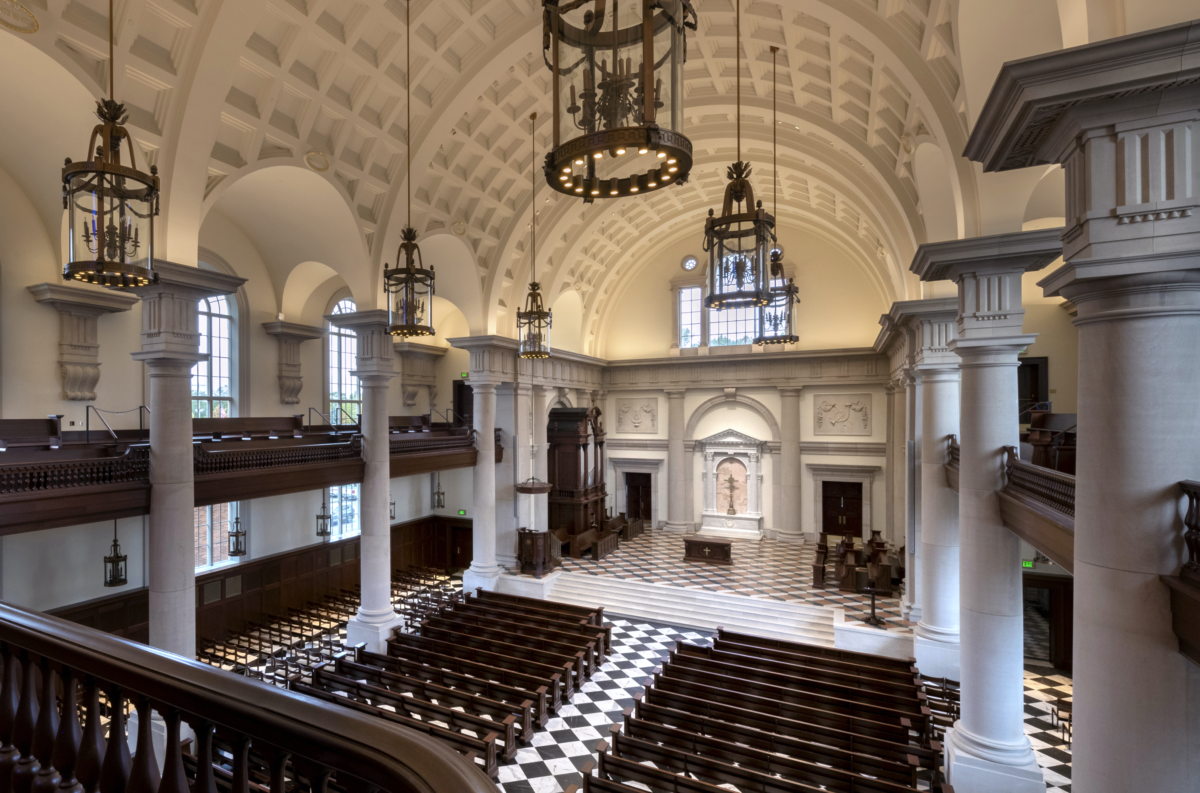
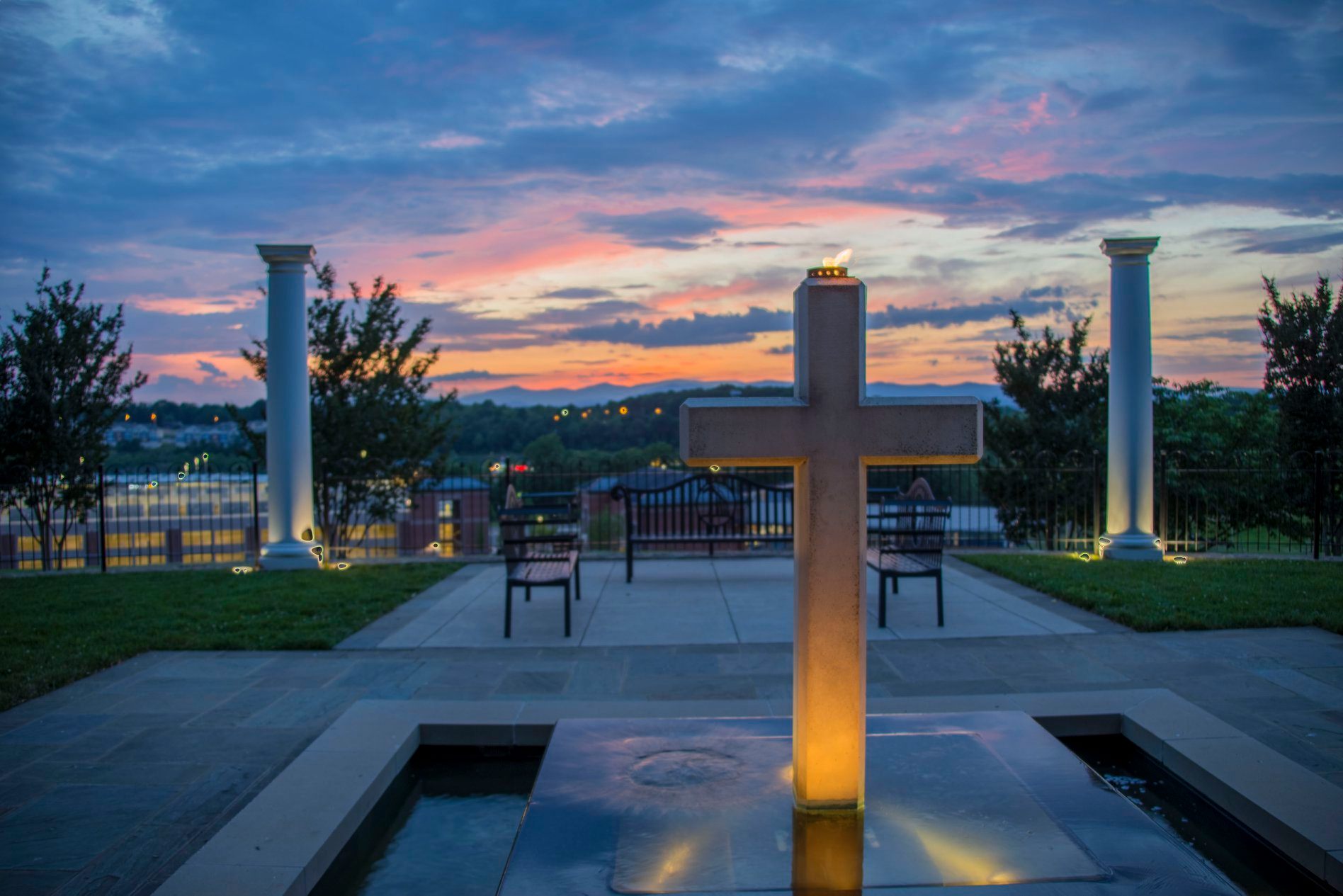
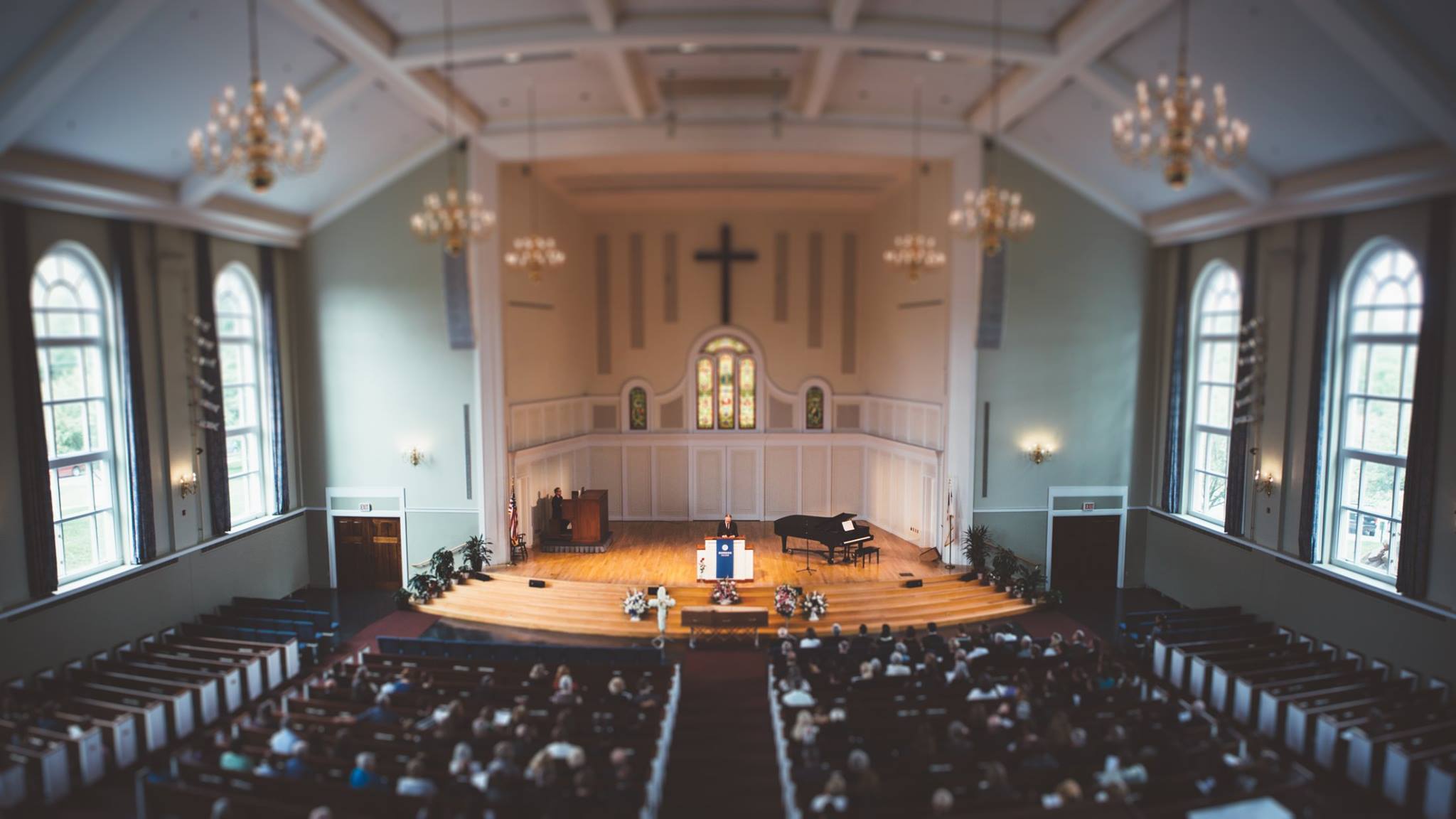
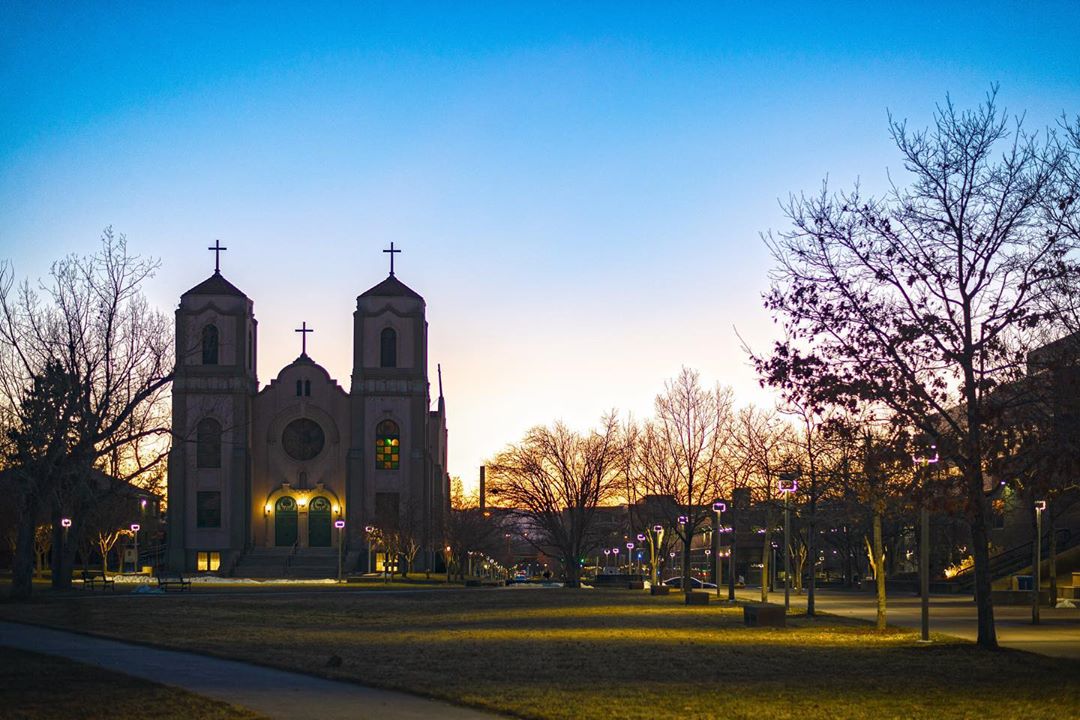
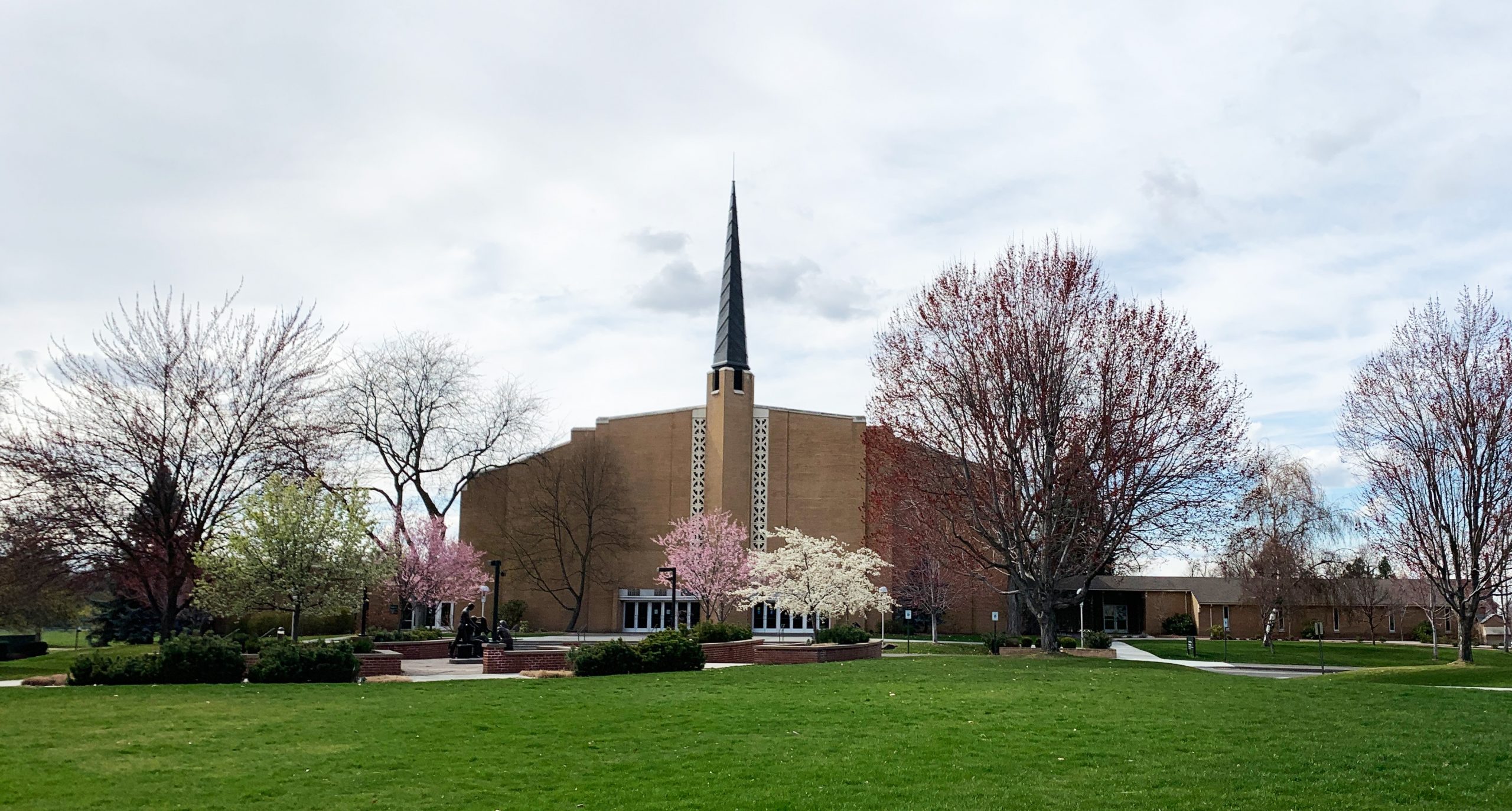
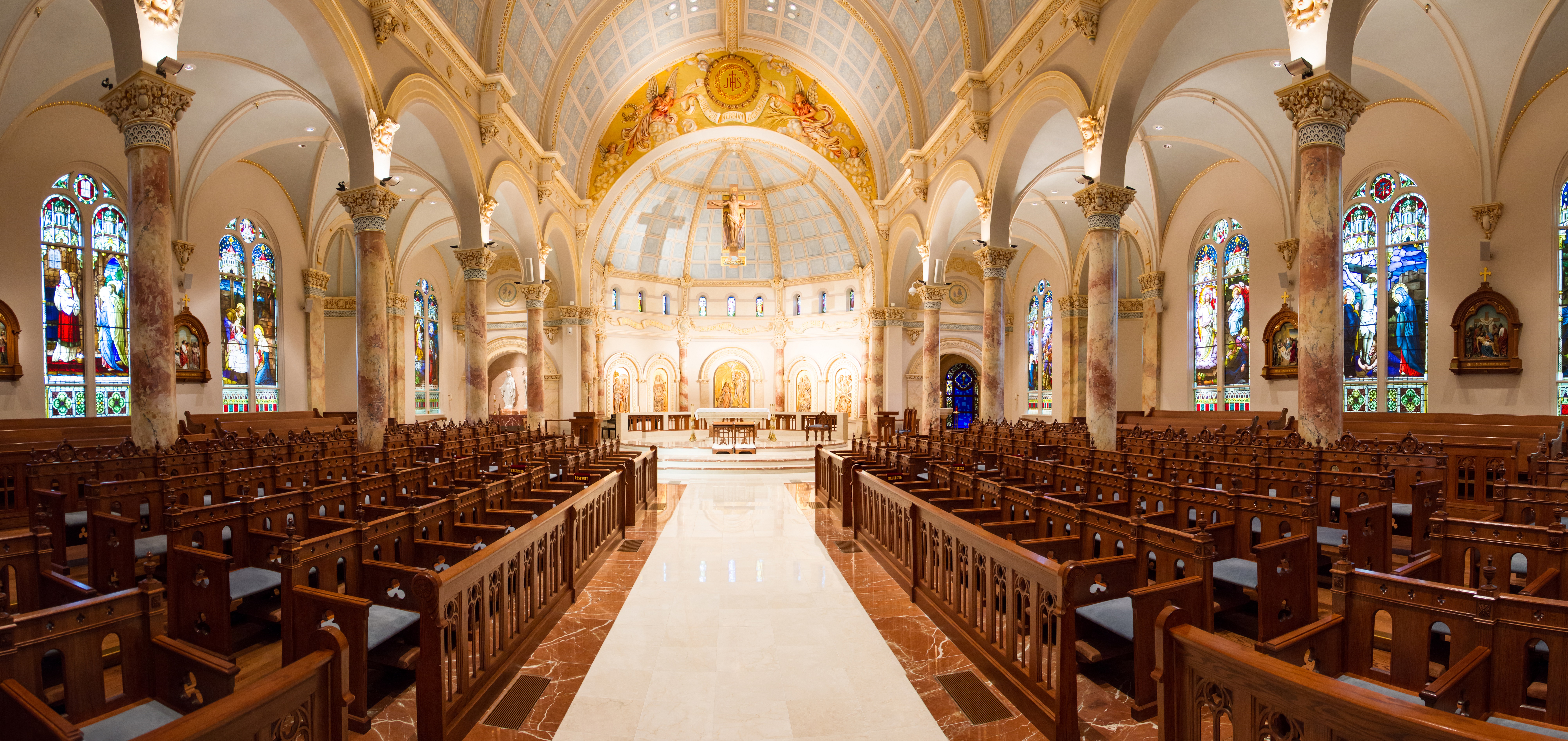
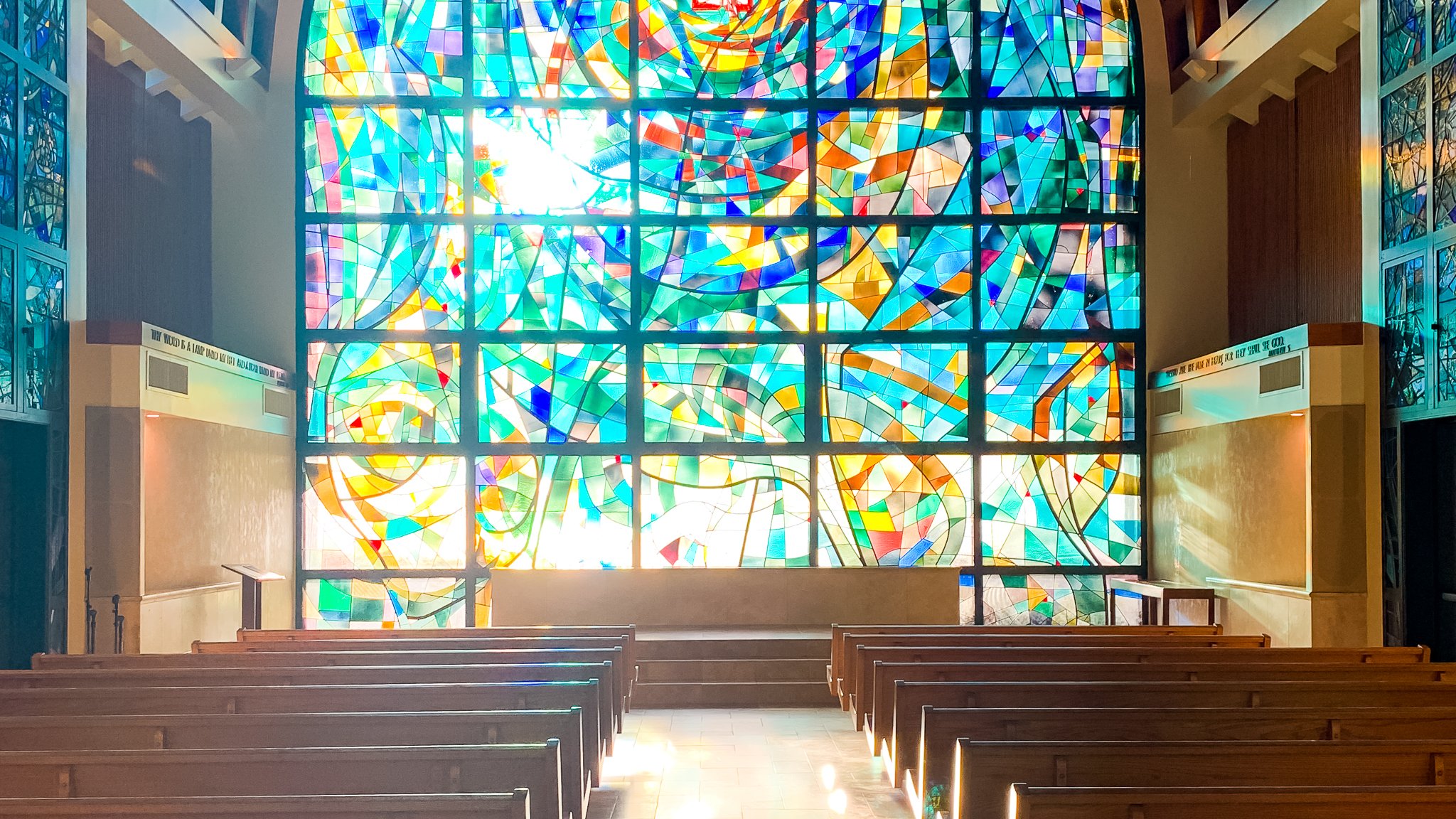
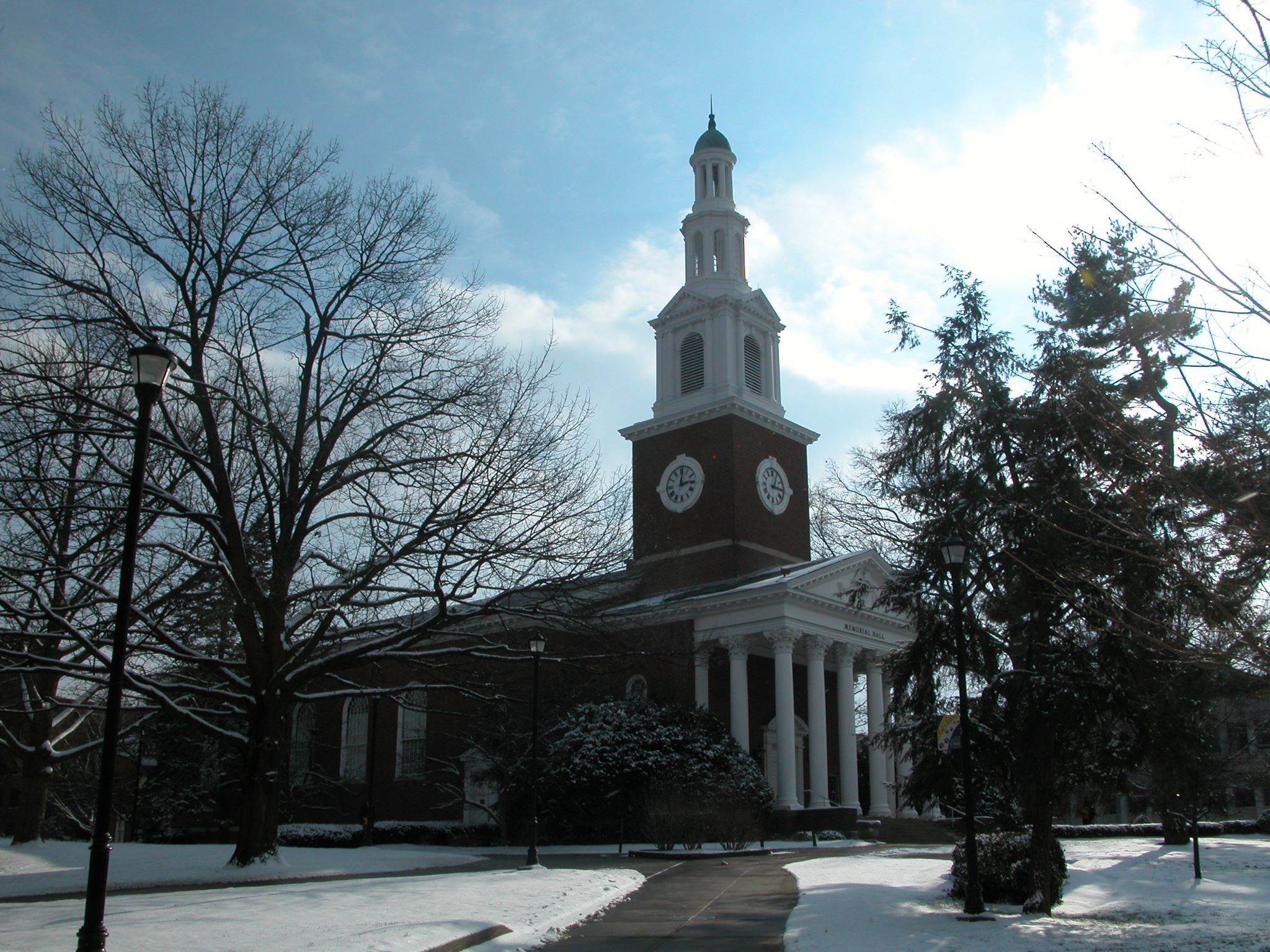
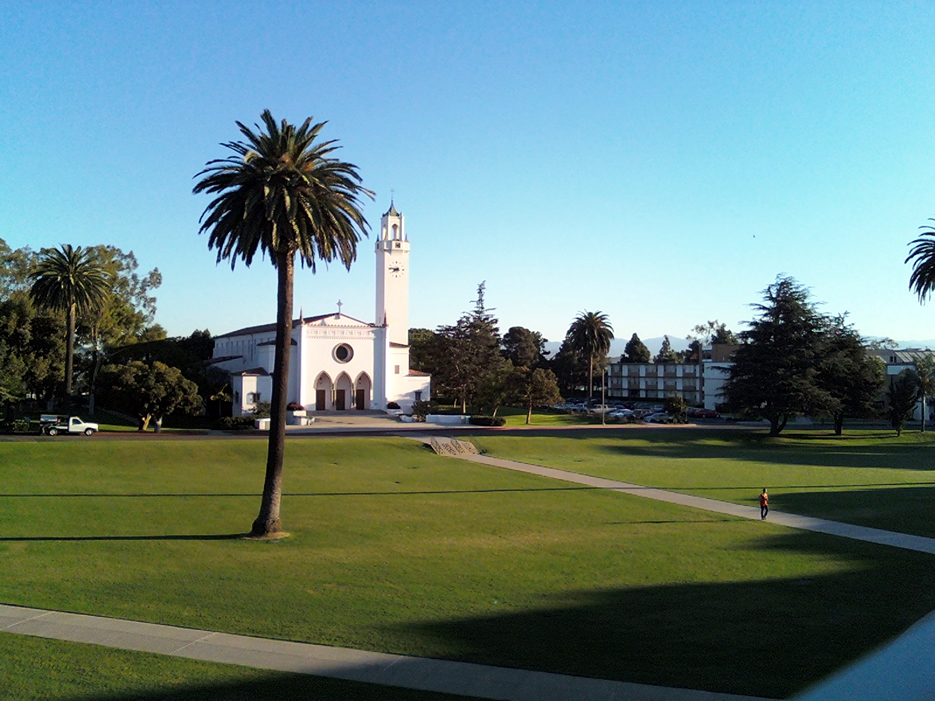
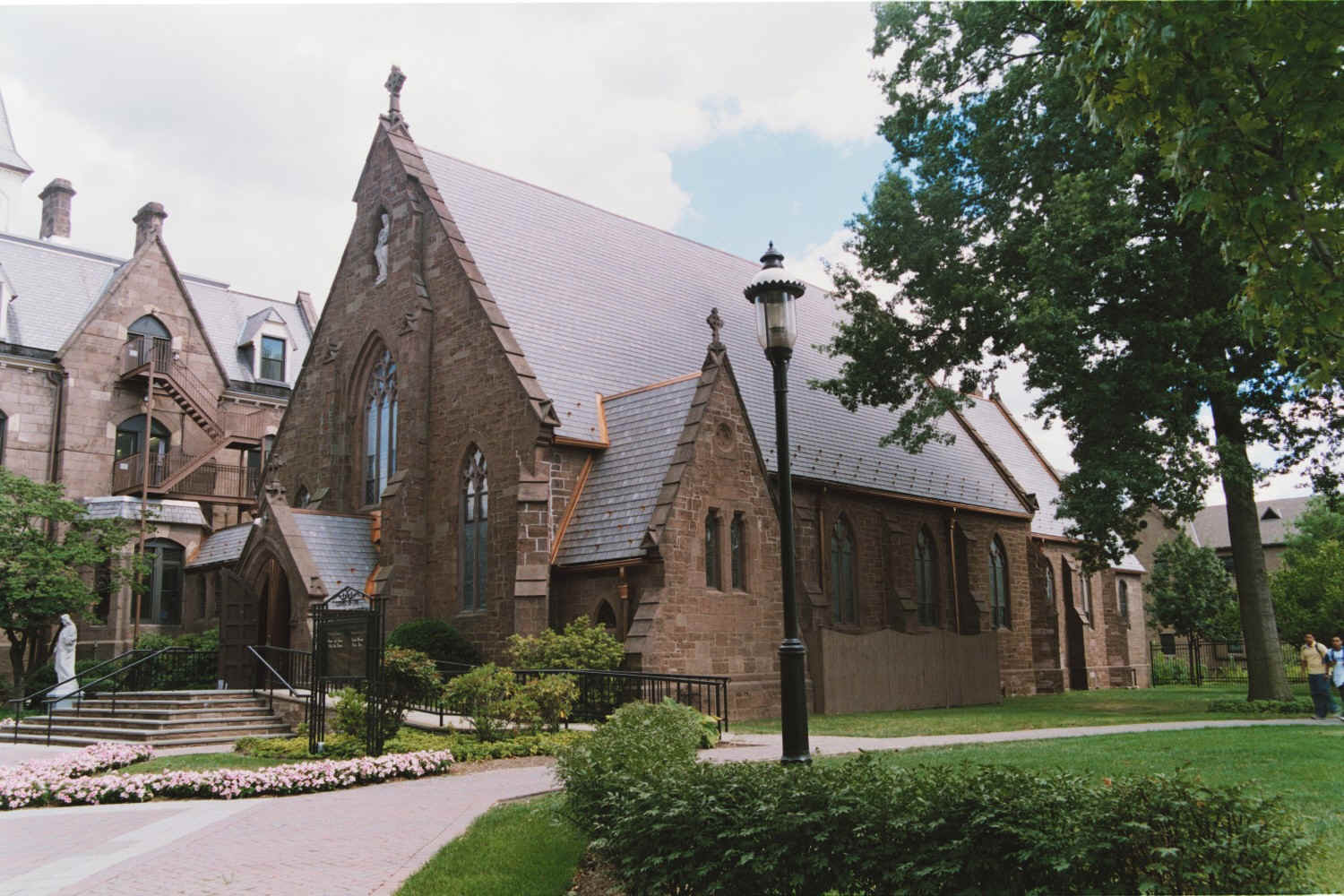
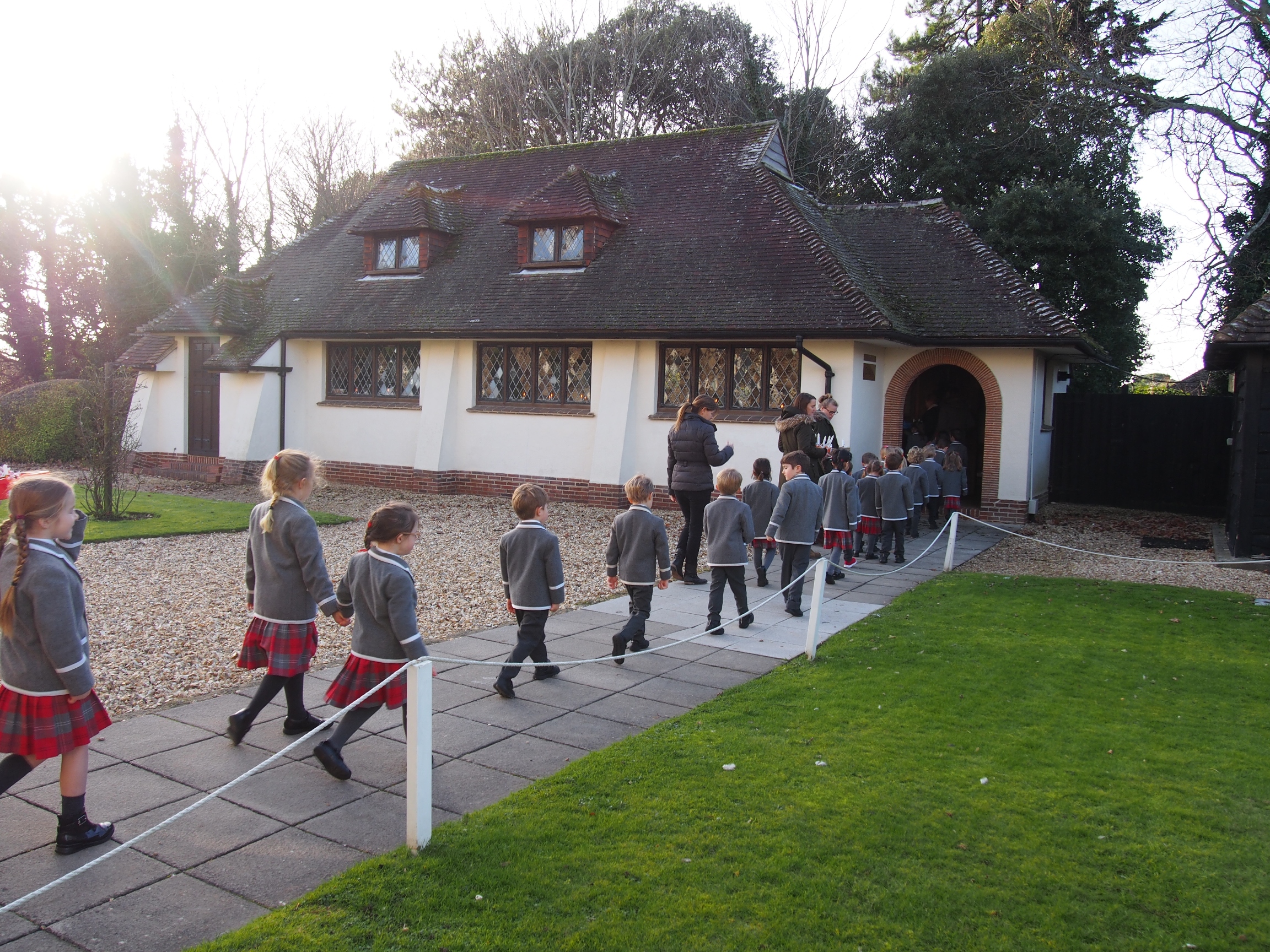
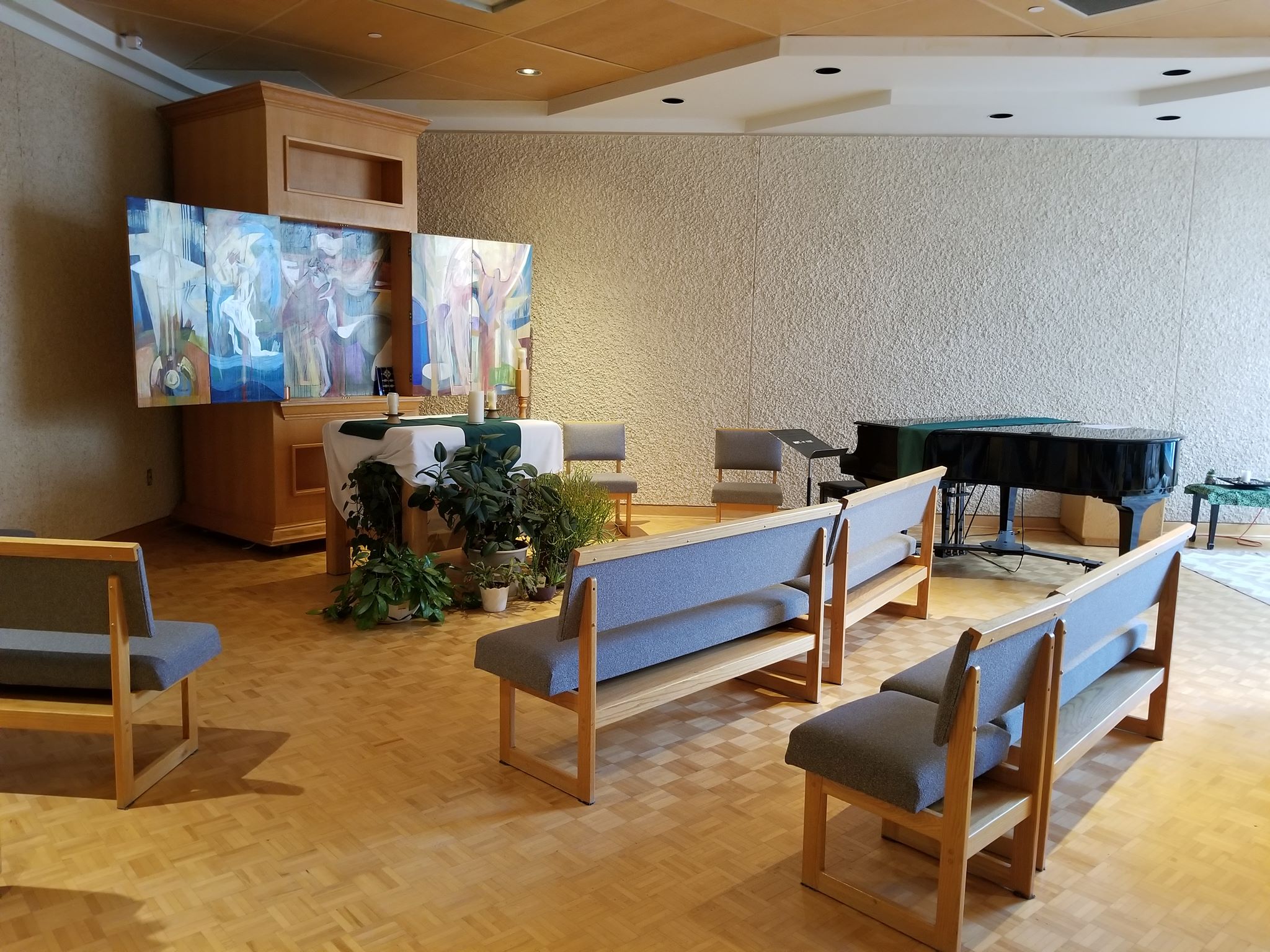
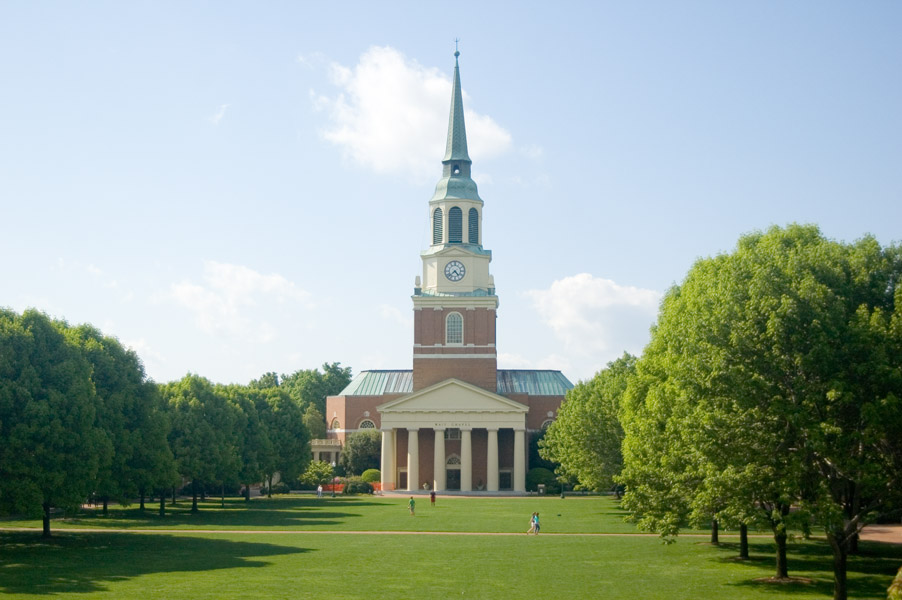
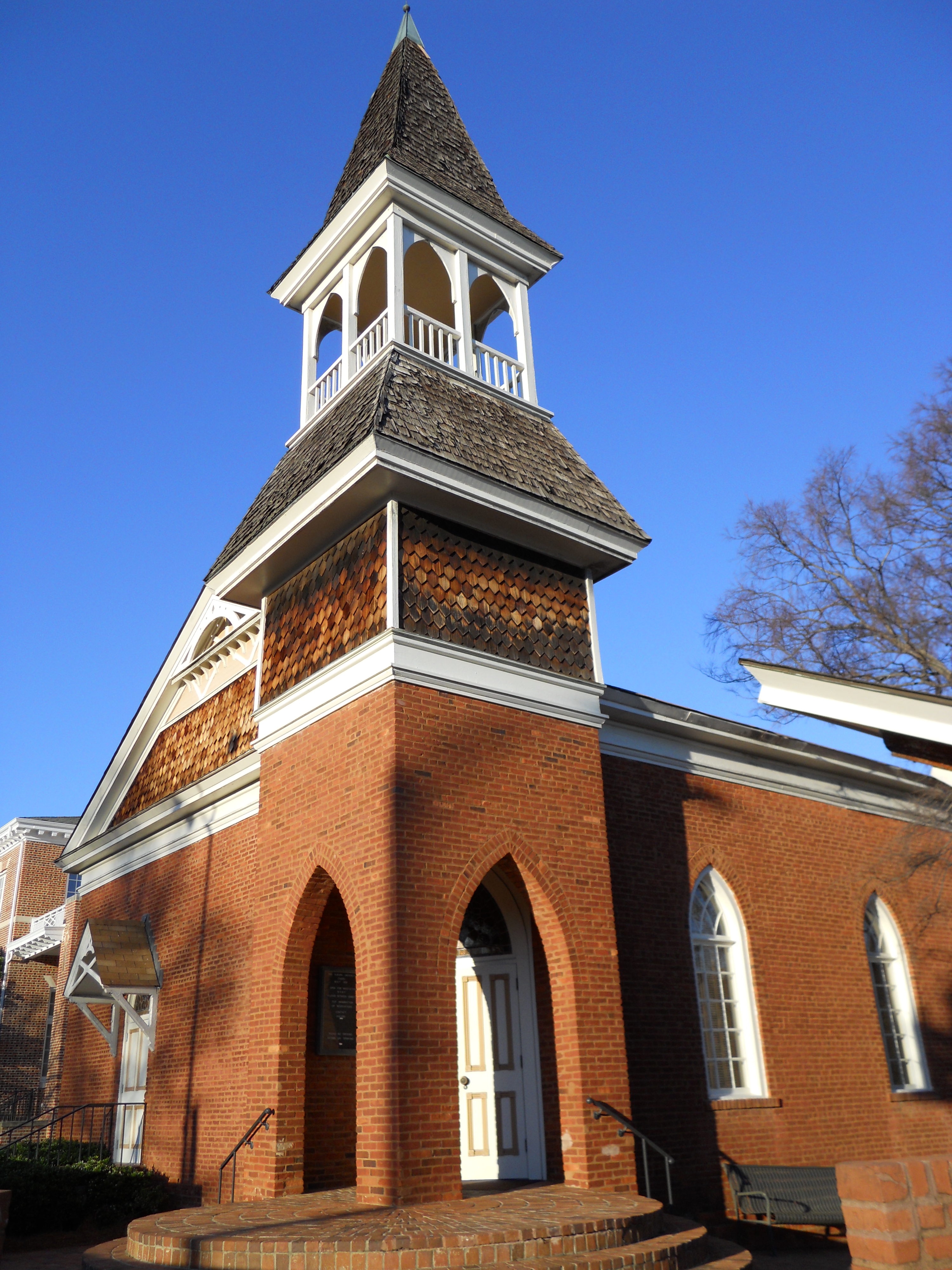
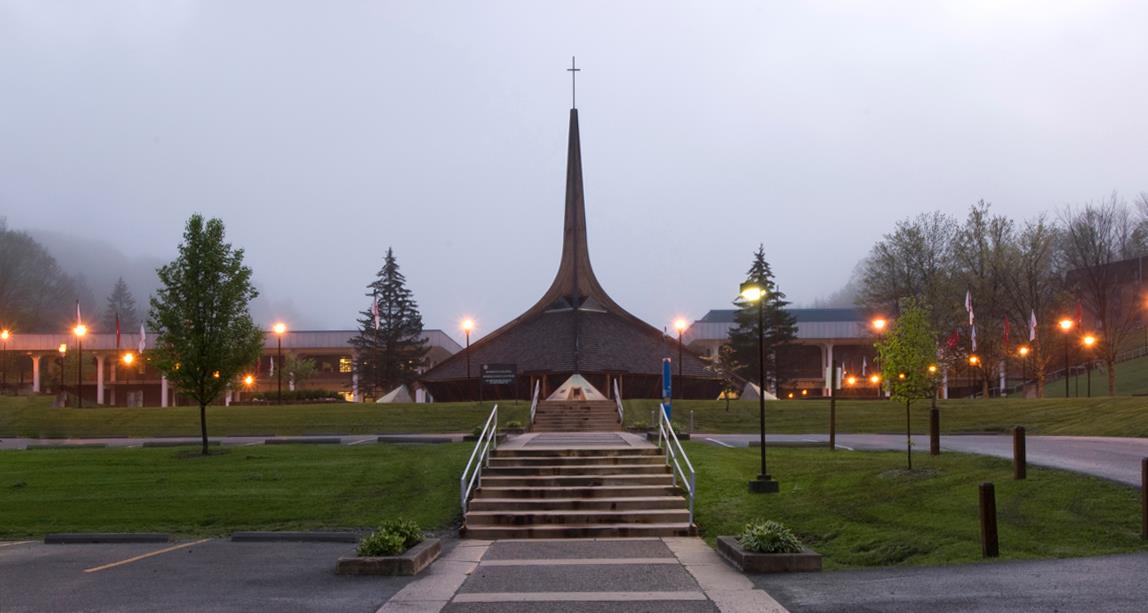
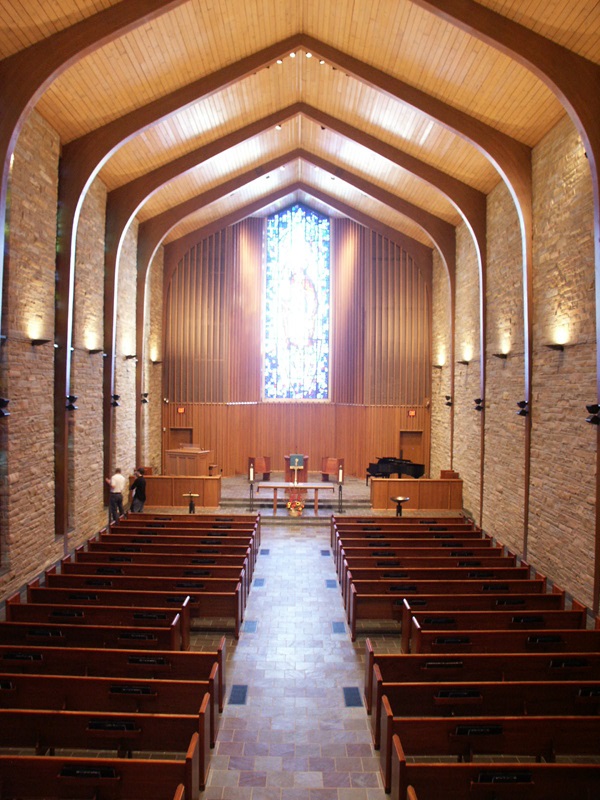
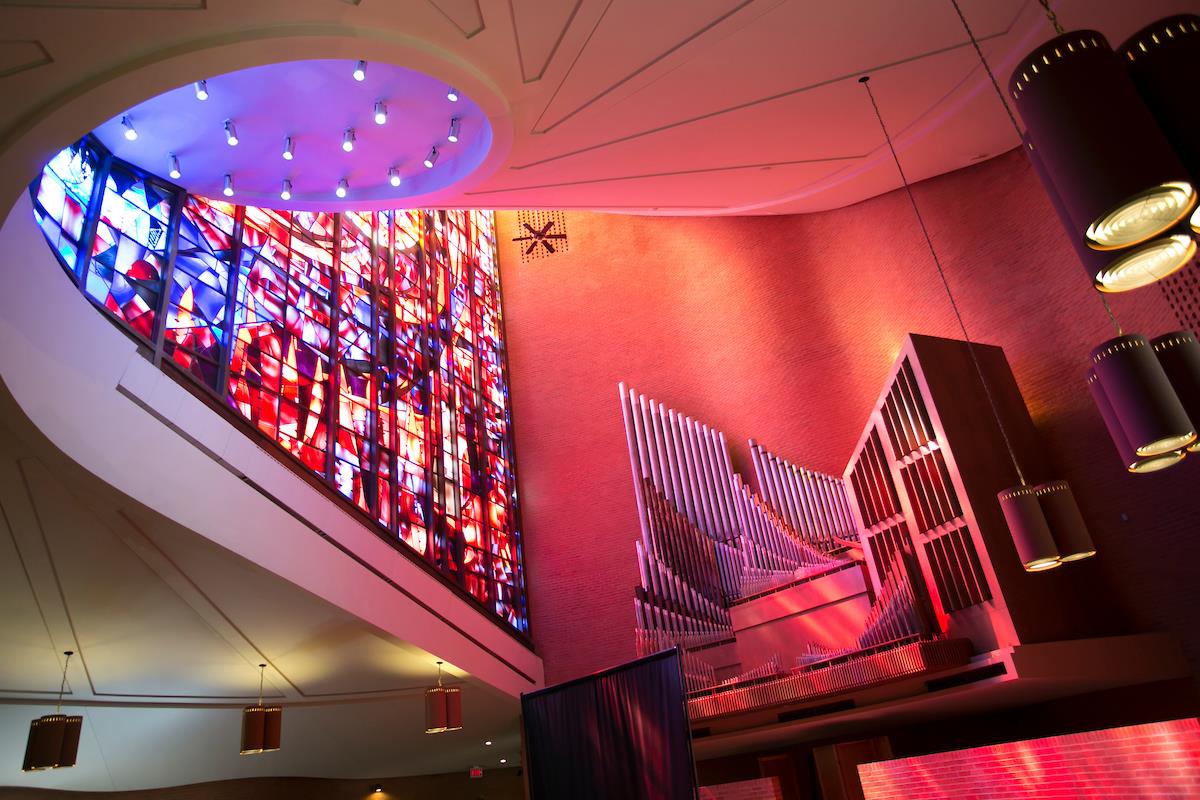
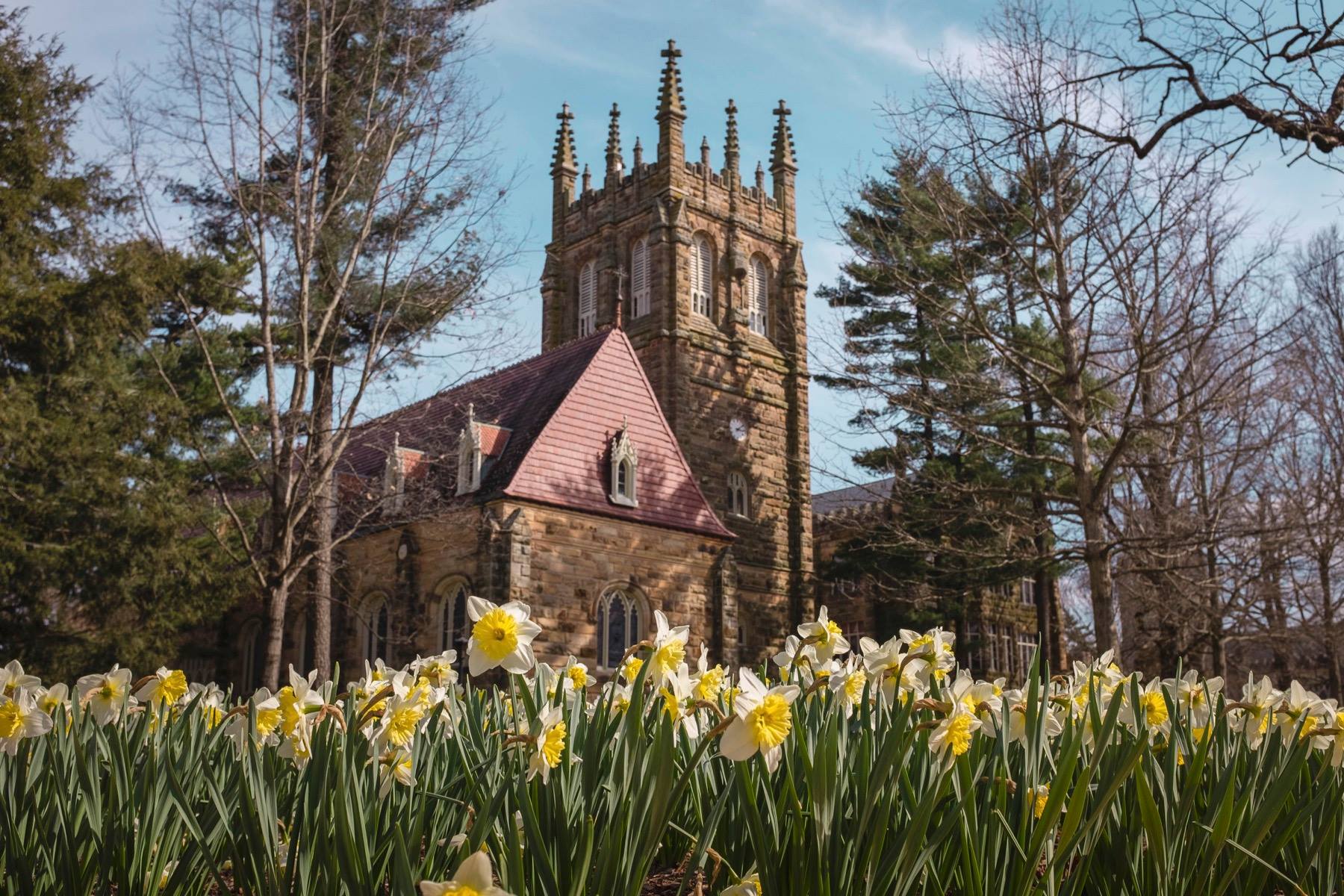
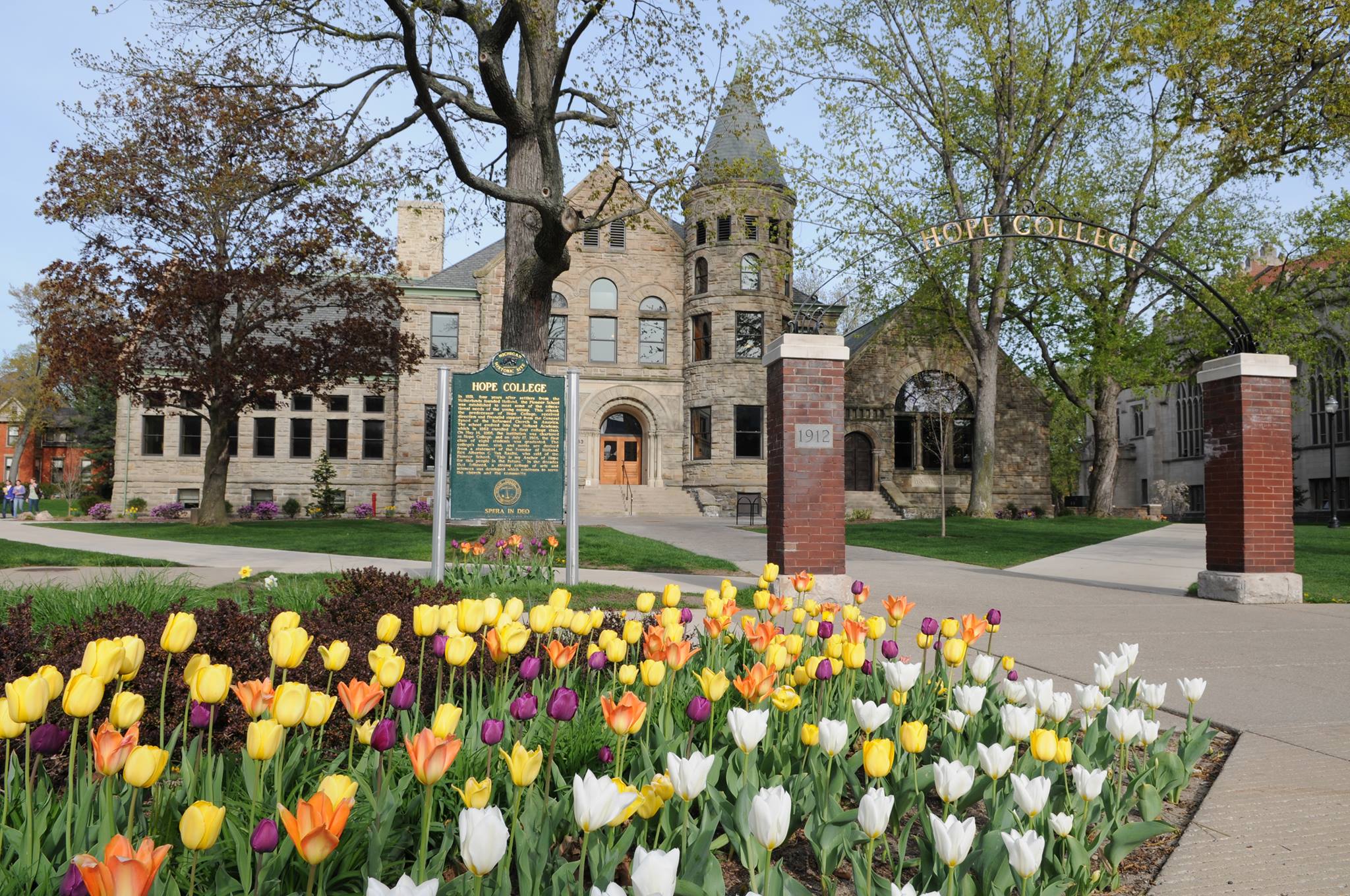
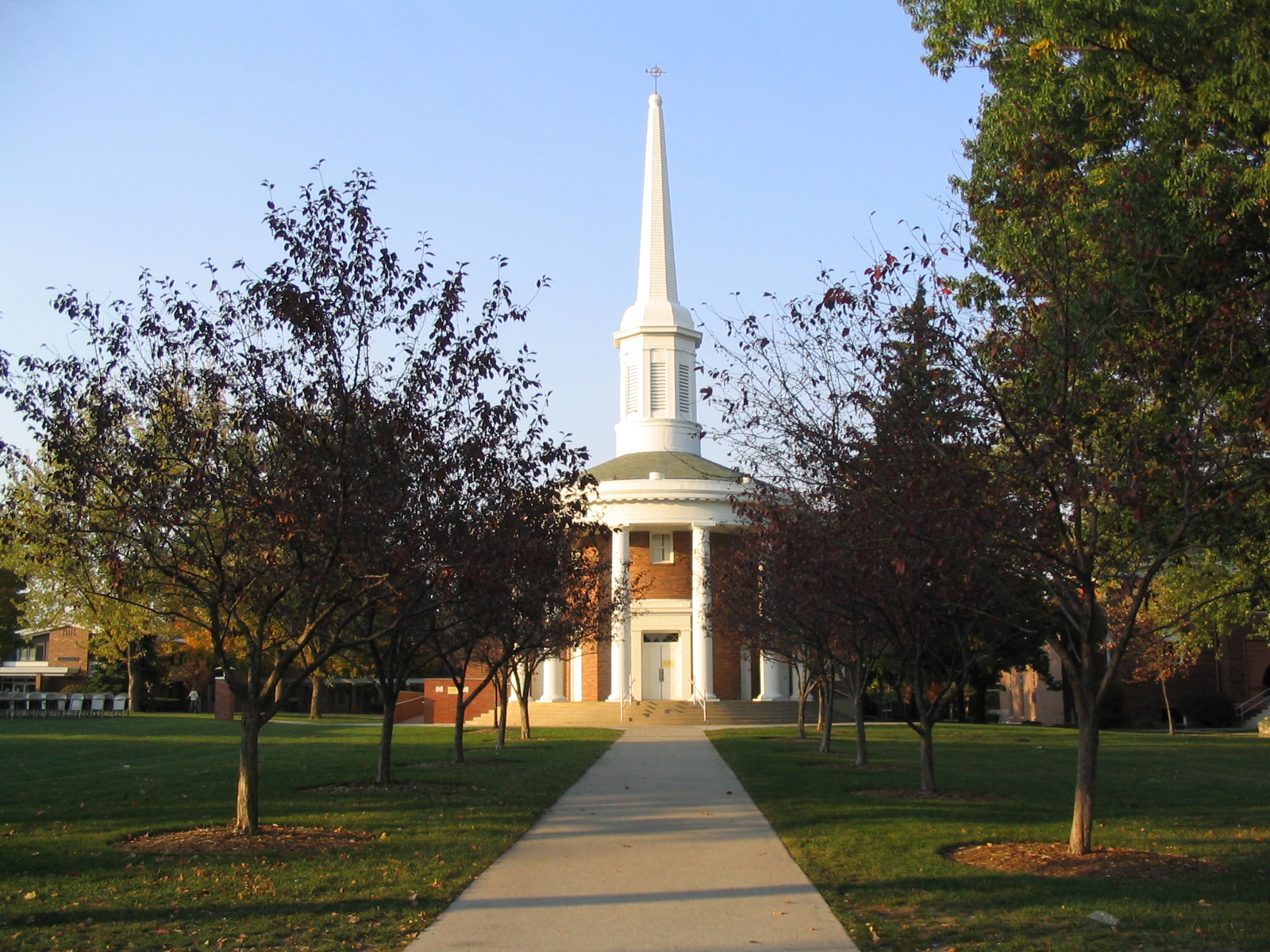
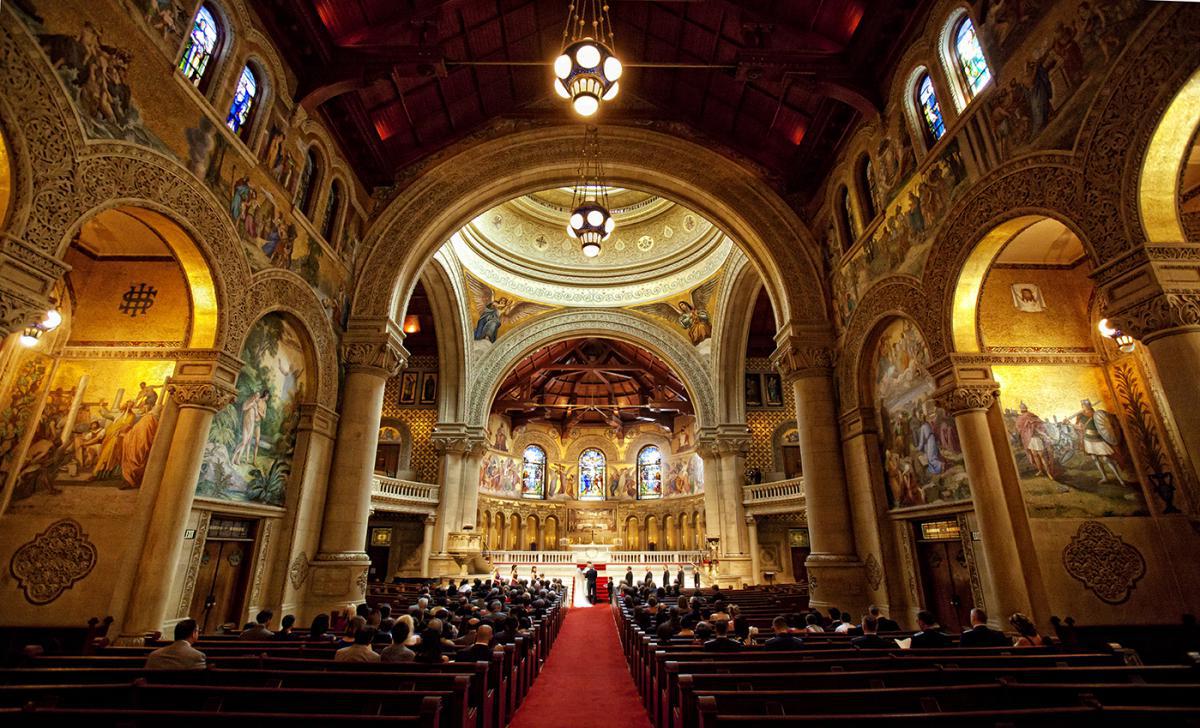
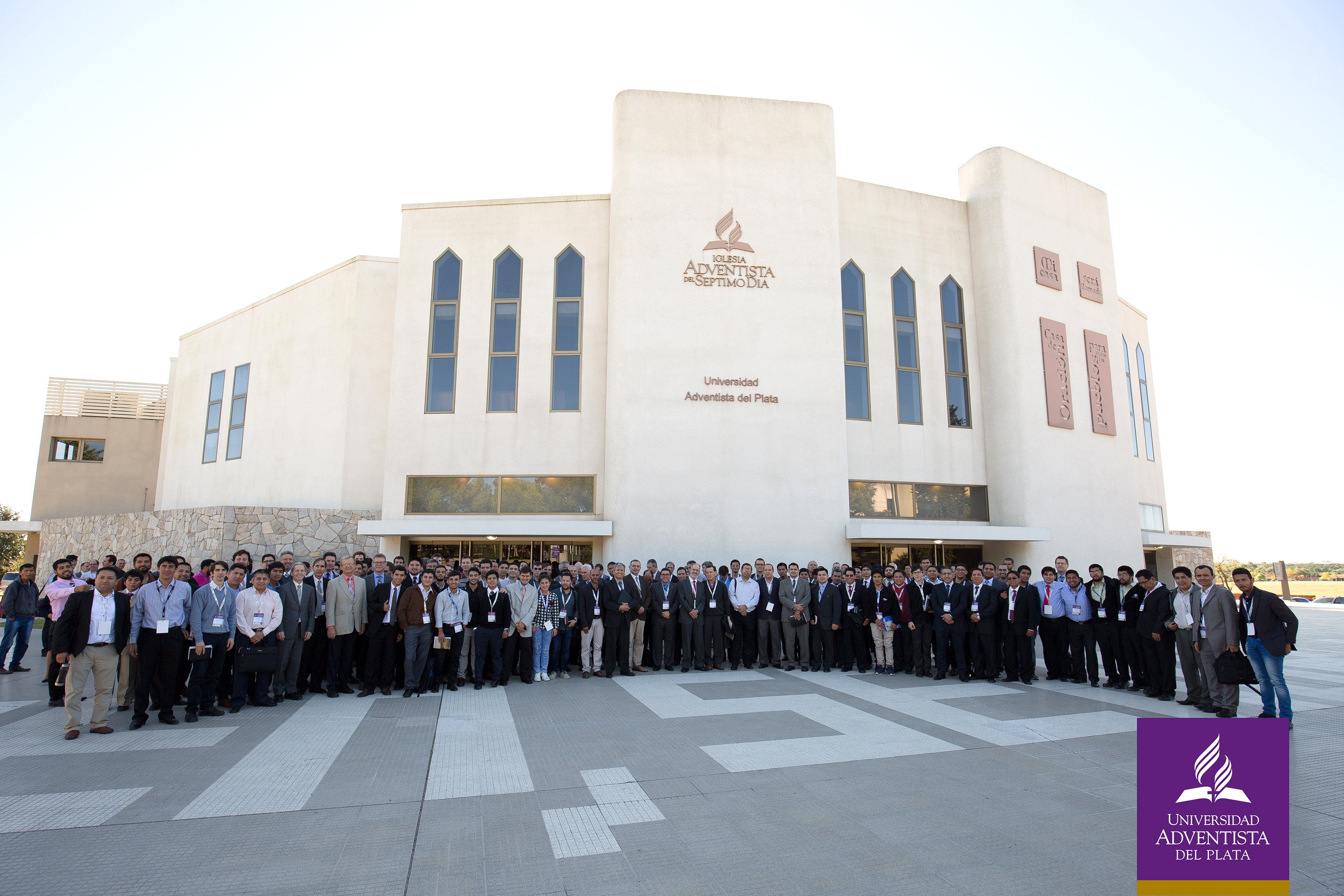
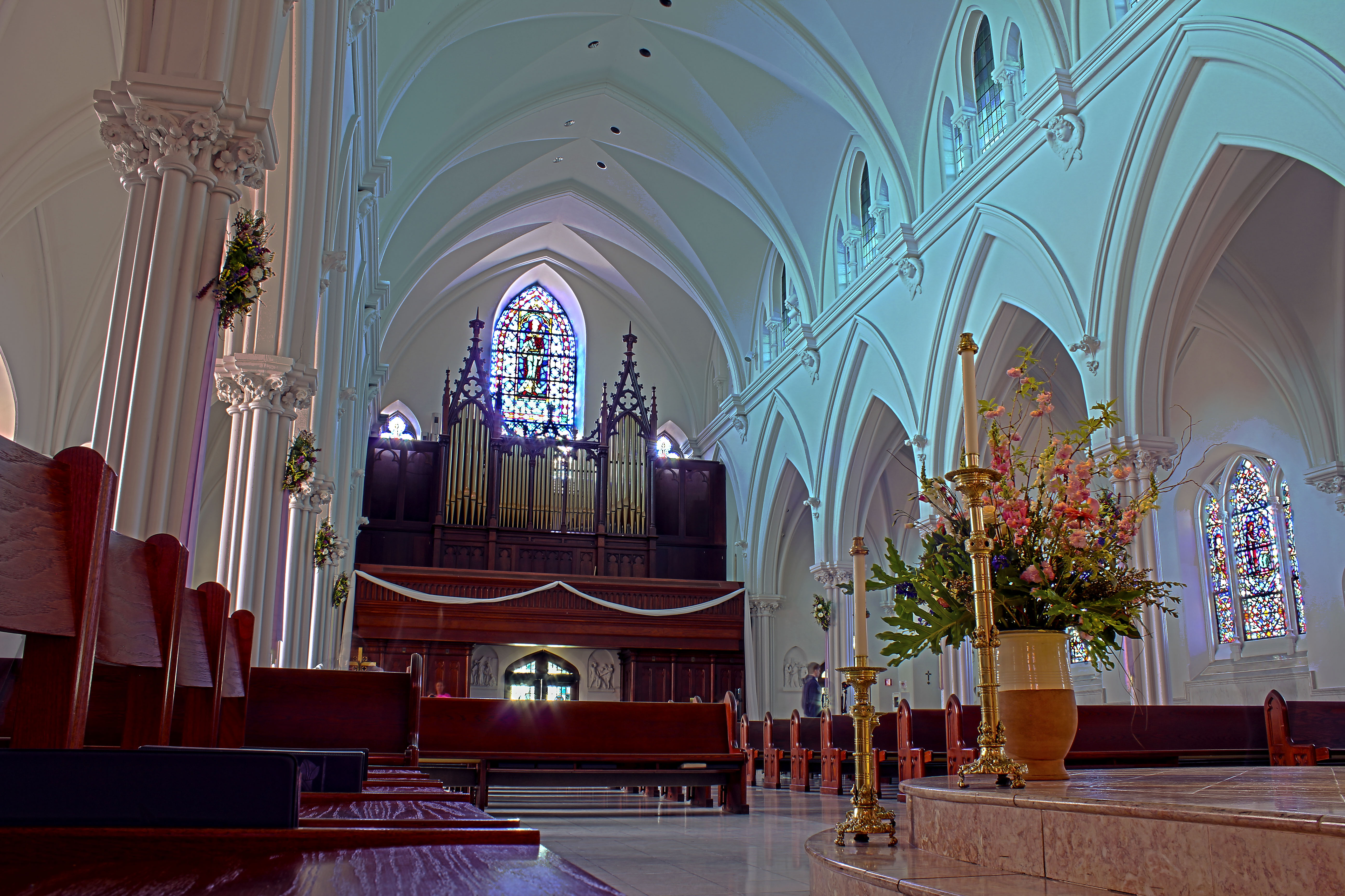
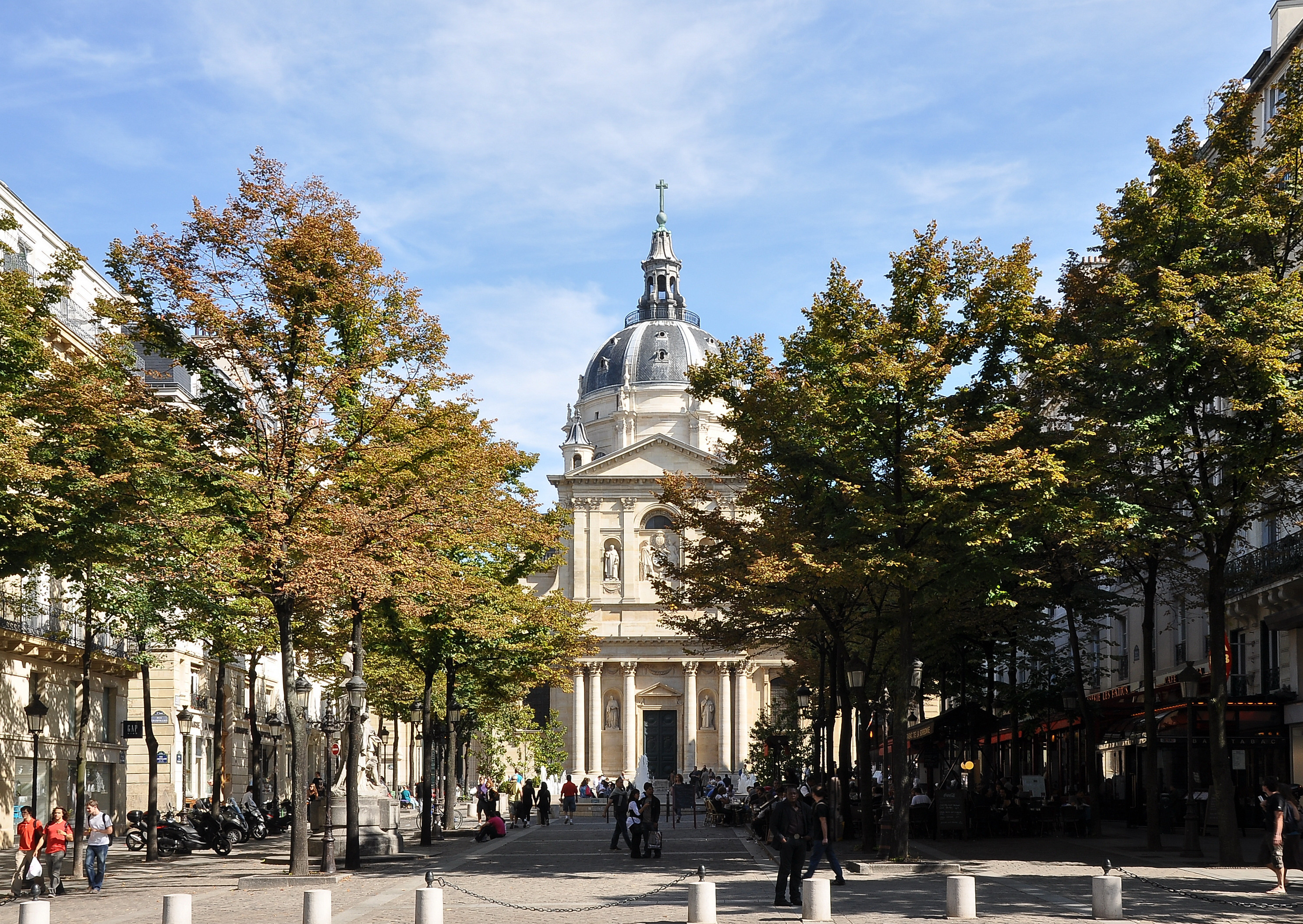
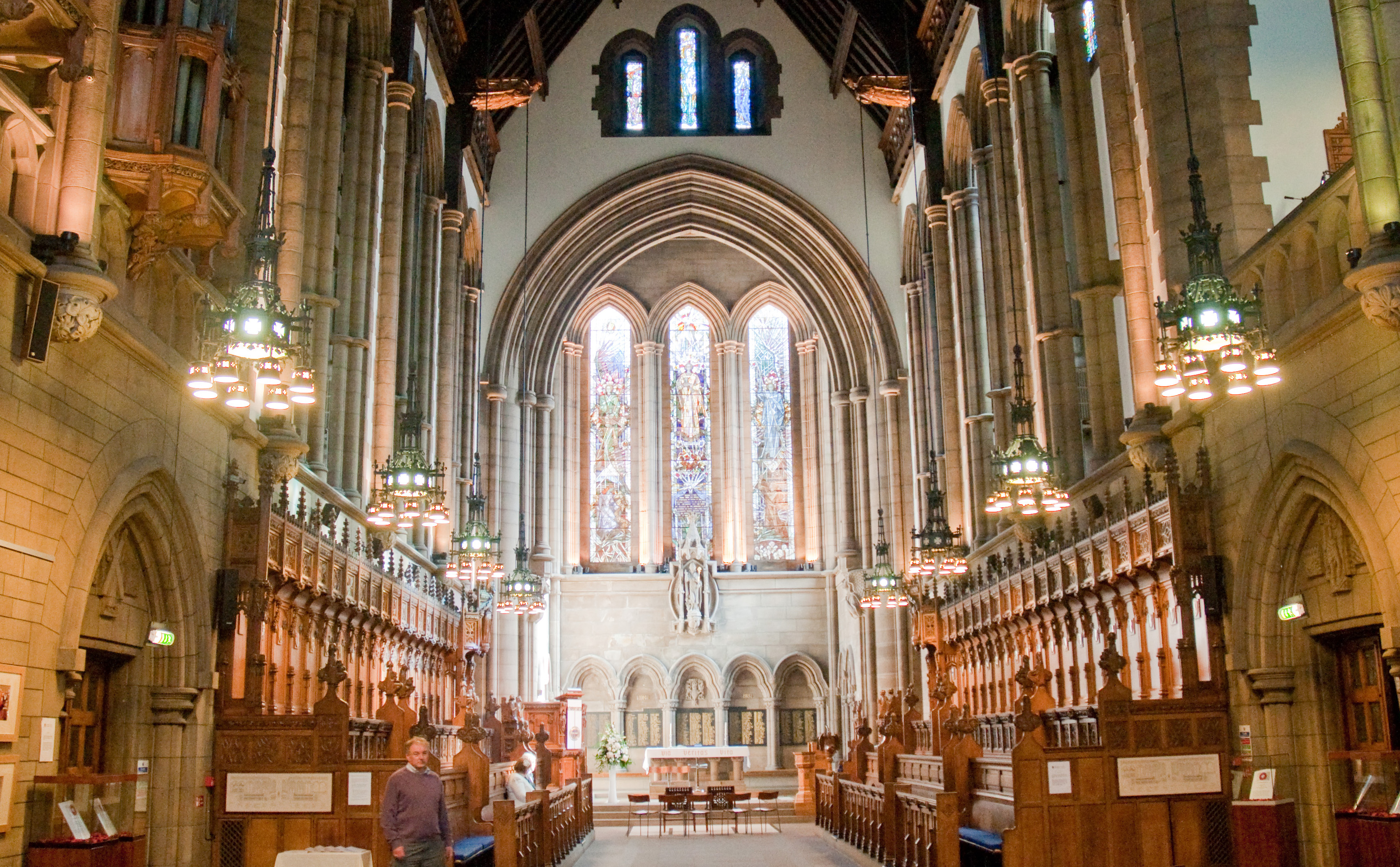
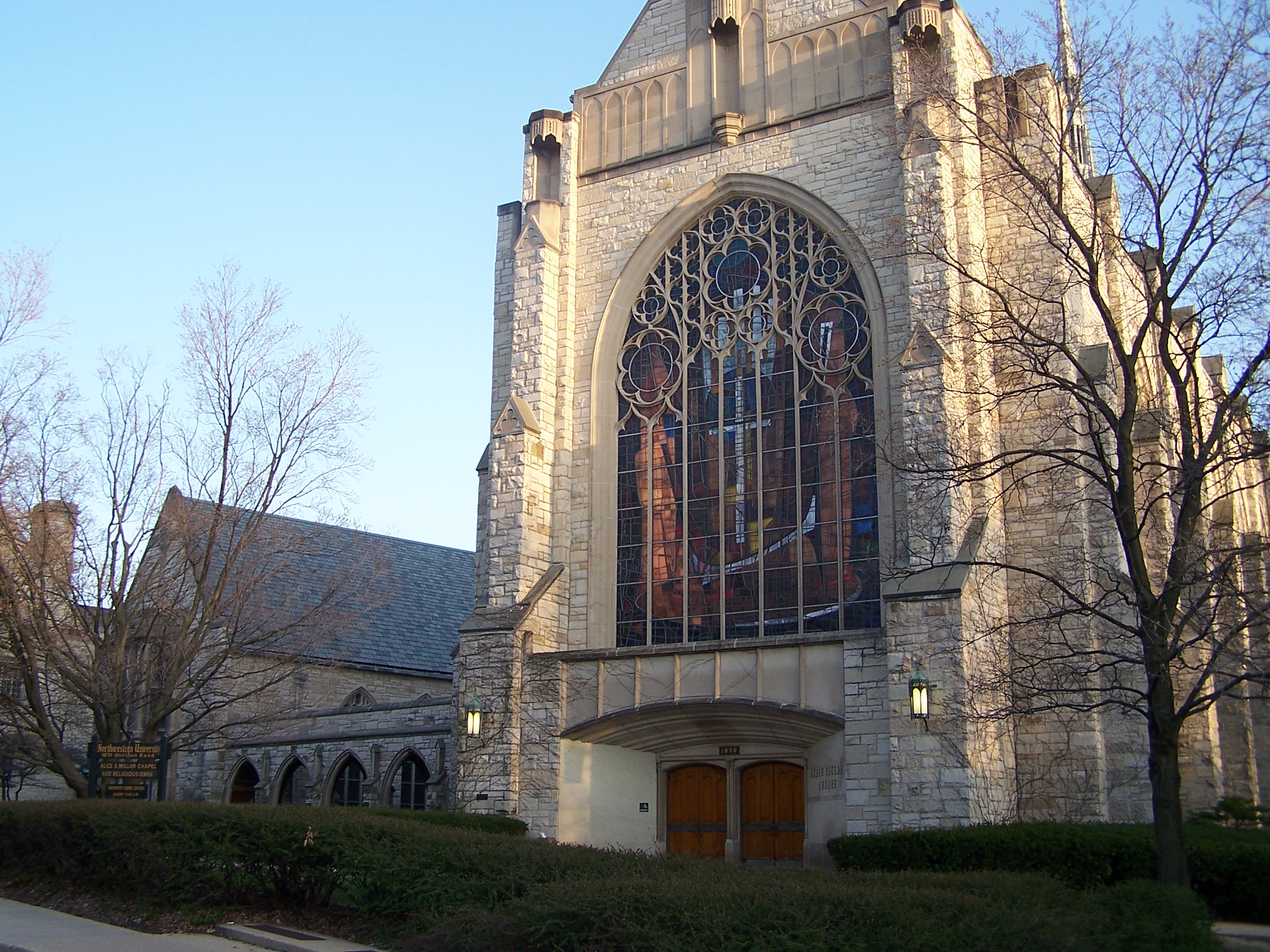
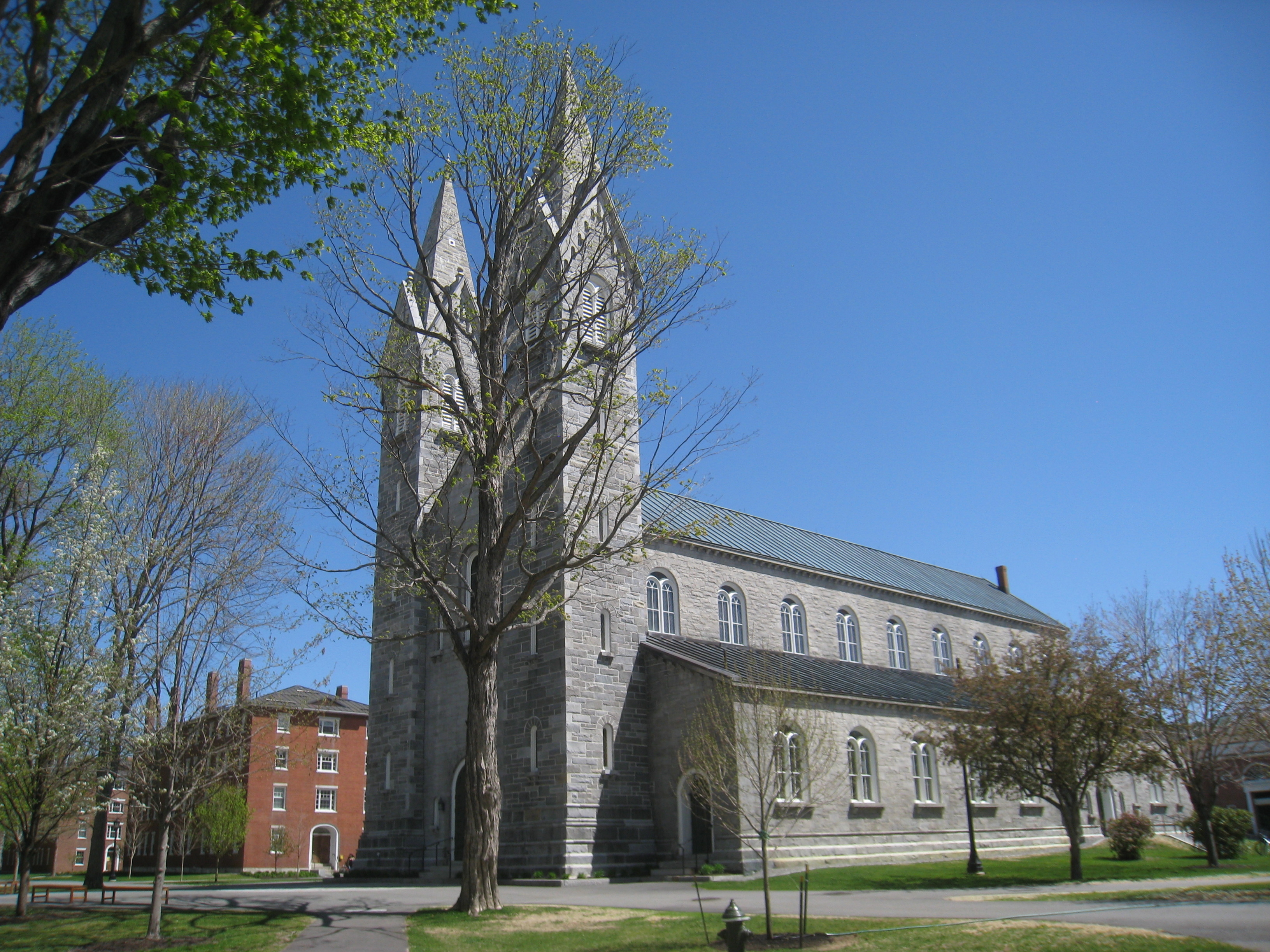
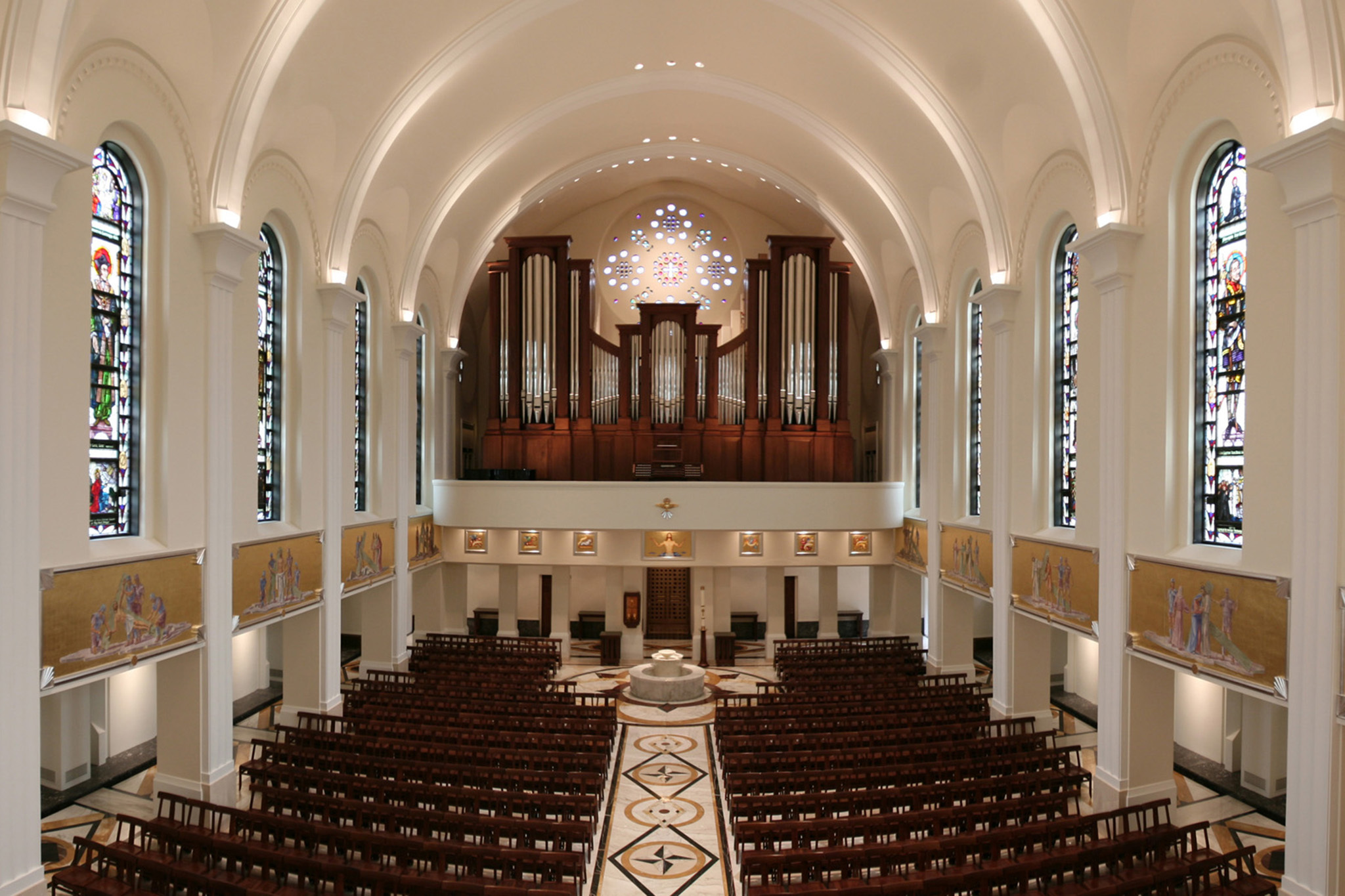
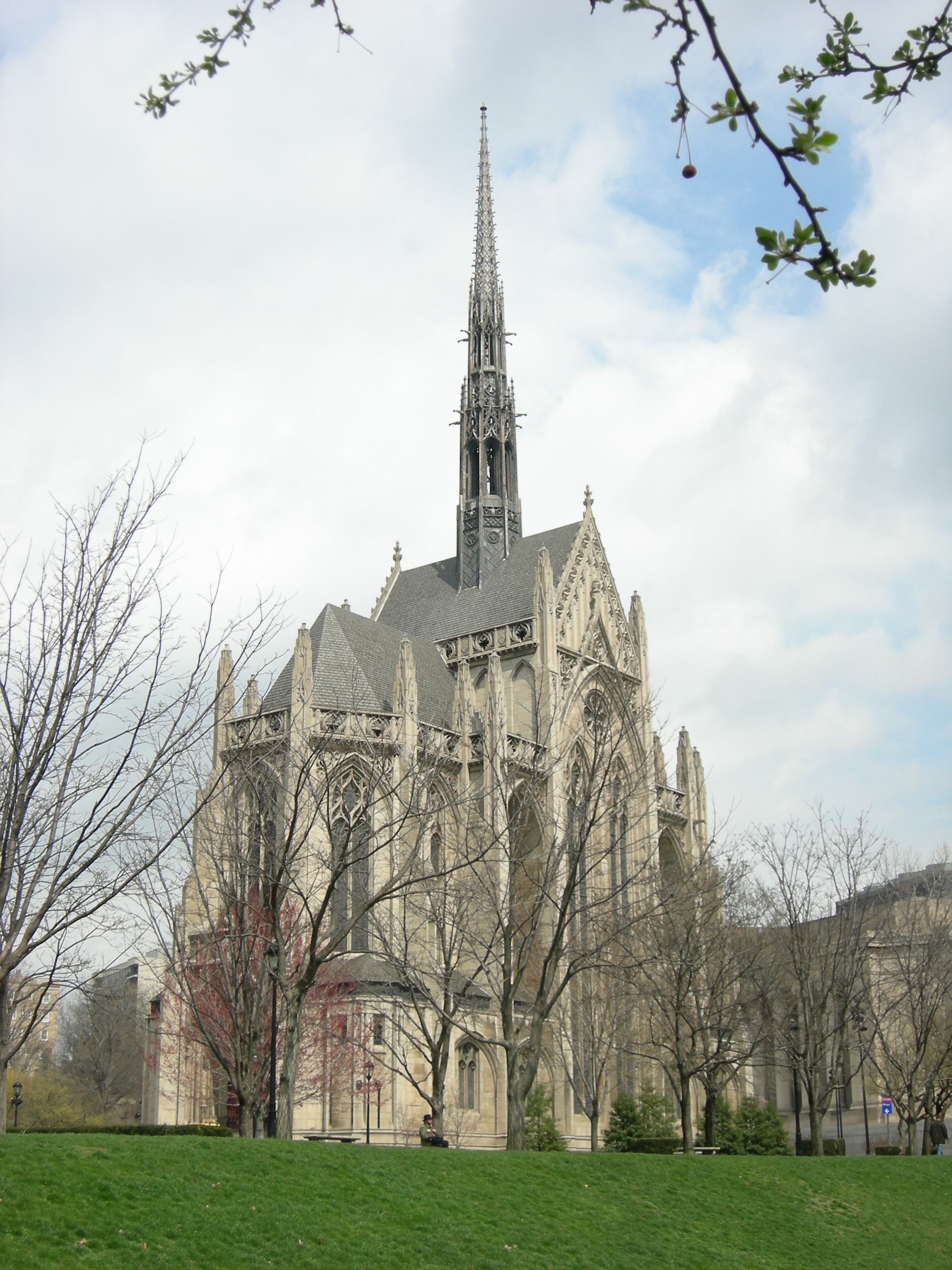
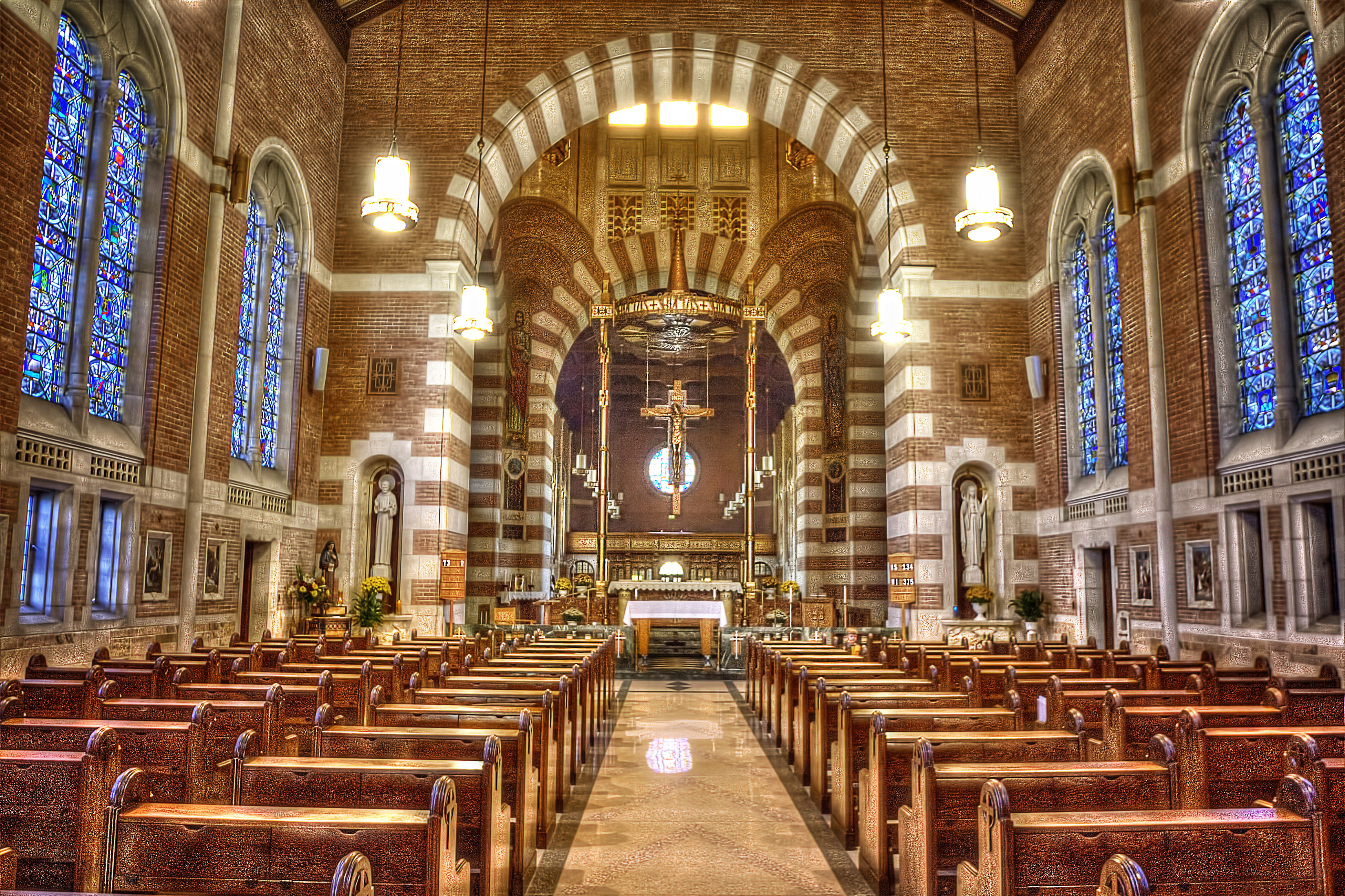
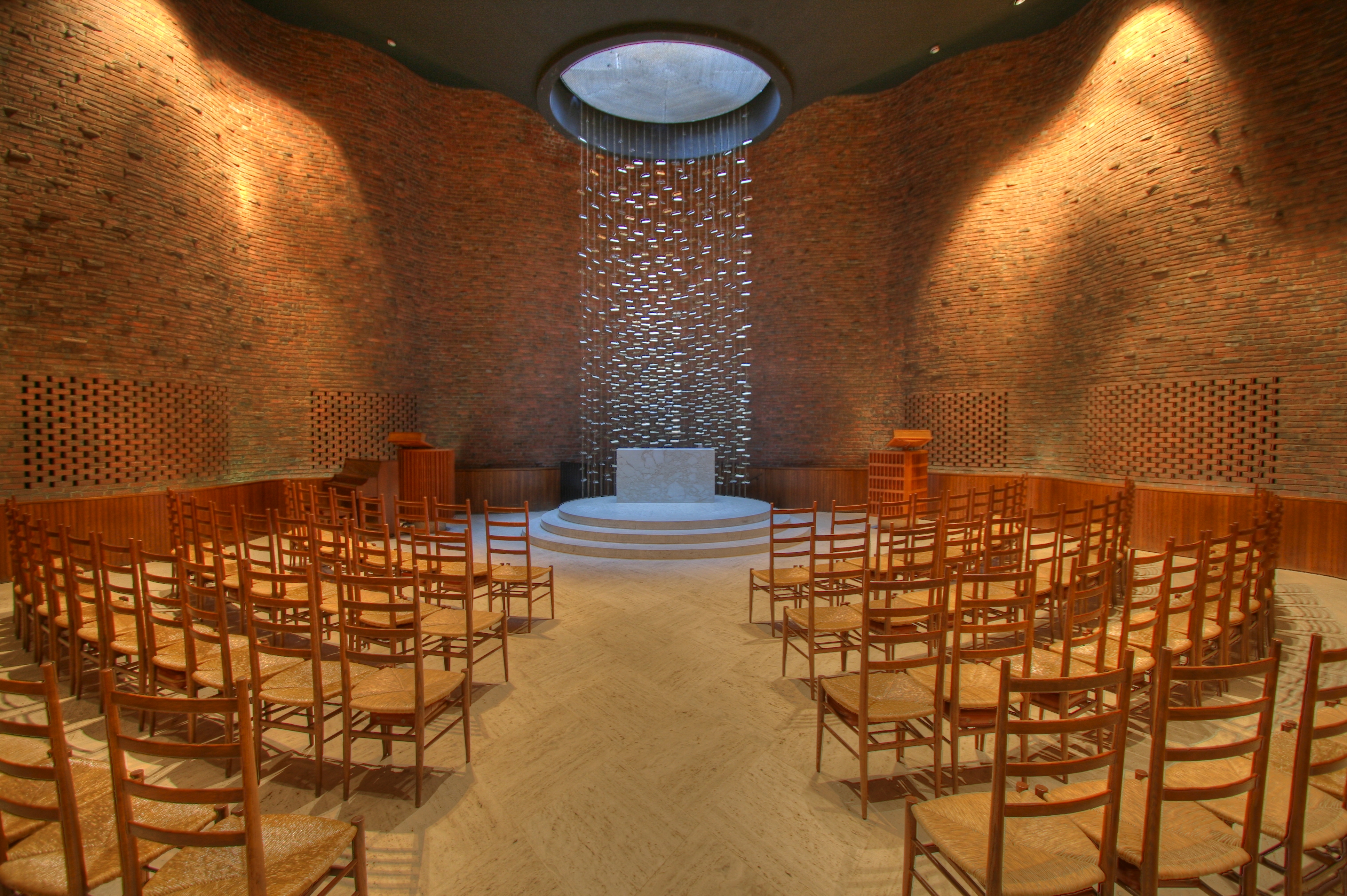
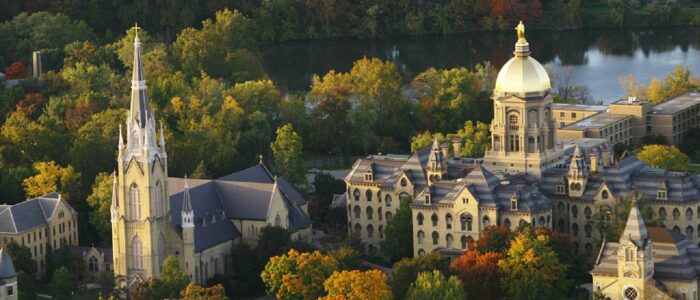
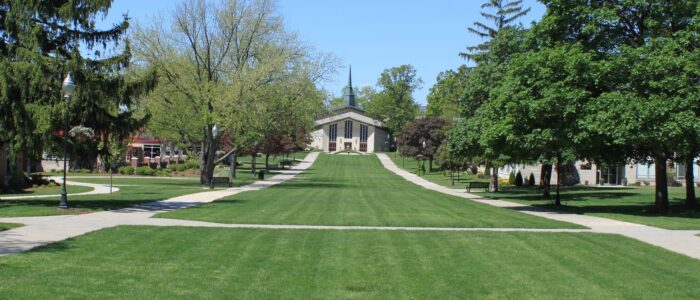
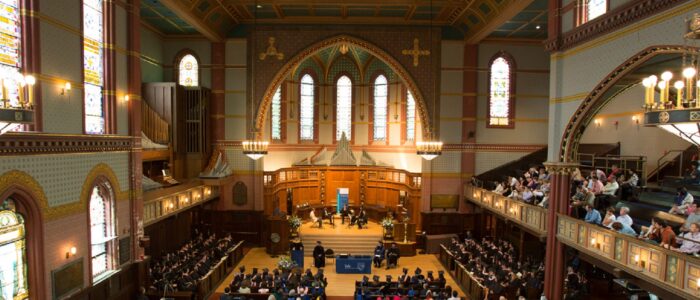
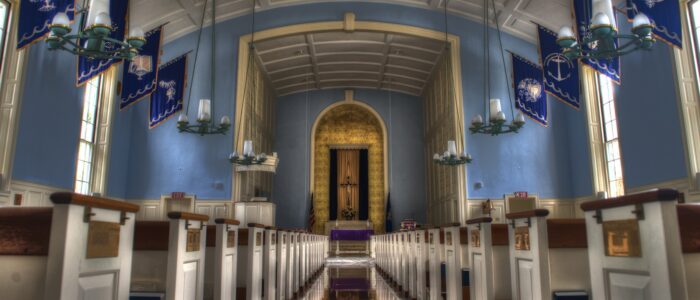
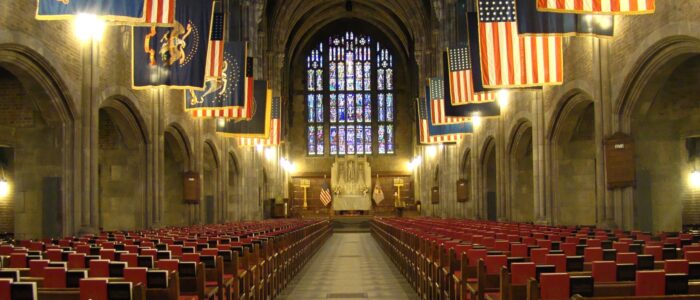
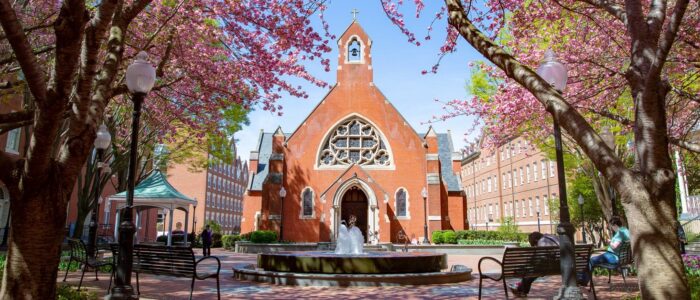
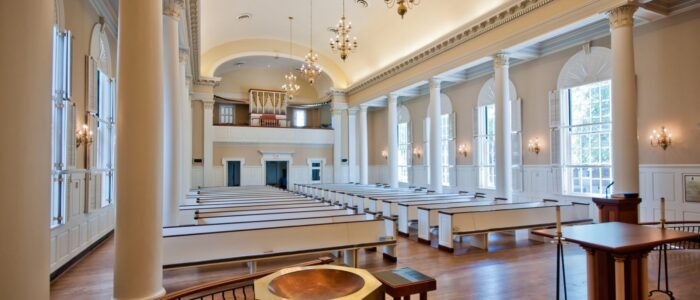
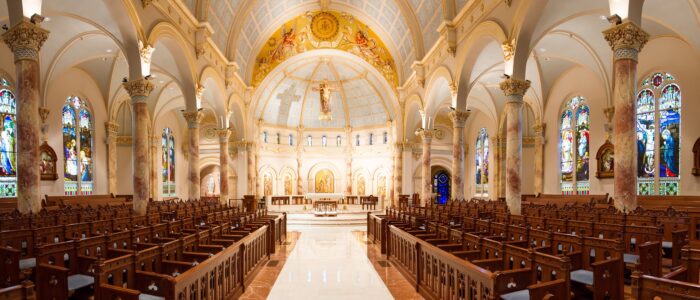
The founding of many education communities is inspired by faith communities. In many of them the place of worship was the very first building. College and university chapels are central places of worship for students, staff and faculty, and provide a space for solitude and reflection. A place for feeling at home in the world.
There are several hundred technical standards, or parts of standards, that govern how churches and chapels are made safe and sustainable. Owing to innovations in construction, operation and management methods, those standards move, ever so slightly, on a near-daily basis. They are highly interdependent; confounded by county-level adaptations; and impossible to harmonize by adoption cycle. That movement tracked here as best we can within the limit of our resources and priorities. That’s why it’s best to simply click into our daily colloquia if you have a question or need guidance.
Richard Miniter observes that the United States was founded as four distinct religious utopias, each originating from different regions and historical periods in England (and the broader British Isles). These groups, shaped by conflicts like the English Civil War, brought competing visions of society, governance, and faith that continue to influence American culture and politics today.1. New England Puritans (from East Anglia): Strict, communal Calvinists seeking a “city upon a hill” with moral oversight and collective piety.
2. Cavalier culture in Virginia and the South (from southwest England): Hierarchical, Anglican/Royalist tradition emphasizing order, honor, and aristocratic values.
3. Middle States (influenced by the West Midlands): More tolerant, pluralistic Quaker and other nonconformist approaches fostering commerce and individual liberty.
4. Appalachian borderlands (from the English-Scottish border): Scots-Irish Presbyterian folkways stressing independence, martial honor, and anti-authoritarian egalitarianism.These enduring subcultures create ongoing tensions over freedom, authority, and religion in America.
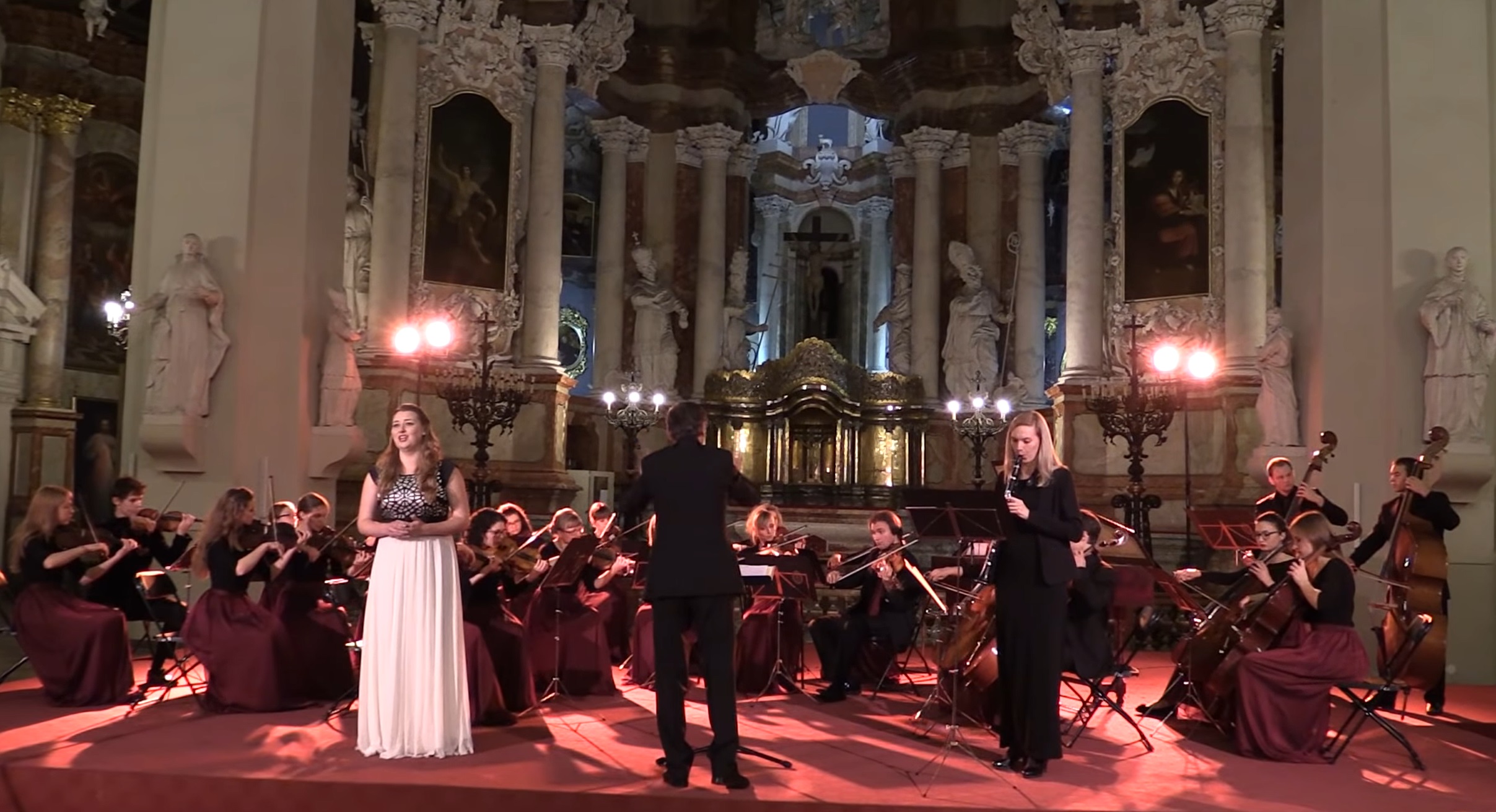
Today is the Feast of Corpus Christi.
The 13th century Eucharistic chant of Ave verum corpus was set to music by Mozart in 1791 to be sung especially to celebrate the feast day.
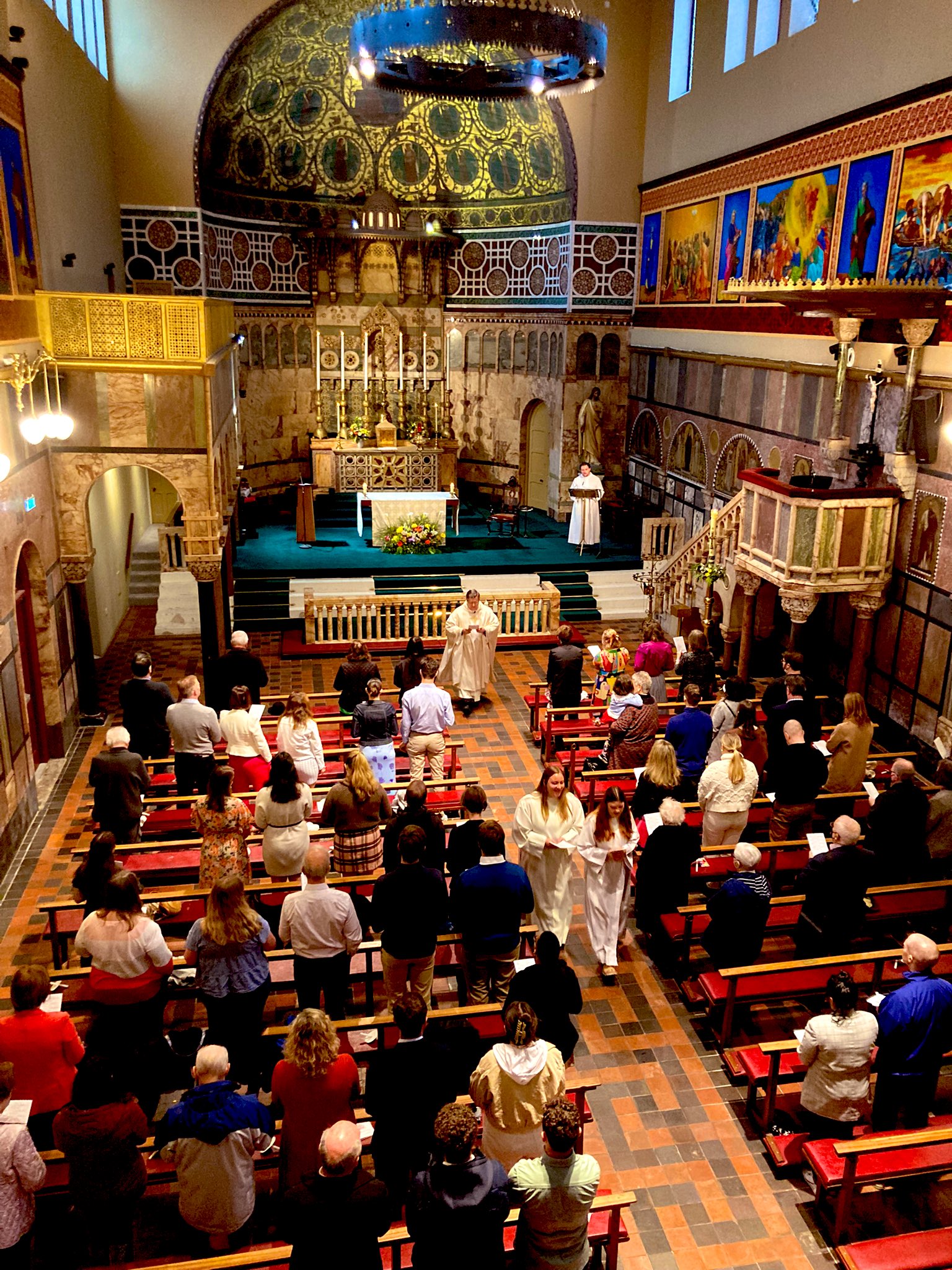
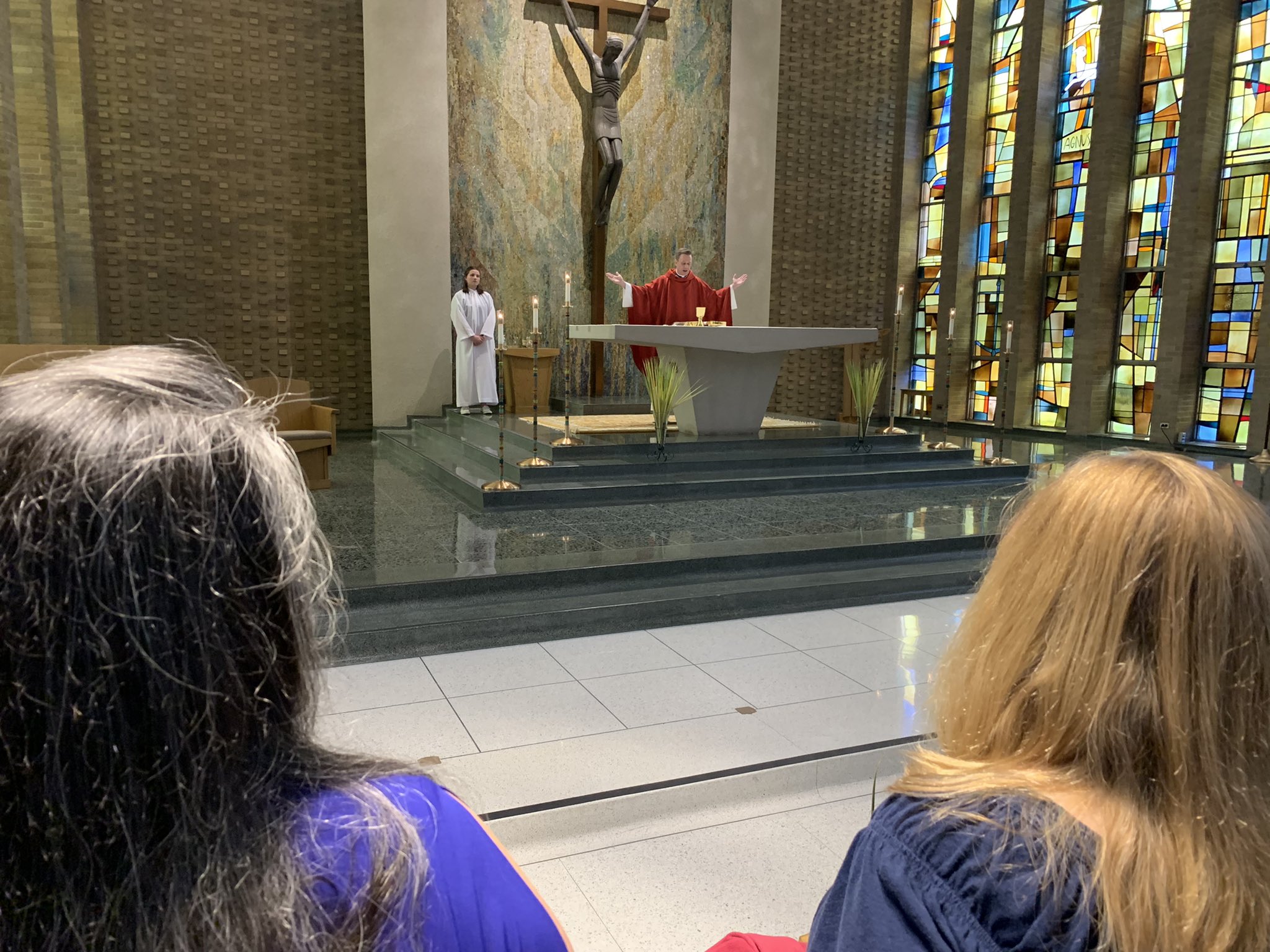
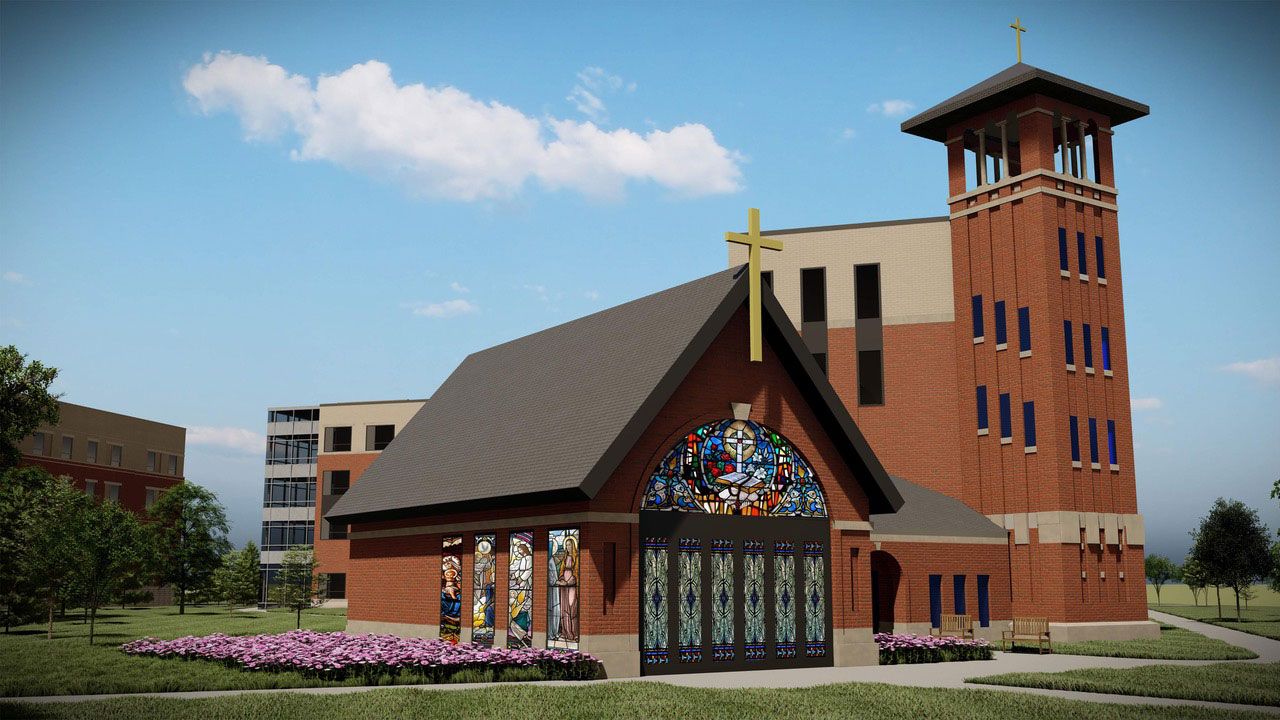
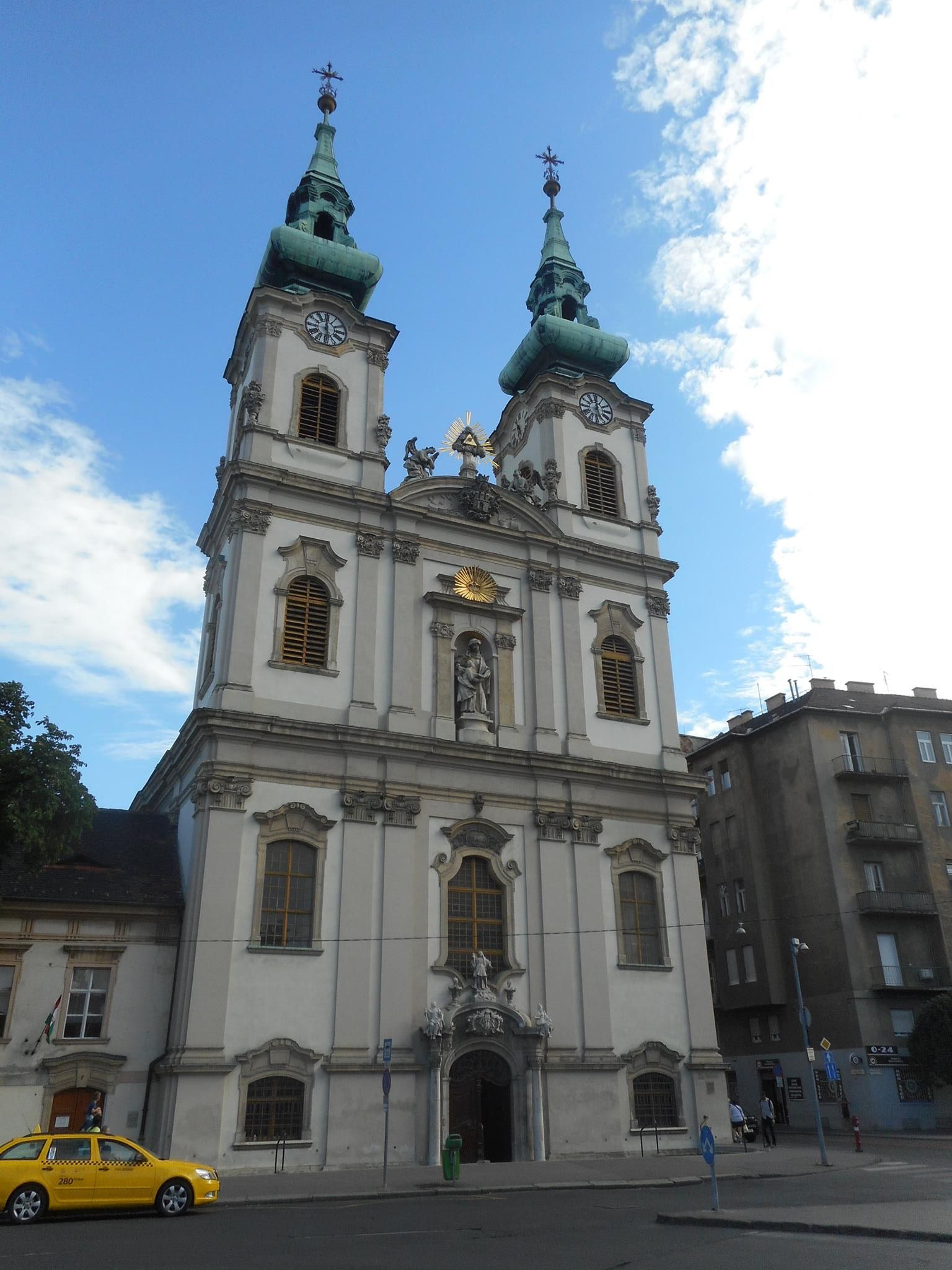
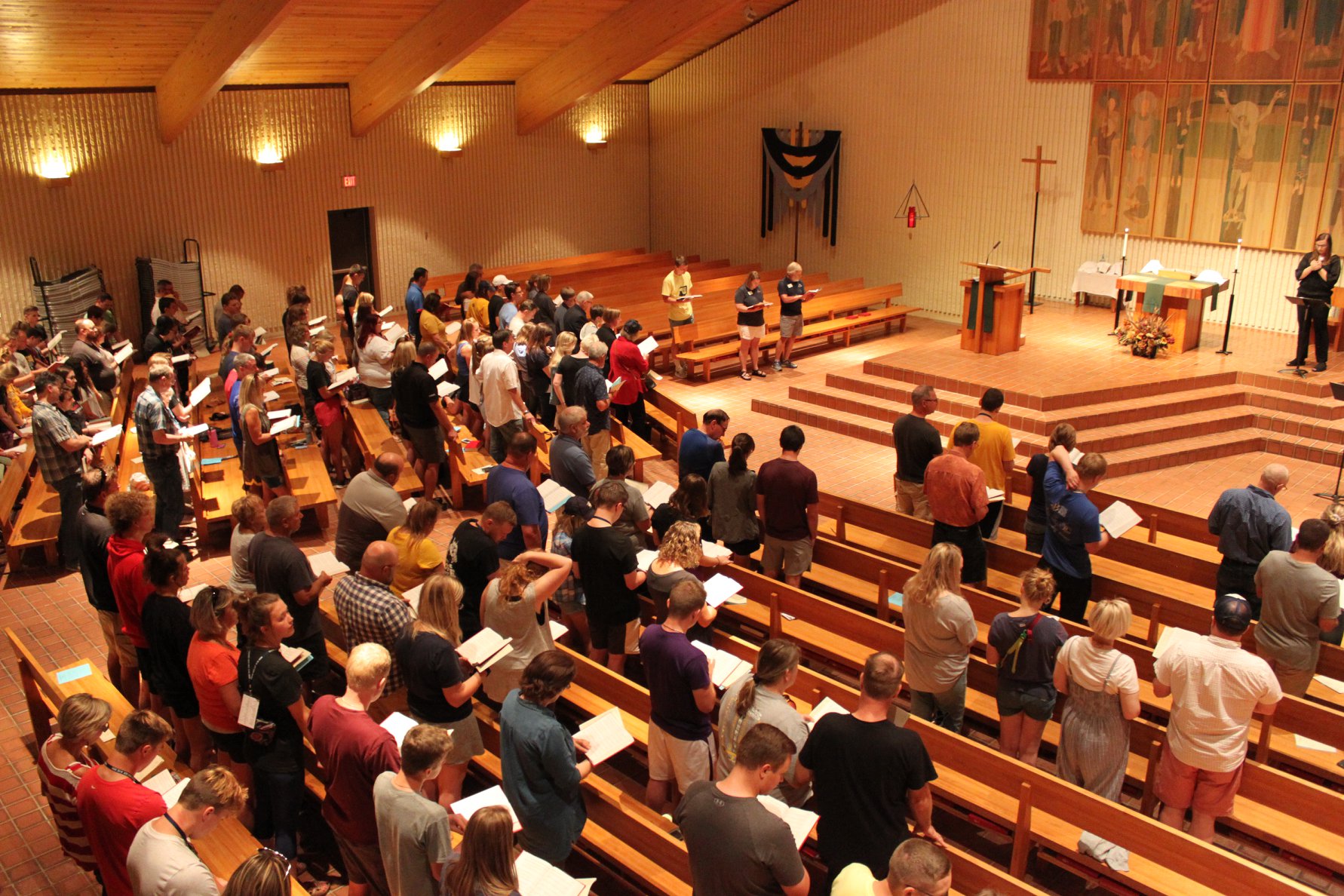
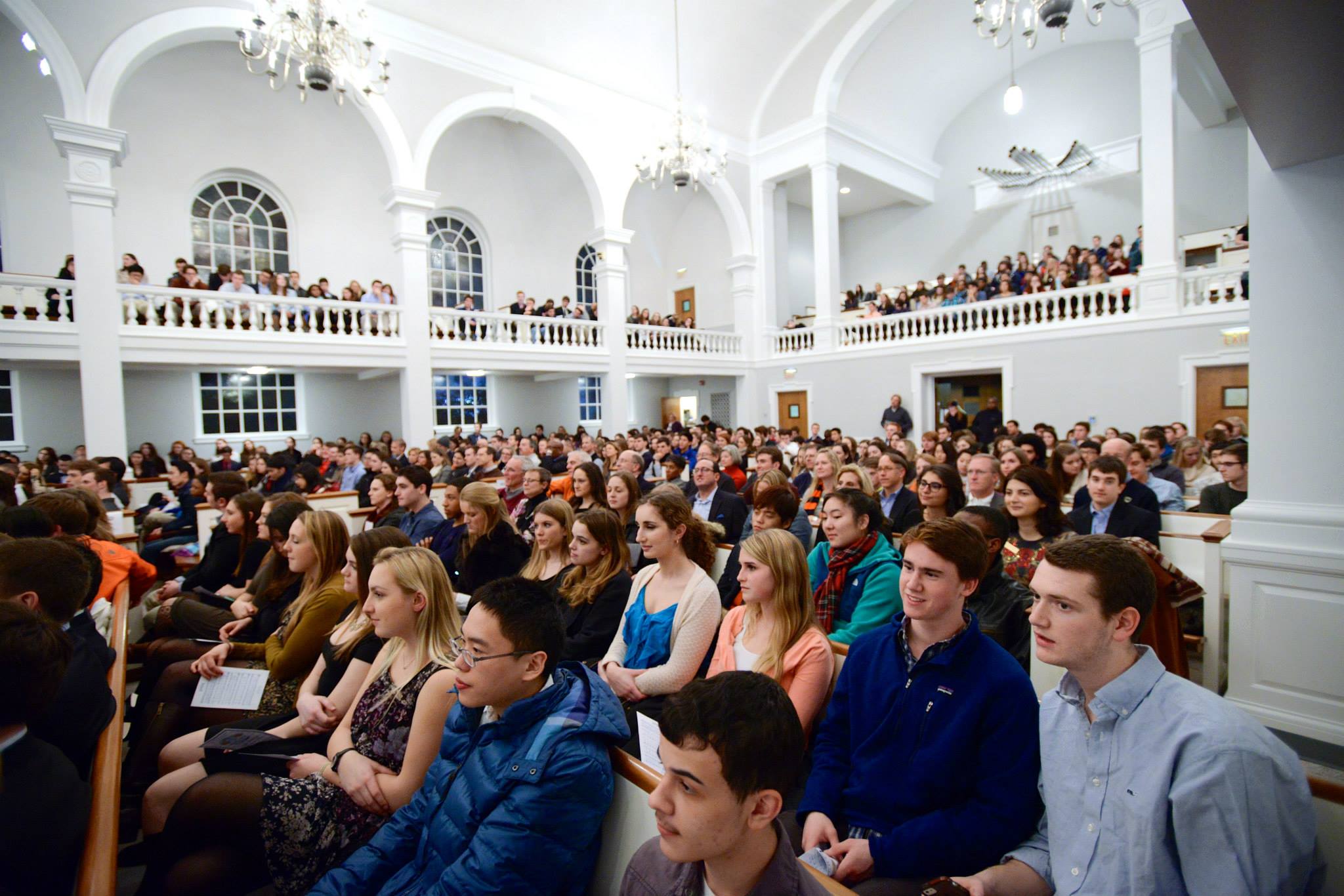
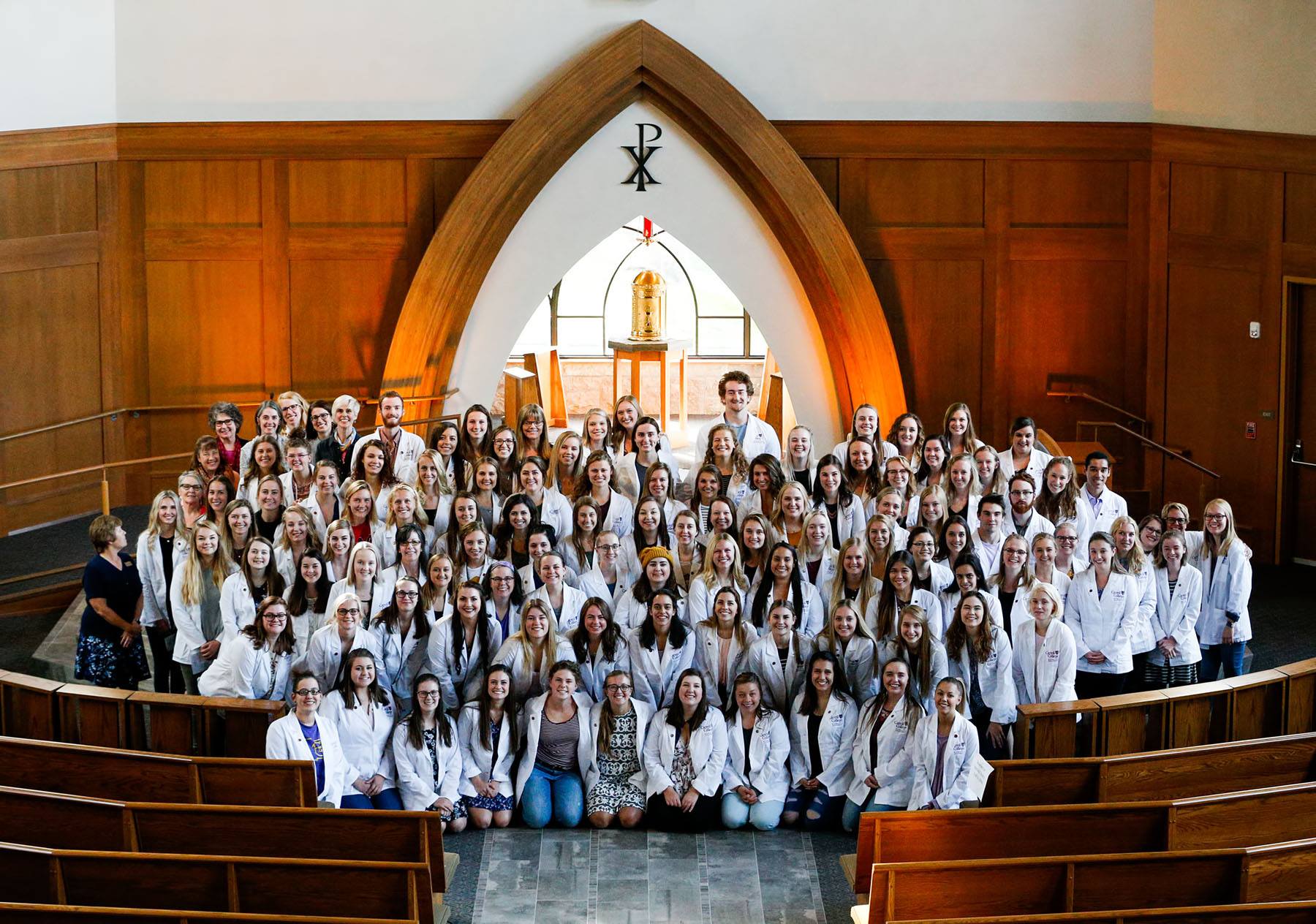
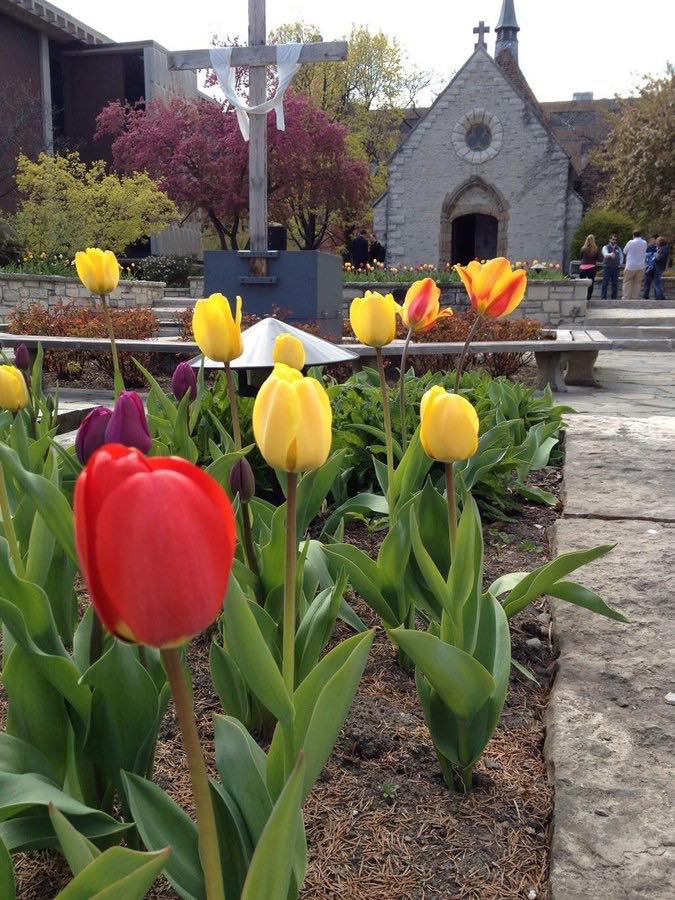
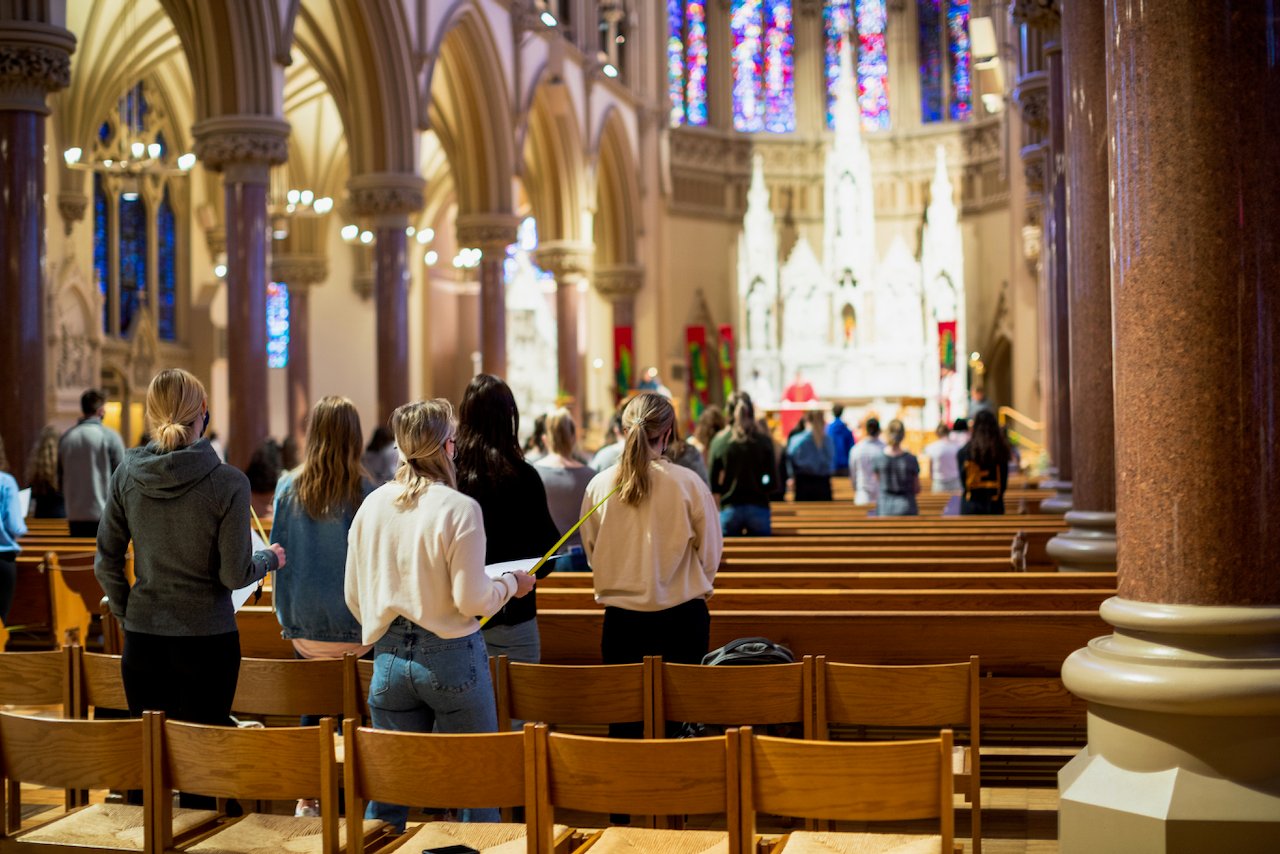
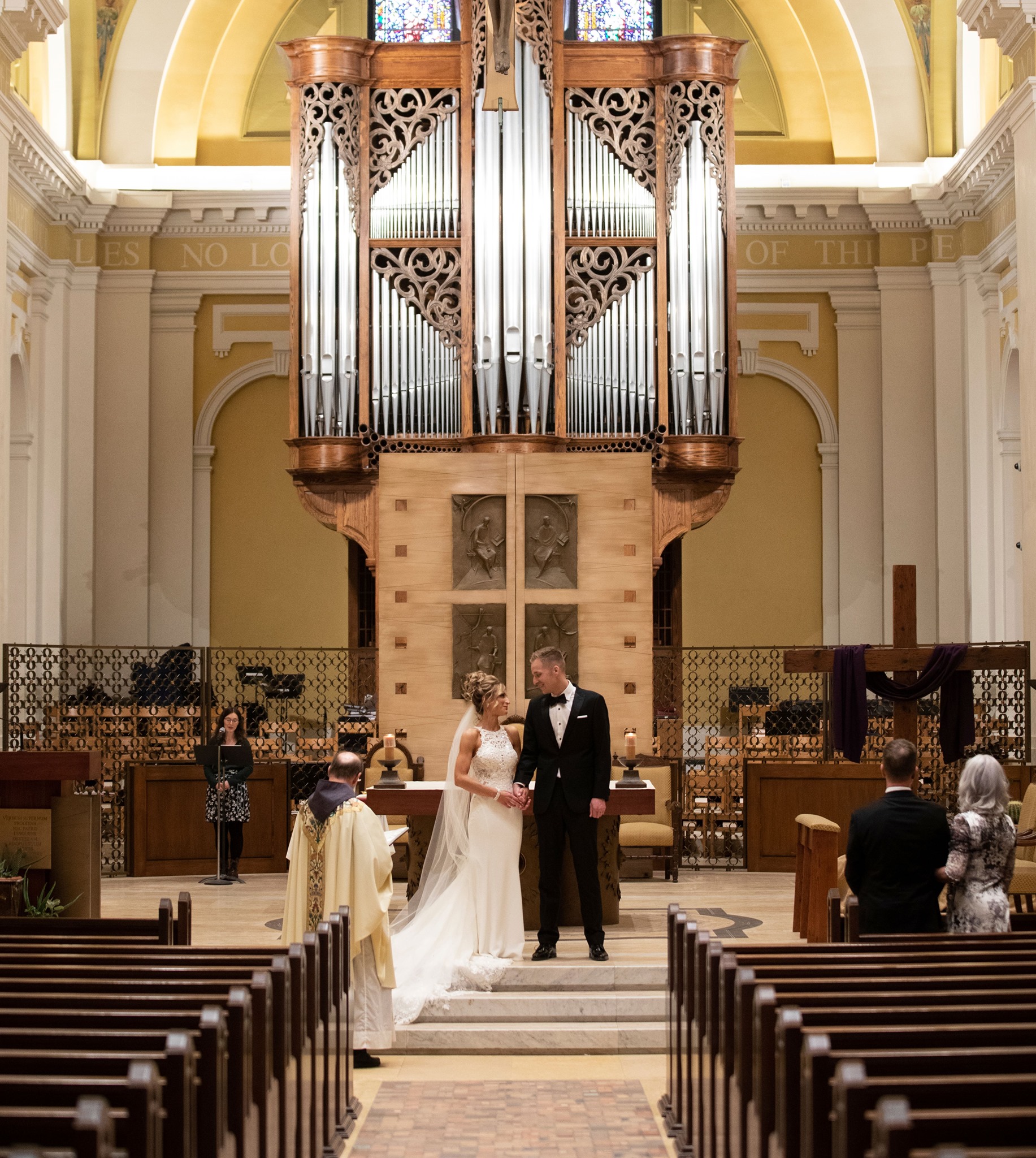
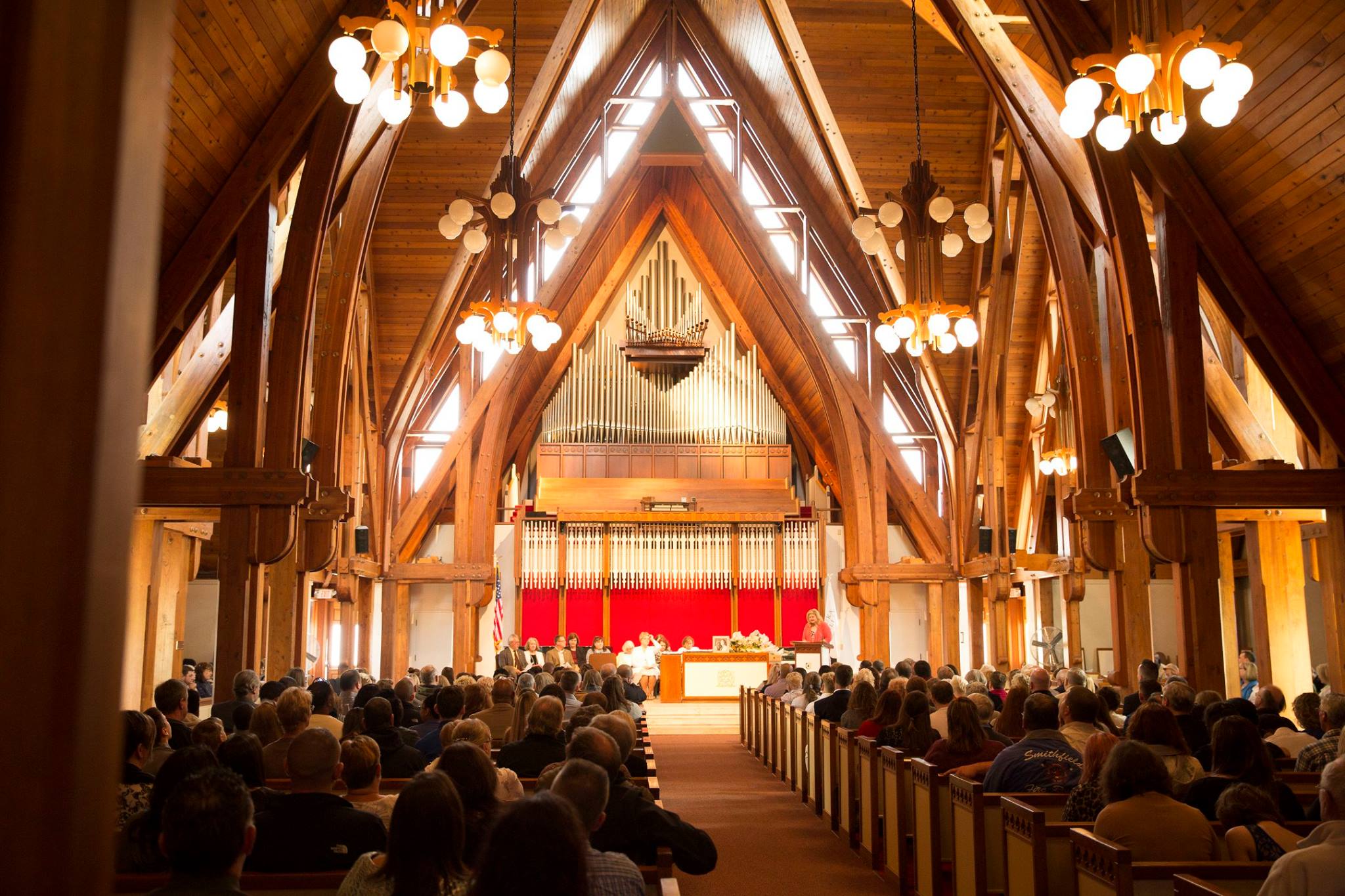
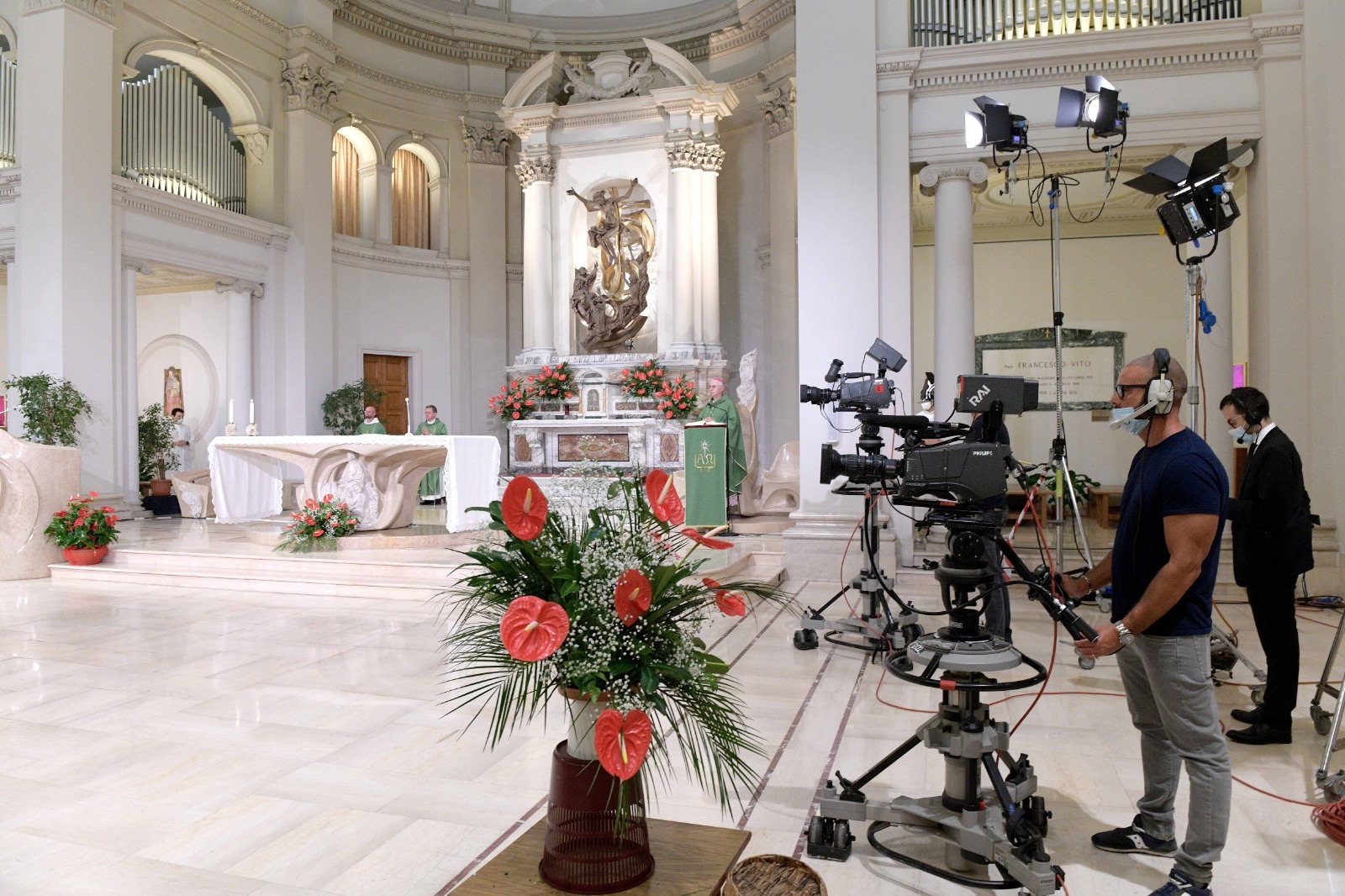
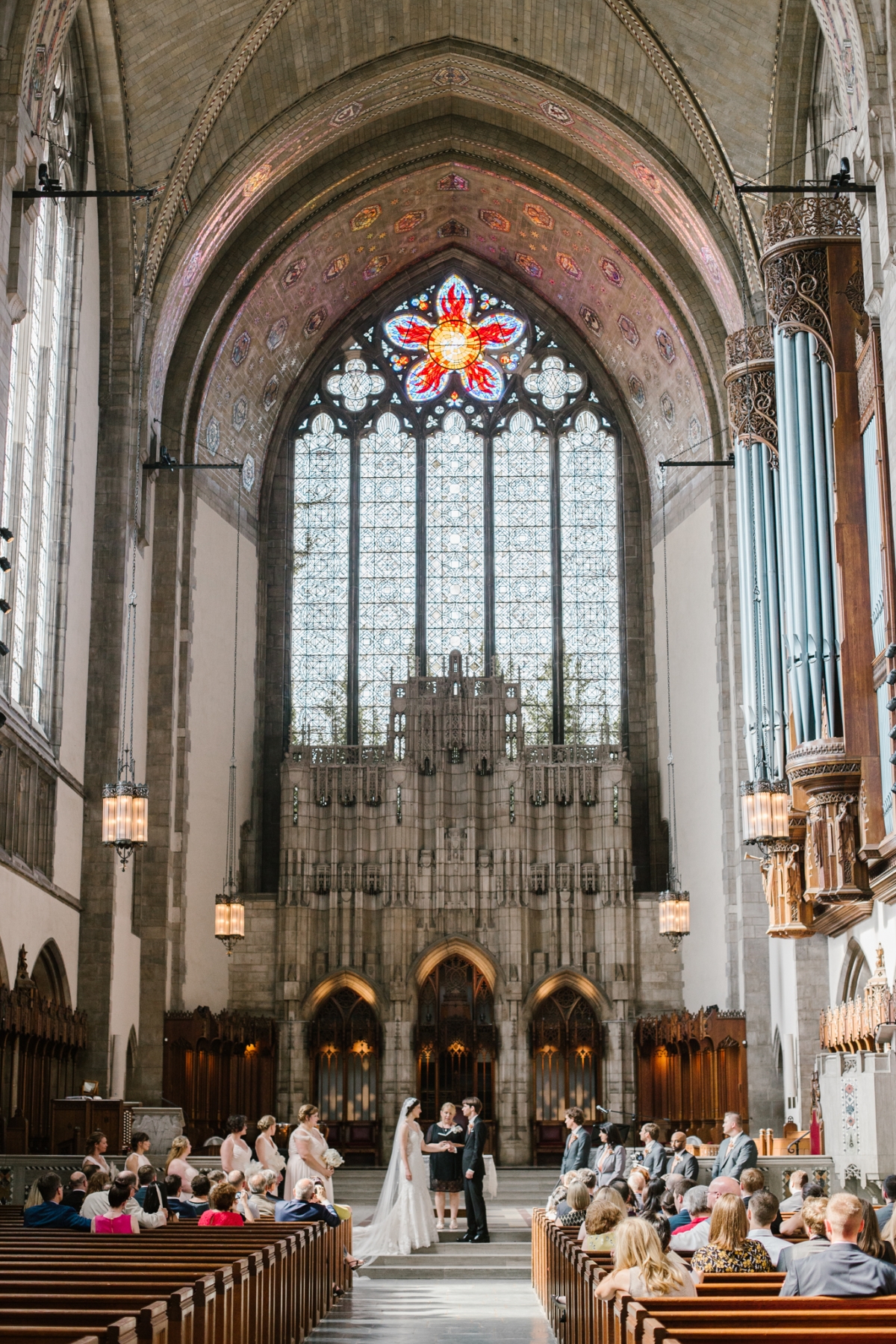
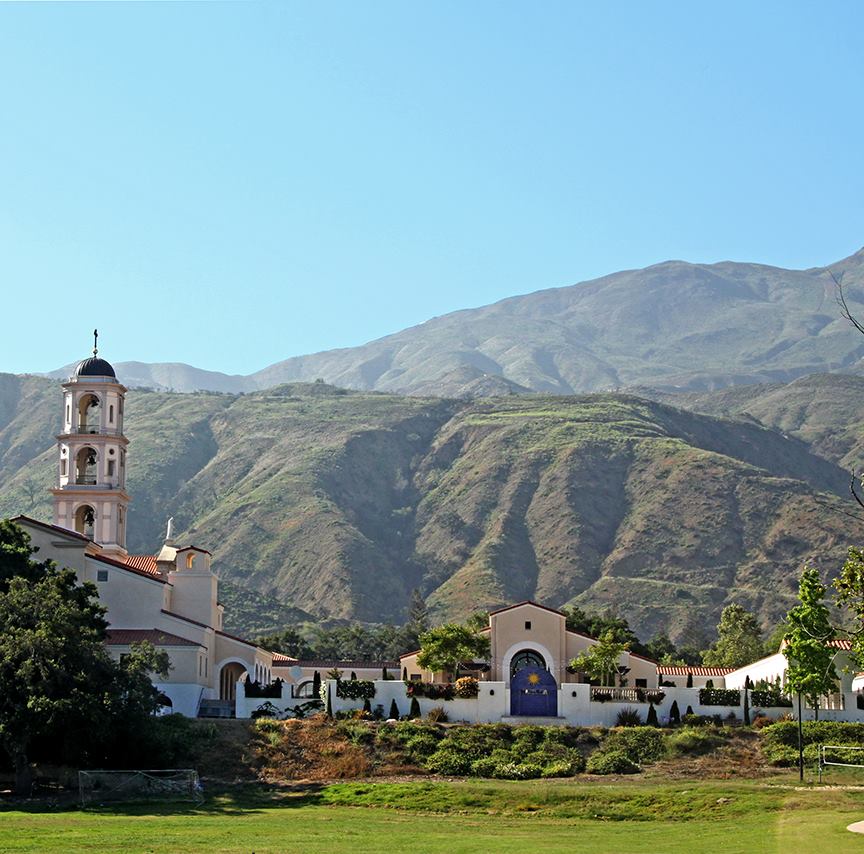
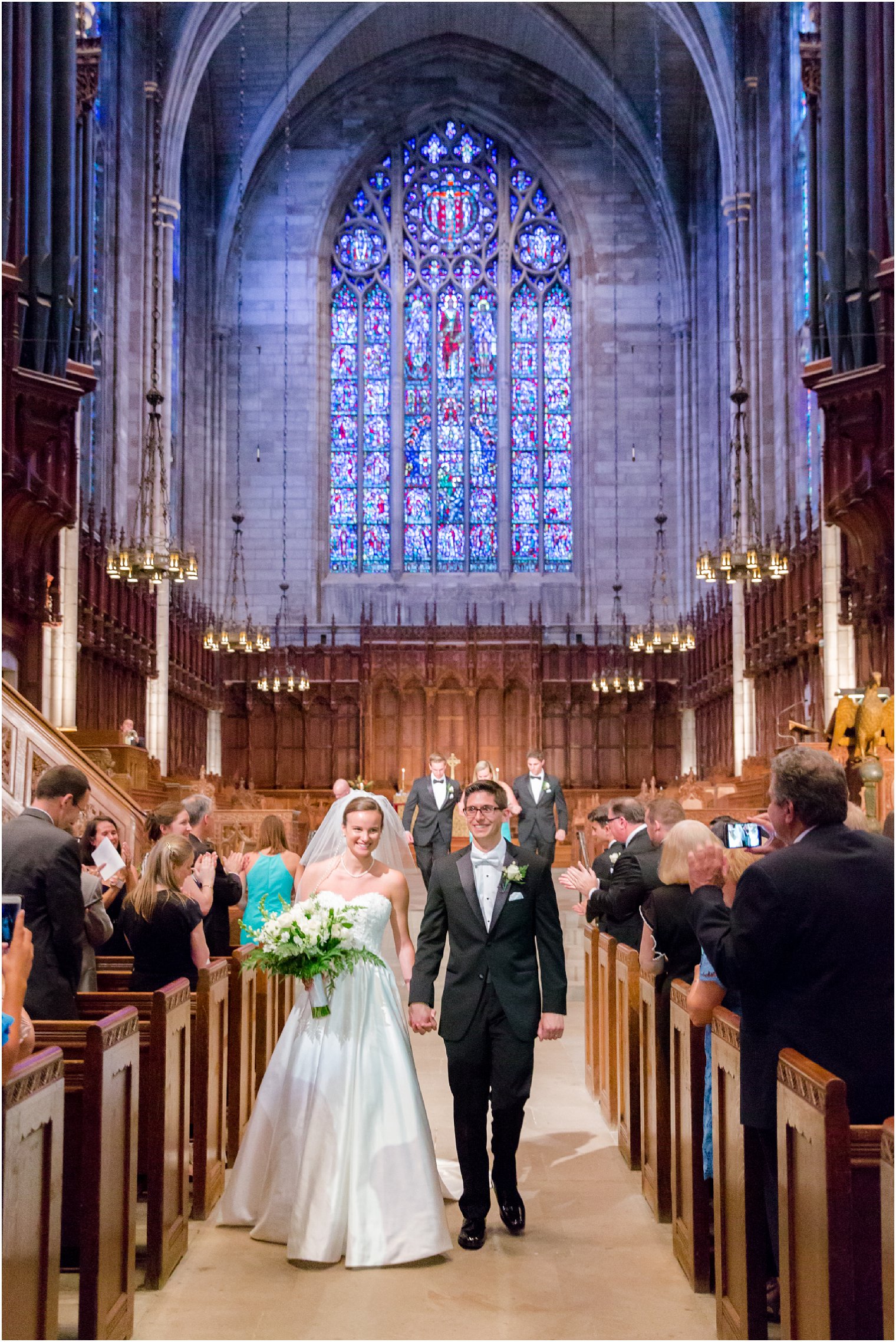
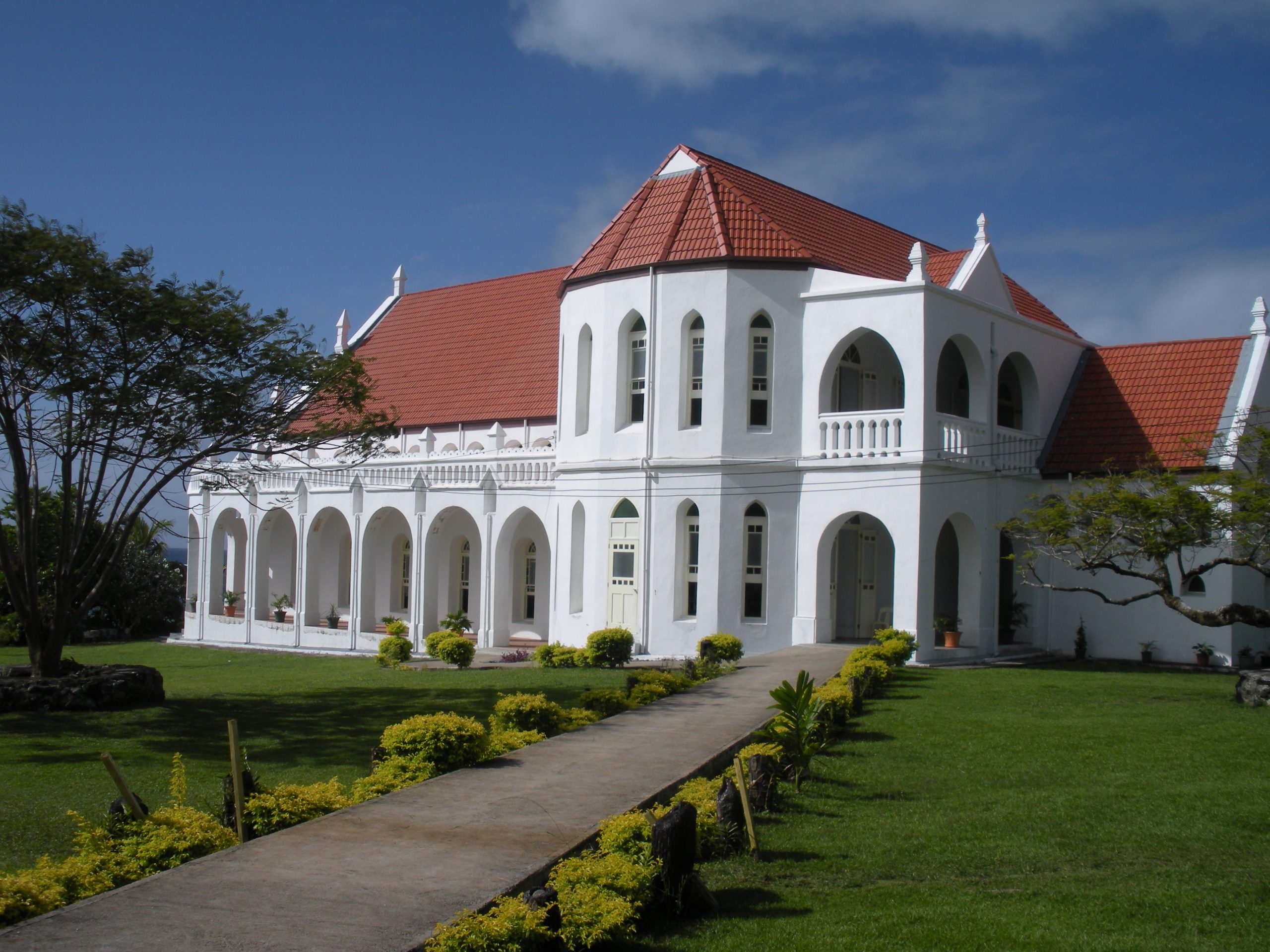
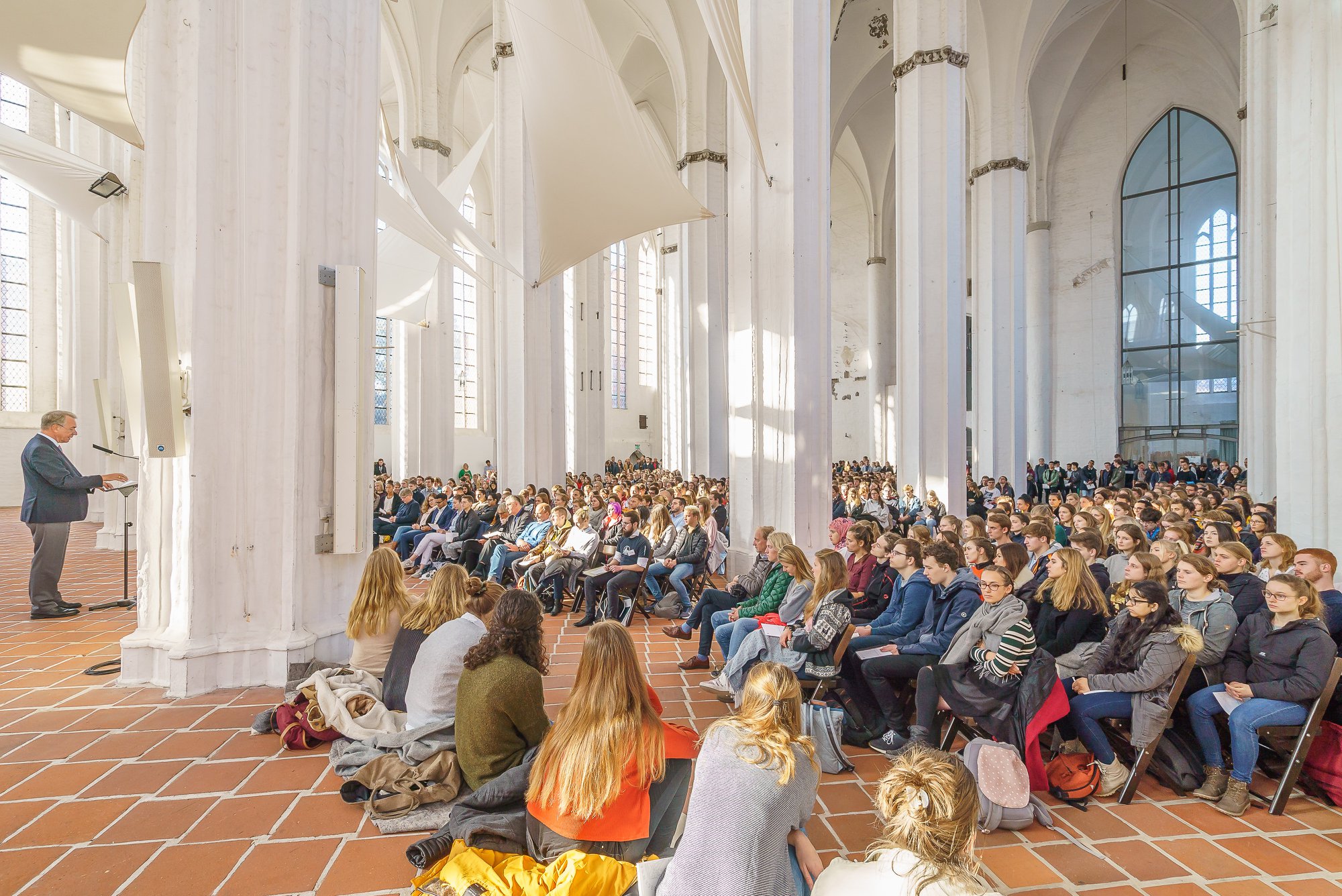
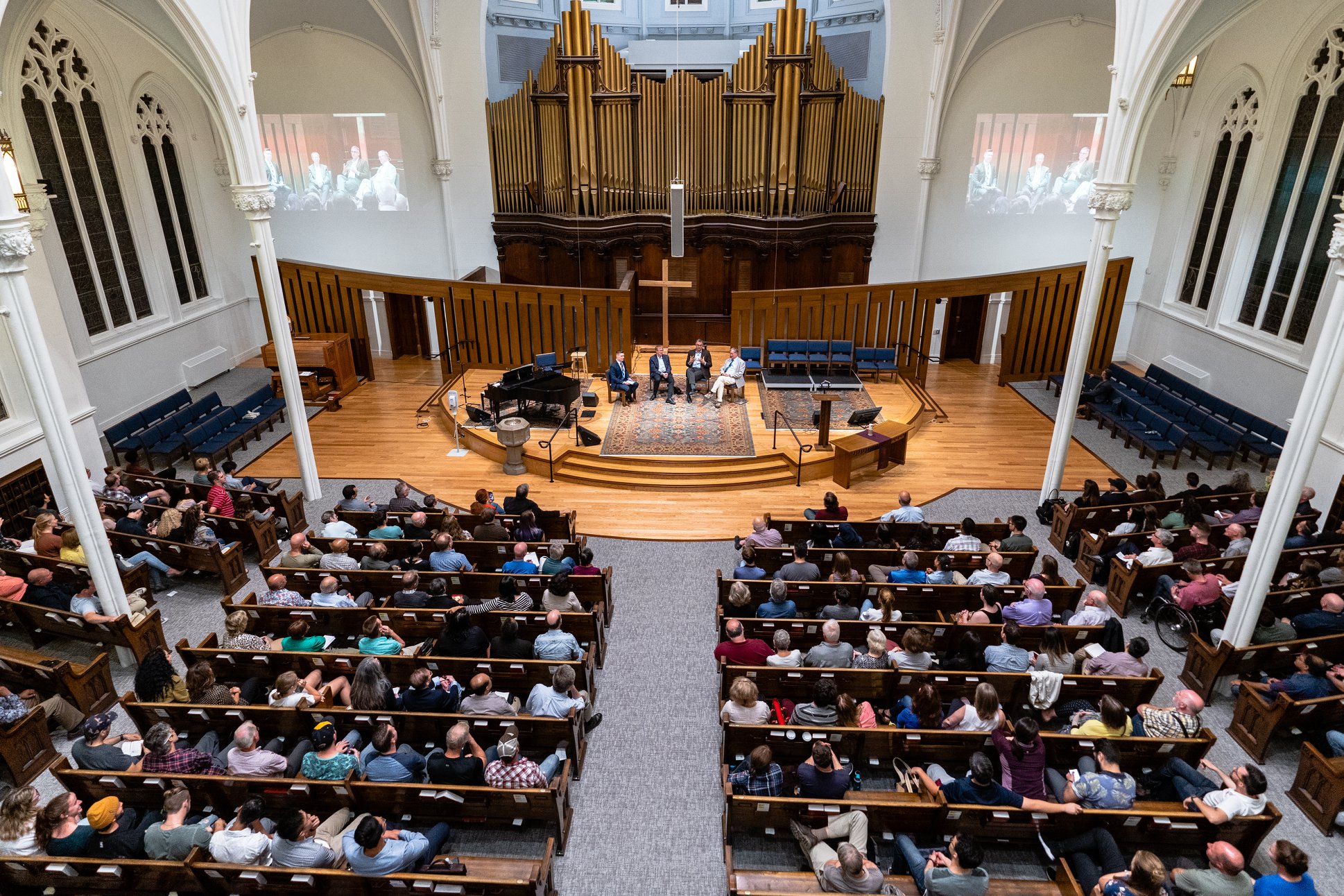
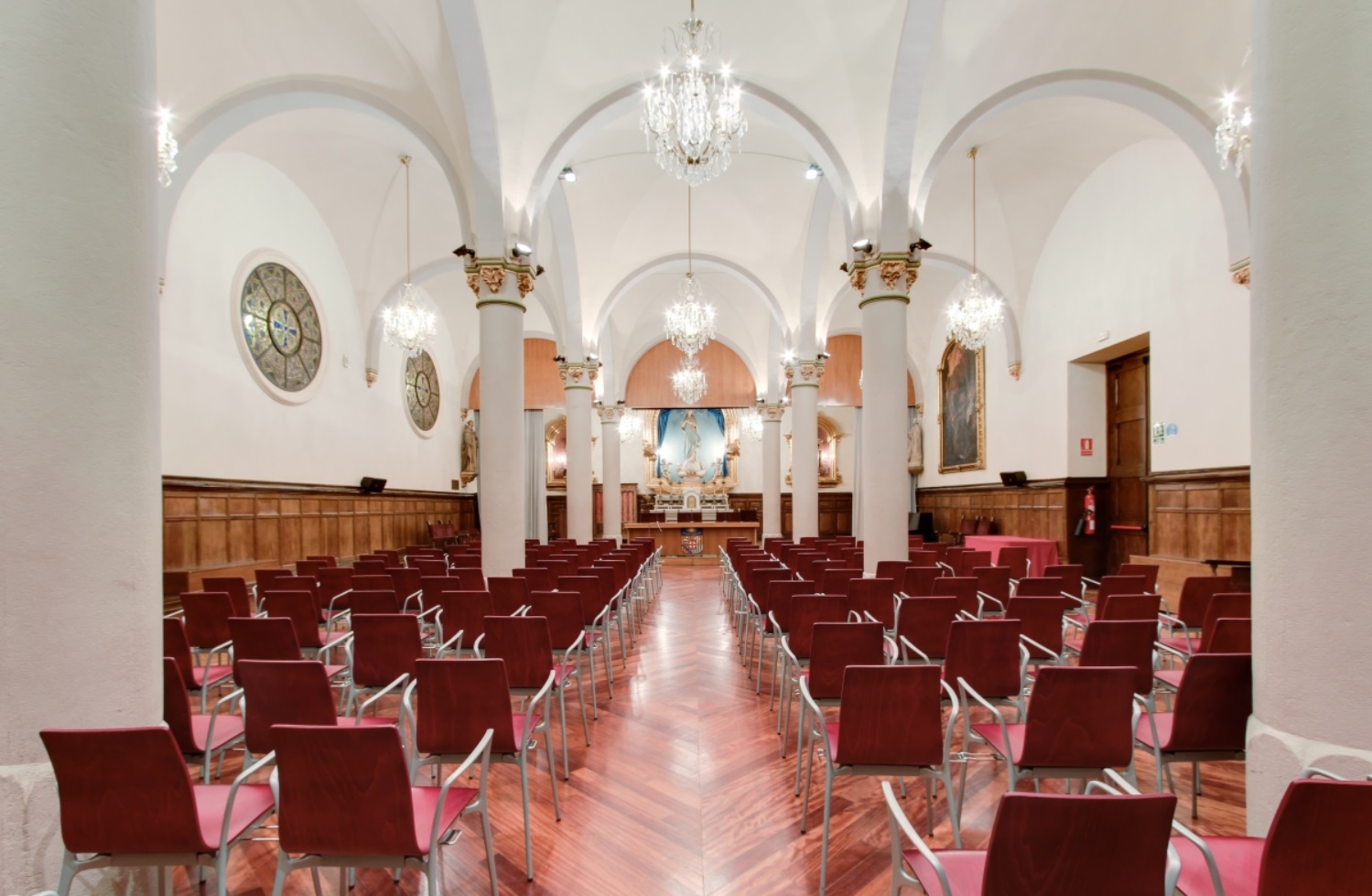
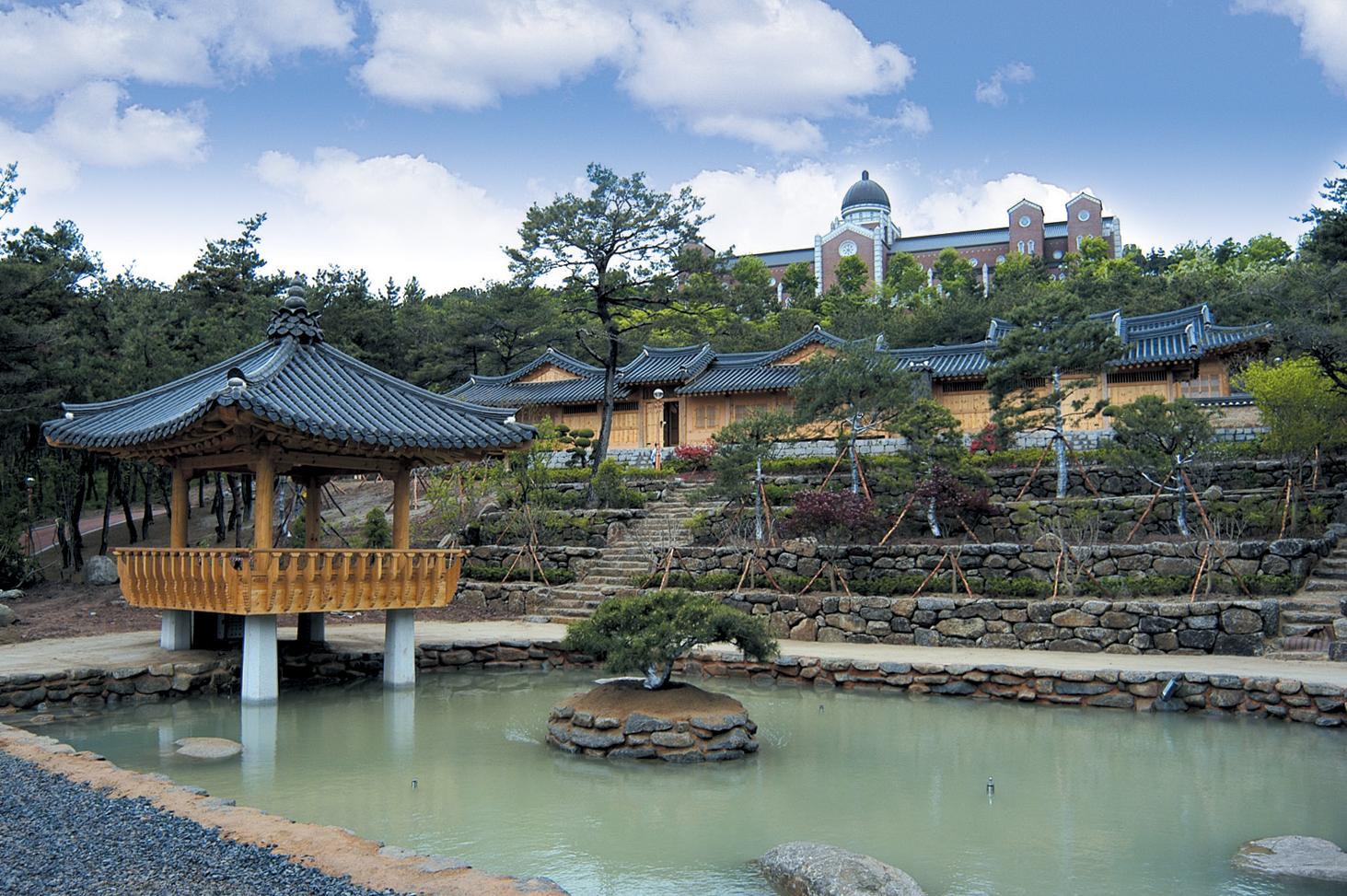
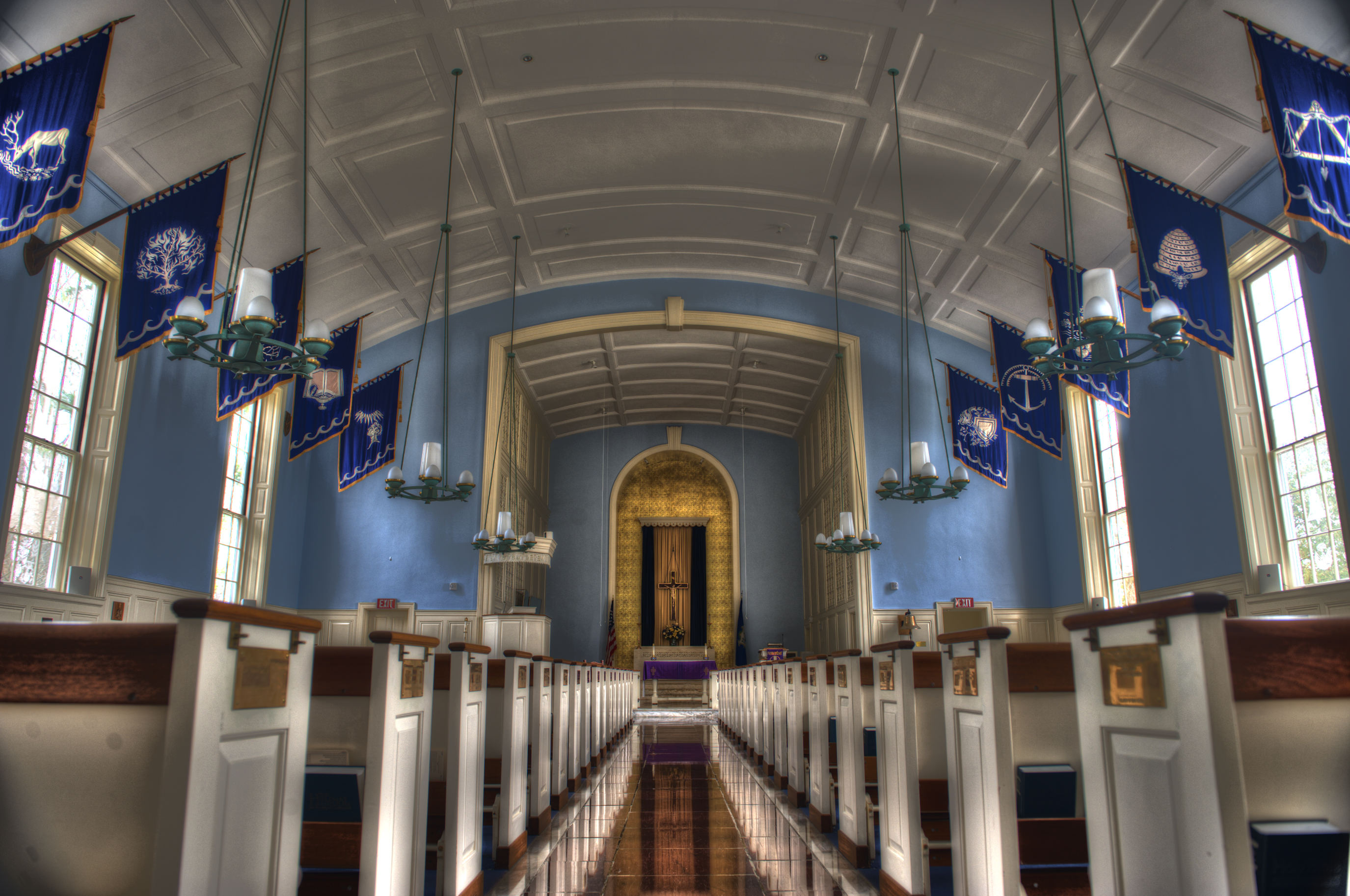
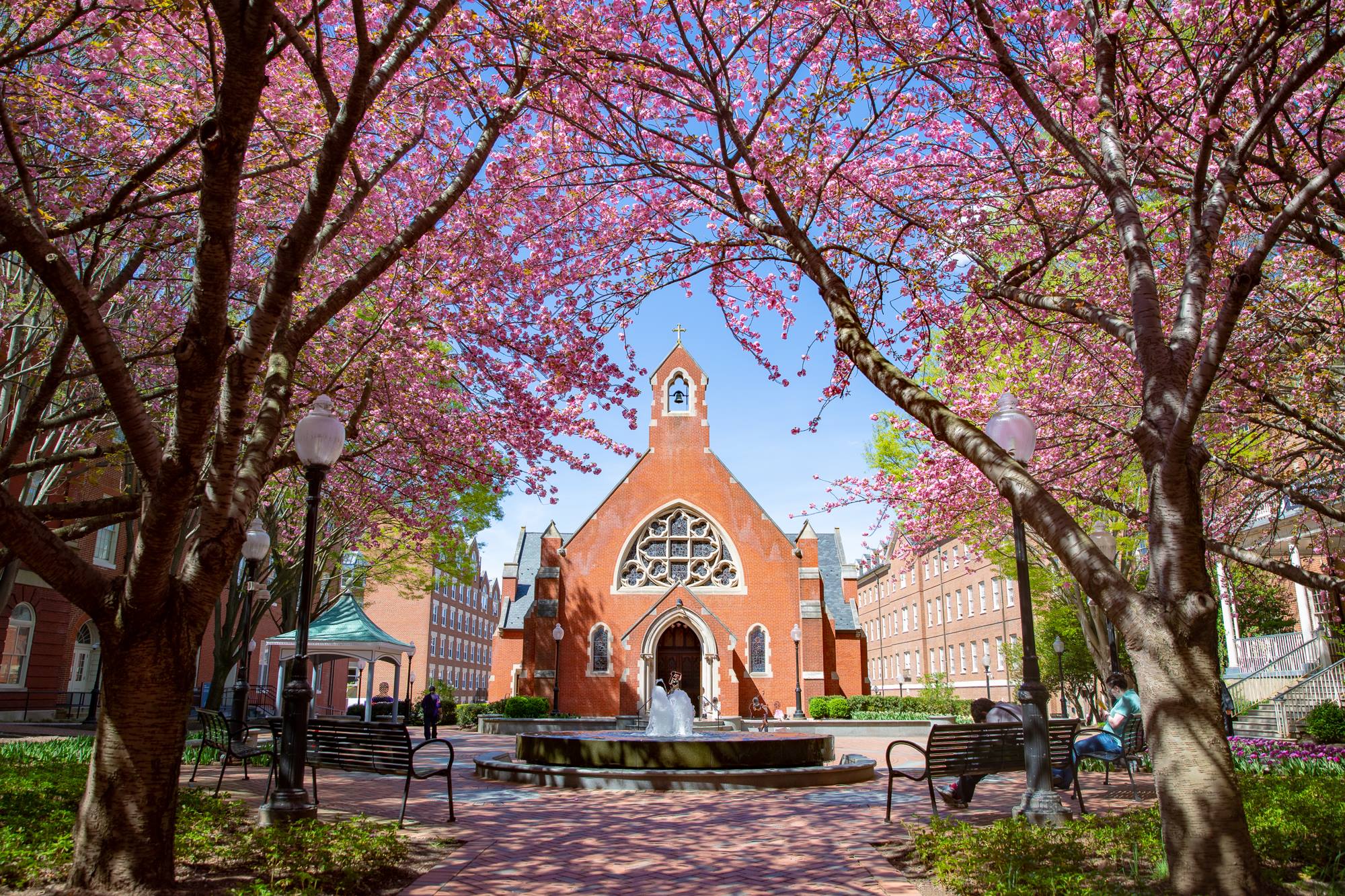
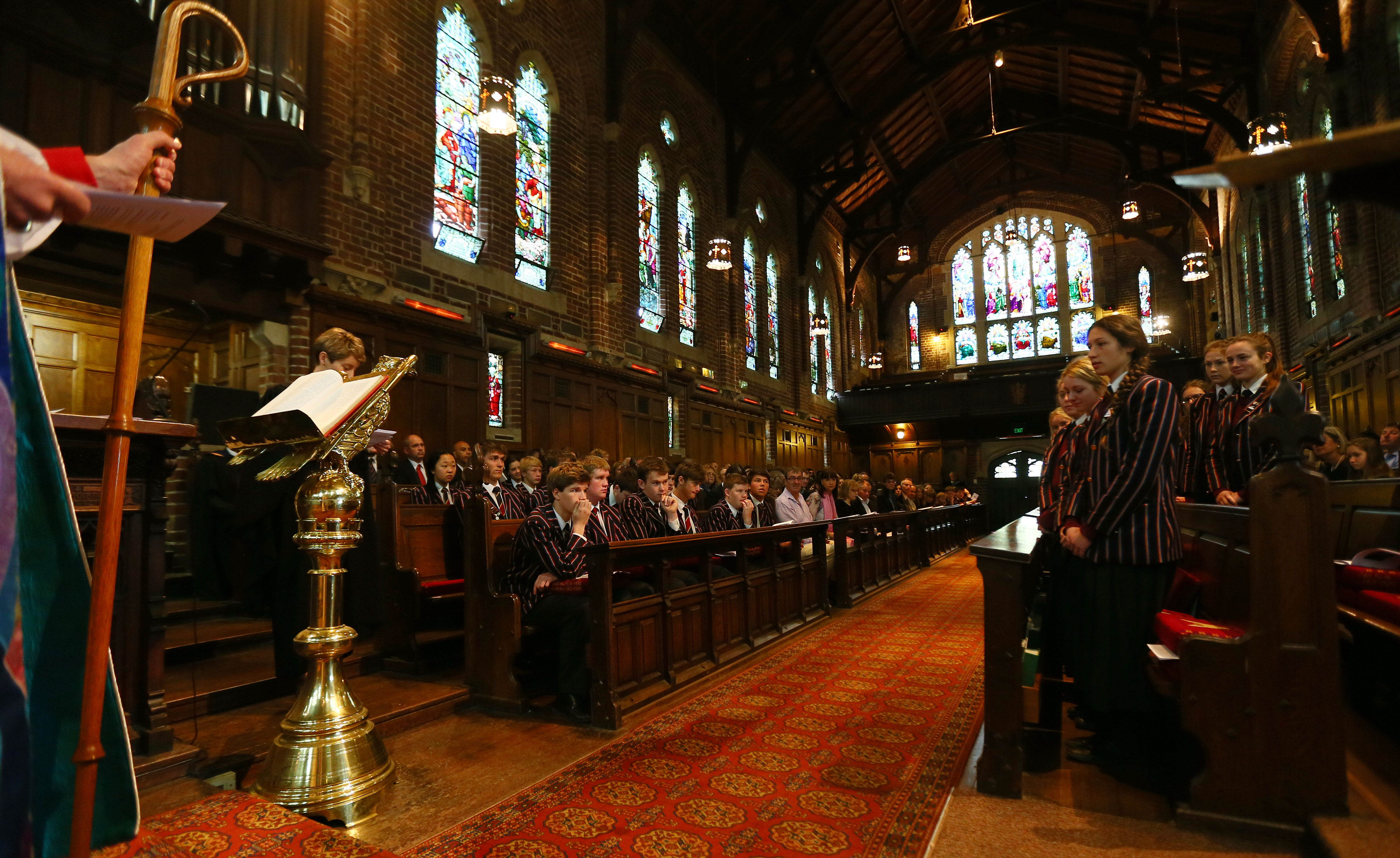
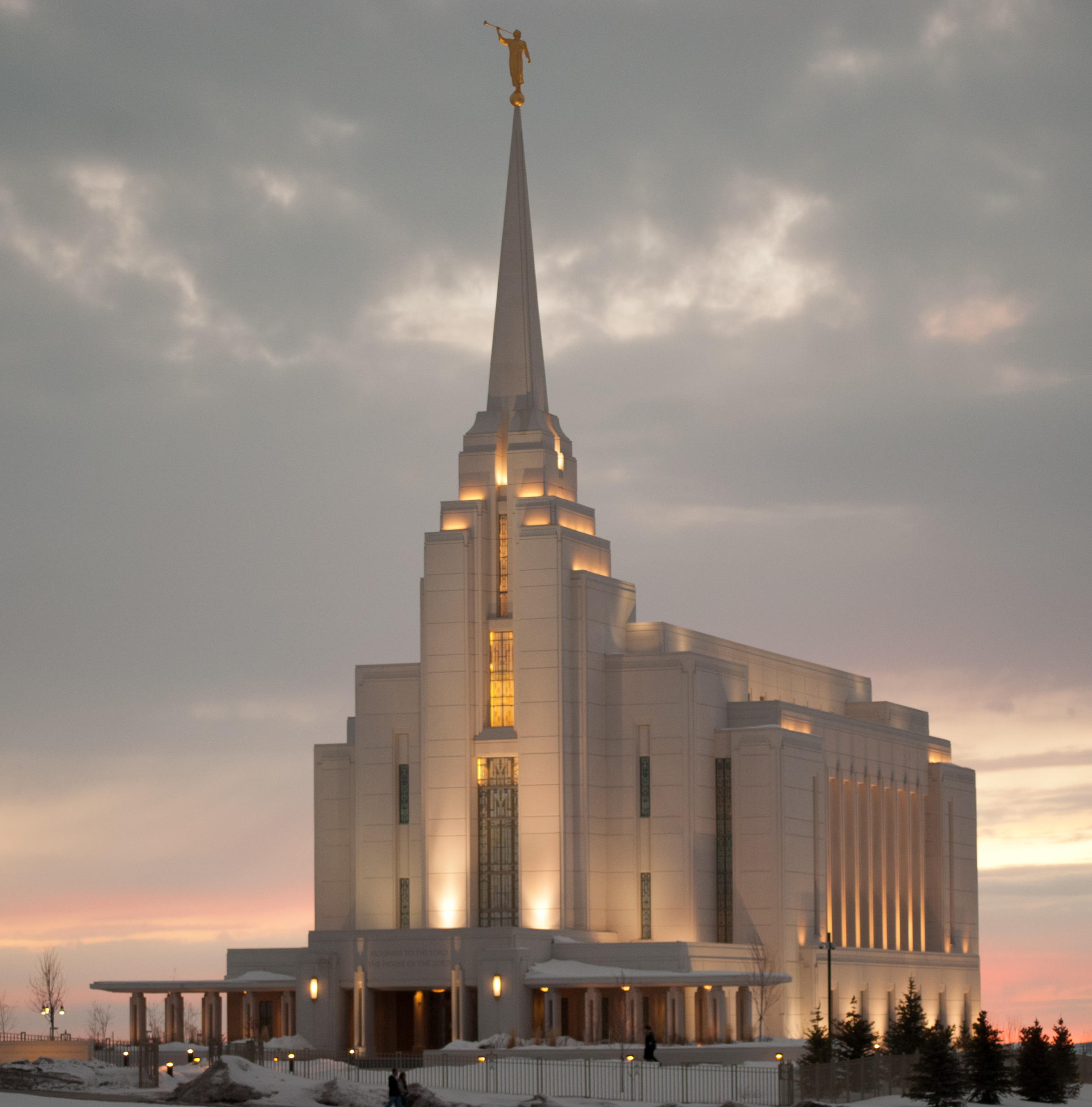
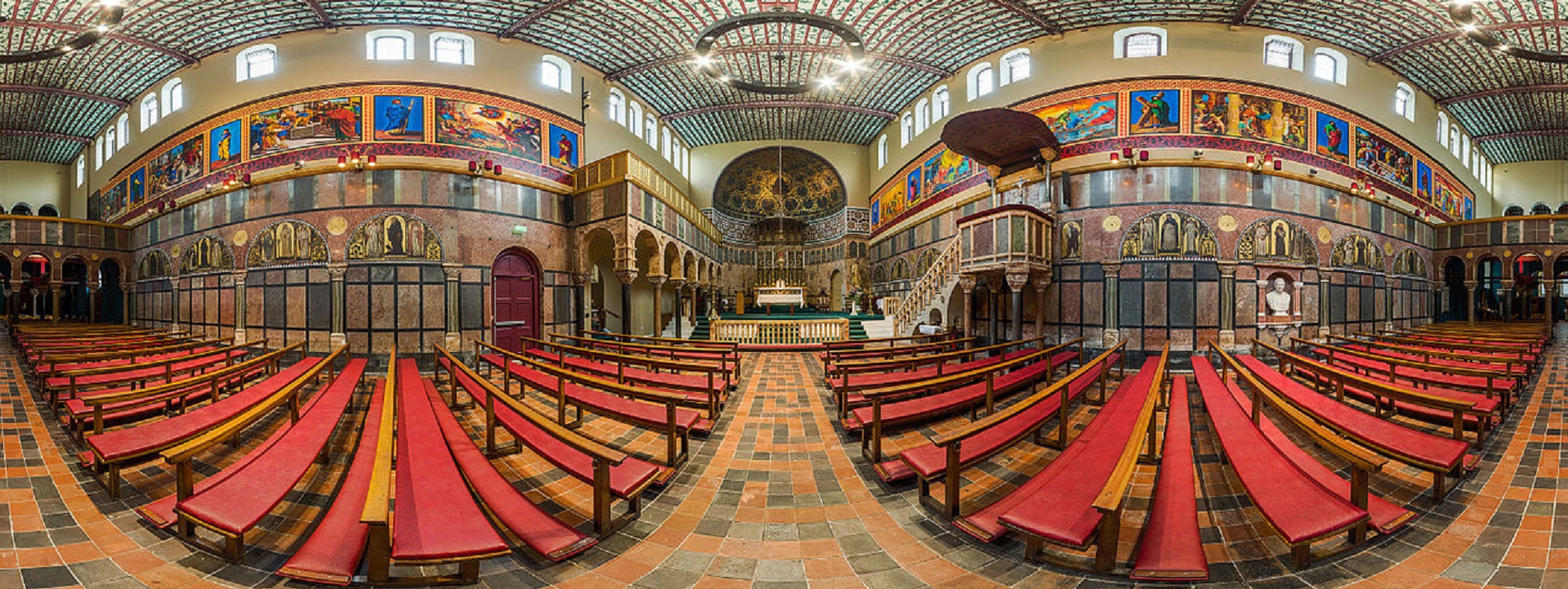
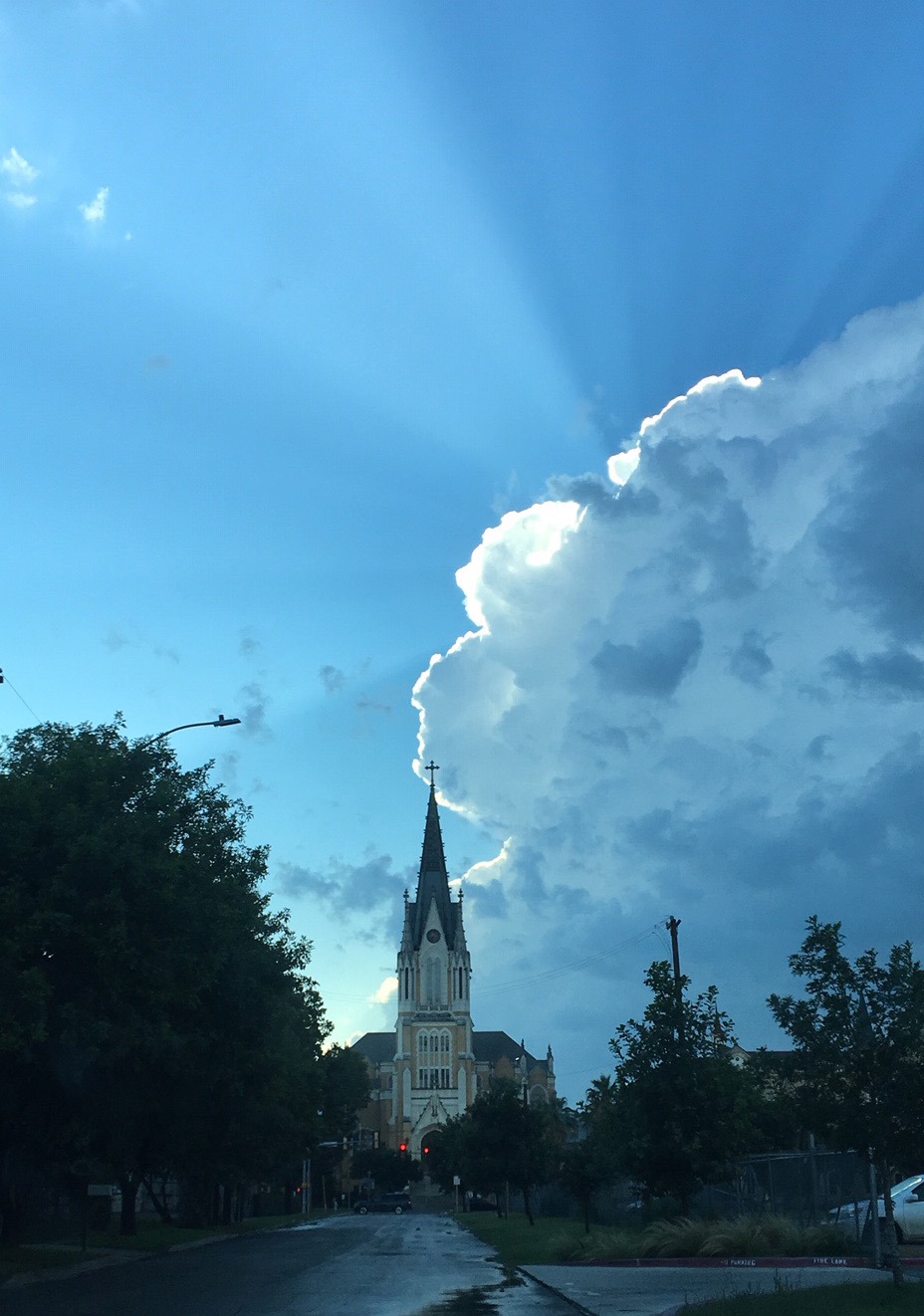
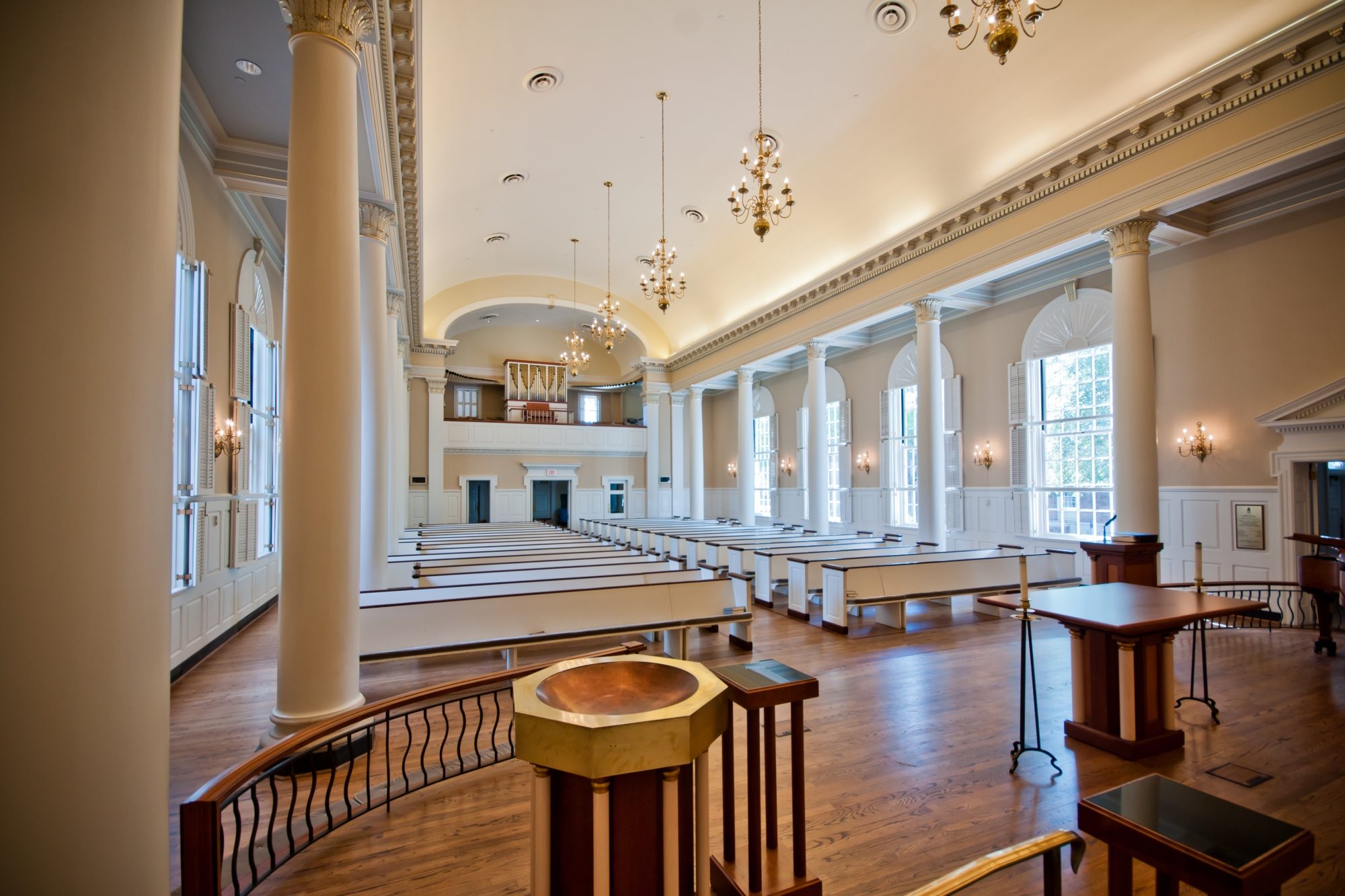
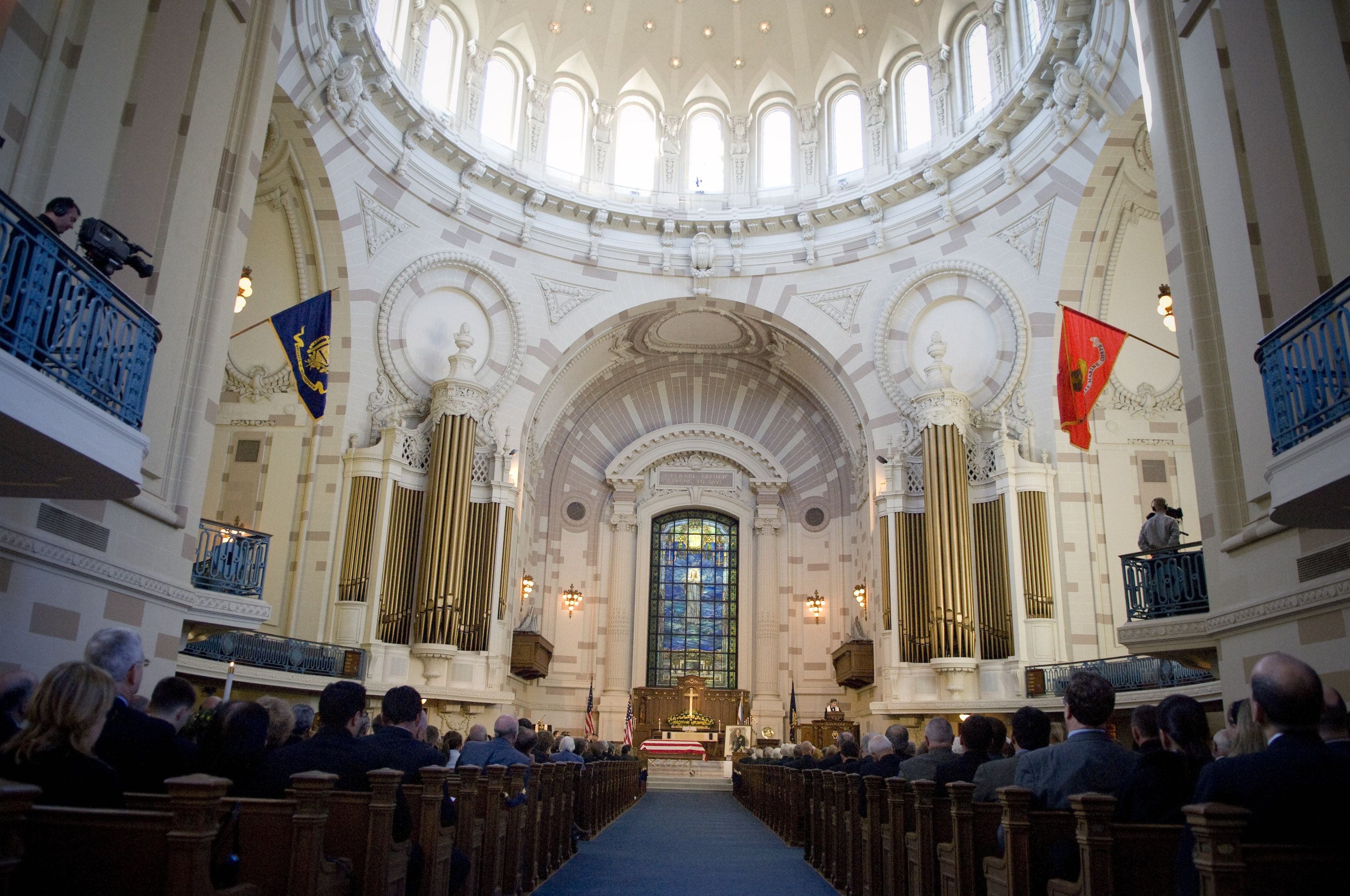
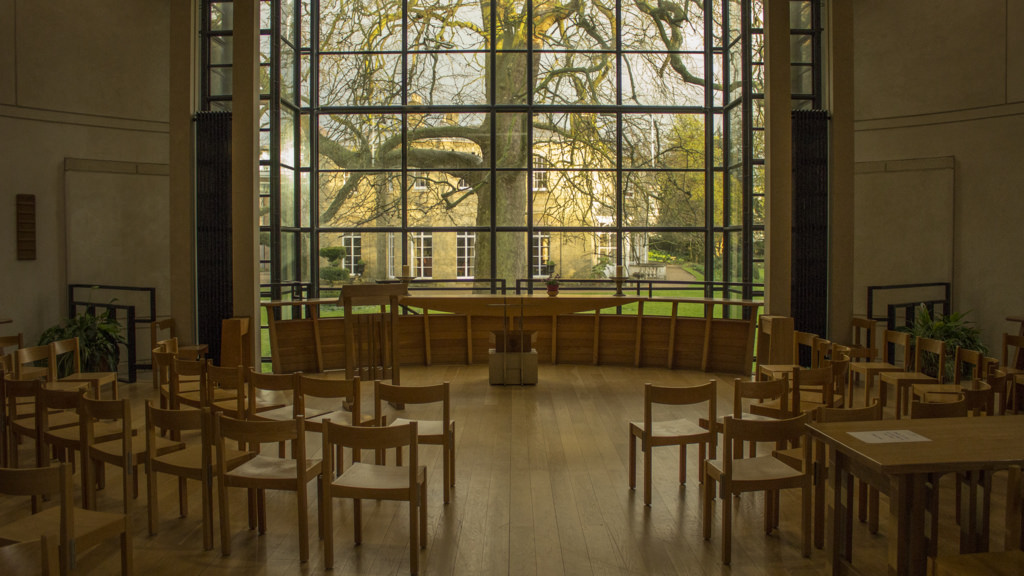
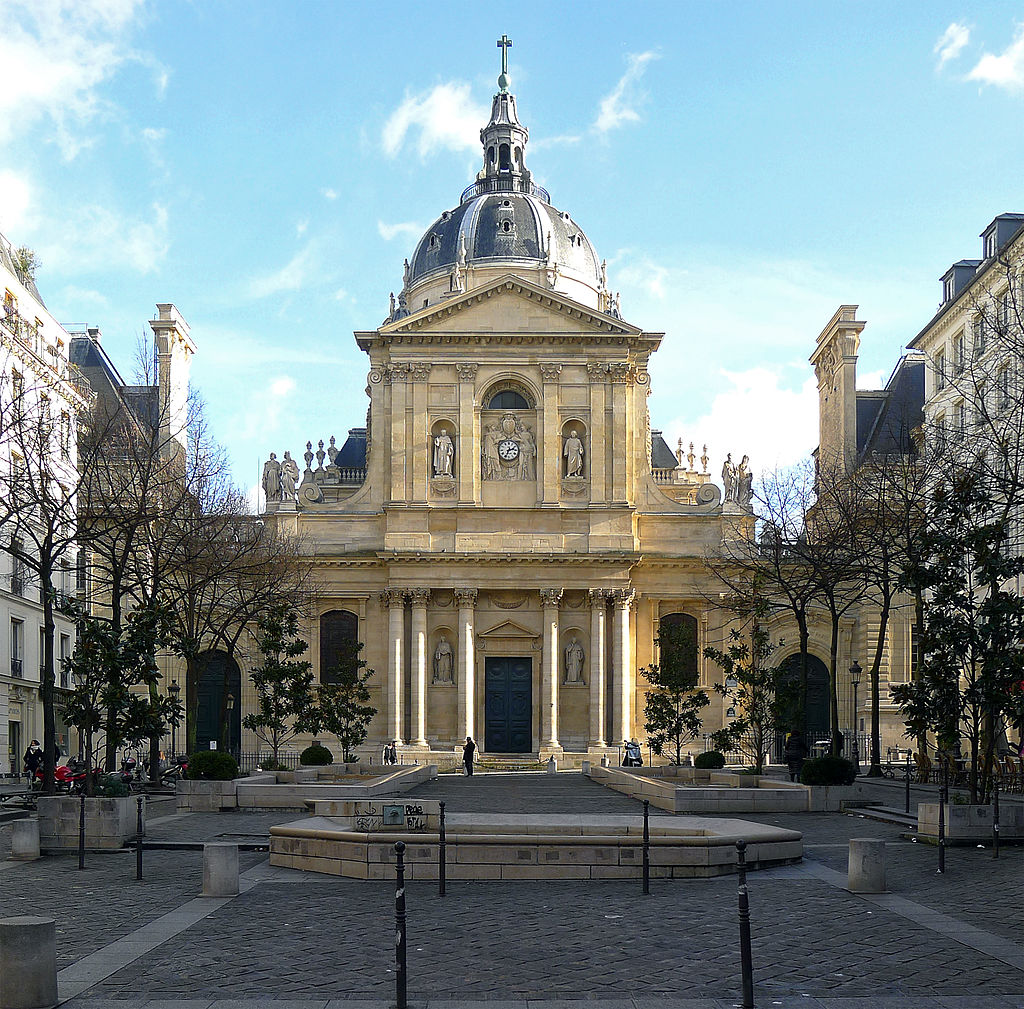
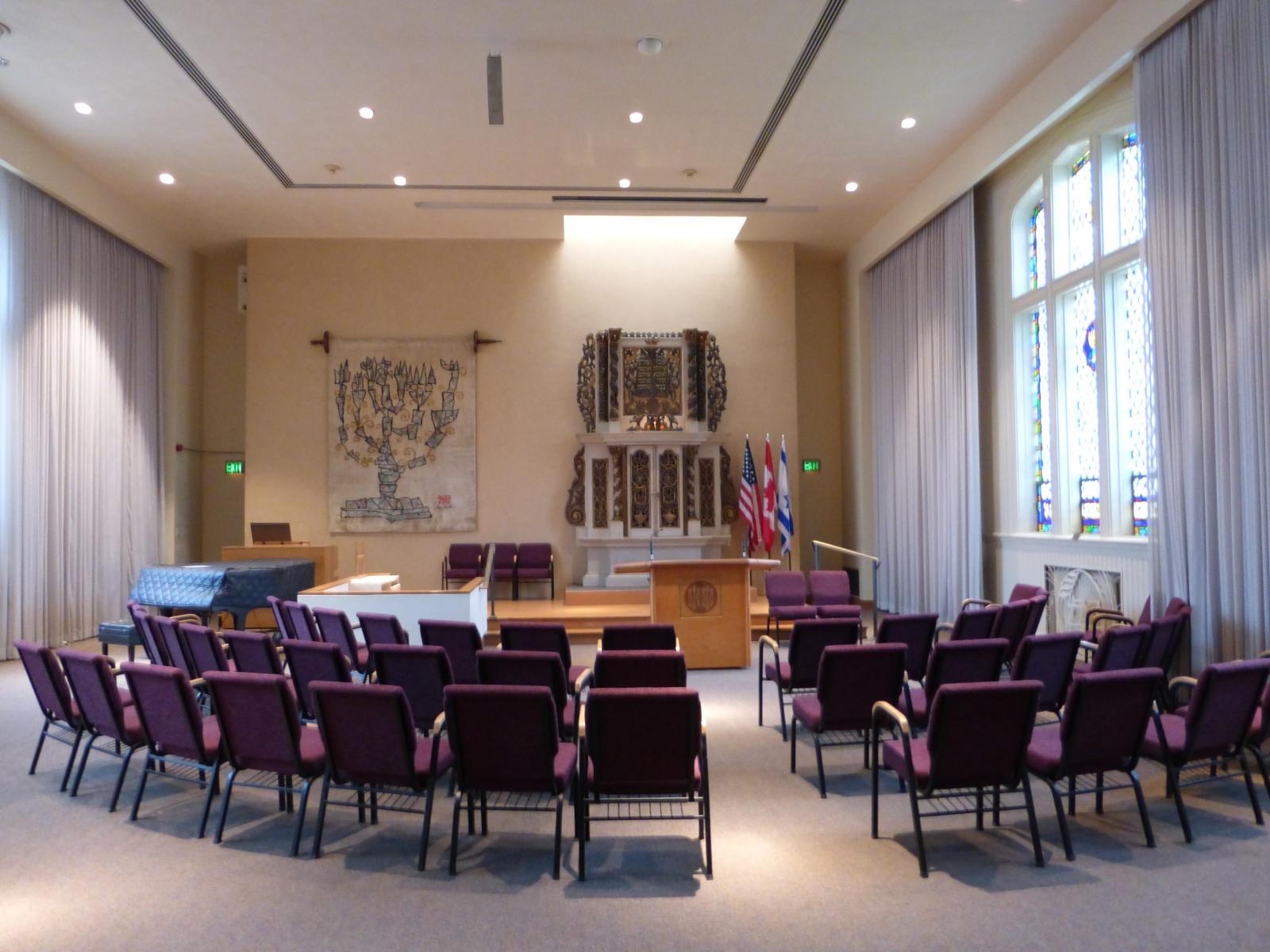
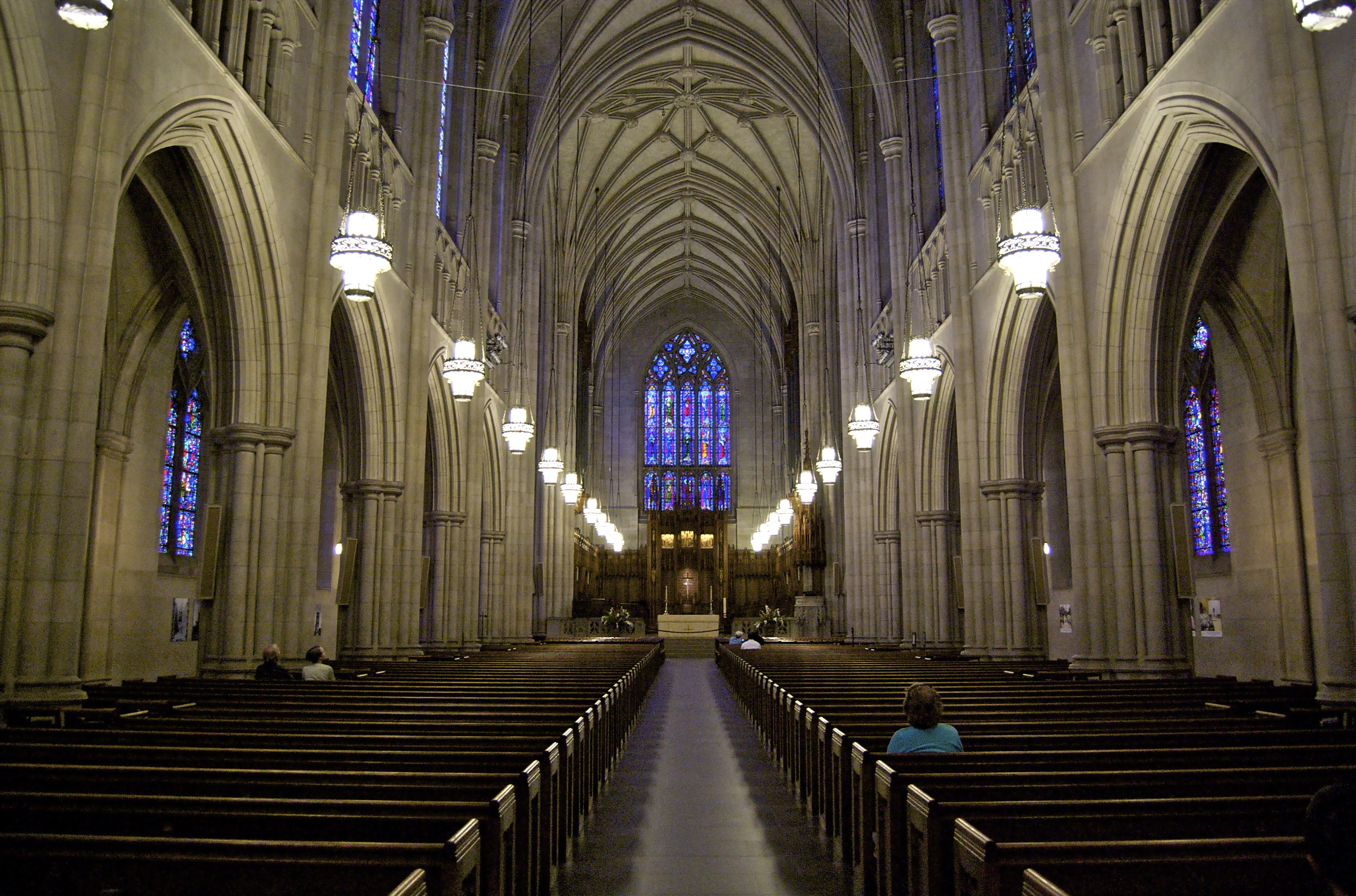
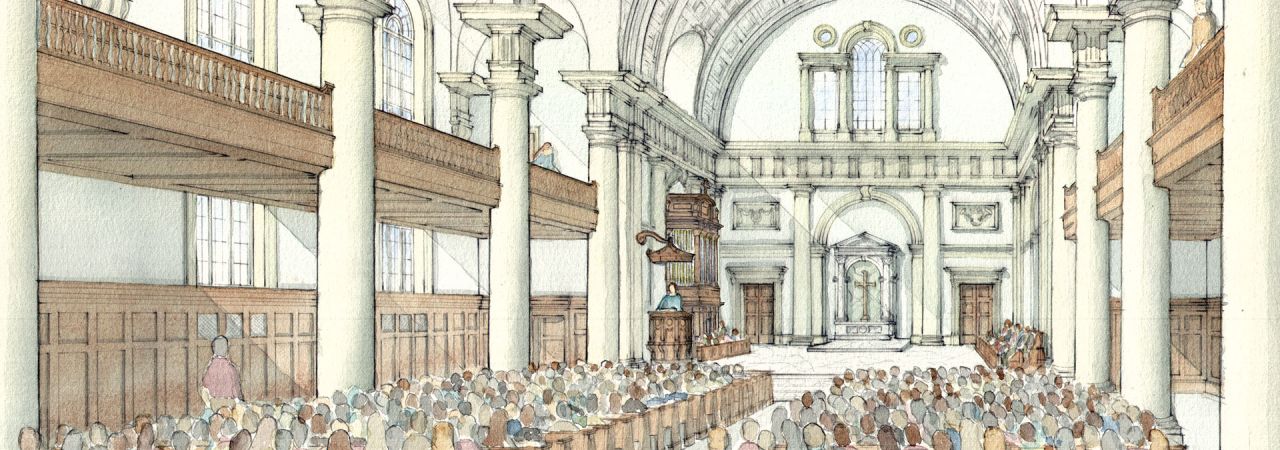
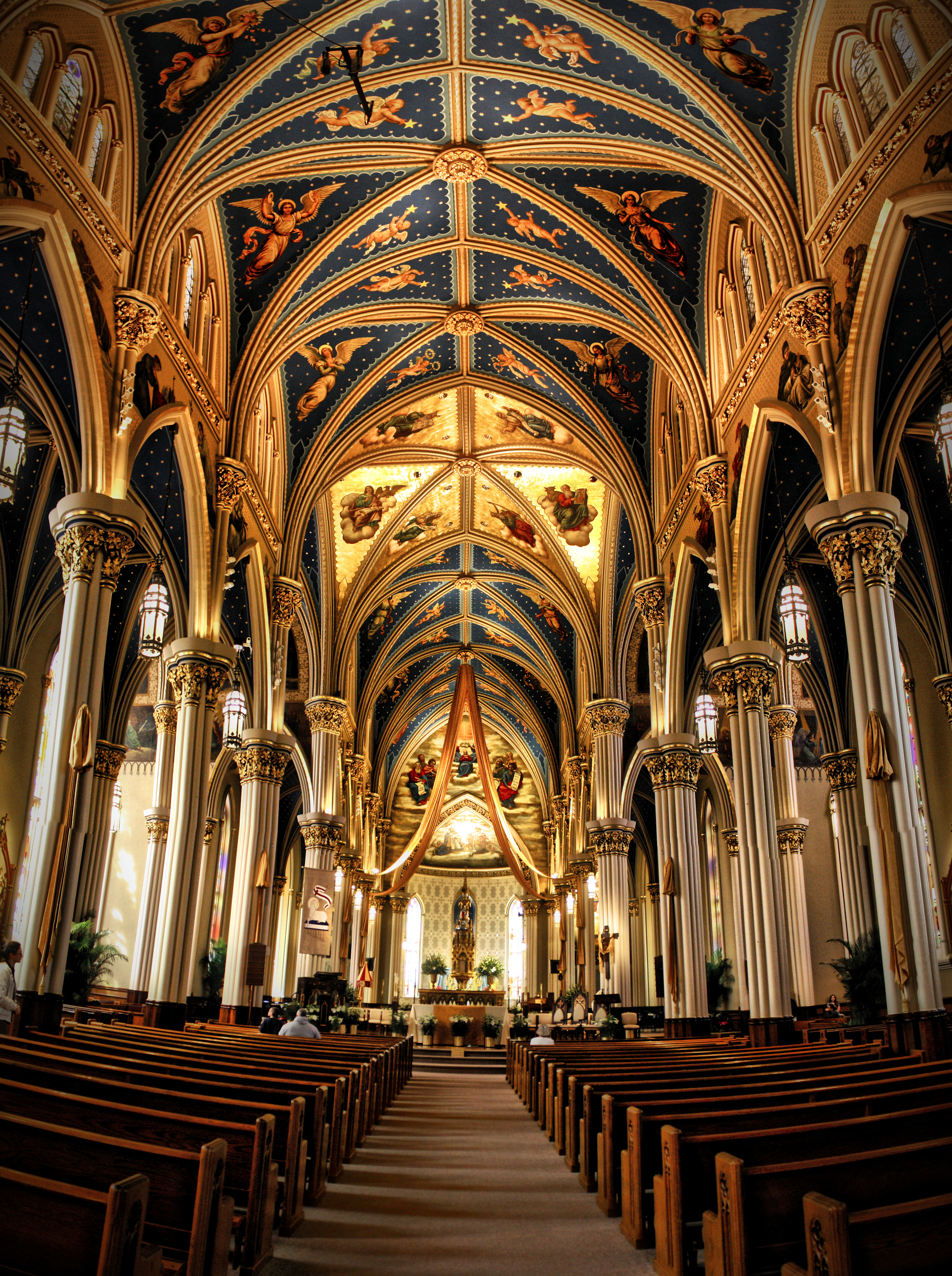
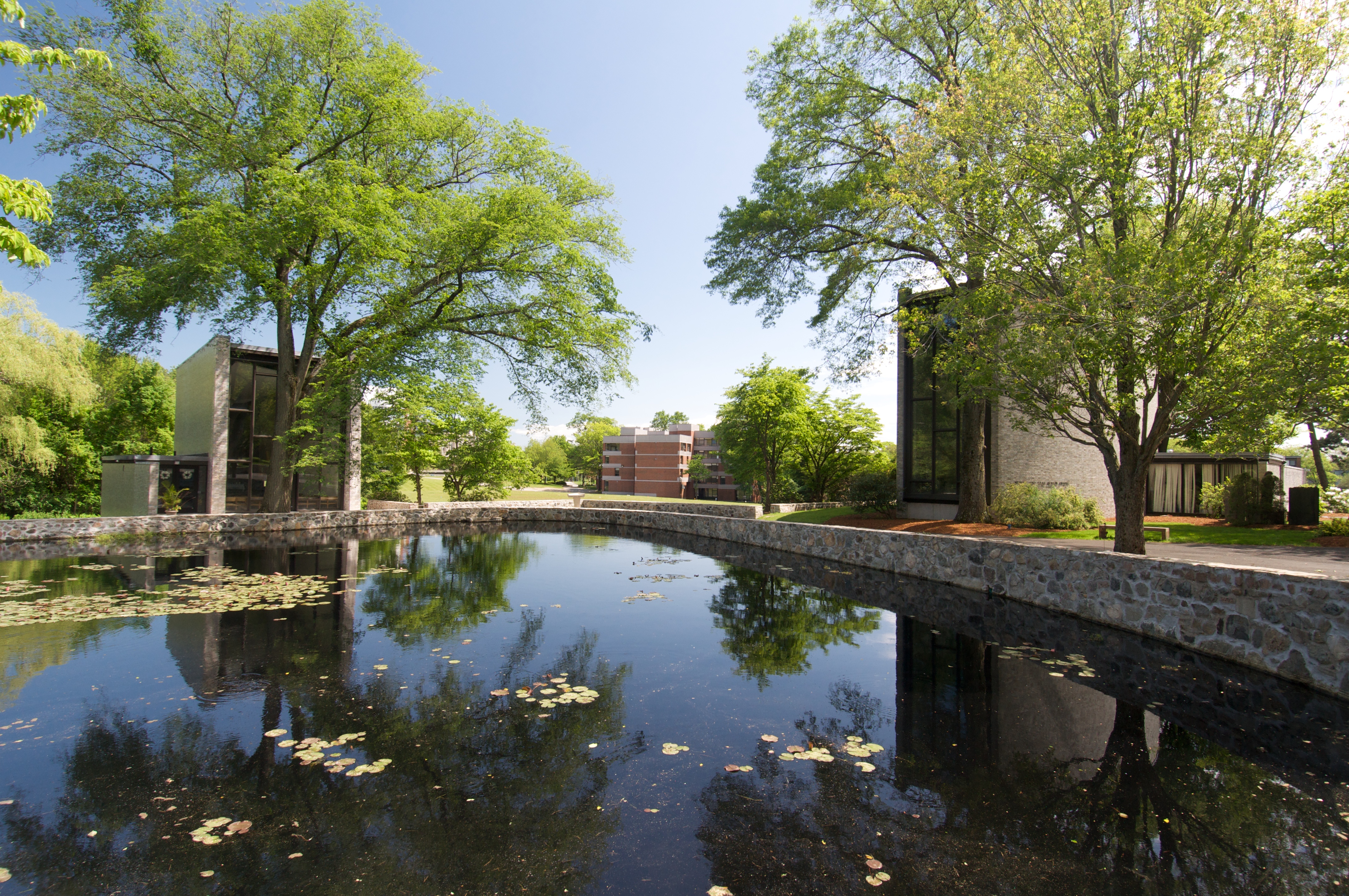
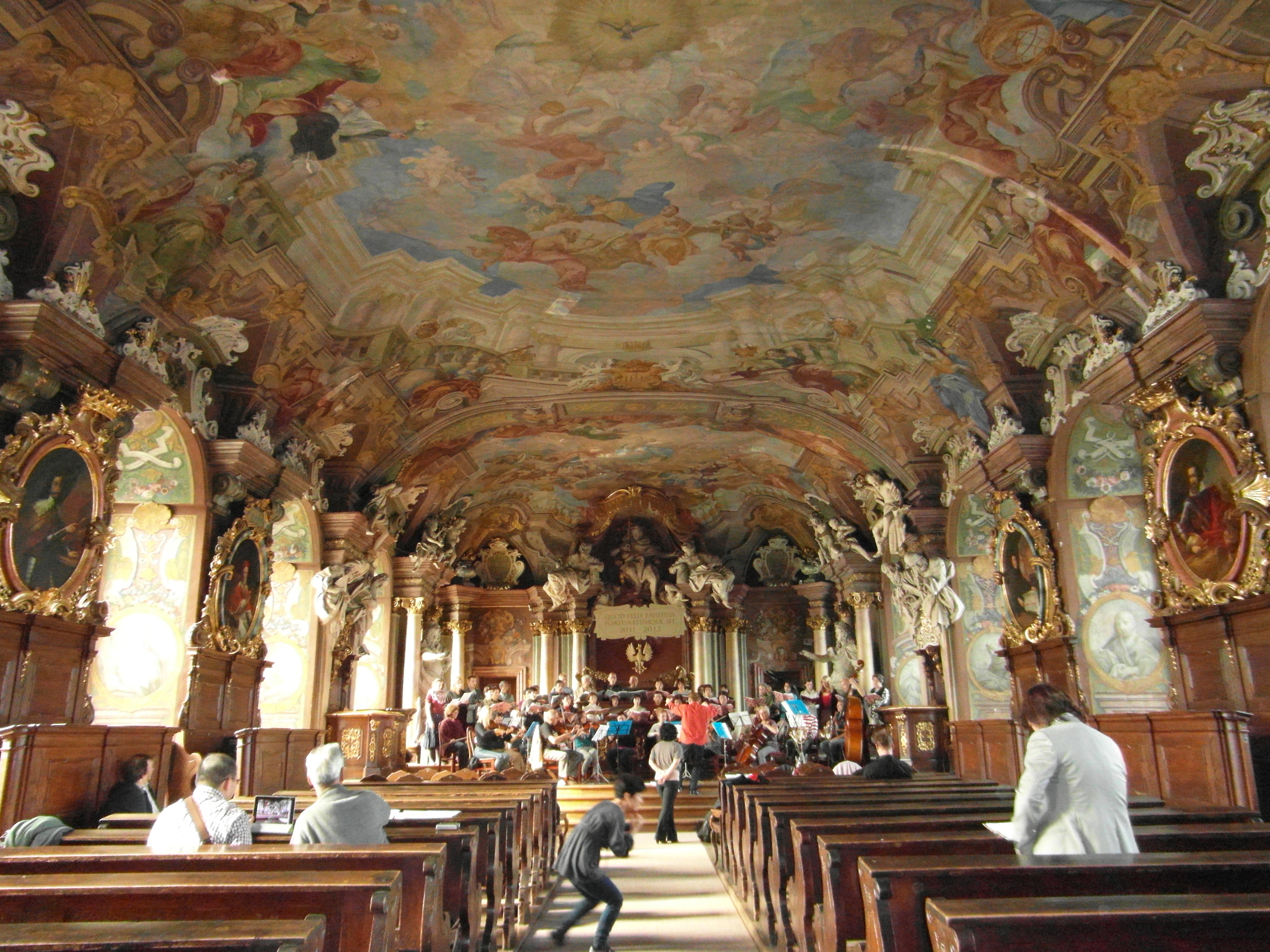
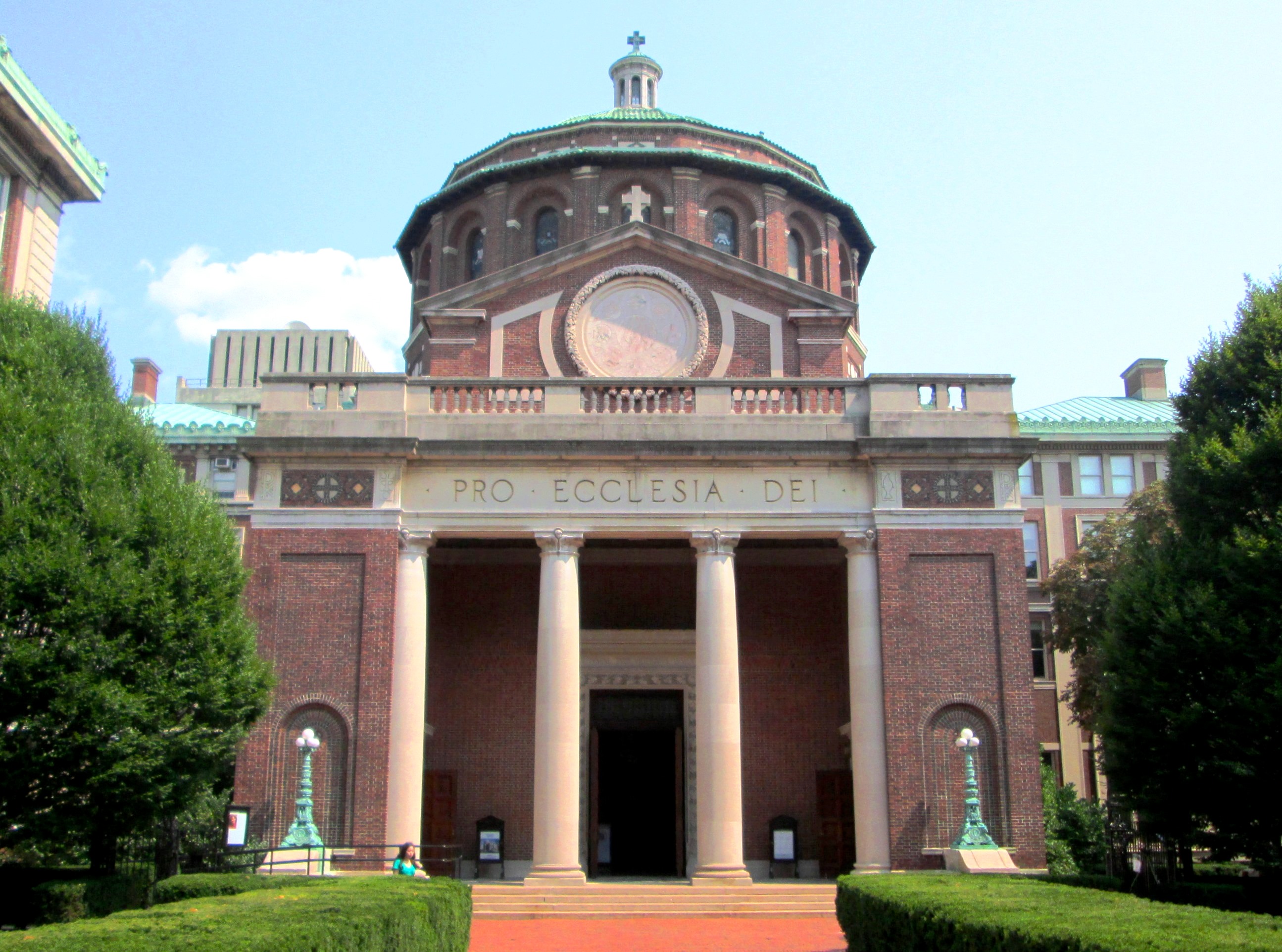
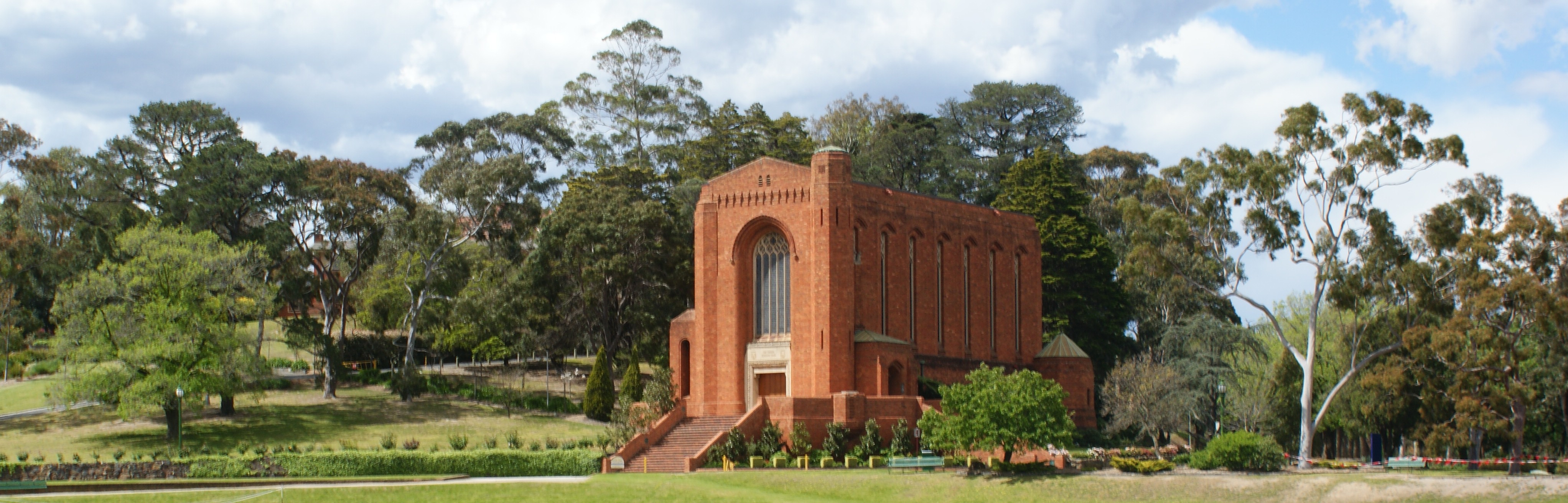
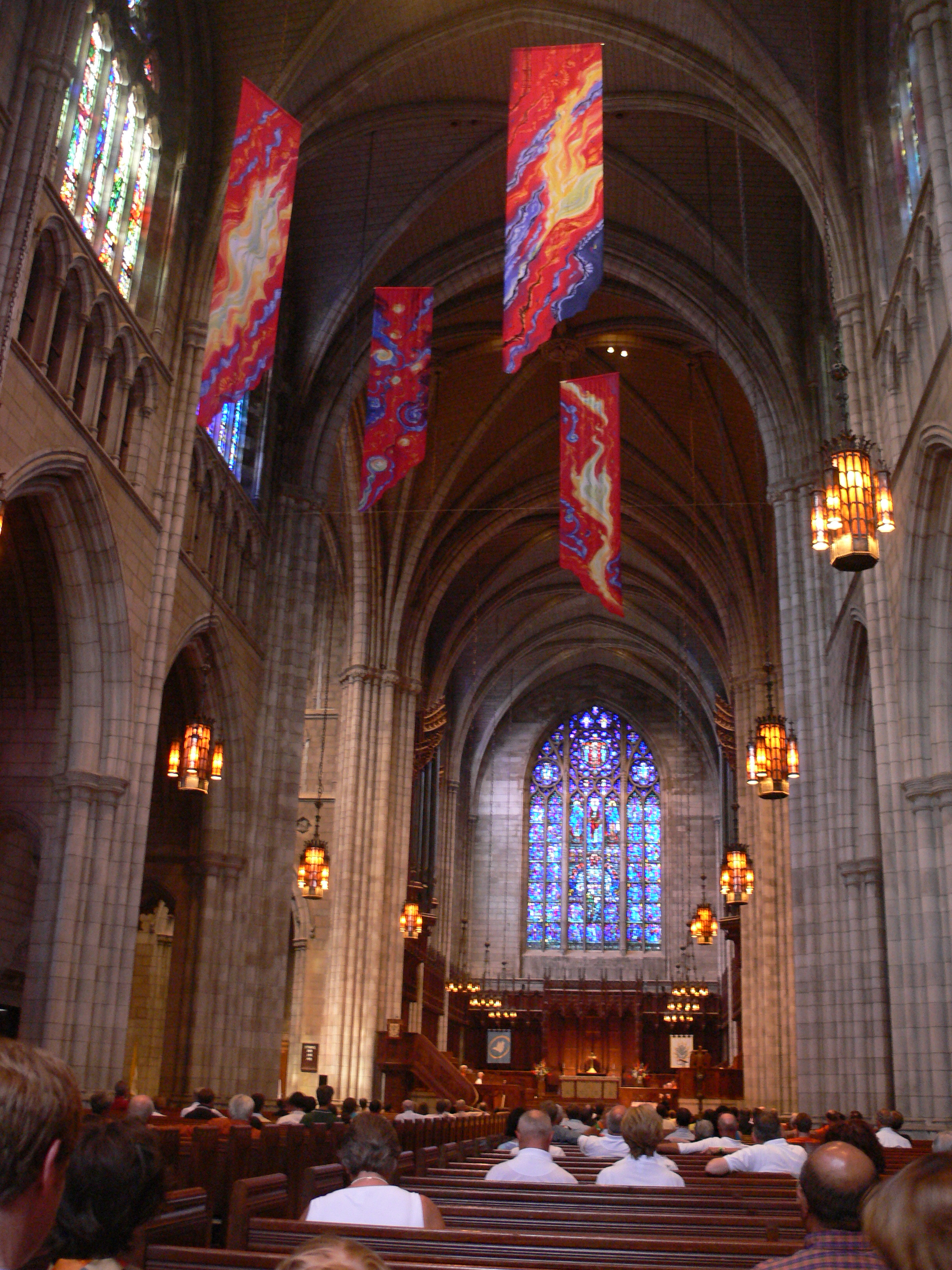
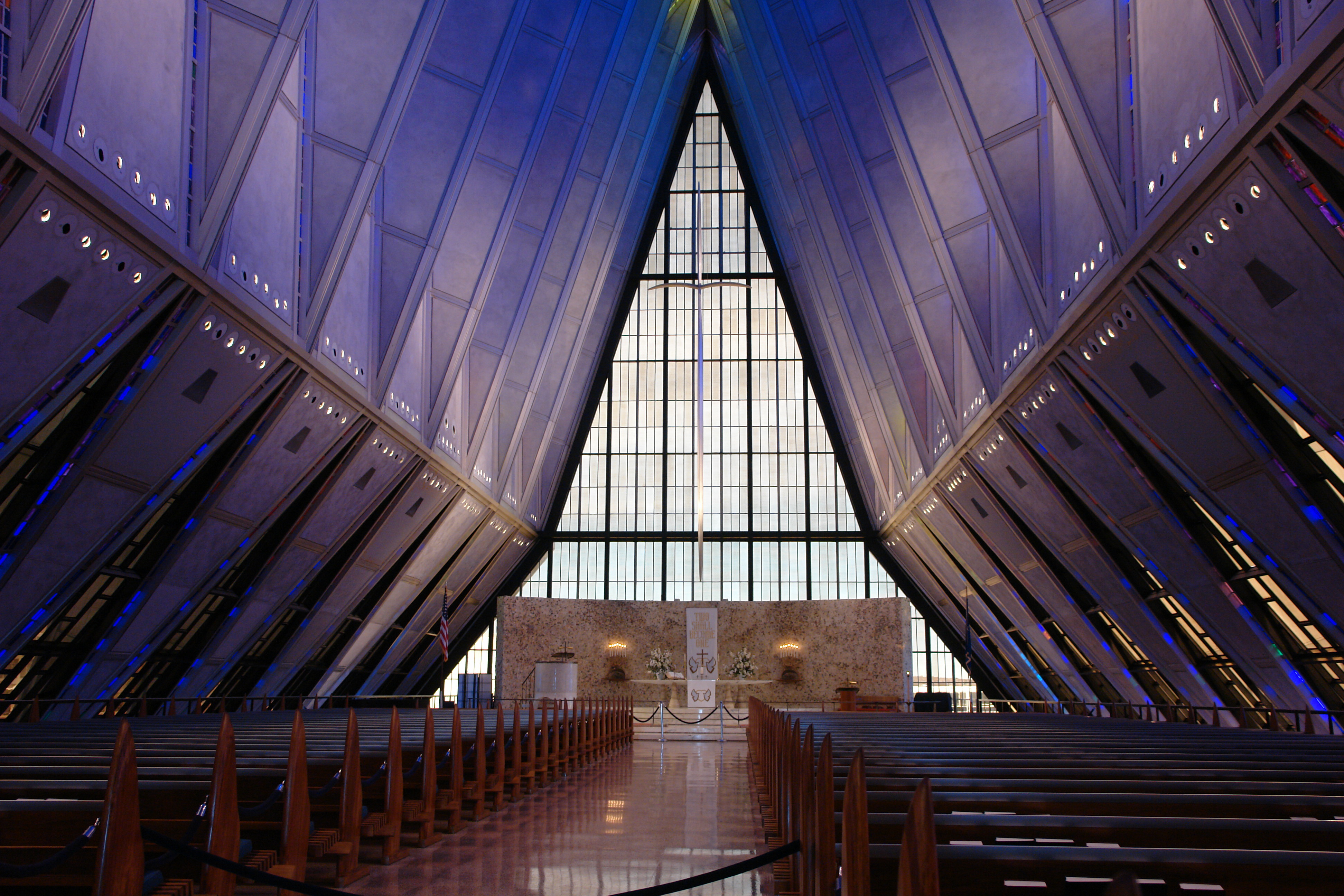
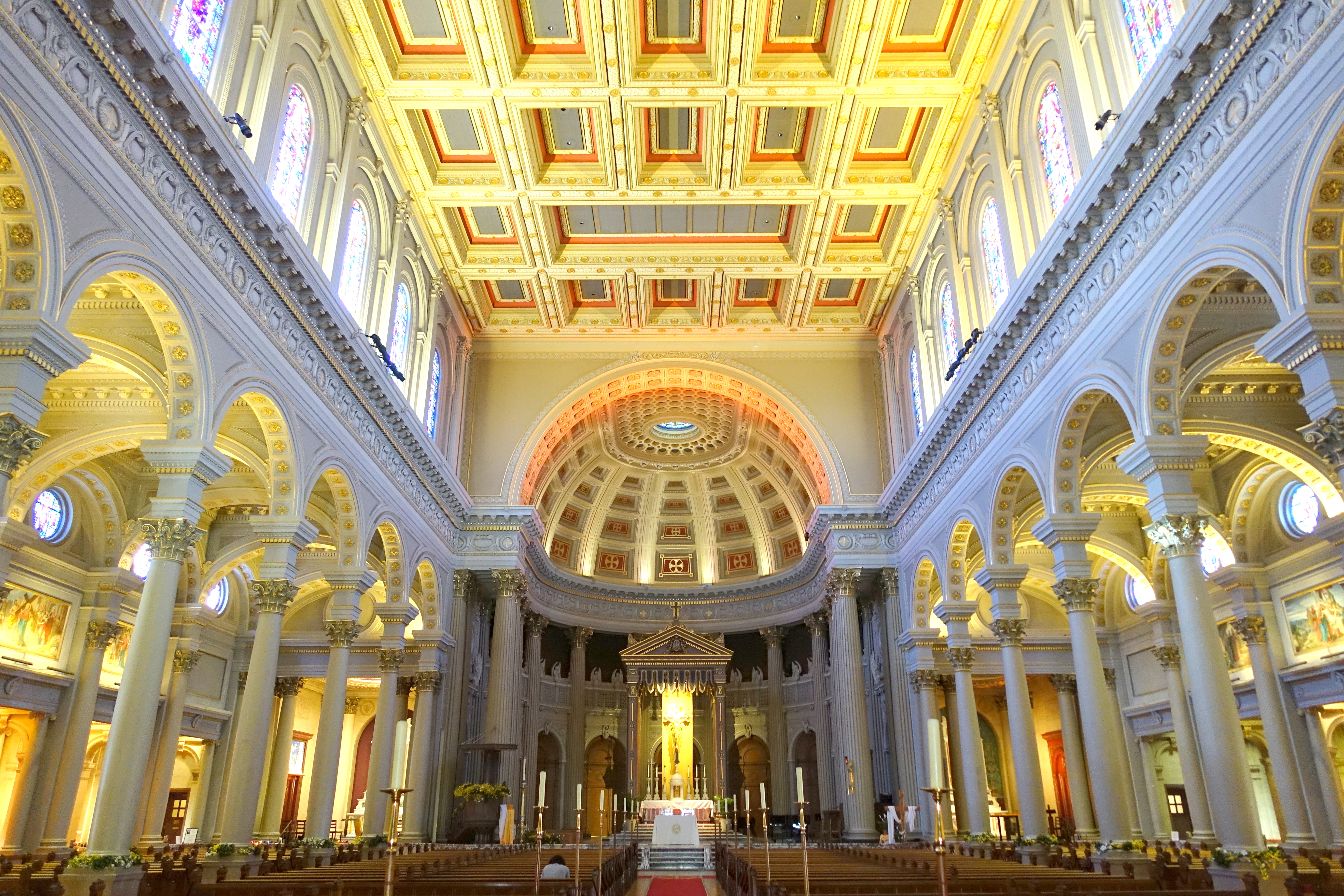
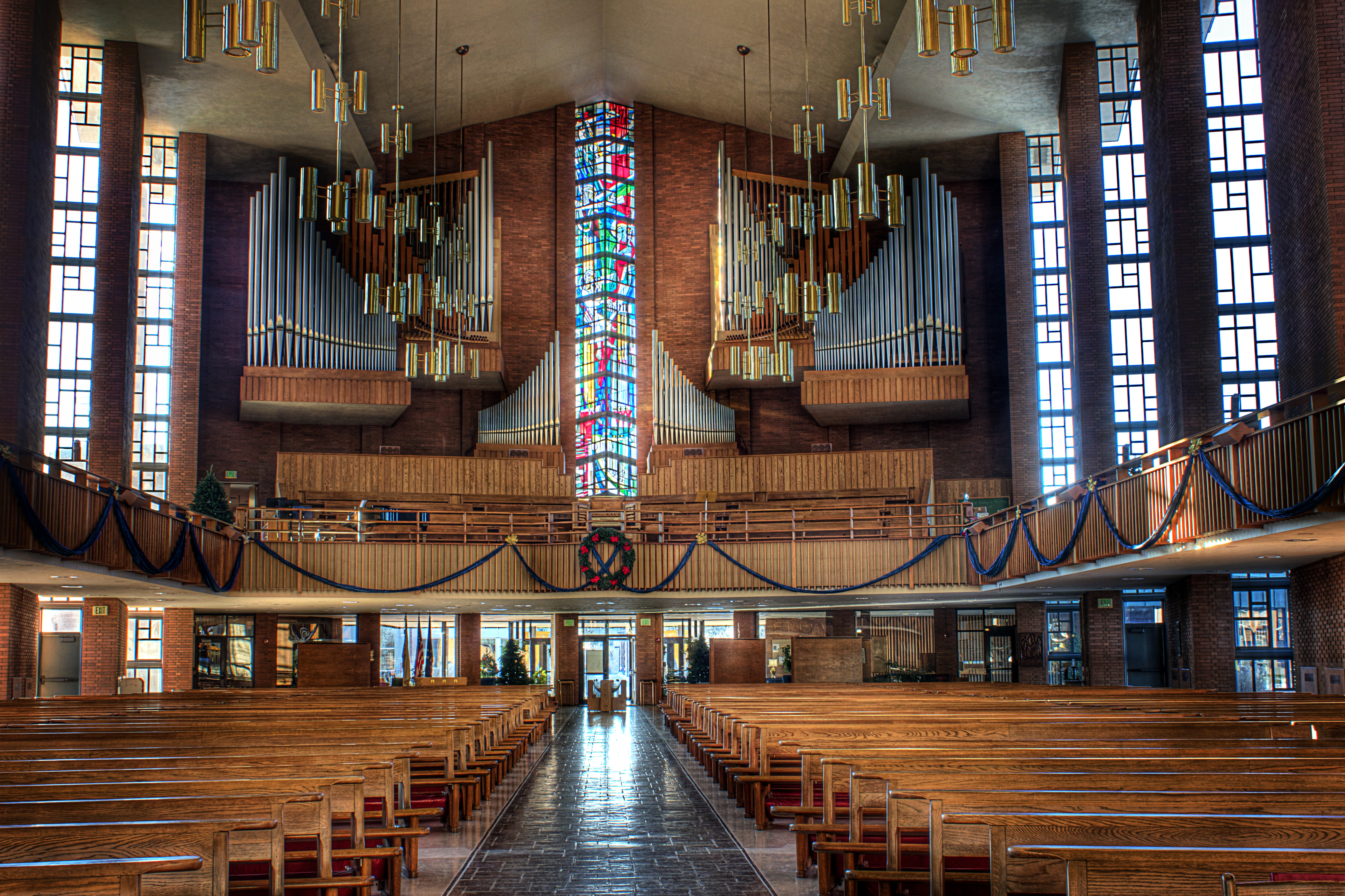
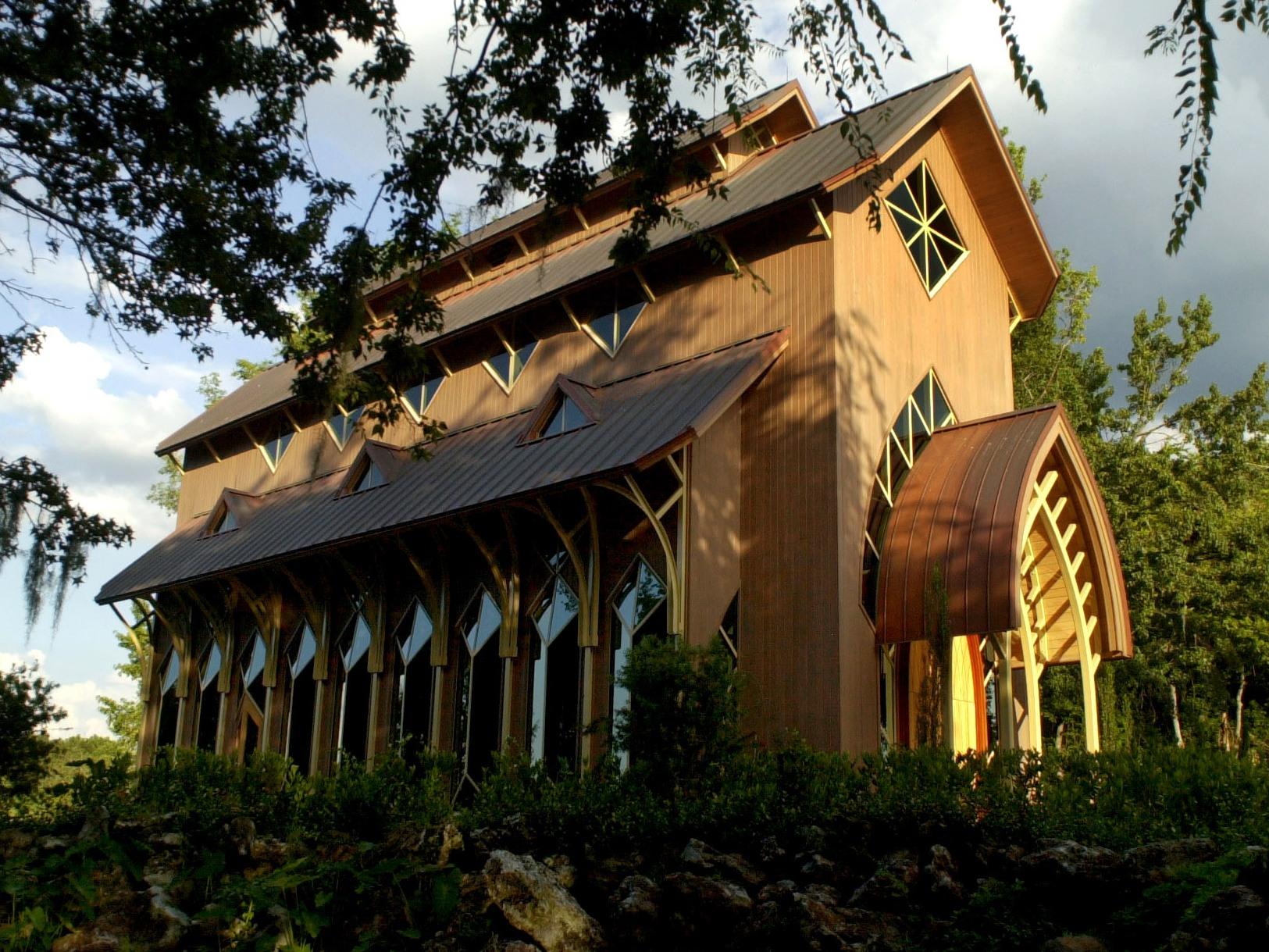

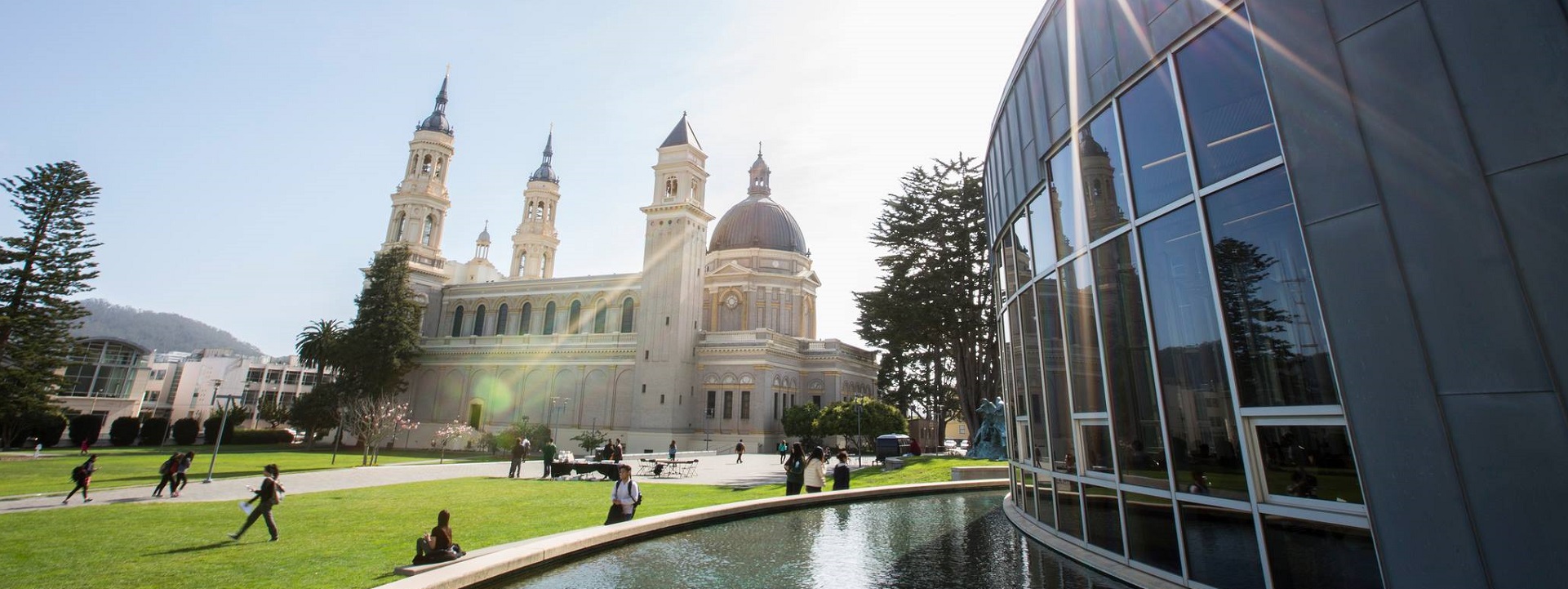
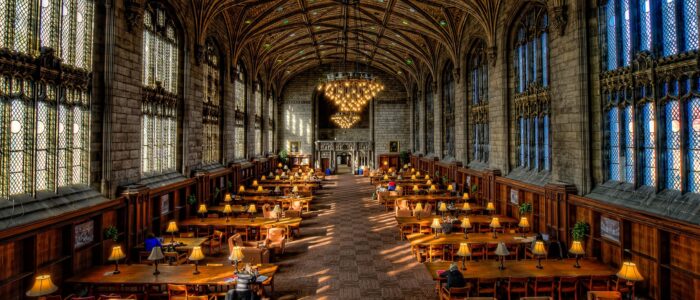
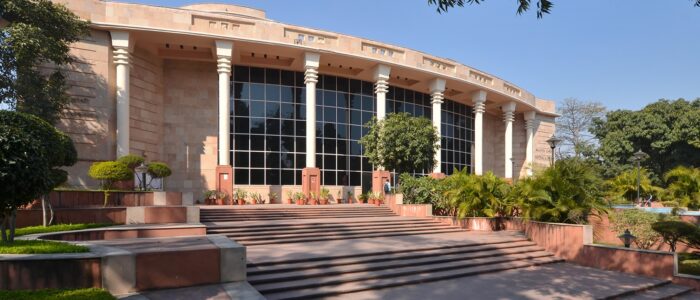
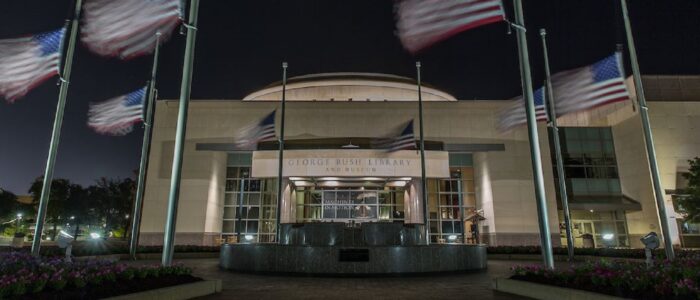
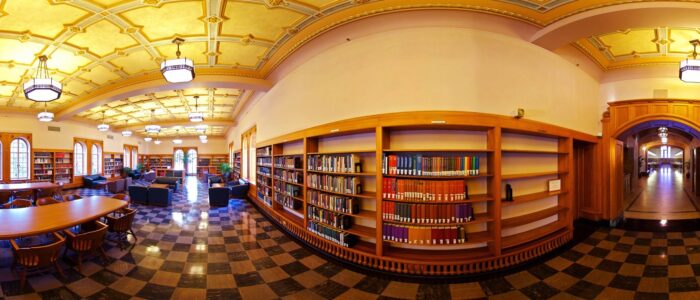
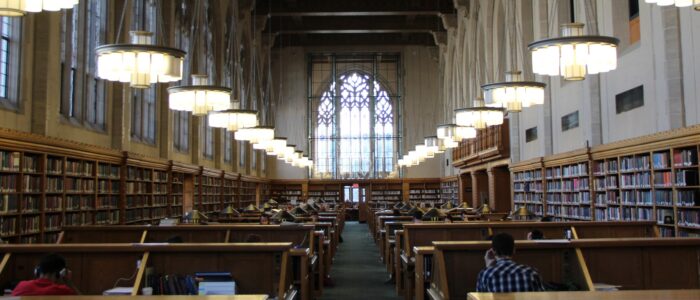
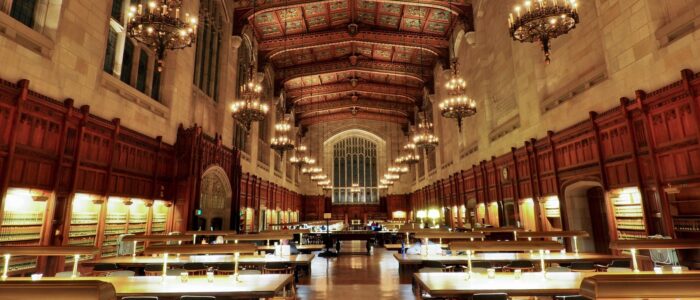
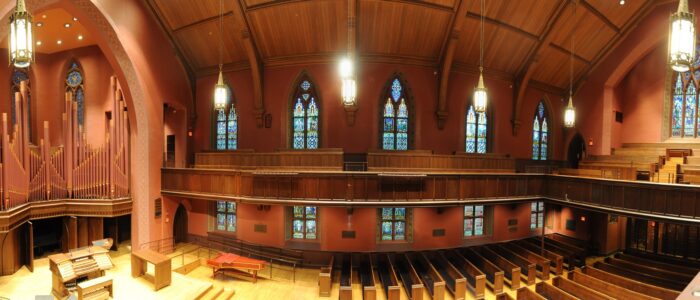
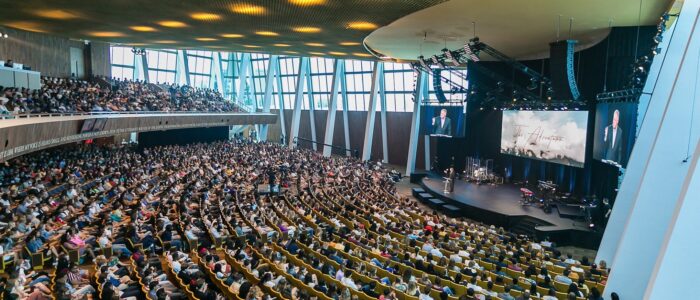
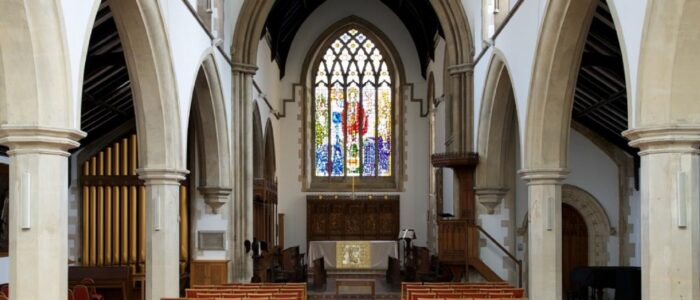
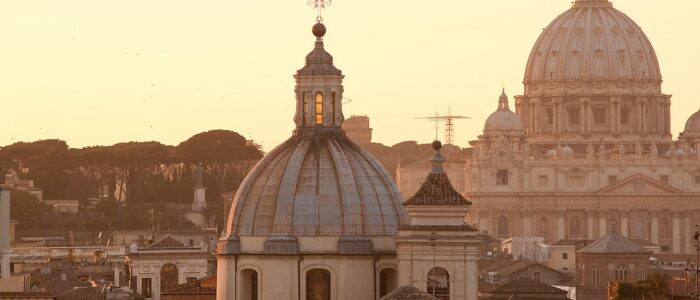
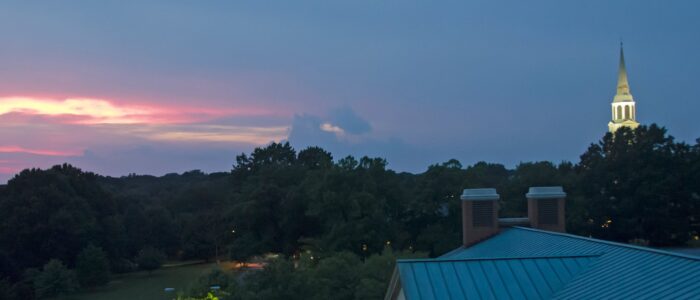
The image criteria of our WordPress theme does not permit many images of college and university chapels to be shown fully-dimensioned on sliders or widget galleries. We reproduce a few of the outsized images here and leave the complexities of financing, designing, building and maintaining of them in a safe and sustainable manner for another day. CLICK HERE for the links to our Sacred Space Standards workspace.
Click on any image for author attribution, photo credit or other information*.
An AVP responsible for essential works at a Catholic educational settlement may inherit obligations extending beyond ordinary physical stewardship. Chapels, shrines, cemeteries, religious art and spaces for worship carry sacramental and cultural significance as well as maintenance costs. Capital decisions may therefore require consultation with clergy, religious orders and diocesan authorities alongside trustees, architects and engineers. The liturgical calendar can influence operations while Catholic social teaching may shape decisions about labor, energy, land and investment. At a secular settlement these considerations may exist as heritage or community concerns; at a Catholic institution they remain part of the living mission the physical estate serves.
We follow up on yesterday’s topic: Examination of the Job Summary of the recently hired Vice President and Chief Financial Officer. We explore the duties of the highest level settlement functionary responsible for the beauty and economics of essential works of our settlements.
University of San Francisco | Vice President & Chief Financial Officer (Full Description)
Reporting directly to the President, the University of San Francisco’s Chief Financial Officer is a senior institutional steward whose responsibilities extend well beyond finance. The position directs financial planning, investments, debt and liquidity while also participating in long-range decisions affecting the University’s physical estate.
The CFO leads capital improvement planning, construction and campus development; oversees maintenance and facilities operations; evaluates real estate opportunities; directs acquisition, disposition, sale and leasing transactions; and helps steward University assets in alignment with the institutional Master Plan.
As a member of the President’s Cabinet and liaison to the Board’s Audit, Physical Facilities & Master Plan, Finance and Investment Committees, the position joins financial authority with responsibility for the long-term stewardship of the educational settlement.
The salary range for this position is $350,000 to $400,000, depending on experience and qualifications. Beyond compensation, this role offers the opportunity to steward the university’s financial health in service of its Jesuit Catholic mission.
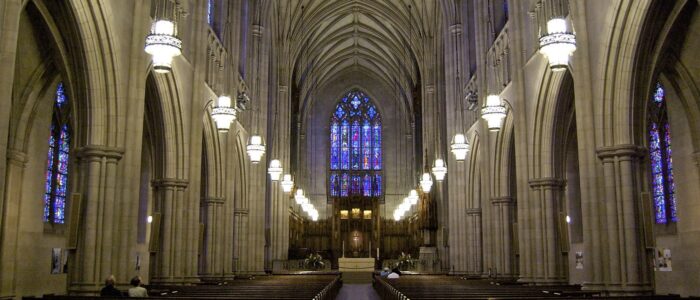
Duke University Chapel arose from James B. Duke’s conviction that spiritual life should occupy a visible place at the center of a great university. In 1925, while surveying the wooded site of the future West Campus with President William Preston Few, Duke selected its highest point for a chapel—a “great towering church” intended to influence generations of students. His broader philanthropy supplied the financial foundation for Duke University and its new campus; the Chapel itself ultimately cost about $2.2 million.
Designed by the Philadelphia firm of Horace Trumbauer, principally through chief designer Julian Abele, the Chapel is an American interpretation of English Gothic architecture rather than a copy of any particular church. Its 210-foot tower establishes it as the visual and symbolic center of West Campus. The cornerstone was laid in October 1930, construction continued for more than two years and the building was formally dedicated in 1935.
Today the Chapel operates as an interdenominational Christian institution supporting worship, preaching, sacred music and community ministries. Its stewardship is also a substantial facilities undertaking. Duke invested $19.2 million in its 2015–16 restoration, addressing the limestone ceiling and roof while upgrading HVAC, electrical and audiovisual systems and refurbishing stained glass and woodwork—an example of the continuing maintenance required to preserve monumental university architecture for daily use.
Books cannot be killed by fire. People die, but books never die
No man and no force can put thought in a concentration camp forever
— Franklin Roosevelt
Many education communities build and maintain cultural resource properties whose safety and sustainability objectives are informed by local adaptations of consensus products developed by the International Code Council (ICC) and the National Fire Protection Association (NFPA). We need to understand the ICC and NFPA product suites as a pair. For most real assets in the education industry they move “roughly” in tandem even though they are produced by different organizations for a different set of customers. Sometimes the out-of-step condition between NFPA and ICC permits subject matter experts on technical committees to make the best possible decisions regarding the safety and sustainability agenda of the interest group they represent; but not always.
Occupancy classification is always a first consideration and both the NFPA and the ICC have a claim to some part of this occupancy concept*. In the ICC suite we find code requirements for many “cultural places of worship” tracking in the following sections of the International Building Code (IBC):
Note that Sections 305 and 308 recognize the accessory and multi-functional nature of occupancy types in the education industry – i.e child care and adult care function can marge and be an accessory to a place of worship. The general rule in the IBC is that accessory religious educational rooms and religious auditoriums with occupant loads of less than 100 per room or space are not considered separate occupancies. Other standards developers are guided by this rule.
• This code describes principles and practices of protection for cultural resource properties (including, but not limited to, museums, libraries, and places of worship), their contents, and collections, against conditions or physical situations with the potential to cause damage or loss.
• This code covers ongoing operations and rehabilitation and acknowledges the need to preserve culturally significant and character-defining building features and sensitive, often irreplaceable, collections and to provide continuity of operations.
• Principles and practices for life safety in cultural resource properties are outside the scope of this code. Where this code includes provisions for maintaining means of egress and controlling occupant load, it is to facilitate the evacuation of items of cultural significance, allow access for damage limitation teams in an emergency, and prevent damage to collections through overcrowding or as an unintended consequence of an emergency evacuation.
• Library and museum collections that are privately owned and not open to the public shall not be required to meet the requirements of this code.
Since we are hard upon release of the 2021 Edition of NFPA 909 let us take a backward look at the current (2017) version of NFPA 909 Code for the Protection of Cultural Resource Properties – Museums, Libraries, and Places of Worship. Chapter 14 covers “Museums, Libraries and their Collections”. Chapter 15 covers “Places of Worship”
The 2025 Edition is now open for public input. Let us pick through proposals for the 2021 Edition to inform our approach to its improvement by referencing the technical committee transcripts linked below:
N.B. We find committee response (accepted in principle) to Standards Michigan proposal to articulate conditions in which places of worship and libraries are used as community disaster relief support facilities. We consider this a modest “code win”.
Circling back to the ICC suite we find elevated interest in hardening community owned facilities to tornadoes, hurricane and floods and other storm related risk in the structural engineering chapters of the International Building Code.
Leadership and facility managers for enterprises of this type are encouraged to contribute obtain their own (free) NFPA public participation account in order to directly participate in the 2025 revision of NFPA 909 by logging in here: https://www.nfpa.org/login.
Public consultation on the First Draft of the 2025 Edition closes January 4, 2024.
This document is also a standing item on our periodic Prometheus, Lively and Fine Arts teleconference. See our CALENDAR for the next online meeting; open to everyone.
Guidelines for the Security of Rare Books, Manuscripts, and Other Special Collections,Association of College & Research Libraries, American Library Association, 50 East Huron Street, Chicago, IL 60611-2795.
“A Legal Primer on Managing Museum Collections,”Malaro, Marie, second edition 1998
“Risk and Insurance Management Manual for Libraries,”Mary Breighner and William Payton, edited by Jeanne Drewes, ALA 2005 ISBN 0-8389-8325-1.
Wisconsin Historic Building Code, Madison, WI:Wisconsin Administrative Code.
“303.1.4: Accessory religious educational rooms and religious auditoriums with occupant loads less than 100 per room or space are not considered separate occupancies.” This informs how fire protection systems are designed.
“305.2.1: Rooms and spaces within places of worship proving such day care during religious functions shall be classified as part of the primary occupancy.” This group includes building and structures or portions thereof occupied by more than five children older than 2-1/2 years of age who receive educational, supervision or personal care services for fewer than 24 hours per day.
“308.5.2: Rooms and spaces within places of religious worship providing [Group I-4 Day Care Facilities] during religious functions shall be classified as part of the primary occupancy. When [Group I-4 Day Care Facilities] includes buildings and structures occupied by more than five persons of any age who receive custodial care for fewer than 24 hours per day by persons other than parents or guardians, relatives by blood, marriage or adoption, and in a place other than the home of the person cared for.
Tricky stuff — and we haven’t even included conditions under which university-affiliated places of worship may expected to be used as community storm shelters.
Public response to Committee Actions taken in Orlando in April will be received until July 8th.
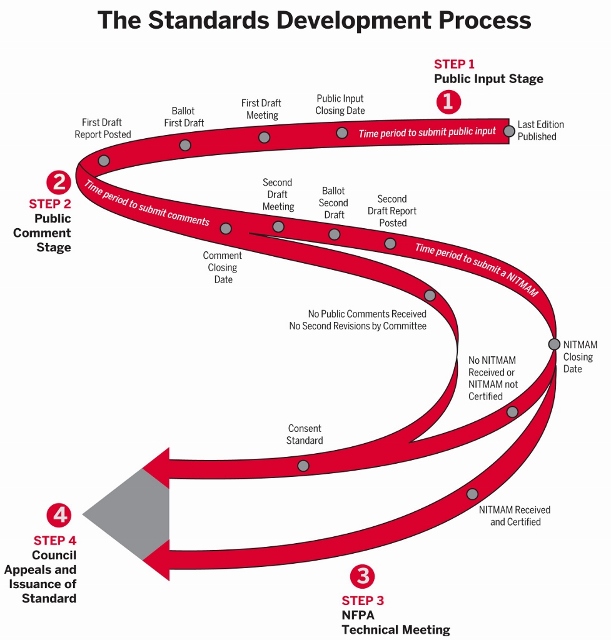
Because standard development tends to be a backward-looking domain it is enlightening to understand the concepts in play in previous editions. The complete monograph of proposals for new building safety concepts for places of worship for the current revision cycle is linked below:
A simple search on the word “worship” will reveal what ideas are in play. With the Group B Public Comment Hearings now complete ICC administered committees are now curating the results for the Online Governmental Consensus Vote milestone in the ICC process that was completed December 6th. Status reports are linked below:
A quick review of the appeals statements reveals some concern over process, administration and technical matters but none of them directly affect how leading practice for places of worship is asserted.
We are happy to get down in the weeds with facility professionals on other technical issues regarding other occupancy classes that are present in educational communities. See our CALENDAR for next Construction (Ædificare) colloquium open to everyone.
New update alert! The 2022 update to the Trademark Assignment Dataset is now available online. Find 1.29 million trademark assignments, involving 2.28 million unique trademark properties issued by the USPTO between March 1952 and January 2023: https://t.co/njrDAbSpwBpic.twitter.com/GkAXrHoQ9T