Soybeans play a critical role in the food chain as a source of protein and oil for human consumption, animal feed, food processing, industrial applications, and sustainable agricultural practices. They are a versatile and widely used crop that contributes to various aspects of the global food system.
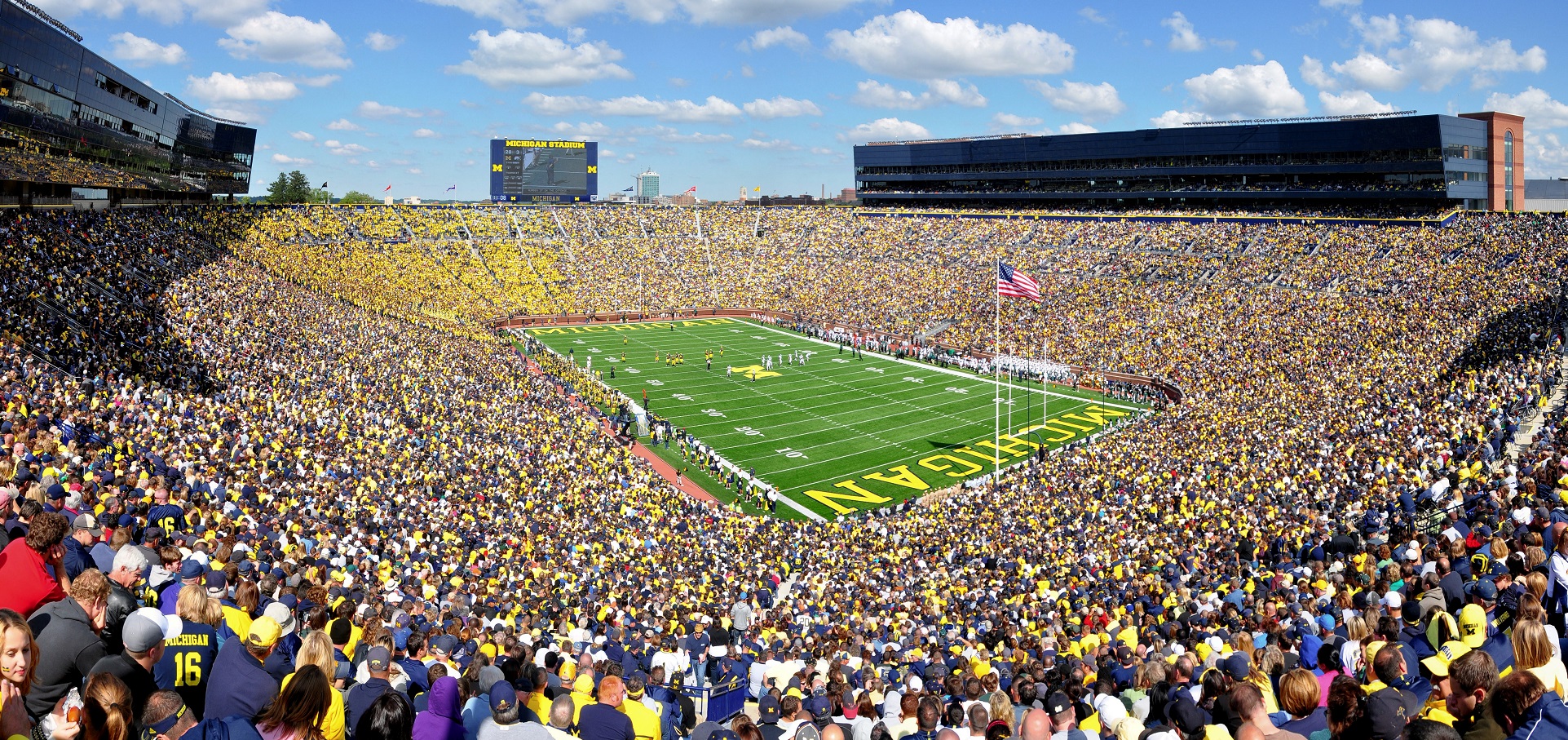
Building, operating, and maintaining athletic scoreboards requires a range of technologies, including hardware and software components. These are central features in nearly every athletic event, governing the state of play and attendee response.
Scoreboard Hardware: A range of hardware components, including display panels, control consoles, sound systems, and wiring, is necessary to build an athletic scoreboard. While there are no universal standards for LED displays in athletic scoreboards, but there is a common vocabulary used by manufacturers and installers follow to ensure quality, performance, and safety:
Brightness and Contrast: LED displays should be bright enough to be visible from a distance, but not so bright that they cause glare or eye strain. The contrast ratio between the LED display and the surrounding environment should be optimized for visibility.
Pixel Density and Resolution: The pixel density and resolution of an LED display should be appropriate for the size of the scoreboard and the viewing distance. Higher pixel density and resolution can improve the clarity and detail of the scoreboard display.
Color Accuracy: Athletic scoreboards often display team colors and logos, so color accuracy is important. LED displays should be capable of reproducing colors accurately and consistently.
Refresh Rate: The refresh rate of an LED display refers to how quickly the display can update its image. A higher refresh rate can reduce motion blur and improve the clarity of fast-moving action on the scoreboard.
Environmental Factors: Athletic scoreboards are often exposed to outdoor elements such as sunlight, rain, and extreme temperatures. LED displays should be designed and manufactured to withstand these environmental factors and maintain their performance over time.
Safety: Athletic scoreboards should be designed and installed to minimize the risk of injury to players or spectators. This may include factors such as the height and location of the scoreboard, the durability of the display panels, and the strength of mounting hardware.
Wireless Communications: Many modern athletic scoreboards use wireless communication systems to connect the scoreboard control console to the scoreboard display. This allows for greater flexibility in installation and reduces the need for cabling.
LED Technology: LED technology has revolutionized athletic scoreboards in recent years. LED displays offer superior brightness, color accuracy, and energy efficiency compared to traditional scoreboards but must conform to local night-sky regulations.
Power Management Systems: Athletic scoreboards require significant amounts of power to operate, and efficient power management systems are necessary to ensure reliable and continuous operation. Maintaining temperatures — heating and cooling within specification — is a priority for maximum operable life.
Maintenance and Diagnostic Tools: To maintain and troubleshoot athletic scoreboards, specialized tools and software are necessary. This may include diagnostic software, specialized cables, and other testing equipment.
Overall, the technologies required to build, operate, and maintain athletic scoreboards are diverse and constantly evolving. A range of specialized hardware and software components, as well as skilled technicians, are necessary to ensure that athletic scoreboards remain functional and reliable.
Join us today at 11 AM/ET (15:00 UTC) when we review best practice literature. Open to everyone. Use the login credentials at the upper right of our home page. This topic is also tracked by experts in the IEEE Education & Healthcare Facilities Committee which meets online 4 times monthly in Central European and American time zones and is also open to everyone.
This content is accessible to paid subscribers. To view it please enter your password below or send mike@standardsmichigan.com a request for subscription details.
A wrongful death suit filed November 3, 2025 against FirstEnergy Corporation. Allegation: Improper maintenance and inspection of power infrastructure led to the son’s fatal electrocution near State College, Pennsylvania. It is a relatively new filing so s full public docket appears not available at this time. We include it in today’s agenda as we prepare our comments on the First Draft of the 2028 National Electrical Safety Code.
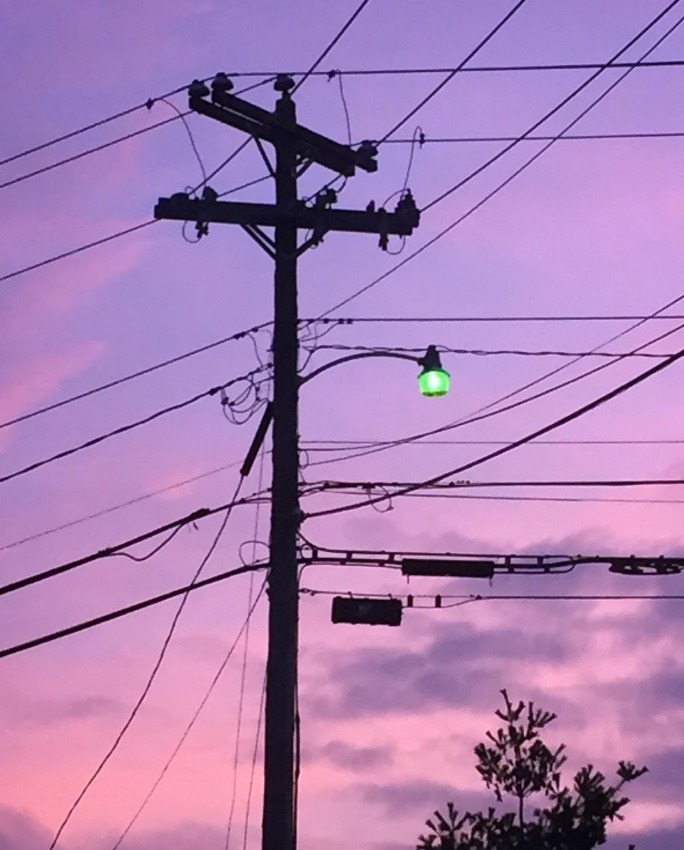
Photo taken by a friend of Mike Anthony (Thalassa Raasch, Harvard ’20) Now on the faculty at the University of Iowa
Today we review, and prepare a response to one of the 2028 National Electrical Safety Code technical committees Call for Public Comment on CP 6026 (RE: vegetation management around power and communication infrastructure). During tomorrow’s online meeting of the IEEE Education & Healthcare Facilities Committee we will examine a first draft, put on the polish and then ship ahead of next Tuesday’s deadline.
“Beware the Ides of March” is a famous warning from Shakespeare’s Julius Caesar. In the play, a soothsayer tells Caesar on February 15, 44 BC, to beware the “Ides of March”—the 15th day of March in the Roman calendar. The phrase foreshadows Caesar’s assassination on that exact date by senators including Brutus. It has since become a cultural idiom symbolizing impending danger, betrayal, or a fateful day to be cautious
🏈President Donald J Trump with North Dakota State University, 2025 Division 1 Football Champions, in The East Room of The White House! MAKE FOOTBALL GREAT AGAIN!🇺🇸🇺🇸🇺🇸🇺🇸🇺🇸 pic.twitter.com/LiYgrTLTgb
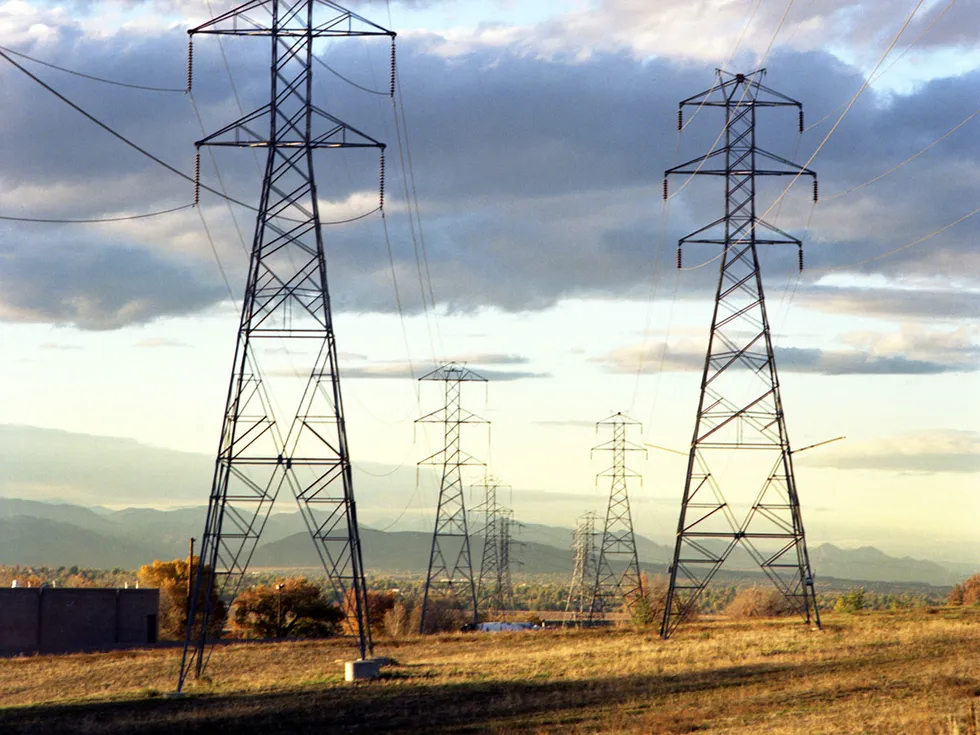
Abstract: A specific land is required to design the transmission line to construct effectively and maintain properly is called right of way of transmission line. It is calculated by considering mainly three electrical quantity related transmission line such as electric field, magnetic field and radio interference. Corona effect is considered for the evolution of right of way. By considering these parameters, it provide idea related to effect surrounding the area nearby transmission line.
The determination of transmission line right of way for public electric utilities typically involves a combination of legal considerations, regulatory requirements, environmental assessments, and public engagement:
Planning and Route Selection: Public electric utilities assess their power transmission needs based on factors such as population growth, energy demand, and infrastructure upgrades. They consider various potential routes and alternatives, taking into account factors like terrain, existing infrastructure, land use, and environmental sensitivities.
Environmental and Impact Assessments: Utilities conduct environmental and impact assessments to evaluate the potential effects of the proposed transmission line routes. These assessments examine factors such as wildlife habitats, endangered species, wetlands, water bodies, cultural or historical sites, and scenic landscapes. The purpose is to identify potential impacts and propose mitigation measures.
Regulatory and Permitting Process: Public utilities must comply with applicable laws and regulations governing transmission line development. This includes obtaining necessary permits and approvals from relevant regulatory agencies at the federal, state, and local levels. The requirements vary depending on the jurisdiction, but they often involve environmental agencies, land management agencies, and public utility commissions.
Public Engagement and Consultation: Utilities engage in public consultation and outreach to gather feedback from affected communities, landowners, and stakeholders. They conduct public hearings, open houses, and meetings to inform the public about the project, address concerns, and consider alternative routes suggested by the community. This engagement helps ensure transparency and public input in the decision-making process.
Negotiations and Eminent Domain: Utilities negotiate with landowners along the proposed transmission line route to acquire the necessary right of way. In some cases, if an agreement cannot be reached, utilities may exercise eminent domain, which is a legal process that allows them to acquire the land for public use while providing just compensation to the affected landowner.
Legal Framework: The legal framework for determining transmission line right of way varies by jurisdiction. Laws related to land use, zoning, environmental protection, and eminent domain play a role in defining the process and requirements for securing right of way.
Procedures vary depending on the country, state, or region where the transmission line is being developed. Local regulations, environmental conditions, and public engagement practices will influence the overall process.
Note the following proposed changes in the transcript above: E59-24, F62-24, Section 323
Modular classrooms, often used as temporary or semi-permanent solutions for additional educational space, have specific requirements in various aspects to ensure they are safe, functional, and comfortable for occupants. Today we will examine best practice literature for structural, architectural, fire safety, electrical, HVAC, and lighting requirements. Use the login credentials at the upper right of our home page.
Structural Requirements
Foundation and Stability: Modular classrooms require a stable and level foundation. This can be achieved using piers, slabs, or crawl spaces. The foundation must support the building’s weight and withstand environmental forces like wind and seismic activity.
Frame and Load-Bearing Capacity: The frame, usually made of steel or wood, must support the load of the classroom, including the roof, walls, and occupants. Structural integrity must comply with local building codes.
Durability: Materials used should be durable and capable of withstanding frequent relocations if necessary.
Architectural Requirements
Design and Layout: Modular classrooms should be designed to maximize space efficiency while meeting educational needs. This includes appropriate classroom sizes, storage areas, and accessibility features.
Accessibility: Must comply with the Americans with Disabilities Act (ADA) or other relevant regulations, ensuring accessibility for all students and staff, including ramps, wide doorways, and accessible restrooms.
Insulation and Soundproofing: Adequate insulation for thermal comfort and soundproofing to minimize noise disruption is essential.
Fire Safety Requirements
Fire-Resistant Materials: Use fire-resistant materials for construction, including fire-rated walls, ceilings, and floors.
Sprinkler Systems: Installation of automatic sprinkler systems as per local fire codes.
Smoke Detectors and Alarms: Smoke detectors and fire alarms must be installed and regularly maintained.
Emergency Exits: Clearly marked emergency exits, including doorways and windows, with unobstructed access paths.
Electrical Requirements
Electrical Load Capacity: Sufficient electrical capacity to support lighting, HVAC systems, and educational equipment like computers and projectors.
Wiring Standards: Compliance with National Electrical Code (NEC) or local electrical codes, including proper grounding and circuit protection.
Outlets and Switches: Adequate number of electrical outlets and switches, placed conveniently for classroom use.
HVAC (Heating, Ventilation, and Air Conditioning) Requirements
Heating and Cooling Systems: Properly sized HVAC systems to ensure comfortable temperatures year-round.
Ventilation: Adequate ventilation to provide fresh air and control humidity levels, including exhaust fans in restrooms and possibly kitchens.
Air Quality: Use of air filters and regular maintenance to ensure good indoor air quality.
Lighting Requirements
Natural Light: Maximization of natural light through windows and skylights to create a pleasant learning environment.
Artificial Lighting: Sufficient artificial lighting with a focus on energy efficiency, typically using LED fixtures. Lighting should be evenly distributed and glare-free.
Emergency Lighting: Battery-operated emergency lighting for use during power outages.
By adhering to these requirements, modular classrooms can provide safe, functional, and comfortable educational spaces that meet the needs of students and staff while complying with local regulations and standards.
New update alert! The 2022 update to the Trademark Assignment Dataset is now available online. Find 1.29 million trademark assignments, involving 2.28 million unique trademark properties issued by the USPTO between March 1952 and January 2023: https://t.co/njrDAbSpwBpic.twitter.com/GkAXrHoQ9T