“You invent a story, and then the story invents you.”
— Umberto Eco’s Foucault’s Pendulum
Trieste LIVE Panoramic Webcam: Io Sono Fruili Venezia Giulia
Università degli Studi di Trieste




“You invent a story, and then the story invents you.”
— Umberto Eco’s Foucault’s Pendulum
Trieste LIVE Panoramic Webcam: Io Sono Fruili Venezia Giulia
Università degli Studi di Trieste
Truth as Glorious Adventure | Douglas Murray & Jordan Peterson

The main building of the University of Minnesota Medical Center was established in 1997 through a merger with University Hospitals and Clinics and Fairview Health Services. It has approximately 1300 beds.
In the early to mid-1900s, some US colleges used orphaned babies in home economics programs to teach child-rearing skills
These children were referred to as "practice babies" pic.twitter.com/FZCkeu0p2m
— UberFacts (@UberFacts) August 17, 2023
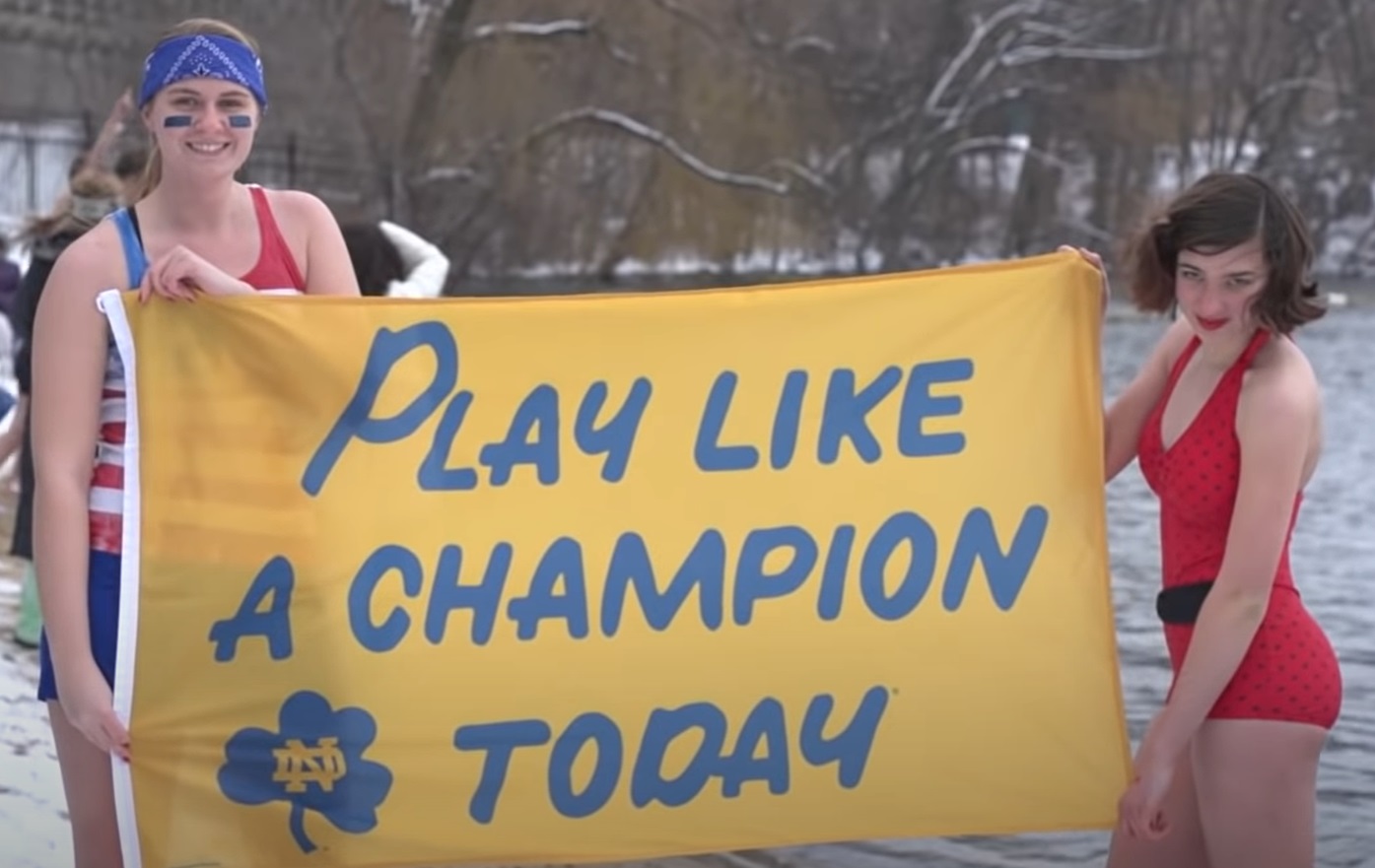
January 1st is Polar Bear Plunge Day in the Great Lakes. February should just be renamed ‘We Survived New Year’s Insanity, Now We Freeze Quietly’ Month’. It is also popular among the young in other “watery” universities around the world.
2023 St. Clair College Polar Bear Plunge
Polar Plunge at the University of Michigan
Can’t do this anywhere else. Your call 📱 pic.twitter.com/BtWCpbM87C
— Bobby Guntoro (@bobbygunt) July 18, 2024
Cold shower? Ice swimming? ‘In 2014, researchers at Radboud University in the Netherlands investigated one of Hof’s bolder statements: that his regime can be used to control the immune system.’ @radboudumc @newscientist @Radboud_Uni https://t.co/I9nqlJbUQQ
— Radboudumc wetenschap (@radboudumc_weet) April 22, 2021
Polar Bear Plunge Day https://t.co/TlUn5IWtuX via @natltoday
— Standards Michigan (@StandardsMich) December 30, 2023
Get in on the thrill of your life with the IcePod ❄️
Experiencing all the benefits of cold plunge therapy in the comfort of your own home. 💪
Get 56% OFF for TODAY ONLY! 🔥
— Space Therapy Pro (@spacetherapypro) August 28, 2023
Ice Swimming in Finland pic.twitter.com/UKfpdO1fsI
— 60 Second Docs (@60SecDocs) February 20, 2023
Pleasures and Hazards
Pleasures:
Hazards:
College Polar Bear Plunges
Sport and Wellbeing | Standards Scotland
The term “curling” is thought to derive from the way the stone moves and “curls” as it travels over the ice. The key feature of curling that sets it apart from other ice sports is the deliberate rotation, or “curl,” applied to the stones as players release them. This rotation causes the stone to curve or “curl” on its path down the ice, adding an element of strategy to the game.
The precise origin of the term is not definitively known, but it likely emerged organically as people described the action of the stones on the ice. The word “curling” has been associated with the sport for centuries, and as the game evolved and gained popularity, the term became firmly established.
The concept of curling is integral to the sport’s strategy, as players use the curl to navigate the stones around guards and other stones strategically placed on the ice. The unique way in which the stones move and interact with the playing surface is one of the defining characteristics of curling, and the name captures this distinctive feature
World Curling Mixed Championship 2024
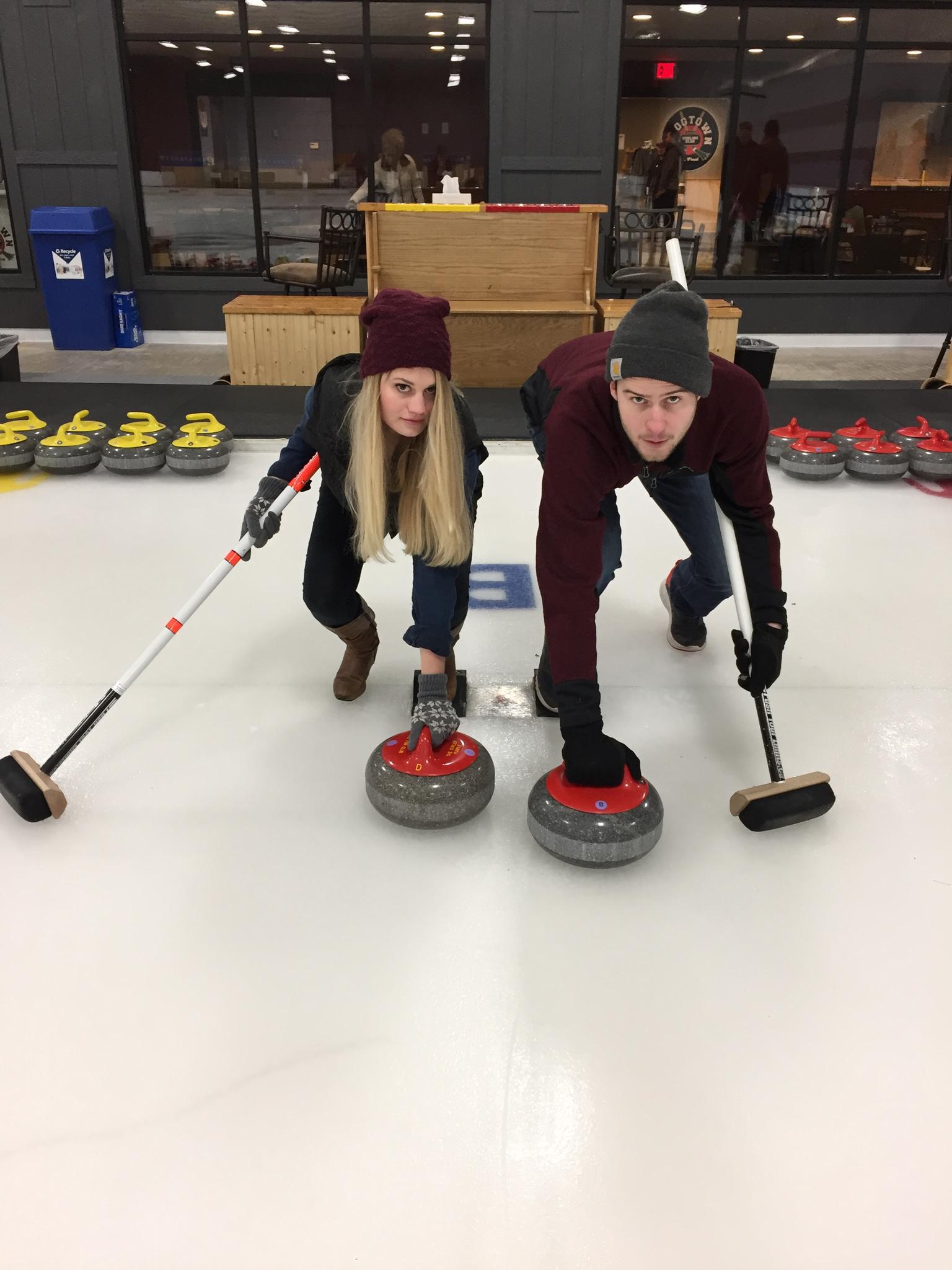
Scientific American: Why Do Curling Stones Curl?
A curling facility typically consists of several key components to support the sport and provide a suitable environment for players and spectators:
The origin of curling is sketchy but this much is agreed upon: Curling is thought to have originated in Scotland, and its roots can be traced back to medieval times. The first written record of curling dates back to 1541 in the records of the Scottish city of Paisley, where a challenge was issued for a contest on the ice between two rival churches.
The early form of the game involved players sliding stones across frozen ponds and lochs, attempting to reach a target. Over time, the sport evolved, and rules were established. Early versions of curling stones were likely rudimentary compared to the polished granite stones used today.
Curling gradually gained popularity in Scotland and spread to other parts of the world, especially among Scottish immigrants. The sport found a home in Canada in the 18th century, where it has become particularly popular. The first curling club in North America, the Montreal Curling Club, was established in 1807. The Detroit Curling Club was established in 1840; one of the oldest curling clubs in the United States, owing much to its across the river relationship with Windsor Canada.

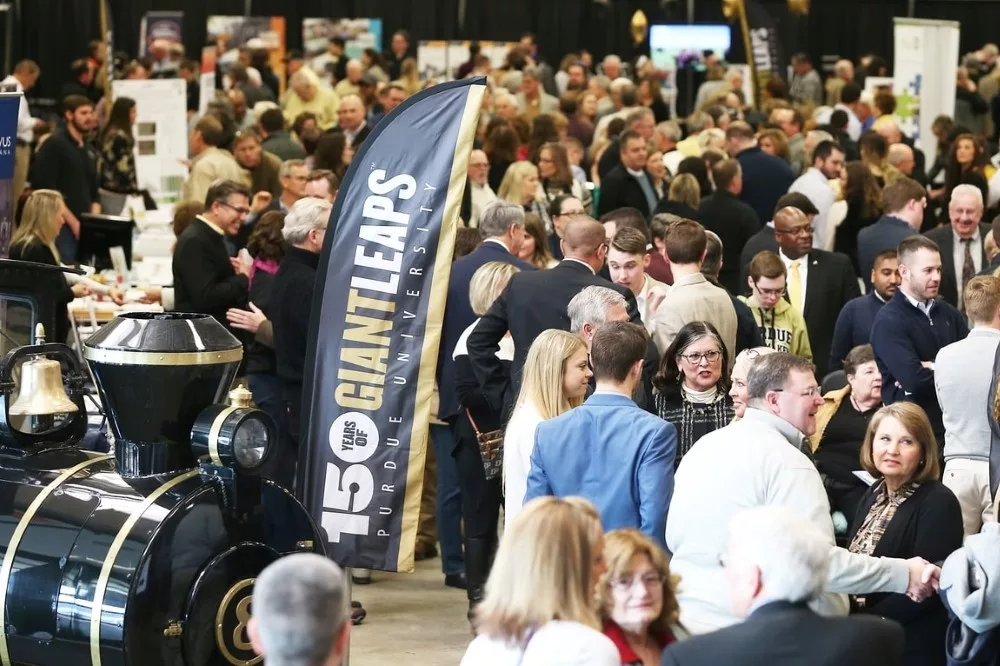
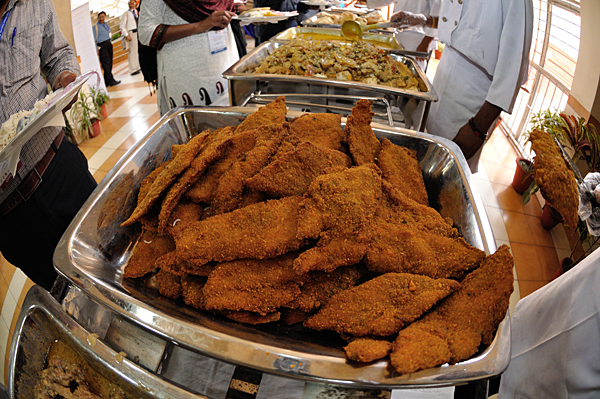
“The Fish Fry is the unofficial homecoming of Indiana agriculture,” said Danica Kirkpatrick, Executive Director of the Ag Alumni Association. “Not only do we have a fun, educational program, but our guests tell us each year how much they enjoy the networking and exhibit area. While you can’t help but notice the obvious Purdue Pride at the Fish Fry, you don’t have to be an alumnus to attend.”
“All Glory, Laud and Honour” is a hymn written by Theodulf of Orléans around 820 AD, originally in Latin as “Gloria, laus et honor.” Composed during his imprisonment in Angers, France, it was meant for Palm Sunday, celebrating Jesus’ triumphal entry into Jerusalem.
The hymn became part of liturgical traditions, sung during processions. Translated into English by John Mason Neale in 1854, it gained widespread use in Anglican and other churches. Its enduring melody, often paired with the text, is attributed to Melchior Teschner (1615). The hymn remains a staple in Christian worship, especially during Holy Week.
We resume our regular sung services starting with Evensong tonight here in King’s. Details of all Lent Term services available here:https://t.co/2F6WWRayl8 pic.twitter.com/Y6f07GBwFc
— King’s College Choir (@ChoirOfKingsCam) January 16, 2024


Remarks:
Department of Justice | June 24, 2004
The average professional in this country wakes up in the morning, goes to work, comes home, eats dinner, and then goes to sleep, unaware that he or she has likely committed several federal crimes that day. Why? The answer lies in the very nature of modern federal criminal laws, which have exploded in number but also become impossibly broad and vague.
In Three Felonies a Day, Harvey A. Silverglate reveals how federal criminal laws have become dangerously disconnected from the English common law tradition and how prosecutors can pin arguable federal crimes on any one of us, for even the most seemingly innocuous behavior.
The volume of federal crimes in recent decades has increased well beyond the statute books and into the morass of the Code of Federal Regulations, handing federal prosecutors an additional trove of vague and exceedingly complex and technical prohibitions to stick on their hapless targets.
The dangers spelled out in Three Felonies a Day do not apply solely to “white collar criminals,” state and local politicians, and professionals. No social class or profession is safe from this troubling form of social control by the executive branch, and nothing less than the integrity of our constitutional democracy hangs in the balance.

Related:
Have you been certified to do that work?
See Also: Cato Institute
Join EdSoc & IEEE Educational Activities for our upcoming free webinar: The Vital Importance of Having Fun While Learning! 🎮
📅 Thursday, 5 February 2026
🕚 11:00 AM EST
📍 Virtual via Airmeet🔗 Learn more & register: https://t.co/U6o6gZ7hgH pic.twitter.com/7QRuSx04fQ
— IEEE Education Society (@IEEE_EduSoc) January 31, 2026
Architect and Engineers Data Sheet Download | Updates January 2026
These are generally downloads. We are happy to pick through the changes to the Electrical stack depending upon interest.
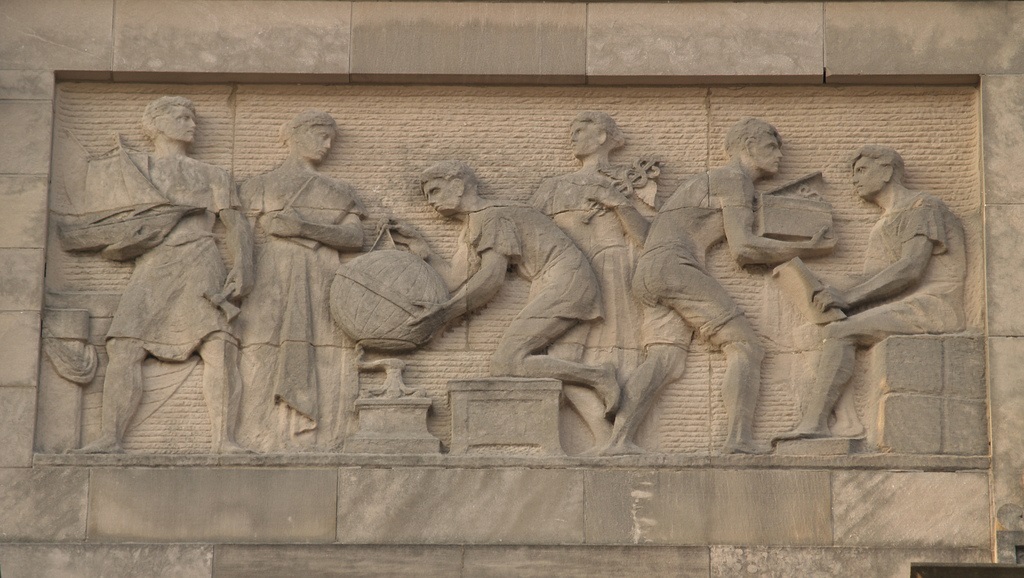
Left Panel Of George Julian Zolnay’s Allegorical “Academic, Business & Manual Education” Granite Frieze At Francis L. Cardozo High School (Washington, DC)
All fifty United States have their own “signature” disaster with which to reckon; some more than others. California has earthquakes, Florida has hurricanes, Missouri has floods; and so on, Life and property loss are preventable; but losses will persist because technical solutions notwithstanding, culture determines human behavior. It is impossible to be alive and safe.

FM Global is one of several organizations that curate privately developed consensus products that set the standard of care for many industries; education communities among them. These standards contribute to the reduction in the risk of property loss due to fire, weather conditions, and failure of electrical or mechanical equipment. They incorporate nearly 200 years of property loss experience, research and engineering results, as well as input from consensus standards committees, equipment manufacturers and others.
If you want FMGlobal as your insurance carrier, or to supplement your organization’s self-insurance program, then you will likely be assigned an FMGlobal conformity professional.
A scan of its list data sheets indicate a number of noteworthy updates of documents establishing minimum requirements for safety technologies common in education facilities:
Technical Reports Supporting Code Change
Note that the bulk of the safety concepts in the foregoing titles incorporate by reference the safety concepts that cross our radar every day FM Global provides direct access to the full span of its documents at this link:
FM GLOBAL PROPERTY LOSS PREVENTION DATA SHEETS
Note FM Global updates its standards every three months:
To respond to calls for public consultation you will need to set up (free) access credentials.
We keep FMGlobal titles — and the literature of other property insurers involved in standards setting — on the standing agenda of our Risk, Snow and Prometheus colloquia. See our CALENDAR for the next meeting.
Issue: [Various]
Category: Risk, Facility Asset Management
More
Deloitte University: Innovation in Insurance
University of Pennsylvania demonstrates the critical importance of sprinklers in dormitories
Syracuse University presents an eclectic mix of risk management challenges
Representative force majeure clauses.
Example 1: Basic Force Majeure Clause
“Neither party shall be liable for any failure or delay in performance of its obligations under this agreement due to events beyond its reasonable control, including but not limited to acts of God, war, terrorism, civil commotion, labor strikes, and natural disasters. The affected party shall promptly notify the other party of the force majeure event and take reasonable steps to mitigate its impact on performance. During the continuance of such events, the obligations of the affected party shall be suspended, and the time for performance shall be extended.”
Example 2: Detailed Force Majeure Clause
“In the event that either party is unable to perform its obligations under this agreement due to a force majeure event, the affected party shall promptly notify the other party in writing, specifying the nature and anticipated duration of the force majeure event. Force majeure events shall include, but are not limited to, acts of God, strikes, lockouts, government action or inaction, war, terrorism, epidemics, and natural disasters. The affected party shall use reasonable efforts to overcome or mitigate the effects of the force majeure event. If the force majeure event continues for a period of [specified duration], either party may terminate this agreement by providing written notice to the other party.”
New update alert! The 2022 update to the Trademark Assignment Dataset is now available online. Find 1.29 million trademark assignments, involving 2.28 million unique trademark properties issued by the USPTO between March 1952 and January 2023: https://t.co/njrDAbSpwB pic.twitter.com/GkAXrHoQ9T
— USPTO (@uspto) July 13, 2023
Standards Michigan Group, LLC
2723 South State Street | Suite 150
Ann Arbor, MI 48104 USA
888-746-3670
 |
 |
|
 |
 |
|
 |
 |