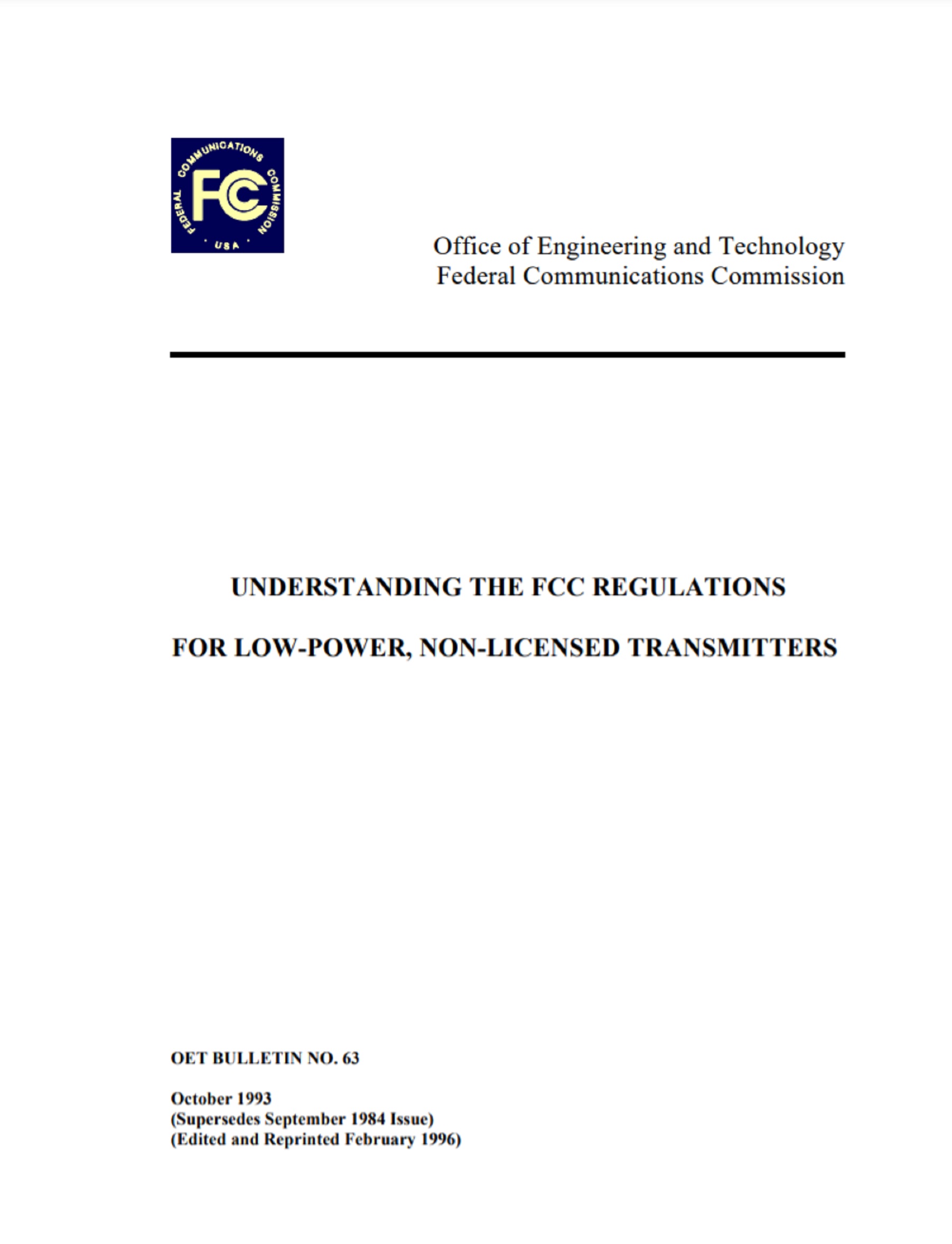
FCC: Low Power FM Broadcast Radio | IEEE: Closed Circuit Radio

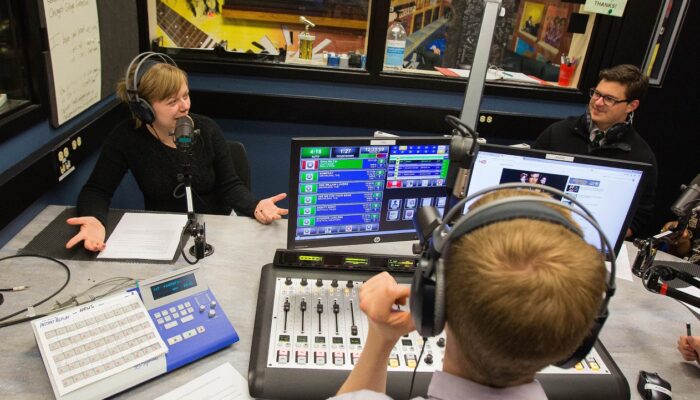
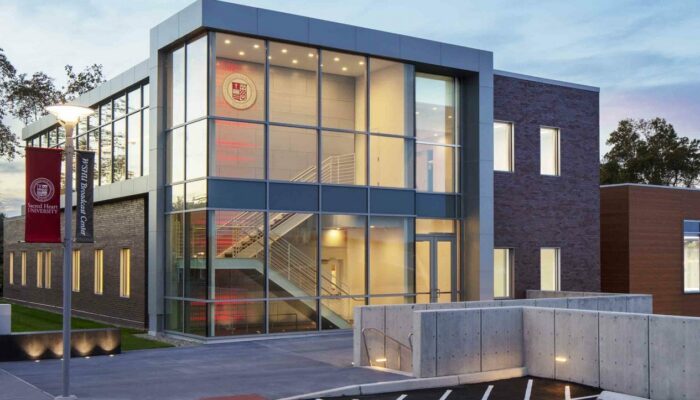
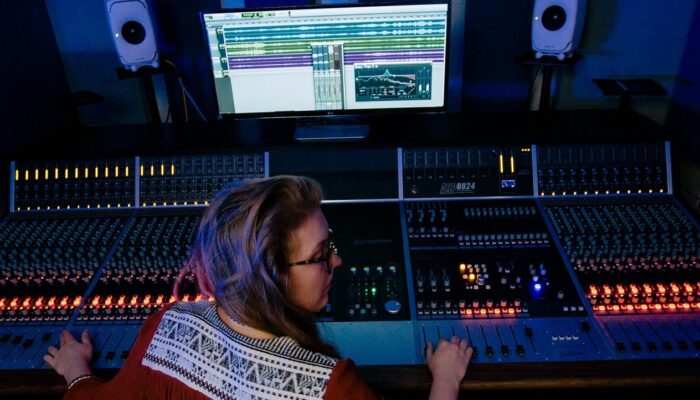
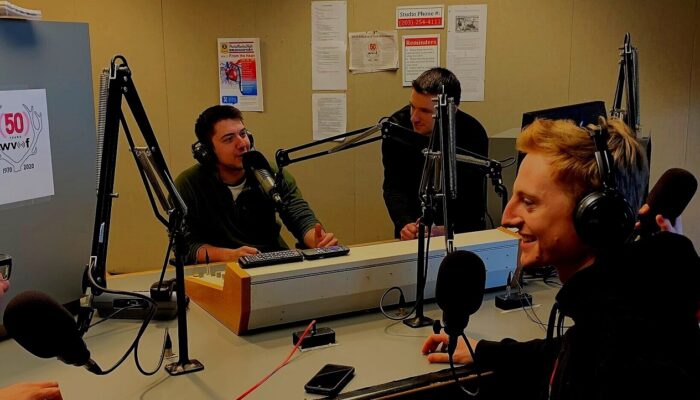
Columbia College Radio Tower for Student-Led WCRX

LIVE

Related:


FCC: Low Power FM Broadcast Radio | IEEE: Closed Circuit Radio
Columbia College Radio Tower for Student-Led WCRX
LIVE
Related:
“Wireless Telegraphy” 1899|Guglielmo Marconi


Derek T. Otermat – Ivica Kostanic – Carlos E. Otero
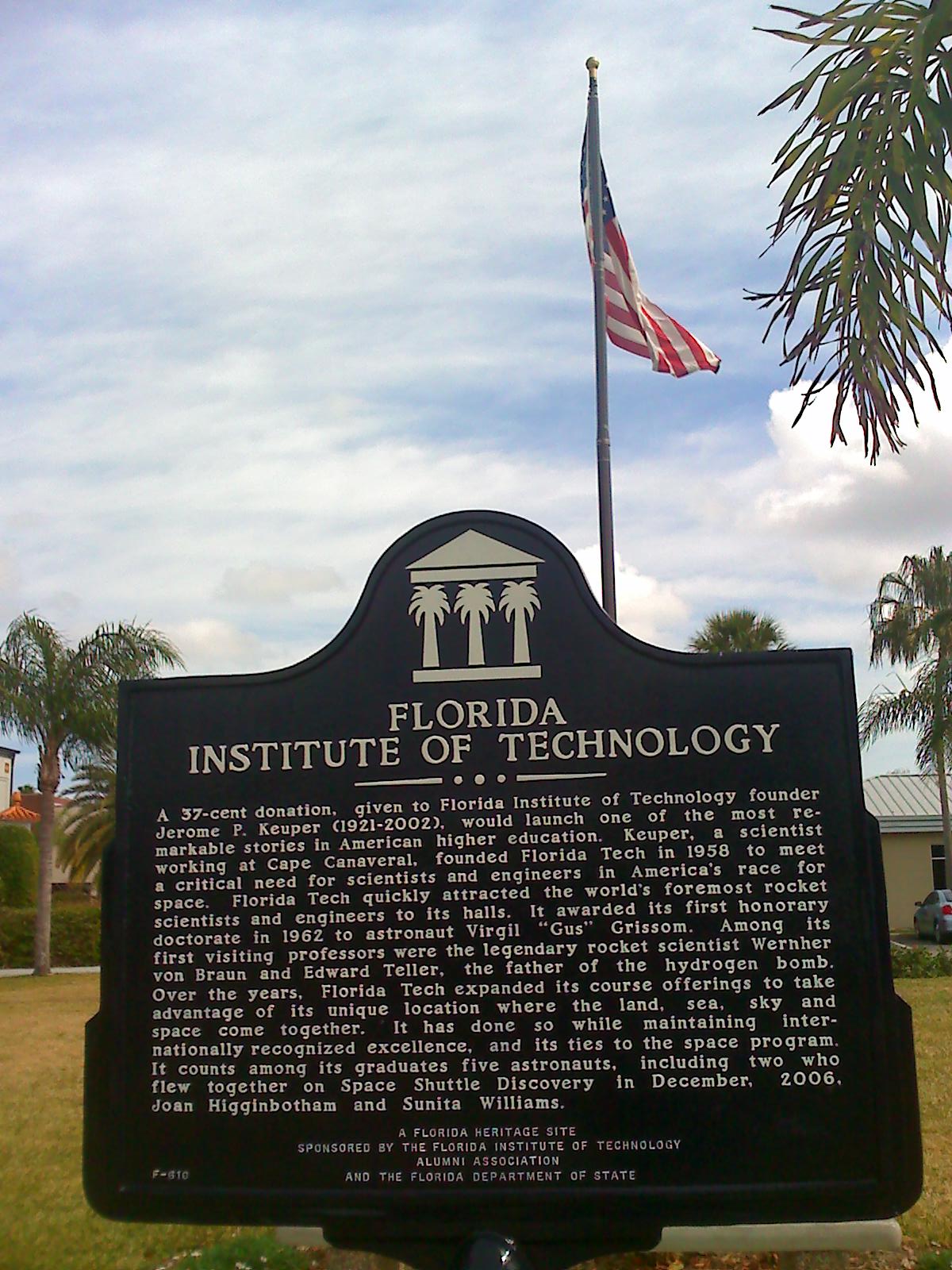
Electrical and Computer Engineering Department, Florida Institute of Technology
Abstract. The analysis presented in this paper indicates that the FM radio spectrum is underutilized in the areas of the continental United States that have a population of 100000 or less. These locations have vacant FM radio spectrum of at least 13 MHz with sufficient spectrum spacing between adjacent FM radio channels. The spectrum spacing provides the required bandwidth for data transmission and provides enough bandwidth to minimize interference introduced by neighboring predicted and unpredicted FM radio stations and other low-power short-range Internet of Thing (IoT) devices. To ensure that low-power short-range IoT devices maintain reliable communications vacant radio spectrum, such as the FM radio spectrum in these areas, will need to be used through cognitive radio.
CLICK HERE to order complete paper.
Related:
Northwestern University: Internet of Things and Edge Computing
Pennsylvania School Building Code | Standards Pennsylvania
Key supporting regulations include:
22 Pa. Code Chapter 21 (School Buildings): Covers planning, approval processes, and requirements for public school construction/reconstruction.
22 Pa. Code Chapter 349 (School Building Standards): Details space allocations, construction standards, and related rules.

Connections, learnings, and expanded conversations #SCUPNC2022 in #chicago 👍🌟 pic.twitter.com/enPtA7YJsX
— SCUP (@Plan4HigherEd) October 18, 2022
Early operations benefited from administrative support (aegis) provided by the University of Michigan, including office space and resources in Ann Arbor. This arrangement persisted until a financial crisis in the late 1970s (1976–1980), during which SCUP relocated to New York.
The decoupling—marking full operational and administrative independence from the University of Michigan—occurred in 1980, when SCUP returned to Ann Arbor as a self-sustaining nonprofit headquartered at a separate location –1330 Eisenhower Place — less than a mile walk from Standards Michigan‘s front door at 455 East Eisenhower.
* Of the 220 ANSI Accredited Standards Developers, the State of Michigan ranks 3rd in the ranking of U.S. states with the most ANSI-accredited standards developers (ASDs) headquartered there; behind the Regulatory Hegemons of California and ChicagoLand and excluding the expected cluster foxtrot of non-profits domiciled in the Washington-New York Deep State Megalopolis. Much of Michigan’s presence in the private consensus standards space originates from its industrial ascendency through most of the 1900’s.
The requirement for a licensed electrician and a certified inspector to perform and certify any electrical work above $100 is prohibitive for homeowners and facility managers. To the best of our knowledge, no other US state imposes this requirement. There are more efficacious approaches to supporting effective public electrical safety services.

Licensing and Regulatory Affairs | Electrical Administrative Board
Next Meeting: February 5, 2026 10:00 am
Meeting Minutes: August 8, 2024 (not yet available)
Meeting Minutes: October 31, 2024 (submittals for agenda items due September 26th)
Related:
Michigan Public Service Commission
MPSC takes next steps in enabling interconnection and distributed energy resources
Of considerable importance is the criteria set by this board to determine whether a journeyman electrician is permitted to practice his or her trade in the State of Michigan.
We have been advocating for changes to the State of Michigan Electrical Administrative Act that currently requires all electrical work valued above $100 to be installed by a licensed journeyman electrician and inspected by an accredited electrical inspector. The $100 threshold was set decades ago and has never been challenged by another other advocacy enterprise representing the user interest. Almost all of the stakeholders on the present Electrical Administrative Board are stakeholders who benefit economically from the $100 threshold. Much of the reason for the apparent imbalance of interests lies in tradition; but also because no user interest has been present to advocate for an update of the formal, fee schedule.
This advocacy priority was on the Do-List of the original University of Michigan codes and standards advocacy enterprise which was focused on strengthening the voice of the user/owner/final fiduciary in the promulgation of regulations affecting Michigan educational facilities (CLICK HERE for link to the legacy Advocacy Project 14-1). Of all the trades covered in the parent legislation — Stille-Derossett-Hale Single State Construction Code Act (Act 230 of 1972) — the electrical power discipline is the only discipline in Michigan building technology regulations that sets a dollar criteria for electrical work to be performed and inspected. While we recognize the need for safe installation of the electrical power chain within a building; we propose another criteria for establishing the requirement for a licensed electrician and a licensed inspector should be determined (as it is in all other construction disciplines administered by the Bureau of Construction Codes, a division of the Department of Licensing and Regulatory Affairs).
The actual text of the present regulation is available by clicking here: 338.881 Definitions | Electrical Administrative Act 217 of 1956

Father Marquette
As a consequence of former Governor Snyder’s Office of Regulatory Reinvention significant changes to both the Bureau of Construction Codes, a division of the Department of Licensing and Regulatory Affairs) have taken place within the past twelve months; which make us optimistic about political support for our proposals. We will be collaborating with our colleagues at Michigan State University to make necessary legislative changes we believe will lower the #TotalCostofOwnership of education facilities in the State of Michigan.
We will refer the Michigan Electric Code, and other state electrical codes to the IEEE Education and Healthcare Facilities Committee which hosts bi-weekly breakout teleconferences with electrical professionals in the education facilities industry as required by the demand for them.
Electrical Administrative Board Responsibilities and Meeting Schedule
The next meeting of the Michigan Electrical Board is November 2nd. We have been attending the meetings in Lansing and have made our proposal to revisit the dollar criteria known to the entire board. We hope the Electrical Administrative Board will develop another criteria; inspired by the electrical administrative boards of other states.

Issue: [14-1]
Contact: Mike Anthony, Jack Janveja, Richard Robben, Kane Howard
Category: Electrical, State & Local Legislation
Link to Issue 14-1 Legacy Website
LEARN MORE:
Wide Variations in State Adoptions of the NEC® Reveal Neglect of Electrical Safety
Most people step into morning shower and pour their first drink take as read the water and energy standards that assure safety and reliability. Today at the usual hour we refresh our understanding of the relatively stable stack of standards that are treated as given. With links to the Alice Parker invention of home heating. Use the login credentials at the upper right of our home page.
Related:
ASSE 1016/1017 mixing valves to prevent scalds, and temperature guidelines balancing burn risks (max ~120°F at fixtures) against Legionella growth (storage ≥140°F).
NSF/ANSI 61/372 for drinking water safety.
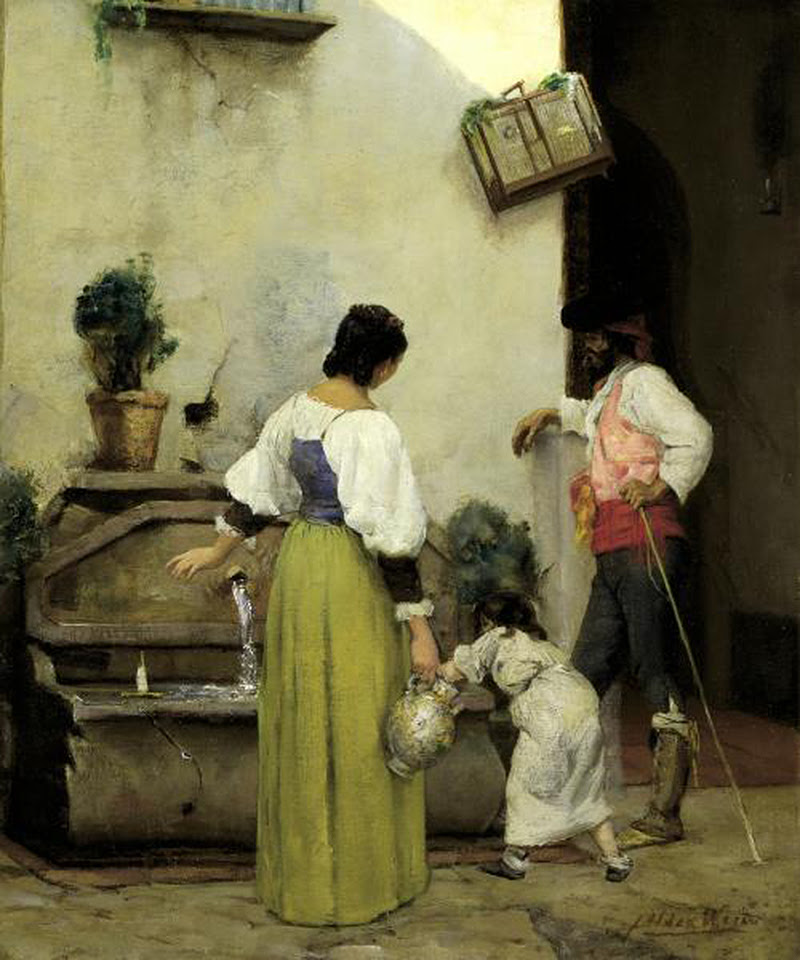
“At the Water Trough” 1876 J. Alden Weir
Today we slice horizontally through several vertical catalogs that interact, cross reference and are fairly dynamic in their best practice discovery and promulgation.
ASME A112.*| ASSE Series 5000 | AWWA| IAPMO | CISPI 301 Series | NSF Ann Arbor Michigan
Plumbing and sanitation systems in educational settlements – especially those with healthcare and research enterprises are intricately linked, ensuring clean water supply, waste removal, and public health. Plumbing systems deliver potable water to dormitories, academic buildings, dining halls, and recreational facilities through a network of pipes, pumps, and valves. (Kitchens). These systems source water from municipal supplies or campus wells, often treated to meet safety standards (Backflow Prevention). Hot water heaters and pressure regulators maintain consistent supply for showers, sinks, and laboratories.
Sanitation systems, conversely, manage wastewater and sewage. They collect used water from toilets, sinks, and showers, channeling it through drainage pipes to campus treatment facilities or municipal sewer systems. Advanced campuses may employ on-site wastewater treatment plants, using processes like sedimentation and biological treatment to reduce environmental impact. Regular maintenance, including pipe cleaning and septic tank pumping, prevents blockages and contamination.
The interaction requires precise coordination. Plumbing systems must avoid cross-contamination with sanitation lines, using backflow preventers and proper pipe insulation.
Sanitation systems rely on plumbing’s water flow to transport waste efficiently. On large campuses, high demand during peak hours challenges both systems, necessitating robust infrastructure. Sustainable practices, like low-flow fixtures and greywater recycling, enhance efficiency, reduce costs, and align with campus environmental goals, ensuring a hygienic and functional environment.
Join us today at 11 AM when we sort through the settled science and unsettled standards of care. Use the login credentials at the upper right of our home page.
Related:

“Mechanic and Steam Pump” | Lewis W. Hine (1921)
The heating and cooling requirements of K-12 schools, college and university educational, medical research and healthcare delivery campuses are a large market for boiler pressure vessel manufacturers, installers, maintenance personnel and inspectors. The demand for building new, and upgrading existing boilers — either single building boilers, regional boilers or central district energy boilers — presents a large market for professional engineering firms also. A large research university, for example, will have dozens, if not well over 100 boilers that heat and cool square footage in all climates throughout the year. The same boilers provide heating and cooling for data centers, laundry operations, kitchen steam tables in hospitals and dormitories.
The safety rules for these large, complex and frankly, fearsome systems, have been developed by many generations of mechanical engineering professionals in the American Society of Mechanical Engineers (ASME) Boiler and Pressure Vessel Code (BPVC). From the BPVC scope statement:
“…The International Boiler and Pressure Vessel Code establishes rules of safety — relating only to pressure integrity — governing the design, fabrication, and inspection of boilers and pressure vessels, and nuclear power plant components during construction. The objective of the rules is to provide a margin for deterioration in service. Advancements in design and material and the evidence of experience are constantly being added…”
Many state and local governments incorporate the BPVC by reference into public safety regulations and have established boiler safety agencies. Boiler explosions are fairly common, as a simple internet search on the term “school boiler explosion” will reveal. We linked one such incident at the bottom of this page.
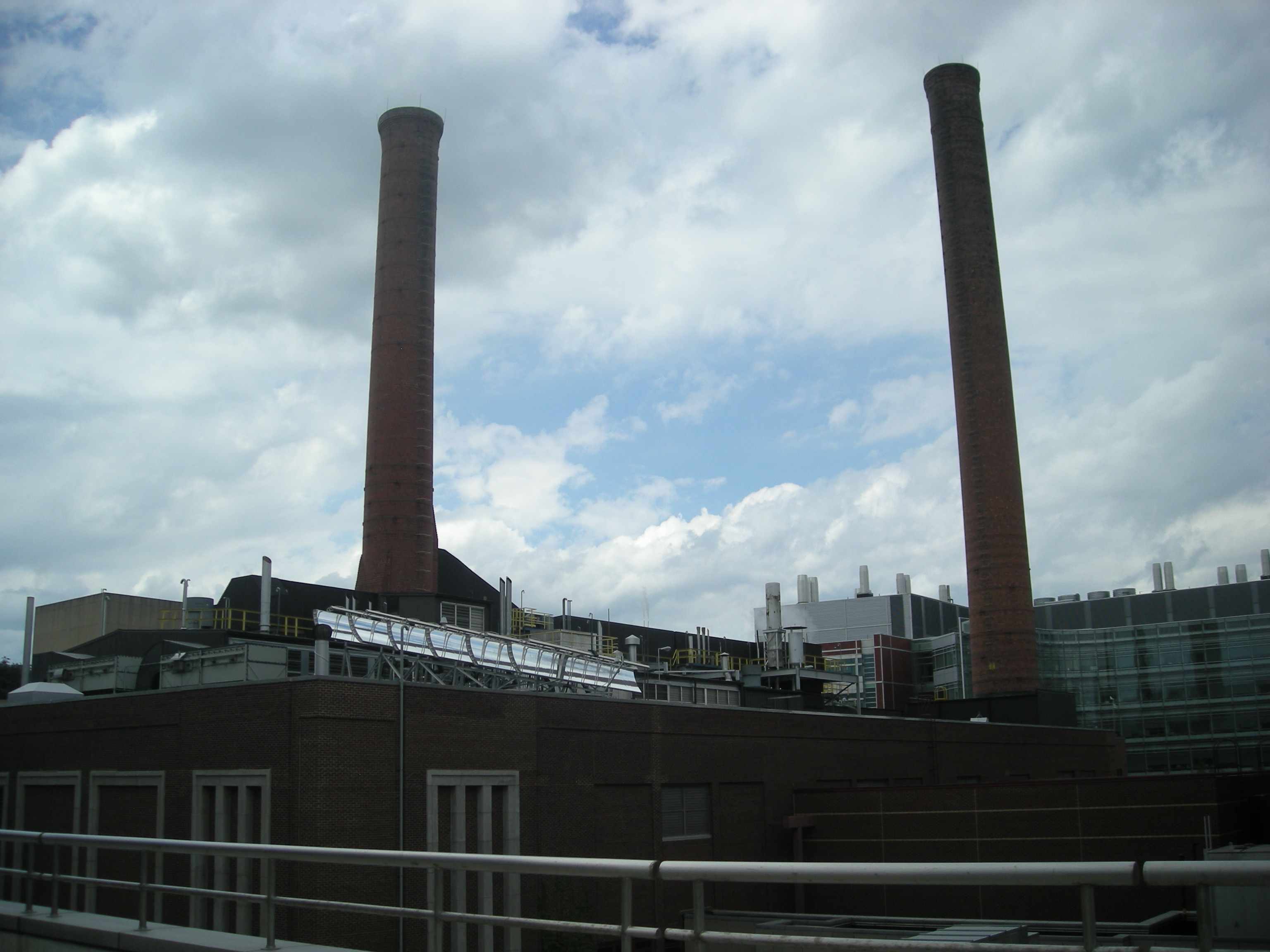
University of Michigan Central Heating Plant

The 2023 Edition of the BPVC is the current edition; though the document is divided into many sections that change quickly.
ASME Codes & Standards Electronic Tools
ASME Proposals Available For Public Review
ASME Section IV: Rules for the Construction of Heating Boilers (2019)
Public consultation on changes to the BPVC standard for power boilers closes February 3rd.
This is a fairly stable domain at the moment. We direct you elsewhere to emergent topics:
Ghost kitchens gaining steam on college campuses
College: the Next Big Frontier for Ghost Kitchens
Illinois Admin. Code tit. 77, § 890.1220 – Hot Water Supply and Distribution
Design Considerations for Hot Water Plumbing
FREE ACCESS: 2019 ASME Boiler and Pressure Code (Section VI)

Two characteristics of the ASME standards development process are noteworthy:
We unpack the ASME bibliography primarily during our Mechanical, Plumbing and Energy colloquia; and also during our coverage of large central laundry and food preparation (Kitchens 100) colloquia. See our CALENDAR for the next online meeting, open to everyone.
Issue: [12-33] [15-4] [15-161] [16-77] [18-4] [19-157]
Category: District Energy, Energy, Mechanical, Kitchens, Hot Water
Contact: Eric Albert, Richard Robben, Larry Spielvogel
More:
Standards Michigan BPVC Archive
Big Ten & Friends Energy Conference 2023
Standards Michigan Workspace (Requires access credentials from bella@standardsmichigan.com).
School Boiler Maintenance Programs: How Safe Are The Children?
Boiler Explodes at Indiana High School
Engineers at @virginia_tech are boosting heat transfer by prompting bubbles to jump from a heated plate during boiling, potentially increasing power plant efficiency with microstructures: https://t.co/W1gLvhn15q pic.twitter.com/45PNRAEmpB
— ASME.org (@ASMEdotorg) January 30, 2024
New update alert! The 2022 update to the Trademark Assignment Dataset is now available online. Find 1.29 million trademark assignments, involving 2.28 million unique trademark properties issued by the USPTO between March 1952 and January 2023: https://t.co/njrDAbSpwB pic.twitter.com/GkAXrHoQ9T
— USPTO (@uspto) July 13, 2023
Standards Michigan Group, LLC
455 East Eisenhower Parkway, Suite 300
Ann Arbor, MI 48108 USA
888-748-3670
 |
 |
|
 |
 |
|
 |
 |