
Tag Archives: D2

Loading
loading..

IBC Electrical (Outdoor Lighting)

2025 Committee Action Hearings – Group B #1

Proposal for Performance-Based Building Premise Wiring | Chapter 27): Monograph Page 754

Electrical building — World Columbian Exposition, Chicago, Illinois 1892

The International Code Council bibliography of electrical safety practice incorporates titles published by the National Fire Protection Association which reference electrical safety science titles published by the Institute of Electrical and Electronic Engineers.  The relevant section of the International Building Code is therefore relatively short:

2021 International Building Code: Chapter 27 Electrical

Note that Chapter 27 provides more guidance on managing the hazards created when electricity is absent*.  Since the National Electrical Code is informed by a fire safety building premise wiring culture; absence of electricity is not as great a hazard as when building wiring systems are energized.  (“So they say” — Mike Anthony, who thinks quite otherwise.)

2024/2025/2026 ICC CODE DEVELOPMENT SCHEDULE

2025 GROUP B PROPOSED CHANGES TO THE I-CODES | Complete Monograph (2630 pages)

Although we collaborate most closely with the IEEE Education & Healthcare Facilities Committee (four times monthly in Europe and the Americas) we e encourage our colleagues in education communities everywhere to participate directly in the ICC Code Development process.   CLICK HERE to set up an account.

It is enlightening — and a time saver — to unpack the transcripts of previous revisions of codes and standards to see what concepts were presented, what got discussed; what passed and what failed.  We provide links to a few previous posts that track recent action in the ICC suite relevant to electrotechnologies:

Electric Vehicle Charging

Entertainment Occupancies

K-TAG Matrix for Healthcare Facilities

International Energy Conservation Code

The ICC suite of consensus products are relevant to almost all of our work; everyday.   See our CALENDAR that reflects our Syllabus.  Today we deal with electrical safety concepts because technical committees are meeting from November to January to write the 2023 National Electrical Code.  CLICK HERE to follow the action in more detail.


* The original University of Michigan advocacy enterprise began pounding on National Electrical Code committees to install more power reliability concepts in the 2002 Edition with only modest success.  Standards Michigan has since collaborated with the IEEE Education & Healthcare Facilities Committee to drive “absence-of-power-as-a-hazard” into the National Electrical Code; the 2023 now open for public consultation.


N.B.

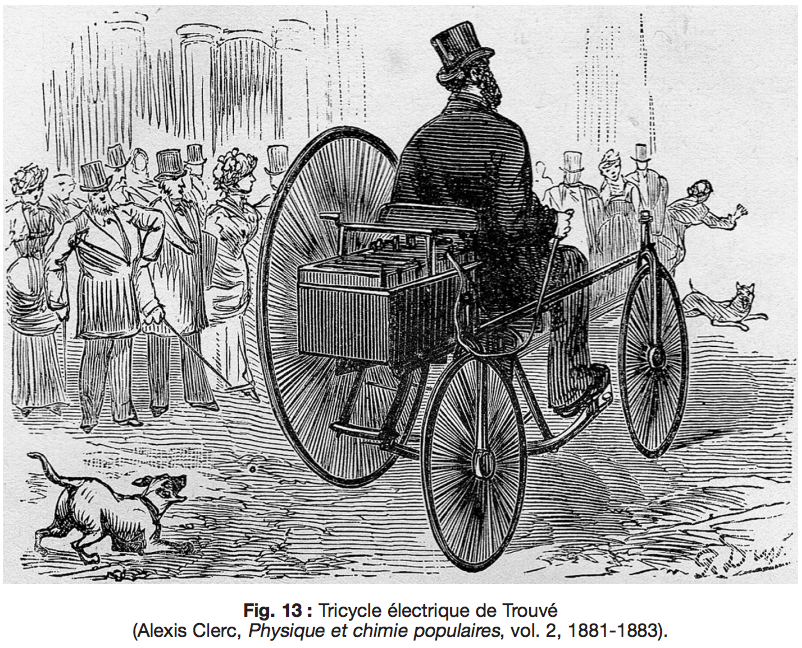
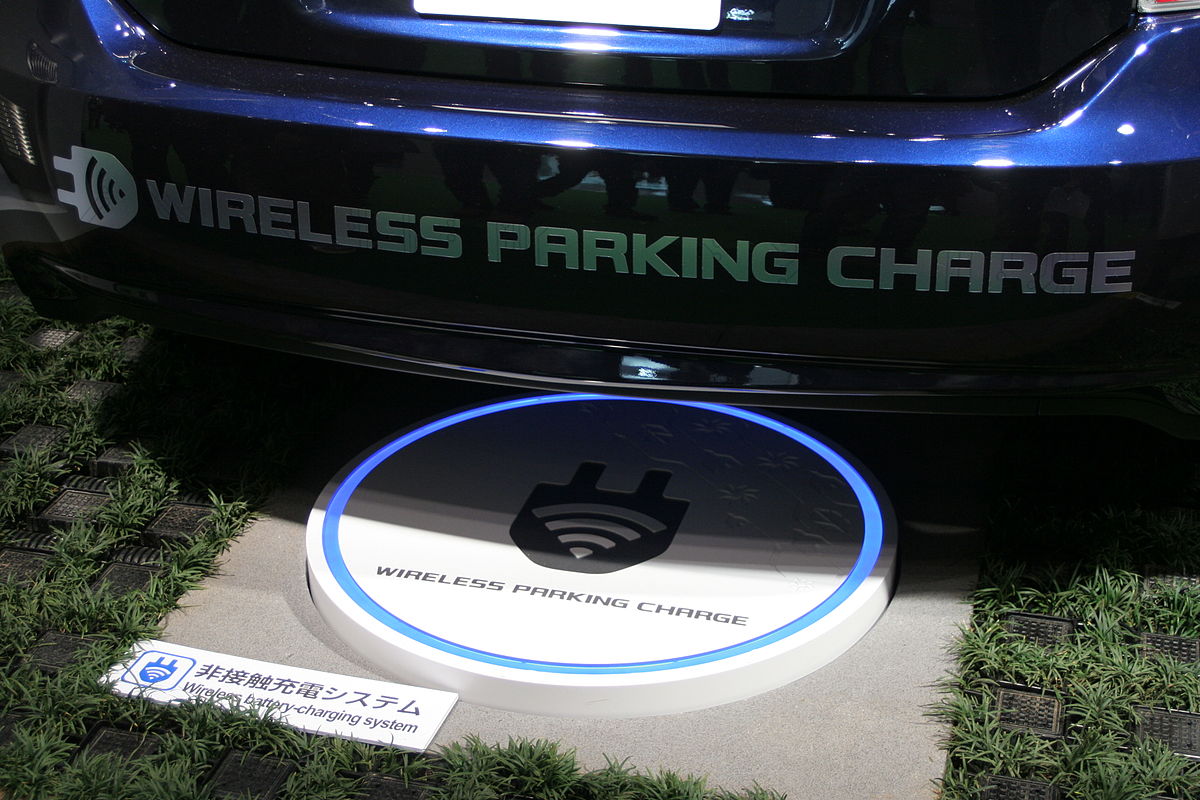
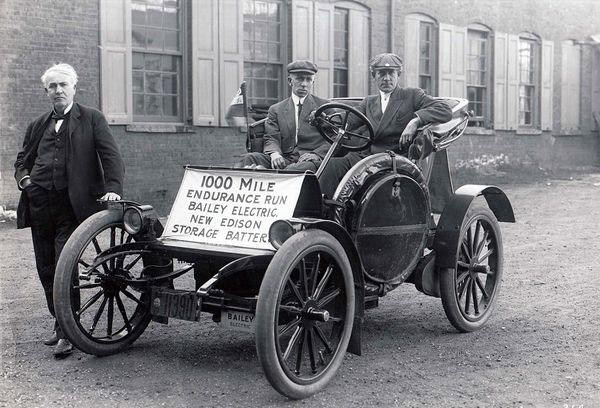
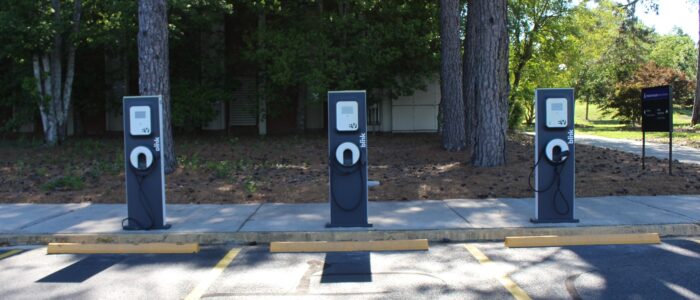
Assuming building interior fire safety issues can be managed, one way of getting more electric vehicle charging stations built around campus is to install requirements into the building code — thereby putting the construction cost, operation, maintenance and risk upon real-asset Developers and Owners. Code change submittals for the Group A tranche of titles will be received until January 8, 2024.


Information & Communication Technology Cabling

Balloting on the first stage of development of the 2023 National Electrical Code is underway now and will be completed by March 26th.  We collaborate with several experts in the IEEE who are the leading voices in standards setting for ICT infrastructure present in education communities.  The issues are  many and complex and fast-moving.   We provide transcripts and a sample of the issues that will determine the substance of the 2023 Edition.

Code Making Panel No. 3 Public Input Report

A sample of concepts in play:

Temperature limitations of Class 2 and Class 3 Cables

Fire resistive cabling systems

Multi-voltage (single junction, entry, pathway or connection) signaling control relay equipment

Listing of audio/video power-limited circuits

Code Making Panel No. 16 Public Input Report

A sample of concepts in play:

Definition of “Communication Utility”

Mechanical execution of work

Listed/Unlisted cables entering buildings

Underground communication cabling coordination with the National Electrical Safety Code

Public comment on the First Draft of the 2026 revision will be received until August 24, 2024.  We collaborate with the IEEE Education & Healthcare Facilities Committee which hosts open colloquia 4 times monthly in European and American time zones.   See our CALENDAR for the next online meeting; open to everyone.

"One day ladies will take their computers for walks in the park and tell each other, "My little computer said such a funny thing this morning" - Alan Turing

“Backup” Power Systems

Image Credit: Unknown

We use the term “backup” power system to convey the complexity of electrical power sources when the primary source is not used; either as a scheduled or an unscheduled event.   Best practice literature in this domain has been relatively stable, even though challenged by newer primary source of power technologies.   We are running our daily colloquium in parallel with the recurring 4 times monthly meetings of the IEEE Education & Healthcare Facilities Committee.   You are welcomed to join us with the login credentials at the upper right of our home page.

Emergency & Standby Power Systems

2026 National Electrical Code Workspace

IEC 60947-6-1 Low-voltage switchgear and controlgear – Part 6-1: Multiple function equipment – Transfer switching equipment


2028 National Electrical Safety Code

Electrical Resource Adequacy

NESC & NEC Cross-Code Correlation


Baseball Lighting

The College World Series begins this weekend in Omaha between Louisiana State University and Coastal Carolina.


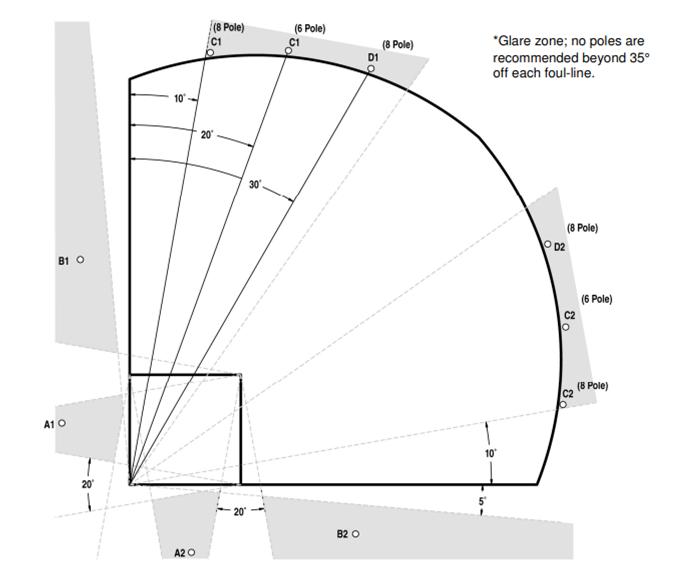
Baseball is a pastoral game and lighting changed the experience of it. Since a baseball is less than 3-inches in diameter and routinely travels 400 feet at 100 miles per hour, illumination design must have outfielders in mind as well as other players and spectators.

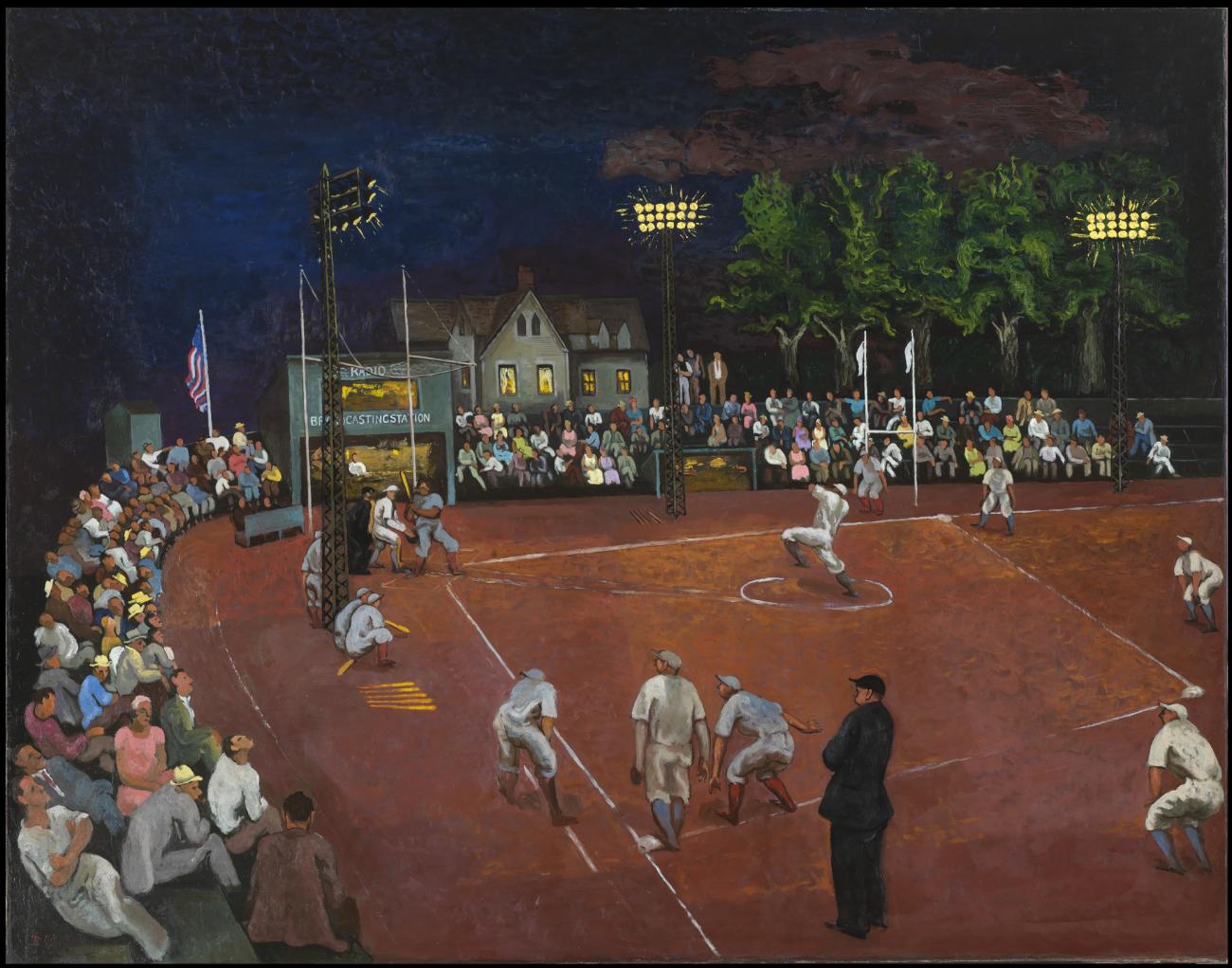
“Baseball at Night” | Morris Kantor (1934)


“Baseball is ninety percent mental

and the other half is physical.”

– Yogi Berra


After athletic facility life safety obligations are met (governed legally by NFPA 70, NFPA 101, NFPA 110,  the International Building Code and possibly other state adaptations of those consensus documents incorporated by reference into public safety law) business objective standards may come into play.  For business purposes, the documents distributed by the National Collegiate Athletic Association inform the standard of care for individual athletic arenas so that swiftly moving media production companies have some consistency in power sources and illumination as they move from site to site.  Sometimes concepts to meet both life safety and business objectives merge.


During the spring baseball season the document linked below provides guidance for illumination designers, contractors and facility managers:

NCAA Best Lighting Practices

Athletic programs are a significant source of revenue and form a large part of the foundation of the brand identity of most educational institutions in the United States.   We focus primarily upon the technology standards that govern the safety, performance and sustainability of these enterprises.  We cover the objectives of the energy conservation advocates in separate posts; notably advocates using the International Code Council and the ASHRAE suite to advance their agenda to press boxes and the entire baseball experience (interior and exterior) site in separate posts.

We collaborate very closely with the IEEE Education & Healthcare Facilities Committee where subject matter experts in electrical power systems meet 4 times each month in the Americas and Europe.

See our CALENDAR for our next Sport colloquium  We typically walk through the safety and sustainability concepts in play; identify commenting opportunities; and find user-interest “champions” on the technical committees who have a similar goal in lowering #TotalCostofOwnership.

Issue: [15-138]*

Category: Electrical, Energy Conservation, Energy,  Athletics & Recreation

Colleagues: Mike Anthony, Jim Harvey, Jose Meijer, Scott Gibbs, George Reiher


More

Comparison of MH and LED performance for sport lighting application

A novel smart energy management system in sports stadiums

Tracking pitches for broadcast television

Stadium Lights

Outdoor Lighting Design Guide

Sport Lighting


Emergency & Standby Power Systems

FREE ACCESS: 2025 Standard for Emergency and Standby Power Systems

Public Input for 2028 Revision Received Until June 4, 2025

Academy of Art University | San Francisco County

Elevators rely on electricity to function, and when there’s a power outage, the main source of power is disrupted. Modern elevators often have backup power systems, such as generators or battery packs, to lower the cab to the nearest floor and open the doors, but these systems may not work optimally, or be connected to all elevators or may not exist in older or less well-maintained buildings.

Today we start with getting the source of power right; leaving complicating factors such as alarms, reset and restart sequences.   NFPA 110 is the parent standard which references NFPA 70.
NFPA 110 FREE ACCESS

UpCodes Access

Ω


Public Input Report | 5 October 2022

Second Draft Meeting Minutes | 2 February 2023

Public Input No. 31-NFPA 110-2022 [ Section No. 3.2.4 ] | Page 7

National Electrical Code CMP-12


Bibliography

An Overview of NFPA 110

Type 10 Requirements for Emergency Power Systems

Bibliography: Microgrids

Canadian Electrical Code

This content is accessible to paid subscribers. To view it please enter your password below or send mike@standardsmichigan.com a request for subscription details.

Rightsizing Electrical Power Systems

Standards Michigan, spun-off in 2016 from the original University of Michigan Business & Finance Operation, has peppered NFPA 70 technical committees writing the 2016-2026 National Electric Code with proposals to reduce the size of building premise feeder infrastructure; accommodating the improvements made in illumination and rotating machinery energy conservation since the 1980’s (variable frequency drives, LED lighting, controls, etc.)

These proposals are routinely voted down in 12-20 member committees representing manufacturers (primarily) though local inspection authorities are complicit in overbuilding electric services because they “bill by the service panel ampere rating”.  In other words, when a municipality can charge a higher inspection fee for a 1200 ampere panel, what incentive is there to support changes to the NEC that takes that inspection fee down to 400 amperes?

The energy conservation that would result from the acceptance of our proposals into the NEC are related to the following: reduced step down transformer sizes, reduced wire and conduit sizes, reduced panelboard sizes, reduced electric room cooling systems — including the HVAC cooling systems and the ceiling plenum sheet metal carrying the waste heat away.   Up to 20 percent energy savings is in play here and all the experts around the table know it.   So much for the economic footprint of the largest non-residential building construction market in the United States — about $120 billion annually.

The market incumbents are complicit in ignoring energy conservation opportunity.  To paraphrase one of Mike Anthony’s colleagues representing electrical equipment manufacturers:

“You’re right Mike, but I am getting paid to vote against you.”

NFPA Electrical Division knows it, too.

University of Michigan


Rightsizing Commercial Electrical Power Systems: Review of a New Exception in NEC Section 220.12

Michael A. AnthonyJames R. Harvey

University of Michigan, Ann Arbor

Thomas L. Harman

University of Houston, Clear Lake, Texas

For decades, application of National Electrical Code (NEC) rules for sizing services, feeders and branch circuits has resulted in unused capacity in almost all occupancy classes. US Department of Energy data compiled in 1999 indicates average load on building transformers between 10 and 25 percent. More recent data gathered by the educational facilities industry has verified this claim. Recognizing that aggressive energy codes are driving energy consumption lower, and that larger than necessary transformers create larger than necessary flash hazard, the 2014 NEC will provide an exception in Section 220.12 that will permit designers to reduce transformer kVA ratings and all related components of the power delivery system. This is a conservative, incremental step in the direction of reduced load density that is limited to lighting systems. More study of feeder and branch circuit loading is necessary to inform discussion about circuit design methods in future revisions of the NEC.

CLICK HERE for complete paper

University of Houston

2026 National Electrical Code Workspace

Layout mode
Predefined Skins
Custom Colors
Choose your skin color
Patterns Background
Images Background
Standards Michigan
error: Content is protected !!
Skip to content